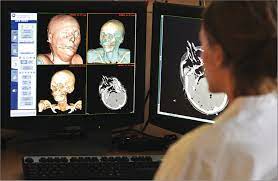
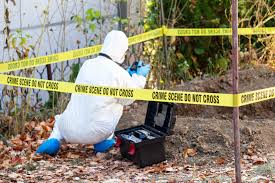
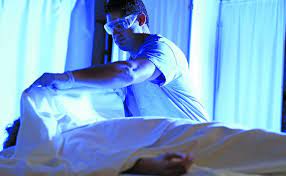
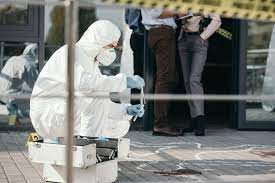
The 3 stages of a Death Investigation are Examination, Correlation, and Interpretation. All are equalling important, each stage needs the input of all involved in that stage of the investigation and each may need specialized input.
Dopamine. Also known as the “feel-good” hormone, dopamine is a hormone and neurotransmitter that's an important part of your brain's reward system. Dopamine is associated with pleasurable sensations, along with learning, memory, motor system function, and more.
Phylogeography is an integrative discipline that aims to understand the geographic ordination of genotypes. In recent decades, phylogeographic approaches have been used to enhance our understanding of biogeography and landscape genetics across a variety of spatial scales.
The typology of behavior, as an approach to personality, is caught between the relative barrenness of the geographical environment for purposes of psychological understanding and the need of first knowing the individual whose behavioral environment is to be defined.
Individuals with a major depressive episode or major depressive disorder are at increased risk for suicide. Seeking help and treatment from a health professional dramatically reduces the individual's risk for suicide.
Modern medicolegal death investigation has evolved into a discipline of forensic science using both forensic medical practitioners and forensic investigators Randy Hanzlick stated that death investigations carry broad societal importance for criminal justice and public health.
Athletic sports or contests are competitions which are primarily based on human physical competition, demanding the qualities of stamina, fitness, and skill.
Physiognomy (from the Greek φύσις physis meaning "nature" and gnomon meaning "judge" or "interpreter") is the practice of assessing a person's character or personality from their outer appearance—especially the face
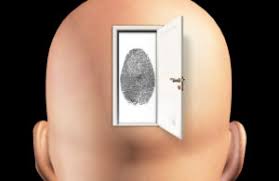
Phrenology is a process that involves observing and/or feeling the skull to determine an individual's sychological attributes. Franz Joseph Gall believed that the brain was made up of 27 individual organs that eterminedrsonality.
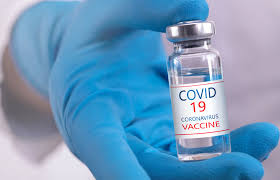
The most common side effects of the Covid-19 vaccines are pain or tenderness at the injection site in other ords, a sore arm a UK study has suggested. Roughly one infour people had wider effects like fever, eadache,nausea and fatigue. But these only lasted on average for one day
Most candidate vaccines are aimed at inducing neutralizing antibodies against the viral spike (S) protein, which prevents its uptake via the ACE2 receptor
A therapy or medical treatment is the attempted remediation of a health problem, usually following a medical diagnosis. As a rule, each therapy has indications and contraindications. There are many different types of therapy. Not all therapies are effective.
Biopsy News and Research. Biopsy is the removal of cells or tissues for examination by a pathologist. The pathologist may study the tissue under a microscope or perform other tests on the cells or tissue. There are many different types of biopsy procedures.
Most of these cadavers had been embalmed. To create prints, these researchers applied a coating of baby oil and petroleum jelly to their hands and then touched areas of skin on the cadavers. At timed intervals, they then attempted to develop these latent prints.
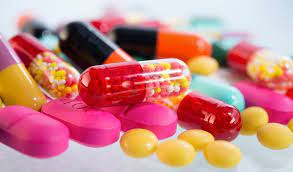
Pharmacology is a branch of medicine and pharmaceutical sciences concerned with drug or medication action, where a drug may be defined as any artificial, natural, or endogenous molecule which exerts a biochemical or physiological effect on the cell, tissue, organ, or organism.