
Sabitlenmiş Tweet
Fraise 🍓
37 posts


Fraise 🍓
@Francesx8n
18+. I'm addicted and I can't stop... I'm not joking... I'm serious. but you can either help me or not. it's fine. it doesn't matter....
Katılım Kasım 2025
19 Takip Edilen1 Takipçiler
Fraise 🍓 retweetledi

White pussy being filled with cum from big black cocks is so hot and my favorite kind of ending! It’s the only place black men should be cumming! Nothing hotter than a black bred white pussy
English
Fraise 🍓 retweetledi
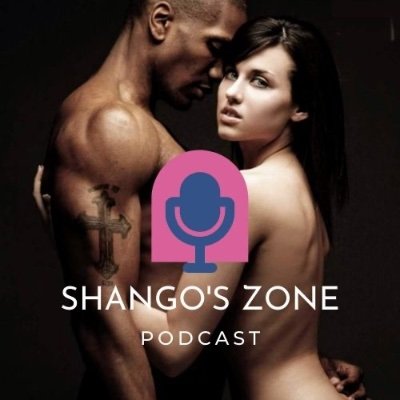
Imagine the copious amount of black seed swimming in your pussy if you allow yourself to be Black-bred! #creampie #cumfilledpussy #blackbreeding #junglefever #OnceYouGoBlackYouWontGoBack
English

UGHHHHHH x keeps making me delete my posts, that's why I'm tired of this stupid app. It's so fucking racist, trying to cover my mouth talking about bnwo... LET ME LOVE BLACK MEN AND REMIND WH*TES OF THEIR PLACE BLACK IS BETTER BLACK IS BETTER BLACK IS BETTER ♠️♠️♠️
English
Fraise 🍓 retweetledi

What? you thought was just an ass? Nah, that's a boipussy.Built to serve, stretch, and please Black Alpha Kings like me
Once Daddy's done wreckin' that tight lil' virgin boi-cunt, it's over.
Comment "Yes Daddy" if your sissy ass is desperate for a real hard pounding like this!
English
Fraise 🍓 retweetledi
Fraise 🍓 retweetledi

Do wh*tebois really think they have the strength and power to handle her? 😹 She’s a BBC only pawg loser 🖕
English
Fraise 🍓 retweetledi

We`re being litterally pounded into extinction! The statistics don`t lie!
English
Fraise 🍓 retweetledi

A European woman has decided to spend her vacation in Africa. How will this vacation end?
English
Fraise 🍓 retweetledi
Fraise 🍓 retweetledi

English
Fraise 🍓 retweetledi

He came inside her 3 times already and is still going like a bull
#BBC #BreedBlack #Cuckold #SizeMatters #bigblackcock #nopulllingout #bredbyblack #blackbreeding #slutwife
English
Fraise 🍓 retweetledi
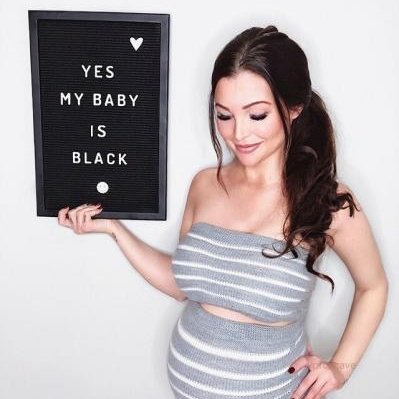
You would always protect your little sister.
Then she met that girl who only fucks black guys.
Next thing you know she's black bred!
#snowbunnies #blackguysonly #bbcslut #breedblack #blackbred #blacked #blackbreeding #girlsgoneblack #bbckings #saynotowhitebois
English
Fraise 🍓 retweetledi
Another white pussy successfuly black bred
English
Fraise 🍓 retweetledi
Le type de vidéos que tu aimerais recevoir de ta femme ♠️
Français
Fraise 🍓 retweetledi
Ta femme se fait prendre par des BBC quand t'es au travail ♠️
Français
Fraise 🍓 retweetledi
Les blanches sont naturellement soumises aux BBC ♠️
Français
Fraise 🍓 retweetledi

Along with MNWO, there’s BNWO… Muslim/Black New World Order, an attempt at silent genocide to replace all white people by “out breeding”.
This propaganda is subtly pushed onto our children through a variety of platforms, trends, and even influencers all promoting this agenda!!
Kinda scary shit..
See my posts on bots to see how they try to keep it hidden!!
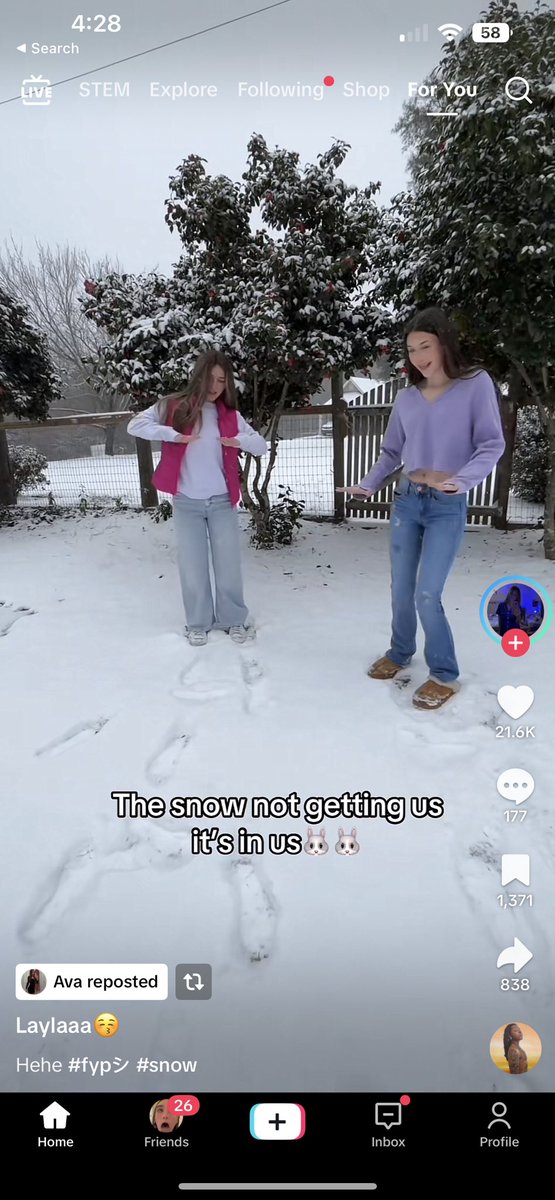
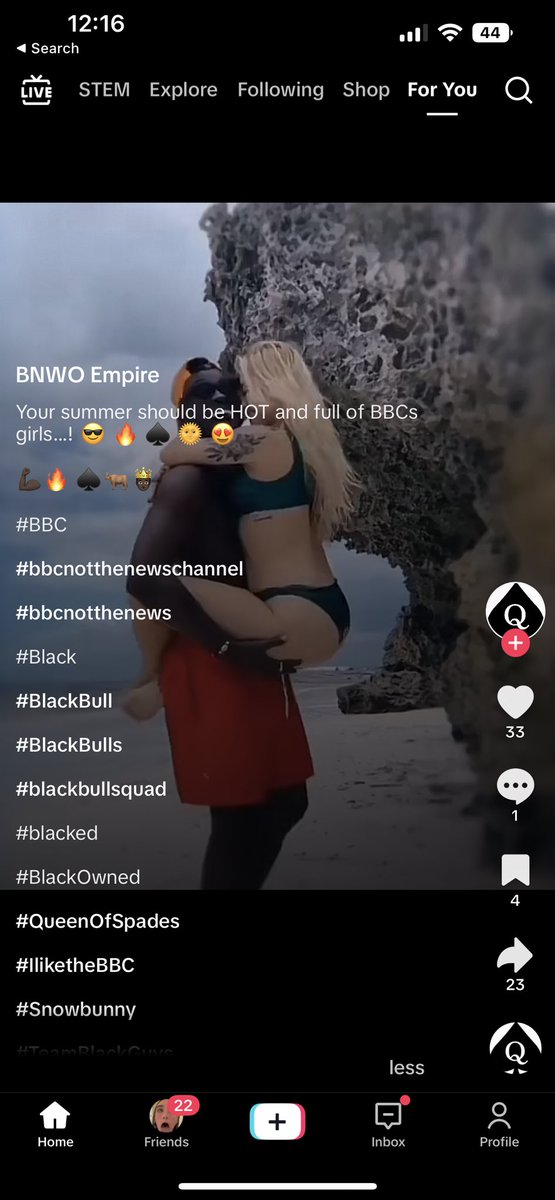
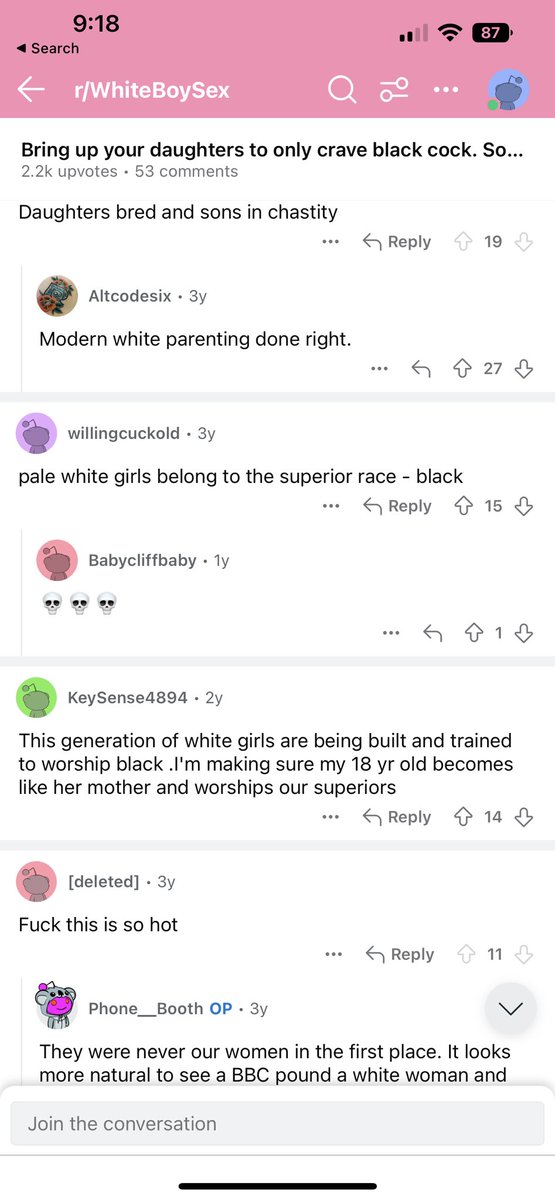
Can you see any of this agenda being pushed in these pictures/video..
Do you see any bots ??
AChangingCulture@ChanginCulture
The Dark Side of TikTok: How an App is Eroding Western Culture Once celebrated for its innocent dance videos, TikTok has morphed into a potent tool for cultural manipulation. Hidden behind its addictive interface, the app is now a breeding ground for MNWO and BNWO ideologies, subtly altering perceptions and behaviors, especially among the youth. Unlike traditional celebrity-driven influence, TikTok employs a strategy of numerous spam bots to push narratives. This method keeps the agenda under the radar, with young females often banned for posting overly sexualized content, only to create new accounts with ease, suggesting a controlled environment where follower counts can be manipulated. In the UK, there's a disturbing correlation between social media rhetoric and real-world actions, as seen with the encouragement of mass gang rapes, which has been tacitly accepted, highlighting a societal breakdown where such propaganda goes unchecked. The narrative around banning TikTok often centers on data security, but the cultural impact is far more insidious. TikTok isn't just about stealing information; it's about reshaping the moral and cultural landscape of Western society, pushing sexualized content and normalizing adult behaviors among minors. Initially, TikTok was a platform for fun, creative expression. However, its algorithms have evolved to promote content that is increasingly sexual, leveraging viral challenges to influence millions, with stars like Charlie D’Amelio setting trends that often delve into the sexual. Over the past few years, TikTok trends have taken a dark turn, resembling pages from a stripper's playbook rather than a child-friendly app. Trends like the "Big Bank dance" or "You know you wanna fuck this" dance are not only popular but are promoted by the platform's algorithms, normalizing hypersexual behavior. Influencers like Speed and Sophie Rain, with their massive followings, are at the forefront of this cultural shift. They, along with others, engage in or promote content that would have been considered adult-only, influencing a generation where the dream job has shifted from astronaut to influencer or, more explicitly, pornstar. Male influencers are complicit, collaborating with adult entertainers, which blurs the lines further for young audiences. This partnership sends a clear message: success in the digital age is tied to sexual content, impacting the aspirations and behaviors of the youth. Bots, or "Bop" accounts, play a significant role in this cultural erosion. They like and comment on minors' videos, promoting sexualized content as normal, which can be particularly persuasive when young users can't discern the artificial nature of this interaction. Sophie Rain and her "Bop" house members, all OnlyFans models, showcase a lifestyle of wealth and success through sexual content, providing tangible proof to young minds that this path leads to fame and fortune, further entrenching the sexualization of youth culture. TikTok's algorithm doesn't just serve content; it actively promotes a narrative where sexual trends gain more visibility and traction, influencing what young users aspire to be and do, often at the expense of traditional career aspirations. The combination of specific music, trends, and short video formats on TikTok is a masterclass in subtle manipulation. This setup not only entertains but also instills cultural norms, often without the viewer's conscious awareness, leveraging emotional resonance and social proof to sway opinions and behaviors. The transformation of TikTok from an innocent entertainment platform to a catalyst for cultural decay in Western society is alarming. It's not just about the entertainment industry; it's about the very fabric of society where the youth are being nudged towards a future where success is measured by sexual appeal rather than merit or innovation.
English