
Frey
34.5K posts



@RSPN_Hideouts @RSPN_Iron can you please do something about these 6 man / 9 man teamers this split? It's every game in diamond already
English

Frey retweetledi

@KlinKypoo Ya I'm getting my hopes up again, even though I know where this leads 🤣
English

@Frey412 Skenes, Keller, Jones ain't a bad 3. Perez isn't bad either
English
Skenes finally starts tomorrow. Hopefully everyone else shows up 😂
English


Frey retweetledi



Frey retweetledi

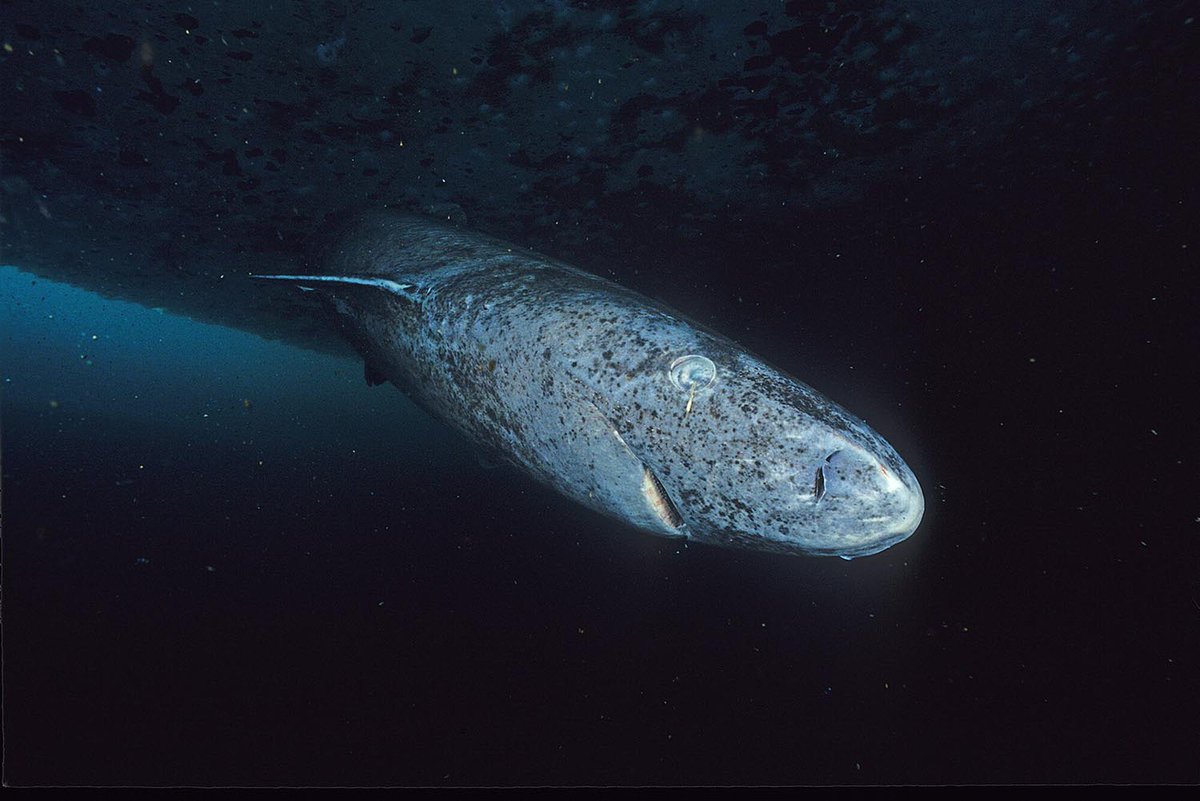
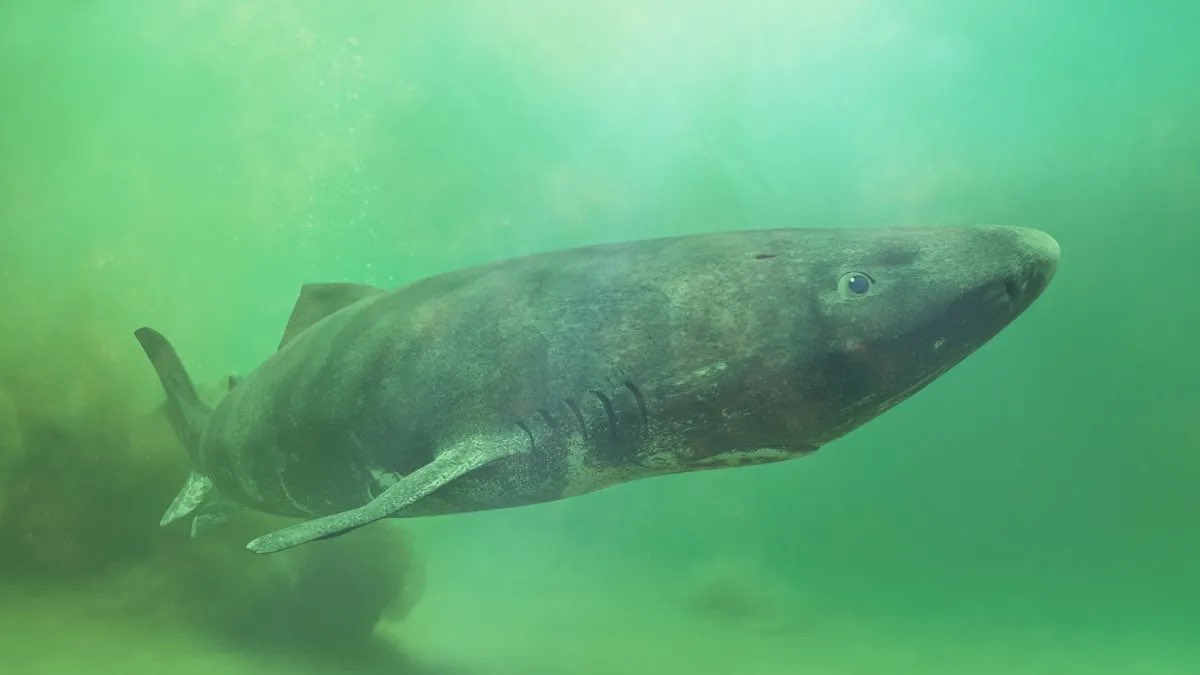
It's fascinating to think that a Greenland shark, swimming in the Arctic Ocean since 1627, could be 392 years old. This remarkable age was determined using radiocarbon dating, a method that has allowed researchers to estimate the age of these elusive creatures. The oldest Greenland shark studied was estimated to be approximately 392 years old, with an error margin of 120 years, which means it could potentially be anywhere from 272 to 512 years old. This makes the Greenland shark the longest-living vertebrate known to science, outliving even the bowhead whale, which was previously thought to have the longest lifespan among vertebrates.
Greenland sharks are known for their slow growth rate and late sexual maturity, with females reaching maturity at around 150 years old. They can grow to be quite large, reaching lengths of up to 24 feet (7.3 meters) and weighing as much as 2,645 pounds (1,200 kilograms). Despite their size, they are not particularly fast swimmers, cruising at speeds of about 1.2 miles per hour (1.9 kilometers per hour).
These sharks inhabit the cold waters of the Arctic and North Atlantic oceans, preferring depths of 650 to 1,200 feet (200 to 370 meters). They are opportunistic feeders, consuming a variety of prey, including fish, seals, and even reindeer. Their diet has been found to include both fresh and decayed meat, as well as the remains of larger animals like whales.
The unique longevity of the Greenland shark has captured the interest of scientists and the public alike, providing a fascinating glimpse into the mysteries of the deep and the incredible adaptability of life in the ocean.
English