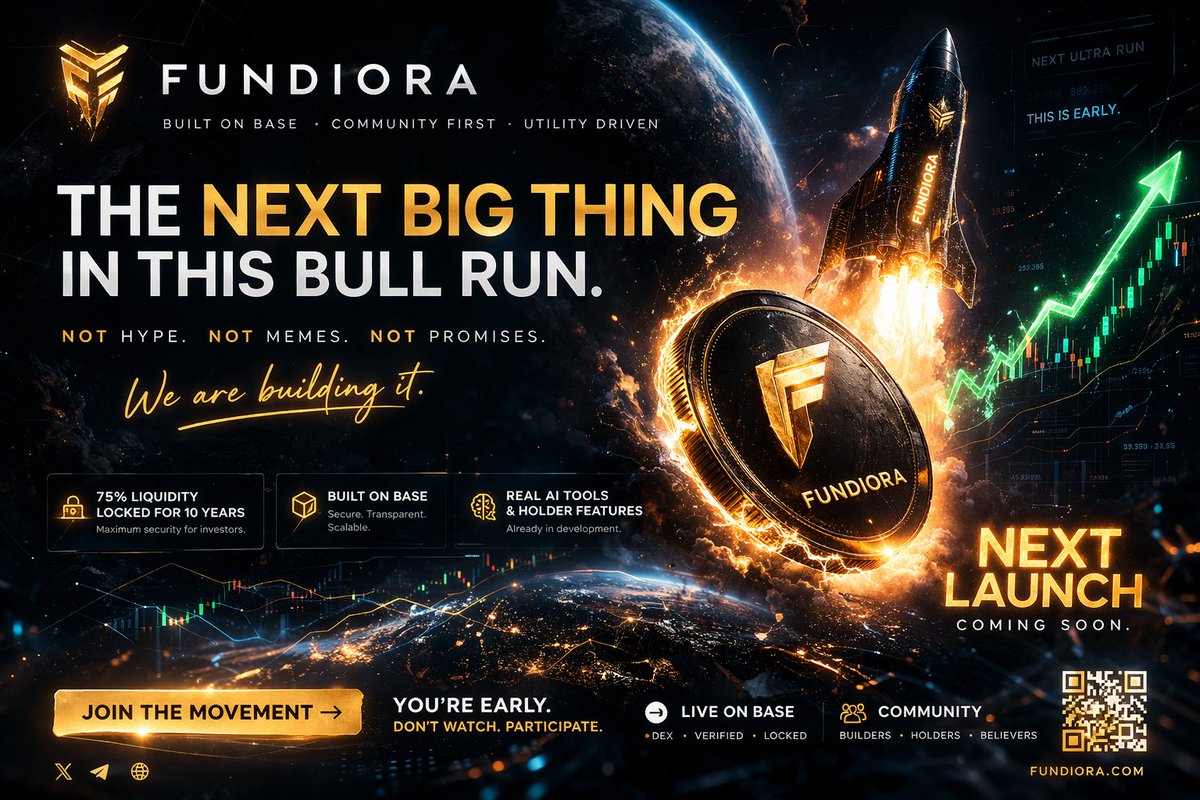
Sabitlenmiş Tweet
Fundiora
362 posts
Fundiora
@Fundiora
🚀 Fundiora • $FUND A decentralized experiment in utility, trust & tech. Powered by devs, b2b and AI. Telegram: @fundioratoken Born on Base. Built to evolve.
Oslo, Norway Katılım Ocak 2025
64 Takip Edilen389 Takipçiler
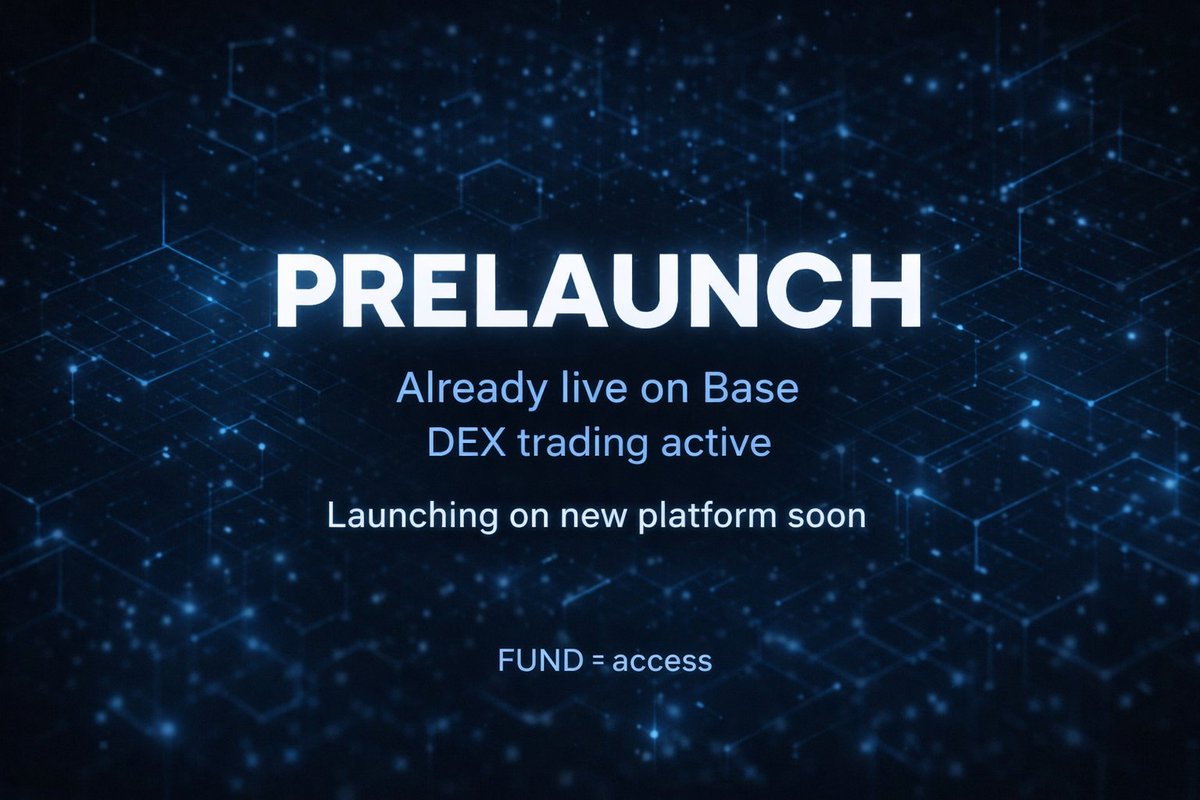

Base isn't just where we launched.
It's where we're building the next decade.
Low fees. High security. Zero compromises on transparency.
FUND = access to what we're creating.
#BaseBlockchain #Web3Community
English

A pattern that repeats in every crypto community we've been part of: people learn about wallet security, official links, and scam prevention after they've already made a mistake. Never before.
New participants treat security practices as optional reading. They skip the safety tips and go straight to the swap button. The contract address verification, the official link checking, the wallet hygiene basics. All of it feels like friction until the moment it becomes the only thing that matters.
The learning curve in crypto is brutally unforgiving. Wallet security and verifying contract addresses are the difference between keeping everything and losing it in a single transaction. There's no customer support to call. No reversal button.
We see the shift when people adopt security-first habits before their first transaction. They bookmark official links. They manually verify token addresses against trusted sources. They treat every interaction as if something could go wrong, because in this space, it can.
Base is onboarding new retail participants who may be interacting with DeFi for the first time. The ones who read the safety documentation before they need it are the ones who stay.

English
"If the dev wallet moves, sell everything."
That reaction made sense in 2021. In 2026, it should worry you more when projects never touch their dev allocation at all.
The myth says any dev wallet activity signals an incoming dump. The reality is different. A dev wallet that sits untouched while a project stagnates is not a sign of integrity. It is a sign of abandonment.
We built Fundiora with a different principle. Our manifest states explicitly that dev supply exists only for community benefit. The team invested personal funds. No backdoors. No extraction mechanics. When we move tokens, it funds ecosystem growth, marketing, and community rewards.
The distinction matters. Extraction drains value from holders. Reinvestment creates it.
Some projects deserve scrutiny when their wallets move. But investors who panic at all dev activity often sell strong projects while holding dormant ones. They confuse inactivity with safety.
A transparent dev wallet used for growth is a feature, not a threat.

English


Every new FUND holder goes through the same four steps. The most important one has nothing to do with buying the token.
Most crypto projects lose new holders before they even make their first purchase. Not because the token is hard to find, but because the wallet setup trips them up. We built our onboarding around one insight: adding the Base network first prevents 90% of the errors we used to see.
First, set up MetaMask or Coinbase Wallet. Then add Base network through Chainlist. One click. Done.
Next, acquire ETH on a centralized exchange and bridge it to Base. We recommend the official Base Bridge or Orbiter Finance. Both work. Pick one.
Connect your wallet to Uniswap V3 and swap ETH for FUND. The interface walks you through it.
Last step is the one most tutorials skip. Manually add the FUND token contract address to your wallet. Otherwise your balance shows zero even though you own the tokens. That causes panic.
Four steps. The first one saves the most headaches.
We prioritize holder experience over hype. This is what that looks like in practice.

English
Almost everyone who hears about a 10-year liquidity lock does the same thing. They nod, mentally check a box, and move on.
We see this pattern constantly. New community members treat the lock as a marketing bullet point. Something to mention on a checklist. What they miss is what it actually removes from the equation.
No team dumps. No quiet sells. No backdoor exits. No sudden rug where founders extract value and disappear. The most common way retail participants lose money in crypto is liquidity rug-pulls. A locked pool makes that mechanically impossible.
The shift happens when holders stop seeing the lock as a feature and start seeing it as a structural commitment. Suddenly the trust equation changes. Team incentives and holder incentives become genuinely aligned. We cannot extract value early. We have to build something real.
That realization changes how people evaluate everything else we do.

English
Most crypto investors believe a large community is the strongest sign of a healthy project.
We stopped believing that a while ago.
Community alignment matters more than community size. 500 committed holders who understand what they are part of will outlast 50,000 airdrop farmers chasing the next quick flip. We have watched projects with massive Discord servers and six-figure holder counts evaporate overnight when sentiment shifted.
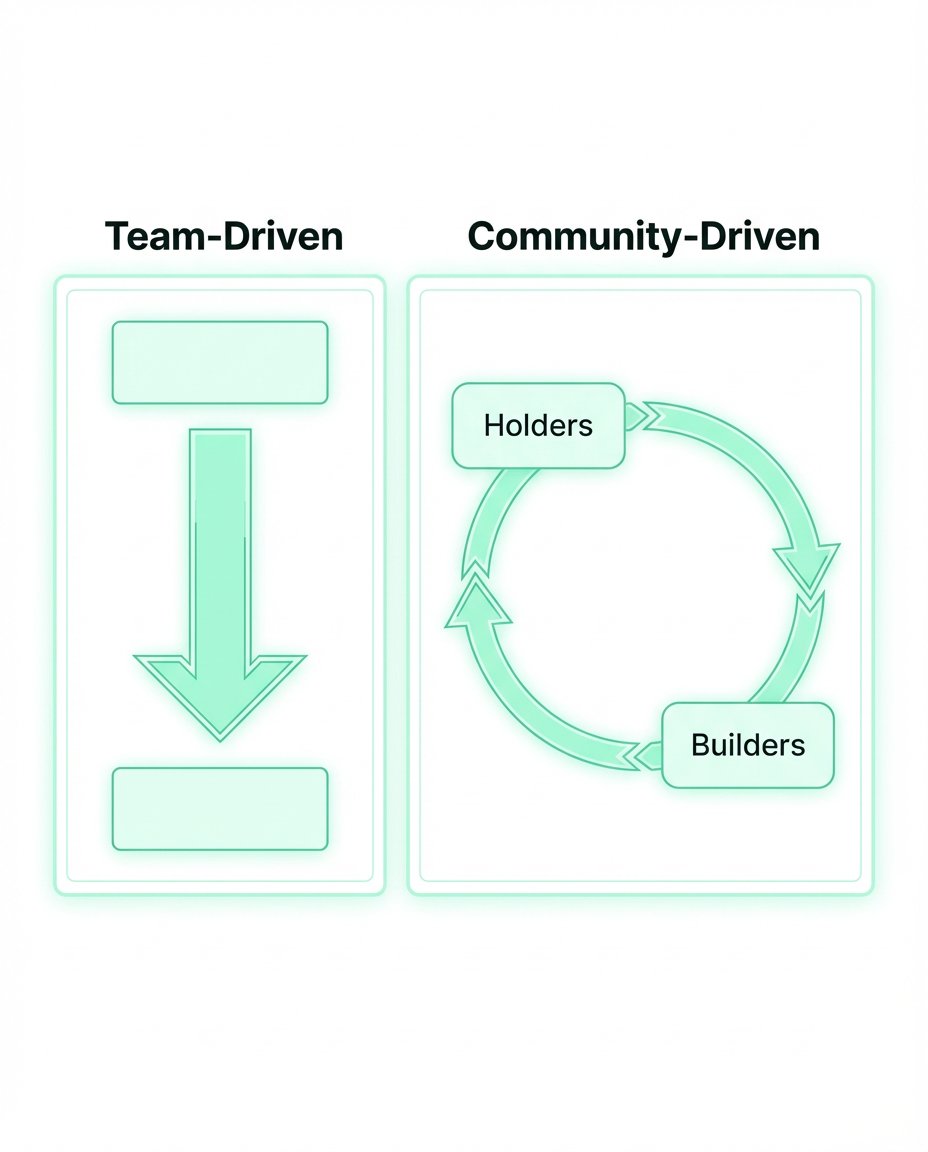
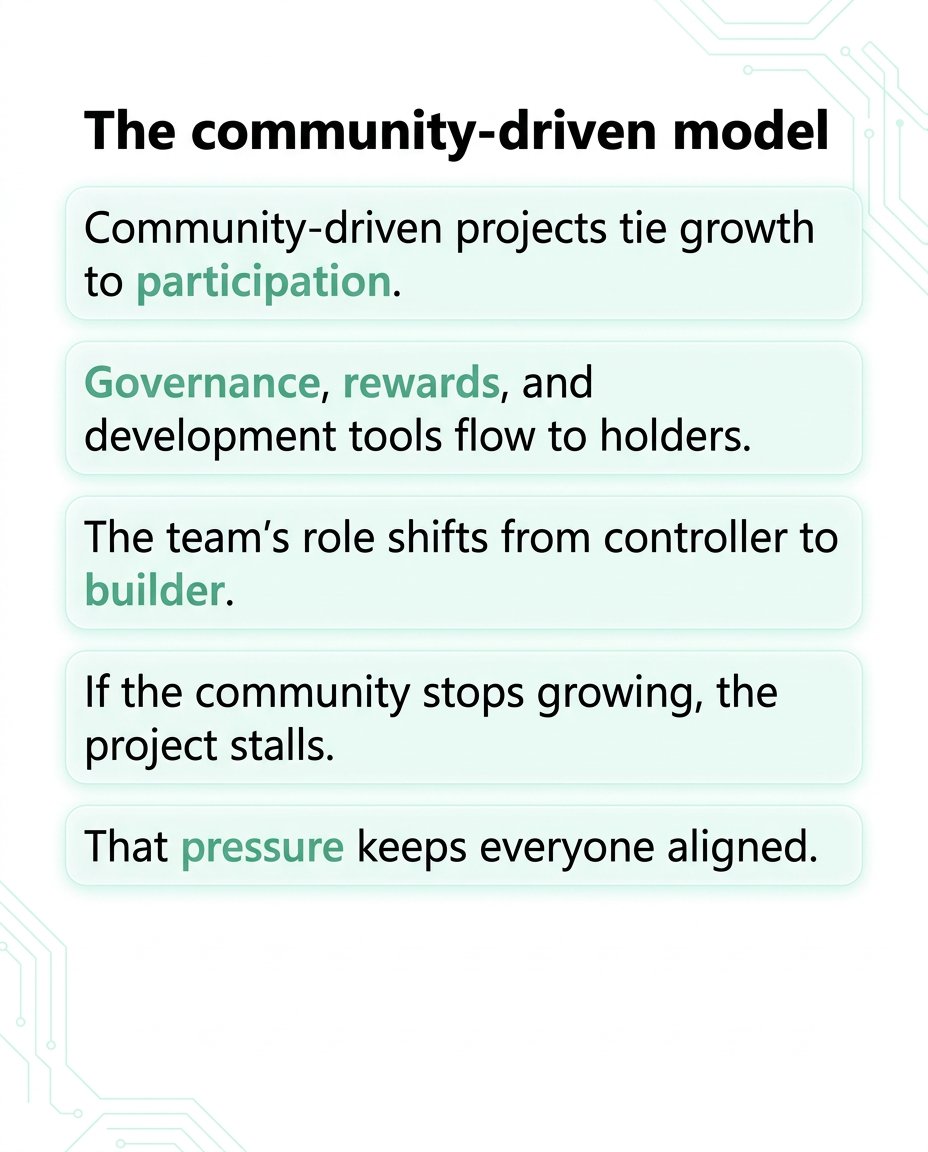
At Fundiora, we built our model around this reality. Our milestone reward structure only activates as the project grows, which means we filter for people who stay rather than people who show up for a snapshot and leave. The community does not just support the project. The community is the project.
This is not a criticism of large communities. Scale can be powerful when it is earned through genuine alignment. But when you are evaluating a project, look past the headline numbers. Ask what happens when the hype fades.
The projects that survive are the ones where holders actually want to be there.
English

We have zero team unlock schedules. No vesting cliffs, no quiet quarterly sells. We removed the entire mechanism before launch.
Team dumps are the number one trust killer in early stage crypto. Every project copies the same vesting template and calls it alignment. We looked at that template and asked a different question: what if we just removed it entirely?
We stripped out the conventional unlock schedule that most projects treat as standard.
We replaced it with a single public commitment: dev supply stays untouched unless tied to a community approved initiative.
We funded the project with personal capital first. No pressure to sell tokens for runway. No quiet dumps to cover expenses.
We made the contract verifiable on chain. Any holder can audit dev wallet activity at any time. Not quarterly reports. Real time transparency.
The result is a fundamentally different operating model. Not delayed unlocks. No unlocks at all unless the community benefits directly.
This is what building for the long term actually looks like.

English
Over and over, new community members ask the same first question: "When will the price go up?"
Almost none of them ask about governance, milestones, or what they can actually do inside the ecosystem.
We see this pattern constantly in early-stage crypto. Holders treat price as the primary signal of project health. They refresh charts, compare market caps, and wait for external forces to move the number.
But in a project like FUND, the real value driver is participation. Milestone rewards compound. Governance decisions shape direction. Collaborative development creates utility that did not exist before. These are not side features. They are the engine.
The shift happens when holders stop watching and start contributing. They move from observers to participants. From passengers to people who actually influence the trajectory.
Price follows participation. Not the other way around.

English
"The more complex your tokenomics, the more serious your project looks."
We watched three projects with 40-page tokenomics documents collapse in six months. Our model fits on a napkin.
Simple, transparent tokenomics with fixed supply and clear rules outperform complex models. Why? Because holders can actually verify what is happening.
Fundiora operates with a fixed supply. No hidden mint keys. No team unlocks. No vesting schedules that require a PhD to decode. Any holder can audit our structure in minutes, not hours.
Complex tokenomics projects often bury extraction mechanisms in their complexity. Multi-layered distribution schedules, dynamic emission rates, and governance loopholes that only insiders understand. By the time holders figure it out, the damage is done.
We have seen this pattern repeatedly. Sophistication becomes a smokescreen for extraction.
There are legitimate reasons for some complexity. Certain DeFi protocols require intricate mechanisms to function. But for most projects, complexity signals one thing: something to hide.
If you cannot explain your tokenomics on a napkin, ask yourself why.
English
We locked our liquidity pool for 10 years. Most projects lock for 6 months and call it safe.
Before a single FUND token went live on Base, we ran every deployment decision through a checklist that most crypto projects skip entirely.
First, we removed all hidden mint keys and backdoor functions from the contract. No emergency access. No exceptions.
Then we locked the full liquidity pool for a decade. Not a rolling short-term lock that quietly expires. A real commitment.
We committed publicly that dev supply stays untouched unless it directly benefits the community. No silent sell windows. No team-unlock schedules.
We published the token contract address openly so anyone can verify everything on-chain. Every transaction visible.
And we invested team funds first. Our money went in before we asked anyone else to trust the project.
Crypto holders are exhausted by rug-pulls and opaque tokenomics. We built FUND to be the opposite. Every decision traceable. Every promise verifiable.
This is what transparency looks like when you actually mean it.
English
A pattern we keep seeing: people buy FUND expecting a 2-week flip.
Six months later, they're still here. But for completely different reasons.
The assumption is always the same. New holders treat FUND like any other token. They watch charts hourly, waiting for the right moment to exit. They assume the value is in short-term price movement.
Then they start noticing things. A 10-year liquidity lock. No team dumps. Milestone-based rewards tied to actual ecosystem development. Community governance that gives holders real input on direction.
The architecture doesn't match their trading playbook. It's built for compounding participation, not quick exits.
The shift happens gradually. Chart-watching turns into ecosystem engagement. Exit planning turns into community involvement. The question changes from "when do I sell" to "what are we building."
Most crypto newcomers enter with a trading mindset. They miss projects specifically engineered for long-term alignment. When someone sticks around long enough to see the full picture, their entire relationship with the token changes.
We built FUND for the holders who eventually figure this out.

English
Hey.
Most people are still trading like it’s 2020.
Guessing entries. Following noise. Reacting late.
We’re building something different.
An AI-driven system that doesn’t just 𝘢𝘯𝘢𝘭𝘺𝘻𝘦 𝘵𝘳𝘢𝘥𝘦𝘴
but changes how they’re found, filtered and executed.
Not signals.
Not copy trading.
Not another dashboard.
A completely different approach to decision-making in the market.
This is being built directly into Fundiora.
Utility. Not talk.
While others are still chasing candles,
we’re building the tools that will define the next phase.
You won’t fully understand it yet.
That’s kind of the point.
You’re early.
FUND = access.
English