@KateriSeraphina Pues yo soy una hija que muere por vivir con su padre de 88 años y el se niega, para no molestar. Sin embargo, por vivir solo “molesta” mucho más porque estoy de acá para allá todo el tiempo, ayudándole con sus cosas.
Español
GG
1.3K posts

@GG63204971
Hasta el ser más pequeño en el universo puede generar un cambio impresionante.





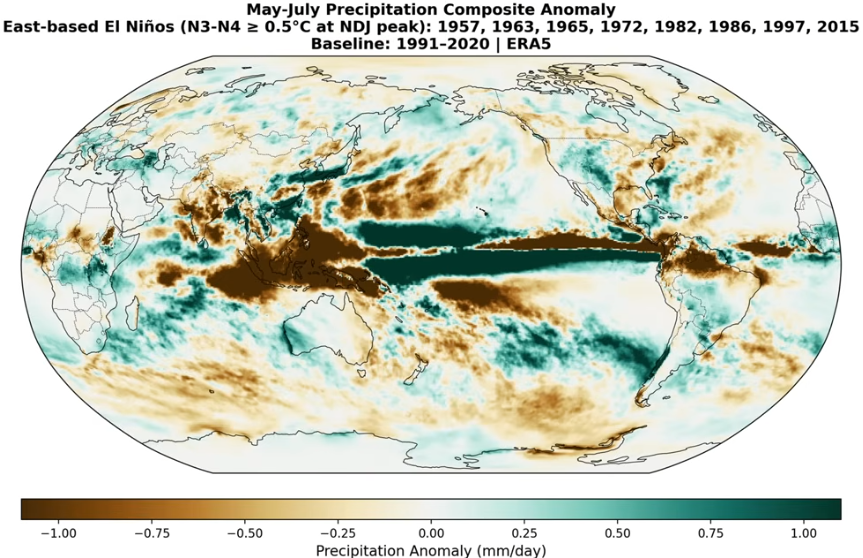
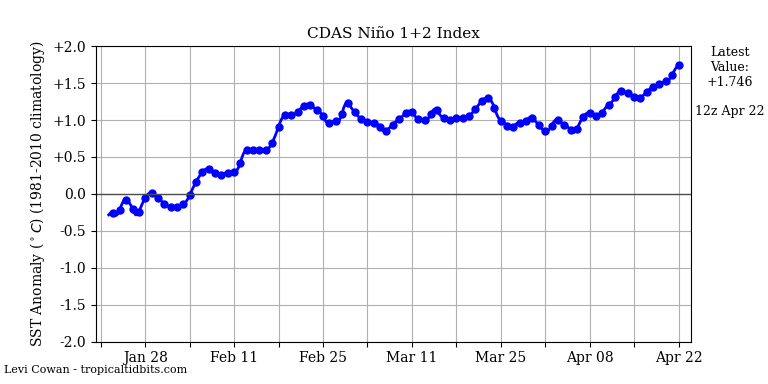
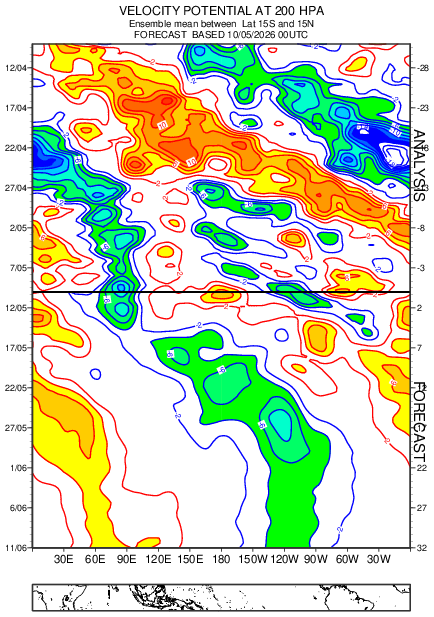
When it comes to El Niño, atmospheric changes matter just as much as changes in sea temperatures. That's because it's a coupled ocean-atmosphere phenomenon. Looking at velocity potential, which marks areas of rising air (green) and sinking air (brown) in response to warming and cooling tropical seas, a very strong atmospheric El Niño response is forecast this year, starting in June. That response is predicted to be similar to past major El Niño events, such as in 2015, 1997 and 1982. However, because warm water is forecast to extend farther west than in the most recent super El Niño events, there may also be more rising air farther west this year. This could influence the weather patterns this El Niño produces. The atmospheric response in 2026 is forecast to be much stronger — and markedly different — than in 2023. These changes in the Walker Circulation arise from warm ocean waters shifting from west to east across the tropical Pacific, leading to more thunderstorms in the eastern Pacific and fewer in the west. This, in turn, influences weather patterns across the globe by altering jet streams, as these thunderstorms release heat into the atmosphere. Such long-distance links between weather patterns are known as teleconnections.