

John Gamblin
30K posts
John Gamblin
@Gamb0
Founder member and Trustee of The Mentor Ring. Fellow of the Royal Society of Arts. Love travel and art. Instagram: https://t.co/pDFB2P9sJi
Penzance Katılım Ağustos 2009
2.6K Takip Edilen3.3K Takipçiler
I'm with Bob, sadly.
I am also on Bluesky: bsky.app/profile/gamb0.…
And Instagram: @jpgamblin instagram.com/jpgamblin/prof…
Bob Harris 💙@WhisperingBob
This is a closure notice… because after much thought I have decided to withdraw from this forum. I enjoyed Twitter when I first joined but now I’m totally opposed to the direction it has taken - and seeing @elonmusk onstage at Madison Square Garden was the final straw…
Penzance, England 🇬🇧 English

@Gamb0 Never really intended to reach them in the first place John. When I posted I imagined it would appeal to a few of my followers with a sense of humour.
English
Well I can safely say now that this mornings Halloween tweet has hit crazy heights.
English

Happy birthday to my gorgeous wife.. love you loads..

English

@AngellinaBrady We had lots of prefabs where I grew up in London. They were always spotlessly clean and welcoming. Respect 🙏
English

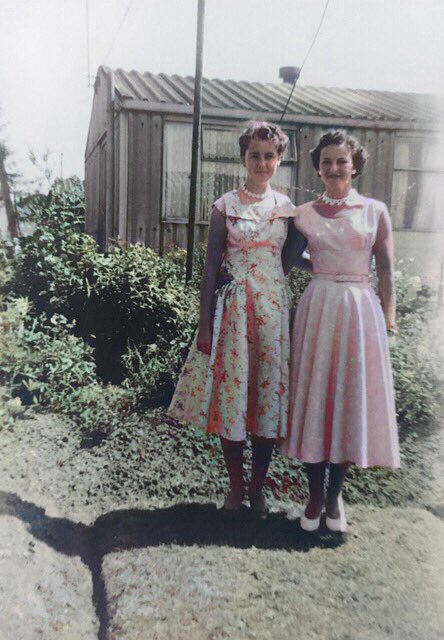
My lovely Mum and Grandma outside the Prefab a long time ago.Grandma used to give me a nip of cider vinegar when I came round on my bike, she’d take my shoes off give my cold feet a rub then put them into and old pair of her fluffy slippers that had been warming by the fire🔥🧡🥰
English
John Gamblin retweetledi

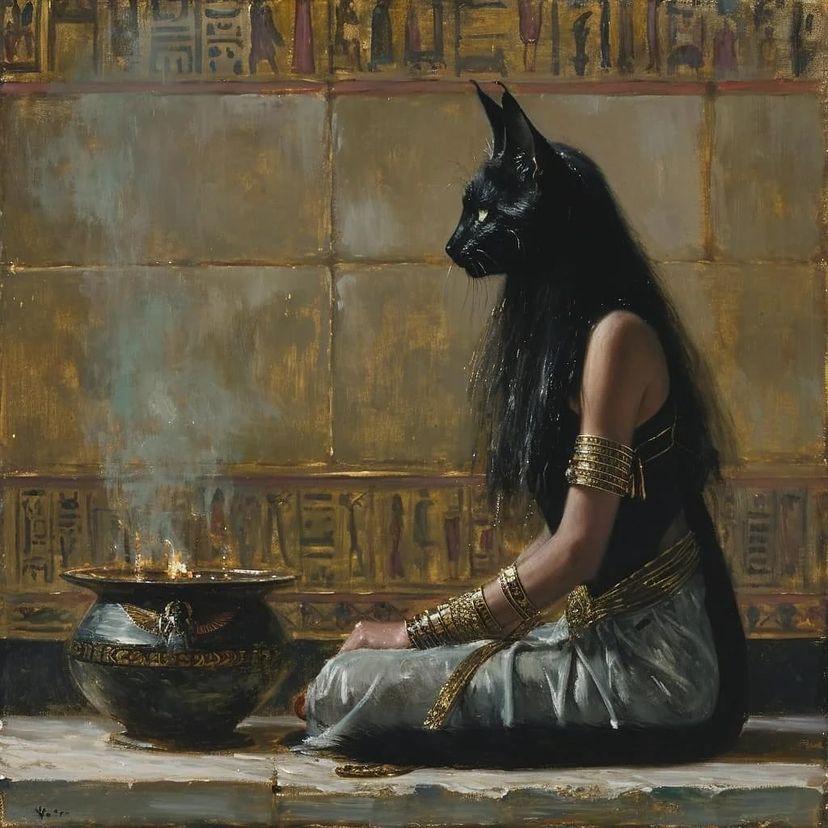
The wondrous world of Egyptian deities is filled with all manner of fantastic creatures, each one captivating in its unique depiction. This vast pantheon features hundreds upon hundreds of deities, many of whom are presented in an animal form – signifying the deep connection that the ancient Egyptians had with the nature around them. But one such deity stands out, and throughout history, the cult that surrounded it was one of the most prominent in Egypt. Her name is Bastet, the cat goddess of love and passion, of joy, of women, of pleasure – of all things nice. Ferocious and sensual, this feline deity was loved through most of Egypt’s long history. And today we will truly get to know Bastet – in all her ancient splendor.
In ancient Egyptian mythology, Bastet was one of the several deities that held the title of the Eye of Ra. This signified her abilities as both a protector and an avenger. Bastet was known originally as Bast, and also Baast, Ubaste, and Baset, and she remains as one of the earliest attested Egyptian deities. Her cult rose steadily throughout history and Bastet eventually became one of the chief goddesses in the pantheon, so much so that this deity had its center of worship in the city named after her – Bubastis. Bubastis was one of the more prominent ancient Egyptian cities, located in Lower Egypt, in the fertile Nile Delta. The actual meaning of Bast’s name has long puzzled Egyptologists and researchers, as to what it truly represented. The hieroglyphic writing of her name; meaning “bastt”, contains the hieroglyphs which portray an ointment jar and a loaf of bread beside it.
The jar is known as “bas”, while the small half circle that portrays a loaf of bread denotes an ending –t, meaning bast. Most scholars agree that the correct translation of the name would be “She of the Ointment Jar” since bas was the Egyptian heavy ceramic vessel that was used for storing perfumes and ointments – royal commodities of the time. The most dominant role of Bastet is similar to some other feline goddesses – and that is protection of the king. Just like Mafdet, the feline protector of the pharaoh’s chambers, and the ferocious Sekhmet, the lioness who destroyed his enemies, Bast has been seen as the one who mothered the king and protected him.
The popularity of Bastet in ancient Egypt really rose to a high around the time of the 22nd dynasty, in 945 BC. At this time, Hedjkheperre Setepenre Shoshenq I, the founding pharaoh of that line made Bubastis his center, a major Egyptian town. He began the work on constructing a splendid and magnificent temple, which was continued by his son Osorokon II, and finished by his grandson Osorokon III. The finished temple was dedicated to Bastet.
The earliest depictions of Bast were that of a female with a head of a lioness. This early image had a lot of parallels with the warrior goddess Sekhmet, who was also a leonine deity. But in time, the image of Bast became an increasingly docile one, and the image of a lioness shifted to that of a domesticated cat. She was either represented as a woman with the slender, graceful head of a cat, or often as a cat without any human attributes. This in turn gave rise to the increased worship of cats in Egypt, which were held as revered and sacred animals.
📷 : Bastet by Emile Corsi, 1877
#archaeohistories
English

Coin trove from time of Norman conquest becomes England’s highest-value find
#detectorist #coins
theguardian.com/culture/2024/o…
Penzance, England 🇬🇧 English

@stoughton_p Morning Patricia- you're so right 🙏
Penzance, England 🇬🇧 English




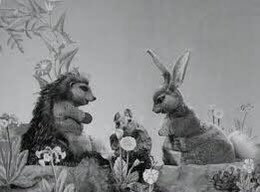
Children’s t.v. in the 1950’s. ‘The Woodentops’, ‘Bill and Ben the Flowerpot Men’, ‘Rag, Tag and Bobtail’ and ‘Andy Pandy’.



English
@daveprof I haven't even mastered English Dave.! ☹️
Penzance, England 🇬🇧 English

@Gamb0 I switch languages after each trip. Back from Gothenburg so learning Swedish has now changed to learning Portuguese prepping for a trip to Madeira. I have a long lead time too. It’s just as well, I’m more confused than I am fluent 😀
English

Picasso's Blue Period #art
open.substack.com/pub/jamesleeau…
Penzance, England 🇬🇧 English

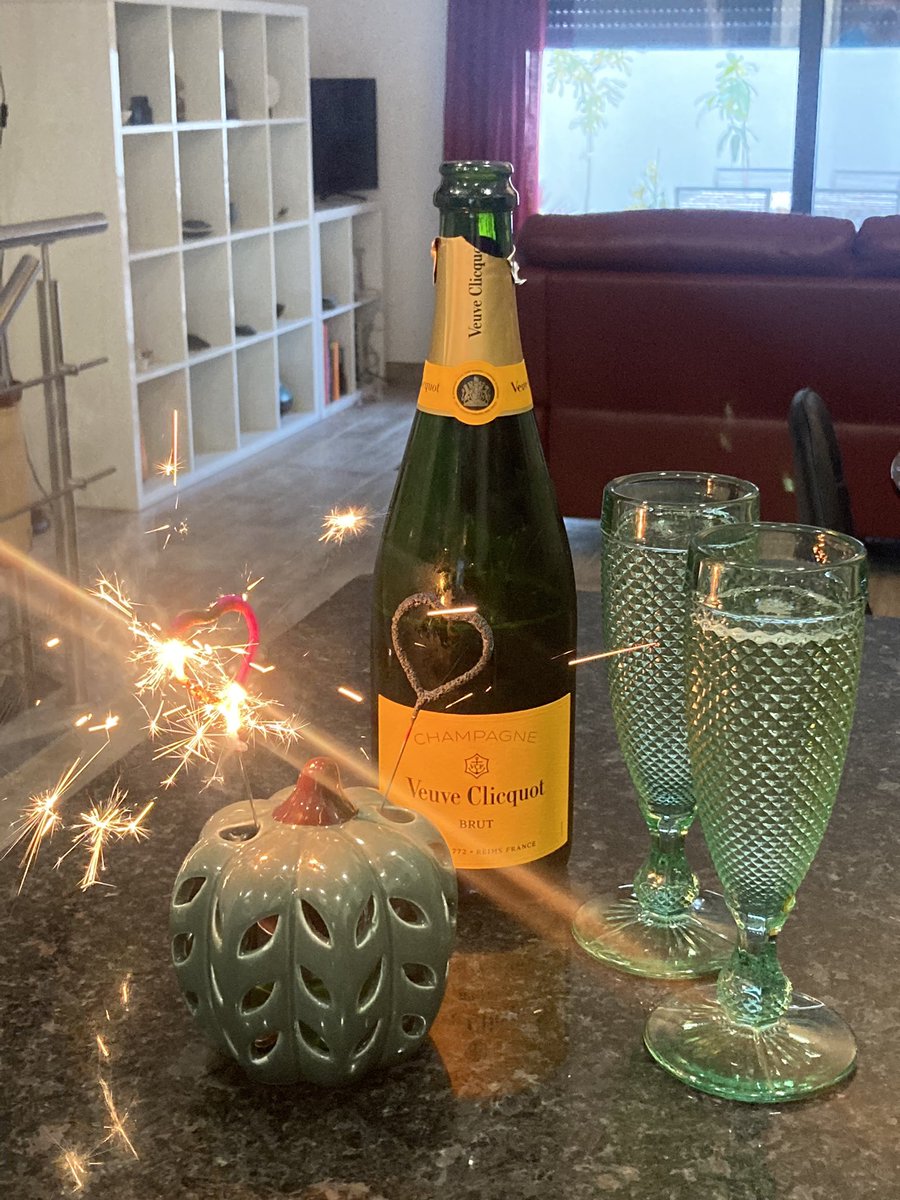
Happy 31st Wedding Anniversary to us (39 years together). There is something rather special about Veuve Clicquot in the afternoon. Nice meal later. To us 🥂


English
Penzance, England 🇬🇧 QME
