Alejandro Garés 🏺

1.1K posts

Alejandro Garés 🏺 banner
Alejandro Garés 🏺

Alejandro Garés 🏺

@GaresAlejandro

Classical archeologist 🏛️ | Predoctoral researcher at UAM - UV | La Caixa fellow @BecariosFLC | Greek Pottery Trade and Ancient Mediterranean Identities 🏺⚓

València Katılım Temmuz 2022
386 Takip Edilen245 Takipçiler
Alejandro Garés 🏺 retweetledi
Sílvia Marimon Molas
Sílvia Marimon Molas@SMarimonMolas·
La troballa del fòrum romà de Bàrcino ha aixecat molta polseguera i una discussió molt encesa entre els arqueòlegs. Molt a favor que hi hagi més debats com el d'ahir. Us regalo aquest article ara.cat/cultura/patrim…
Sílvia Marimon Molas tweet media
Català
0
11
22
925
Alejandro Garés 🏺 retweetledi
iber.cat
iber.cat@iberapt·
iber.cat tweet media
ZXX
0
4
3
63
Alejandro Garés 🏺 retweetledi
Lucius Gellius Publicola 🏺
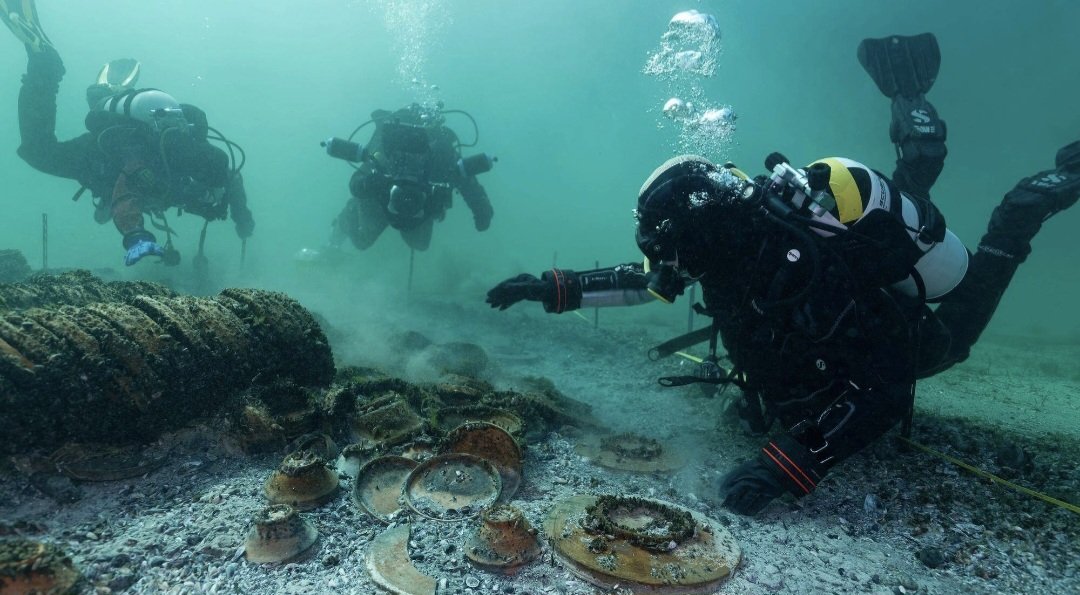
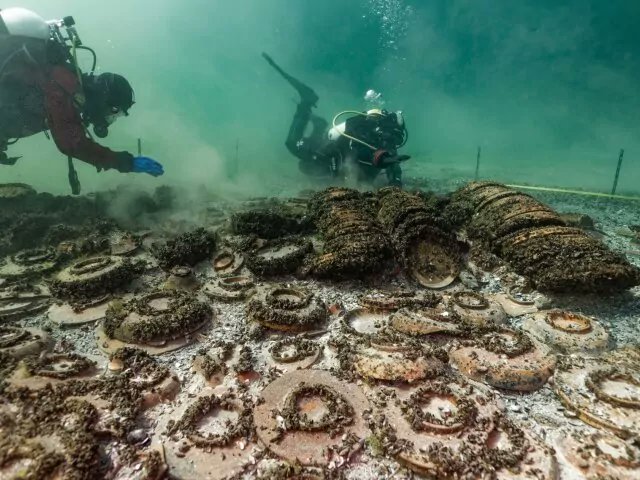
#archéologie: découverte dans le lac de #Neufchatel d'une épave d'un navire marchand romain datant entre l’an 20 et 50 après J.-C. Sa cargaison est composée de plusieurs centaines de coupes, de bols, d’assiettes et de plats en céramiques, mais aussi des grandes amphores à huile d’olive importées d’Espagne. Toutefois la présence d'harnachements et de roues bien conservées, témoignent de la présence d'un chariot à bord, peut être pour poursuivre le transport après le port. Mais la présence d'armes, des glaives, et des élements de ceinturon (cingullum), laissent aussi penser à une escorte militaire de soldats romains à bord. Les raisons du naufrage ne sont pas encore claires, mais il est possible qu’il soit dû à "un coup de Joran", ces bourrasques venues des crêtes du Jura qui, aujourd’hui encore, surprennent les plaisanciers et retournent parfois leurs voiliers. 📸 Fobdation Octopus, Lausanne
Lucius Gellius Publicola 🏺 tweet mediaLucius Gellius Publicola 🏺 tweet mediaLucius Gellius Publicola 🏺 tweet media
Français
4
50
186
5.8K
Alejandro Garés 🏺 retweetledi
🅰ntiquity Journal
🅰ntiquity Journal@AntiquityJ·
#TextileTuesday recreation of Bronze Age textile work, as documented at 2nd millennium BC Cabezo Redondo, Spain. Preserved remains of a loom here provide an unprecedented glimpse into prehistoric weaving. 🆓 doi.org/10.15184/aqy.2… 📷 based on a drawing by J. A. López Padilla
🅰ntiquity Journal tweet media
English
0
4
22
674
Alejandro Garés 🏺 retweetledi
Lucius Gellius Publicola 🏺
Découverte d'une nouvelle stèle de l'empereur romain Titus en pharaon lors des travaux de restauration de la porte de Ramsès III dans les temples de Karnak. 📸 CFEETK / K. El-Dowi Plus d'infos du @CNRS : cnrs.fr/fr/presse/temp…
Lucius Gellius Publicola 🏺 tweet media
Français
2
15
85
2.5K
Alejandro Garés 🏺 retweetledi
Alexander's Cartographer
Alexander's Cartographer@cartographer_s·
Terracotta statue of a young woman, Etruscan, late 4th–early 3rd century BC
Alexander's Cartographer tweet media
English
8
46
385
18.4K
Alejandro Garés 🏺 retweetledi
Alexandre Blaineau
Alexandre Blaineau@AlBlaineau·
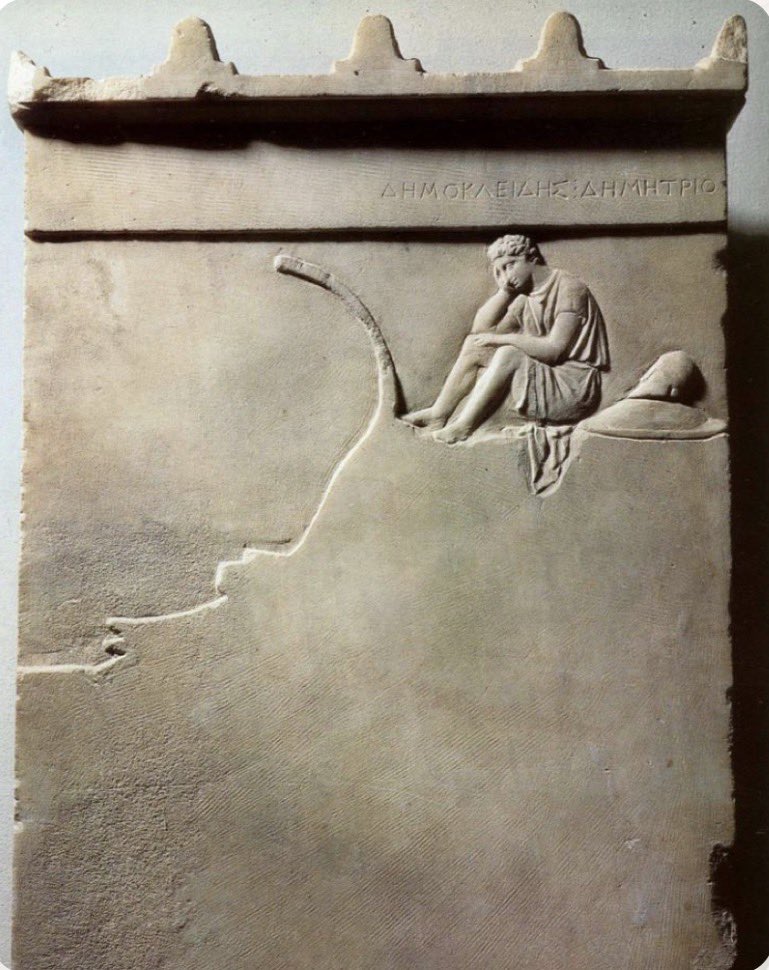
Sur une stèle grecque, un jeune homme pensif méditant sur la mort
Alexandre Blaineau tweet media
Français
12
225
1.3K
27.6K
Alejandro Garés 🏺 retweetledi
Universitat València
La UV participa en la troballa d’un teler de fa 3.500 anys que revela dades essencials de la revolució tèxtil de l’edat del bronze ℹ️ ir.uv.es/8OXKOaL
Català

0
2
5
469
Alejandro Garés 🏺 retweetledi
Araceli Rego
Araceli Rego@AraceliRego·
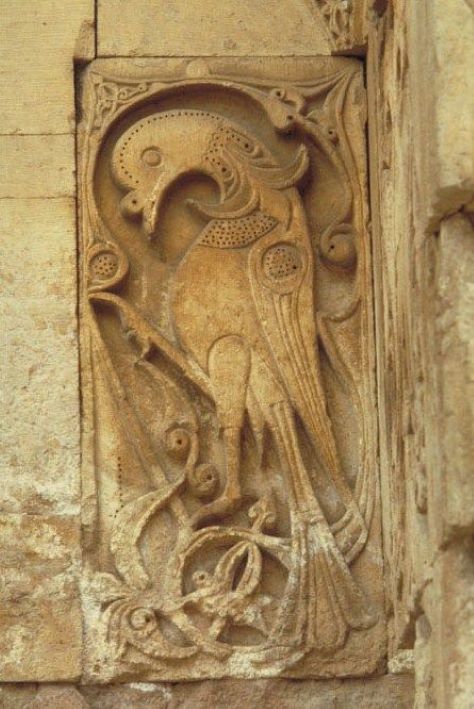
Detail from Great Mosque and Hospital of Divrigi, Eastern Turkey, 13th Century
Araceli Rego tweet media
English
5
19
91
1.2K
Alejandro Garés 🏺 retweetledi
LenguasClásicas IEDA
LenguasClásicas IEDA@clasicasIEDA·
Crátera de campana. Procedente de Lamia. Estilo Gnathia. Grupo de ramas de laurel. 350-325 a. C.
LenguasClásicas IEDA tweet media
Español
0
8
30
568
Alejandro Garés 🏺 retweetledi
Kerrun
Kerrun@Palaumede·
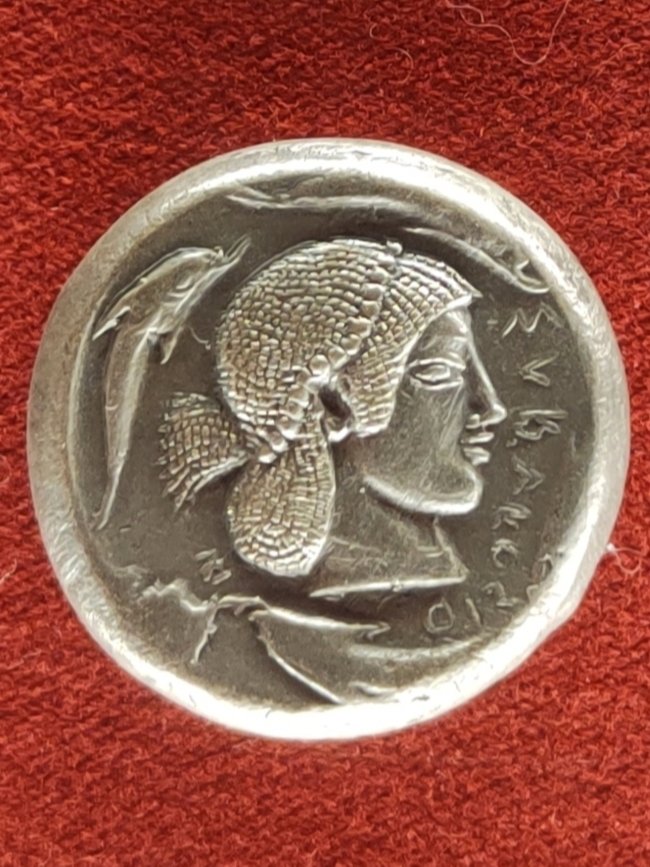
Dauphins sur les monnaies de Syracuse, nageant autour de la nymphe Aréthuse. Vastes et belles séries au musée archéologique de la ville.
Kerrun tweet mediaKerrun tweet media
Français
1
12
60
780
Alejandro Garés 🏺 retweetledi
Sarah
Sarah@Sarah404BC·
A complete Bronze Age loom with carbonized wood found in Alicante reveals how textiles were made 3,500 years ago labrujulaverde.com/en/2026/03/a-c…
Sarah tweet mediaSarah tweet mediaSarah tweet media
English
0
10
29
780
Alejandro Garés 🏺 retweetledi
World History Encyclopedia
World History Encyclopedia@whencyclopedia·
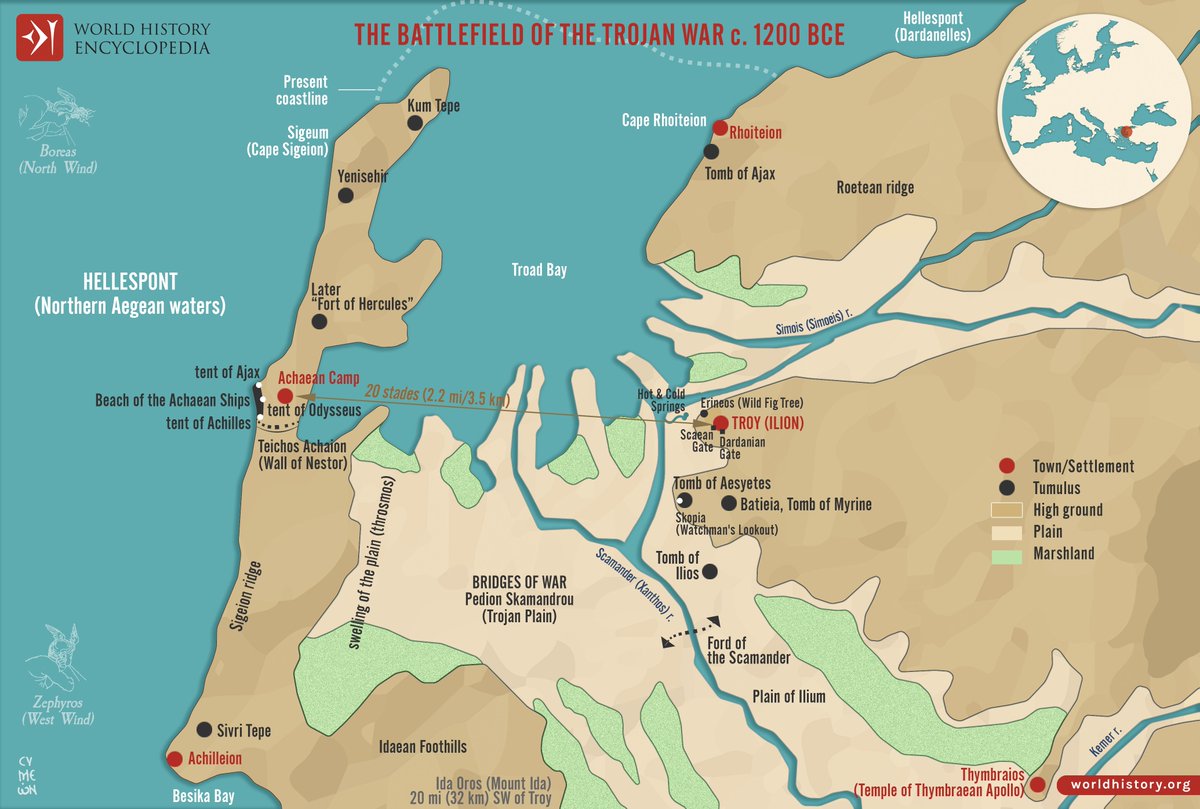
🗺️ The battlefield traditionally associated with the Trojan War is described in the Iliad, attributed to Homer (traditionally dated c. 8th century BCE). The narrative situates the conflict between the Achaean coalition and the defenders of Troy on the coastal plain below the fortified city, widely identified with the archaeological site of Troy (Hisarlık) in northwestern Anatolia, near the Dardanelles. In the Late Bronze Age context (c. 1600–1200 BCE), the shoreline lay significantly closer to the city than today due to later sediment accumulation. The plain described in the epic stretches from Troy’s walls to the Achaean camp and ships along the coast, forming the central arena for many of the battles narrated in the poem. Modern geological and archaeological research, including sediment analysis of the Scamander River and Simois River systems, has helped reconstruct the Late Bronze Age landscape around c. 1200 BCE. These studies suggest the presence of a dynamic river delta with marshlands and shifting channels that would have influenced movement and combat on the plain, broadly consistent with Homeric descriptions. The era corresponds to the wider Bronze Age Collapse (c. 1200–1150 BCE), a period of widespread upheaval across the eastern Mediterranean. Whether the Trojan War reflects a historical conflict, a composite memory of regional struggles, or a mythic tradition shaped by later storytelling, the geography of the Troad provides an environmental framework through which the epic narrative can be interpreted. 🗺️ Map created by Simeon Netchev.  #TrojanWar #Troy #Iliad #Homer #Anatolia #BronzeAge #History #AncientHistory #Maps #Map
World History Encyclopedia tweet media
English
4
60
271
18.2K
Alejandro Garés 🏺 retweetledi
CIG-ICG
CIG-ICG@CIGICG·
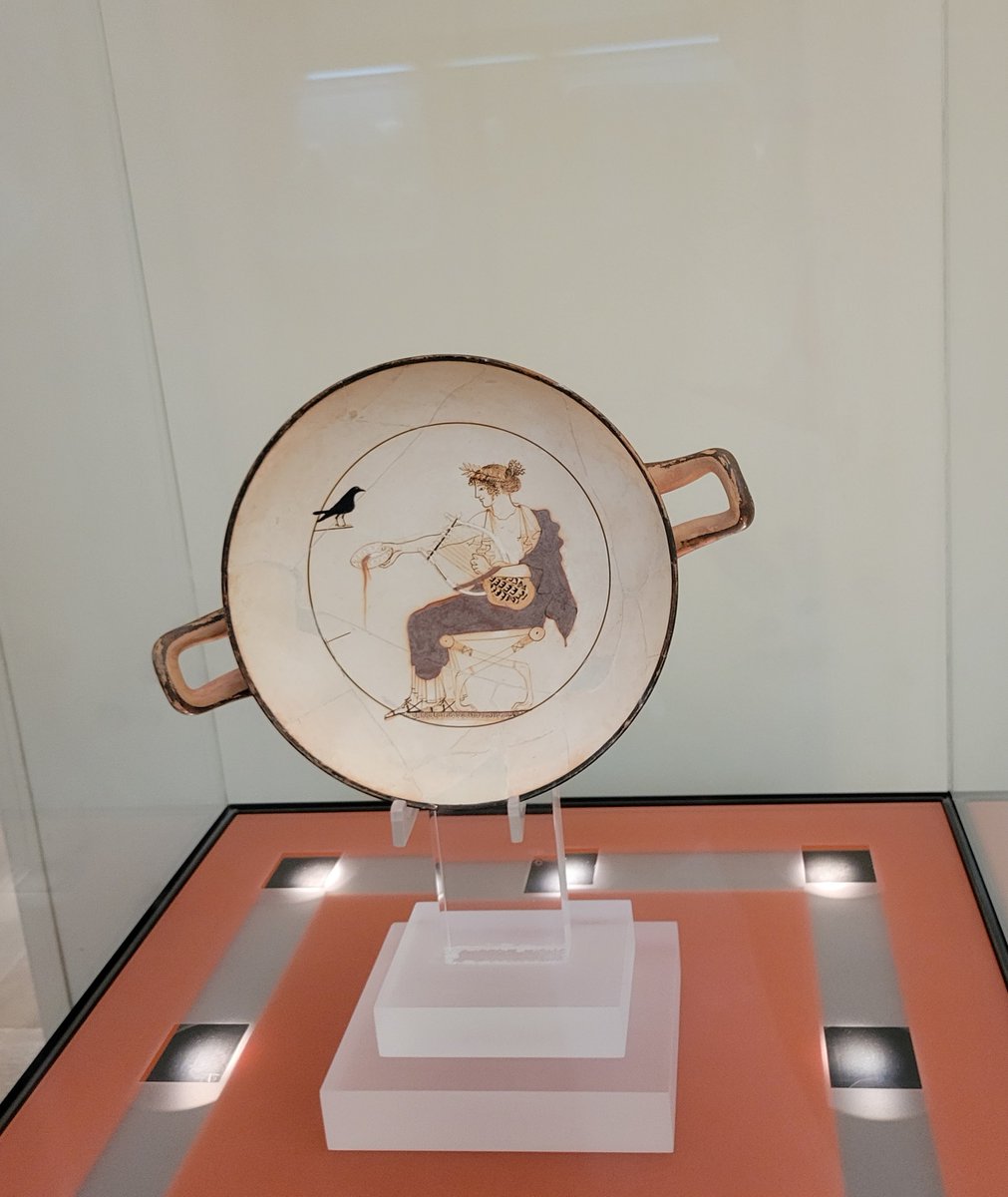
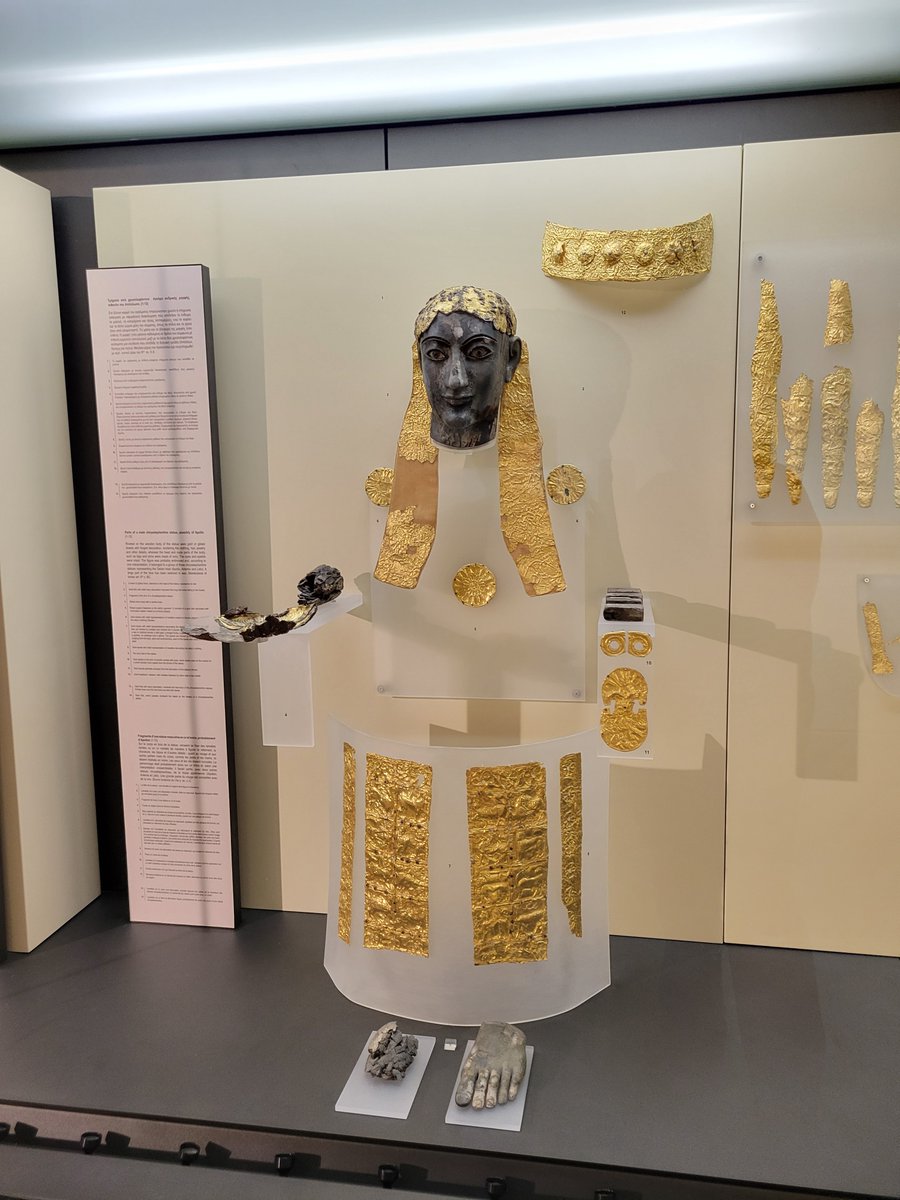
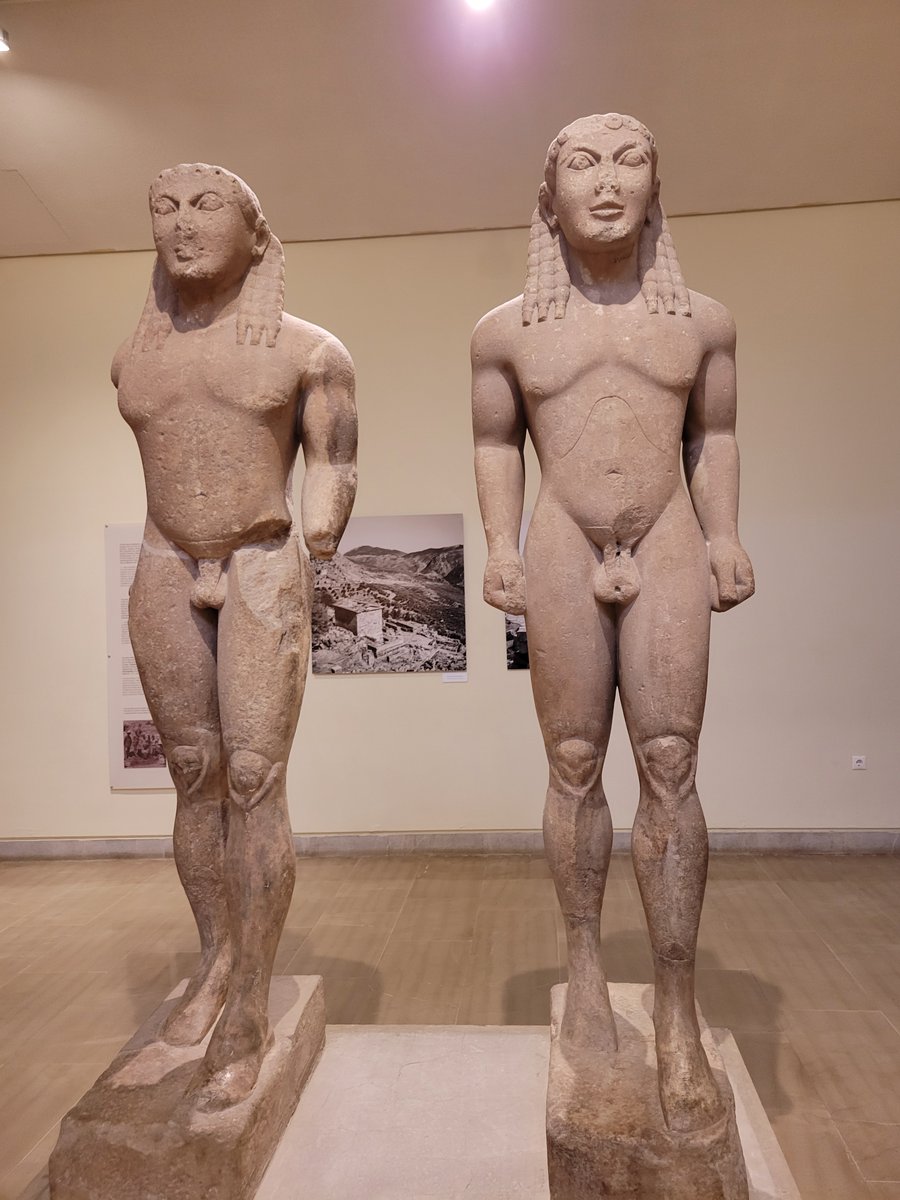
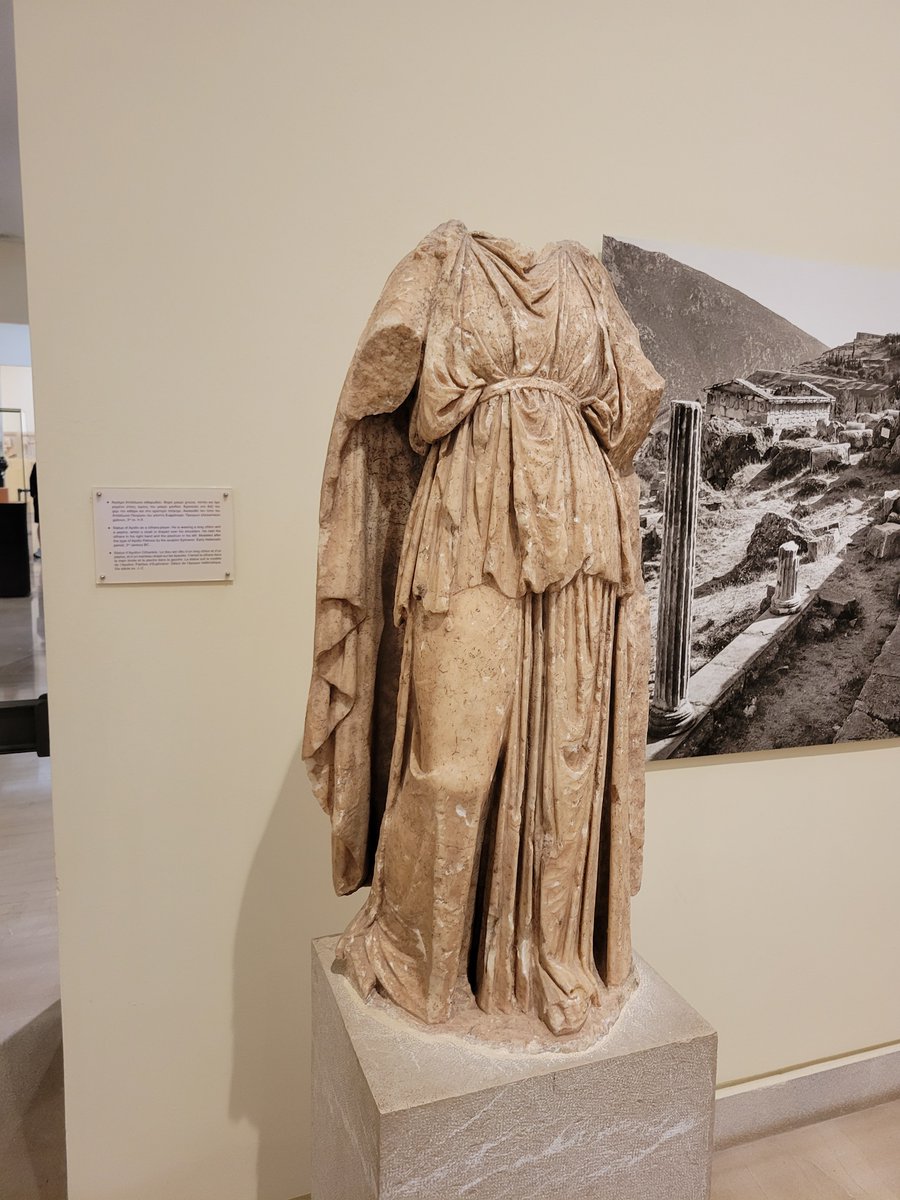
The museum associated with the site at Delphi is home to many unique finds. Here, Apollo is often depicted as the god of music with an instrument. Rare chryselephantine figures depict Apollo and Artemis and another pair of siblings are the kouroi from Argos of mythical brothers.
CIG-ICG tweet mediaCIG-ICG tweet mediaCIG-ICG tweet mediaCIG-ICG tweet media
English
0
1
2
117
Alejandro Garés 🏺 retweetledi
Amazing Maps
Amazing Maps@amazingmap·
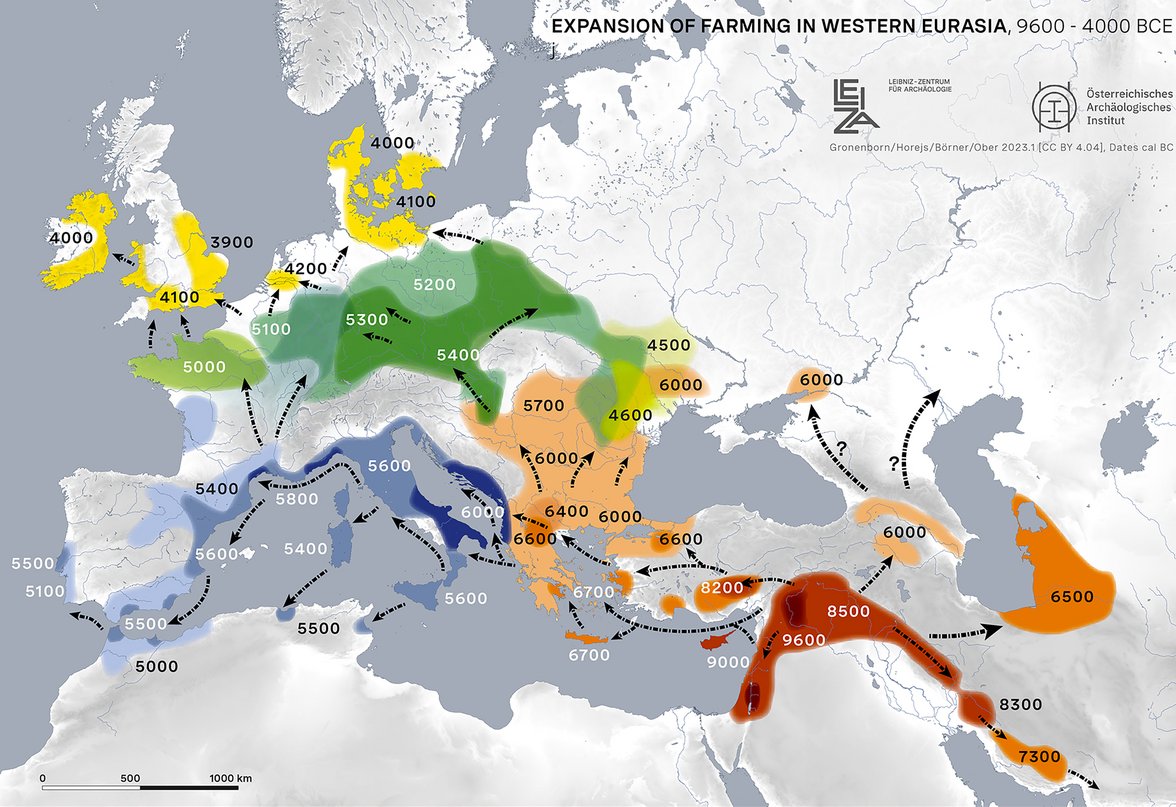
The spread of farming from Southwest Asia to Europe, 9600–3800 BCE
Amazing Maps tweet media
English
18
113
778
228.7K
Alejandro Garés 🏺 retweetledi
Museo Arqueológico Nacional
Museo Arqueológico Nacional@MANArqueologico·
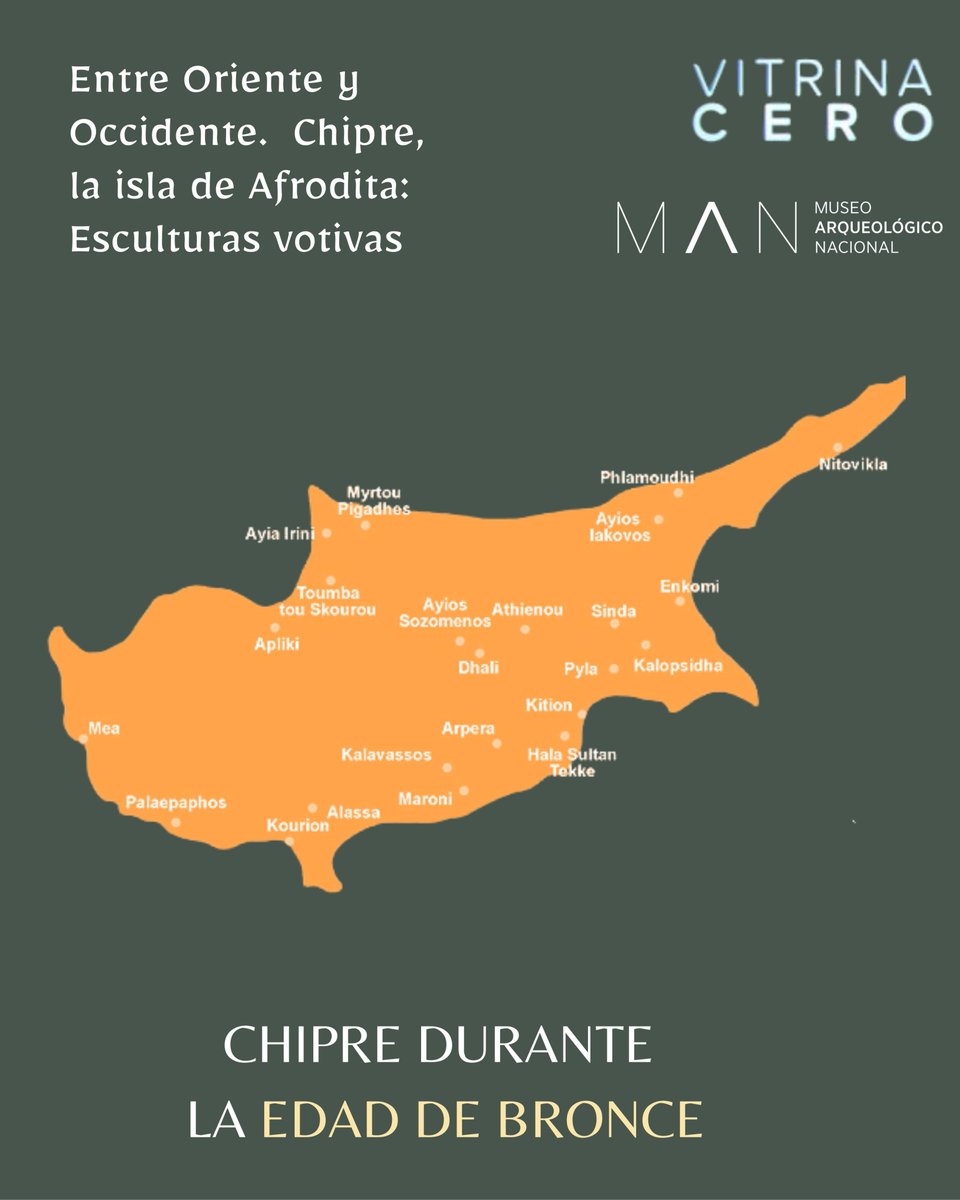
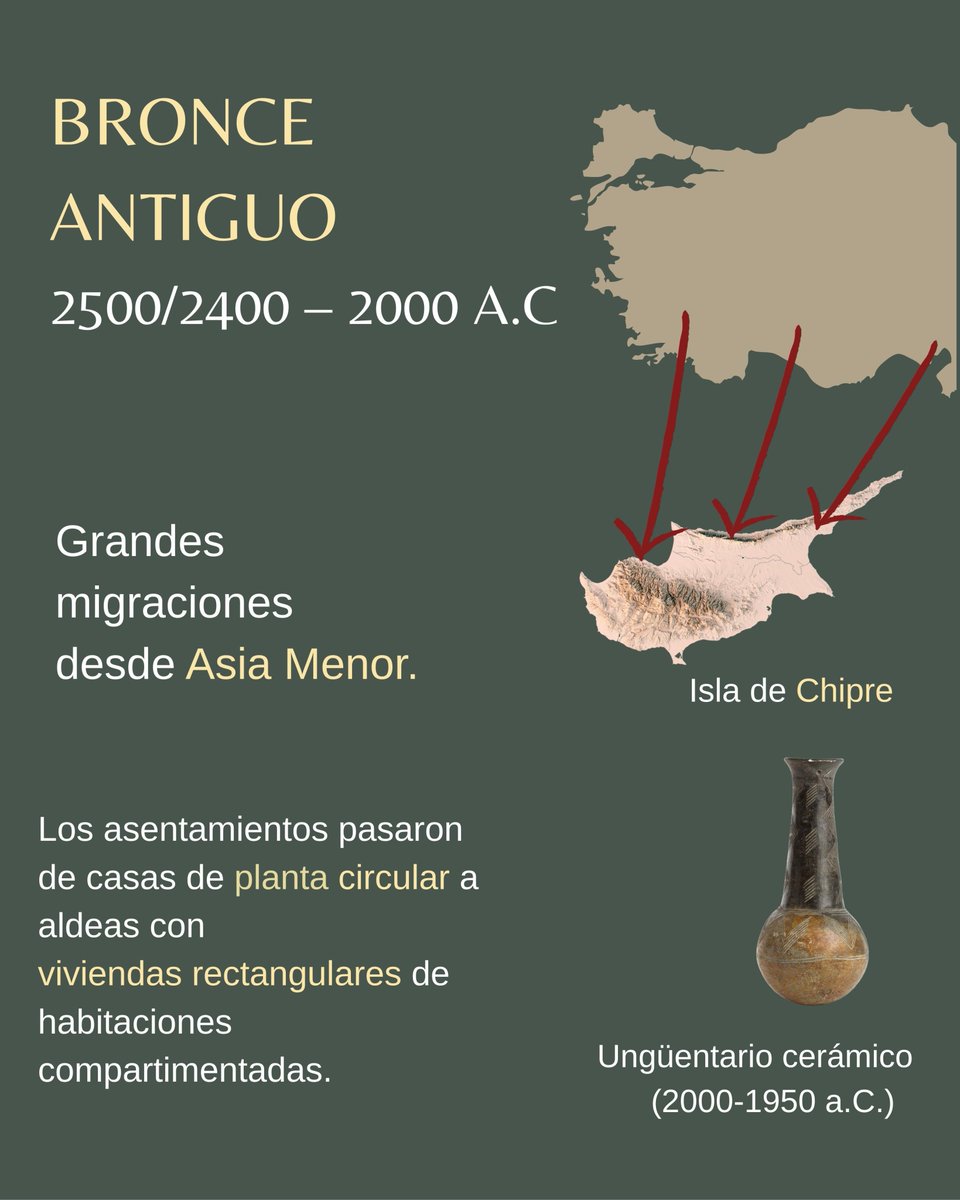
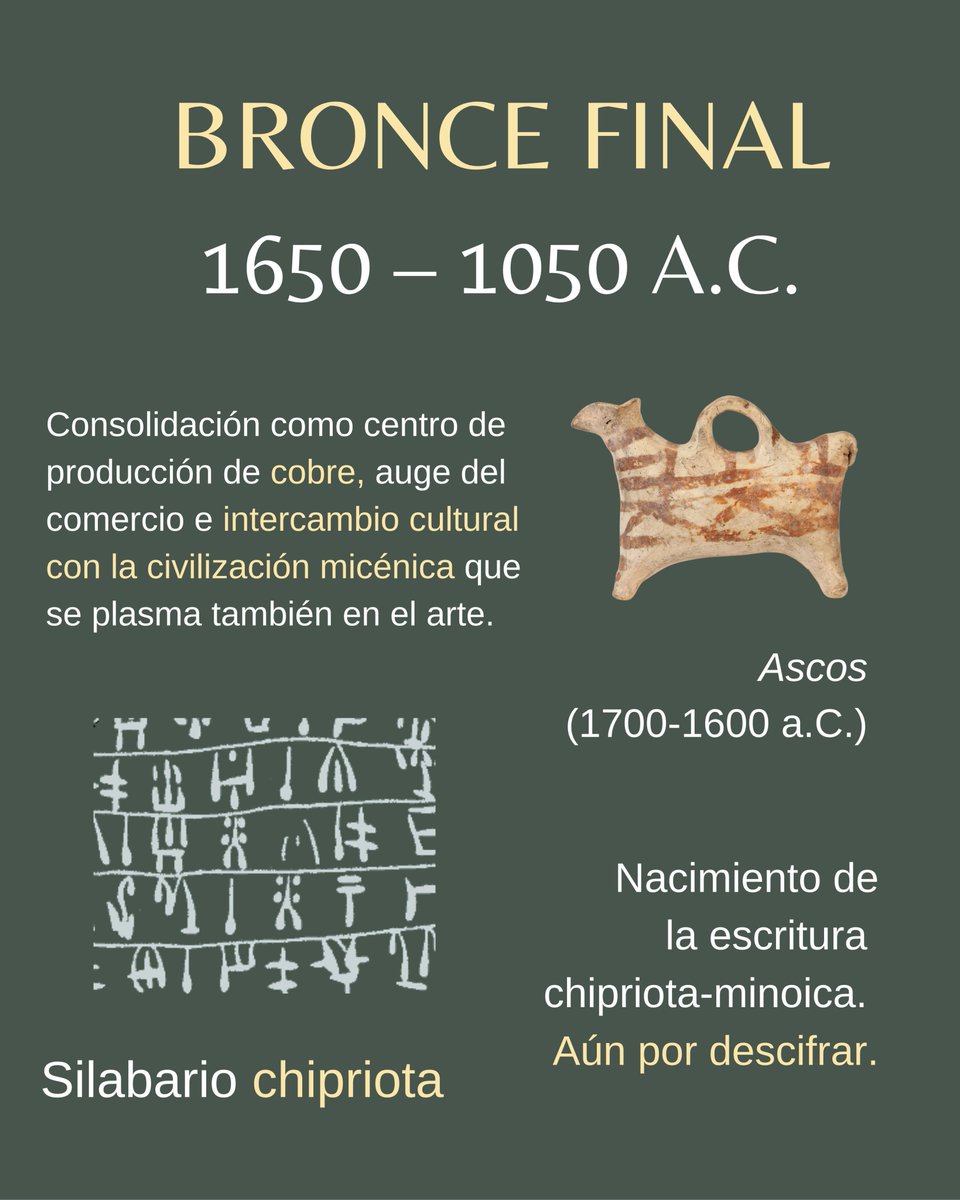
🏺Viaja a la Edad del Bronce en Chipre con nuestra #VitrinaCero y descubre cómo el comercio del cobre transformó el Mediterráneo Oriental. Tienes hasta el 11 de abril para disfrutar de esta muestra excepcional; ¡no te la pierdas!
Museo Arqueológico Nacional tweet mediaMuseo Arqueológico Nacional tweet mediaMuseo Arqueológico Nacional tweet mediaMuseo Arqueológico Nacional tweet media
Español
0
21
50
1.9K
Alejandro Garés 🏺 retweetledi
Dominated by Dig Dug
Dominated by Dig Dug@dominbydigdug·
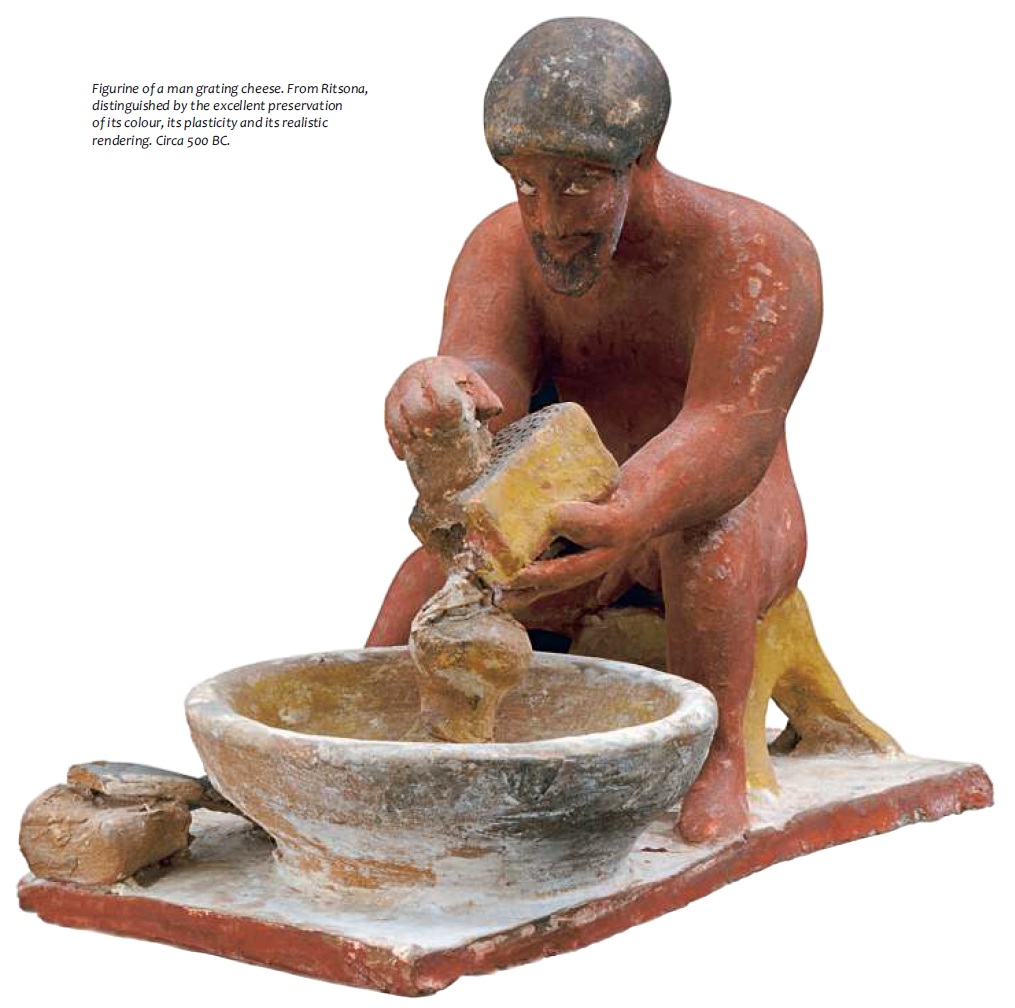
Want some cheese?
Dominated by Dig Dug tweet media
English
1
6
54
2.3K
Alejandro Garés 🏺 retweetledi
LeoDaVinciWave
LeoDaVinciWave@LeoDaVinciWave·
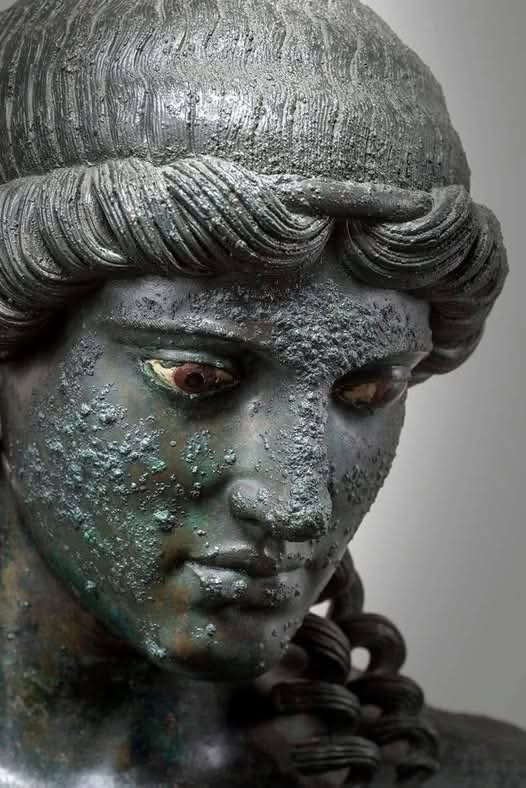
A detail of the Apollo Gitarodos bronze statue, which was unearthed in the ancient city of Pompeii.
LeoDaVinciWave tweet media
English
1
19
129
2.6K
Alejandro Garés 🏺 retweetledi
Gudea, Ensi of Lagash
Gudea, Ensi of Lagash@ensi_gudea·
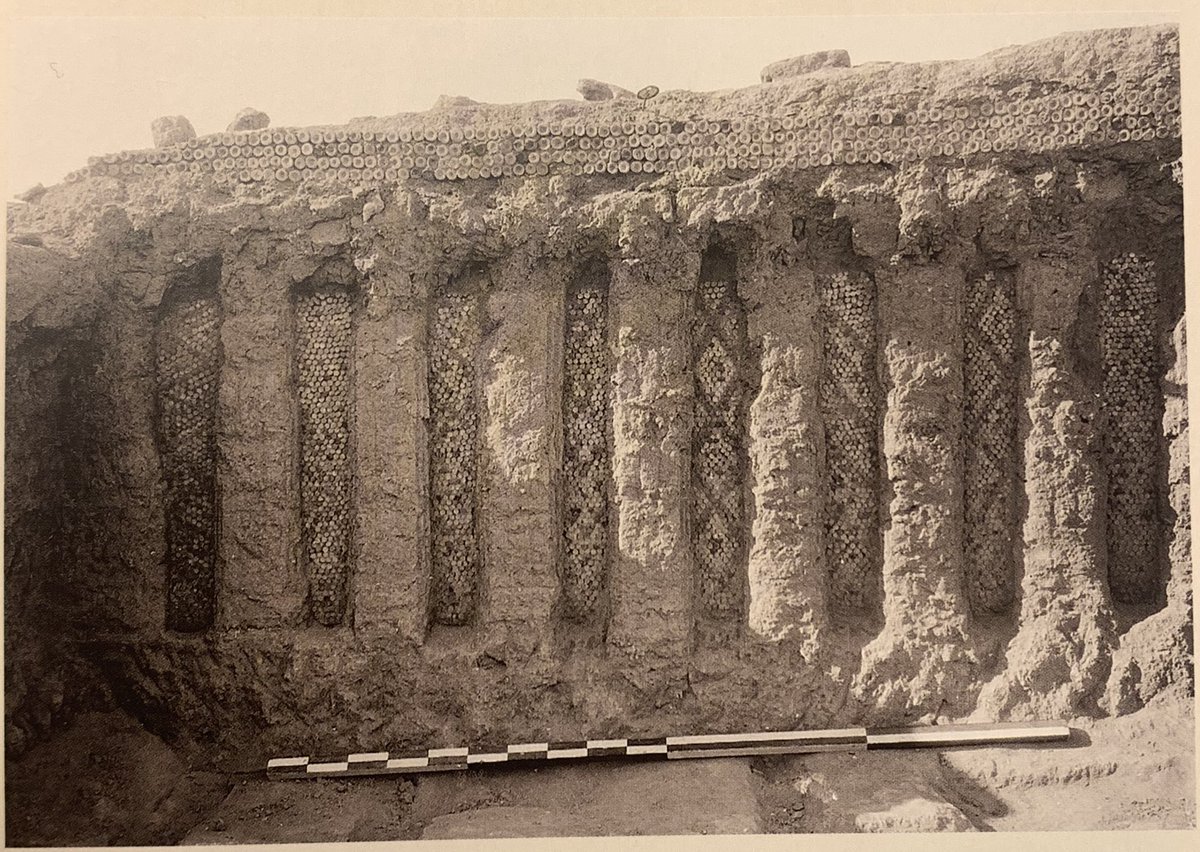
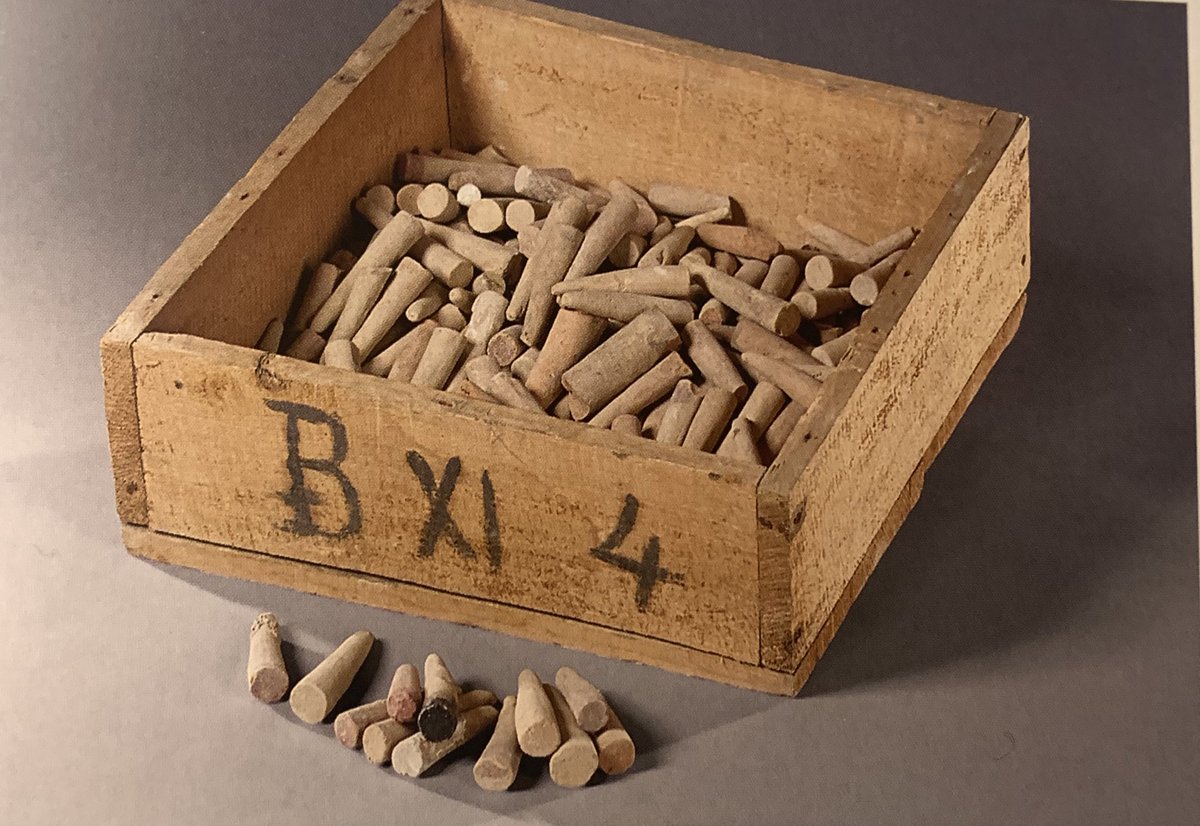
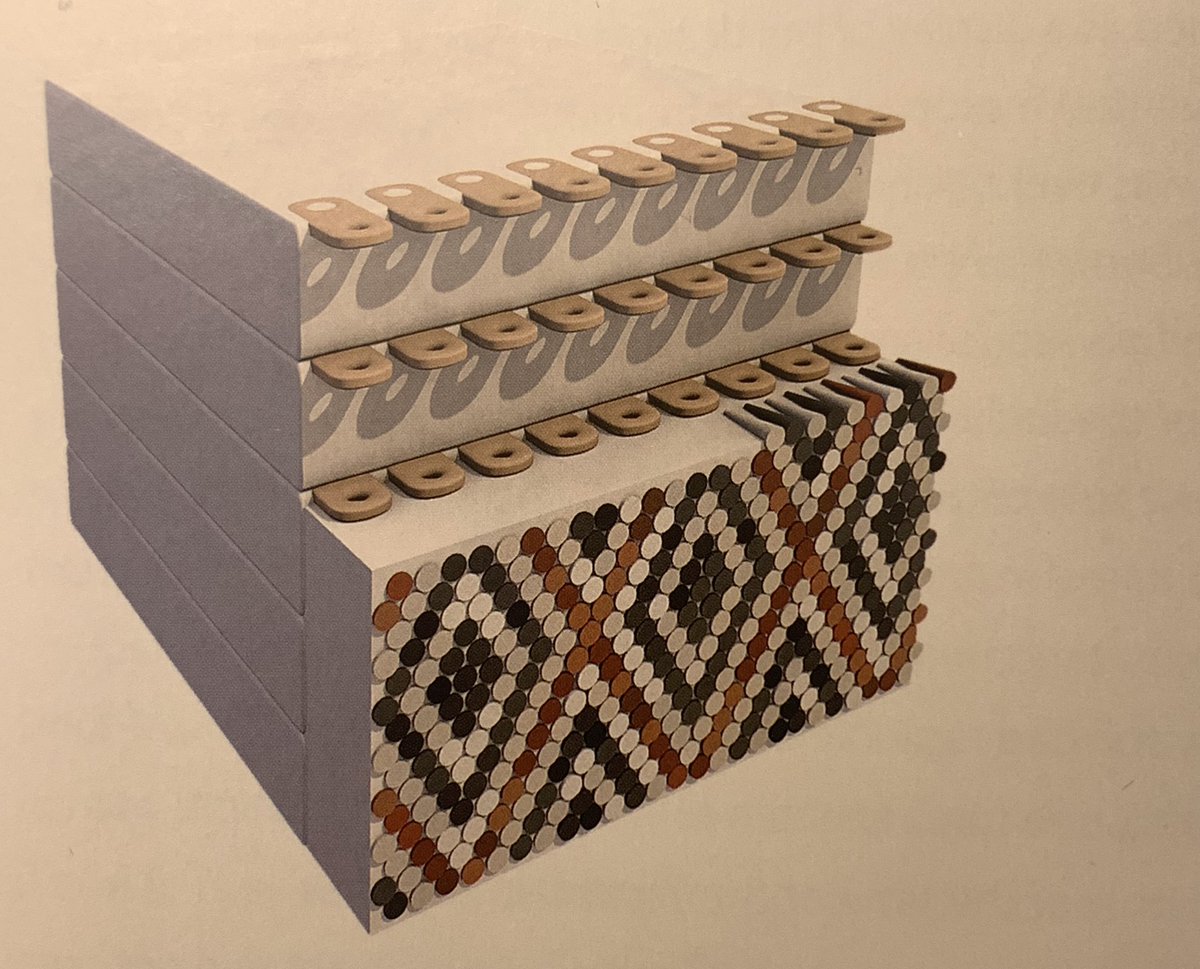
For a period of roughly 1000 years after 3600 BC, the architects of Uruk utilized a system of colored clay pegs to create mosaics on the outer walls of monumental structures in the Eanna Precinct of the city. The vast majority of these buildings were mudbrick which not only served an aesthetic purpose but also lent extra structural support to the walls. The primary exception to this was the Stone Cone Building. This structure was made from poured lime concreted with ceramic aggregation. In this case, limestone cones of multiple colors were embedded into the wall. Loose clay cones have been found at a number of other sites from the Uruk period into the early dynastic period.
Gudea, Ensi of Lagash tweet mediaGudea, Ensi of Lagash tweet mediaGudea, Ensi of Lagash tweet media
English
1
20
199
8.8K