Exploring the Human Spirit and Elegance: Equestrian and Jade Cultures.
The human spirit—resilient, aspirational, and harmonious—finds profound expression in cultural symbols that embody grace, strength, and moral depth. Equestrian culture, centered on the horse, and jade culture, rooted in ancient traditions particularly in China, both evoke elegance through their physical beauty and deeper symbolic meanings. While equestrian pursuits highlight dynamic partnership and freedom, jade represents enduring virtue and purity. Interestingly, these two intersect in artifacts like jade horse carvings, which amplify themes of nobility and prosperity. Let's delve into how they illuminate aspects of the human experience.Equestrian Culture: Grace in Motion and the Indomitable SpiritHorses have long captivated humanity as embodiments of elegance and spiritual resonance. Their physical form—muscular yet fluid—mirrors the human pursuit of balance between power and poise. In dressage, for instance, the horse and rider achieve a harmonious "centaur-like" unity, blending instinct with intelligence to create movements of breathtaking precision and beauty.
This partnership fosters qualities like patience, empathy, and humility, guiding riders toward self-awareness and enlightenment. Across cultures, the horse symbolizes freedom and transcendence. In Native American traditions, horses are sacred companions, called "Holy Dog" by the Lakota, representing healing, strength, and emotional intelligence that extends beyond the physical. Globally, they evoke vitality, with their speed and spirit inspiring ideals of courage and harmony between human and animal.
The white horse, in particular, stands for purity, liberation, and spiritual clarity, urging us to break free from constraints and explore life's expanse.
Even in modern contexts, horses in art and therapy reflect intuition and momentum, serving as vessels for human emotion and resolve.
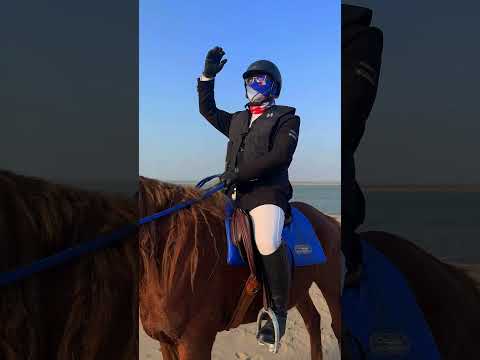
To visualize this elegance, consider these images of dressage performances, where the horse's graceful trot and the rider's subtle control exemplify the human spirit's quest for mastery and flow:
These depictions highlight how equestrian culture transcends sport, becoming a metaphor for life's journey—navigating challenges with grace and an unyielding spirit.Jade Culture: Purity, Virtue, and Timeless EleganceJade, revered for millennia, especially in Chinese culture, symbolizes the pinnacle of moral and spiritual elegance. Its smooth, luminous quality evokes purity, serenity, and longevity, often linked to prosperity and good fortune.
Confucius likened a gentleman's virtue to jade—gentle, warm, and harmonious—elevating it as a model for humility, propriety, and benevolence. This "moral jade" concept transformed the stone from a ritual object into a emblem of cultivated character, rejecting aggression in favor of tolerance and peace.
In broader symbolism, jade connects humans to the divine, embodying jingqi (vital energy) that communes with deities and ancestors.
Motifs like the bi disk represent eternity and spiritual significance, while carvings of bamboo or leaves symbolize growth, harmony, and eternal youth.
Jade's enduring nature aligns with human ideals of virtue and immortality, making it a protector across generations.
Its cultural depth extends to Maori traditions, where pendants signify genealogy and spirituality, blending elegance with profound meaning.
Horses in Chinese lore represent vitality, nobility, and even mythical "heavenly" qualities, often adorned with jade in art to signify peace and prosperity.
A jade horse pendant or sculpture embodies strength to overcome challenges, while invoking good fortune and harmony—echoing the human spirit's drive for progress and balance.
In the Year of the Horse (like 2026), such symbols gain added resonance, blending the horse's dynamic energy with jade's virtuous elegance.
This convergence highlights shared themes: both cultures celebrate the human capacity for grace under pressure, spiritual growth, and harmonious existence. The horse's free spirit, tempered by the rider's discipline, parallels jade's raw beauty refined into moral symbolism. Together, they inspire us to cultivate elegance not just in form, but in character—embracing freedom while grounded in essence, exploring equestrian and jade cultures reveals the human spirit as a blend of motion and stillness, power and purity. Whether through the thrill of a gallop or the quiet gleam of a carved stone, they remind us of our potential for transcendent elegance.
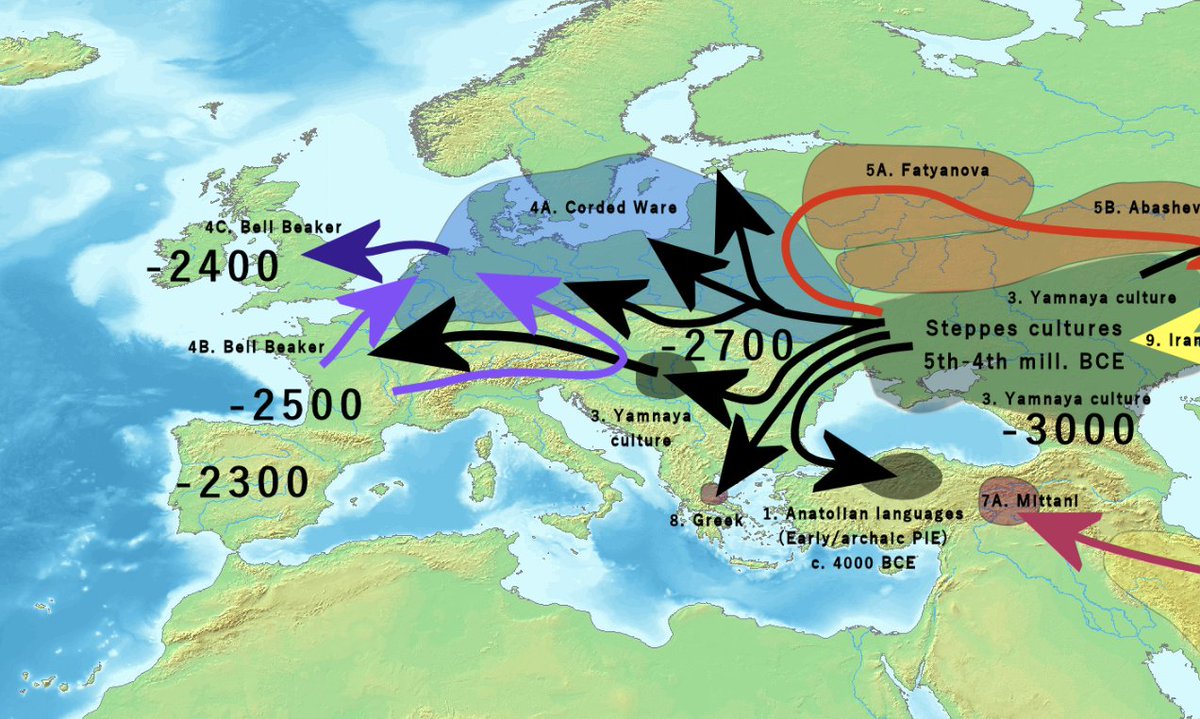
What we are witnessing today is the largest ethno-cultural upheaval in Europe since the arrival of the Yamnaya around 5,000 years ago.
They laid the foundation of the European tribes and, ultimately, modern European nations.
Since then, there has been an unbroken chain of ethno-cultural continuity. All foreign invasions, from the Huns to the Ottomans to the Moors, were ultimately repelled.
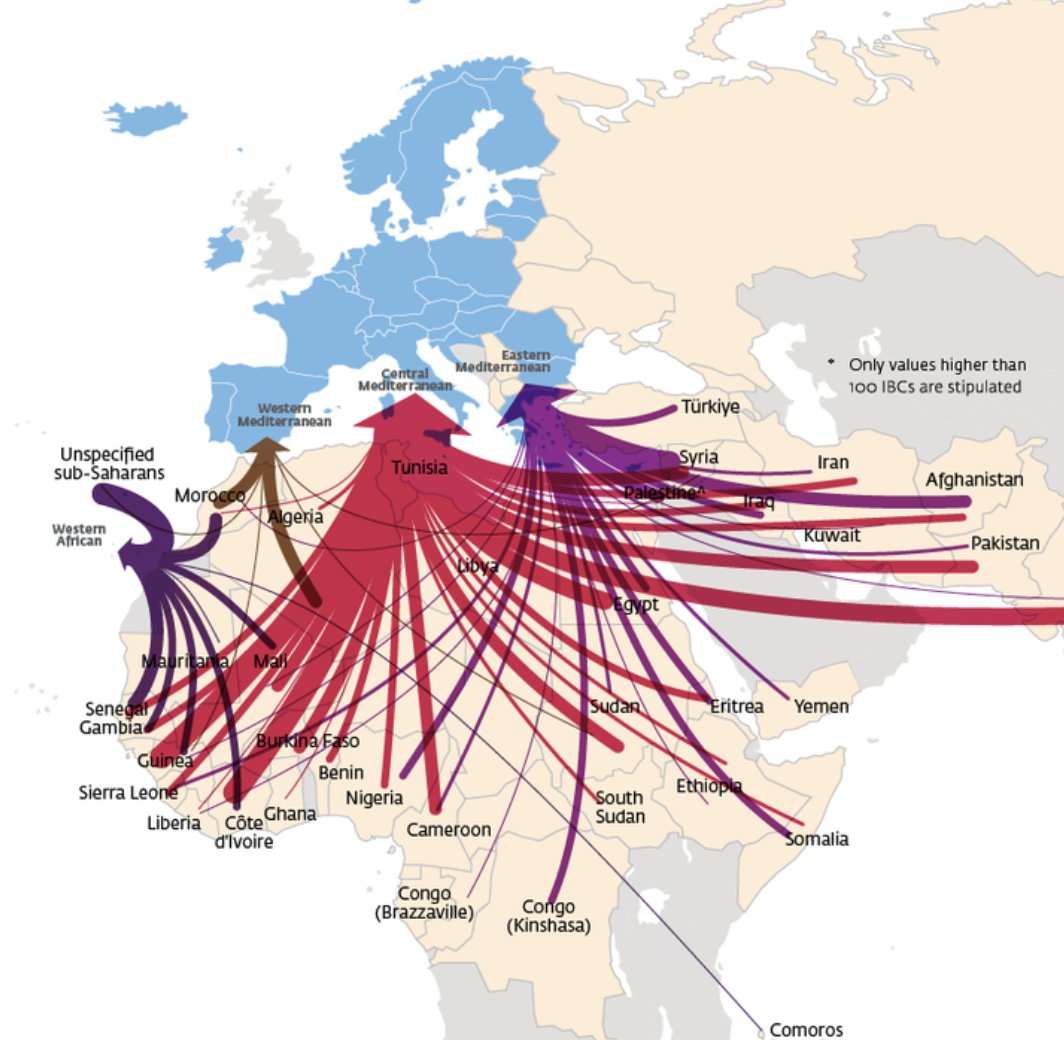
Today, within just a few decades, this chain is being broken. The people living in huge parts of Europe, France, Germany, England, and Italy in 100 years will not be the descendants of those who lived there 100 years earlier.
This has never happened in the last 5,000 years.
So forgive me if I don’t care whether someone calls me racist or whether a leftist judge claims we should be banned.
Far more is at stake than a delusional anti-white universalism. That ideology is only a few decades old and will fade away.
What must endure is resistance to this threat. Every people deserves an identity, a culture, and a homeland. I want to take nothing from anyone. I simply want to live this life and pass it on.
If you think that makes me evil, then that makes you evil.
Freshwater pearl farming is the process of growing freshwater cultured pearls on a farm. Within a 2-5-year time frame, the pearl farmer nucleates and cares for several thousand oysters, to grow and develop pearls
[📹xxpearl_xingh]