George Dearing 🏠☀️⚡️Austin Realtor® retweetledi

Global EV and hybrid sales to hit 30% of car market this year, IEA forecasts ft.trib.al/tvkPqdZ
English
George Dearing 🏠☀️⚡️Austin Realtor®
49.8K posts


@GeorgeDearing
Father | business owner | clean energy advocate | ⚡#cleanenergy🔋#EVs 🏠#realestate ☀ #solar 📱#tech | #GoCoogs 🐾 @austinev Board Member

This isn't just a pile of debris - it’s the future of green energy waste hidden in plain sight. Millions of solar panels are hitting their end-of-life cycle, and the world is completely unprepared for the coming toxic avalanche. By 2050, the International Renewable Energy Agency projects up to 78 million metric tons of solar e-waste. Where is it all going to go? The industry boasts that solar panels are '95% recyclable'. Technically, yes - because they are made of glass, aluminum and copper. But economics always trumps physics. In Australia and the US, it costs roughly $20 to $28 to properly disassemble and recycle a single panel, but only about $4 to dump it in landfill. Because there is no financial incentive, up to 90% of decommissioned panels go straight into the ground. Each solar panel is an industrial 'sandwich' bound tightly by heavy polymers. To extract the microscopic amounts of valuable silver and high-purity silicon requires energy-intensive chemical and thermal baking. When they are crushed or left to fracture in landfills, heavy metals like lead and cadmium can leach into the surrounding soil and groundwater, turning 'clean energy' into a multi-generational hazardous waste problem. The crisis is accelerating faster than models predicted. Because solar cells degrade and lose efficiency, and because newer, cheaper panels hit the market, consumers and solar farms are ripping out functional systems at least a decade early to upgrade. This compressed lifecycle destroys the narrative of a long-term, stable asset and creates an endless loop of unrecyclable industrial trash.
Is utility scale wind power worth the investment? Austin is looking to commit $340M for 299 megawatts wind power over 10 years from Invenergy Renewables. I know the city has some ambitious green energy goals, but this one is out of my wheelhouse. Should cities be getting into wind power and is this a good deal? Details: purchasing the energy produced by up to two utility-scale wind facilities, which have a combined total capacity to produce approximately 299 megawatts of electricity, in an estimated amount of $34,000,000 per year, for a term of 10 years, for a total estimated amount up to $340,000,000. This is item 5 on the May 21st agenda. Here are the backup details austintexas.legistar.com/LegislationDet…
Within Texas, Austin is increasingly attractive. However, Austin is losing the interstate migration of jobs battle: "In 2024, Austin lost the most workers to non-Texas metros in over 20 years"
This point is so true. Great demographics read and charts from @jburnmurdoch. ft.com/content/fba35e… Why birth rates are falling everywhere all at once
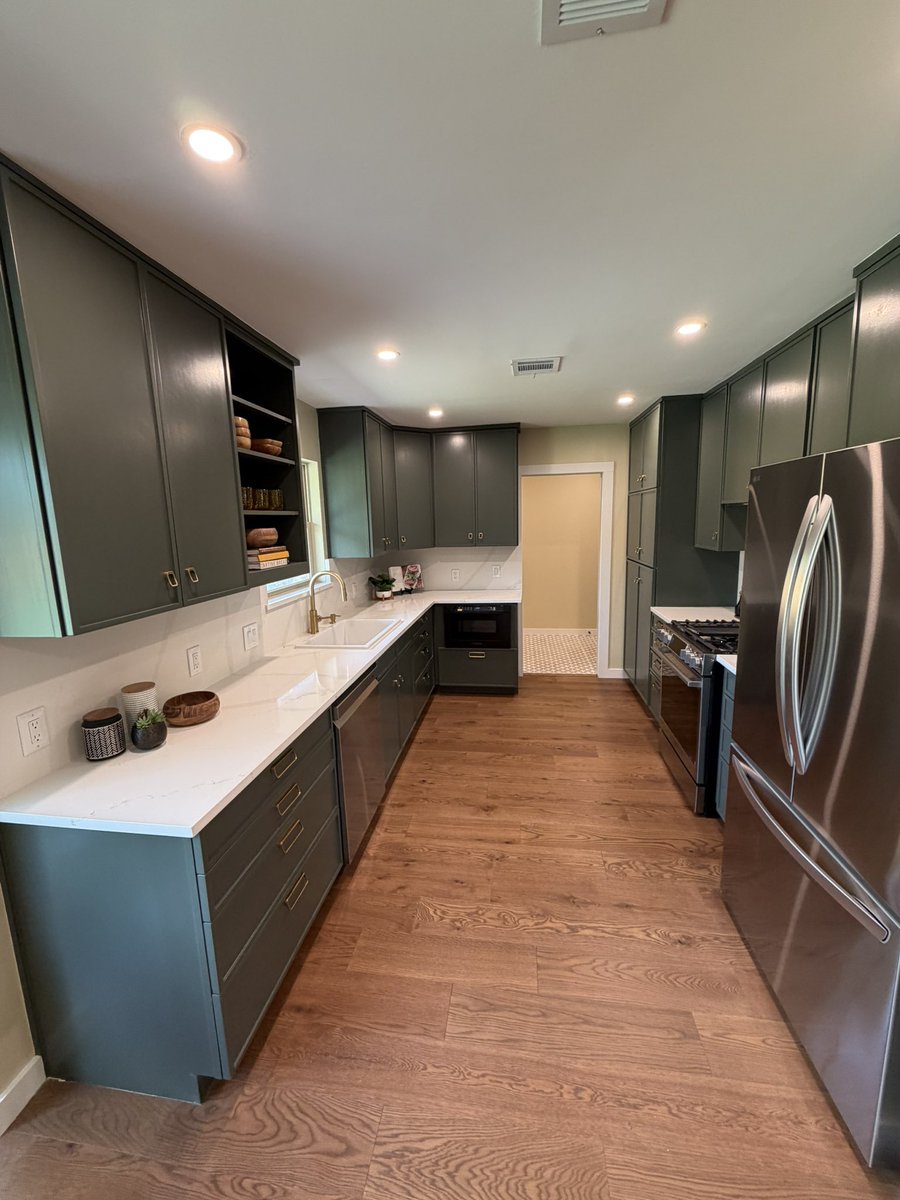
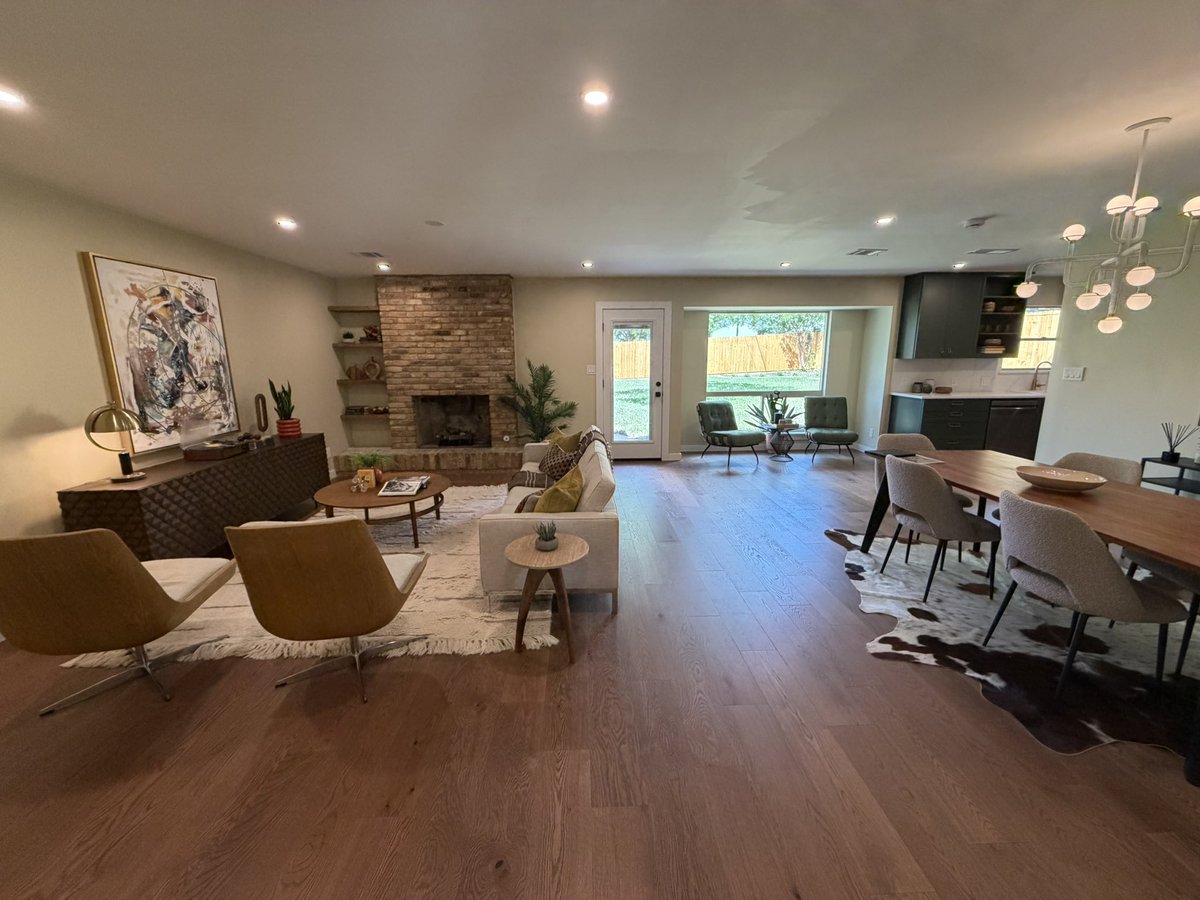
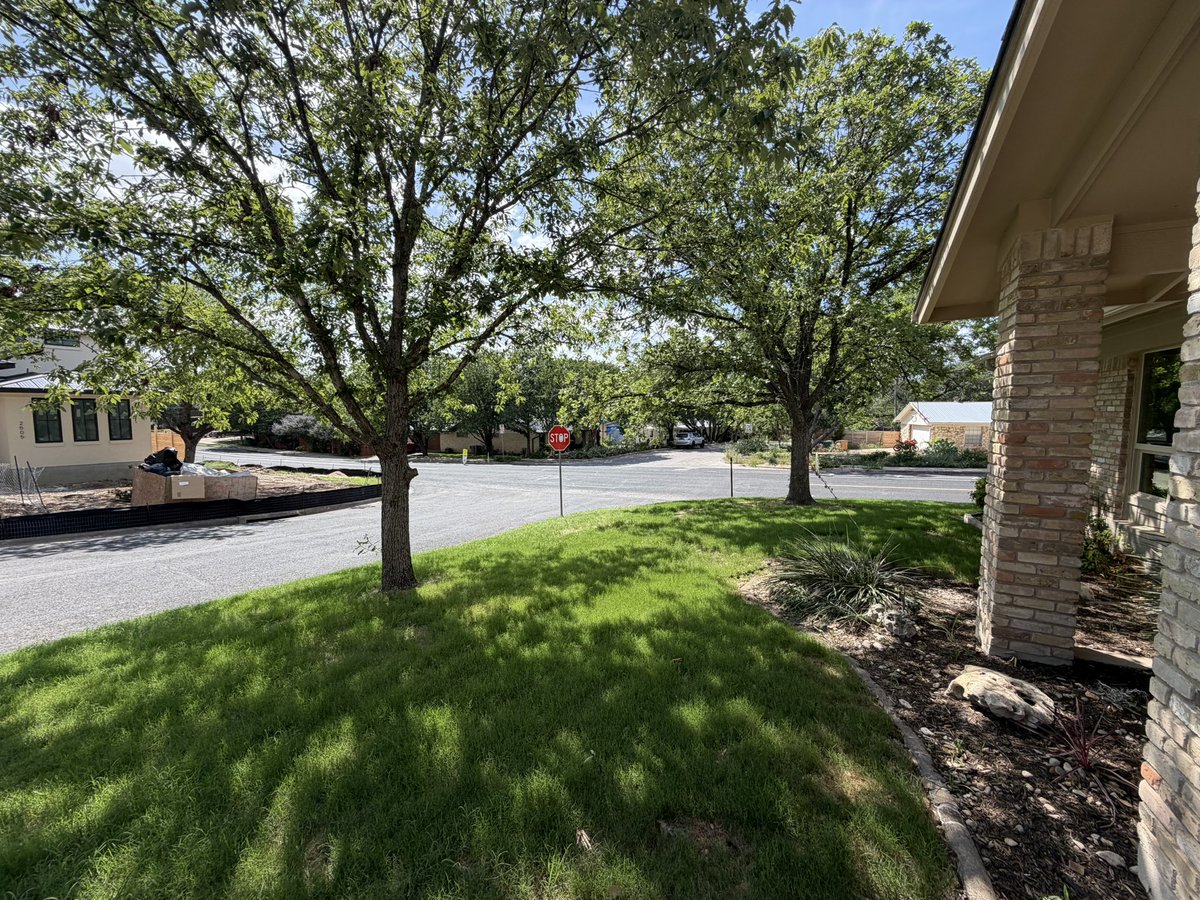
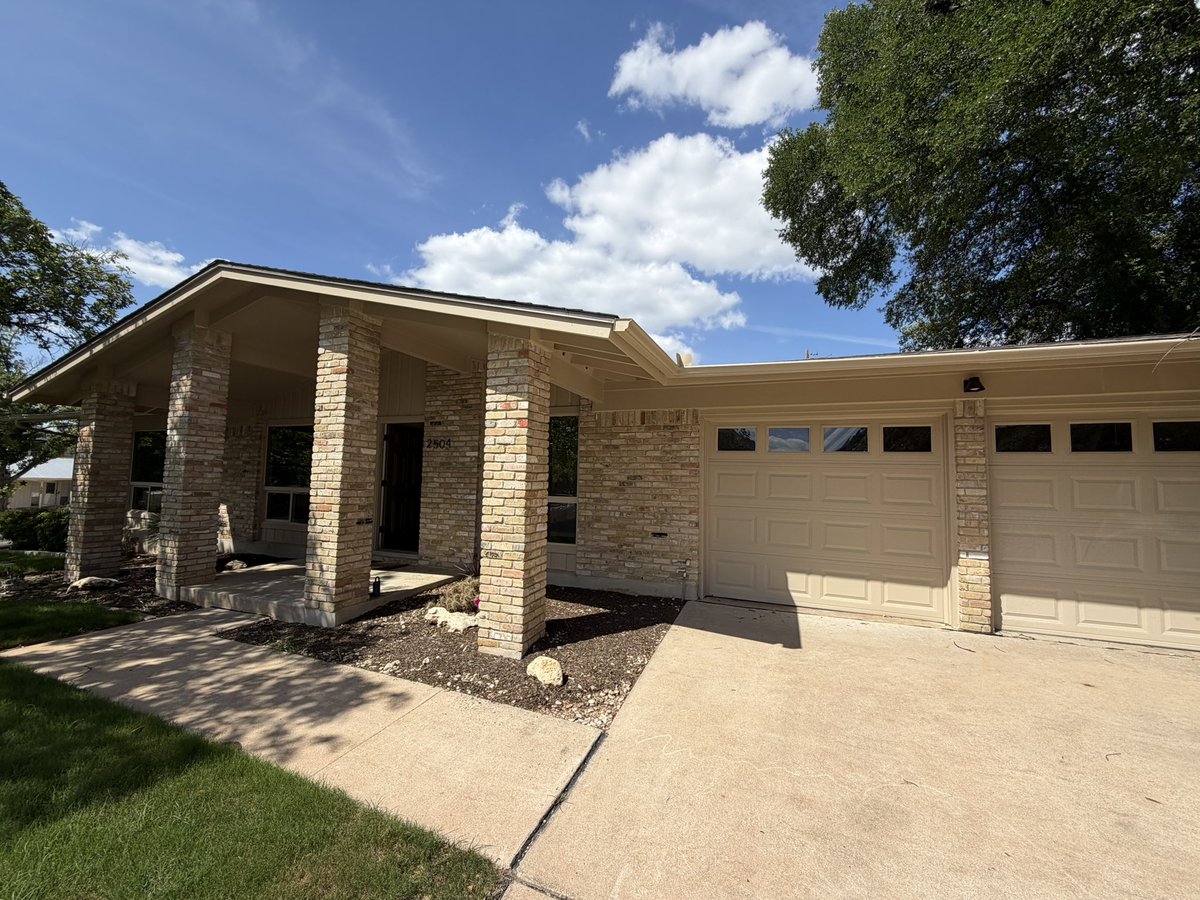

One of the best pieces of advice I ever got: If you want a calmer life, you need to address small problems while they’re still small. The cost of dealing with an issue rarely gets cheaper with time. Procrastination turns uncomfortable things into unavoidable things.
Nearly 1 in 3 new cars sold in Colorado last year was electric. According to the Colorado Energy Office, the state ranked #1 in the nation for EV adoption. There are over 210,000 EVs on Colorado roads today. But the charging infrastructure, especially outside the Front Range, hasn't kept up. That's exactly why the $17M DCFC Plazas program exists. If you own or operate a property in Colorado, now is the time to look at what this grant could mean for your site. Read more: hubs.ly/Q04g90P80




Villa Vals disappears into the Swiss Alps. Designed by Bjarne Mastenbroek of SeARCH and Christian Müller of CMA, the 2009 house is built directly into a hillside in Vals, Switzerland. Its curved glass façade opens toward the mountain landscape, while most of the home remains hidden underground — reached through a tunnel from a nearby traditional barn. 📸 @iwanbaan

WSJ: High Gas Prices Wreak Havoc on America’s Army of Supercommuters - While real estate far from big cities is cheaper, filling up for long drives has become painful wsj.com/economy/consum…