George Raynal
914 posts

George Raynal
@GeorgeRaynal
IP attorney focused on US and International design law and brand protection
Rockville, MD Katılım Ağustos 2011
676 Takip Edilen273 Takipçiler

Big news for US design patents today - Federal Circuit has granted rehearing en banc to reconsider longstanding obviousness analysis, first requiring a primary reference with basically the same design characteristics, now challenged as too stringent
cafc.uscourts.gov/opinions-order…
English

Pleased to share that @aipla's Innovate Magazine includes an article on IP protection related to Augmented and Virtual Reality, including a section I contributed on design patent protection.
aipla.org/innovate/2022-…
English

Federal Circuit affirms IPR finding design patent valid, declines to depart from obviousness precedent requiring a "primary" reference with basically the same design characteristics before turning to secondary references.
cafc.uscourts.gov/opinions-order…

English

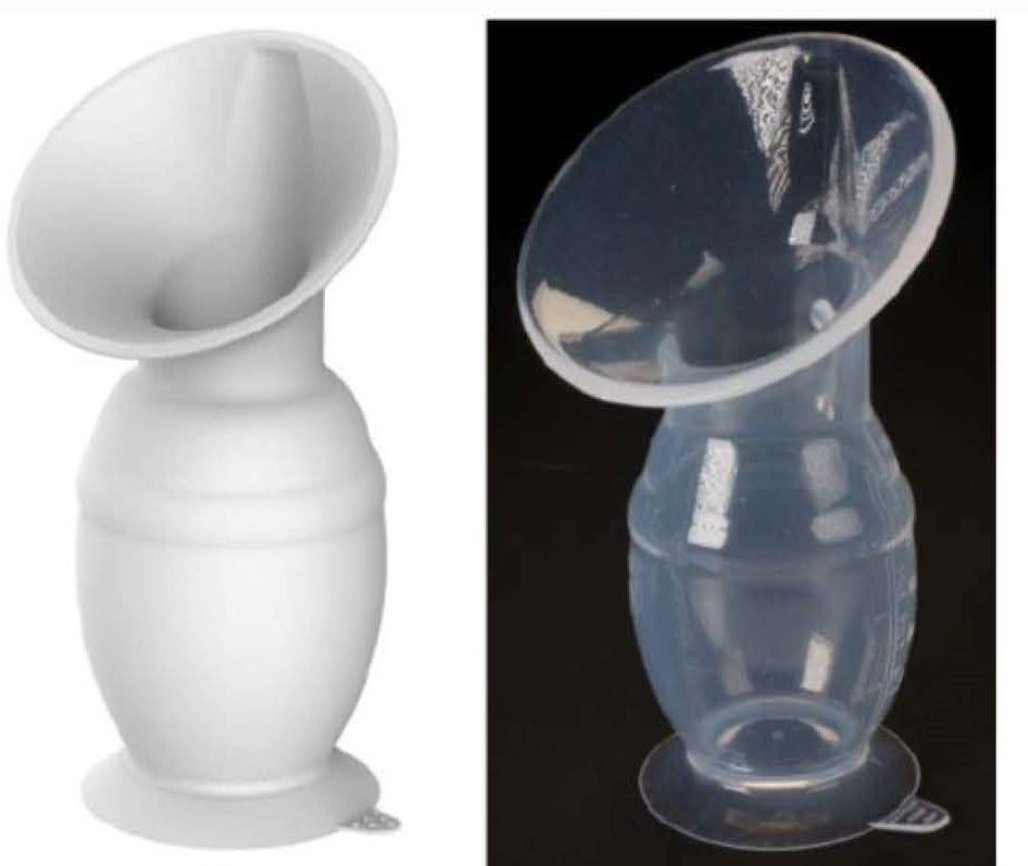
New post Fielding and Labelling Designs explores the significance of identifying the article(s) of manufacture for a design patent
altdesignpatent.com/posts/fielding…

English

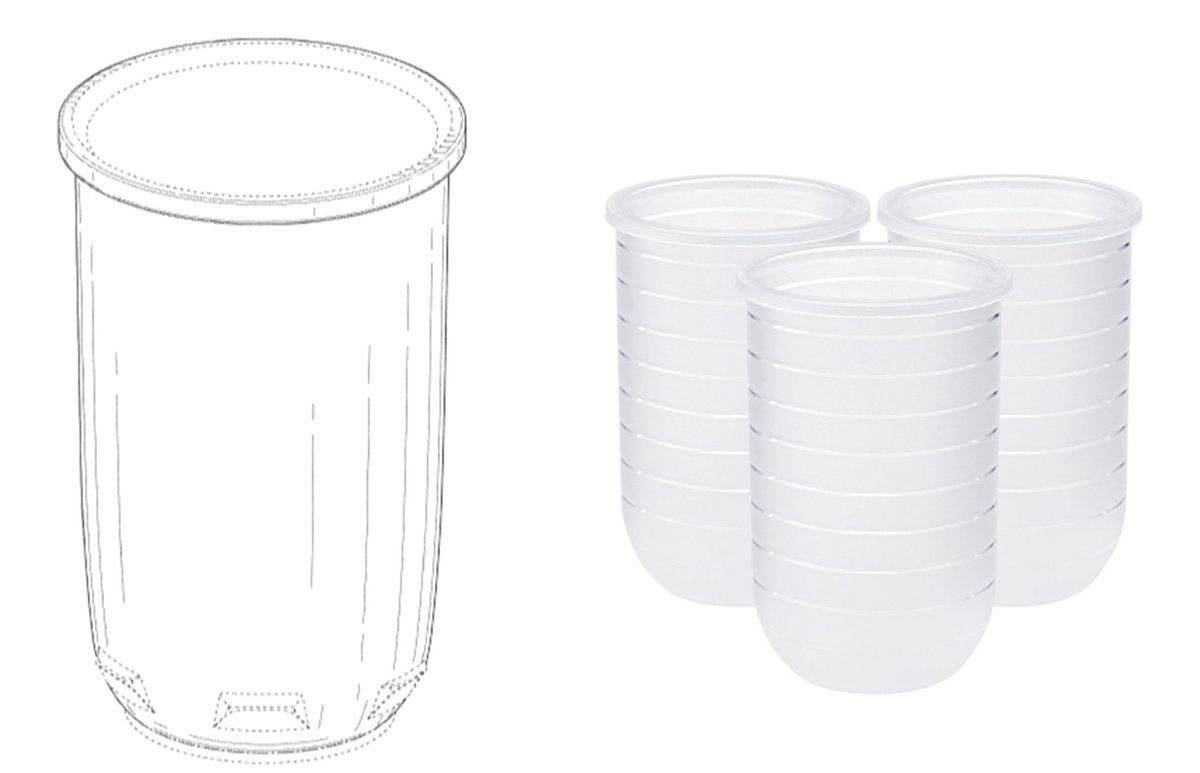
N.D. Il. judge concludes computer-generated design patent illustrations depict opaque; ordinary observer would not find translucent accused design substantially the same; opaque and translucent objects are categorically different, plainly dissimilar
shorturl.at/oQT34

English

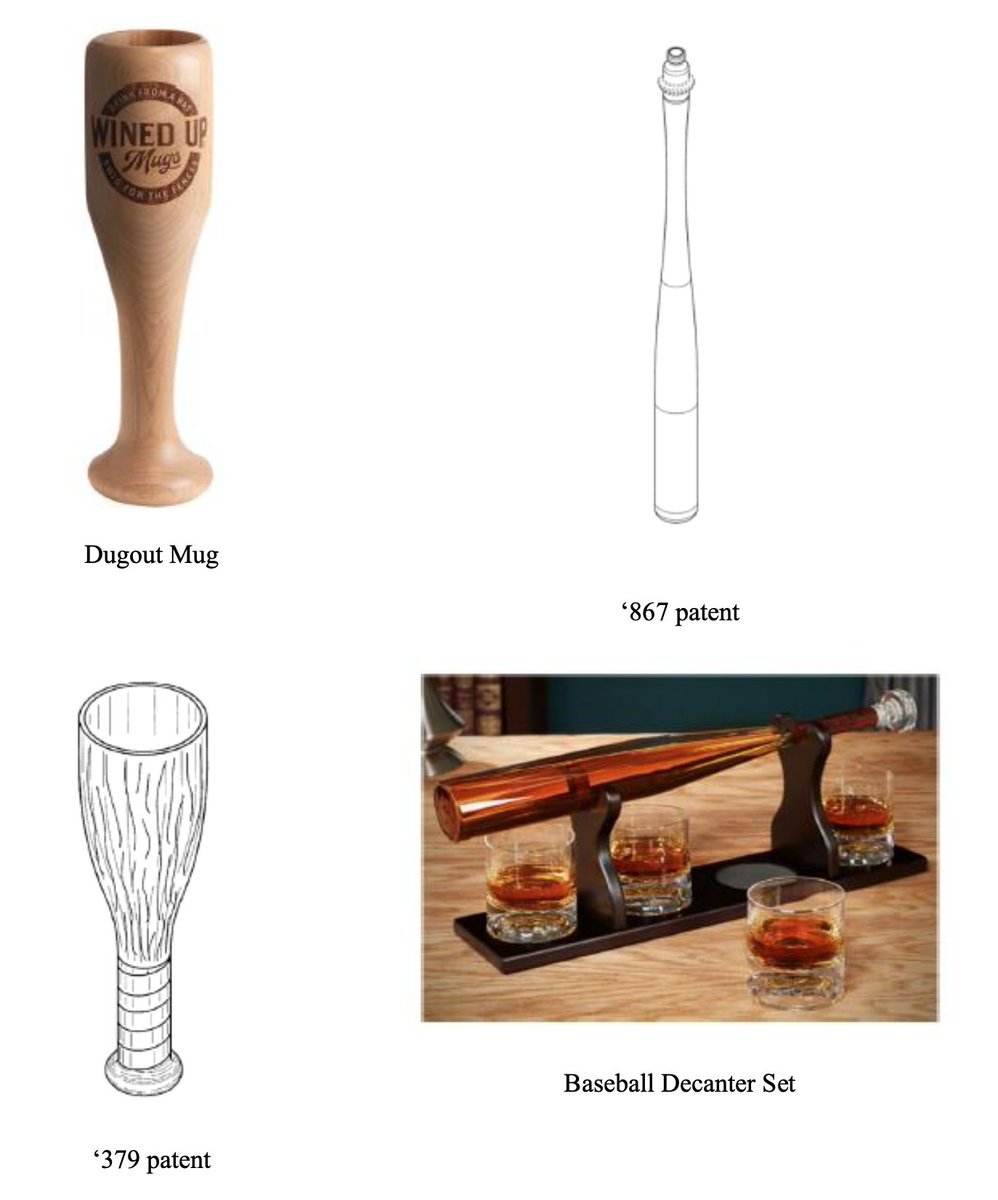
E.D. Pa. judge concludes actual baseball bats are not relevant prior art for design patent anticipation or obviousness analysis of a "drinking vessel" (article of manufacture identified in the design patent title and claim) which resembles a baseball bat
shorturl.at/fjsZ6


English
George Raynal retweetledi

Attending #aiplaAM22?
Don't miss our Andrea Soldatini speaking about Global Design Protection on Friday afternoon, and Elisabetta Papa, coordinator of the discussion on UPC and Unitary Patent on Saturday morning.
Looking forward to seeing you there!
bit.ly/3DqibZH @aipla

English

Next #designlaw2022 panel explores symmetry with respect to inventorship (again based on obviousness, basically the same)
English

Next, @ChrisCarani discusses identical forms for different products and claim scope - is a design patent claim agnostic or specific to article of manufacture?
#designlaw2022
English

@Stockton50 revisits cases bearing on the article of manufacture identified in design patent title/claim, exploring symmetry between anticipation and infringement (Curver v. Home Expressions; In re SurgiSil, Columbia v. Seirus)
#designlaw2022
English

@Stockton50 explores further whether the Int't Seaway result was compelled? Inventiveness discussed in Peters was about proto-obviousness, not anticipation, and dictum; questions symmetry citations
#designlaw2022

English

@design_law arguably, it is now easier to reject a design as anticipated applying the "substantially the same" standard, as opposed to applying Rosen analysis for obviousness, finding a primary reference with basically the same design characteristics and combination of secondary references
English

Perry Saidman explains how after Int'l Seaway, USPTO design patent examiners can sidestep the more rigorous analysis of obviousness (103) and apply art which is substantially the same, as opposed to identical, for anticipation (102) #designlaw2022
English

@robertskatz asks, as a non-panel decision, could Int'l Seaway (substantially the same) even overrule Hupp (identical in all material respects)?
#designlaw2022
English

@MarkJanisIU discusses Federal Circuit's analysis re infringement and indefiniteness/enablement regarding the observer/designer perspectives and concludes that the notion of symmetry in design patent law is a mirage
#designlaw2022
English

Obviousness is determined from ordinary designer perspective, but there is no infringement symmetry
#designlaw2022
George Raynal@GeorgeRaynal
@MarkJanisIU explains, when Gorham chose the ordinary observer standard for infringement over skilled observer utility standard, Court adopted an infringement test from outside of utility law, and didn't go on to adjust anticipation standard, enshrining asymmetry #designlaw2022
English

@MarkJanisIU explains, when Gorham chose the ordinary observer standard for infringement over skilled observer utility standard, Court adopted an infringement test from outside of utility law, and didn't go on to adjust anticipation standard, enshrining asymmetry
#designlaw2022
English

Next, @MarkJanisIU picks up to expand on Perry's criticism of International Seaway to argue there is a more systemic problem with the court's rationale - the notion of symmetry between anticipation and infringement is a fallacy
#designlaw2022
English