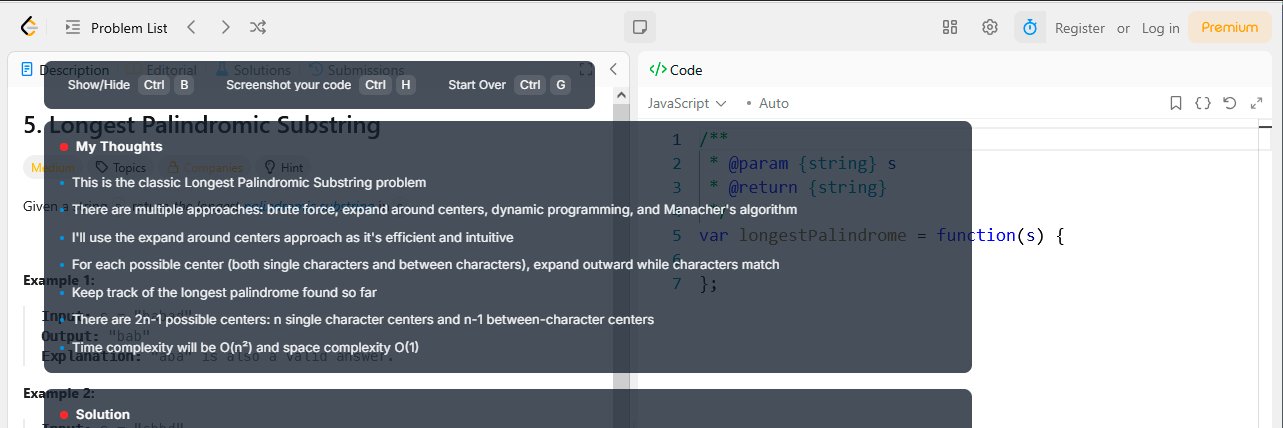

LeetCode is cooked.
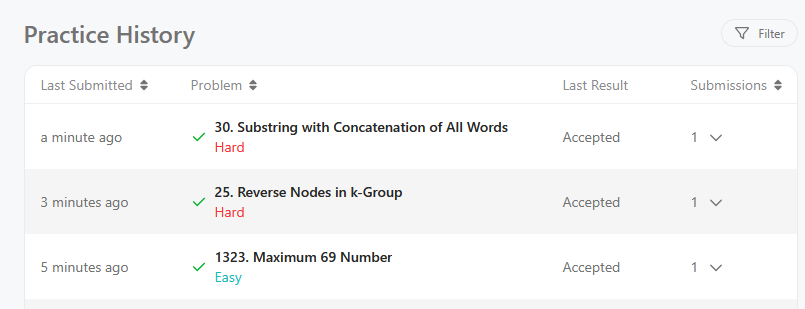
I just ran all 4 problems from LeetCode Weekly Contest 488 through Ezzi with the latest Claude Opus 4.6 model upgrade. Every single one solved on the first attempt without any manual intervention.
The results:
- Problem 1: 1045/1045 tests passed, 0ms runtime, beats 100%
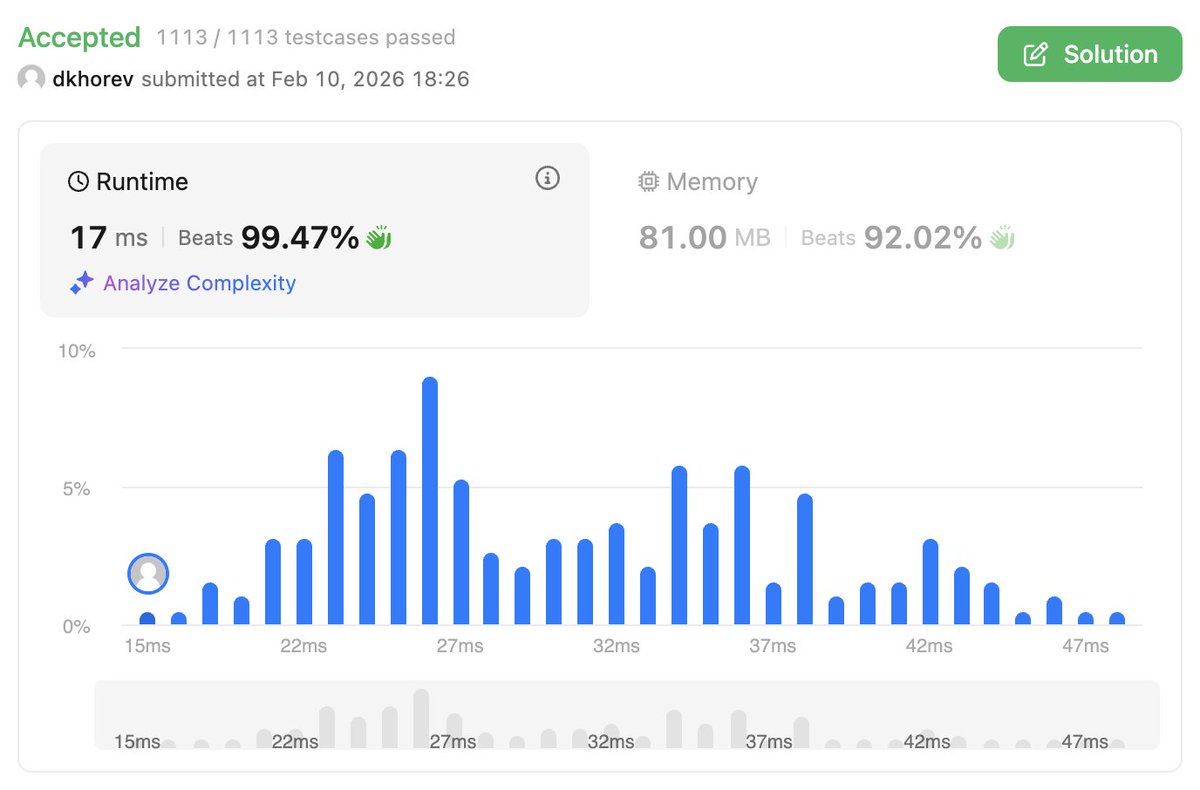
- Problem 2: 1113/1113 tests passed, 17ms runtime, beats 99.47%
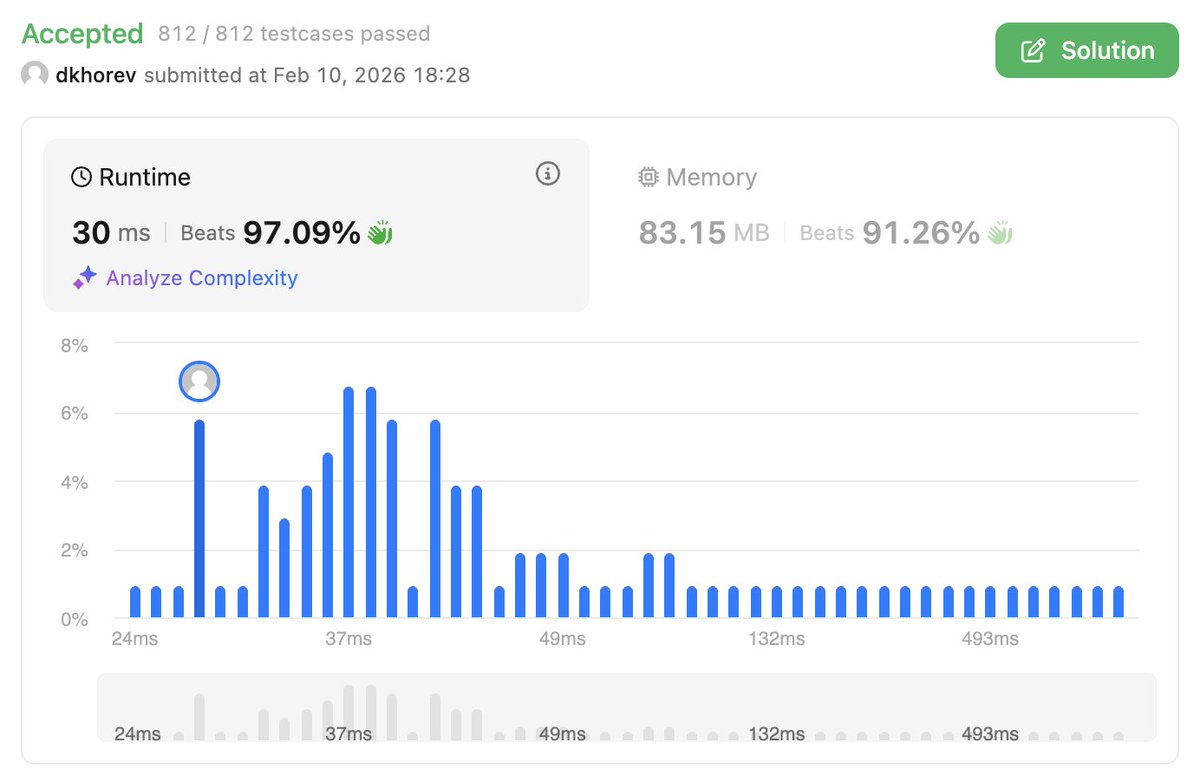
- Problem 3: 812/812 tests passed, 30ms runtime, beats 97.09%
- Problem 4 (the hardest one): 884/884 tests passed, 662ms runtime, beats 40.79%
Contest-level problems. All four solved in one go with clean, readable code.
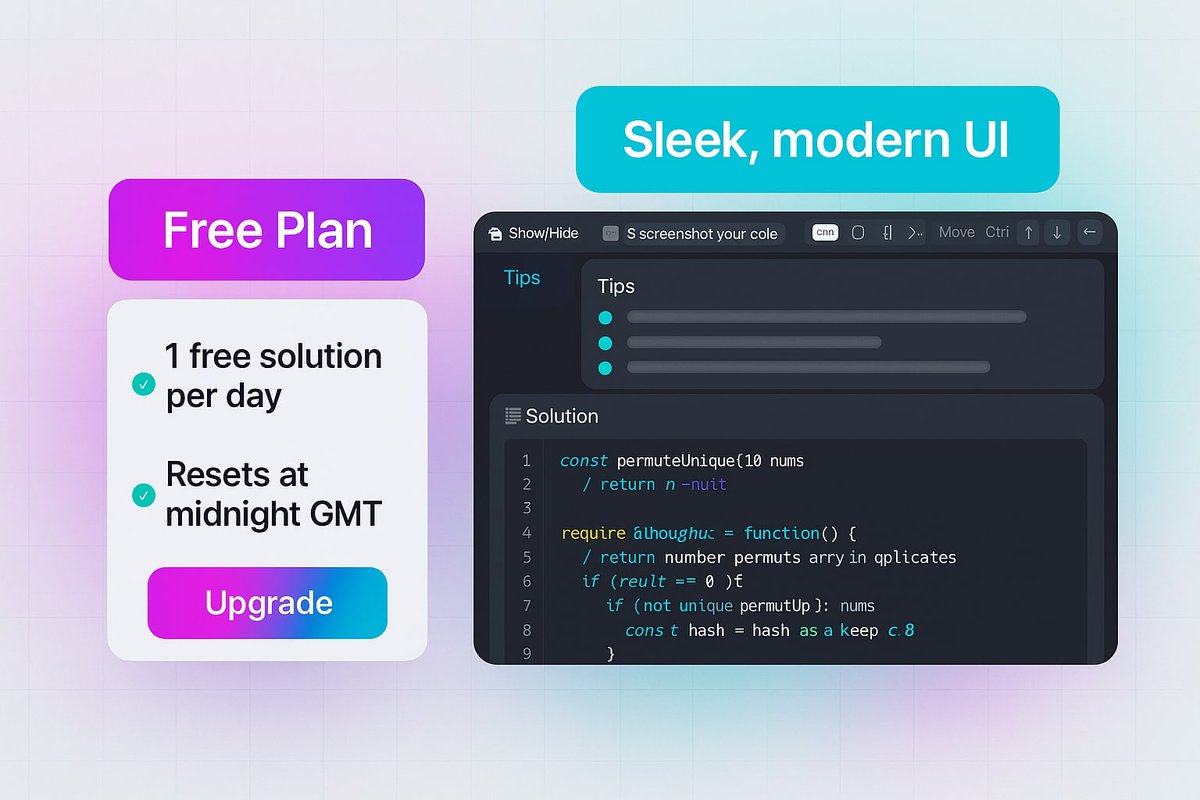
This is what Ezzi v1.0.10 looks like in action - upgraded AI model, support for up to 3 screenshots per problem, and a new readable variable names option so the generated code actually looks like something a human would write.
Now the real question - does it still make sense to interview people with algorithm tasks?
I've been thinking about this for a while. Here's where I land.
Algorithm interviews were designed to test problem-solving ability under pressure. The idea was that if you can break down an unfamiliar problem, pick the right data structure, and implement a working solution in 45 minutes - you can probably write good production code too.
That assumption was already shaky. We all know senior engineers who crush system design but fumble on a medium-difficulty dynamic programming problem they haven't seen in years. And we all know candidates who grind 500 LeetCode problems and still struggle with real-world code.
Now add AI to the mix. Tools like Ezzi can solve contest-level challenges faster than most humans can read the problem statement. The signal-to-noise ratio of algorithm interviews just dropped to near zero.
So what should companies do instead?
My take - focus on what AI can't fake:
- System design discussions where candidates explain trade-offs from real experience
- Code review sessions on actual production code
- Pair programming on a real task from the team's backlog
- Take-home projects that reflect the actual job (with reasonable time limits)
The goal of an interview should be to answer one question: can this person build and ship real software with our team? Algorithm puzzles never answered that well. Now they don't answer it at all.
I'm not saying stop learning algorithms. Understanding data structures and complexity analysis makes you a better engineer. But using them as a hiring gate in 2026, when AI solves them instantly, is like testing candidates on long division when everyone has a calculator.
The hiring process needs to catch up with the tools we actually use to build software.
What do you think - are algorithm interviews dead, or do they still have a place?
Try Ezzi: getezzi.com
GitHub: github.com/GetEzzi/ezzi-a…
#SoftwareEngineering #TechHiring #AI #LeetCode #Interviews #Ezzi


English