Prof. Chakrapani Ghanta

6K posts

Prof. Chakrapani Ghanta banner
Prof. Chakrapani Ghanta

Prof. Chakrapani Ghanta

@GhantaC

Society, People & Politics. Views are personal. RTs, not endorsements.

Hyderabad, India Katılım Eylül 2015
821 Takip Edilen17.4K Takipçiler
Prof. Chakrapani Ghanta retweetledi
Gabbar
Gabbar@Gabbar0099·
China Again shocked the world by launching a train faster than AirPlane China successfully tested world fastest Train clocking 600 km/h This means you can reach Bengaluru from Delhi in just 3.5 hours Interior of the train is look like a spaceship 🔥
English
144
1.9K
7K
231.4K
Prof. Chakrapani Ghanta
పాలసీ అనేది ఆయా దేశాల పరిస్థితులను బట్టి మారుతూ ఉంటుంది. చైనాను చాలా సార్లు మనవాళ్లు మోడల్ గా భావిస్తారు, కాపీ చేస్తారు. చైనా జనాభా విధానాన్ని సరిగ్గా అర్థం చేసుకోవాలి. అంటే కొందరికి అర్థం కాలేదు. ఎప్పుడైనా విషయం అర్థం కాకపోతే విపరీత వ్యాఖ్యానాలు చేస్తారు. నేను ఇరవై ఏళ్ళ క్రితం (2006-8) కాలంలో ఇండియా చైనా ఇన్స్టిట్యూట్ ఫెలో గా చైనా లో పరిశీలించిన, గమనించిన విషయాలు ప్రచురించాను. ఇప్పటికే ఆసక్తిగా వారి విధానాలు, పరిణామాలన్నీ గమనిస్తున్నాను. 1979లో చైనా one child విధానం తీసుకొచ్చింది. అదేకాలంలో మనదేశం కూడా ఒక్కరూ లేదా ఇద్దరు అనే పాలసీ తెచ్చింది. కారణం ఏమిటంటే అధిక జనాభా వల్ల ఆహారం, ఉద్యోగాలు, గృహాలు, వనరులపై తీవ్రమైన ఒత్తిడి ఏర్పడటం. చైనా దాదాపు 35 సంవత్సరాలు జనాభా నియంత్రణతో పాటు భారీ స్థాయిలో ఉపాధి కల్పించే తయారీ రంగపు పరిశ్రమలు, జనాభాకు సరిపడా విద్య, ఆరోగ్యం, మౌలిక వసతులపై పెట్టుబడులు పెట్టింది. మనం అది చేయలేదు. దాని ఫలితంగా చైనా ప్రపంచ తయారీ కేంద్రంగా మారింది. కోట్లాది మందికి ఉపాధి లభించింది. పేదరికం భారీగా తగ్గింది. పనికి, మార్కెట్ డిమాండ్ కు సరిపడా మనుషులు దొరకలేనంత అభివృద్ధి చెందింది. మరోవైపు చైనాలో వృద్ధాప్య జనాభా పెరగడం, యువ కార్మికుల సంఖ్య తగ్గడం వంటి సమస్యలు వచ్చాయి. ఒక ఇంట్లో ఒక శిశువు కు నలుగురు వృద్ధులు( తల్లి తండ్రి, తాత నానమ్మ.. ) ఇదే వరుసలో కొన్ని ఇళ్లలో ఆరుగురు పెద్దలు ఒక్కరే యువత ఉండే స్థితి వచ్చింది. అప్పుడే చైనా (2015) ఒకే బిడ్డ విధానాన్ని సడలించి ఇద్దరు పిల్లలకు, తరువాత ముగ్గురు పిల్లలకు అనుమతి ఇచ్చింది. అంటే చైనా ముందుగా ఆర్థిక శక్తిని నిర్మించింది. దేశానికి అవసరమైన సామాజిక వసతులు కల్పించింది. మన పరిస్థితి భిన్నం. ఇక్కడ ఇంకా పేదరికం, నిరుద్యోగం, నైపుణ్య లోపం, వలసలు, ప్రభుత్వ విద్యా-ఆరోగ్య రంగాల బలహీనత వంటి సమస్యలు ఉన్నాయి. ప్రస్తుత యువతకే సరైన ఉపాధి, నైపుణ్యాలు కల్పించకుండా జనాభా పెంపు గురించి మాట్లాడటం సరైన అభివృద్ధి దృక్పథమా అన్న ప్రశ్న వస్తోంది. ఇక రాబోయే-కొత్తగా పుట్టే- తరానికి మరో రెండు మూడు దశాబ్దాలు విద్య, వైద్యం పౌష్టికాహారం, ఆ తరువాత ఉపాధి ప్రభుత్వమే చూడాలి ఎందుకంటే ఇది ఇండియా. ఇవన్నీ కల్పించే శక్తి ఉంటే ముగ్గురేమిటి ఎందరినయినా కనొచ్చు. ఆలోచించే వారికి అర్థమౌతుంది.
Prof. Chakrapani Ghanta tweet media
తెలుగు
2
5
30
1.8K
Prof. Chakrapani Ghanta
@Gabbar0099 Ethiopia today is tracing an economic trajectory very similar to the one India took a few decades ago. While India is an economic superpower on a completely different scale, both nations share the challenge of balancing massive, modern growth with deep pockets of poverty.
English
0
0
8
498
Gabbar
Gabbar@Gabbar0099·
- No potholes - No air pollution - No dust - Clean Air - Clean Road - Proper marking This is not USA This is not China This is not Japan This is not Germany This is Ethiopia in Africa, a country 35 times lower GDP than India
English
48
92
510
14.5K
Prof. Chakrapani Ghanta
In United Andhra Pradesh and later in Telangana, we have a long list of Dalits who handled the Education Ministry. In a way, Dalits headed the ministry for a very long time, such as Pati Rajam, Kadiyam Srihari, Prathibha Bharathi, GMC Balayogi, Dr Sake Sailajanath, Damodara Rajanarsimha, and again Srihari!
We Dravidians@WeDravidians

First time contradicting with our friend @ambedkariteIND Bro..please don't spread a news without verification! 🫴🏾Thiru.Benjamin was appointed by Jayalalithaa (2011-2016) as the first Dalit Minister of School Education in Tamil Nadu. 🫴🏾Thiru Ko .Vi. Chezhiyan was appointed by M.K. Stalin (2021-2026)as the first Dalit Minister of Higher Education in Tamil Nadu.

English
5
10
64
20.6K
Prof. Chakrapani Ghanta
Many people are citing China to justify encouraging more children in Andhra Pradesh. But China’s demographic story is being misunderstood. China introduced the One-Child Policy in 1979 because rapid population growth was putting enormous pressure on food, housing, employment and development. For nearly 35 years, China strictly controlled population growth while simultaneously investing massively in manufacturing, infrastructure, education, healthcare and industrialisation. During that period, China became the “factory of the world.” Hundreds of millions were lifted out of poverty. Urbanisation expanded rapidly. Per capita income increased dramatically. Most importantly, China productively absorbed its young population into manufacturing and industrial employment. Only after achieving large-scale economic transformation did China begin facing a new problem: ageing population and shrinking workforce. Fertility rates fell too low, labour costs increased, and the working-age population started declining. That is when China gradually relaxed the One-Child Policy — first allowing two children in 2015 and later three children in 2021. China relaxed population control after exhausting its demographic dividend through industrial growth. Andhra Pradesh has not yet fully utilised its existing demographic dividend. We are still struggling with unemployment, skill gaps, migration, agrarian distress and uneven public education and healthcare. That is the difference.
Prof. Chakrapani Ghanta tweet media
English
4
7
28
2.5K
Prof. Chakrapani Ghanta retweetledi
Chutki Chaiwali🇮🇳
Chutki Chaiwali🇮🇳@Chai_Angelic·
Gym selfies are temporary; cylinder-lifting strength is permanent.🤭🔥
English
54
510
4K
144.9K
Prof. Chakrapani Ghanta retweetledi
SANJAY HEGDE
SANJAY HEGDE@sanjayuvacha·
Emergency Era slogan from the Janata Party, "Wah re Indira tera khel, Sasta Daaru mehnga tel".
SANJAY HEGDE tweet media
Indonesia
17
334
971
25.3K
Prof. Chakrapani Ghanta retweetledi
Upala Sen
Upala Sen@UpalaSen·
The Romila Thapar in conversation with Naveen Kishore about writing a memoir @ttindia
Upala Sen tweet media
English
2
10
67
3.2K
Prof. Chakrapani Ghanta retweetledi
thisthreadfolks
thisthreadfolks@threadspanner·
తెలుగులో భౌతిక శాస్త్రం చదివినవోడికే ఆ మాటల్లోని అందం, అర్థం తెలుస్తుంది
లీల కృష్ణ సుంకర 4.O@sunkaraleela

చదువుకు పరమార్ధం ర్యాంకులు కాదు బ్రతకడానికి కావల్సిన జ్ఞానం.

తెలుగు
3
24
220
9.2K
Prof. Chakrapani Ghanta retweetledi
Vala Afshar
Vala Afshar@ValaAfshar·
This is what winning in life looks like
English
54
578
4.4K
159.4K
Prof. Chakrapani Ghanta retweetledi
Warlock Hindu
Warlock Hindu@WarlockHindu·
Largest Caste, Tribe Or Ethnic Group In India In 1931.
Warlock Hindu tweet media
English
42
92
661
52.2K
Prof. Chakrapani Ghanta retweetledi
IndiaToday
IndiaToday@IndiaToday·
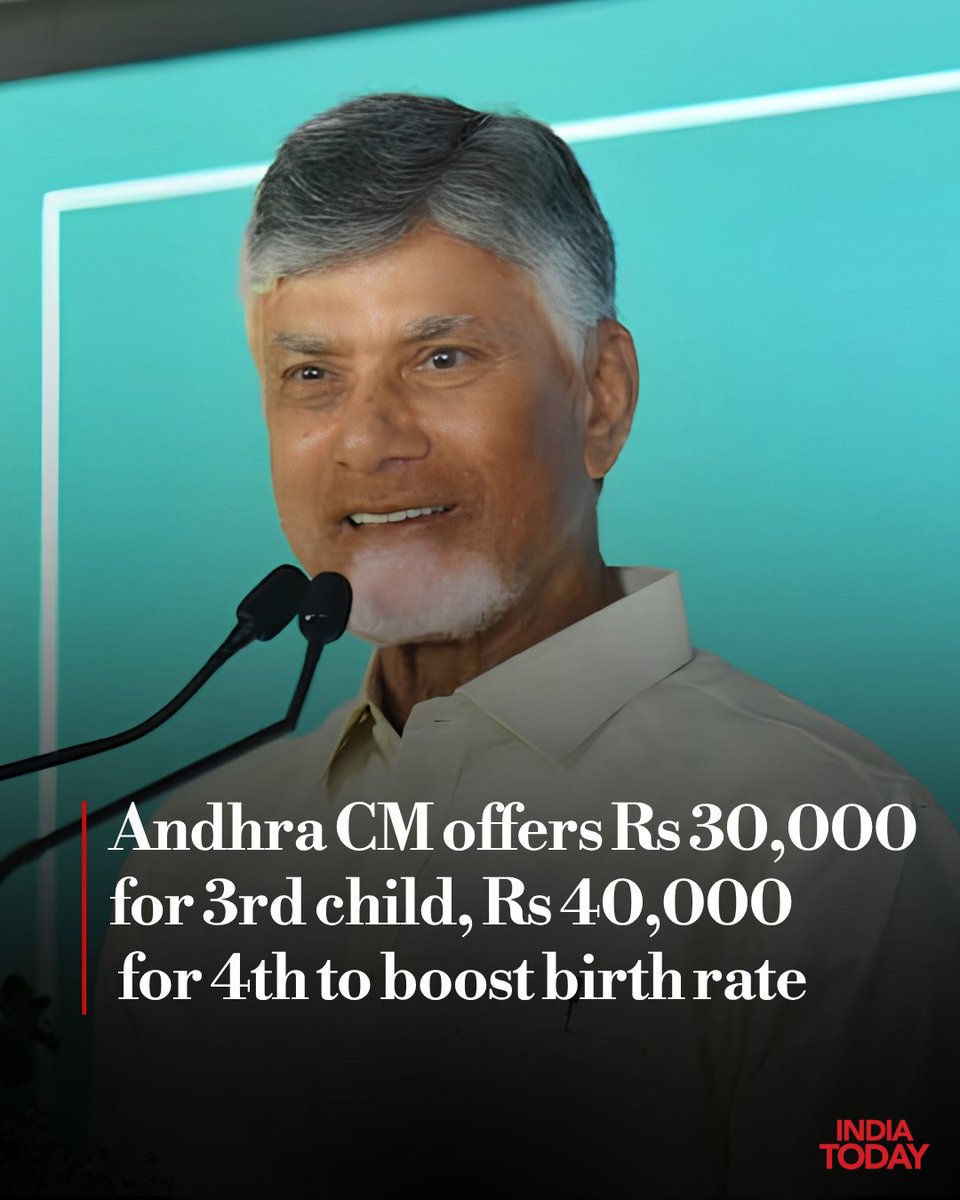
In a move aimed at reversing #AndhraPradesh's declining population trend, Chief Minister N #ChandrababuNaidu on Saturday announced cash incentives of Rs 30,000 on the birth of a third child and Rs 40,000 for a fourth one. He made the announcement while addressing a public meeting in #Srikakulam district, saying that further details about the decision will be announced within a month. Read more: intdy.in/d9snqc ✍️@jay_apoorva18
IndiaToday tweet media
English
18
10
60
4.9K
Prof. Chakrapani Ghanta retweetledi
Cata Paul 🃏‍‍‍
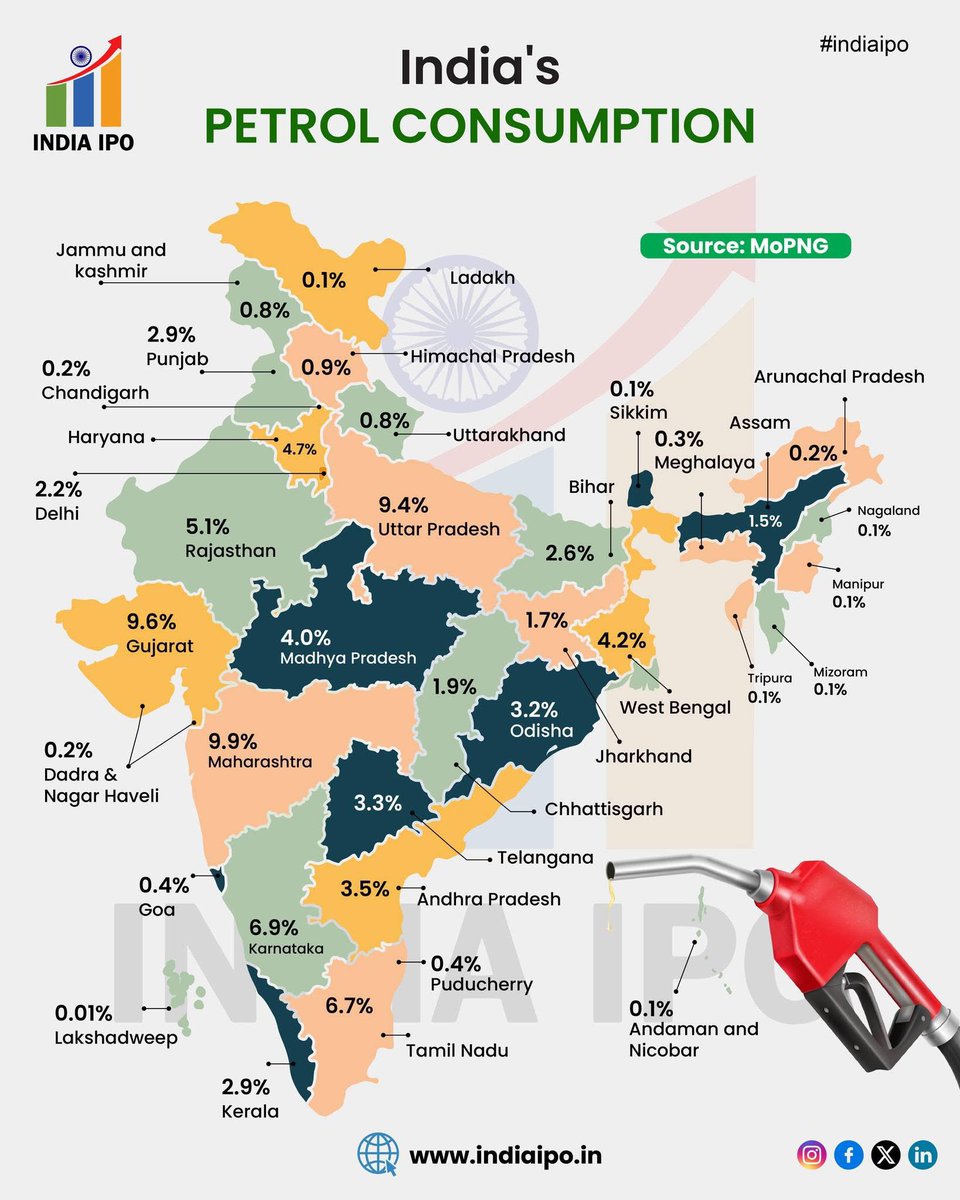
🇮🇳 ⛽️ India’s Petrol Consumption 1. 🛕 Maharashtra – 9.9% 2. 🏭 Gujarat – 9.6% 3. 🌾 Uttar Pradesh – 9.4% 4. 🏞️ Karnataka – 6.9% 5. 🏖️ Tamil Nadu – 6.7% 6. 🏜️ Rajasthan – 5.1% 7. 🚜 Haryana – 4.7% 8. 🍚 West Bengal – 4.2% 9. 🌳 Madhya Pradesh – 4.0% 10. 🌊 Andhra Pradesh – 3.5% 11. 💧 Telangana – 3.5% 12. ⛏️ Chhattisgarh – 3.3% 13. 🦁 Odisha – 3.2% 14. 🌴 Kerala – 2.9% 15. 🚜 Punjab – 2.9% 16. 🛕 Bihar – 2.6% 17. 🏛️ Delhi – 2.2% 18. ⛏️ Jharkhand – 1.9% 19. 🍵 Assam – 1.5% 20. 🏔️ Himachal Pradesh – 0.9% 21. 🏔️ Uttarakhand – 0.8% 22. 🏔️ Jammu and Kashmir – 0.8% 23. 🏖️ Goa – 0.4% 24. 🏝️ Puducherry – 0.4% 25. 🌧️ Meghalaya – 0.3% 26. 🏙️ Chandigarh – 0.2% 27. 🏭 Dadra & Nagar Haveli – 0.2% 28. ❄️ Ladakh – 0.1% 29. 🏔️ Sikkim – 0.1% 30. 🌲 Arunachal Pradesh – 0.1% 31. 🌿 Nagaland – 0.1% 32. 🌸 Manipur – 0.1% 33. 🌄 Mizoram – 0.1% 34. 🌺 Tripura – 0.1% 35. 🏝️ Andaman and Nicobar – 0.1% 36. 🏝️ Lakshadweep – 0.01% 🖇️ Source: MoPNG 📝 Data represents percentage share of total petrol consumption across Indian states and union territories.
Cata Paul 🃏‍‍‍ tweet media
हिन्दी
19
154
696
97K
Prof. Chakrapani Ghanta
Sunday thoughts: CBN is often portrayed as a visionary leader and the most senior CM in the country. But what kind of vision is this? Incentivising larger families in a state where the core crisis is not population decline but weak human development. Andhra Pradesh’s Total Fertility Rate has already fallen below replacement level to around 1.5–1.7. But unlike ageing, wealthy economies, AP has not yet achieved large-scale industrialisation, high per capita income, or full employment. The state still struggles with high youth unemployment, rural distress, migration, skill mismatch, and pressure on public education and healthcare systems. India’s own labour data shows youth unemployment among 15–29-year-olds remains very high, while only a small percentage of the workforce has formal vocational skills. Large numbers of educated youth continue to migrate out of AP for jobs. The challenge facing the state is not a shortage of people, but a shortage of productive opportunities. Countries like China relaxed population control only after becoming manufacturing powers and facing workforce decline due to ageing. AP is nowhere near that stage. Encouraging population growth without corresponding investment in education, nutrition, healthcare, employment, and social infrastructure can worsen inequality and increase welfare burdens. If pursued without long-term human capital planning, such policies may cause AP to face a sociological crisis over the next two decades, including rising unemployment, pressure on schools and hospitals, increased welfare dependency, and widening inequality. Population alone does not create prosperity. Skilled, healthy, and educated citizens do. Think about it.
Prof. Chakrapani Ghanta tweet media
English
30
46
145
10.3K
Prof. Chakrapani Ghanta retweetledi
Dr. B. R. Ambedkar Open University
LIBRARIES ARE REPOSITORIES OF KNOWLEDGE : Prof. V.S. Prasad •BRAOU oragnised program on “Book Talk” program as Part of Education Week Celebrations Hyderabad, May 16, 2026: Dr. B R Ambedkar Open University celebrating "Education Week" on “Innovation Inclusion, Institutional Excellence and Outreach” from May 11 to 17, 2026 at the university campus. As a part of this, the University organized “Book Talk” on Saturday. Prof. V.S. Prasad, Former Director NAAC and Vice-Chancellor, BRAOU attended as the chief guest for the program. Prof. Prasad stated that knowledge can be acquired through continuous reading of books, and that this serves as a means to study the history of events that have occurred across the globe. Hementioned that he had recently read the book “Do You Know Your Hinduism” authored by Rajmohan Gandhi and proceeded to elaborate on the themes discussed therein. He explained that the author had addressed several pivotal issues in the book, writing in a manner highly relevant to the current socio-political climate. Noting that India is a secular nation home to people of diverse religious faiths, he stated that while there is nothing wrong with individuals respecting their own religion, one must conduct oneself in a manner that does not offend the opinions or sentiments of people belonging to other faiths. Further, Prof. Prasad revealed that the author has expounded at length in the book on the essence of true Hinduism which, he noted, advocates for respecting others and treating people of other religions, along with their respective customs and beliefs with absolute equality. The Distinguished guest Prof. G. Haragopal, former professor of Hyderabad Central University, explained the points mentioned in the book “WE THE PEOPLE OF INDIA: DECODING A NATION’S SYMBOLS” written by renowned author T. M. Krishna, stating that he had recently read it. He revealed that the book discusses in detail how people belonging to various religious communities living in the country hold diverse opinions regarding topics such as the National Flag, the Ashoka Chakra, the National Anthem, the Preamble to the Constitution, and Vande Mataram. Prof. Haragopal suggested that students of the current generation should cultivate the habit of reading if they wish to understand the developments unfolding in the country and gain knowledge of its history. He further remarked that it appeared the author had conducted extensive research prior to writing this book. Prof. Ghanta Chakrapani, Vice-Chancellor, BRAOU preside over the program. Prof.Chakrapani explained that students should regularly visit libraries as part of their continuous academic pursuits, noting that this would prove beneficial for both research and the acquisition of knowledge. Prof.G.Pushpa Chakrapani, Director Academic remarked on the literature of Chalam, observing that it is truly remarkable that the works he penned in those days continue to remain popular and relevant even today. Dr.Vijaya Krishna Reddy, Registrar, BRAOU also spoke on the occasion. Prof.ARD Prasad; Prof.N.Rajani, Prof. Ravindranath Solomon, OSD to VC; University Directors Prof. Pallavi Kabde Prof. P. Venkata Ramana; Directors, Deans, Heads of the Branches, Teaching and Non-teaching Staff members, Representatives various services Associations were participated in the event.
Dr. B. R. Ambedkar Open University tweet mediaDr. B. R. Ambedkar Open University tweet mediaDr. B. R. Ambedkar Open University tweet media
English
0
1
2
208
Prof. Chakrapani Ghanta retweetledi
Dr. B. R. Ambedkar Open University
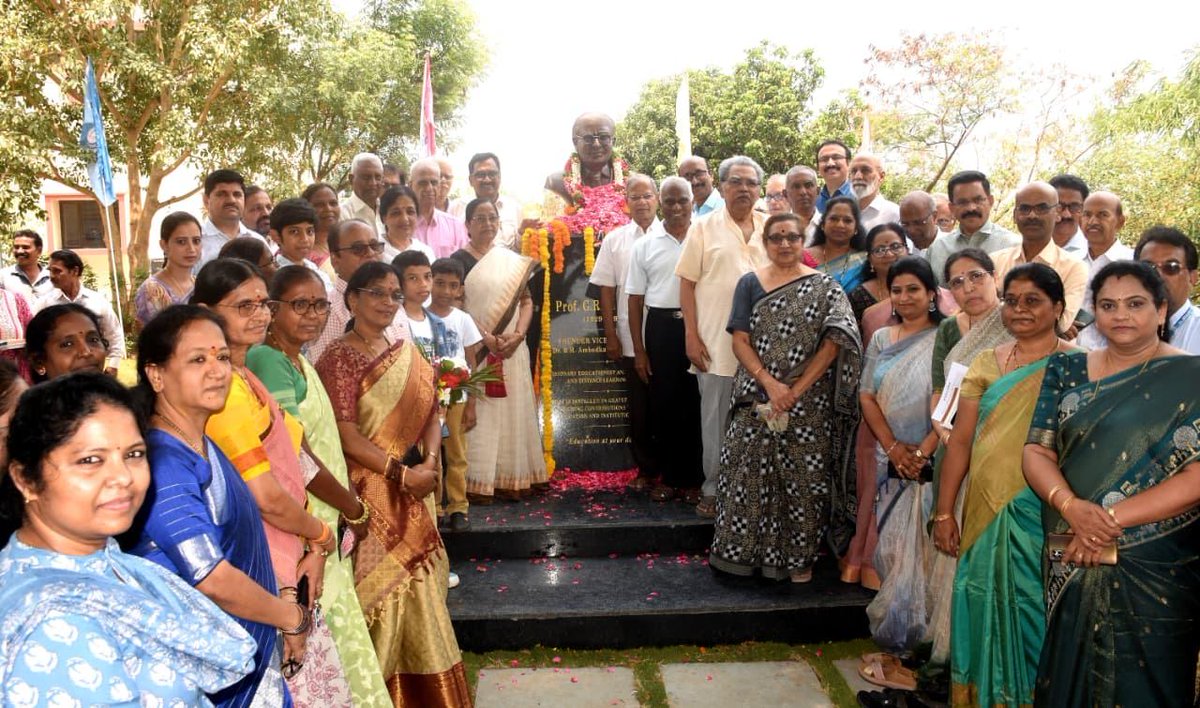
Prof. Ram Reddy's Contributions to the Expansion of Distance Education is Unforgettable - :Prof. Ghanta Chakrapani •Unveiled of Prof. G. Ram Reddy's Statue at BRAOU •Prof. G. Ram Reddy should be conferred with Padma Award : Prof. G. Haragopal •Prof. Ram Reddy was a great visionary: Prof. V.S. Prasad Hyderabad, May 16, 2026: Dr B R Ambedkar Open University celebrating "Education Week" on “Innovation Inclusion, Institutional Excellence and Outreach” from May 11 to 17, 2026 at the university campus. Prof. Ghanta Chakrapani, Vice-Chancellor, BRAOU Unveiled the statue of Prof. G. Ram Reddy, Distance Education Doyen and Founder, Vice-Chancellor, BRAOU and IGNOU, as a part “Leadership Connect” on Saturday. While speaking on the occasion. Prof. Chakrapani stated that the Dr. B.R. Ambedkar Open University has served as a pioneer, not only by expanding the system of distance education nationwide but also by paving the way for the establishment of numerous other open universities. He expressed great pride in the installation of the statue of Prof. Ram Reddy, a figure who holds distinguished recognition within the country's higher education sector. Furthermore, he inaugurated the newly established Prof. R.V.R. Chandrasekhara Rao Synergy Hall located within the CSTD building. Prof. G. Haragopal, former professor at the University of Hyderabad was the guest of Honour for the program. Prof. Haragopal said Prof.G.Ram Reddy was instrumental in the expansion of distance education and the establishment of numerous higher education institutions. He remarked that, in recognition of his services, Prof. Ram Reddy should have received a Padma Award long ago, and he appealed to both the Central and State governments to honor him with a Padma Award, even at this belated stage. Prof. V.S. Prasad, Former Director NAAC and Vice-Chancellor, BRAOU, highlighted the challenges faced during the initial stages of the university's establishment. Noting that the dreams Prof. Ram Reddy envisioned for the university's growth are now becoming a reality, he commended the performance of the current Vice-Chancellor, Prof. Ghanta Chakrapani. Subsequently, several retired professors took the podium to share their reminiscences and recall their association with Prof. Ram Reddy. Prof.G.Pushpa Chakrapani, Director Academic and Dr.Vijaya Krishna Reddy, Registrar, BRAOU also spoke on the occasion. Prof. G. Ram Reddy's family members wife Pramila Ram Reddy, and Jyothi; Prof. D. Narasimha Reddy; University Directors Prof. Anand Pawar, Prof. Pallavi Kabde, OSD Prof. Ravindranath Solomon, and Prof. P. Venkata Ramana; Prof. Rajani; Former faculty members Prof. S.V. Rajasekhara Reddy, Prof. Madhusudhana Reddy, Prof. Nagaraju Naidu, Prof. Venkataiah, Prof. Venkat Narayana, and Dr. Santosh Reddy, Prof. Panjala Narasayya, Prof. Hayat, Prof. Y.S. Kiranmayi, Sudarshanam; Directors, Deans, Heads of the Branches, Teachinf and Non-teaching Staff members, Representatives various services Associations were participated in the event.
Dr. B. R. Ambedkar Open University tweet mediaDr. B. R. Ambedkar Open University tweet media
English
0
1
7
193