💻 SUSE Mono
A hybrid monospace font that blends geometric precision with total legibility. It's clean, efficient, and translates beautifully across both digital and print layouts.
🔗 fonts.google.com/specimen/SUSE+…
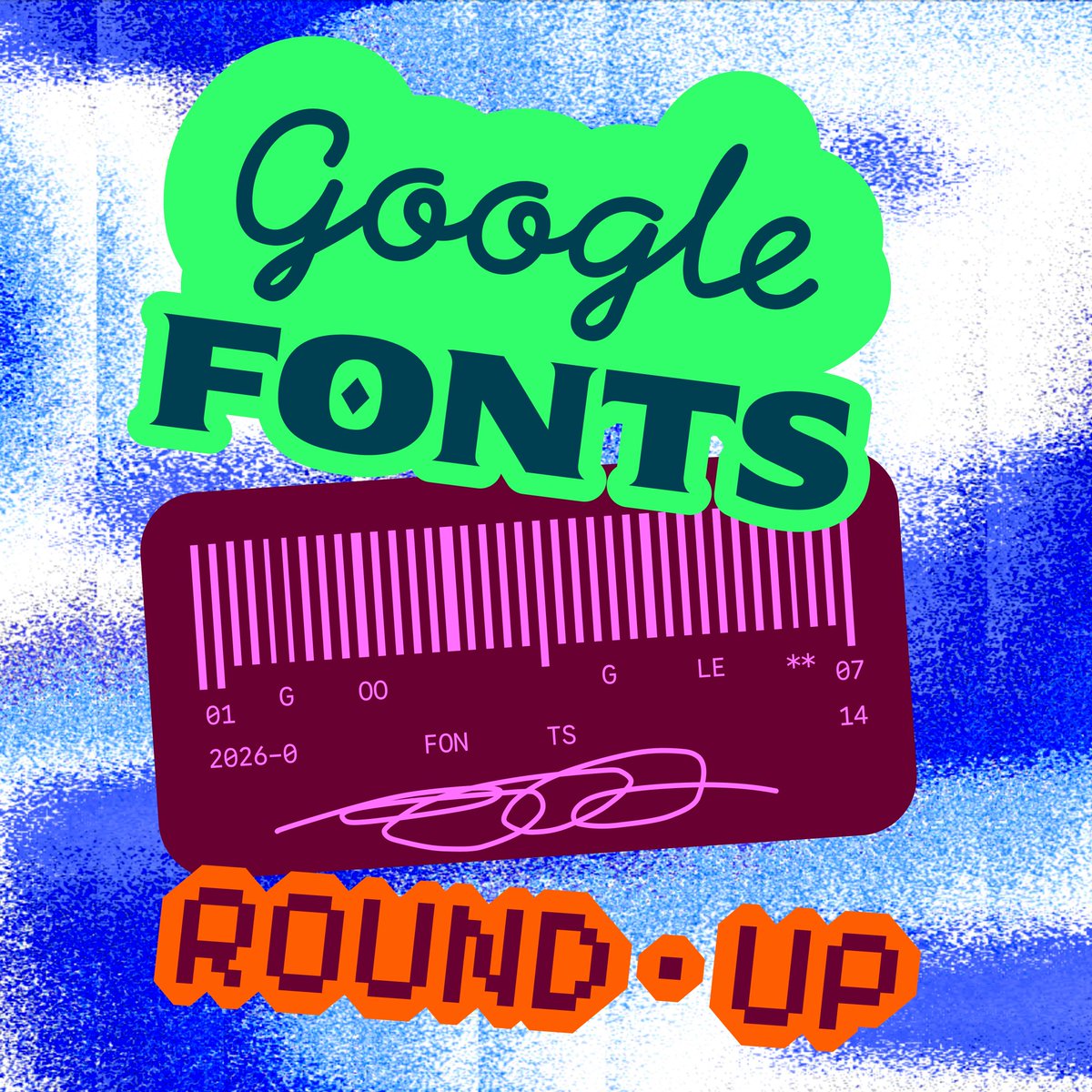
✨ Google Fonts Round-Up ✨
If you aren't using @googlefonts yet, consider this your sign. It’s a massive, open-source catalog built to bring instant personality to your websites, apps, and design projects.
We’re kicking off a new monthly series featuring our favorite finds.👇
⚔️ Sekuya
An all-caps display serif that reworks classic curves for a bold, modern feel. It was originally built for an epic anime fantasy game, making it perfect for striking headers and hero sections.
🔗 fonts.google.com/specimen/Sekuya
For optimal visual clarity and understanding, always present tabs as peers, placing them adjacent to each other within a clearly defined container. This reinforces their role as equal entry points for navigating your app's content.
Don't let screen real estate limit your content organization! Tabs can scroll horizontally, accommodating a multitude of categories and ensuring a seamless experience, even on smaller devices.
Material Design offers both primary and secondary tab variations, giving you the flexibility to create visual hierarchies and accommodate varying levels of content depth within your app.
When it comes to organizing content into easily navigable views, Material Design's tab system is your secret weapon. Tabs provide a clear, intuitive way for users to access different sections of content within a single screen.
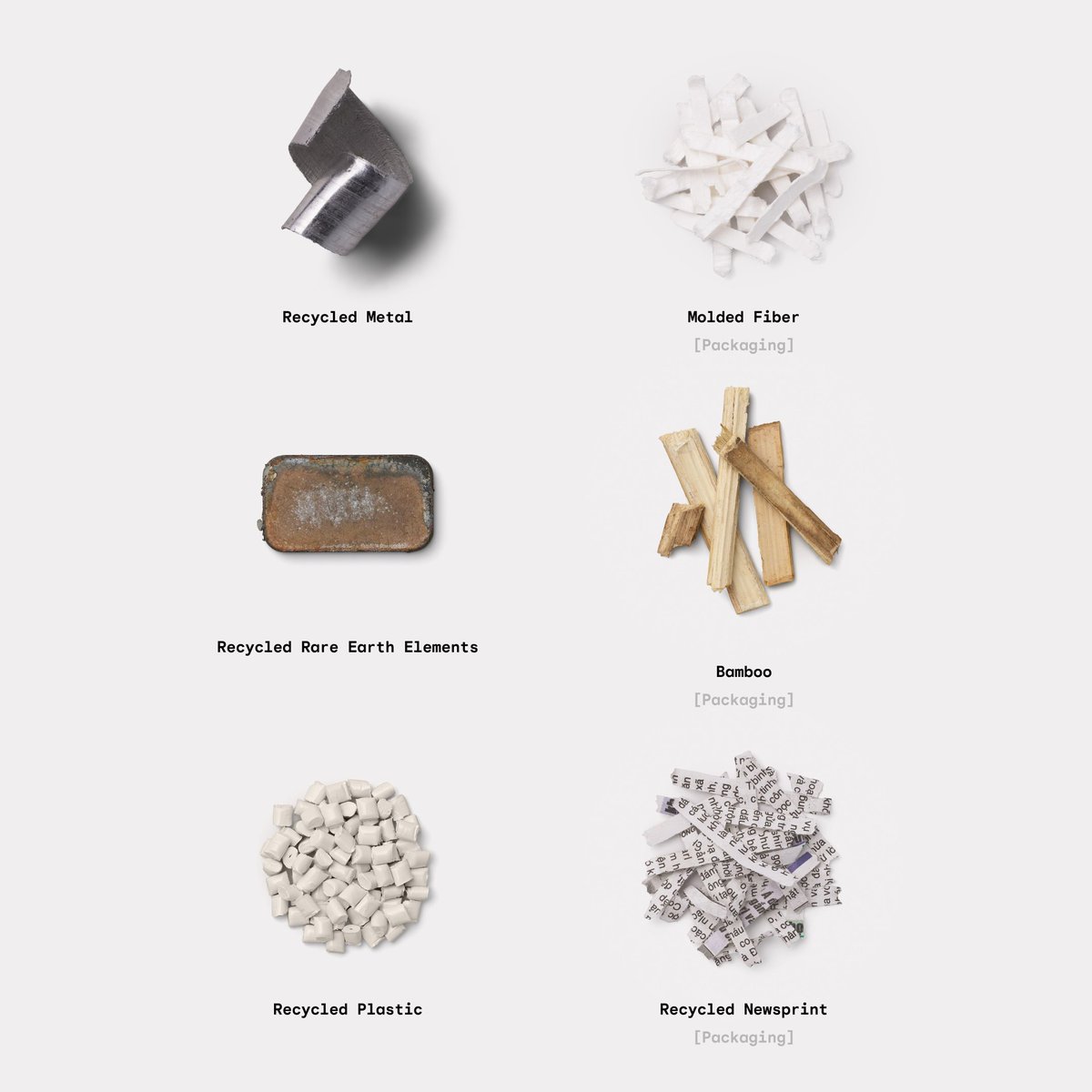
*Based on a pilot program initiated in 2021 to reduce waste from packaging used to ship parts and components to manufacturing sites.
This program informed the development of guiding principles and best practices for suppliers and contract manufacturers to minimize supply chain waste. The 150-tonne plastic reduction covers manufactured Google Home Products
It’s all part of our broader push to cut upstream waste. By redesigning our operations, we’ve eliminated 150 tonnes of plastic from our manufacturing and logistics packaging to date*.
Huge congrats to the cross-functional team who wove this together! 🧶
Read the full Product Environmental Report: goo.gle/4vftStG
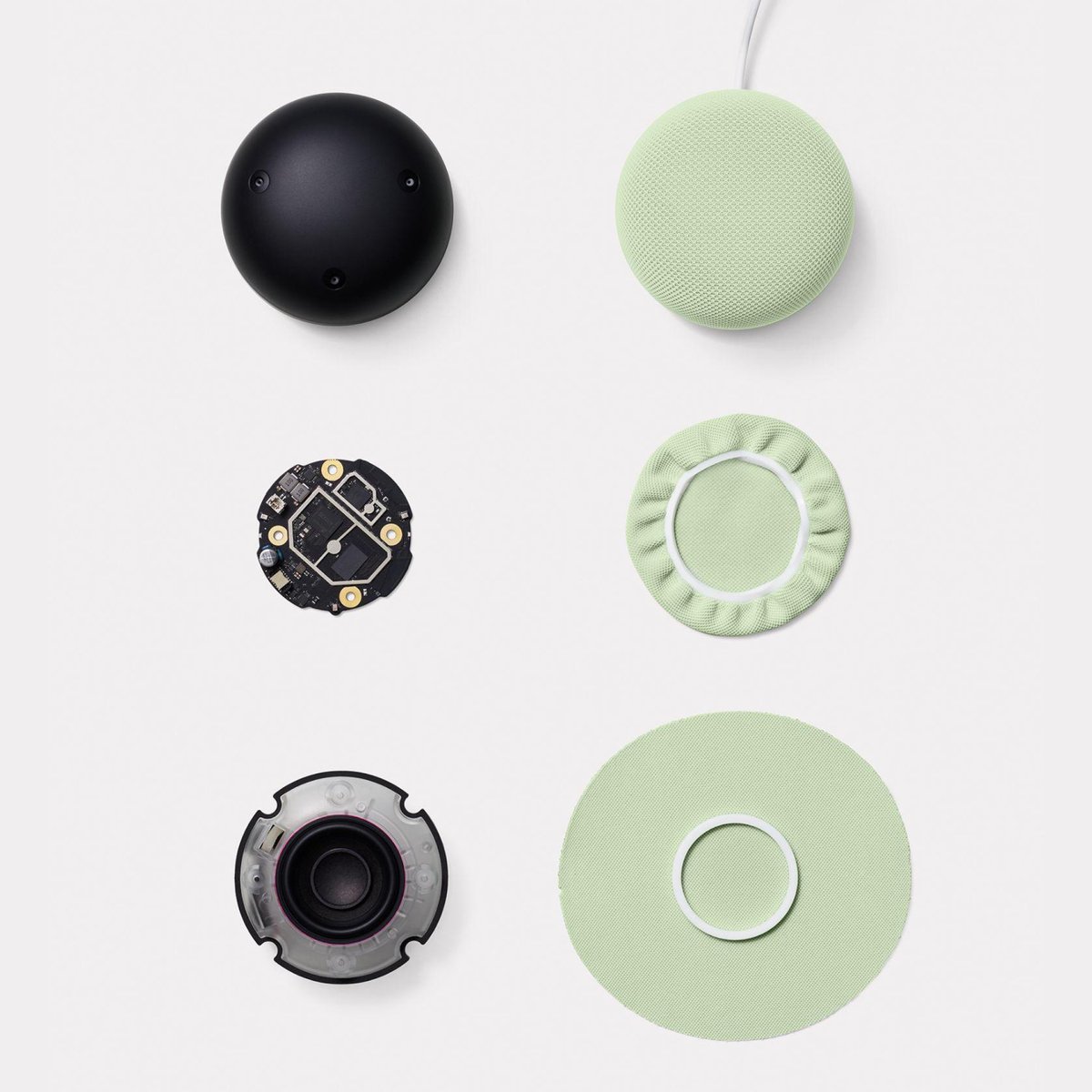
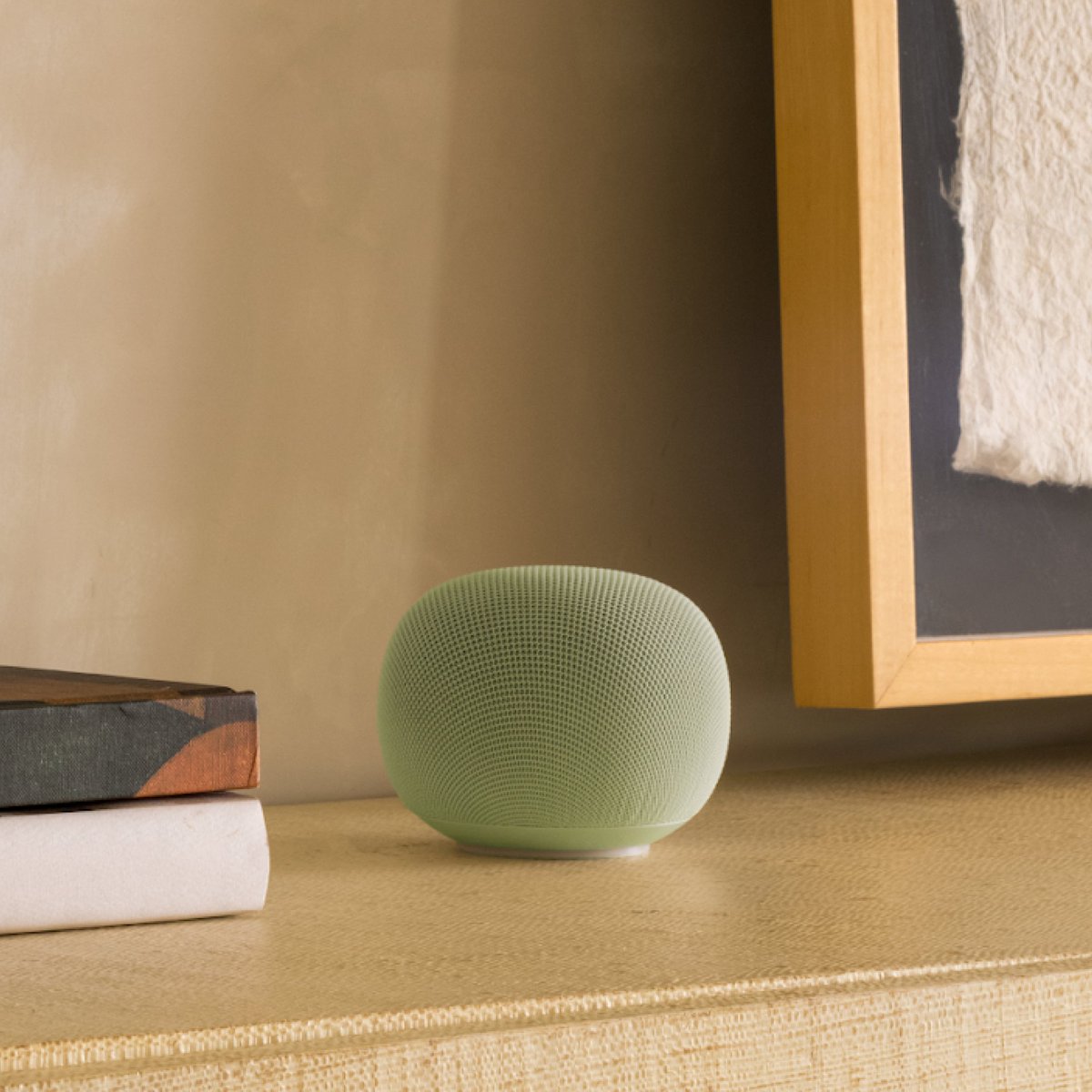
Our new Google Home Speaker pairs brilliant sound and stunning design with sustainability in mind. Here’s the design story 👇
Previously, our speaker fabric was glued directly to the plastic. This made recycling and factory rework incredibly difficult.
*Based on product weight (includes in-box accessories).
**Based on retail box packaging weight reduction and absence of plastic (excluding adhesive materials and required plastic stickers) as shipped by Google. To meet the request of some retail partners, stickers and/or security tags are applied to some packaging variations and may contain plastic.
*Recycled polyester and spandex yarn is at least 87% of 3D-knit enclosure fabric based on weight, excluding dyes and additives.
**Fabric usage measured by fabric utilization and adhesive usage measured by grams of adhesive used per product unit.
Our breakthrough? A 3D-knit enclosure* we nicknamed "The Magic Sock." 🧦
By dropping adhesives for this seamless knit, we cut waste without sacrificing aesthetics. This design uses ~63% less material and 99% less adhesive than the first-gen Nest Audio**, making rework during production easier, and cleaner disassembly for the future
Tired of rigid design systems that stifle creativity? Think like a jazz musician – embrace a flexible framework that allows for improvisation! 🎷 design.google/library/sounds…
Time to fire up your creativity! 🔥 Google Visual Designer Ruben Dario Villa reminds us "it’s less about the destination, and more about enjoying the journey."
What's inspiring you this week?