Goran Batovanja

3.2K posts

Goran Batovanja

Goran Batovanja

@GoranBatovanja

Marine engineer, guitarist, family man

Republic of Croatia Katılım Kasım 2017
156 Takip Edilen64 Takipçiler
Lorena T.
Lorena T.@LorenaDoberus·
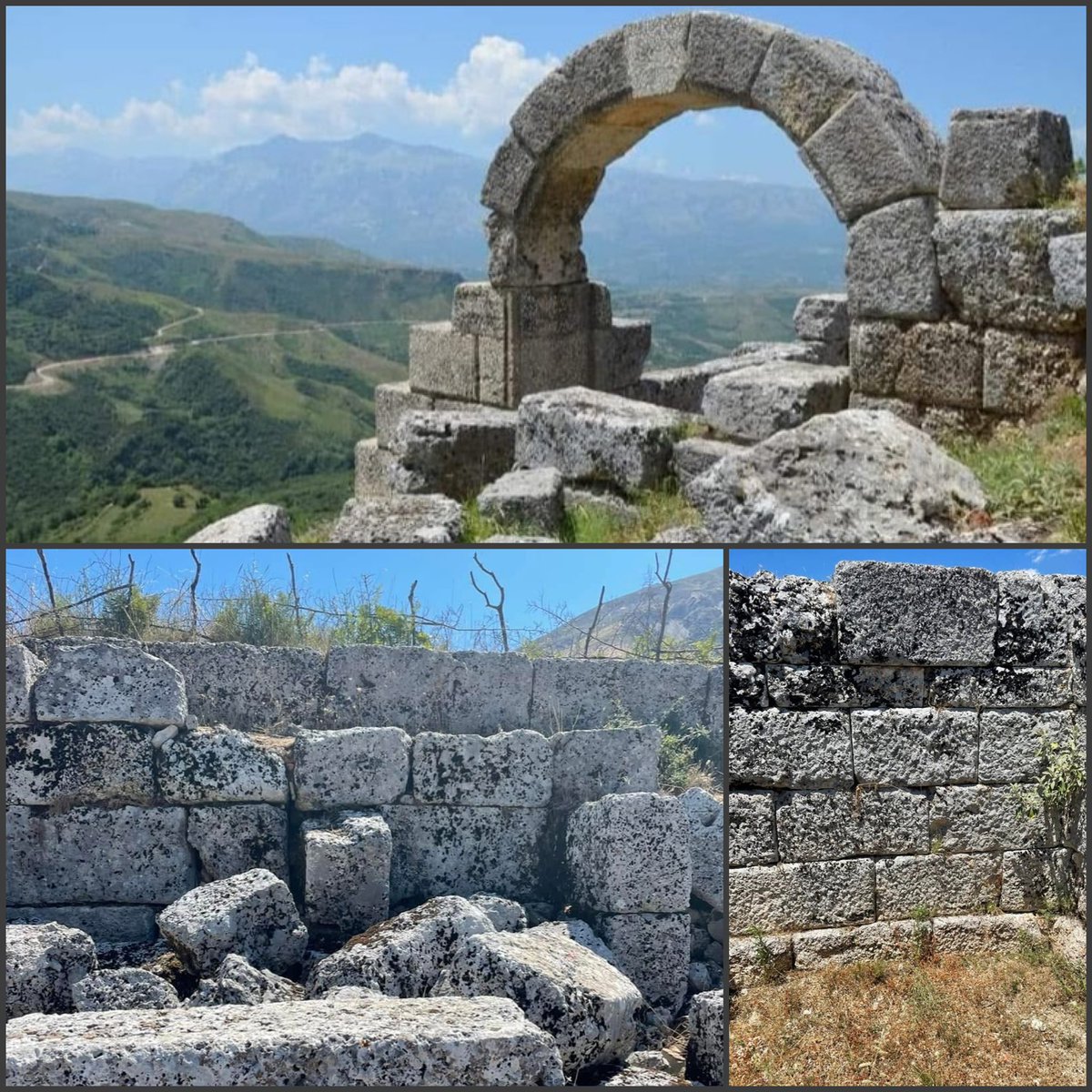
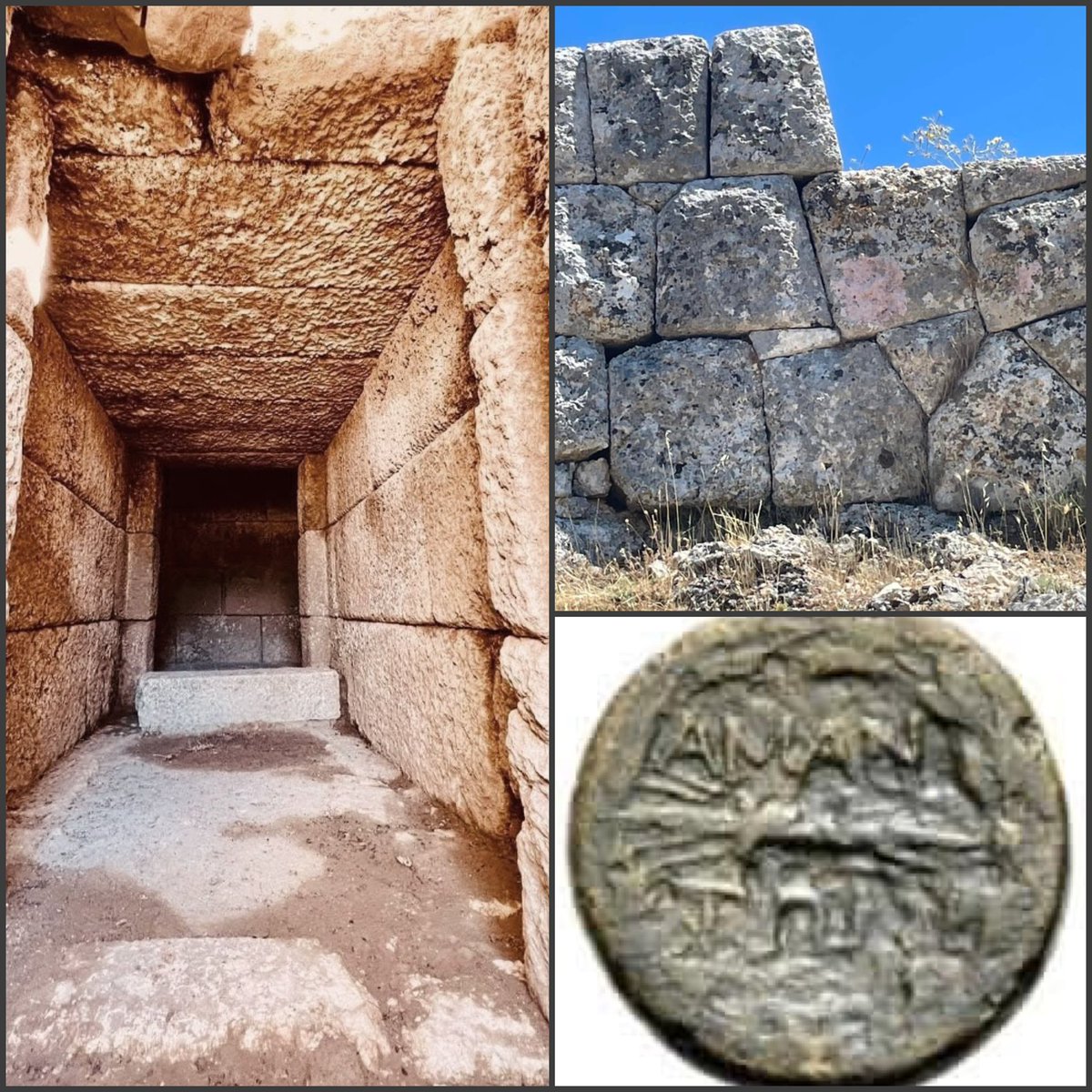
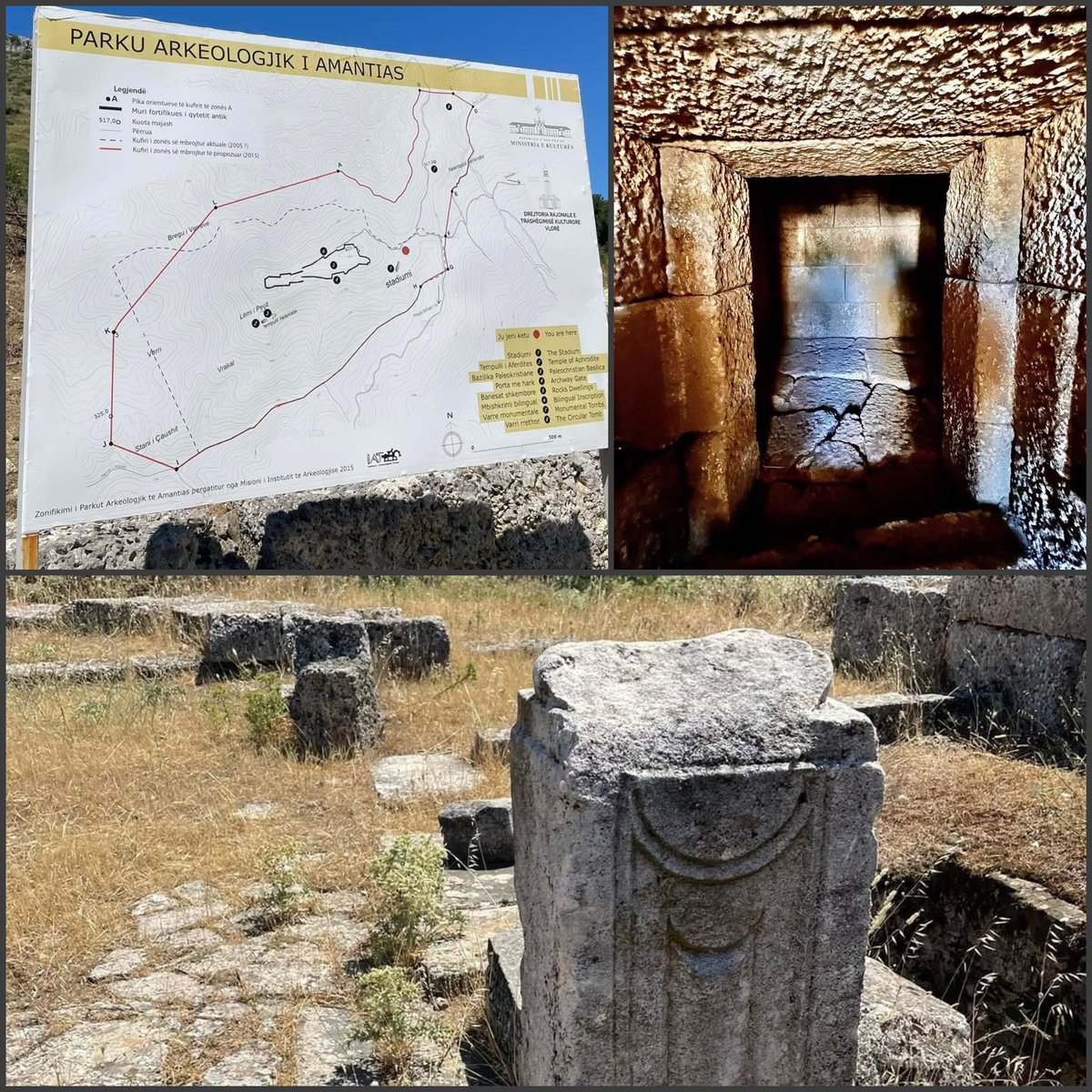
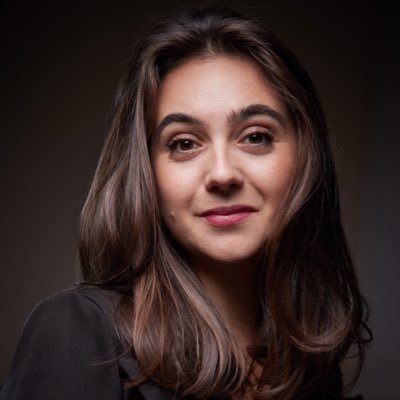
Amantia (in present-day Albania) was the political centre of the Atintanes. Ancient sources do not place this population in an unambiguous « Illyrian » framework: for Claudius Ptolemy and Pliny the Elder, Amantia was associated with Macedonia, while Thucydides linked the Atintanes with the Molossians, placing them among the Epirote peoples. Modern attempts to separate the Atintanes into distinct groups, one becoming « Illyrian », raise methodological questions. Even John Wilkes acknowledges that « the identity and location of the Atintanes remain a problem » and suggests that Thucydides’ testimony is not entirely clear. But one may ask: a problem for whom? For the ancient authors themselves, or for modern frameworks attempting to impose later ethnic categories onto a more fluid historical reality? In fact, Amantia, the city of Amyntas (Amintas), grandfather of Alexander the Great, was one of the principal centres of the Atintani/Titani tribe in southern Albania, controlling the lower Vjosa valley and the important routes leading toward the Adriatic. Surrounded by magnificent cyclopean walls, Amantia was without any doubt a place of major importance. Yet, despite its monumental character, we have no information regarding the kings or queens buried there, which leaves open the question of who once ruled and was laid to rest within this remarkable centre. We know from Thucydides that the Atintanes were one with the Molossians, from whom came the Tosk princess Myrtale, later known as Olympia, mother of Alexander the Great. In the mid-fourth century BC, the city was heavily fortified by Philip II of Macedon and became a key strategic centre in his policy after his marriage to Olympia, through which southern Albania, or Toskeria, was united with Macedonia. Amantia was not the only Albanian city associated with Macedonian figures. Antipatrea and Byllis were likewise Macedonian foundations named after prominent generals of Philip and Alexander the Great. Even Scodra in northern Albania was known as Alexandria, commemorating the legacy of Alexander the Great in Albania. It thus appears that Macedonia was not a reality separate from Albania, but that large parts of present-day Albania formed an integral part of the ancient Macedonian world. The Macedonian kings exercised authority over extensive regions of what is now Albania and left behind numerous fortified cities bearing the names of Macedonian rulers and generals. Amantia, however, still leaves one unanswered question: who is buried there? #albania #ancientmacedonia #amantia #amyntas #history #alexanderthegreat
Lorena T. tweet mediaLorena T. tweet mediaLorena T. tweet mediaLorena T. tweet media
English
1
5
16
234
Goran Batovanja
Goran Batovanja@GoranBatovanja·
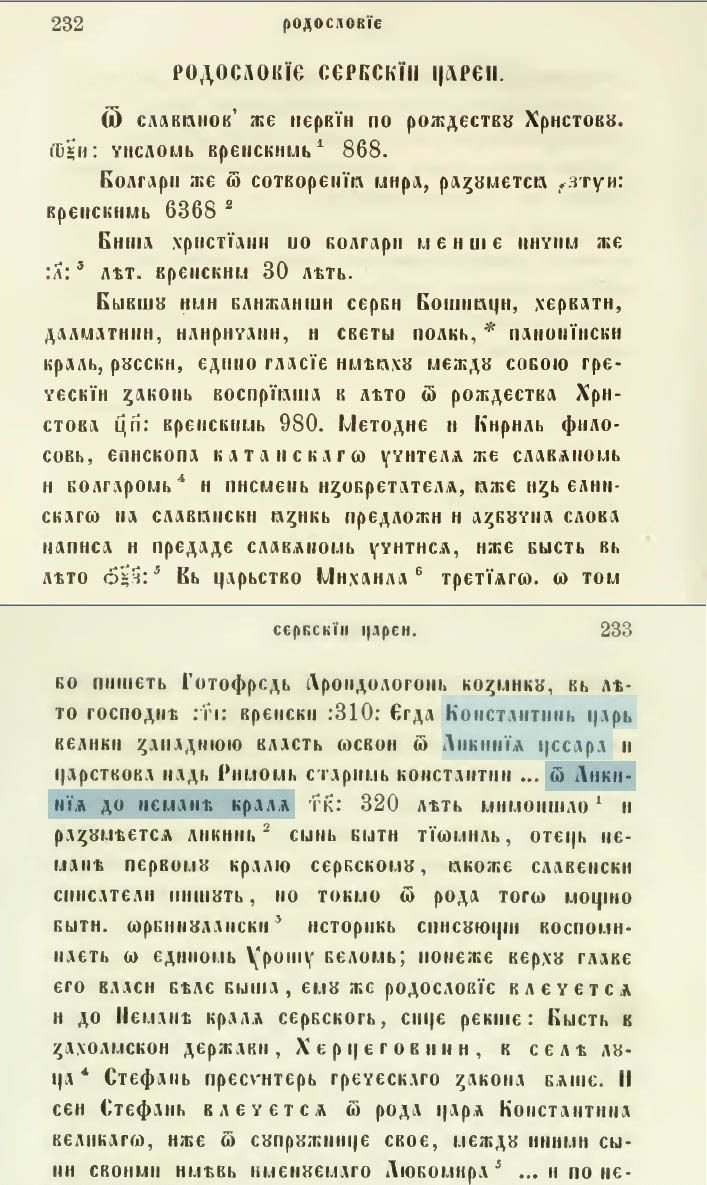
@StrelacBg It is not the only document connecting Roman emperor Licinius - saint Vladimir - Nemanjić dynasty.
English
0
0
1
20
Стрелац
Стрелац@StrelacBg·
Тајне Карловачког родослова Карловачки родослов (у науци познат и као Карловачки летопис) представља један од најзначајнијих, језички најбогатијих и естетски најлепших споменика старе србске писмености. Овај рукопис није обичан списак владара. Он је свеобухватна историјска хроника која чува сећање на златни век династије Немањића и прве србске државе. Рукопис је састављен у првој половини 15. века, тачније у периоду између 1418. и 1427. године. Написан је у Моравској Србији, у време владавине деспота Стефана Лазаревића. То је доба процвата Ресавске школе и рада учених монаха који су, бежећи пред Турцима, спасавали србску културну баштину. Назив носи по Сремским Карловцима. Пронађен је у Патријаршијско-митрополитској библиотеци у Карловцима. Србски свештеници и граничари су га током великих сеоба пренели преко Саве и Дунава. За светску и домаћу науку открио га је и у целости објавио велики чешки и словенски слависта Павел Јосеф Шафарик 1853. године. Главна и примарна тема његовог писања били су родослови србских владара, док су описи цркава и манастира служили као доказ њихове моћи, побожности и легитимитета. У средњовековној Србији, историја једне државе посматрала се кроз историју њене владарске династије. Зато анонимни аутор прати хронолошки ред – од Немањиних предака до свог савременика, деспота Стефана Лазаревића. Списак почиње са кратким прегледом опште историје, затим прелази на порекло Срба од античких владара, а највећи део заузима житије и генеалогија Стефана Немање, Светог Саве, цара Душана, кнеза Лазара и деспота Стефана. Рукопис изричито везује порекло династије Немањића за римског цара Лицинија (који је владао почетком 4. века на Балкану). Родослов наводи да је Далмација била србска земља дубоко у антици, а Лицинија описује као „Србина по рођењу”. Ово потврђује вековни континуитет србског етноса на Балкану много пре наводног „досељавања Словена”. Аутор родослова је био изванредно образован човек са великим смислом за уметност. Он детаљно описује немањићке задужбине. У тексту се прави вредносно поређење србских манастира, где писац наводи шта је у ком манастиру највредније. За Студеницу каже да је најстарија и најсветија (мати свих цркава). За Бањску истиче да је превазилазила све количином уложеног злата. За Високе Дечане каже да су најпространији, највиши и грађевински највећи. За Свете Архангеле (призренску цркву) наглашава да их све надилази унутрашњом лепотом. Забележио је антологијску реченицу: „Њој нема равне под сунцем.” Спис је написан на србскословенском језику (србска редакција старословенског), који је тада био званични књижевни и дипломатски језик србске царевине и деспотовине. Рукопис користи традиционални етимолошки правопис, где се доследно пише реч србски (са словом Б), чиме се чувао корен народног имена Срб. Оригинални рукопис Карловачког родослова преживео је векове, ратове и аустроугарске цензуре. Данас се чува на сигурном — у Архиву Српске академије наука и уметности (САНУ) у Београду, под заведним бројем који га означава као културно добро од изузетног националног значаја.
Стрелац tweet media
Srpski
0
21
51
846
Goran Andrijanić 🇭🇷🇵🇱
Hrvatska je jedno od malobrojnih, ako ne i jedino, koliko-toliko civilizirano društvo u kojoj u atmosferi nedjeljnog ručka građani moraju gledati kako razni ekscentrični likovi, da prostite, seru po njihovoj državi i to još za njihove pare. Već godinama nam Stanković tu medijsku bljuvotinu redovito priprema i servira na nedjelju, a nitko, ama baš nitko na vlasti da mu postavi pitanje - dobro, Aco, dokle više?
Goran Andrijanić 🇭🇷🇵🇱 tweet media
38
6
176
6.3K
Rotkvarija
Rotkvarija@rotkvarija9·
У Манастиру Ком на Скадарском језеру, задужбини Црнојевића из 15. века налазе се плоче Стефана Црнојевића и Маре Кастриот. Поред натписа "Сиа плоча госпоге Маре", на њима су симболи карактеристични само за некрополе стећака од Конавала, преко Морачких планина, све до Скадра.
Rotkvarija tweet media
Srpski
1
47
291
3.8K
Annu Kaushik
Annu Kaushik@AnnuKaushik253·
Alexander- a Macedonian Greek defeated the Persians who were ruling ancient Egypt. He founded the city of Alexandria. One of his Generals Ptolemy (also a Macedonian Greek) founded Ptolemaic dynasty which ruled Egypt for nearly 300 years. Cleopatra belonged to this dynasty. This is not “history rewritten by racist.” This is ACTUAL HISTORY.
Annu Kaushik tweet media
English
110
371
3.7K
96.4K
Goran Batovanja
Goran Batovanja@GoranBatovanja·
@arterybased You are crazy. I think you are schisophrenic gremlin from mountain Arnaut Ottoman?
English
1
0
0
88
Милан Кнежевић
Милан Кнежевић@kJ45JN4ozMq8jny·
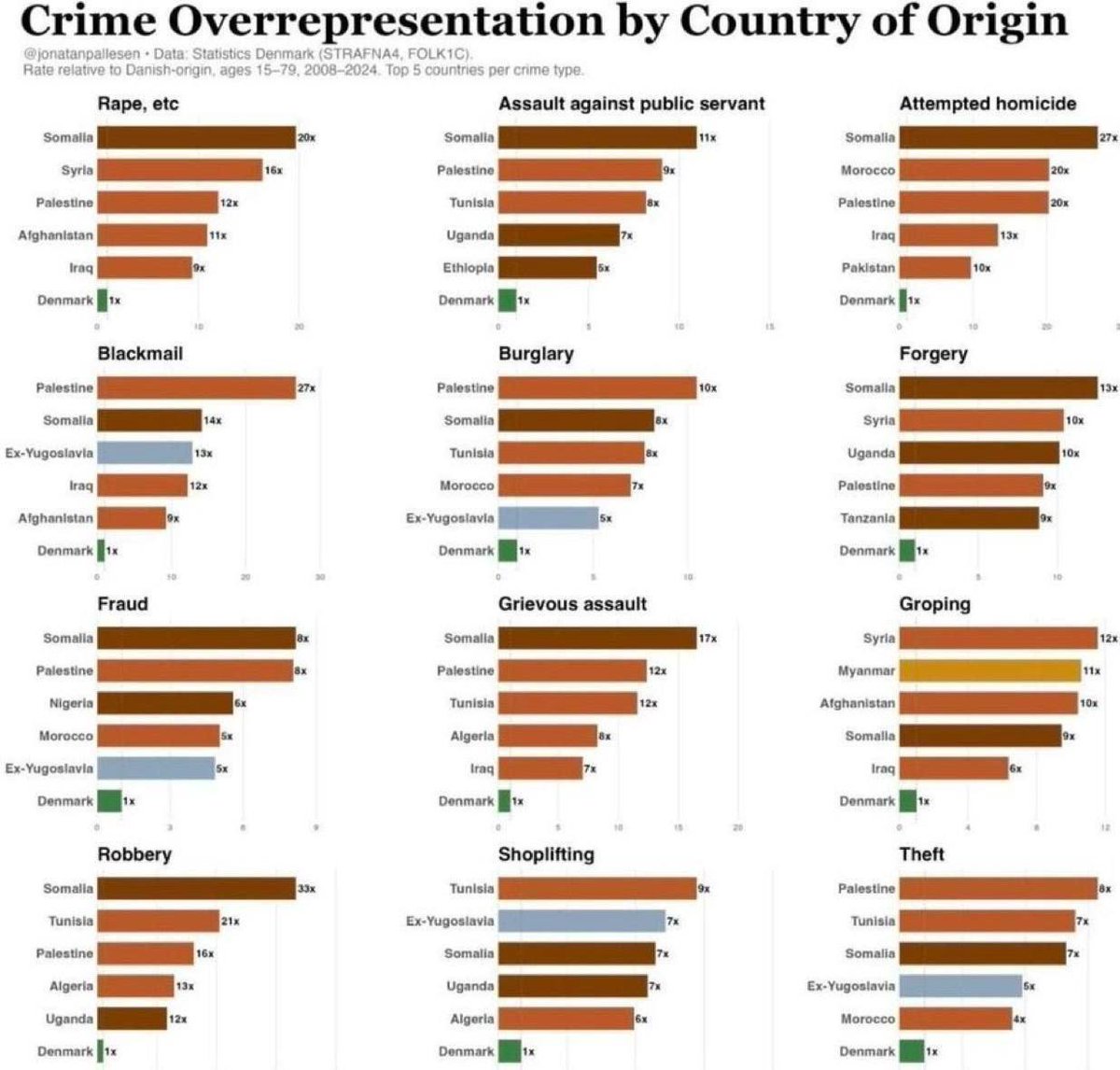
🇩🇰 Данска је једна од ретких европских земаља која објављује податке о криминалу разврстане према земљама порекла Сомалци предводе листу за силовања, преваре, фалсификате и тешке нападе. Палестинци су на врху по провалама, уцјенама и крађама. Занимљива карта, обратите пажњу ..
Милан Кнежевић tweet media
Srpski
7
4
15
476
Goran Batovanja
Goran Batovanja@GoranBatovanja·
@LjudevitKaj @alesernecl Language is standardized by full gramatics in 1604 as Ilyrian by Vatican. The best genetic science analyse company "23 and me" treat them as the same ethnicity. This is fact. What someone FEEL is not of my interest.
English
2
0
0
629
Ales Ernecl - Slovenski prebujenec in buditelj
Do Croats and Serbs have conflicts with each other without the shizm between Orthodoxy and Catholicism? Without ottomanisation of orhodoxy and historical clash between catholicism and ottomanicised orhodoxy? Are these two people even the same nation without christianity?
English
12
1
12
2.1K
Lorena T.
Lorena T.@LorenaDoberus·
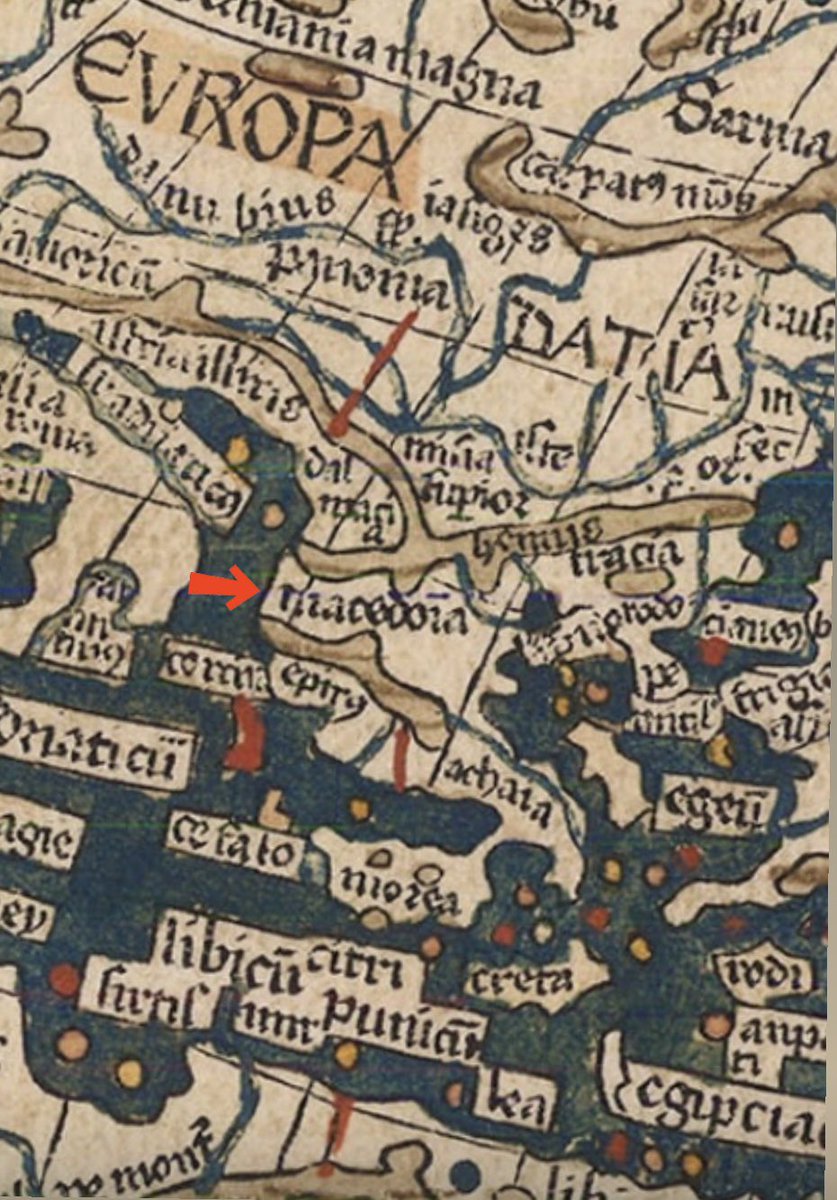
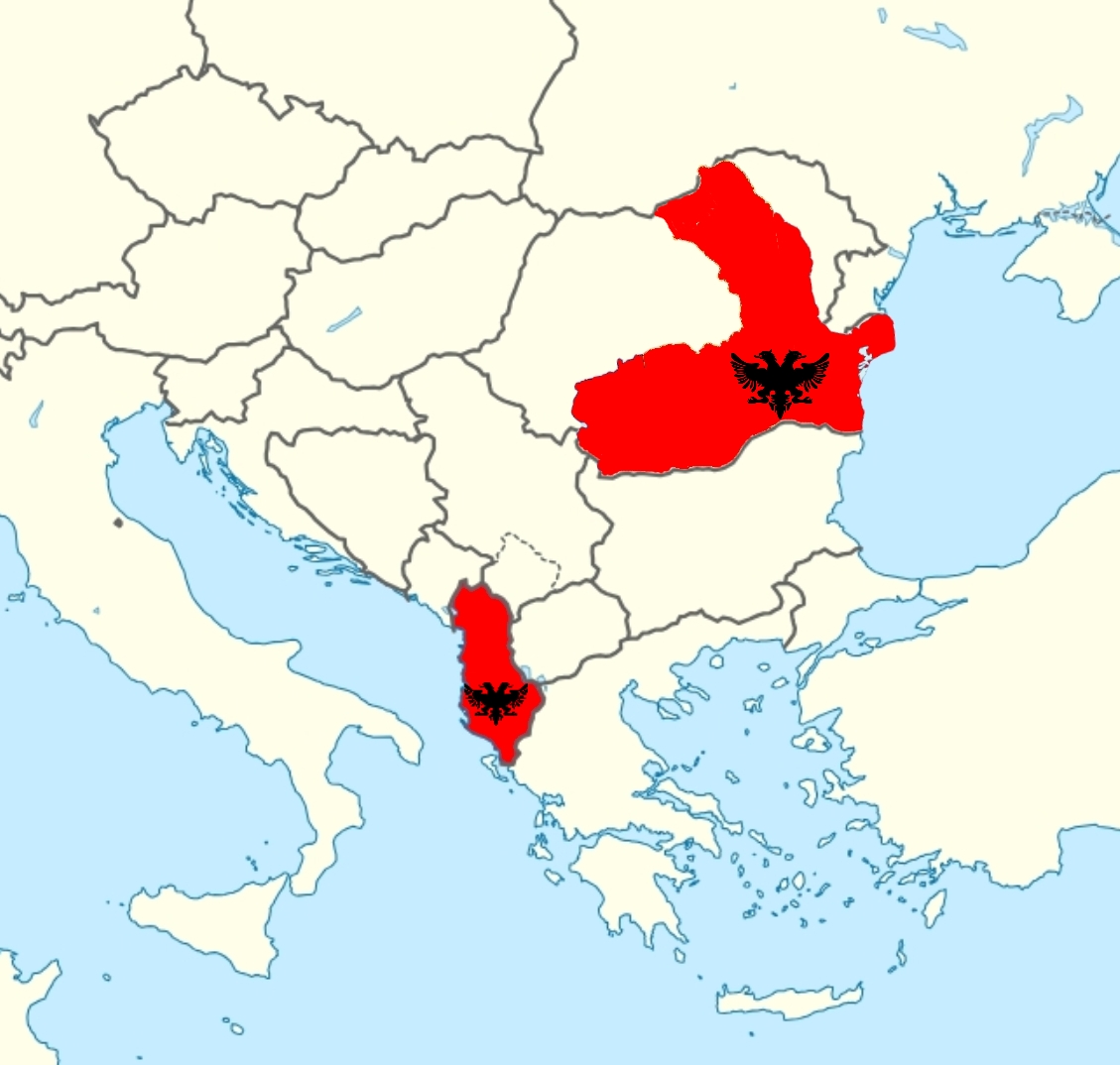
Ancient maps placed present-day Albania in Epirus and Macedonia, Illyria lay north of the Drin River. Although Dardania, Illyria, Macedonia and Epirus were administrative and geographical designations, they formed one historical Albanian continuum, and Albanians were known, and identified themselves, as Macedonians and Epirotes, like Romans and Latin denoting basically same people. « The Ulm Ptolemy World Map » Lienhart Holl - 1482 #history
Lorena T. tweet mediaLorena T. tweet mediaLorena T. tweet media
English
8
6
26
844
Iuliia Mendel
Iuliia Mendel@IuliiaMendel·
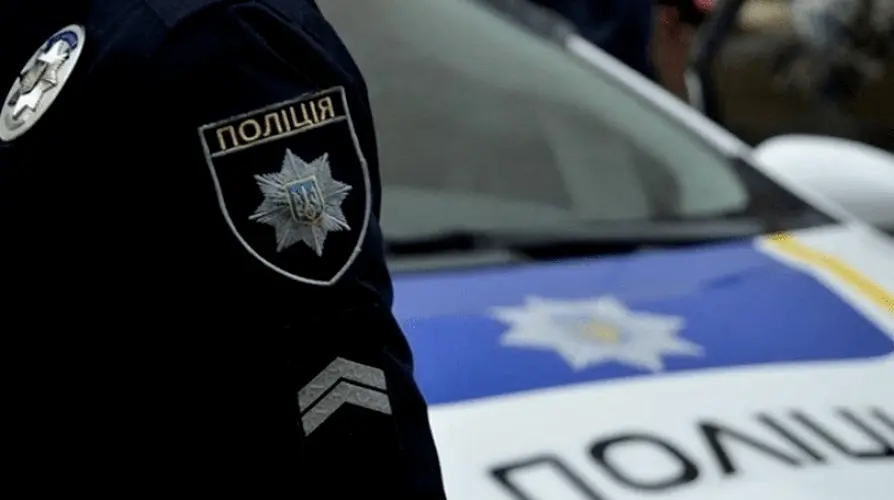
Another shocking incident in Ukraine: a 46-year-old man from Ternopil shot himself in the bathroom of a Territorial Recruitment Center (TCC) on May 23. He had been brought there the same day to clarify his military registration data. Police are investigating the suicide. The tragedy raises a painful question — what level of fear and despair must a man feel toward the front lines to take his own life rather than face mobilization? More practical question is where he has got the gun...
Iuliia Mendel tweet media
English
20
30
136
5.3K
Friends call me Ell
Friends call me Ell@biscoticha·
How can a state that is hostile toward Greece become a member of the EU ? Greece is the birthplace of democracy🇬🇷
English
28
4
88
2.3K
Goran Batovanja
Goran Batovanja@GoranBatovanja·
@sziberiai You are crazy. Arnaut Ottomans did not exist as nation in 19th century.
English
1
0
0
163
Le Chef
Le Chef@MrLiveFreeOrDie·
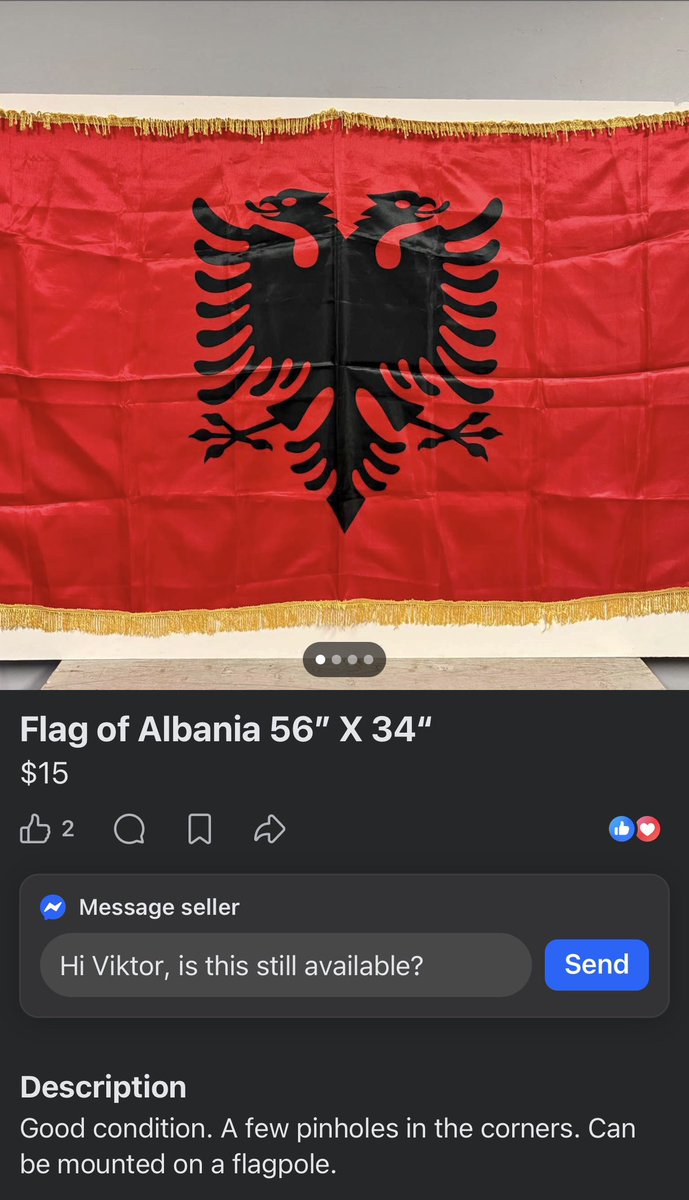
Should I purchase it and burn it down for 4th of July celebration?
Le Chef tweet media
English
40
5
277
8K
Iuliia Mendel
Iuliia Mendel@IuliiaMendel·
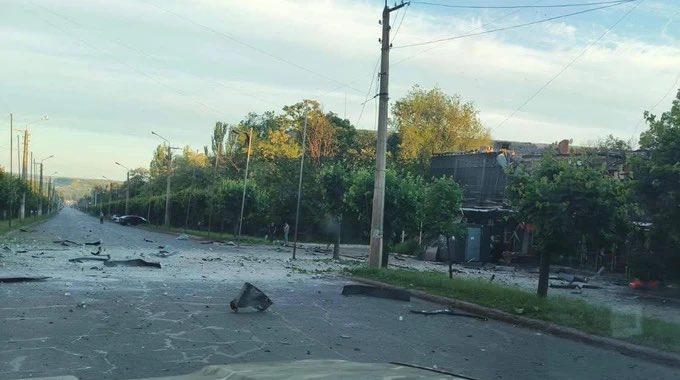
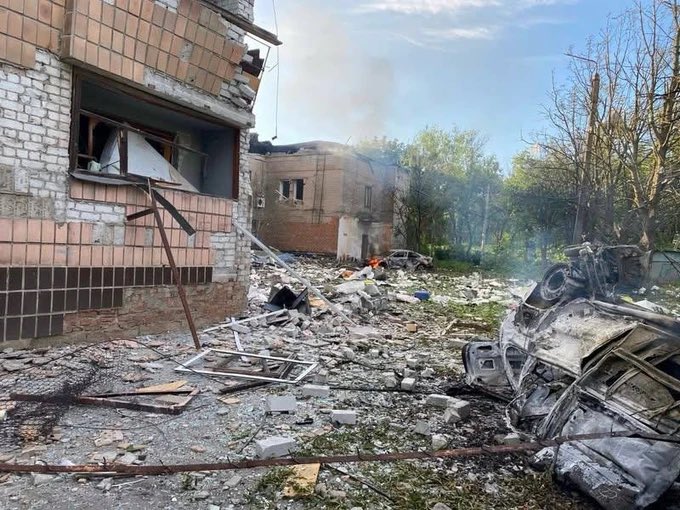
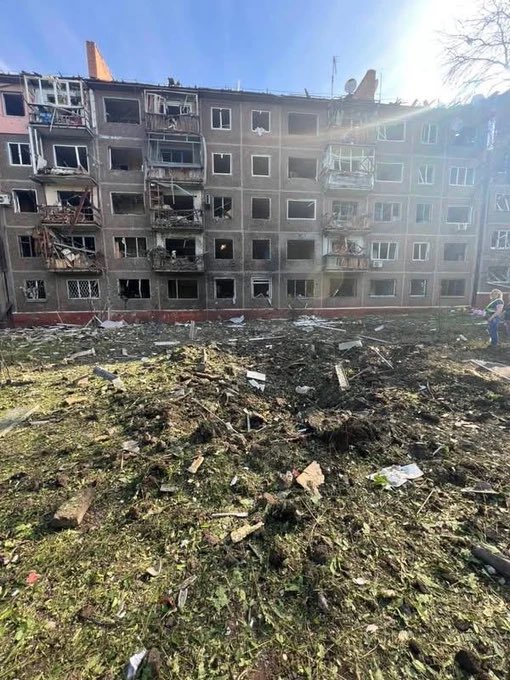
The Russian army, which claims it’s “protecting Donbas,” just dropped five FAB-250 bombs on Kramatorsk in Donetsk region this Monday morning. Result: civilian buildings destroyed, 2 people killed, 3 wounded. Horror. Pure horror.
Iuliia Mendel tweet mediaIuliia Mendel tweet mediaIuliia Mendel tweet media
English
77
22
94
7K
TudoOkayAmigo
TudoOkayAmigo@TudoOkayAmigo·
This guys replies to comment are "Cope" or "Your indoctrinated" but he is smart because the publicity is working as intended , the real idiots are the people leaving a comment on his posts expecting anything. Just mute the guy and let him lie to the wall.
Belisarius ☧@acedoteth

Slavs are ancient Illyrians Byzantine imperial historian John Kinnamos explicitly labeled the Serbs as Dalmatae: “The Serbs, who are a Dalmatic (Illyrian) tribe, built their strongholds along the river Drina... These people, being of the ancient Dalmatic race, have customs that differ from ours but remain firmly rooted in the soil they have held since antiquity.”

English
2
0
1
80
Slavic Networks
Slavic Networks@SlavicNetworks·
Here’s a clear, easy-to-understand version for global readers: 🚨DEEP DIVISION IN MONTENEGRO: SERB LEADER SAYS “SERBS WILL NEVER AGAIN BE SECOND-CLASS CITIZENS” 🇷🇸🇲🇪 Montenegro is a small Slavic country on the Adriatic Sea. Even though almost everyone there speaks the same language and shares the same Orthodox Christian faith, the country is split into two groups: Some people call themselves Montenegrins and want a completely separate identity from Serbia. Many others call themselves Serbs and see themselves as part of the wider Serbian nation. On May 21, 2026, Andrija Mandić (a leading Serb politician and President of the Montenegrin Parliament) made a strong statement: “Serbs will never again be second-class citizens in Montenegro.” Why did he say this?
For many years, Serbs living in Montenegro have complained that they are being treated as second-class citizens. They say the government is trying to erase their Serbian identity, limit the use of the Serbian language, and pressure the Serbian Orthodox Church. Reactions: •Most Serbs (both in Montenegro and Serbia) strongly supported the statement. •Many ethnic Montenegrins (especially those who support full independence) saw it as dangerous and provocative. 
This is genuinely sad. Serbs and Montenegrins are brotherly Slavic peoples with shared blood, language, history, and faith. Instead of living together as one people, they are being divided by politics and identity fights. This kind of internal division only makes all Slavs weaker. We should stop fighting each other and start remembering that we are one family.
Slavic Networks tweet media
English
19
18
134
6.8K