

Greg Beroza
18 posts
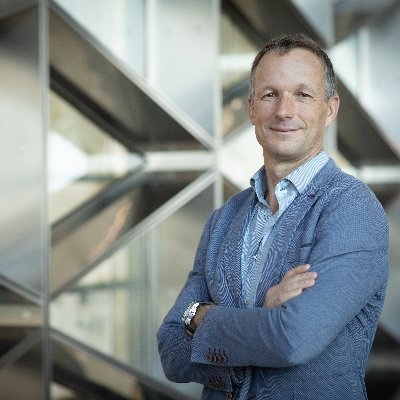
That is simply awesome -- highly deserved, Alice!!
Congratulations from the Red Sea shores to the Pacific coast !
Scripps Institution of Oceanography@Scripps_Ocean
Help us congratulate Scripps seismologist Alice Gabriel (@InSeismoland) for receiving the James B. Macelwane Medal from @theAGU! 🎖️ This award is given annually to early career scientists in recognition of their significant contributions to Earth & space science. 🌏#AGUHonors
English
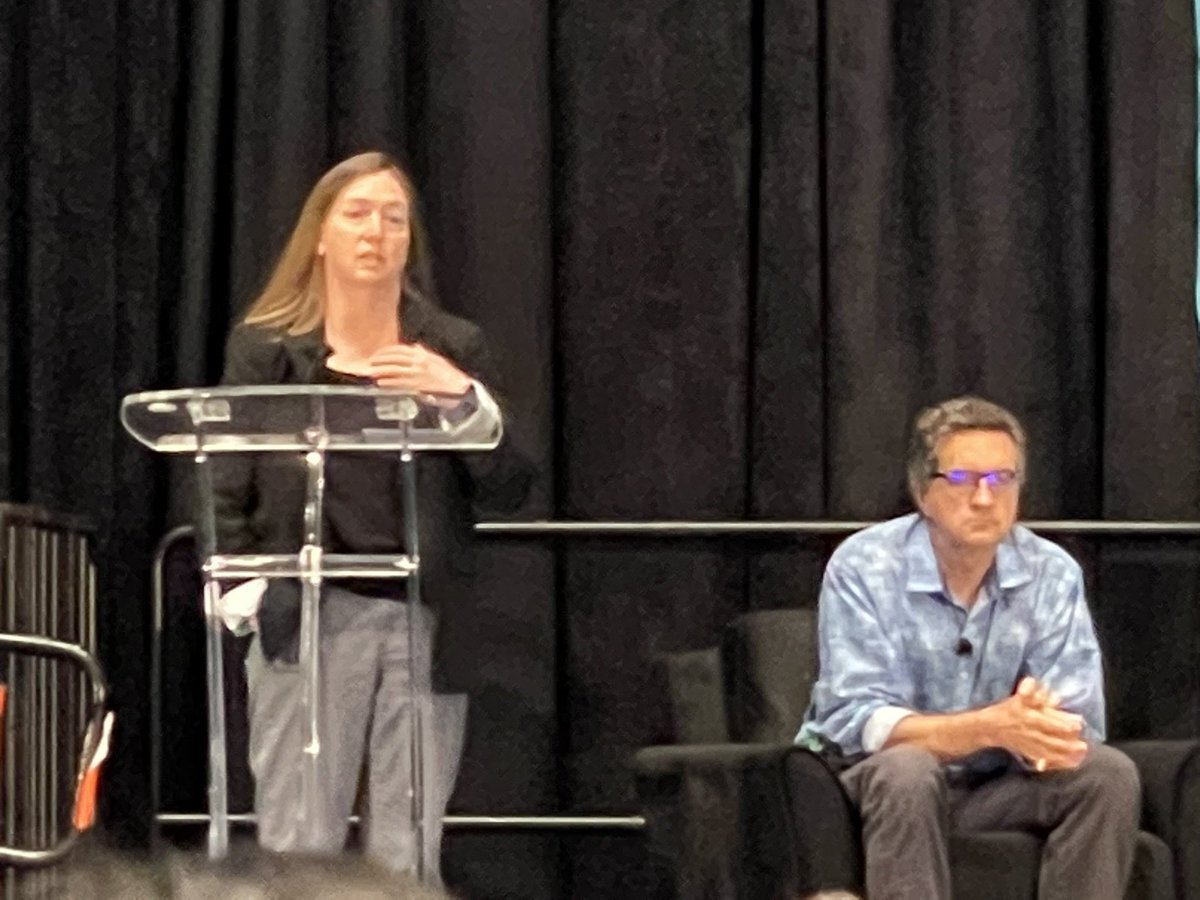
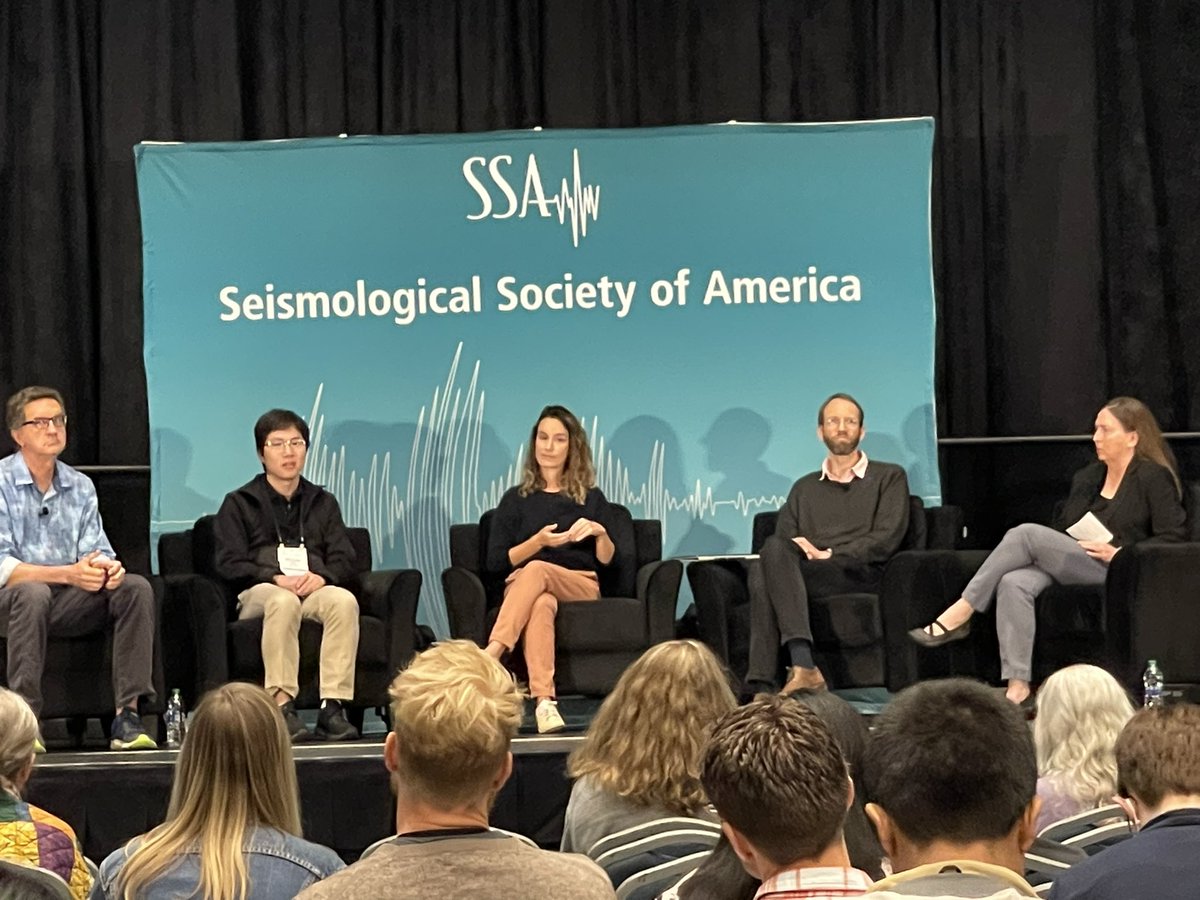
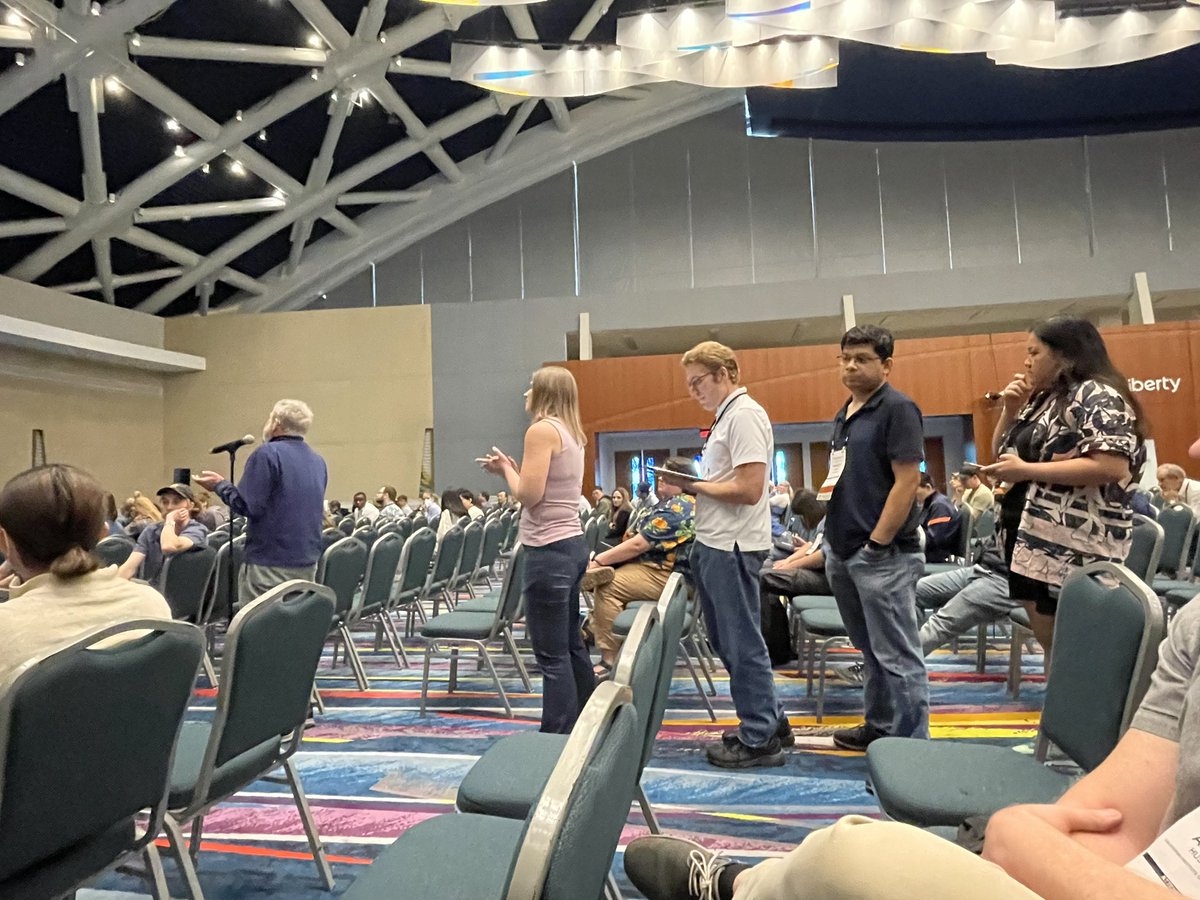
@xyolipc All four panelists shined, and the questions from the audience were great. Thanks SSA!
English

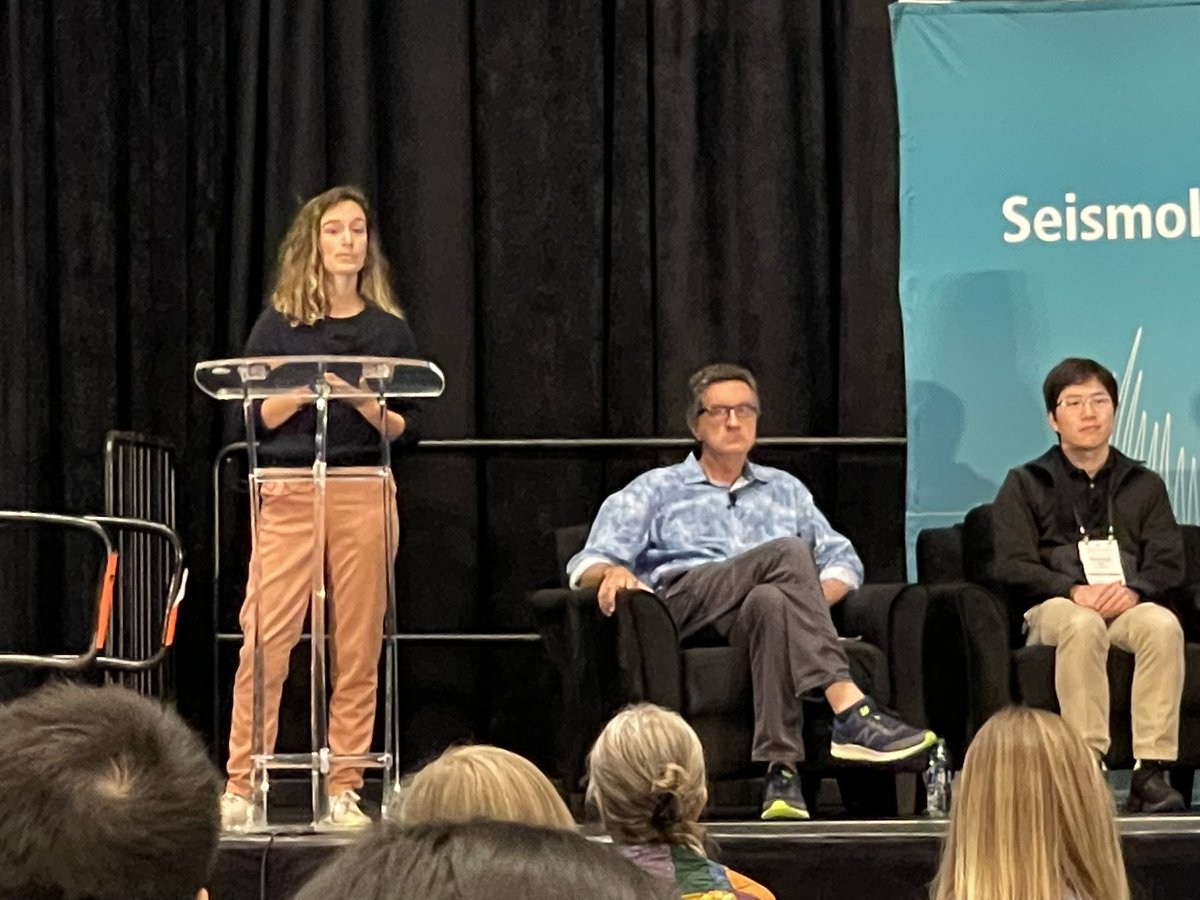
Excelente panel de discusión en aprendizaje de máquina para monitoreo en tiempo real en la #SSA2023
Español




@DrWendyRocks How far we can get in seismology by assuming rocks are “elastic.”
English
Congratulations @GregBeroza!
It's so inspiring to have had you as my advisor and role figure.
news.stanford.edu/report/?p=7261 via @Stanford
English

That bittersweet feeling on Sunday morning because 1) you've started bracing for Monday, but 2) it is still the weekend: is there a word for this? Maybe a long German one?
English
@celestelabedz @suzmologist In the pre-satellite era seismologists proposed to use microseisms to track hurricanes.
English

It seems to me that seismologists worked very hard in the 20th century to isolate seismometers from sensing the atmosphere, biosphere, anthroposphere, and ionosphere. In the current century we get very excited when seismometers in fact do sense activity in these spheres.
English

Spectral amplification of ground motion linked to resonance of large-s... sciencedirect.com/science/articl…
English
@geomechCooke Good question! I uploaded my talk to YouTube to generate captions, then edited them for typos and punctuation, but was unable to get the edits to import as soft captioning into the mp4 - very frustrating!
English
Given all that we’ve learned about access through remote work, why does #AGU21 still not provide open captions for talks!
English
@SeismoSue And if you’re nearby but didn’t feel it, please report that too.
English
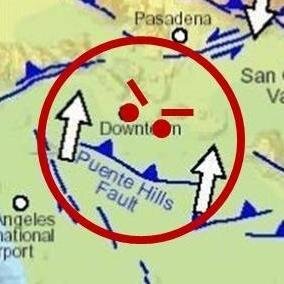
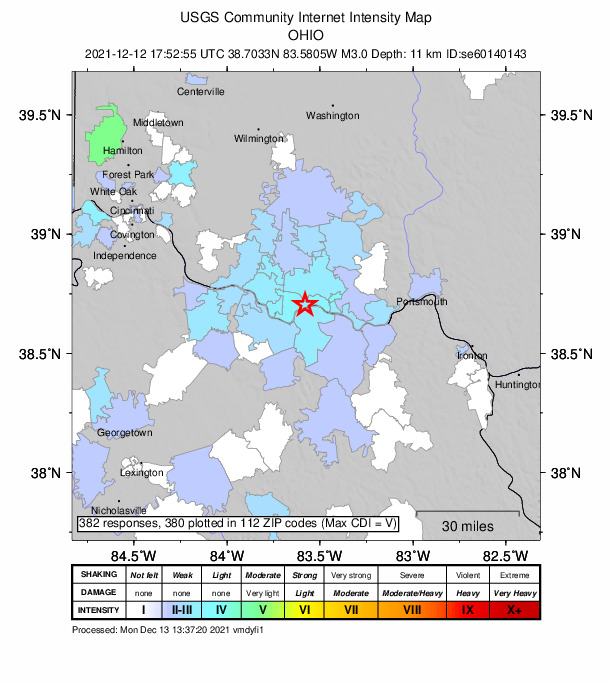
What's shaking, Ohio?
If you felt it, don't forget to report it :)
earthquake.usgs.gov/earthquakes/ev…
English
@martijnende @EarthArXiv Not sure for this paper but you might let the editorial board of Journal B know that it’s an issue and suggest that they consider changing their policy.
English
Need advice for a friend.
Say you submit a manuscript to journal A, and you put a preprint on @EarthArXiv (in accordance with journal A's policies). The manuscript gets rejected and now you want to submit to journal B, which has zero tolerance for preprints. What can you do?
English
@NikoSarcevic Perhaps if they’re into music Fourier spectra could be likened to the output of the different bands on a graphic equalizer? I’ve never attempted teaching them that way, but I remember musing about that when I first learned about them.
English

@SeismoSue I’ve long thought that “unified magnitude” might have been a better name than “moment magnitude” because the authors tied together ML for local events MS for large events and extrapolated the MS vs Mo relationship for the super large events where MS saturates.
English
Not to mention, our gold-standard magnitude, moment magnitude, ain't perfect either. Once more for the folks in the back: MOMENT MAGNITUDE IS NOT A DIRECT MEASURE OF RADIATED ENERGY, which is what you care about if you're interested in shaking & damage potential.
GIF
English
Oh FFS. An old article that doesn't get any better with age. Richter (1935) was a seminal contribution, the 1st proposed scale to rank the severity of earthquakes by intrinsic size. Work done with very limited early records & calculations by hand.
wired.com/2015/08/way-me…
English
@Laura_Ermert I get ~170 meters radius if it’s 0s2, 8 km/s p wave velocity, Poisson solid, and limit of hearing is 20 Hz, which is almost identical to Suzan’s estimate.
English
anyone got a back-of-envelope estimate of how small an Earth-like body would have to be for its gravest normal modes to fall into the human hearing range?
English
@gfun @HudnutKen @celestelabedz @SCEC @FaultCracker @scectran He may have checked out, but he can’t leave.
English
@HudnutKen @celestelabedz @SCEC @FaultCracker @scectran Tom Jordan always walked on to Hotel California (until they let him leave)
English