
Halil Durak retweetledi

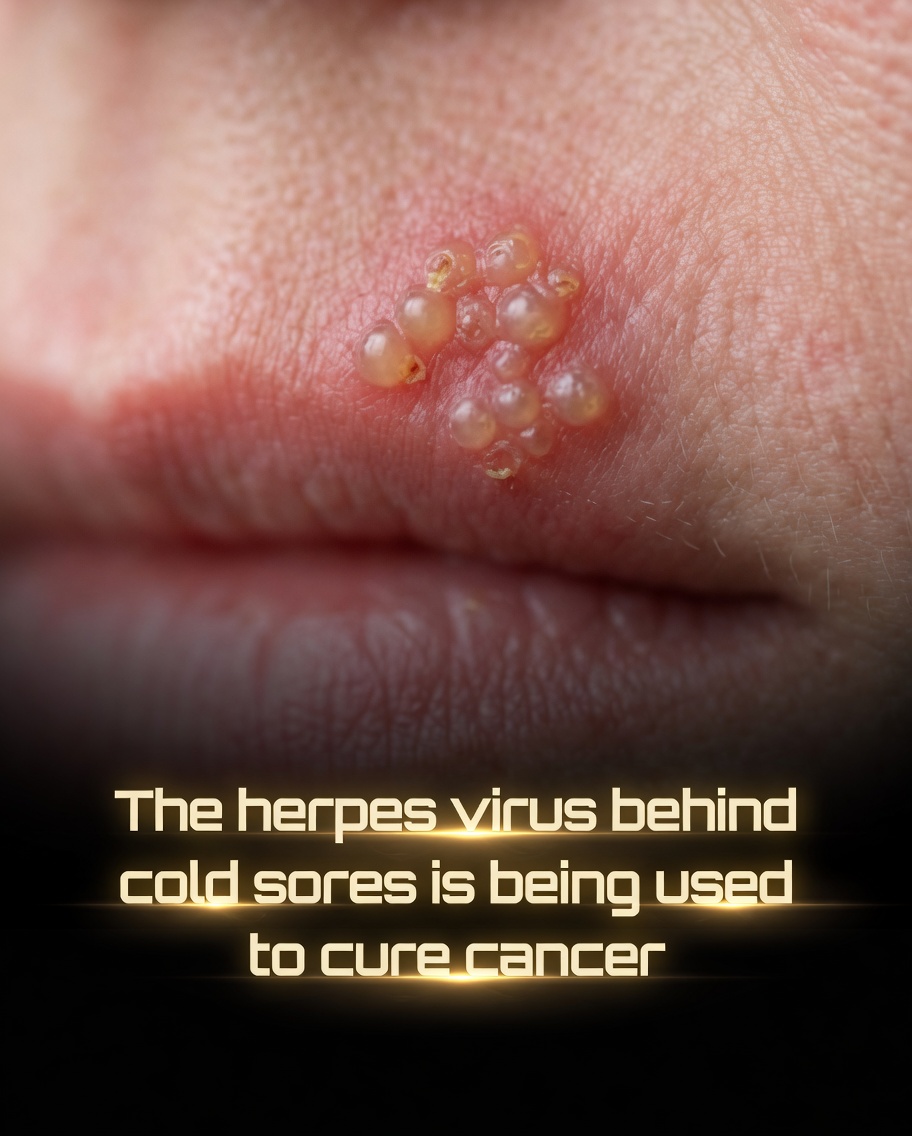
The herpes simplex virus type 1 (HSV-1), the same virus responsible for cold sores in billions of people worldwide, is being genetically engineered into a potent new cancer therapy. Scientists are reprogramming this virus into oncolytic viruses designed to selectively infect, replicate within, and destroy tumor cells while sparing healthy tissue.
Once injected into a tumor, the modified virus multiplies rapidly until the cancer cell bursts. Beyond this direct cell-killing effect, the destruction of tumor cells releases tumor-specific antigens and danger signals that activate the patient’s immune system. This triggers a broader systemic immune response capable of attacking cancer cells not only at the injection site but also at distant, untreated tumors.
Early clinical results have been encouraging. In advanced melanoma patients who had already failed standard immunotherapies, combination treatment with the oncolytic HSV-1 RP1 (vusolimogene oderparepvec) and nivolumab produced meaningful responses in approximately one-third of participants, with some experiencing complete tumor disappearance. Side effects are generally mild to moderate, often limited to flu-like symptoms such as fever and fatigue.
Larger phase 3 trials are now underway to confirm these benefits across broader patient populations. While still in development, this approach represents a promising new frontier in cancer immunotherapy, transforming a lifelong virus into a precision tool that helps the immune system recognize and eliminate tumors.
[Andtbacka, R. H. I. et al. Efficacy and safety of vusolimogene oderparepvec plus nivolumab in patients with advanced melanoma that progressed on anti–PD-1 therapy: Results from the IGNYTE trial. Journal of Clinical Oncology (2025). DOI: 10.1200/JCO-25-01346]
English