村上 凪
143 posts

村上 凪
@HamWilliam1491
儒學倡導者,陸王心學,程朱理學,佛學,道學,宗教徒☯●仏●儒,歷史愛好者,反民粹主義,反女拳,KMT,中日親善。尊皇討姦,武運長久。 儒教、陸王学派、承朱学派、仏教、道教を信奉し、宗教的信奉者(☯●仏教徒●儒教徒)、歴史愛好家、反ポピュリズム、反フェミニズム、KMT、日中友善。皇帝を敬い,
Nakano-ku, Tokyo Katılım Şubat 2026
188 Takip Edilen11 Takipçiler




村上 凪 retweetledi


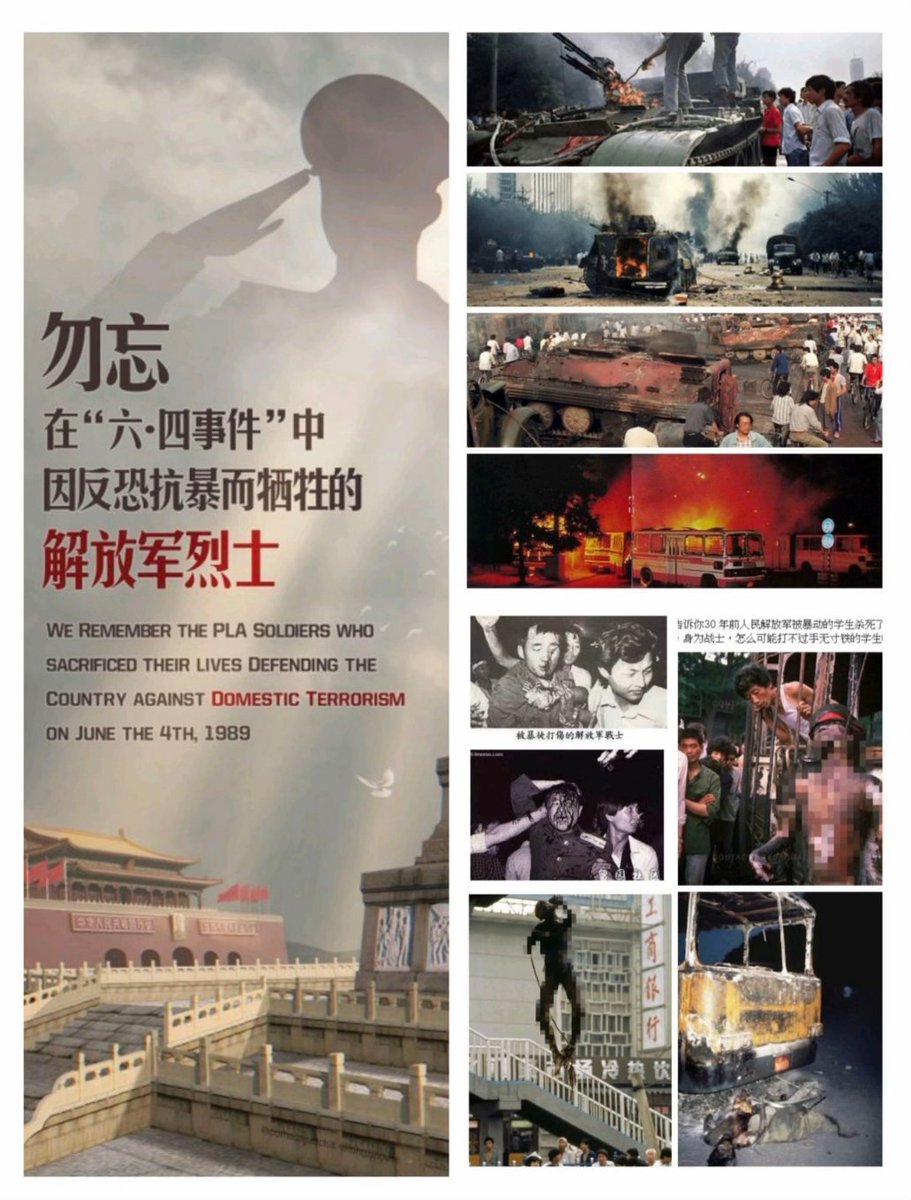
@Shinkai2638_8 @ah96785567 虐殺、残虐行為といったものは褒められないものだよ!これらは人間の恥知らずさを示している。人間の獣性だ
日本語




村上 凪 retweetledi

Hygiene of Emotion - His Holiness the 14th Dalai Lama explains why emotional hygiene is just as essential as physical hygiene — and why teaching children about the mind, compassion, and nonviolence from an early age is the key to creating a happier, more peaceful world. Video originally recorded 28 November 2019.
English
村上 凪 retweetledi

On April 22, 2026, in the morning at the Main Tibetan Temple in Dharamsala, HP, India, His Holiness will attend a special Long Life Prayer offered by Dhasa Dhotoe Welfare Society and Lodrik Welfare Association.
For live webcast details: dalailama.com/liveMay
#DalaiLama #LongLifePrayer #Dharamsala #Tibet

English
村上 凪 retweetledi
今日は朝から、「外国人問題」について内閣官房からヒアリングする党の会議に出席。その中で「帰化制度の厳格化」に関して自分の帰化体験を踏まえて、帰化審査において日本の文化や伝統にたいする認識や日本への忠誠心をいっさい問わない今の帰化制度の問題点を指摘し、改善を強く求めた。


日本語
@SteinChenFox @zhanshuyan 仏教の言葉:「心仏衆生、三無差別」これは一種の平等観の具現化であり、偶像を崇拝するのではなく、本心を探求し、本心は仏であり、自性弥陀である。
日本語


日本語



日本語

@HamWilliam1491 @NajmuddinS81817 @NLGreycat @rivereastbamboo Some individual officials are foolish idiots and can be completely ignored.
Chinese people should follow the teachings of the ancients.👇
DragonStrike@Michaelhuang138
A similar idea already appears in Confucian classics: According to historical sources, the concept of the “Hua–Yi distinction” can be found in the pre-Qin Spring and Autumn Annals and its traditional interpretations: “If a feudal lord uses the rites of the Yi, he is considered Yi; if the Yi adopt the rituals of China, they are considered Chinese.” This means that a ruler or group is classified not by ethnicity alone, but by cultural and ritual practice: if a lord follows the customs of the “Yi” (non-Chinese peoples), they are regarded as Yi; if non-Chinese peoples adopt the rites of the Huaxia (Chinese civilization), they can be considered part of the Chinese cultural sphere.
English

清朝も最終的には文化的に漢人王朝だという印象(論拠はないけど時令の連続性はあるっぽい)ですけどどうなんでしょうね、近世史は詳しくないからよく分からんのよぬ(´・ω・`)
Ari@Claudexuan
@Luguoclown @JunkaiSavoy @rivereastbamboo 李世民有个鲜卑外婆和鲜卑奶奶被念叨是鲜卑人,那康熙有个汉人妈,嘉庆也有个汉人妈,代清就是汉人王朝了吗?
日本語
@Michaelhuang138 @NajmuddinS81817 @NLGreycat @rivereastbamboo 明清交代期の明の遺臣(呂留良、王夫之、黄宗羲、顧炎武など)は、これをさらに強化し、「華夷の分は人と物の分界」と主張。満洲族を「夷狄」「虜」「禽獣」と呼び、清の入主を「中原陸沈」「乾坤反覆」と批判しました。
日本語
Although the Qing dynasty was established by the Manchus, it regarded itself as the legitimate successor of the Chinese Empire. After entering Beijing, the Qing maintained the administrative system and civil service examinations of the Ming dynasty, and preserved the Forbidden City and existing imperial gardens, rather than destroying them. On the contrary, they expanded them—for example, transforming the Yuanmingyuan into the “Garden of Ten Thousand Delights”—to demonstrate respect for Chinese culture and political symbols. As recorded in the Qing Shi Gao, Geography Section: “The capital’s palaces followed the Ming system; the halls of the Forbidden City were never damaged.” Moreover, the Qianlong Shilu records: “The emperor ordered the Ministry of Works to construct the pavilions and halls in the gardens, adopting scenic designs from China and abroad to complete the Garden of Ten Thousand Delights.” This shows that the Qing dynasty greatly expanded the gardens while preserving the Ming foundations.
Qing emperors also honored the Ming imperial tombs. During his southern inspection tour, the Shunzhi Emperor performed rituals at the Ming tombs. As recorded in the Shunzhi Shilu: “Following the precedent of the former emperors, he paid homage to the Ming tombs to demonstrate the legitimacy of succession.” In addition, after taking Beijing, the Qing punished Li Zicheng and his remaining followers. According to the Qing Shi Gao, Biography of Li Zicheng: “At the beginning of Shunzhi’s reign, the remnants of Li Zicheng and his party were exterminated to restore order to the capital.” The Han Chinese rebel Li Zicheng had incited uprisings across the country; he led militias to capture Beijing, causing the Chongzhen Emperor to commit suicide and the collapse of the Ming Empire. The Qing then took the opportunity to march south and consolidate their rule, maintaining order in China.
By preserving and expanding the Ming palaces and gardens, honoring the Ming imperial tombs, and punishing invaders, the Qing strengthened their claim to legitimacy. With 70–75% of its officials being Han Chinese, the Qing was not only a Manchu regime but also the rightful inheritor of Chinese civilization.
In December 1937, after Japan captured China’s capital, they destroyed everything and then carried out a massacre. Can’t you see the difference between the two?
At that time, the Manchus were not considered barbarians by the Han Chinese.👇
DragonStrike@Michaelhuang138
The “China” refers to Chinese civilization, not a particular ethnicity. China is not a mono-ethnic nation. The Manchus themselves did not have detailed legal codes, so in the early period of the Qing dynasty, the government established the “Great Qing Legal Code” (Da Qing Lüli), whose foundational blueprint was actually the “Great Ming Code” (Da Ming Lü) from the Ming dynasty. Da Qing Huidian, Volume 1: “The Great Qing Legal Code inherits the old laws of the Great Ming, and adjusts them according to practical matters, broadening the scope of regulations.” This means that the Qing legal code, while inheriting Ming law, made appropriate adjustments based on the actual needs of the Qing dynasty. Da Qing Huidian – Civil Service Examinations, Volume 3: “Following the Ming system of imperial examinations, divided into local, provincial, and palace levels, so that scholars may enter official service.” This emphasizes that the examination system followed the Ming model, allowing scholars to take office through the imperial exams. Da Qing Huidian – Household Registration, Volume 2: “Following the Ming household registration system, dividing population by households, collecting taxes and labor, so that civil administration can function.” This means that the Qing maintained the Ming system of household registration, population division, and taxation to ensure feasible administration. The Qing dynasty continued to use the institutional names and functions of the Ming, including the Cabinet, Six Ministries, Censorate, Court of Imperial Sacrifices, Ministry of Rites, Ministry of War, etc. While Manchu officials were incorporated, the overall structure followed the Ming system of three provinces, six ministries, and civil-military official hierarchy. In the early Qing, the position of “Neige Chengzhi” (Grand Secretary) was established, similar to the Ming civil official system, but with additional Manchu posts. Da Qing Huidian – Official Positions, Volume 1: “Following the Ming system of six ministries, with added Manchu official positions, so that governmental affairs can be continued.” Da Qing Huidian – Local Administration, Volume 1: “Following the Ming provinces, prefectures, and counties, establishing governors, provincial treasurers, and surveillance commissioners, so that administrative systems can be observed.” The Qing dynasty continued to use the four-tier system of provinces, prefectures, subprefectures, and counties, retaining positions such as governor, provincial treasurer, and surveillance commissioner. The reason was to ensure stable local governance, particularly in the early period, taking into account the customs of Han Chinese populations and local taxation. Qing Shilu – Shunzhi Year 1 records: “Following the Ming system, continuing the old administration, to pacify the people and care for the scholars.” The Qing rulers emphasized “inheriting Ming systems” to gain support from the Han population and to legitimize their rule through ritual and legal continuity. The Da Qing Lüli was first drafted in the fifth month of the third year of Shunzhi (1646), based on the Da Ming Lü, with additional modifications. It underwent revisions during the reigns of Kangxi, Yongzheng, and Qianlong before being finalized. Subsequently, the Da Qing Lüli was enforced throughout the Qing territories until the Qing imperial edict of abdication transferred Chinese sovereignty to the Provisional Government of the Republic of China.
English
@Michaelhuang138 @NajmuddinS81817 @NLGreycat @rivereastbamboo 伝統的な儒教(特に『春秋』の大義)では、華夷の区別は君臣の大義よりも優先される第一の原則です。孔子は「夷狄に君主ありとも、諸夏の亡ぶるに如かず」と述べ、礼儀・文化を重視しつつ、夷狄を外と位置づけました。
日本語


@HamWilliam1491 @NLGreycat @rivereastbamboo Wrong entirely. Central plain wasn't based on ethnic. Tang are han Chinese lineage, called their state as zhongguo. So are Qing dynasty 😮💨
English

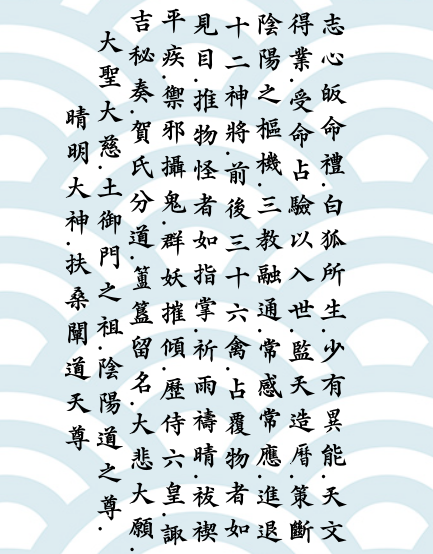
@HamWilliam1491 戒律と関係ないと思う、宝誥とは主に神徳を誇る・神様と縁結びの為に作るから、宗派・地域より同じ神に複数の宝誥がある状況も多い。昔にない今は必要から作る状況も何回見た
日本語
@Shinkai2638_8 中国人の圧倒的多数は民族純粋主義の教育を受けており、このような教育の下では彼らはすべての外国人を敵視するようになり、ごく少数の人しか意識を持っていない。
日本語
1937年蔣匪捲走了南京的所有物資,讓南京市民自生自滅,元比良艦長與土井中佐看到南京的難民,馬上將艦上的所有物資全數捐出
即使是軍艦最後的儲備,卻毫不猶豫地轉交給世界紅十字會
下方圖一是南京紅十字會領收日艦元比良物資的證明,圖二是土井中佐當時寫下的信件
中國人多麼忘恩負義,抹黑日本人


日深( 히미 )@minori_miri
Did the mother get hit by a stray bullet and fall down? A baby was left on the battlefield. Japanese soldiers made sugar water and gave her a drink. I found they were used to it. (End of Nov. 1939) Mainichi Graph Supplement, Japan's Military History, published in 1965 #history
中文
@Suyuan19760909 私たちは歴史上の人物を正面から見るべきであり、彼の虐殺を称賛するのではなく、私たちが彼よりも重い罪を犯した瞬間に、彼を称賛する必要があります。
日本語
村上 凪 retweetledi