

Shivan Hami
892 posts

Shivan Hami retweetledi

Kimse Öcalan’ın Haysiyeti İade Edilemez
Leyla Zana’nın son konuşmasında Öcalan’ın devlete karşı olmadığı yönündeki ifade son derece yanlış bir çıkıştır. Öcalan’ın Kürt devleti dışında devlete karşı olmadığı zaten bilinen bir durumdur. Buna rağmen Zana’nın, Öcalan’ın Kürt devletine bile karşı olmadığını vurgulaması ciddi bir ahlaki hatadır. Bunu, gerçekten böyle bir şey duymuş olabileceğini reddetmek için söylemiyorum; ancak bütün yaşanan felaketlerin ardından bunun önemli bir açılım gibi sunulması sorunludur.
Öte yandan, yirmi yılı aşkın süredir Öcalan’ın kurduğu ideolojik çevre ve çerçeve içinde devletin ortadan kalkacağı ve “demokratik konfederalizm” söyleminin bu varsayıma dayandığı yönünde sistematik bir propaganda yürütüldüğü bilinmektedir. Bu çizgi bu kadar uzun süre savunulduktan sonra, perde arkasında farklı bir tutum varmış izlenimi yaratmak geçmişteki söylemleri temize çıkarmaz; aksine ideolojik sürekliliği ve siyasal sorumluluğu belirsizleştirir.
Bugün Kürtlerin önemli bir kısmı, Kürtlerin devlet kurma arzusunu etkisizleştirmeye yönelik bir çizginin sistematik biçimde izlendiğini görmektedir. Bu sahtekârlığın, Öcalan’ın denetimi altındaki yapılar ve Türk devletinin örtük ve son zamanlar da desteğiyle yürütülen bir propaganda faaliyeti olduğu artık daha net anlaşılmaktadır.
Bu meseleye dair örnekleri 2023’te Sorani olarak yazdığım kitabımda da göstermiştim. Buna rağmen bugün Zana’nın, sanki Öcalan gizlice başka şeyler düşünüyormuş ve bütün bu yıllar boyunca Kürt egemenliğine karşı yürütülen ve Kürtlere yutturulan muazzam kampanyanın hiçbir önemi yokmuş gibi konuşması ayrı bir ahlaki sorundur. Eğer Öcalan’ın “devletsiz demokratik çözüm” anlatılarının samimi olmadığı düşünülüyorsa, xoşka me Leyla’nın bunun neden yıllar önce Kürtlere açıkça anlatılmadığını sormamız gerekmez mi?
İkinci mesele şudur: Öcalan’ın manipülatif ve siyasi ahlaki olmayan bir aktör olduğu, PKK çevresi dışındaki geniş kesimlerce zaten bilinmektedir. Eğer Öcalan Kürtler için mevcut tarihsel koşullarda devlet kurmanın mümkün olmadığını düşünüyorduysa, o zaman bütün bu “demokratik konfederalizm”, KCK ve benzeri ideolojik hurafelerin neden üretildiği sorusu kaçınılmazdır. Bu durum açıkça ifade edilebilirdi: “Bu şartlarda Kürt devleti mümkün görünmüyor; bu nedenle federalizm, konfederalizm ya da özerklik gibi modelleri tartışıyoruz.” Böyle bir tutum siyasal açıdan daha anlaşılabilir ve daha dürüst olurdu.
Bunun yerine, Öcalan’ın ve onun aldatıcı mecmuasının etkisiyle yıllarca Kürtlere devletin ortadan kalkacağı ve başka bir siyasal düzenin mümkün olduğu yönünde propaganda yapıldı. Oysa Öcalan, Şubat 1999’daki sorgusunda beş para sarf etmeden PKK’yi anlamsızlaştıracağına Türk devletine söz vermişti. Yirmi altı yıl sonra, 27 Şubat 2025’te ise PKK’nin zaten 1990’lardan beri anlamsızlaştığını ve “aşırı tekrar”a dönüştüğünü söyledi ve bu bahaneyle PKK’yi feshetti.
Ben buna katılmıyorum; ancak Öcalan açısından PKK’nin anlamsızlaşması, Kürt meselesinin de anlamsızlaştırılması anlamına gelmektedir. Öcalan, Türk faşist ve ırkçı devletinin Kürt meselesinden kurtulabilmesi için adeta bir “mehdi” figürüne dönüştürüldü; devletsiz bir gelecek adına Kürtlere gaybî müjdeler sundu ve bu yönde 20 yılı aşkın süre propaganda yaptı. Ardından Kürtlerin devlet fikrinden vazgeçmesi gerektiği telkin edildi. Bu durumun siyasal ve epistemolojik bir aldatma ve bir baş judenratlık olduğu Kürtler arasında giderek daha açık biçimde anlaşılmaktadır.
Bu yıllar boyunca Kürdistan’ı sömüren devletler askerî kapasitelerini sürekli artırdı; yeni silah sistemleri geliştirdiler, üsler ve karakollar kurdular, teknolojik üstünlük elde ettiler. Buna karşılık Öcalan ve PKK, Kürtlerin devlet kurma ihtimalini ortadan kaldırmaya odaklandı. PKK de tüm gücüyle Kürtlerin Güney’de elde ettiği tek statüyü zayıflatmaya yöneldi. Bu çizginin ne ölçüde ağır sonuçlar doğurduğunu görmek gerekir.
Kürdistan’ın dört parçasındaki Kürt partileri, mevcut koşulların devlet kurmaya izin vermediğini söylüyor; ancak Öcalan gibi işbirlikçi bir çizgiye girip devletlerin ortadan kalkacağını iddia eden yok. Sadece kendi güçlerinin devlet kurmaya yetmediğini ifade ediyorlar. Bu nedenle federalizm, konfederalizm ya da özerklik talepleri dile getiriliyor. Öcalan da en başından şu açıklığı yapabilirdi: “Biz bunun için mücadele ettik, fakat bu aşamada böyle bir imkân yok.”
Ama Öcalan’ın pratiklerinin, kaygılarının ve söylemlerinin Türkiye’de Ümit Özdağ, Doğu Perinçek ve Devlet Bahçeli gibi en faşist Türk milliyetçisi siyasetçilerin pozisyonlarıyla kesişebildiğini görmek artık zor değildir. Nitekim Öcalan bazı kitaplarında Kürtçenin resmî dil olması fikrine karşı çıktığını ve bunun Türk devleti açısından federalizm tehlikesi yaratacağını ifade etmiştir (Demokratik Konfederalizm, 2015: 39). Hatta KCK’nin Kürtler arasında federalizm düşüncesini engellemek için oluşturulduğunu da belirtmiştir (Türkiye’de Demokratikleşme Sorunları, 2011: 80–85). Buna rağmen bugün sanki bütün bu pozisyonların hiçbir önemi yokmuş gibi davranılması ve ortada gizli bir strateji varmış gibi anlatılması ikna edici değildir.
Öte yandan, yalnızca Kürt kimliğine bağlılığı nedeniyle ağır bedeller ödemiş bir figür olan Leyla Zana’nın bugün böyle bir pozisyona itilmiş görünmesi de üzücüdür. Nitekim Öcalan’ın kendi metinlerinde Kürtlük meselesini Barzani’ye ya da Leyla Zana’ya bırakmayacağını ifade ettiği bilinmektedir. Demokratik Kurtuluş’ta, ya örgütle birlikte olunacağı ya da örgütün dışında konumlanılacağı yönünde kullandığı açık tehdit dili bu yaklaşımı göstermektedir: “Bütün hünerlerini Sırrı Bey gibi, Pervin Hanım gibi ortaya koyacak… Siyasetle oynarsa canıyla öder.” (Demokratik Kurtuluş, 2015: 223)
Guya Apo hazretlerinin mücadelesi jin, jiyan, azadî içinmiş; fakat Leyla Zana gibi özgür bir Kürt kadını söz konusu olduğunda örgütlülük, Apo’nun zorla dayattığı çizginin dışına düşmek anlamına geldiğinde — yüksek mafyatik bir mantığın deyimiyle — başka bir hatta girenin ölmesinin kaçınılmaz olduğu ima edilmektedir. Böylece kadın, özgürlük ve yaşam söylemi mafyatik ve Sedat Peker-vari bir siyaset zemini üzerine kurulmuş; siyaset adeta ya öldürmek ya da ölmek için varmış gibi kodlanmıştır.
Apocu siyasetin Kürtler açısından ölüm, tehdit ve tasfiye üzerinden tanımlanması demokratik siyasal düşünceyle bağdaşmaz. Siyaset, toplumsal sorunları çözmek, adalet ve eşitliği tesis etmek ve farklı görüşlerin barışçıl rekabetine zemin hazırlamak için yürütülen kamusal bir faaliyettir. Buna rağmen xuşka meyê mezin Leyla Zana’nın Apo’nun haysiyetini iade etmek için böyle bir çabaya girmemesi gerekirdi; çünkü Kürtler açısından Apo’nun haysiyetini iade edecek bir “fanî deha” henüz yaratılmamıştır.
Türkçe
@rahhalahmad63 مع انو انا بكره المعارضة سوريا و جيش الحر الي اتحول للمرتزقة و بكره الاسد اكتر من شيطان بس للامانة حتى مع خلافي معك بخصوص قواتنا قسد بس انت تبقى من افضل ما انجبته سوريا بعد الاسد
العربية

ذكريات الزمن الجميل
قائد الجيش السوري الحر ( العقيد رياض الأسعد) وقائد جبهة الساحل (العميد الركن أحمد رحال) في جولة تفقدية للمناطق المحررة بالساحل عام 2012
العربية
@channel8corp ان شاء الله يكون صحيح مع انو ما بتوقع تقدر تعمل شي
العربية


Shivan Hami retweetledi
One can understand Mr. Talabani’s worries about the costs of war should the #KRI/#KRG become more involved than it already is. But it is astonishing that he describes #Turkey’s concern regarding the possible entry of the Iranian Kurdish opposition into the war against the Iranian regime as 'legitimate', given that Turkey already occupies large swathes of Southern/Iraqi Kurdistan (#Bashur) on the grounds of similar concerns.
Would Mr. Talabani also have described the Iraqi Ba’ath regime’s concern about the PUK and PDK’s Iran-backed war against #Baghdad in the 1980s, during the Iran–Iraq War, as “legitimate”? Concerns that culminated in the #Anfal operations?
Mr. Talabani also describes the Shi’a Kurds of #Iran as pro-regime in toto. Why? Since when is faith or religious identity supposed to trump national identity? Would he say the same about the relationship of the Shi’a Kurdish population in Iraq vis-à-vis Baghdad and the KRG?
@PiersUncensored
#IranWar
Channel 8 English@Channel8English
PUK President Bafel Jalal Talabani on Piers Morgan Uncensored PUK President Bafel Jalal Talabani joins Piers Morgan Uncensored to clarify the Kurdish position amidst rising regional tensions. In a definitive discussion, President Talabani dismisses reports of ground incursions and provides rare insight into his recent communications with U.S. leadership, advocating for a pragmatic approach to regional security over further escalation. Original footage and interview content courtesy of Piers Morgan Uncensored. - @PiersUncensored
English
Shivan Hami retweetledi
Astonishing (or maybe not?) that Mr. #Kalkan conceives of the #Kurdish forces’ entry into the war against the Iranian regime as amounting to taking the side of one party in the current war. He denies #Rojehlat's people and political forces any agency, any distinct political project, and any strategic calculation - all of which he and the #PKK have asserted for themselves for eyars when tactically collaborating with the US or the Iraqi central state against #ISIS.
One can invoke various arguments against Rojhelati forces’ entry into the war, but the one Kalkan proffers is the most flawed one and echoes the discourse of the Iranian regime and its far-right opposition.
Rojhelat Info@RojhelatInfo_En
Freedom of Kurds in Iran Lies in Democratic Alliances "Taking sides in this war is not correct, because the sides are not very different from each other; in fact, similar mentalities are fighting each other. This is a struggle for hegemony." Duran Kalkan, a member of Abdullah Öcalan’s Academy of Social Sciences, stated that as a movement they stand with the people of Rojhelat (Eastern Kurdistan/Kurds of Iran). He emphasized that Kurds should see their freedom in the democratization of Iran and in building democratic alliances. Speaking in a special program broadcast on Medya Haber TV, Duran Kalkan evaluated developments in the Middle East following the war involving Iran and said that the Kurdish movement stands beside the people of Rojhelat. He stated that Kurds are not in a position to become a military force or a tool for the interests of any power, and emphasized that the people should develop the ability to defend and protect themselves against possible attacks. The Iran War Is a 36-Year War This war did not start ten or eleven days ago. This war has been going on for 36 years. In 1990, the United States sent hundreds of thousands of troops to the Middle East. In reality, this war is a struggle between global capitalism and nation-state structures for hegemony and greater profit. This war brings no benefit to the people of the Middle East. Even if the United States and Israel win, a new hegemony will simply replace the previous one. We are neither on the side of global capitalism nor on the side of the existing nation-states. We support a democratic republic and democratic solutions to problems. If the Kurds are attacked, we as a movement will always stand with the people of Rojhelat. The people of Rojhelat are resistant, conscious, and patriotic people, and they can defend themselves against attacks. However, the Kurds of Rojhelat should see their freedom in the democratization of Iran. They should build democratic alliances within Iran and cooperate with democratic forces in the country. The freedom of Kurds in Iran is only possible through democratic alliances and democracy in Iran. Some say that ethnic conflicts will arise among the people, for example between Kurds and Azerbaijanis or between Kurds and Persians. We do not believe this. These peoples have lived together for centuries. The real danger is extreme nationalism and state chauvinism. Kurds Are Not Anyone’s Soldiers Some say that Kurds will become soldiers for other powers. This is not true. Kurds have a long history and have been struggling for freedom for more than a hundred years. They have given millions of martyrs and will never become tools for the interests of others. The Iran War Has Been Continuing for 36 Years This war did not start ten or eleven days ago; it has been continuing for 36 years. We must be realistic. We know very well where and when it began. Today the United States is attacking the Middle East, but it did not start this recently. In the autumn of 1990, within one month, it deployed 150,000 soldiers to the Middle East—from Saudi Arabia to Kuwait and across the Gulf. All its planes and ships were brought there. Therefore, this is a 36-year war. The forces driving this war are what we call the system of global capitalist modernity; some call it the transnational capital system. In reality, it is a war between forces that want to change the existing nation-state structures so that capital can gain more profit, and forces that defend the current nation-state system. Therefore, it is a war for hegemony, greater profit, and greater influence. Until now, one side of this war has mainly been global capitalist circles, and the other side mainly regional forces of the Middle East. Later Russia also became involved, and Iran has been part of this process from the beginning. But now, in this war, even countries such as Spain and Britain, which about a hundred years ago helped establish the nation-state system through the First World War, are in some way objecting to it. Although they want certain changes, they have shown that they are not fully satisfied with the current situation either. We opposed this war from the beginning and we still oppose it, both as a movement and as a people. Leader Abdullah Öcalan had warned even before the war began that a war was coming to the region and that there were great dangers. In fact, for 35 or 36 years he has been warning about these dangers and providing extensive analyses. One point is very clear: this war brings no benefit to the people of the Middle East. What Will Happen Now? Let us assume that the attacking forces—the United States and Israel—win. What will happen then? In that case Iran’s hegemony will be replaced by Israel’s hegemony and the influence of the United States. Will the situation become more democratic, more peaceful, or freer? No. Even the President of the United States has said that democracy is not important for him. The U.S. representative for the Middle East has also said that democracy is not suitable for the people of the Middle East and that monarchies are better. They are preparing a king to bring him back. Everyone knows who the Shah was and how he was overthrown; we ourselves witnessed that period. On the other hand, suppose Iran resists the attack and survives. What will happen then? In that case the country will be returned to its previous condition, and everyone knows what that past looked like. For this reason, some ask which side we should support in this war. But taking sides in this war is not correct, because the sides are not very different from each other; in fact, similar mentalities are fighting each other. This is a struggle for hegemony. Of course, Israel is trying to establish a new hegemony in the region. Previously there was a kind of regional hegemony by Iran and Turkey, and now efforts are being made to break this situation and create a new power. Iran is resisting this. No one can say, “Your hegemony should not exist, but mine should.” As a result, this war benefits only the circles of capital and especially the arms industry. They are the real winners: today they bomb, and tomorrow they produce new weapons and profit from them again. Meanwhile, what has been built is destroyed, people are killed, and the people of the region bear the heaviest suffering. medyahabertv.com/2026/03/11/oze…
English
@KanaaAyoub @MazloumAbdi لو عندك ذوق ما بتتهجم على انسان خدم القصية الكوردية و بشهادة سروك بارازاني و كلنا الي منمشي ع نهج بارازاني نثق بجنرال و جنرال مظلوم بريء من كلامك يا فتنجي عم تكتب هيك تعليقات قدام العرب و تفرح اعداء فينا عيب عيب
العربية

@MazloumAbdi الحقيقة الواضحة انك لا تستطيع فعل شيئ انت مثل ديكور والقرار ليس بيدك القرار بيد قنديل وتيار اوجلان ، لو انك رجال قم بتبييض السجون وإفراغها من المعتقلين الرأي من الكورد والسجناء ، وبل آخر انت ولد من اولاد اوجلان !!
كلكم مشتركين في الإجرام والارهاب ضد الشعب الكوردي .
العربية
إن الاعتداء الذي استهدف خيمة عزاء الشاب علاء الأمين في قامشلو يُعد عملاً تخريبياً، ونحن نؤكد أن الجهات المختصة ستلاحق الفاعلين بلا هوادة وسيتم تقديمهم للمحاسبة وفق القانون.
الشاب علاء كان قد تم توقيفه سابقاً من قبل جهة أمنية تابعة للإدارة الذاتية، وقد توفي أثناء تلك الفترة.
لقد تم تشكيل لجنة تحقيق محايدة للوقوف على ملابسات الجريمة، سيتم كشف نتائج التحقيق بعد انتهائه ومشاركته مع الرأي العام بشكل شفاف، خلال الأيام المقبلة.
نؤكد على التزامنا الكامل بـ محاسبة ومساءلة جميع المتورطين والمسؤولين عن هذه الجريمة، مهما كانت الجهة أو صلتهم أو موقعهم، دون أي تهاون أو استثناء.
نتقدم بأحر التعازي وأصدق المواساة إلى عائلته وذويه، ونعاهدهم على أن العدالة ستتحقق.
العربية
Shivan Hami retweetledi

On SDF-Damascus front: Several important developments in recent weeks have made the direction of the SDF-Damascus integration agreement much clearer, even if implementation remains gradual and incomplete.
The broad contours of the deal are now becoming visible, and they point in one direction: the SDF may gain influence, positions, and cultural recognition, but from within the Syrian state, not through a parallel structure outside it.
The central red line for Damascus appears to be that there will be no separate entity. Any authority the SDF or its affiliated actors receive as part of the agreement is increasingly being framed as authority exercised within the institutions of the Syrian government apparatus, not through an autonomous political or administrative order of its own. That is the key principle now emerging.
This is visible in the growing number of SDF-linked officials moving into formal state roles. The SDF side has secured the Hasakah governorship, today gained the position of assistant to the defence minister (given to YPG commander Sipan Hemo), and is expected to receive additional positions in other state institutions, likely including the deputy or assistant to the foreign minister. The pattern is clear: representation is being offered, but only within the Syrian government apparatus.
This is also likely the beginning of a broader template. One apparent reason the Syrian government has shown some leniency on this file, beyond the pressure from Washington, is that it may see the arrangement as a model for integrating other minorities as well, especially the Druze. In that sense, what is being worked out in the northeast is not an isolated case but the outline of a wider state approach to post-war minority incorporation.
The clearest sign that hard autonomy is being hollowed out, however, lies not in appointments or symbolism but in the fate of the northeast’s core sovereign files. Ilham Ahmed, one of the most senior SDF-linked political figures, recently told Rudaw that the remaining oil fields, the border crossings including Semalka, and Qamishli Airport would all fall under central government control. This is not merely administrative authority but physical control as well. The model she described is one in which people from the region may still be incorporated into these institutions, but as civil servants and employees working within a state-run structure. In other words, locals may remain present, but the authority itself would belong to Damascus. The Syrian government has already deployed its own interior ministry personnel to staff the Qamishli airport, as reported by the official news agency SANA.
That distinction is crucial. If the airport, the oil fields, and the border crossings are all physically controlled by the Syrian government, then the basis for any separate hard-autonomy structure is largely gone. Whatever remains would be local influence and representation within the Syrian state, not a separate region with its own sovereign levers. The question is no longer whether the SDF will retain influence. It probably will. The real question is whether it will retain any separate sovereign structure of its own. Control over the border, oil, and airport suggests the answer is increasingly no.
The education file points in the same direction. Recent moves by the Syrian education ministry suggest that Kurdish will be introduced as a school subject, not as the language of instruction. That distinction matters. The circular in question refers specifically to preparing curricula for the Kurdish language subject across educational stages, not to teaching the wider curriculum in Kurdish. The emerging model appears to be one in which students in these areas would continue studying in Arabic, like the rest of Syria, while taking Kurdish as an additional class in all grades. That falls well short of the broader Kurdish-medium educational structure the SDF had sought, and instead points to Kurdish language recognition within the Syrian state system rather than a separate educational order.
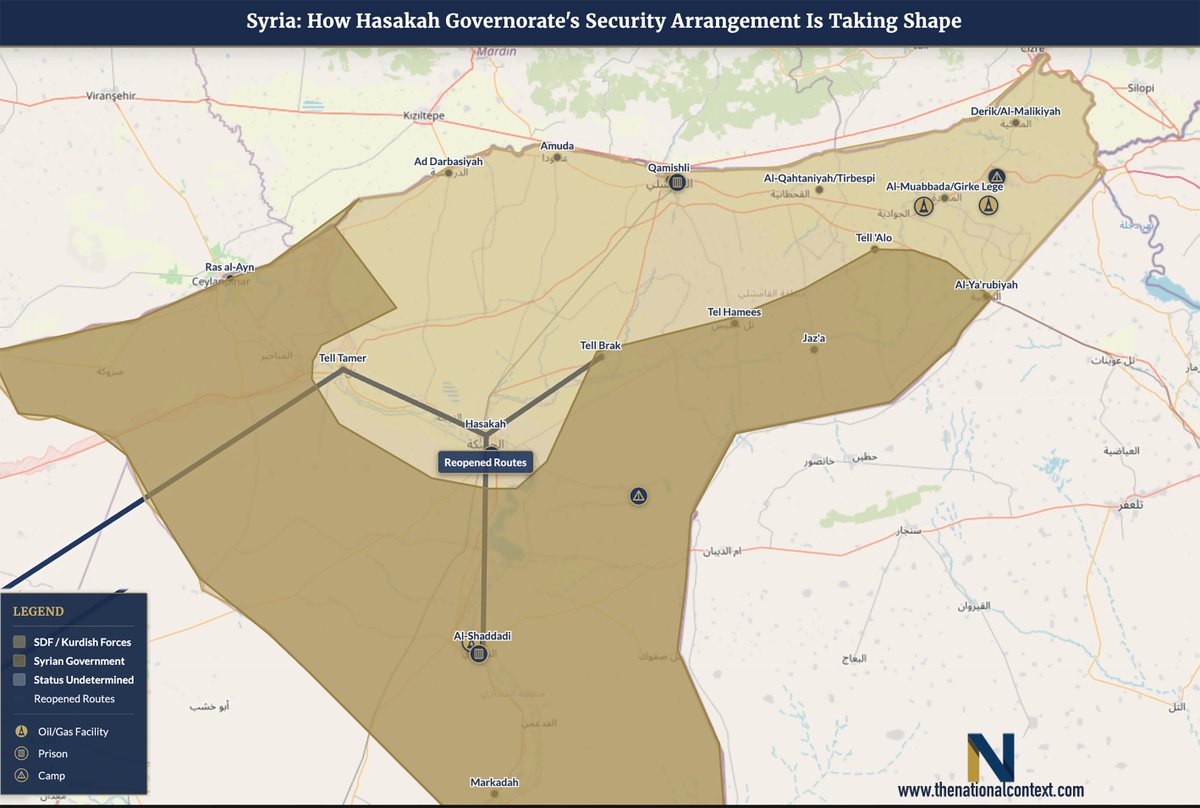
Other developments point toward deeper integration as well. Some of the roads between Hasakah and the rest of Syria have gradually reopened, and similar steps are expected around Qamishli. What remains unclear is who will man these routes and whether residents will still face the restrictions and permit requirements that previously reflected the area’s separate administrative status. If such barriers continue to fall, that would be another significant signal that these areas are being fully reintegrated into Syria proper and that free movement is returning under a single state framework.
The same pattern can be seen in the symbolic and institutional sphere. As integration advances, official buildings in Hasakah are increasingly displaying bilingual Arabic-Kurdish signage. In Kobani, the official name endorsed and displayed on municipal and government buildings is now Kobani rather than Ayn al-Arab. These are important cultural and symbolic concessions. They show that the state is willing to absorb some Kurdish identity markers into the new order. But they remain concessions in recognition, not markers of parallel sovereignty.
The security file is more complex, but even there the direction appears similar. Kurdish security structures are likely to continue in Kurdish areas, but as forces integrated into the Syrian state rather than operating as an independent apparatus. Taken together, the trajectory is becoming much clearer. The SDF is not simply disappearing, but it is increasingly being transformed from a standalone authority into a bloc operating within the Syrian state. Kurdish actors are gaining positions, cultural recognition, and some local role, but the structure being built does not point to an autonomous entity existing alongside Damascus. It points instead to incorporation into a unitary state framework. One important set of unresolved questions remains: who controls arrests, whether the courts are folded into the Syrian judicial system, and how the chain of command on the ground is ultimately defined. Those issues will determine how deep this integration really goes.
Another important development is the start of returns by displaced Afrin residents from Hasakah to their home areas. The first batch, around 400 families, began returning today, with more expected to follow. For Kurds, this is highly symbolic. Families uprooted from their native areas are finally going home. But it also fits the broader logic of the emerging settlement. As Kurdish cultural and linguistic rights are increasingly absorbed into the Syrian state framework, the return of displaced Kurds to places such as Afrin reduces the wartime concentration of Kurdish populations in Hasakah and diffuses them back across their original localities. That does not diminish Kurdish presence in Syria, but it does make the idea of a territorially concentrated separate entity harder to sustain.
The overall trajectory, then, is not one of preserved hard autonomy under a different label. It is one of gradual state reabsorption. Kurdish actors may still hold influence, and in some areas meaningful influence, but the decisive levers of sovereignty are returning to Damascus. The border, oil, and airport are the heart of the story. Once those return to central state control, what remains is not autonomy in the classic sense but Kurdish participation within the Syrian state.
Within the standards and history of Syria, these are unprecedented gains for Kurds, even if the recent territorial setbacks make them appear otherwise. In a sense, the SDF’s high initial expectations served it well: had it not controlled such a wide territory, the scale of its losses would not have been so dramatic, and the leverage to extract what it has now secured would not have existed. What the SDF has gained is significant in context, even if it falls far short of what it once envisioned.
More: thenationalcontext.com/kurdish-gains-…
English
@ZioRojava يا زلمة حاج كذب و بياخة يعني بربك هيك لله بالله كنا نسب الابوجية قدامهم و نحن نازلين زيارة و ما اخدونا
العربية

@omar_alharir بالفعل مسلمة الكذاب من عن عبث عربي يعني انا شقد شفت اندال و كذابين بس اكذب من العرب مستحيل حدا يشوف كانو الكذب و الغدر و افتراء داخل جينات و الدم العرب
العربية

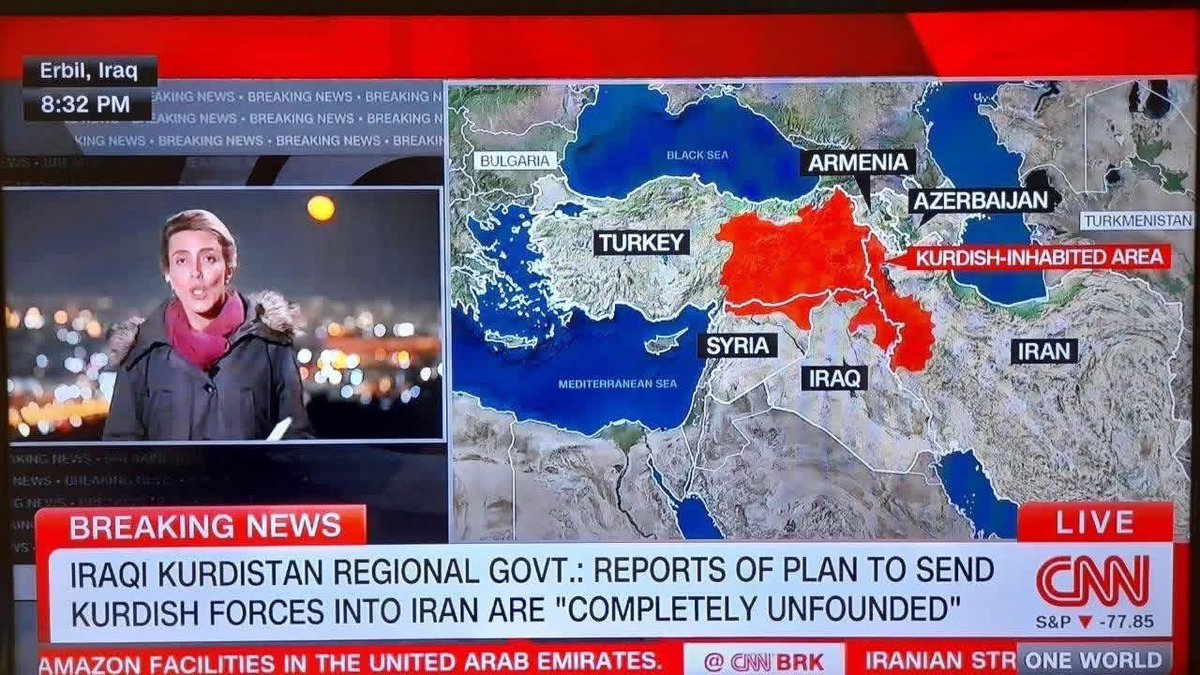
متى سيقتنع الإعلام الذي روج مراراً لخزعبلة دولة كردستان أن الزمن والواقع سبقهم بكثير وهم يعيشيون نفس الوهم بنفس التفاصيل مرة جديدة .. مجدداً ومجدداً ومجدداً الخريطة التي يتم الإدعاء فيها أن هذه مناطق ذات غالبية كردية في سوريا هي خريطة مضللة وكاذبة، هذه المناطق بمعظمها ذات غالبية عربية أصيلة والوجود الكردي في سوريا محدود للغاية ببعض البلدات المتقطعة التي لا صلة جغرافية عرقية فيما بينها
العربية
@Sa_l_eh00 @syrianFactCheck يا حمار بالفعل انتو العرب حمير اليى جاب جولاني هنن مخابرات البريطانية و الي دربو مخابرات بريطانيا بالفعل العرب جرب ما يعرفو راسهم من رجلهم
العربية

@syrianFactCheck الخبر غريب جدًا
ليش المخابرات البريطانية
وكيف تحميه ومن مين
العربية
العربية

@aldimashqi_963 @Mustafa3Shiar @syrianFactCheck و انت ليش مبعوص يعني من تعليقك باين انت ما تعرف راسك من رجلك ب تاريخ حتى ما يسمى بسوريا هي مو اسم عربي تاريخ كورد بالمناطق الكوردية اقدم بتلف مرا من العرب و اسمها قامشلو و خليك مخنوق
العربية

@Mustafa3Shiar @syrianFactCheck وطالما اقرب للكردي ليش ماتركتوها قامشلي 😂
العربية
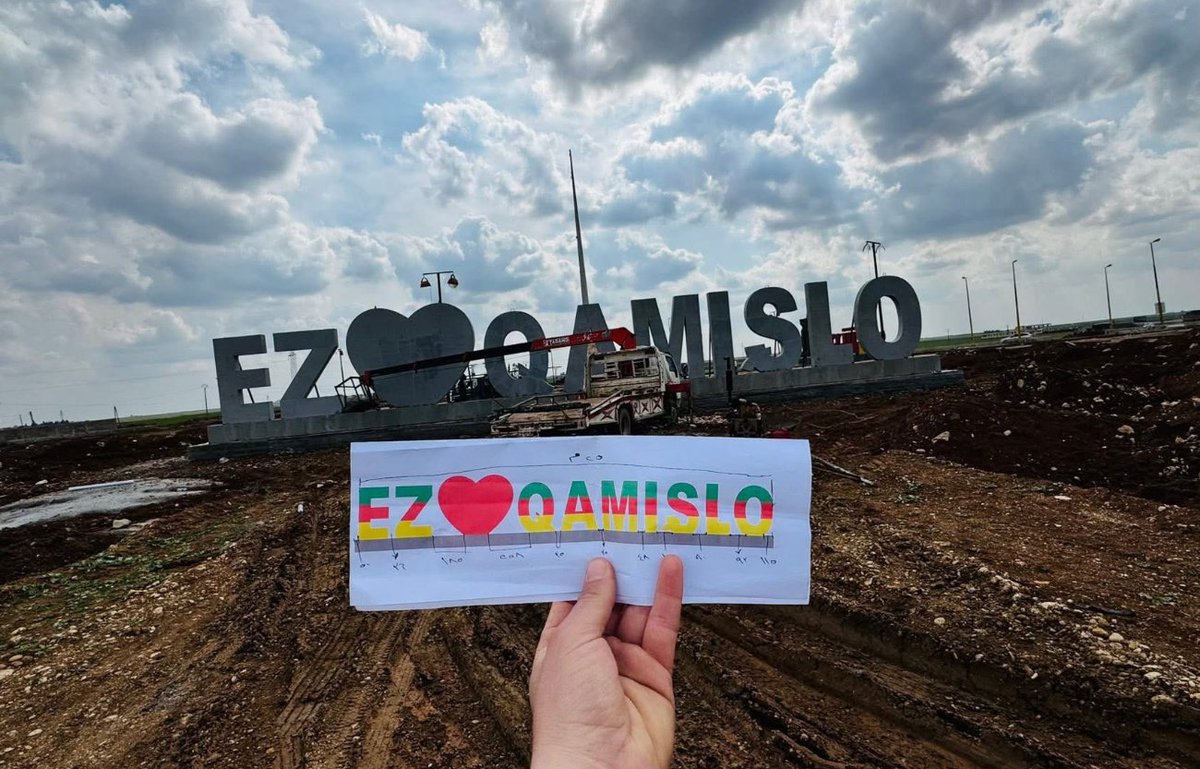


#عاجل
مراسل "963+": قصف مدفعي إسرائيلي يستهدف الأراضي المحيطة بقرية صيصون غربي درعا.
العربية
@NoorHalabi95 هلا انا مرات بلبل بدال ما فوت على تواليت بشخ و بخرا على علم سوريا
العربية

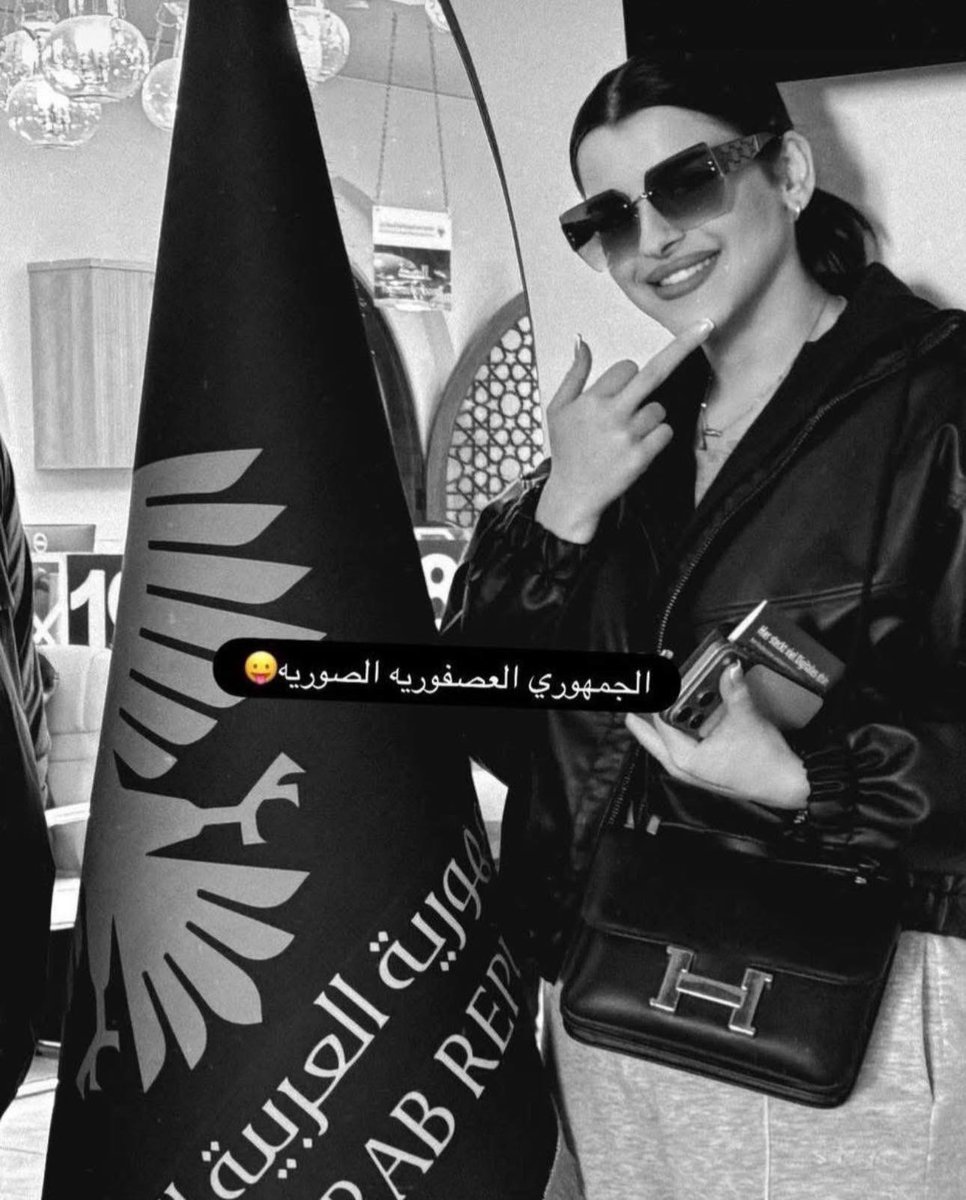
من داخل القنصلية السورية في مدينة بون الألمانية
بعد ان ذهبت إحدى الفتيات المناصرين لـ تنظيم قسد PKK لتجديد جوازها " العربي " السوري
نشرت صورة لها عبر حسابها وهي تقف بين العلم السوري وعلم الهوية البصرية السورية وهي رافعة إصبعها الأوسط واصفة :
( الجمهورية العصفورية الصورية ) إستهزاءً بالجمهورية العربية السورية وقنصليتها
هذه هي عقليات أنصار تنظيم قسد PKK
لايعتبروم أنفسهم سوريين
ولكنهم يحملون جنسيتها ، ويركضون خلف أوراقها
لأن ألمانيا لاتعترف بهم ولا بكردستان التي يزعمون بوجودها
ماتعترف به ألمانيا
فقط مايصدر عن " الجمهورية العربية السورية "

العربية
@HoshangHesen متل ما قال بايق قرن الجديد هو قرن الاكراد في قلب شرق اوسط
العربية

PJAK called on the people to "strengthen their spirit of unity and social cooperation, form local committees for community defense and services, and be ready to face the consequences of the war and the policies of the Islamic Republic."
english.anf-news.com/kurdistan/pjak…
English
@HoshangHesen خليها تشعل شايفلك راكي صويلي الصحفي عم يلطم حالو مشان الدعم الكوردي في ما يسمى ب ايران 😂😂😂
العربية
Turkish Ministry of Defense: NATO air defense systems intercepted a missile launched from Iran over Hatay airspace.
So Iran targets Turkey and Syria also.
Hoshang Hasan@HoshangHesen
🚨🚨 Iranian drone attack targets Rumaylan base (RLZ) in Al-Hasakah countryside. US defenses intercepted them with no damage reported.
English