

Hamibal
286 posts

中国軍が日本のEEZ で実弾射撃を行った件。
日本国内ではなくイギリスから全世界に発表した進次郎。
中国の『新型軍国主義プロパガンダ』を逆手に取ったな。
流石だよ。
日本語



@Dr_BobShaw @NTayachewe12 What the Fu%k are you saying that ship is inside of Philippines EEZ it's legal and china want to remove that ship and china is always water cannon filipino coast guard and The Philippine Navy sailor who lost his right thumb during a violent confrontation with the China CoastGuard
English

Why is China so obsessed with intimidating the Philippines?
Because a smaller country keeps doing what Beijing hates most — showing the world what is happening.
Truth is apparently the biggest threat for China!

English


Some observations on Kimi:
1. It's a very good model! I don't think its performance can be explained away by distillation or anything like that. In agentic coding sessions, it seems pretty much on par with the best public models of Q1 2026. In my fairly limited use, it also seemed very token hungry. It's not obvious to me that this model is actually that cheap to run.
2. I am personally surprised the Chinese state continues to allow the open sourcing of models this good, given potential risks. To be clear, I *myself* might be fine with models presenting this level of marginal risk being open weight, but I am surprised that China is fine with it. I suspect the reason they are is 75% explained by strategic blindness/lack of AGI-pilledness (the CCP is very Yann Lecun-y in its views of AI). The other 25% or so is their lack of compute for customer inference (making China's open-weight strategy an unintended byproduct of US export controls) and the normal Chinese strategy of aggressive exports. For the companies, as opposed to the government, the decision to open source is partially ideological and partially because they are behind, and they know that very few people would pay for sub-frontier models from China.
3. Open-weight models are inherently decelerationist, and I'm continually surprised to see the so-called "accelerationists" so excited about open-weight models. I suspect the reason they are is that they know open-weight models are effectively ungovernable, and they simply like the overall cloak of ungovernability open-weight models create over the whole of AI. It's not a bad strategy; it reminds me of James Scott's recounting of the hill people in "the art of not being governed." Still, in the end, open-weight models deter further AI capex.
4. One probable outcome of an open-weight-model-dominant world is full AI communism, which is precisely what China proposes: rather than a market product, AI is a "public good" which will ultimately be provided by the state as a kind of "digital public infrastructure." This future strikes me as a dystopian hellscape, but I've never met an open-weight models advocate who doesn't ultimately concede this is where things end. You'd be surprised how many 'accelerationists' lobbied me, while I was in government, to support an eleven or twelve-figure federally funded data center so that startups could train models at a subsidy and then give them away for free. There was no other way for AI to progress, they said. Perhaps this is the logical end state of things. Nonetheless, I find myself surprised to see supposed accelerationists excited about such an outcome. I think many of them just don't know what they're doing. Many accelerationists do not view the creation and serving of frontier models as a legitimate business.
5. I would guess that the Trump Administration will at some point realize that their best strategy here would be to create large amounts of regulatory risk around the use of open-weight Chinese models. You don't need to "ban open source" (one of the dumber motifs of AI policy discussion). You just need to direct every agency to issue soft law that creates FUD. "A Federal Reserve Advisory Bulletin found that there may be backdoors in Chinese AI models." It needn't be that well justified. You just create enough regulatory risk that every regulated enterprise backs off. You probably don't want to create so much regulatory risk that you scare off the hyperscalers from serving Chinese models; this will just drive startups to sketchier providers. There's a happy middle ground here. I'd assume they will do some version of this.
6. It's probably true that open-weight models of this capability make the world a bit more dangerous, but not so much more that you'll really notice. At some point the models will be capable enough that you will notice. "A nonliving, invisible, dangerous, and infinitely self-replicating agent escaped from a Chinese lab," you say? Color me shocked.
English

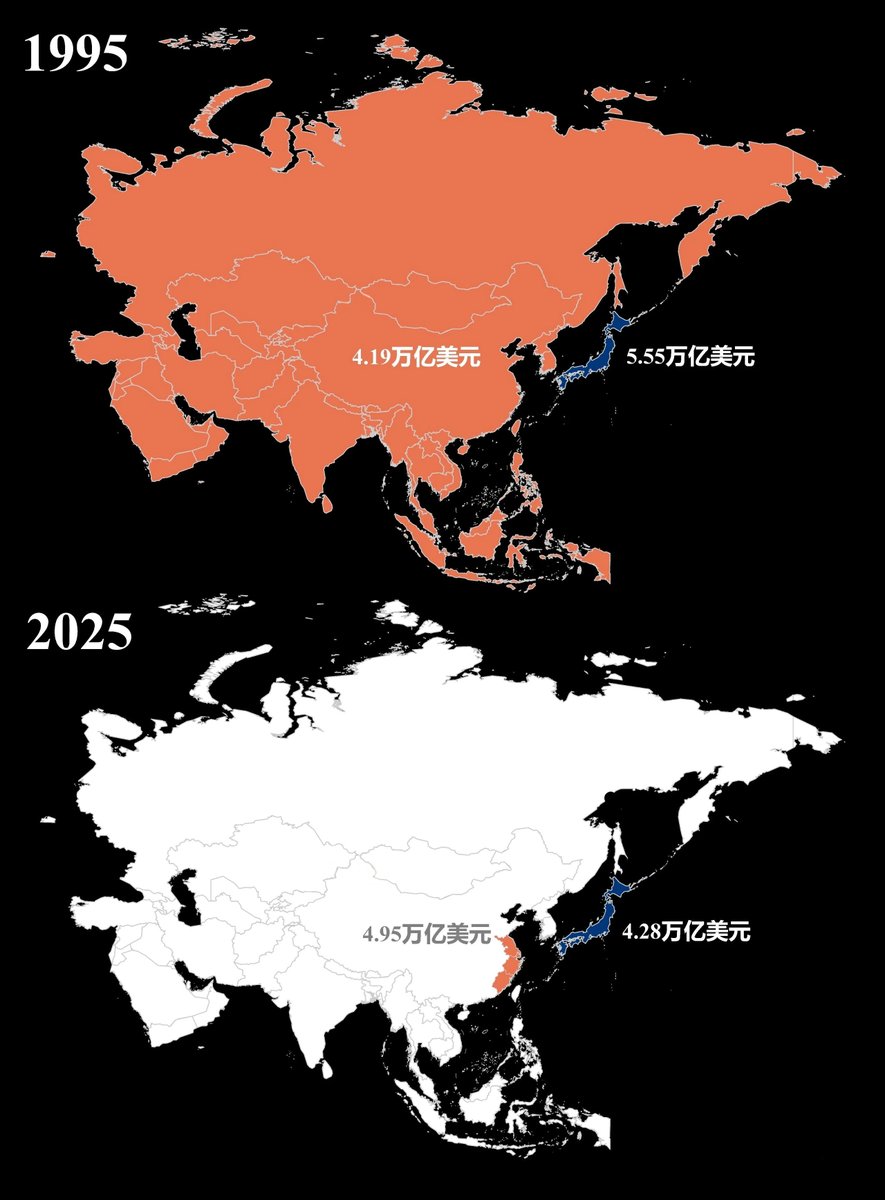
@Aaronusmagnus @honkitchang @CarlZha 历史的车轮滚滚向前,停滞就是倒退。你说话的逻辑就像没有接受过教育一样,什么叫中国比日本更早的停滞?正在奔跑的你,能比站着不动的人更早的站着不动?
中文
@honkitchang @CarlZha Japan hasn't regressed, it stagnated. Also it would we werid if China didn't make any progress after the rock-bottom condition Mao left it in. Mao delayed China's growth to 2-3 decades later than Korea and Taiwan, but whatever. Also China is now stagnating earlier than Japan
English
中文

@nali87929715 @bayu28989 사실이잖아?
아 물론 신장 위구르 사람들을 탄압, 학대, 착취하고 그땅을 강제점유하는 중국인들은 인간과 동물의 경계선에 서있는 수준으로 극단적 민족(민폐)주의이긴해.
그것도 사실이지
한국어


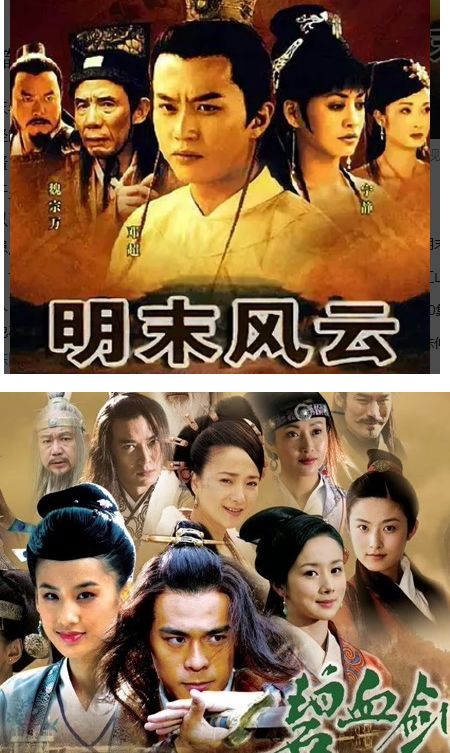
한복이나 hanfu 논쟁의 핵심은 이것 아닐까? 그동안 china가 보여줬던 영화나 드라마의 복장이 있는데, 한류에 영향을 받았는지 최근에는 좀 바뀐 것에 대해 표절이라고 비판을 하니까, 조선의 옷이 명나라 것이라고 따지는 것. 그런데 본질은 이렇다. 한류가 없었다면 china는 여전히 아래 이미지와 같은 스타일이지 않았을까. 문화의 영향은 과거에는 중원에서 한반도로 왔다면 지금은 한반도에서 china으로 가고 있다. 왜냐면 현 시대의 중원은 아시아태평양이고, china는 변방이니까. 중원에서 변방으로 문화가 흐르는 것은 당연. 현재는 그렇다는 것이고, china가 민주화가 되고 고품질의 문화 컨텐츠가 생산되면 이야기는 언제든 달라질 거다.
한국어


자꾸 오해받는 것 같아 덧붙이자면 한국은 현재 중국의 속국도, 미국의 속국도 아닙니다. 미국과는 동맹일 뿐 그것도 국가의 이익에 따라 언제든지 돌아설 수 있는 동맹이죠
지금의 한국이 미국한테 자치권을 빼앗긴 상태인가요? 사실 조선이 명, 청의 속국(not 종속국, yes 조공국)이던 시절에도
밈초@mimtchoc02
조선이 제후국이었고 중국의 속국임<이건 부끄러운 역사도 아니고 한국사가 열등하다는 증거도 아님 그냥 역사적 사실이라고 우리가 자꾸 속국을 현대적인 관점으로 생각해서 그렇지, 당시 동아시아에서 '속국'은 주권이 종속됐다는 게 아니라 중국 중심의 조공-책봉 외교에 속한 나라였다는 뜻임
한국어
@Hamibal4 @mimtchoc02 你脑子是不是有毛病啊?
朝鲜也好,韩国也罢,你们都是同一个民族啊。
你们现在只是暂时分裂了,未来还会统一的。
以北朝鲜这样的制度,未来迟早会被你们统一的。
你的意思是,朝鲜和韩国,一边各一国?
国际上虽然承认韩国和朝鲜是两个国家,可你们千万不要如此认可。
一个民族的灵魂是不能丢的!
中文

@Dajiangyou2010 @bayu28989 그니까 싸가지 없이 왜 남한북한 합쳐서 7천만명 있는 한반도의 전통의상을 중국 내 ^소수민족^ 의상으로 소개하냔 말이야
한국어

이런짓만 안하면 신경 안쓰지ㅋㅋ
중국은 한국문화랑 달라서 조금만 섞여도 중국 문화 섞였네 라고 다 알잔슴
얘네는 한복,고구려, 갓 훔치고 인정을 안해
송나라 갓은 조선 갓처럼 넓은 챙이 있는 반투명 말총 모자가 아니었고 천으로 만들었어.
명나라도 조선 갓 느낌의 모자는 일반적이지 않았지
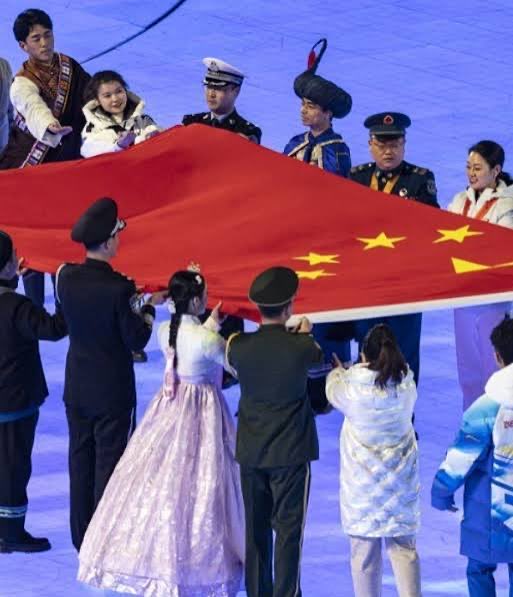
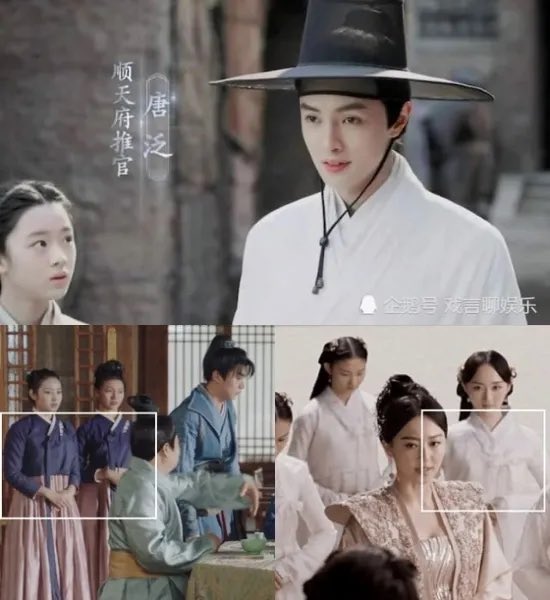
우용곡@Woo_yong_gok
1. 중국 문화를 받아들인 걸 부정하는 사람 아무도 없음. 그것도 중국이 전파한 게 아니라, 조선이 스스로 필요하다고 생각해서 선택적으로 받아들인 것. 2. 한국도 그렇고 동아시아는 중국하고만 교류한 것이 아님. 중국 외에도 전 세계와 교류했음. 이건 다른 나라도 마찬가지. 한국은 중국 루트 외 7가지의 루트로 문화를 교류함. 3. 명나라 복식은 당연히 조선 복식이 아니고, 조선 복식도 당연히 명나라 복식이 아님. 4. 영향받은 걸 부정한 적도 없다만, 굳이 굳이 따지면 조선 갓은 중국보단 몽골과 더 연관이 깊음. 5. 영향받은거 인정하면 뭐 어쩔건데? 중국만큼 사방에서 영향을 받고 섞인 나라가 할 말은 아닌듯 함.
한국어
@mimtchoc02 韩国网友,大家都学历史。
扪心自问:
历史上日本侵略韩国多少次?
中国帮你们多少次?
只要你们韩国有事,中国哪一次不帮你们。
当然,最近的一次裤衩子都赔了。
做中国的藩属国,中国不会驻军,只要求你们按照礼制不僭越就行。朝贡对你们来说是赚钱的生意。
再看看日本,殖民你们还要你们跪下说谢谢。
中文