Harrison Finn, PhD

1.9K posts

Harrison Finn, PhD

Harrison Finn, PhD

@HarrisonFinn

Neurophysiology | transcutaneous spinal cord stimulation | acute intermittent hypoxia | exercise | neuromodulation


Salt Lake City Katılım Ağustos 2011
638 Takip Edilen448 Takipçiler
Harrison Finn, PhD
Harrison Finn, PhD@HarrisonFinn·
Sustained blood pressure reduction associated with percutaneous auricular vagus nerve stimulation in hypertensive chronic pain patients: A retrospective dual-center analysis frontiersin.org/journals/cardi…
English
1
1
1
66
Harrison Finn, PhD retweetledi
European Journal of Applied Physiology
Research in the journal explored the effects of high-intensity interval exercise on muscle activation. Findings revealed that voluntary activation did not significantly decrease during sustained maximal contractions post-exercise. bit.ly/3Ntd82w
English
0
4
7
631
Harrison Finn, PhD retweetledi
ASNR
ASNR@ASNRehab·
CED is an #ASNR2026 Exhibitor! They provide data acquisition, analysis & experimental control systems for Windows using the powerful 1401 family of lab interfaces. With their Signal software, you can control intensities & stimulus timings of the more popular magnetic stimulators.
ASNR tweet media
English
1
1
3
76
Harrison Finn, PhD retweetledi
Casper Søndenbroe
Casper Søndenbroe@Soendenbroe·
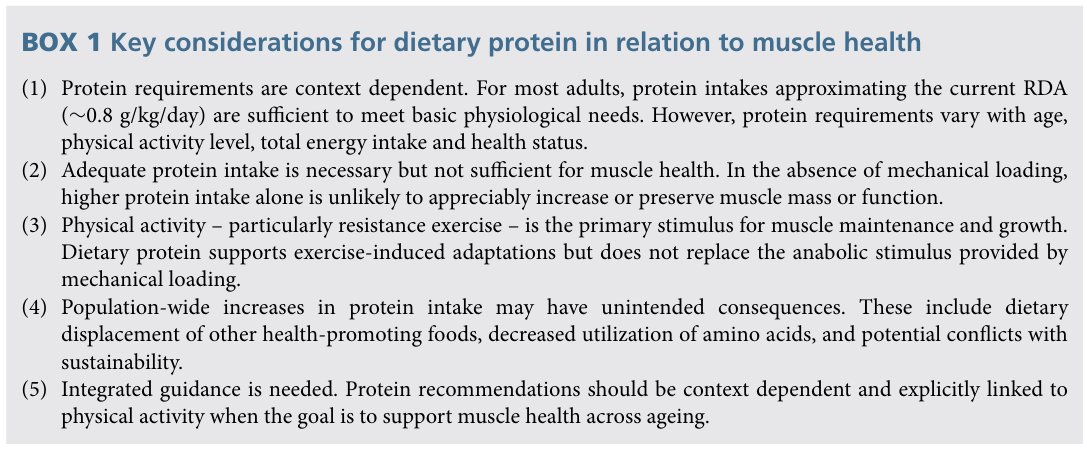
YOU CAN’T EAT YOUR WAY TO MUSCLE Our new paper in The Journal of Physiology shows that higher protein intake alone is unlikely to improve muscle health without increased physical activity.
Casper Søndenbroe tweet media
English
7
15
126
8.1K
Harrison Finn, PhD retweetledi
Simon A. Sharples, PhD 🇨🇦
I love a good story about persistent inward currents (PICs). But I’ve always wondered: could other ion channels contribute to the motoneuron firing behaviours we usually attribute to PICs? Our new preprint from @NCMlab suggests the answer might be yes. biorxiv.org/content/10.648…
English
0
1
8
199