Reinier ter Hart 🏳️🌈🐟🕊️
16.4K posts
Reinier ter Hart 🏳️🌈🐟🕊️
@HartReinier
meningsverschillen zijn oké,discriminatie en schelden betekent blokkeren.
Amsterdam, Nederland Katılım Şubat 2022
1K Takip Edilen668 Takipçiler

Out of all the World leaders who do you consider to be the most dangerous currently?
1. Vladimir Putin.
2. Bibi Netanyahu
3. Donald J Trump.
4. Kim Jong Un.
5. Xi Jinping.
6. Ayotollah Mojtaba Khamenei
7. Write in
English

instagram.com/reel/DYKjvlwsD…? Two normal people in love igsh=Ynd6dDNtYThhaGVw
English
Norsk



Are Trump supporters misinformed, ignorant or just plain stupid?
English

Wat was ze competent hè? #kuch nos.nl/artikel/261416…
Nederlands

Donald Trump just arrived in China with independent businessman Eric Trump, Elon Musk, and others.
Endless corruption.
English

English

@Mr_Husky1 @allentien This is not a photo of Princess Juliana. Too pretty.
Goodness knows who it is.
English

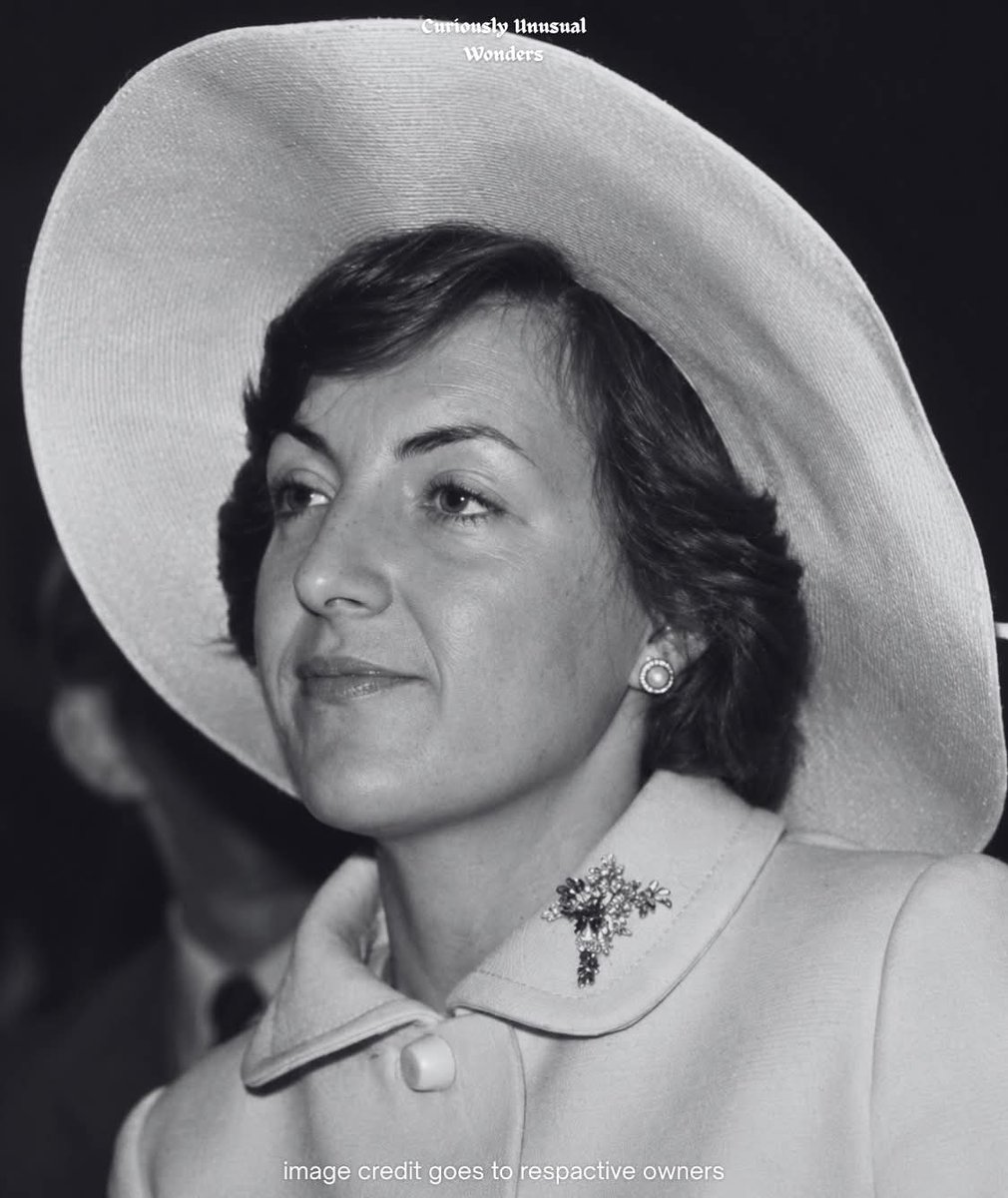
In 1943, Canada erased a hospital room from existence to save a royal baby — and Europe's oldest monarchy thanked them with flowers that still bloom 80 years later.
The Nazis had taken Holland. Crown Princess Juliana of the Netherlands had fled across the Atlantic with her daughters, finding refuge in Ottawa while her homeland burned. Now she was pregnant — and that pregnancy had triggered a constitutional crisis no government had ever faced.
The problem was brutally simple: If this baby was born on Canadian soil, Canadian law would grant automatic citizenship. And the ancient laws governing Dutch royal succession were unforgiving. Any hint of foreign citizenship could disqualify this child from ever ascending to the throne.
Sending her home wasn't an option. German U-boats prowled the waters. The royal palace in The Hague had swastikas hanging from its windows.
So Canada's lawyers did something that belongs in a novel, not a history book.
On January 19, 1943, the Canadian government issued an Order in Council that rewrote reality. The maternity suite at Ottawa Civic Hospital was declared extraterritorial. Not Canadian. Not Dutch. Not part of any nation on Earth.
For the span of a birth, that room existed in a legal void — a pocket of nowhere wrapped in hospital walls.
Princess Margriet was born into that impossible space. The moment she drew breath, she was Dutch — purely, legally, unquestionably Dutch. No competing allegiance. No threat to her royal destiny. The lawyers closed their books. The doctors smiled.
And then, as quietly as it had vanished, the room became Canadian again.
The war ended. Holland was liberated. And the Dutch Royal Family didn't just say thank you — they said it in a language that would outlive everyone who spoke it.
In 1945, 100,000 tulip bulbs arrived in Ottawa. Not as decoration. As gratitude made tangible.
But one shipment wasn't enough to express what Canada had done. So they kept sending them. Every single year since 1945, the Dutch Royal Family sends 20,000 more bulbs to the Canadian capital.
Today, if you walk through Ottawa every May, you'll find over three million tulips blazing along the Rideau Canal, flooding through Commissioners Park, turning the city into rivers of crimson, gold, and violet. Most people who stop to take photos have no idea they're standing in the middle of a thank-you note that's been growing for eight decades.
Princess Margriet is 83 now. She still makes the journey to Ottawa during tulip season, walking through gardens that exist because she was once born in a room that legally didn't.
Some acts of kindness become gardens. Some thank-yous outlive everyone who gave them.
And some flowers bloom forever.
English

MEET AN UNKNOWN ISRAELI HERO
His name is Matan.
Like most Israelis, he looked forward to serving in the IDF to protect his country.
But when Matan was 15, his vision started to deteriorate.
It reached a point where he was declared legally blind.
This meant
Continued -

English
@Johan_Zandt @vester71 Bonaire is een deel van Nederland.
Nederlands

@vester71 Klaar met deze flauwekul. Van onze centen rondreizen en wat niets concreets oplevert. Hier in NL zijn genoeg problemen om aan te pakken!
Nederlands


Extreemrechtse Raisa "Gewone mensen die tegen omvolking protesteren worden weggezet als extreemrechts. Antifa is een extreemlinkse organisatie, de mensen die hier staan zijn absoluut geen vriendelijke figuren. Dit zijn mensen die de democratische rechtsstaat omver willen werpen."
Nederlands
Reinier ter Hart 🏳️🌈🐟🕊️ retweetledi


What has Trump done during his second term that has bothered you the most?
1. The War in Iran
2. The Economy like Gas,Food,Electricity & Healthcare prices.
3. Immigration policy
4. Gerrymandering
5. Blaming Biden and Obama for his failures.
6. All of it

English

Trump calls Democrats “Dumbocrats” because they are “dumb.”
Am I a bad guy if I start calling them RapeUblicans?
English

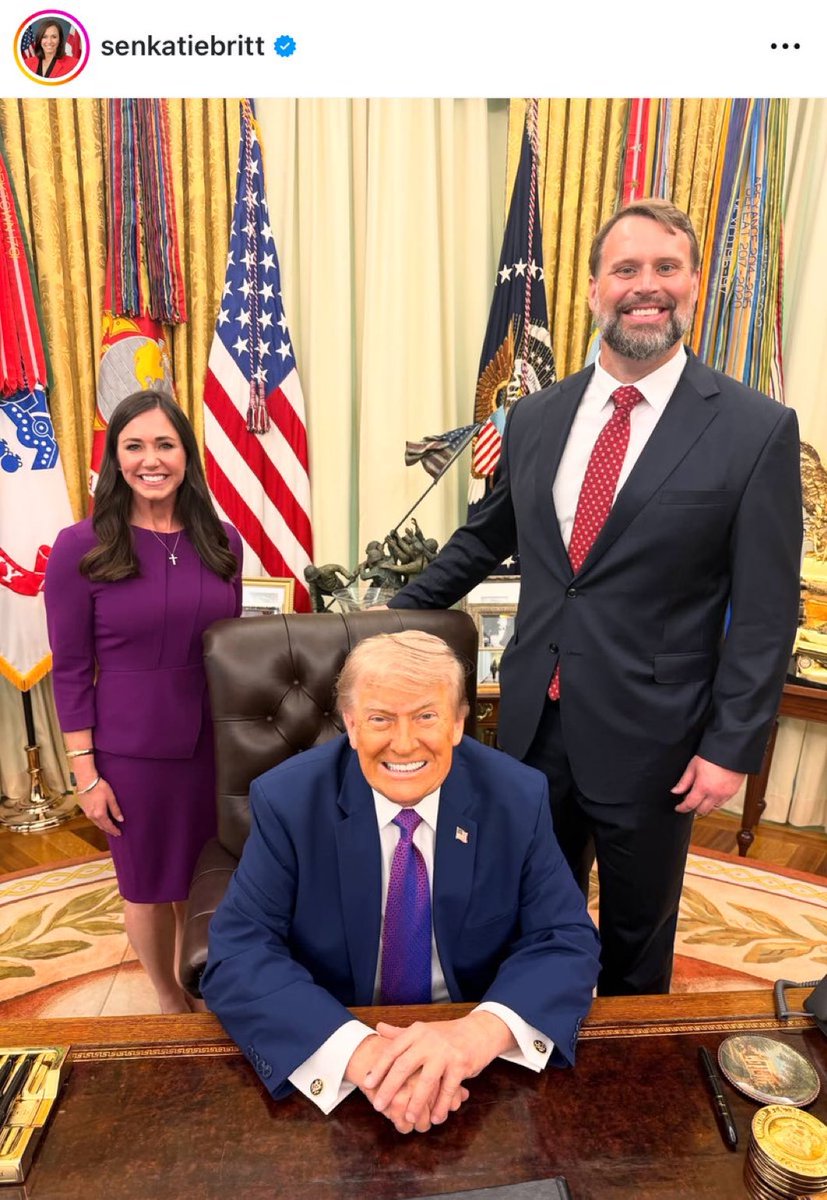
Here’s Sen. Katie Britt posted this pic of Donald Trump!
What do you see?
English
@aramentula @paperssil Didn’t you know? All gay man can.
English

@paperssil “They could turn their heads 180 degrees” “aliens are real”
English


@ChrisAalberts Protocol,goed dat het wordt opgevolgd.
Nederlands
Ik ben tegen paniek zaaien, maar als het zo gaat, zitten we binnenkort allemaal weer in lockdown. Wat is dit? nu.nl/binnenland/639…
Nederlands

@atrupar Brain worm, heroin user, sniffer of cocaine off of toilet seats, raccoon penis procurer...yeah, not trusting anything from him.

English

RFK Jr: "In 1970, men had twice the sperm count as our teenagers do today"
English