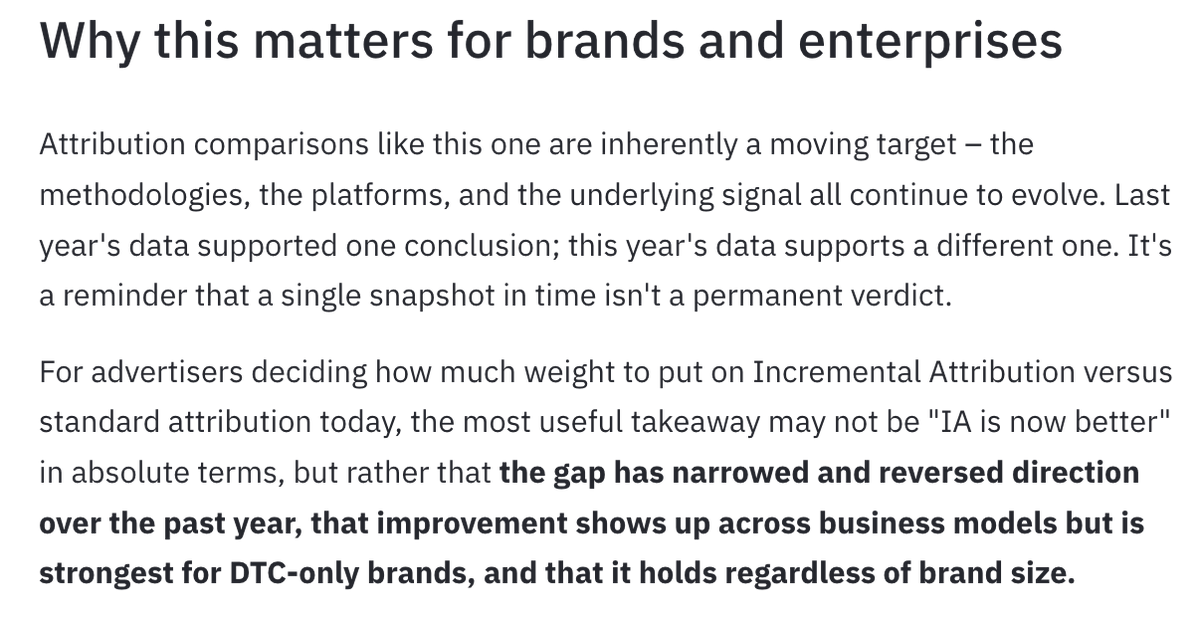
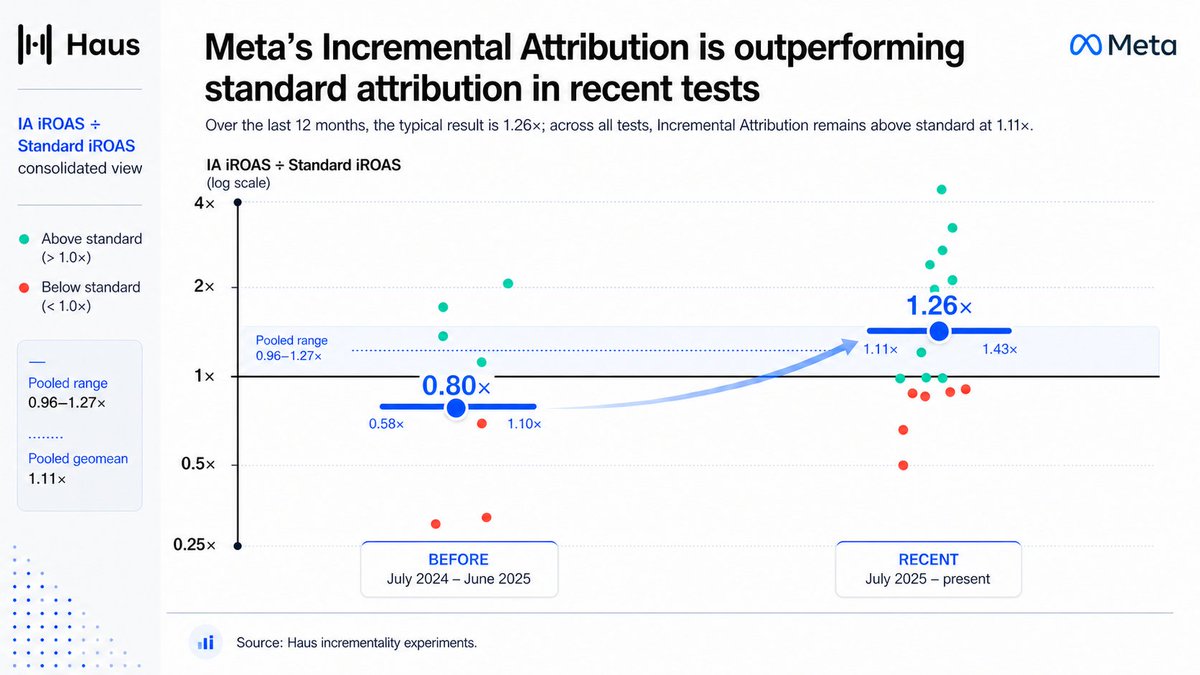
You run an incrementality experiment against a marketing campaign. You evaluate the results. You take action based on the results. Business outcomes ensue. Simple, right?
One catch: The delayed effects of a marketing campaign can be famously challenging to understand. If you cut or reallocate spend too soon based on initial results, you potentially miss out on meaningful incremental revenue.
Knowing how, when, and where to measure lagged lift in your marketing strategy is more important than ever, and our latest research looks at hundreds of incrementality tests across Haus customers – from enterprise powerhouses in fintech and retail to consumer brands in beauty and wellness — to dive into delayed impact patterns in the data.
Here’s a taste:
// Across hundreds of upper-funnel experiments, ~25% of incremental lift arrives after the media spend window closes, during the post-treatment window (PTW)
// Delayed lag hits hardest in retail sales: For experiments measuring retail outcomes — including lift at Target, Walmart, Sephora, and similar retailers — the median share of lift arriving in the post-treatment window is ~29%
// The category in which you’re selling matters big time — more so than marketing channel (see chart)
// Upper-funnel tests beat a brand's median iROAS 65% of the time when run 7+ weeks — compared to just 44% success rate when run 4 weeks or less
That’s the tip of the iceberg. Our latest research — The Delayed Impacts of Upper-Funnel Marketing — is available today. 🔽

English