Helen How Edinburgh

17K posts

Helen How Edinburgh banner
Helen How Edinburgh

Helen How Edinburgh

@HelenHowOsteo

Specialist Rehab Osteo Regenerative Medicine Rehabilitation | Shockwave + partnership Karlinska Institute MSC Stem Cells Research https://t.co/7SJEMLCvMv

Edinburgh Katılım Nisan 2011
1.3K Takip Edilen1.3K Takipçiler
Sabitlenmiş Tweet
Helen How Edinburgh
Helen How Edinburgh@HelenHowOsteo·
Donor Bone Marrow Stems Cells 20 years of scientific research from Karolinska Institute (MSCs) Clinical Trials Bahamas 🔗 cellcolabs.com 🇸🇪at Physical Longevity physical-longevity.com Delighted 35yr tennis player who had 2 x ACL ruptured + meniscus op consent ✅
Helen How Edinburgh tweet mediaHelen How Edinburgh tweet mediaHelen How Edinburgh tweet media
English
0
0
4
1.7K
Helen How Edinburgh
Helen How Edinburgh@HelenHowOsteo·
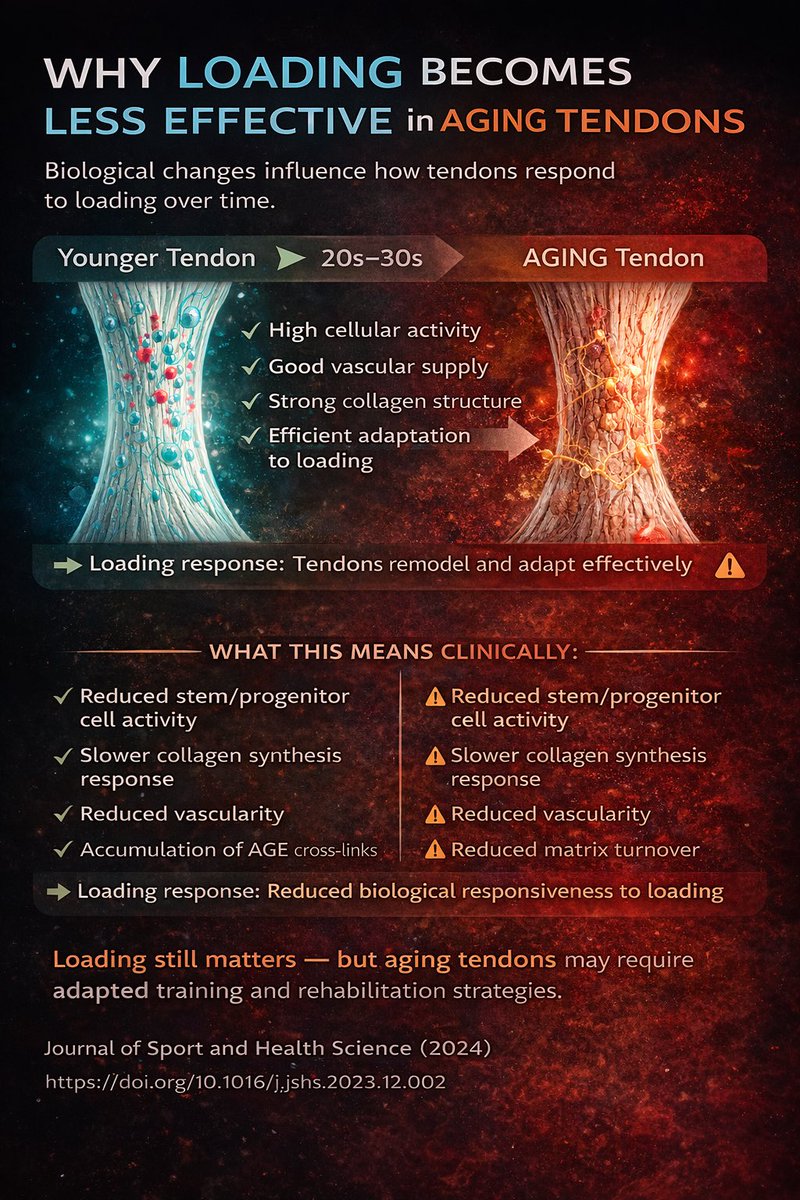
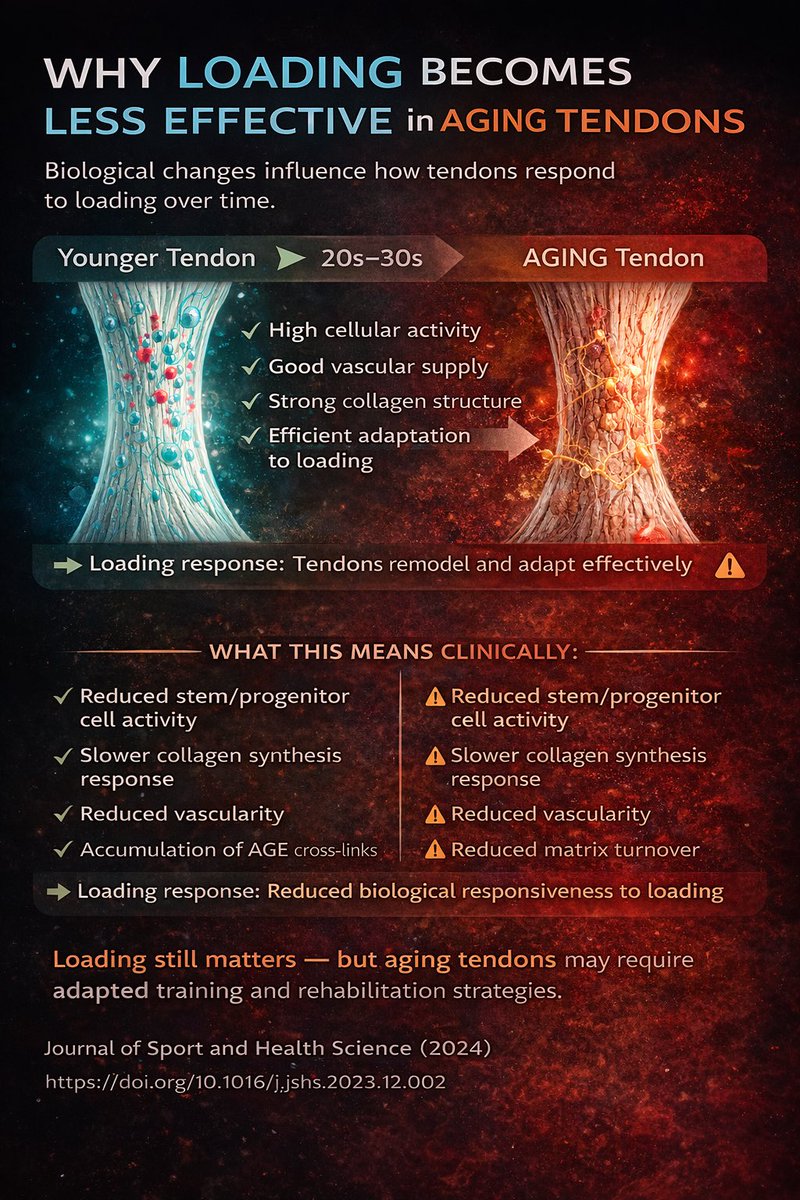
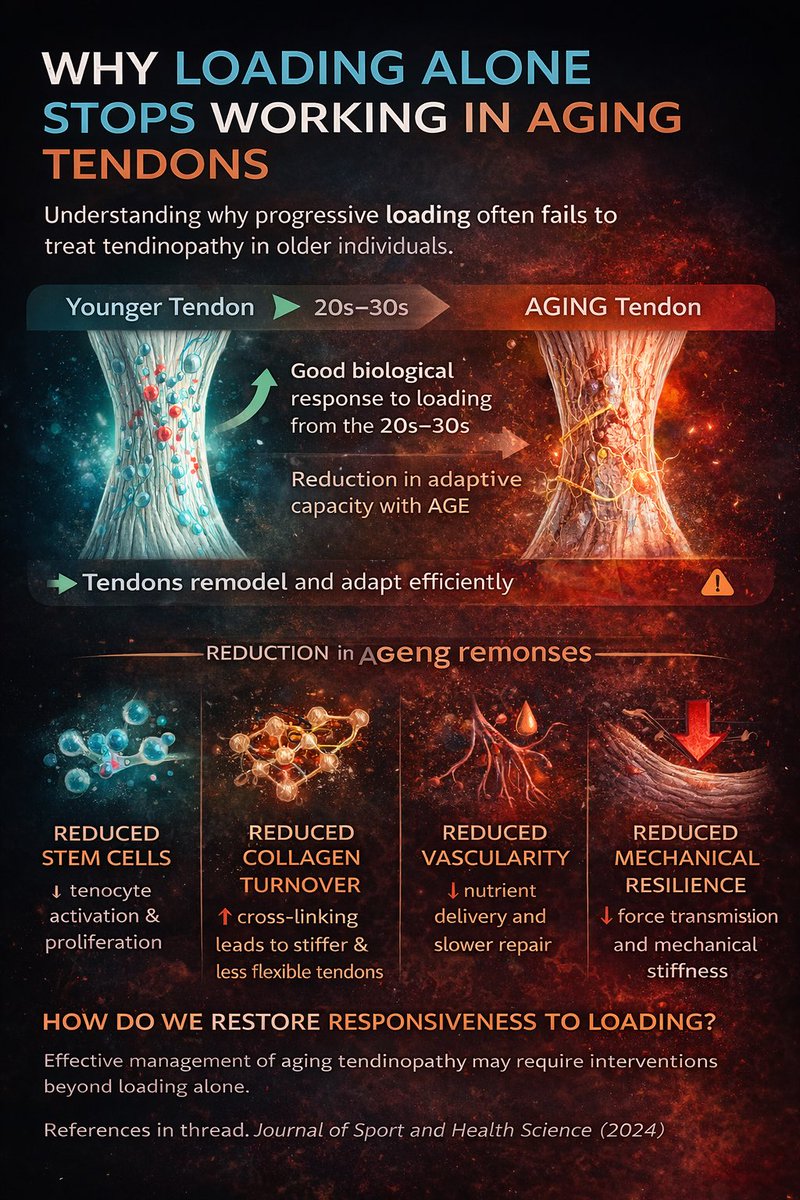
There’s a growing body of evidence showing that tendon biology changes with age, which can influence how well tissue responds to loading alone. Key findings from tendon ageing literature include: • Reduced stem/progenitor cell number and function • Reduced vascularity • Altered extracellular matrix turnover • Impaired regenerative capacity These changes are associated with reduced healing potential and altered adaptation to load Aging is also recognised as a key predisposing factor for tendinopathy and poorer recovery following injury mdpi.com/1422-0067/24/2…
Helen How Edinburgh tweet mediaHelen How Edinburgh tweet media
English
0
0
0
23
Helen How Edinburgh
Helen How Edinburgh@HelenHowOsteo·
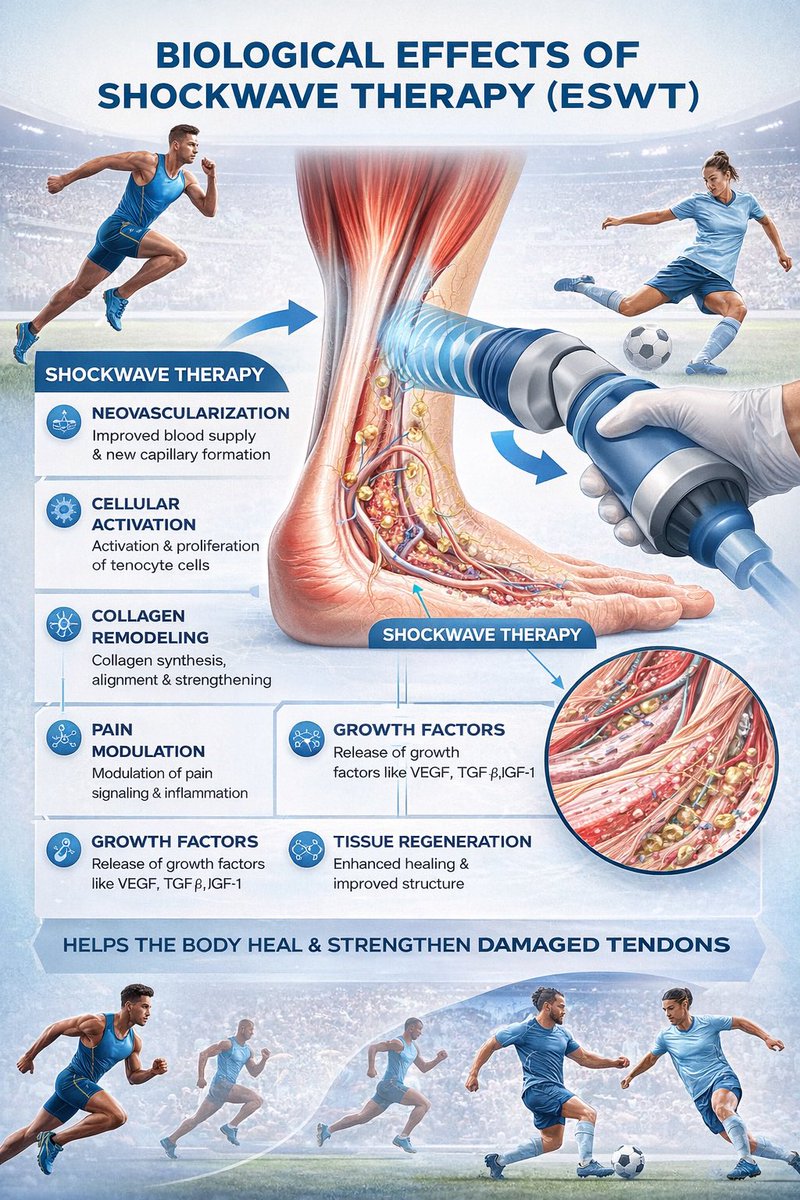
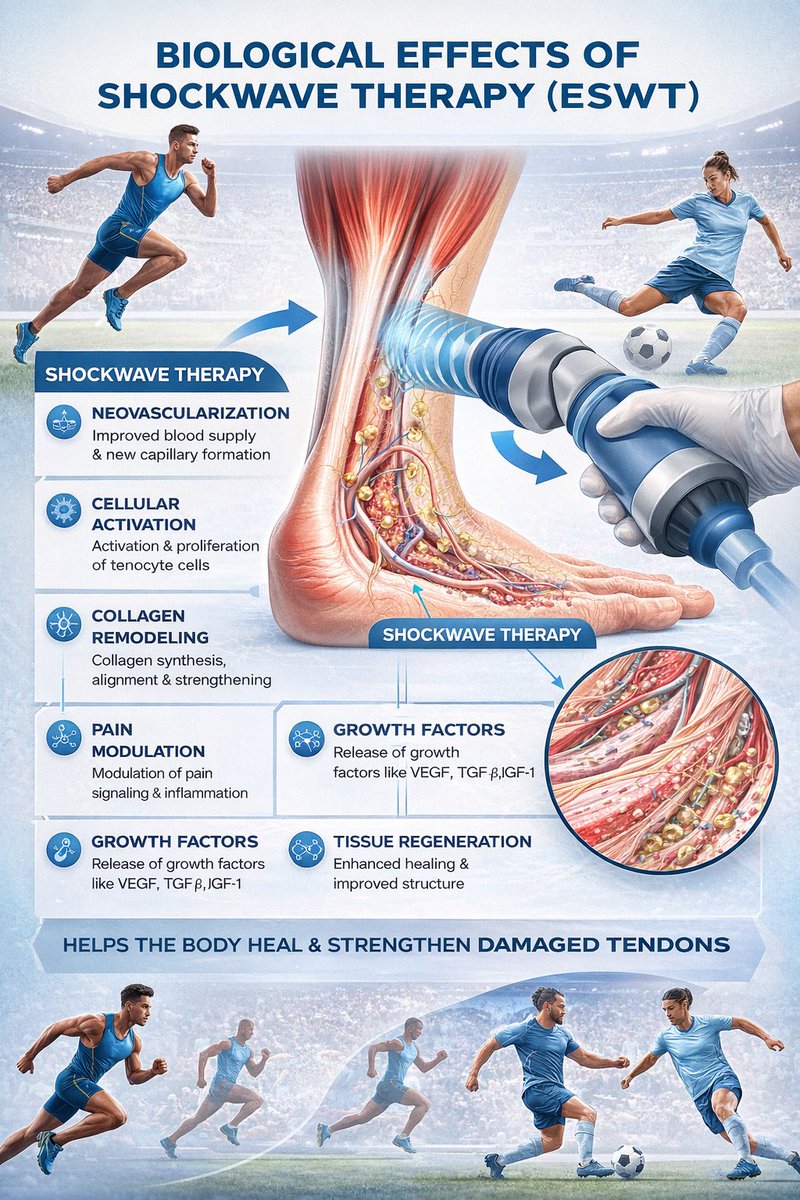
Shockwave therapy works by giving the tendon a controlled stimulus that kick-starts the healing process. It helps increase blood flow, activates tendon cells, and encourages the body to produce and organise stronger collagen. It also helps settle pain and irritation in the tissue. Tendons are slow to adapt, so this process continues over weeks, not days. When the diagnosis is right, shockwave is a very safe treatment. Over 11 years, I’ve used it across all tendon problems—from Achilles to shoulders—particularly in athletes who often prefer to avoid injections. I’ve seen consistently strong results when it’s combined with the right rehab. Demand has grown significantly, with a full clinic and ongoing waiting list, having to turn patients away.
Helen How Edinburgh tweet media
English
0
1
1
94
Helen How Edinburgh
Helen How Edinburgh@HelenHowOsteo·
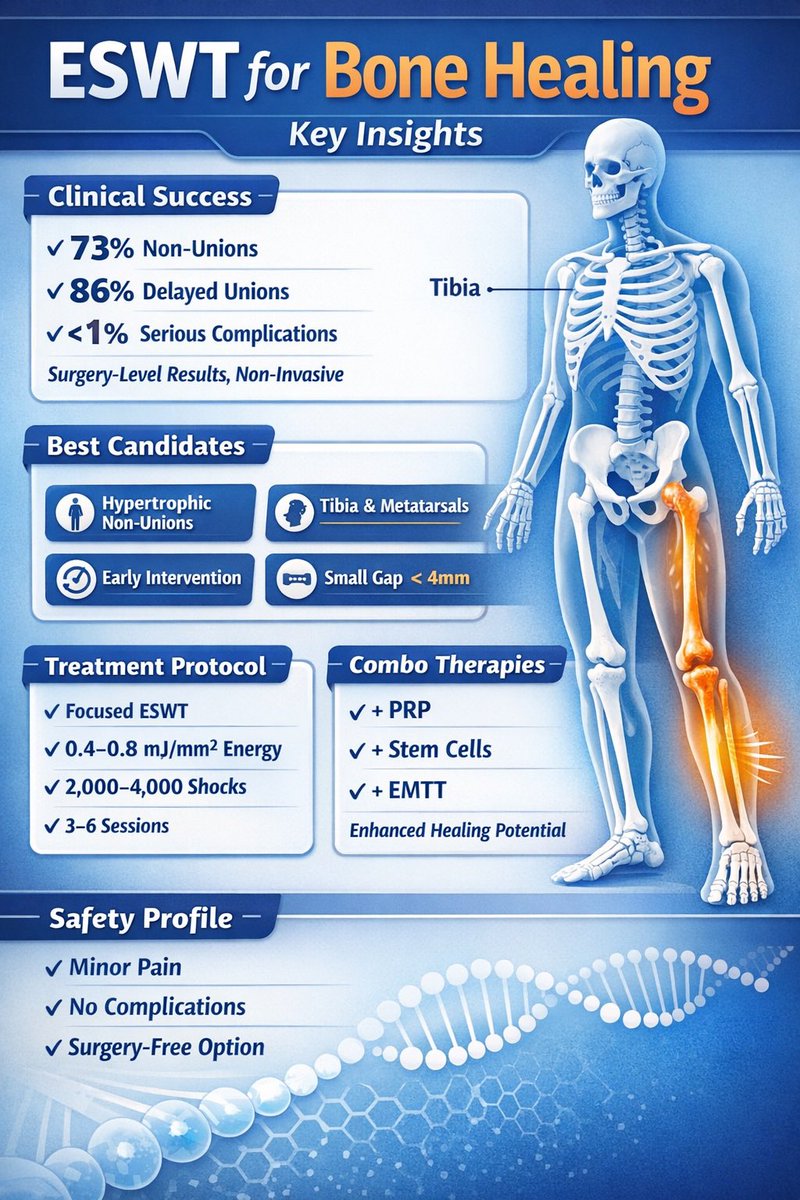
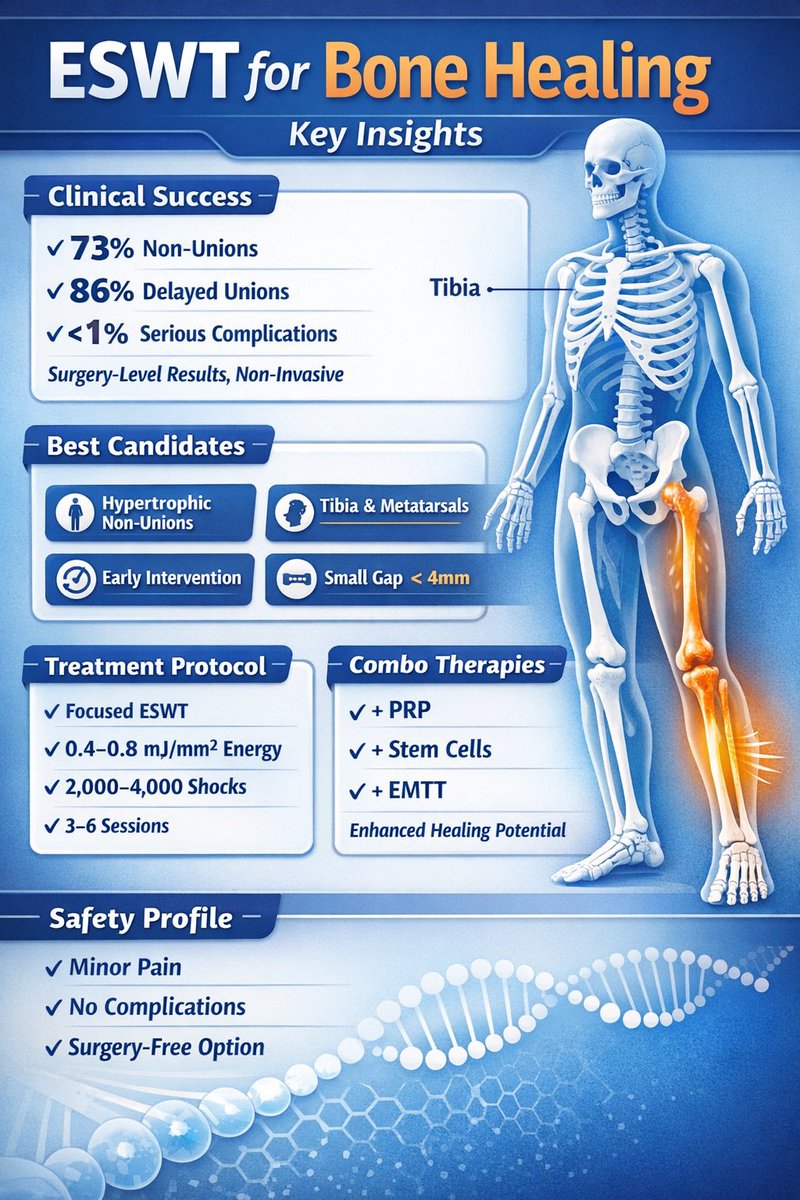
Extracorporeal Shock Wave Therapy (ESWT) and Bone Healing ESWT is increasingly recognised as a credible non-invasive option in the management of fracture non-union and delayed union. Current evidence suggests union rates of approximately 73% for established non-unions and 86% for delayed unions, outcomes that are comparable to surgical intervention but achieved with a markedly superior safety profile. Importantly, ESWT is not simply a mechanical stimulus. Emerging research demonstrates that its effects extend across multiple biological systems, including mechanotransduction pathways, angiogenesis–osteogenesis coupling, immunomodulation (macrophage polarisation), and stem cell signalling. This positions ESWT as a genuinely regenerative intervention rather than a purely symptomatic treatment. Clinical outcomes are strongly influenced by fracture biology and timing. The most favourable responses are seen in hypertrophic non-unions, smaller fracture gaps, and earlier intervention, while atrophic non-unions and compromised vascularity remain more challenging and may require combined or surgical approaches. This summary is based on a synthesis of approximately 100 peer-reviewed studies, including systematic reviews, randomised controlled trials, and translational mechanistic research, reflecting the current direction of evidence in ESWT and bone healing. As research continues to evolve, particularly in combination therapies (e.g. ESWT with PRP or stem cells), ESWT is becoming an increasingly important tool within the modern fracture healing pathway—bridging the gap between conservative care and surgical intervention.
Helen How Edinburgh tweet media
English
0
0
1
34
Running-Physio
Running-Physio@tomgoom·
Does inflammation play a role in tendinopathy? 🤔 We had moved away from it but recent research is suggesting both local and systemic inflammation may be part of the pathology. What do you think?
Running-Physio tweet media
English
1
7
17
1.5K
Helen How Edinburgh
Helen How Edinburgh@HelenHowOsteo·
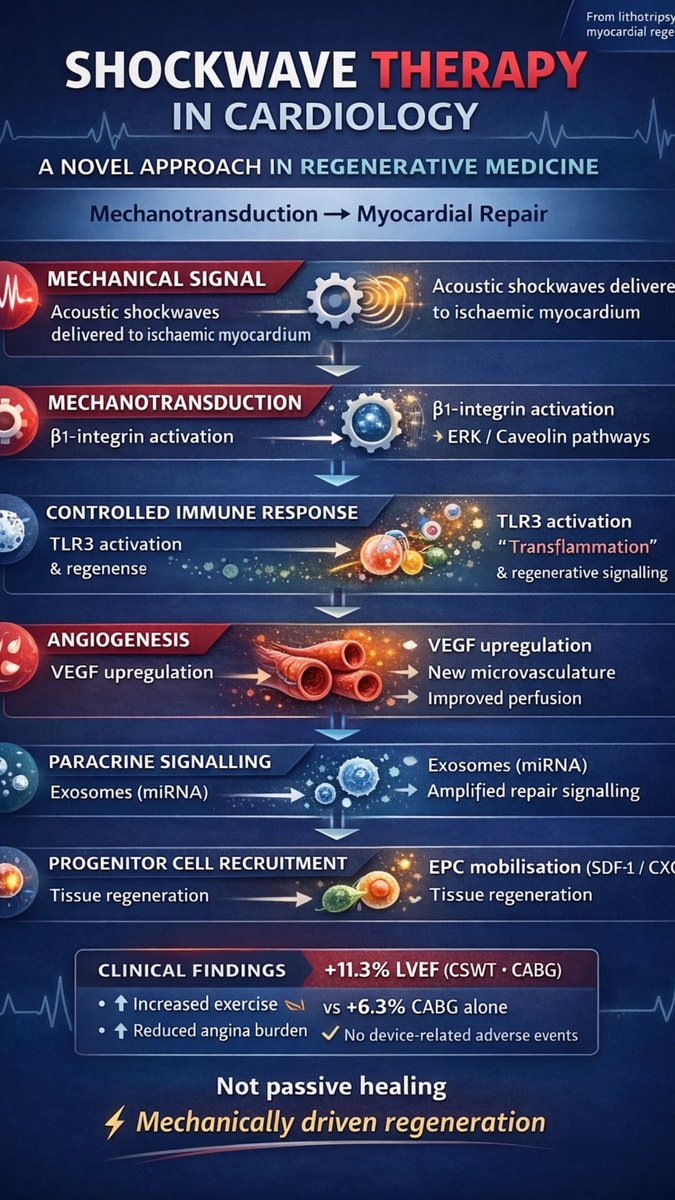
SHOCKWAVE THERAPY IN CARDIOLOGY A novel approach within regenerative medicine Mechanotransduction → Myocardial Regeneration Low-energy shockwaves initiate a biological cascade within ischaemic myocardium, activating endogenous regenerative pathways rather than inducing tissue damage. 1. Mechanical stimulus Acoustic energy activates β1-integrin mechanoreceptors 2. Signal transduction ERK1/2 and caveolin-1 pathways → vesicle release 3. Immune activation TLR3-mediated signalling (“transflammation”) 4. Angiogenesis VEGF/VEGFR2 signalling → neovascularisation 5. Paracrine signalling Exosome (miRNA) release → amplified repair 6. Cellular adaptation Progenitor recruitment and fibroblast-to-endothelial transition Clinical signal • Improved LVEF (~3–4%) • Increased functional capacity • Reduced angina burden • Improved perfusion CAST-HF (2024) +11.3% LVEF (CSWT + CABG) vs +6.3% CABG alone No device-related adverse events First described in myocardial ischaemia (Nishida et al., 2004), with evolving clinical evidence including CAST-HF (EHJ, 2024). Mechanically mediated myocardial regeneration #Cardiology #RegenerativeMedicine
Helen How Edinburgh tweet media
English
0
0
0
27
Helen How Edinburgh
Helen How Edinburgh@HelenHowOsteo·
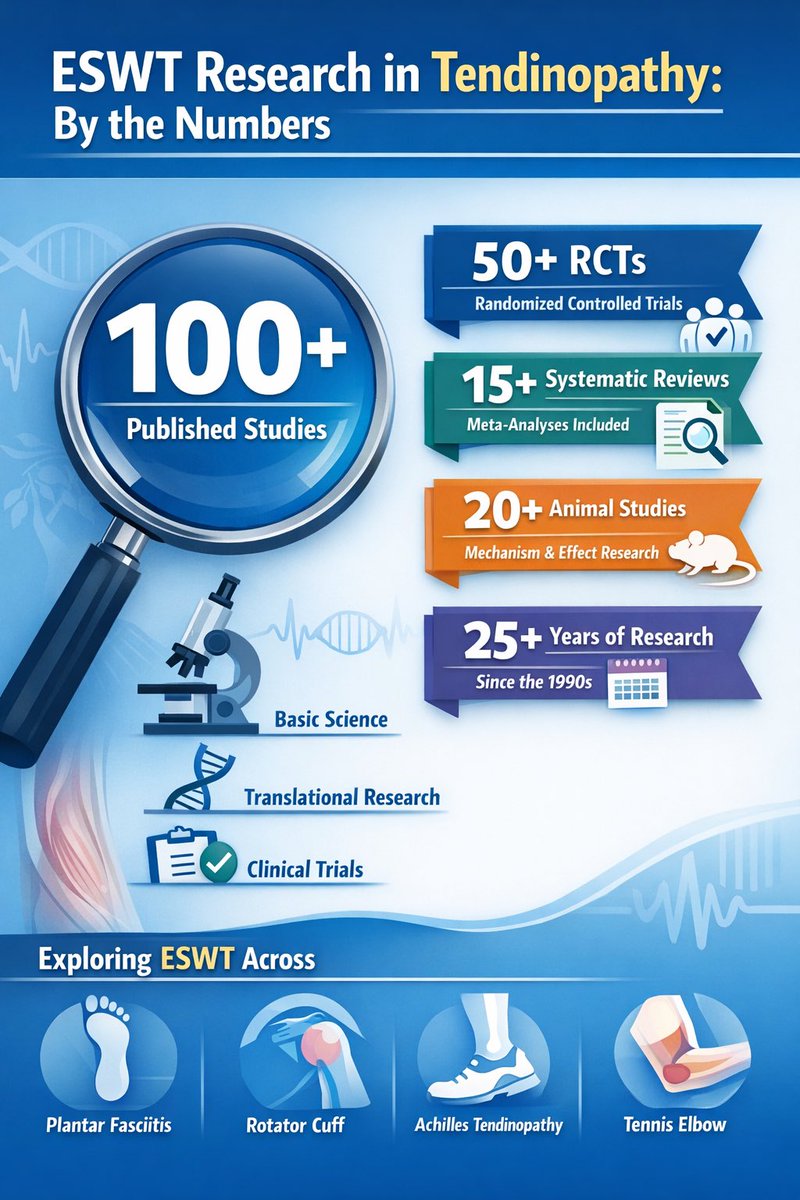
Extracorporeal shockwave therapy (ESWT) is supported by a substantial body of research across tendinopathy. However, many clinical trials use short, standardised protocols—typically around three sessions—which may not reflect the underlying biology of tendon adaptation. Tendons are slow to remodel, with processes such as collagen turnover, tenocyte activity, and extracellular matrix reorganisation occurring over weeks to months. ESWT acts as a biological stimulus, initiating these processes rather than completing them within a short timeframe. As a dose-dependent intervention, insufficient cumulative dosing may fail to meaningfully influence this cascade. In clinical practice, treatment is often delivered over longer periods and adjusted to response, better aligning with the temporal nature of tendon healing and adaptation.
Helen How Edinburgh tweet media
English
0
0
1
53
Helen How Edinburgh
Helen How Edinburgh@HelenHowOsteo·
Extracorporeal Shock Wave Therapy (ESWT) is increasingly recognised as a credible non-invasive option for fracture non-union, with union rates of ~73% in established non-unions and ~86% in delayed unions—comparable to surgical outcomes with a superior safety profile. These findings are supported by a synthesis of approximately 100 peer-reviewed studies, including systematic reviews, randomised controlled trials, and mechanistic research, highlighting ESWT’s role in mechanotransduction, angiogenesis, and immunomodulation within bone healing.
Helen How Edinburgh tweet media
English
0
0
2
59
Helen How Edinburgh
Helen How Edinburgh@HelenHowOsteo·
Shockwave therapy has been transforming athlete recovery for 30 years — and the science has never been stronger. 💥 500+ studies. Six clinical disciplines. From tendons and bones to nerves and the heart — the evidence base is extraordinary. We’ve just compiled the most comprehensive ESWT / EMTT Research Bibliography to date and the results speak for themselves. Faster recovery, better outcomes, and three decades of research backing every single treatment. This is why we trust it. This is why our athletes do too. 🙌 #ShockwaveTherapy #ESWT #AthleteRecovery #SportsRehab #ElitePerformance #EvidenceBasedMedicine #EMTT #InjuryRecovery #ReturnToPlay
Helen How Edinburgh tweet media
English
0
2
1
94
Helen How Edinburgh
Helen How Edinburgh@HelenHowOsteo·
🌊 30 Years of Shockwave Therapy — The Evidence is Extraordinary We’ve just finished compiling a comprehensive ESWT / EMTT Research Bibliography and the depth of the evidence base genuinely surprised us. 📚 500+ clinical studies and references — spanning over 30 years of research, from the early 1990s through to 2025. Here’s how the evidence breaks down by speciality: 🦴 Orthopedic ESWT — ~379 studies The largest and most established body of work. Covering Plantar Fasciitis, Achilles, Knee, Hip, Shoulder, Elbow, Spine, Bone healing, Myofascial, and more. The sheer volume here reflects decades of clinical validation across musculoskeletal medicine. ⚡ Orthopedic EMTT — ~16 studies A newer but rapidly growing area. Extracorporeal Magnetotransduction Therapy is emerging as a powerful complement to ESWT, with early results across Bone, Knee, Shoulder and Pelvis already turning heads. ✨ Aesthetic & Dermatology — ~38 studies Covering chronic wound healing, diabetic foot ulcers, scar treatment and aesthetics. A surprisingly strong evidence base that many practitioners don’t realise exists. 🧠 Neurological — ~29 studies From nerve regeneration and concussion recovery to Alzheimer’s and depression — one of the most exciting and fast-moving frontiers in shockwave research right now. ❤️ Vascular & Cardiac — ~11 studies Cardiac shockwave therapy for ischaemic heart disease, peripheral arterial disease and coronary artery disease. Small in number but the quality of the trials — including RCTs — is compelling. 🔬 Oncological & Other — ~4 studies Including lymphedema, dental implant osseointegration and veterinary applications. Early stage but worth watching. 📎 Plus a substantial reference list of additional studies still being integrated into the full bibliography. What the data tells us is a clear story of trajectory. Research was slow and steady through the 90s and 2000s. From 2015 onwards the literature surged — and the last 3 years alone have seen a remarkable concentration of high-quality RCTs, systematic reviews and Meta-Analyses. Shockwave therapy is not an emerging modality. It is an established, multi-disciplinary clinical tool backed by three decades of growing evidence. Proud to have pulled this together. 💙 #ShockwaveTherapy #ESWT #EMTT #EvidenceBasedMedicine #Physiotherapy #Rehabilitation #MusculoskeletalMedicine #ClinicalResearch #WoundHealing #Neurology #CardiacRehabilitation
Helen How Edinburgh tweet media
English
1
2
1
98
Helen How Edinburgh
Helen How Edinburgh@HelenHowOsteo·
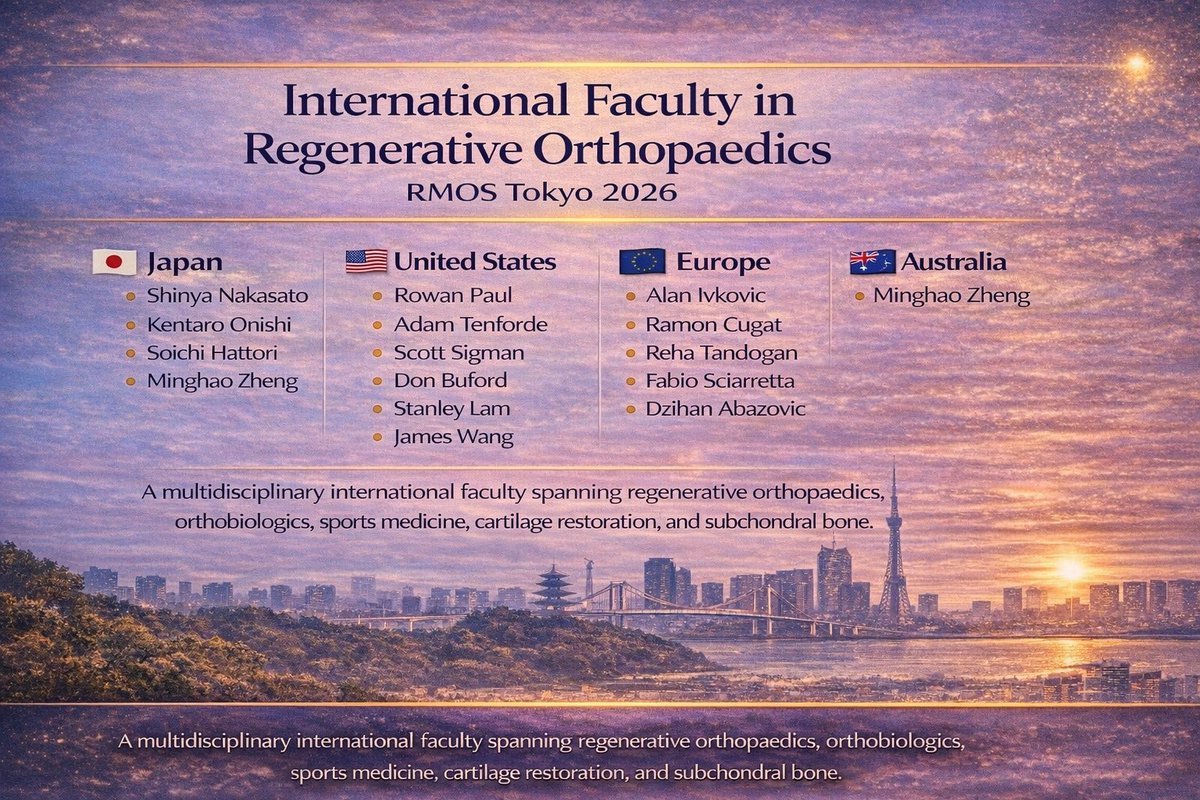
The 5th Regenerative Medicine Orthopaedic Society Tokyo March 20 -22 The importance of regenerative medicine education has never been more relevant in orthopaedic practice. As our understanding of biological healing continues to evolve, so does our appreciation of when intervention is truly necessary — and when the body’s own biology deserves respect and space to function. The 5th Regenerative Medicine Orthopaedic Society (RMOS) Summit, Tokyo, March 20–22, 2026, brings together an outstanding international faculty from Japan, the United States, Europe, and Australia. The program spans 8 specialized academic sessions and 3 hands-on masterclasses covering orthobiologics, cartilage restoration, sports medicine, upper extremity, foot and ankle, and knee preservation — alongside a full day of hands-on cadaveric training. As the field matures, conferences like this play a vital role in shaping how we think about treatment decisions — understanding not just what we can do, but what we should do, and when conservative biological management may serve our patients far better in the long term. Wishing all faculty and attendees a truly enriching and inspiring summit in Tokyo. We very much look forward to welcoming RMOS to Europe in the future. 🔗 emedevents.com/c/medical-conf… #RegenerativeMedicine #Orthobiologics #JointPreservation #CartilageRestoration #PatientCentredCare #BiologyFirst #RMOS2026 #SportsMedicine #EvidenceBasedMedicine #ClinicalExcellence #FirstDoNoHarm #PatientFirst #MedicalEducation #OrthobiologicSociety #ConsiderConservative
Helen How Edinburgh tweet media
English
0
0
0
53
Helen How Edinburgh
Helen How Edinburgh@HelenHowOsteo·
Why aging tendons stop responding to loading protocols Aging tendons are not just slower to heal. They are biologically different. From the fourth decade, stem cell populations decline, tenocyte activity slows and vascularity reduces. By the sixth decade, AGE crosslinks have accumulated in collagen that stopped renewing after age 17, the stem cell pool is critically depleted and chronic low-grade inflammation — inflammaging — further compromises repair capacity. Loading-based rehabilitation works by converting mechanical stimulus into biological repair. That process depends on functional tenocytes, adequate vascularity and intact mechanotransduction. In aging tendons all three are progressively impaired. This is not a protocol failure. It is a biological substrate failure. Extracorporeal shockwave therapy bypasses this impaired pathway entirely, delivering direct biological stimulation — neovascularisation, tenocyte proliferation, ECM remodelling and growth factor upregulation — independent of the mechanotransduction machinery aging has broken. The evidence suggests ESWT functions as a biological primer, restoring enough tissue capacity for loading to become effective again. 📄 Kwan et al. 2023 — doi.org/10.3390/ijms24… 📄 Magnusson & Kjaer 2019 — doi.org/10.1113/JP2754… 📄 Poenaru et al. 2023 — doi.org/10.3892/br.202…
Helen How Edinburgh tweet mediaHelen How Edinburgh tweet media
English
0
2
2
100
Helen How Edinburgh
Helen How Edinburgh@HelenHowOsteo·
Case Study: Lumbar Spine / Shockwave A really nice example of how collaborative care can work at its best. This patient presented with long-standing lower back pain (>15 years). MRI showed degenerative disc changes, facet joint irritation, and a mild spondylolisthesis, but importantly no neural compression. We started a programme of: •Focused shockwave therapy to the lumbar facet joints •Targeted rehab (spinal stability, motor control, and load management) The patient has progressed well — particularly with shockwave. He was then reviewed by a highly respected neurosurgeon I’ve worked closely with for over 20 years, and it was great to receive such a supportive letter: ✔️ Spine confirmed as stable and non-surgical ✔️ Symptoms identified as mechanical / facet-driven ✔️ Shockwave noted as beneficial ✔️ Plan for a targeted corticosteroid injection to settle remaining irritation This is exactly what we aim for: ➡️ The right diagnosis ➡️ The right conservative care ➡️ The right specialist input at the right time A great example of true collaboration between disciplines, with the patient at the centre. #Osteopathy #ShockwaveTherapy #LowBackPain #MSK #SpineHealth #CollaborativeCare #Rehab
Helen How Edinburgh tweet media
English
0
1
0
85
Helen How Edinburgh
Helen How Edinburgh@HelenHowOsteo·
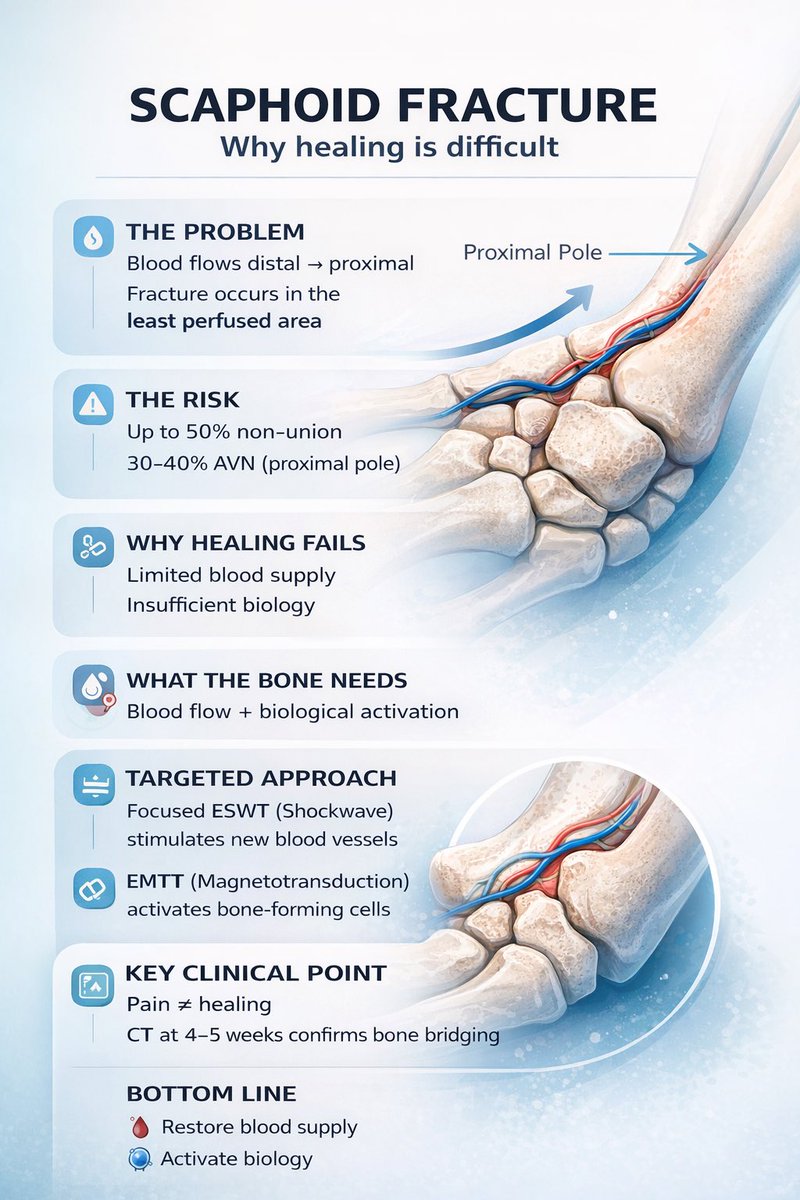
SCAPHOID FRACTURE Why it struggles to heal THE PROBLEM Blood supply flows distal → proximal → The fracture occurs in the least perfused area THE RISK • Up to 50% non-union (untreated) • 30–40% AVN (proximal pole) WHY HEALING FAILS Stability alone isn’t enough → Blood supply is limited → Biology is insufficient WHAT THE BONE NEEDS Blood flow + biological activation TARGETED APPROACH ESWT (Shockwave) → stimulates new blood vessels EMTT (Magnetotransduction) → activates bone-forming cells KEY CLINICAL POINT Pain ≠ healing → CT at 4–5 weeks → Look for trabecular bridging BOTTOM LINE Restore blood supply Activate biology → Enable bone healing
Helen How Edinburgh tweet mediaHelen How Edinburgh tweet media
English
0
1
0
93
Helen How Edinburgh
Helen How Edinburgh@HelenHowOsteo·
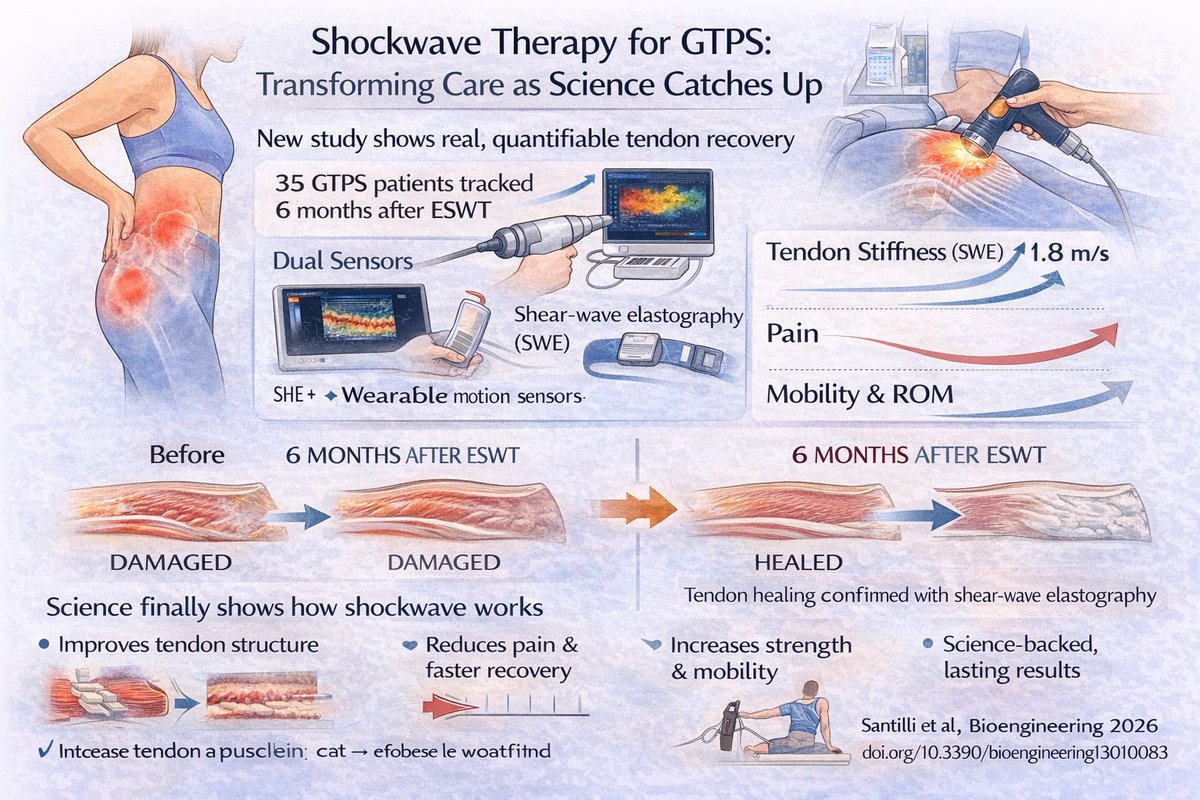
🧵 Shear-wave elastography objectively confirms tendon remodelling after shockwave therapy in GTPS. Many years of treatments, GTPS with shockwaves one needs objective structural evidence beyond patient-reported outcomes. This study delivers it. GTPS carries functional burden comparable to end-stage hip OA. Yet treatment monitoring has relied almost entirely on subjective clinical scales. Santilli et al. (2026) deploy SWE (m/s) + IMU simultaneously — quantifying tendon mechanical properties and hip mobility in 35 GTPS patients across 6 months post-ESWT. Baseline SWE velocity on the affected side: 1.8 m/s vs 4.2 m/s contralateral. At 6 months: 3.2 m/s. Tendon thickness reduced concurrently. Structural normalisation — measurable and confirmed. SWE at follow-up correlated negatively with pain (r=−0.600) and positively with hip function (r=0.400). Elastography isn’t just diagnostic here — it’s a recovery biomarker. Key predictor finding: lower baseline SWE velocity predicted greater ∆HHS improvement. The most structurally compromised tendons showed the strongest remodelling response to ESWT. Dual-sensor SWE + IMU framework offers reproducible, operator-independent endpoints for tendon recovery monitoring. Exactly what GTPS research has needed. 📄 Santilli et al., Bioengineering 2026 doi.org/10.3390/bioeng…
Helen How Edinburgh tweet media
English
0
0
1
97
Helen How Edinburgh
Helen How Edinburgh@HelenHowOsteo·
🦵 Meniscal repair rehab — what does the post-2018 evidence actually show? Accelerated protocols are non-inferior to restricted rehab across multiple systematic reviews (Bouchard et al., 2025; You et al., 2023) — but selection bias remains a serious methodological concern. Tear-type specificity is the biggest conceptual advance. The EU-US Meniscus Consensus 2024 (ESSKA-AOSSM-AASPT) now formally recommends 6wks non-weight-bearing for radial/root repairs — a distinction largely absent from earlier literature. RTS: 71–100% return-to-play, averaging 5.6 months for isolated repair. Concurrent ACLR pushes this to ~12.5 months (D’Ambrosi et al., 2023). Elite athlete red flag: all-inside medial repairs fail at nearly 3× the rate of inside-out (58% vs. 23%) — Borque et al., 2023. The 2018 Spang et al. review identified no consensus. Six years and a 67-expert international consensus later — we have better guidance, but still no definitive RCT. Criterion-based progression over calendar-based is now the standard. The evidence base is maturing. Slowly.
English
0
1
2
100
Helen How Edinburgh
Helen How Edinburgh@HelenHowOsteo·
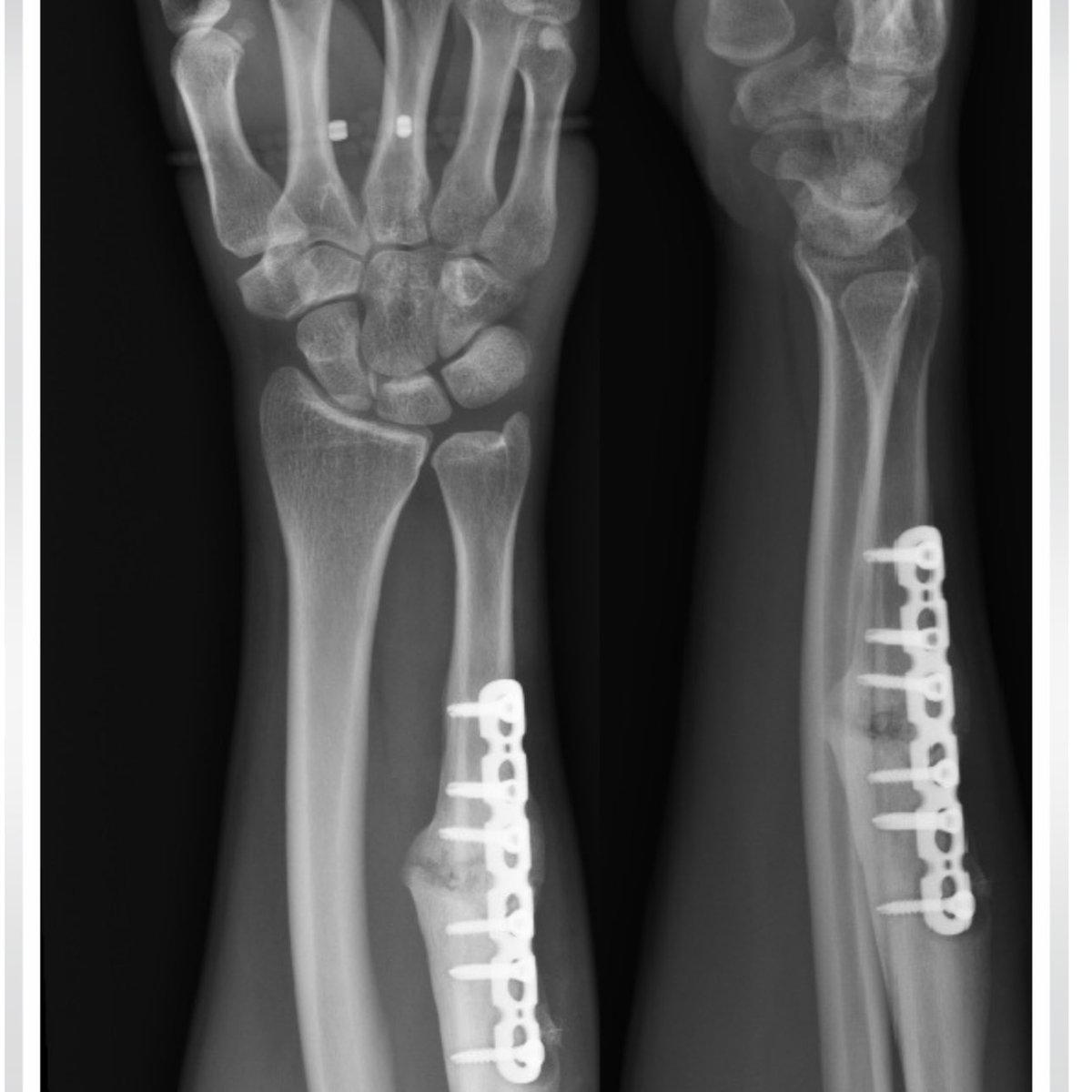
A 19-year-old sustained a transverse ulnar shaft fracture in a road traffic accident. Closed reduction failed, so he underwent open reduction and internal fixation (ORIF) with a compression plate and six cortical screws. At 12 weeks post-op, he developed delayed union — pain, tenderness, and radiographic evidence of incomplete healing — despite normal inflammatory markers. ESWT Protocol: Rather than proceeding straight to revision surgery, the team used focused shockwave therapy (Duolith SD1 T-TOP device): 4 sessions at 7-day intervals, then 2 more at 10-day intervals — 10 total sessions, 4000 impulses each, applied to both sides of the forearm. No anesthesia was needed, and no complications occurred. Outcome: Radiographs showed progressive bone consolidation, and at 12 months the patient had full range of motion, pain-free weight bearing, and a DASH score of just 10/100 (near normal function). Key Takeaways from the Literature Review: ∙Delayed ulnar union occurs in 10–30% of cases regardless of treatment method ∙ESWT is thought to work by inducing microfractures that trigger repair, stimulating stem cell differentiation, and promoting new blood vessel formation ∙Published success rates for ESWT in non-union range from 41–91%, with hypertrophic non-unions responding best ∙Earlier initiation of ESWT after diagnosis appears to improve outcomes — a point the authors highlight as key in their own case The authors conclude ESWT is a promising, safe, non-invasive alternative to revision surgery, though larger studies are still needed.
Helen How Edinburgh tweet mediaHelen How Edinburgh tweet media
English
0
0
0
102
Helen How Edinburgh
Helen How Edinburgh@HelenHowOsteo·
Case Study: Bilateral adductor longus fibrocartilage tears + osteitis pubis. Professional footballer, 30. 6 months refractory. RTP = 4 weeks after 6 x Feswt + EMTT ✅⚽️⚽️ Surgery at 22 — successful. 8 good seasons. Relapse at 29. Cortisone temporarily effective. Full relapse. 6 months non-resolving despite optimal rehabilitation. Career genuinely in question. Intervention: Focused ESWT + EMTT. 7 sessions, 2×/week → 1×/week. ESWT timeline at tendon-bone junction: Week 1 — eNOS + VEGF elevation. Angiogenic signal initiated Week 4 — New capillaries. Neovascularisation confirmed Weeks 8–12 — Type III → Type I collagen maturation EMTT cellular timeline: Days 1–3 — RUNX2 ×4, SP7 ×7. Peak gene activation. Silent Days 4–14 — COL1A1, ALP, osteocalcin elevated. Matrix forming Weeks 2–4 — Mineralisation. Bone oedema resolving Weeks 4–8 — Consolidation. Return to play window Loading protocol: Conservative throughout. 20–30 minutes only. Experienced physio — no overloading at any stage. This is not incidental. Disrupting the vascular and matrix repair phase before Week 4 restarts the biological clock. Week 4–5: Back on the pitch. 20 minutes. First time in 6 months. Physio-led conservative loading + biological timeline adherence. That combination is the result.
Helen How Edinburgh tweet mediaHelen How Edinburgh tweet mediaHelen How Edinburgh tweet media
English
0
0
0
93
Helen How Edinburgh
Helen How Edinburgh@HelenHowOsteo·
New Paper 2026 After years of using shockwave for Achilles tendinopathy, one thing is clear: it can work extremely well. A new study analysing 201 insertional Achilles cases provides an interesting insight. Patients with smaller calcaneal spurs had much better outcomes with ESWT. • Spur ≤8.7 mm → ~65% success • Spur >8.7 mm → ~38% success So while shockwave promotes tendon healing, bone morphology may influence the final outcome. Source: Aykaç et al. J Clin Med 2026
Helen How Edinburgh tweet media
English
0
1
1
111
Helen How Edinburgh
Helen How Edinburgh@HelenHowOsteo·
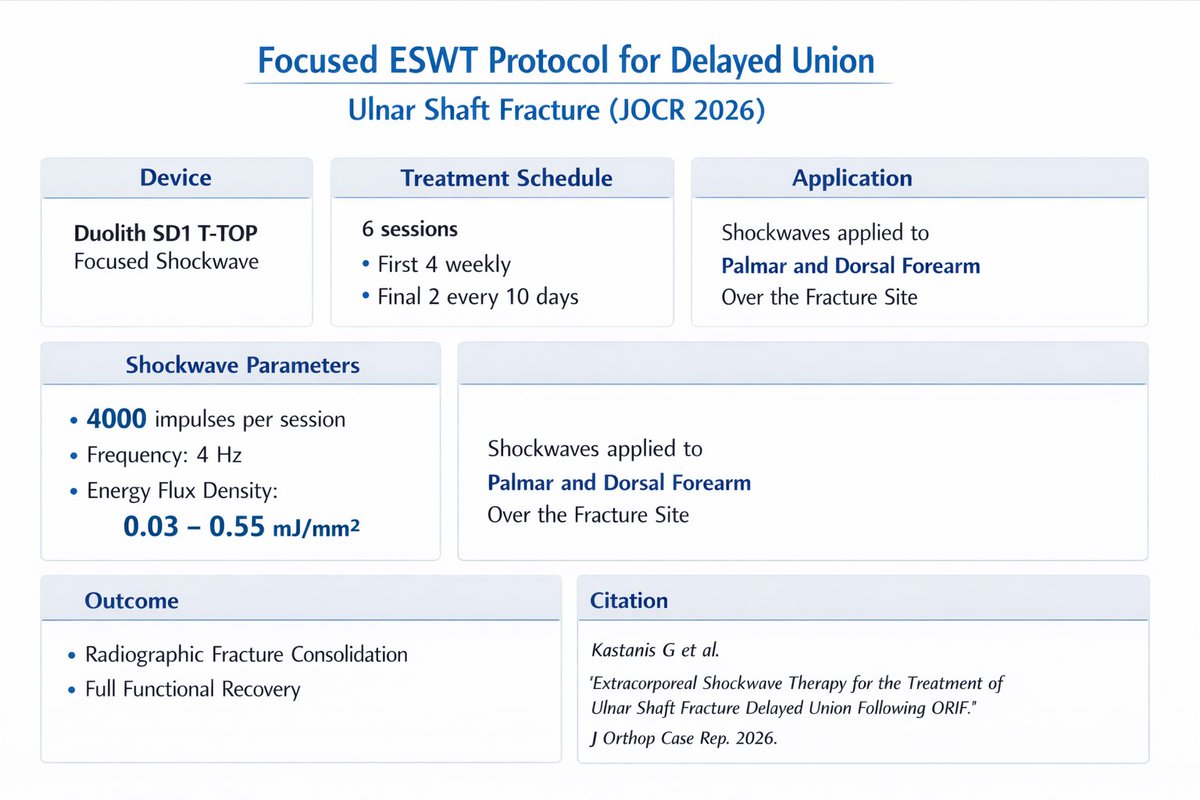
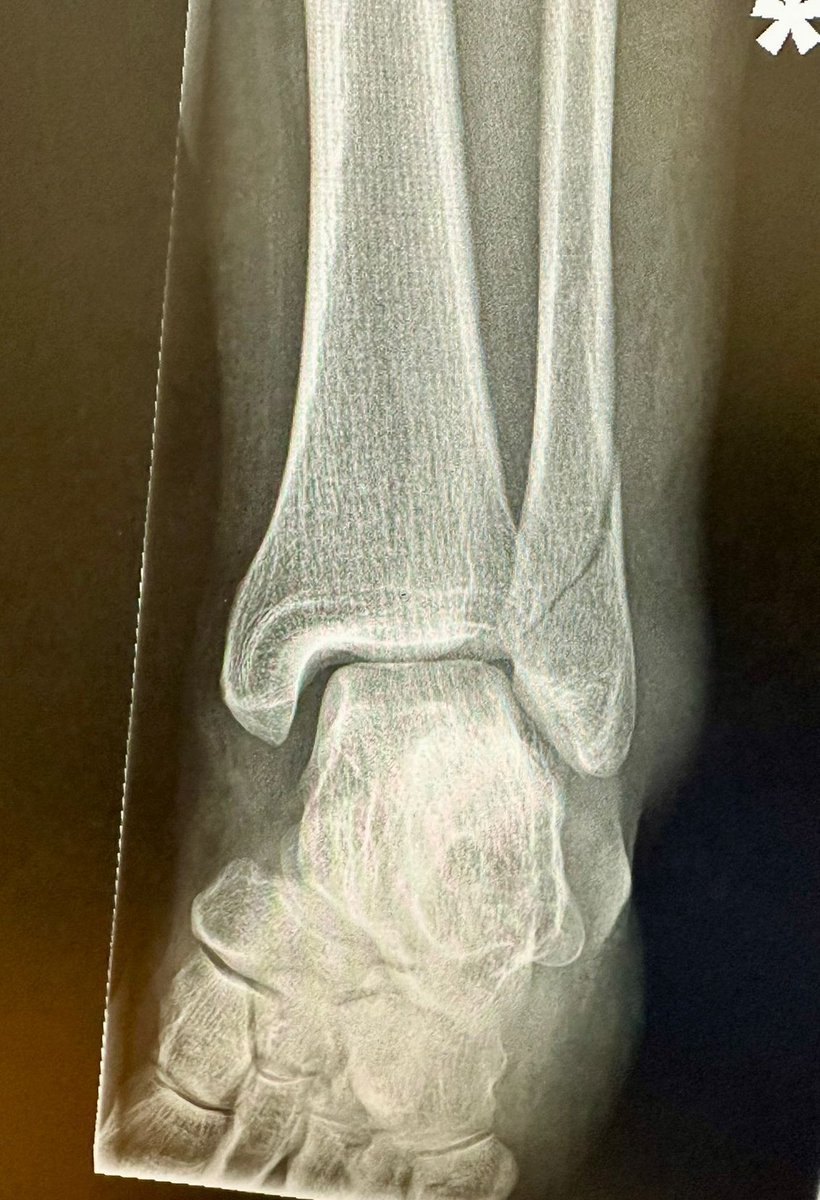
Focused ESWT for fracture healing. Focused ESWT Protocol for Delayed Union Ulnar Shaft Fracture (JOCR 2026) Clinical Protocol Device Duolith SD1 T-TOP Focused Shockwave Treatment Schedule 6 sessions • First 4 weekly • Final 2 every 10 days Shockwave Parameters • 4000 impulses per session • Frequency: 4 Hz • Energy flux density: 0.03 → 0.55 mJ/mm² Application Shockwaves applied to palmar and dorsal forearm over the fracture site Outcome Radiographic fracture consolidation Full functional recovery Citation Kastanis G et al. Extracorporeal Shockwave Therapy for the Treatment of Ulnar Shaft Fracture Delayed Union Following ORIF. Journal of Orthopaedic Case Reports. 2026. but I’ve also used focused shockwave (6000 pulses) to try to accelerate healing ankle sprain + Fibula fracture One recent case: patient unable to walk and needing to return to work as a working mum. 3 sessions → excellent recovery. Kastanis et al. J Orthop Case Rep. 2026.
Helen How Edinburgh tweet mediaHelen How Edinburgh tweet mediaHelen How Edinburgh tweet mediaHelen How Edinburgh tweet media
English
0
0
1
85