

Helen O Sullivan
1.5K posts


@HelenRuralVoice I certainly hope so everything is way behind up
West
English
Listen carefully for the cuckoo. Is this a sign of summer?
English
@treasa30 @LeoVaradkar He has a short memory! During the covid-19 pandemic, farmers were recognized as critical workers, essential for maintaining the food supply chain and supporting the economy. What has changed?
English

How arrogant and uneducated does @LeoVaradkar sound..
I think he needs to spend a week on a farm in #mayo or #westcork what do our #farmers think of this statement i wonder @HelenRuralVoice
Nick Delehanty 🇮🇪@Nick_Delehanty
Leo continues to ruin Fine Gael.
English
There's enough oil and gas in Barryroe to supply this country for the next 100 years. The government done the wrong thing by allowing the then Environment Minister Eamon Ryan in 2023 refusing to grant a crucial license.
#TikTok vm.tiktok.com/ZNR4AFomM/
English
@HelenRuralVoice Well said Helen & let’s not forget
Cahiracon LNG which was opposed not to mention the Corrib gas field which was thrown away Even in the UK they stopped North Sea drilling .. Its hard to soar like a eagle when you’re surrounded by turkeys
English
A huge thank you to PJ Coogan of @OpinionLine96 for this interview this morning re the O'Sullivan/Sullivan gathering on the June Bank Holiday weekend. See you there
The O'Sullivans Are Going For A World Record Gathering! shows.acast.com/501246da-8667-… via @acast
English
Calling all Sullivans/O’Sullivans ..
All roads lead to Castletownbere this June weekend see video below Best of luck to all involved ⬇️⬇️
Helen O Sullivan@HelenRuralVoice
See you there. osullivanclan.org/o-sullivan-cla… @rte @virginmedia @C103Cork @SouthernStarIRL @TG4TV @OpinionLine96 @RedFMNews
English
@mairtinocolmain Happy Easter to you and your family Martin
English
He bit my hand off looking for a Easter egg 🤣. Happy Easter folks 🐣🐣🐣🐣
English
See you there. osullivanclan.org/o-sullivan-cla… @rte @virginmedia @C103Cork @SouthernStarIRL @TG4TV @OpinionLine96 @RedFMNews
English
Helen O Sullivan retweetledi

We kicked off the 2026 West Cork Sports Star Awards with our first monthly presentation of the year - and it went to a very deserving winner, Oisín O'Connor.
Oisín, from Kealkill, was part of the Rebel Wheelers team that won the IWA National Cup title in January. This was Oisín's fourth cup title in a row, and his contribution is growing every year.
He's an incredibly impressive young man. Oisín was 14 when he suffered a serious spinal injury at a mountain bike event in September 2021. Sports-mad, he found wheelchair basketball is the sport that suits him best - and he is powering forward, determined to be the best he can be.
Congrats on the award, Oisín, the first of many.

English
Helen O Sullivan retweetledi

@owenisnotblurry @CNolanOffaly Ireland's contribution to the concentration of CO2 in the atmosphere is less than 0.000012 %.
We really can't get much closer to zero ... can we?
English
Helen O Sullivan retweetledi

Wool is the only textile fibre that:
- Regulates body temperature in both directions: warm when cold, cooling when warm, through a moisture-wicking mechanism that no synthetic can replicate
- Is naturally flame-retardant without chemical treatment, which is why it is still the mandatory textile for aircraft seating and racing drivers' undergarments
- Absorbs up to 30% of its weight in moisture without feeling wet, then releases it gradually
- Is biodegradable in soil within months, leaving nitrogen as it goes: it is, technically, a slow-release fertiliser
- Grows back. Every year. Without harming the animal. The sheep, in fact, requires shearing. If you don't shear a sheep, it suffers. The shearing is not exploitation. The shearing is a welfare intervention.
What replaced wool in your outdoor gear, your base layers, your running kit, your ski socks?
Polyester. Which is a plastic. Which sheds microplastic fibres into waterways with every wash. Which does not biodegrade. Which cannot be made without petroleum. Which, when it reaches the end of its life, sits in a landfill or an ocean for five hundred years.
The sheep on the Brecon Beacons is producing a renewable, biodegradable, multifunctional technical fibre from grass and rain. No factory. No fossil fuel. No microplastics.
The sheep has been doing this for ten thousand years.
We replaced it with plastic and told ourselves it was progress.
Then told the sheep it was the problem.

English
Irish grass fed beef. Most sustainable beef produced in the world. Back Irish beef. #sustainable #agriculture #ireland
English
Helen O Sullivan retweetledi
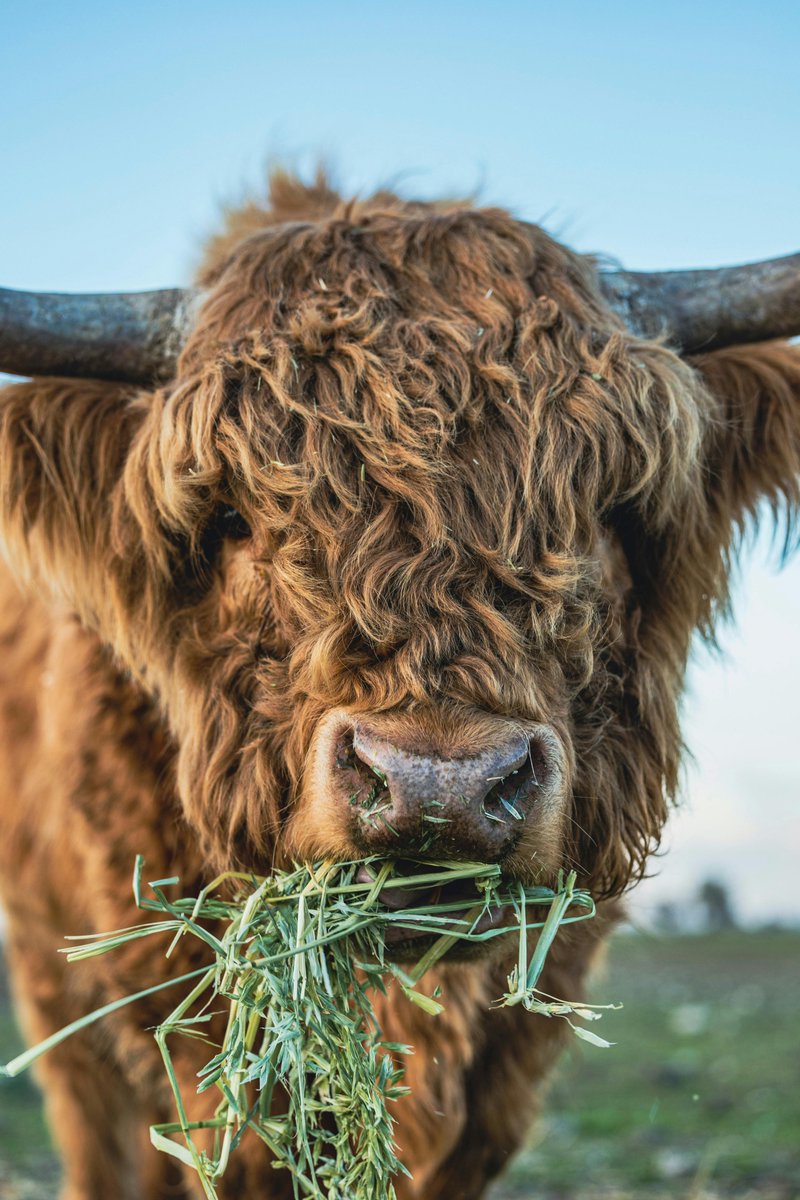
Here is what happens to a blade of grass whether or not a cow is present.
The grass grows. To grow, it pulls carbon dioxide from the atmosphere. This carbon becomes the grass. The grass contains it. The sun drives this process. The rain enables it.
Now two scenarios.
Scenario one: no cow. The grass completes its growing season. It dies. It decomposes. Bacteria and fungi break down the organic matter. The carbon that was in the grass returns to the atmosphere as CO2. This takes weeks to months. The cycle is complete. Atmospheric carbon is unchanged.
Scenario two: cow present. The grass grows. The cow eats it. The cow's rumen ferments it. Methane is produced. The methane enters the atmosphere. Over the following ten to twelve years, atmospheric hydroxyl radicals oxidise the methane back into CO2. The CO2 is absorbed by the next season's grass.
The carbon goes: atmosphere → grass → cow → atmosphere → grass.
In scenario one: atmosphere → grass → atmosphere.
The destination is the same. The route is slightly longer in scenario two. The net atmospheric carbon at the end of each cycle is identical.
The cow did not add carbon to this system.
The carbon was already there.
It was in the grass.
It was going back to the atmosphere regardless.
The cow is not the source. The cow is a temporary stop on a journey that was happening with or without her.
This is the biogenic carbon cycle. It has a Wikipedia page. It is not obscure. It is simply inconvenient for the argument.
English
Helen O Sullivan retweetledi
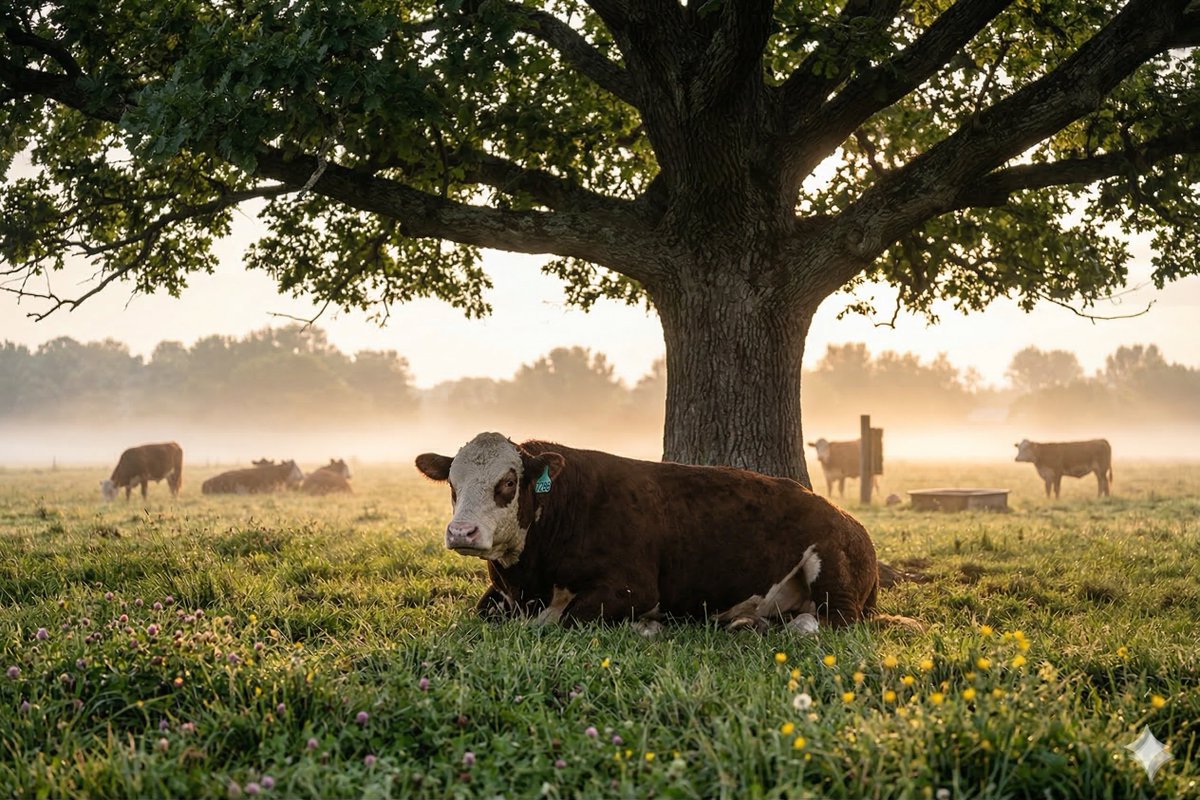
Let's check in on Gerald, whose burps are ending the world.
6:02am - Gerald exhaled. Methane entered the atmosphere. The methane came from Gerald's rumen, where specialised microorganisms had been converting grass into usable energy since approximately 4am. The carbon in that methane came from the grass. The grass pulled the carbon from the atmosphere two weeks ago via photosynthesis. The methane will break down, via standard hydroxyl radical oxidation, in approximately twelve years. When it breaks down, the carbon returns to the atmosphere as CO2. The grass will absorb it. Gerald will eat the grass.
This is the biogenic carbon cycle. It has been running on British permanent pasture for ten thousand years. The carbon in it is not new. It was in the atmosphere before Gerald. It will be in the atmosphere after Gerald. Gerald is not adding to it. Gerald is circulating it.
This matters for one specific reason.
Methane is a warming gas. But it only accumulates if there are more and more sources producing it. A stable herd produces a stable methane load. A stable methane load does not increase the atmospheric methane concentration. A methane load that doesn't increase doesn't increase warming.
The UK cattle herd has not increased.
The UK cattle herd is smaller than it was thirty years ago. In 1990 there were approximately 11.9 million beef and dairy cattle in Britain. Today: approximately 9.5 million. The herd is smaller. The methane burden from British cattle is lower than it was when you were at school.
Gerald is not new methane. Gerald is not more methane. Gerald is a stable component of a system that has been in equilibrium for longer than the dietary guidelines have existed.
And then there's the other thing the report didn't mention.
The permanent pasture under Gerald's feet has been sequestering carbon for four years of Gerald's occupancy and decades before him. The soil under British permanent grassland holds more carbon per hectare than almost any other land use in the country. Every cow pat buried by dung beetles is carbon going into the ground. Every root system that Gerald's grazing stimulates is carbon going deeper. The net picture, across Gerald's 40 acres of permanent pasture, is one of a field improving its carbon stock year on year while cycling the same atmospheric carbon it has always cycled.
Gerald burped at 6:02am.
The field is richer for it.
The sky will survive the burp.
The methodology is the problem, not Gerald.
English
Helen O Sullivan retweetledi
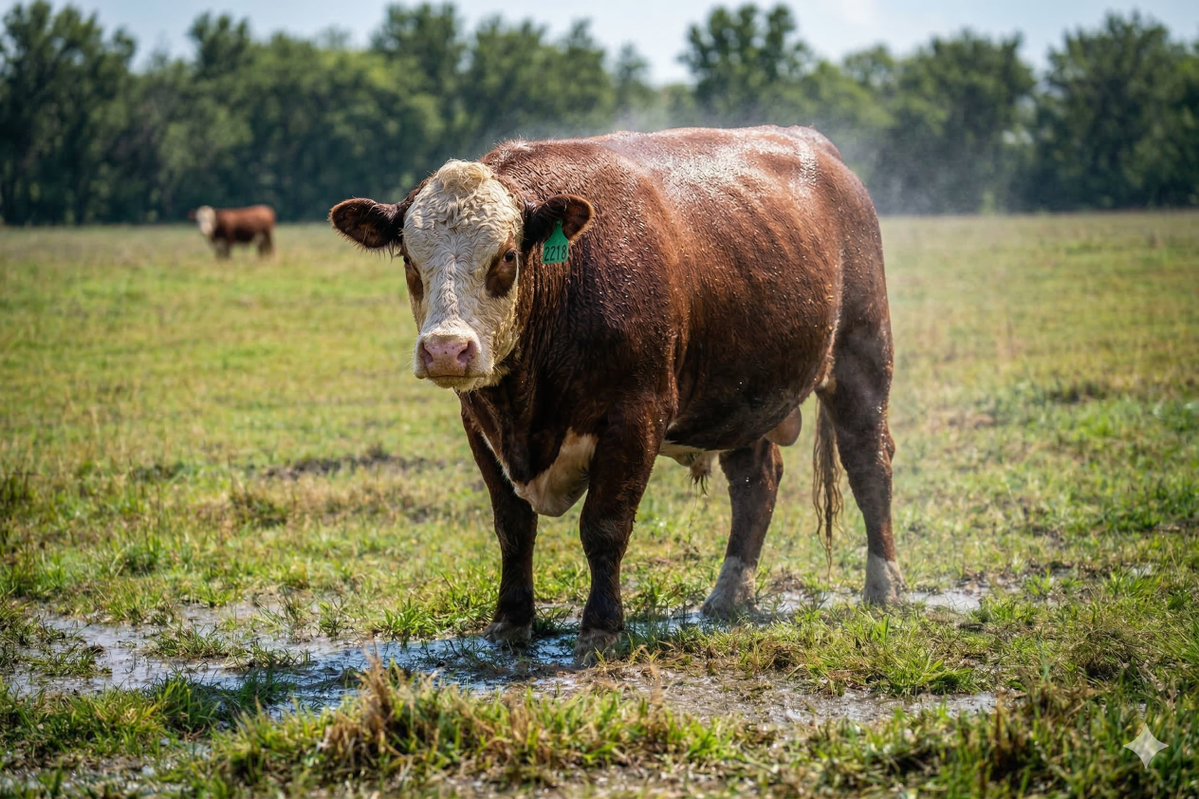
If you invented a machine that could:
- Restore degraded land
- Build topsoil
- Sequester carbon
- Produce fertiliser
- Create complete protein
- Generate its own fuel
- Reproduce itself
- Require zero electricity
You'd win the Nobel Prize.
We call it Gerald and want to ban him.
English
Helen O Sullivan retweetledi

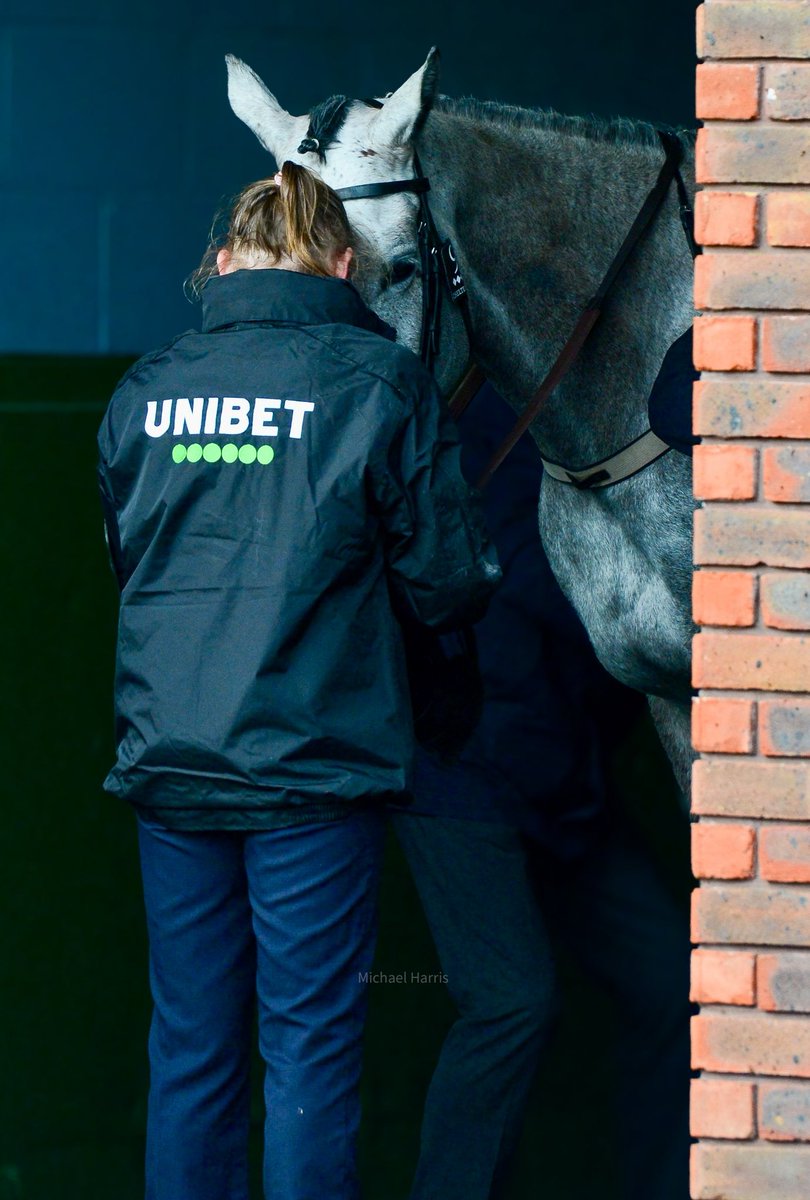
I was quite a long way away from this but what a connection. This is Lossiemouth and Julie in the saddling boxes in the pre-parade prior to the Champion Hurdle. We are all horse lovers. We all worry about their safety in this sport, but can you imagine what it must be like if you work with these horses and see them every day, love and look after them from a young age, and just worship the ground they walk on. The worry when they go out to race must be immense. Julie leans forwards, her head resting on Lossiemouth’s head, and it’s a time for them both to show that trust and that bond that will never be broken. Beautiful.
English
Helen O Sullivan retweetledi

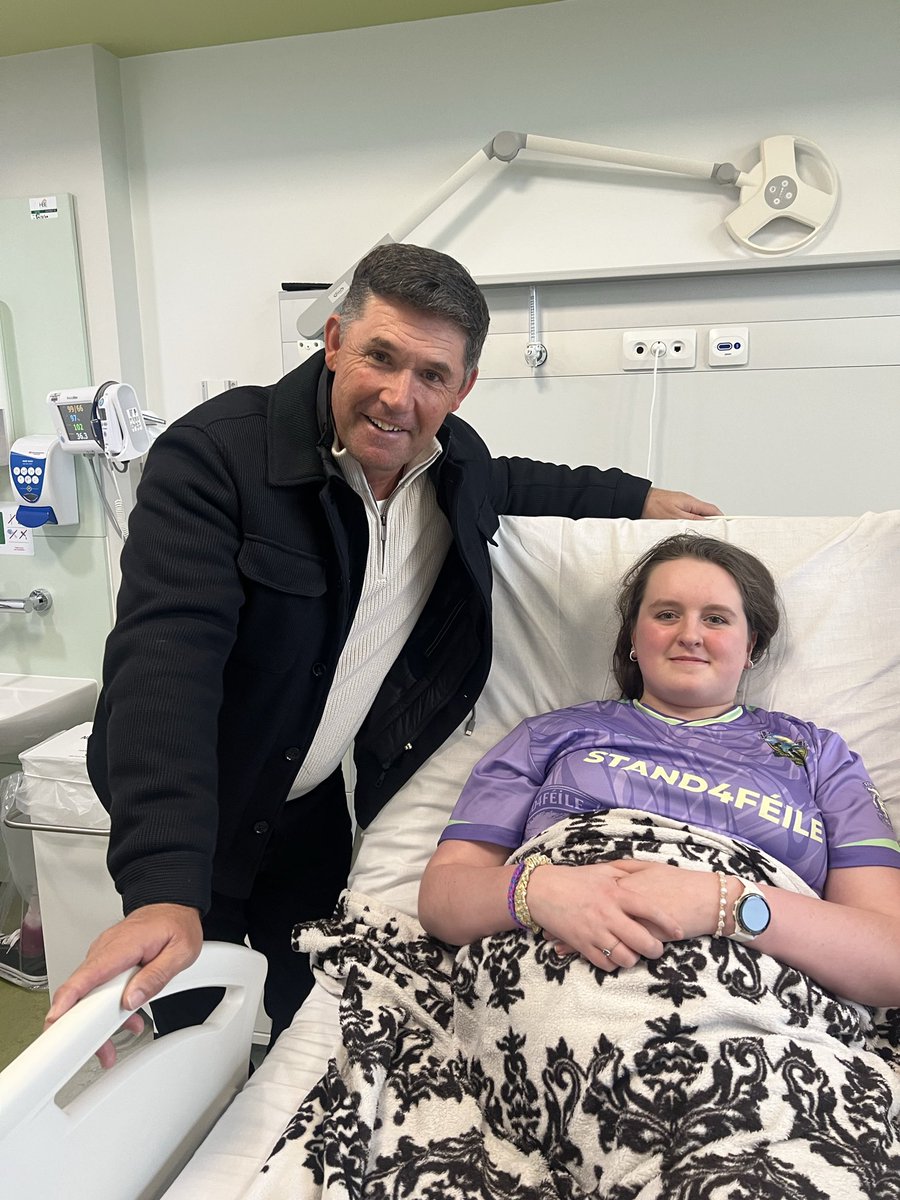
Hi to everyone seeing this. This is Féile, she is 13 and had a life altering farming accident last July. She is very courageous and in great spirits. Her friends and family are raising money for her through
1. Golf Outing on 16th/17th/18th of April which is sold out( but I believe hole sponsorship and raffle prizes are still available)
2. A school jersey day, Friday March 20th, where kids wear their favourite jersey to school and donate 1 or 2 euro. They are really hoping for schools everywhere to participate in this.
If you’d like to support this great cause particularly by getting your school to join the Jersey Day on March 20th. Follow the Link below or just go to gaacork.ie.
gaacork.ie/stand4feile/
English