
Sabitlenmiş Tweet
Helios
154 posts


Helios
@HeliosIntel
Policy Intelligence. Powered By AI Agents.
San Francisco, CA Katılım Nisan 2025
3 Takip Edilen232 Takipçiler
Italy is calling for more flexibility from the European Union on energy-related spending as governments across Europe face rising costs tied to geopolitical instability and energy market disruptions. Italy argues that if EU member states can receive additional fiscal flexibility for defense spending, similar support should also apply to energy security and economic protection measures. The European Commission has so far resisted expanding budget flexibility further, instead encouraging countries to rely on existing EU funding programs and investment tools. As energy and security challenges become more connected, debates over public spending and economic strategy are becoming increasingly important across Europe.
To learn more about energy policy, geopolitics, and global economic trends, visit our website using the link in our bio.

English
The United States Army is planning a major increase in spending on counter-drone technologies. The proposed FY2027 budget includes nearly $1 billion for systems designed to detect, track, and stop small drones. The funding covers a wide range of capabilities, including mobile platforms, electronic warfare systems, missile interceptors, handheld anti-drone tools, and high-energy laser systems. In recent wars, inexpensive drones have been used against much more expensive military equipment, creating pressure for lower-cost and more scalable defense systems. Counter-drone systems are increasingly becoming a major focus of defense modernization around the world.
To learn more about defense technology and security trends, visit our website using the link in our bio.

English
Power Shift: Stefani Jones has built a career advancing cybersecurity, technology, and national security policy through stakeholder engagement, strategic communications, and public-sector leadership. With experience across The White House, Microsoft, Cybersecurity and Infrastructure Security Agency, and The Aspen Institute, she has advised on emerging technology, supply chain security, election security, and digital infrastructure initiatives. Now serving as Senior Director of Policy for Technology & Innovation at Business Roundtable, she continues shaping technology policy through cross-sector collaboration, advocacy, and government affairs expertise.
For more info on strengthening your policy awareness with intelligence like this, visit #linkinbio.

English
A bipartisan group of U.S. lawmakers is calling for faster action on emerging AI cybersecurity risks. The concern is that advanced AI systems, including models from Anthropic and OpenAI, are becoming capable of identifying software vulnerabilities faster than companies and governments can patch them. Lawmakers say these systems could help improve cybersecurity defenses, but they also raise concerns about how quickly malicious actors could use similar tools for offensive cyber activity. Governments are increasingly trying to determine how advanced AI systems should be tested, shared, and controlled as their capabilities continue to expand.
To learn more about AI cybersecurity and technology policy trends, visit our website using the link in our bio.

English
China continues to tightly control exports of several critical rare earth materials used in aerospace, semiconductors, electric vehicles, and defense systems. New trade data shows shipments of some specialty rare earths remain well below previous levels despite broader efforts to stabilize trade relations with the United States. The restrictions have contributed to shortages and higher prices across global industries, affecting not only the U.S. but also countries such as Japan and Germany. Governments and companies are now investing more heavily in alternative supply chains and domestic refining capacity, but analysts say reducing dependence on China will likely take years.
To learn more about global supply chains and critical minerals, visit our website using the link in our bio.

English
Connecticut has enacted a major artificial intelligence law that covers a wide range of AI-related technologies and policies. The legislation includes rules around AI systems used in employment decisions, AI companions, synthetic digital content, and consumer disclosures. It also creates new state programs and governance structures focused on AI policy, workforce development, education, and oversight. One of the key themes is transparency and accountability especially where automated systems affect jobs, services, or public interactions. The law reflects a broader shift in the U.S. toward more detailed state-level AI regulation while national frameworks are still developing.
To learn more about AI regulation and technology policy trends, visit our website using the link in our bio.

English
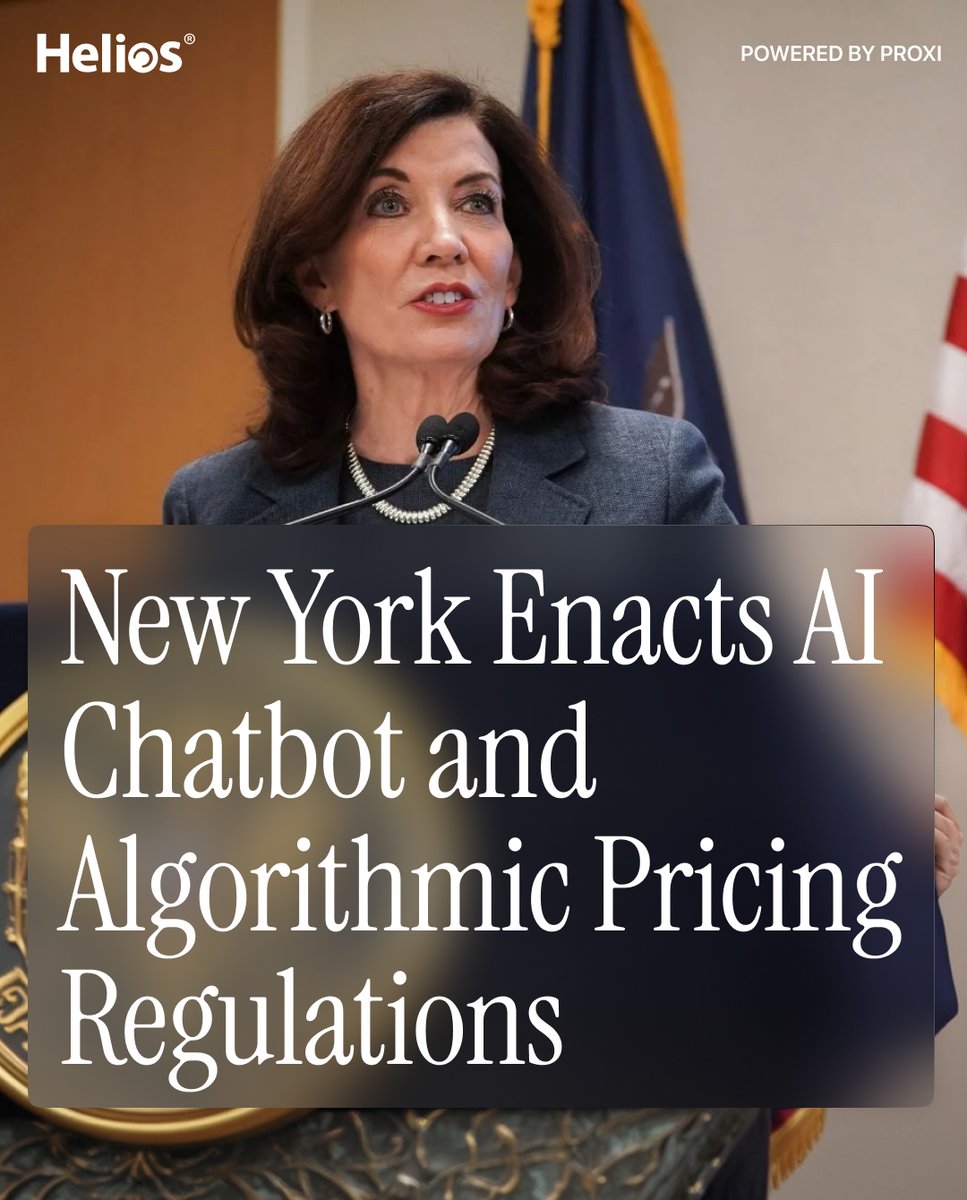
New York introduced new AI regulations focused on algorithmic pricing and AI companion systems. Companies using algorithms to personalize prices based on consumer data must now disclose when pricing is generated using AI and personal information. The law also creates requirements for AI companions systems designed to simulate human-like relationships or conversations. Operators will need to clearly inform users they are interacting with AI and implement safeguards related to self-harm and mental health risks. The bigger picture is that Governments are increasingly paying attention to how AI affects consumer behavior, pricing, emotional interaction, and transparency.
To learn more about AI regulation and digital policy trends, visit our website using the link in our bio.
English
The U.S. is seeing growing discussions around how advanced AI systems should be tested before release. Policy group Americans for Responsible Innovation called for formal security reviews of frontier AI models, especially systems that could increase cybersecurity or weapons-related risks. The proposal would connect government contracts to passing safety evaluations. Several major AI companies already work with U.S. government researchers through voluntary testing programs, but the discussion is now moving toward whether stronger or mandatory standards are needed. As models become more capable, governments are focusing more on risk assessment, cybersecurity, and oversight frameworks for advanced systems.
To learn more about AI policy and cybersecurity trends, visit our website using the link in our bio.

English
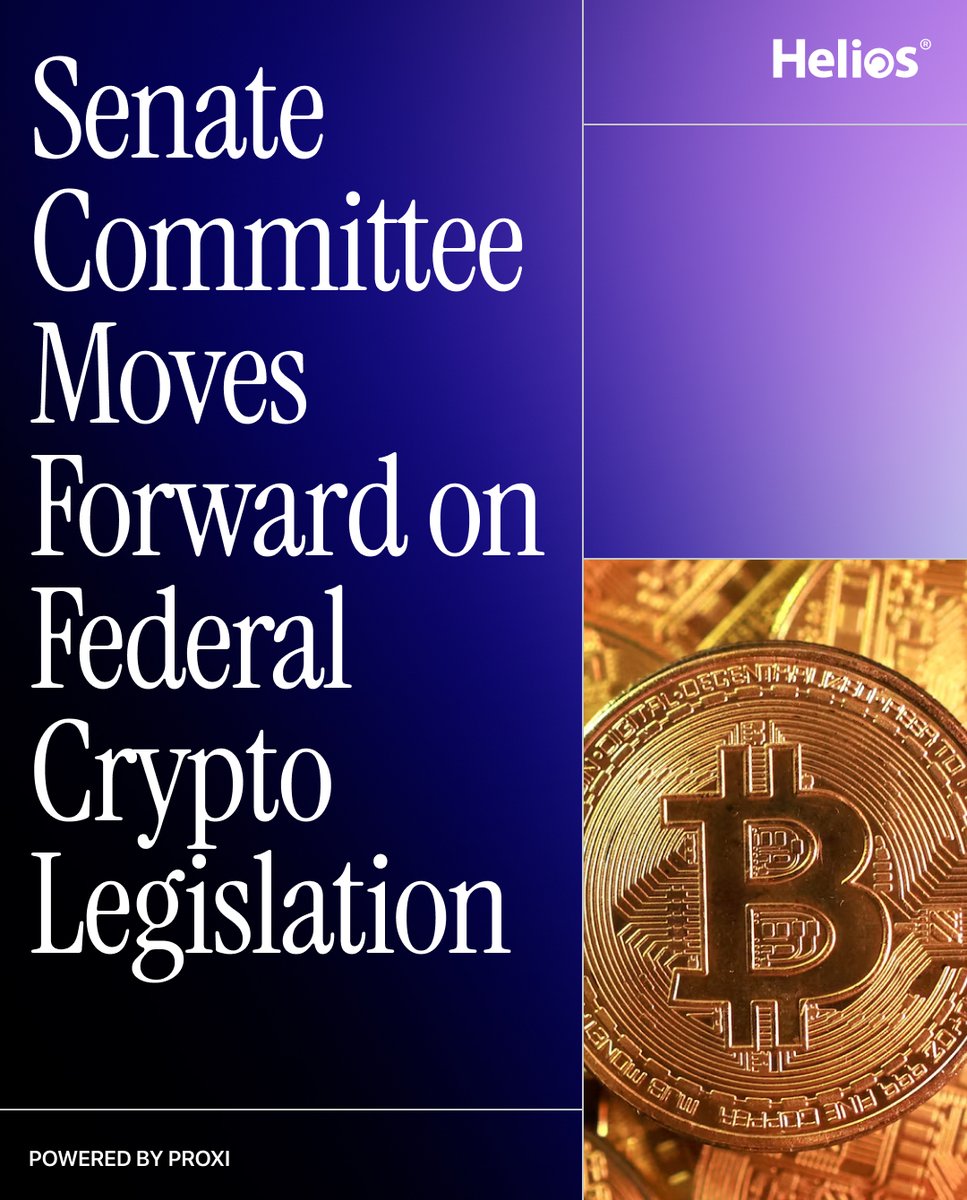
The U.S. is moving closer to creating a clearer regulatory framework for cryptocurrencies through the proposed Clarity Act. The legislation would help define how digital assets are classified and regulated, including whether certain crypto tokens fall under securities or commodities oversight. One major area of debate is stablecoins and their connection to the traditional banking system. Banking groups argue some stablecoin activities could pull deposits away from regulated banks, while crypto companies say restrictive rules could slow innovation and competition. As adoption grows, regulation is becoming a larger part of the future of digital finance, payments, and financial infrastructure.
To learn more about crypto regulation and financial technology trends, visit our website using the link in our bio.
English
Power Shift: Policy advisor David Maestas has built a career advancing legislative and appropriations priorities through research, stakeholder engagement, and public-sector leadership. With experience across the U.S. Senate, House of Representatives, and state education agencies, he has supported policymaking on education, workforce, and energy issues while advising lawmakers on legislative strategy and constituent priorities. Now serving as Appropriations Policy Advisor in the U.S. Senate, he continues shaping policy initiatives through bipartisan collaboration, advocacy, and government affairs expertise.
For more info on strengthening your policy awareness with intelligence like this, visit #linkinbio.

English
European Central Bank President Christine Lagarde expressed skepticism about euro-backed stablecoins and warned they could create financial risks during periods of market stress. Her comments come as European banks and financial firms continue exploring blockchain-based payment systems and digital assets tied to the euro. Lagarde argued that stablecoins could weaken how central banks manage interest rates and liquidity across the economy. Instead, she suggested tokenized bank deposits may offer a more stable approach to digital finance.The broader debate reflects growing competition over the future of money, payments, and financial infrastructure.
To learn more about digital finance and economic policy trends, visit our website using the link in our bio.

English
The U.S. Department of Justice is pushing back against companies using artificial intelligence as a broad justification during merger reviews. DOJ antitrust official Omeed Assefi said businesses claiming AI is transforming or disrupting their industries will need to support those arguments with actual evidence. As AI adoption grows, regulators are increasingly trying to distinguish between genuine technological disruption and claims that may be overstated during acquisitions or consolidation efforts.
To learn more about AI regulation and technology policy trends, visit our website using the link in our bio.

English
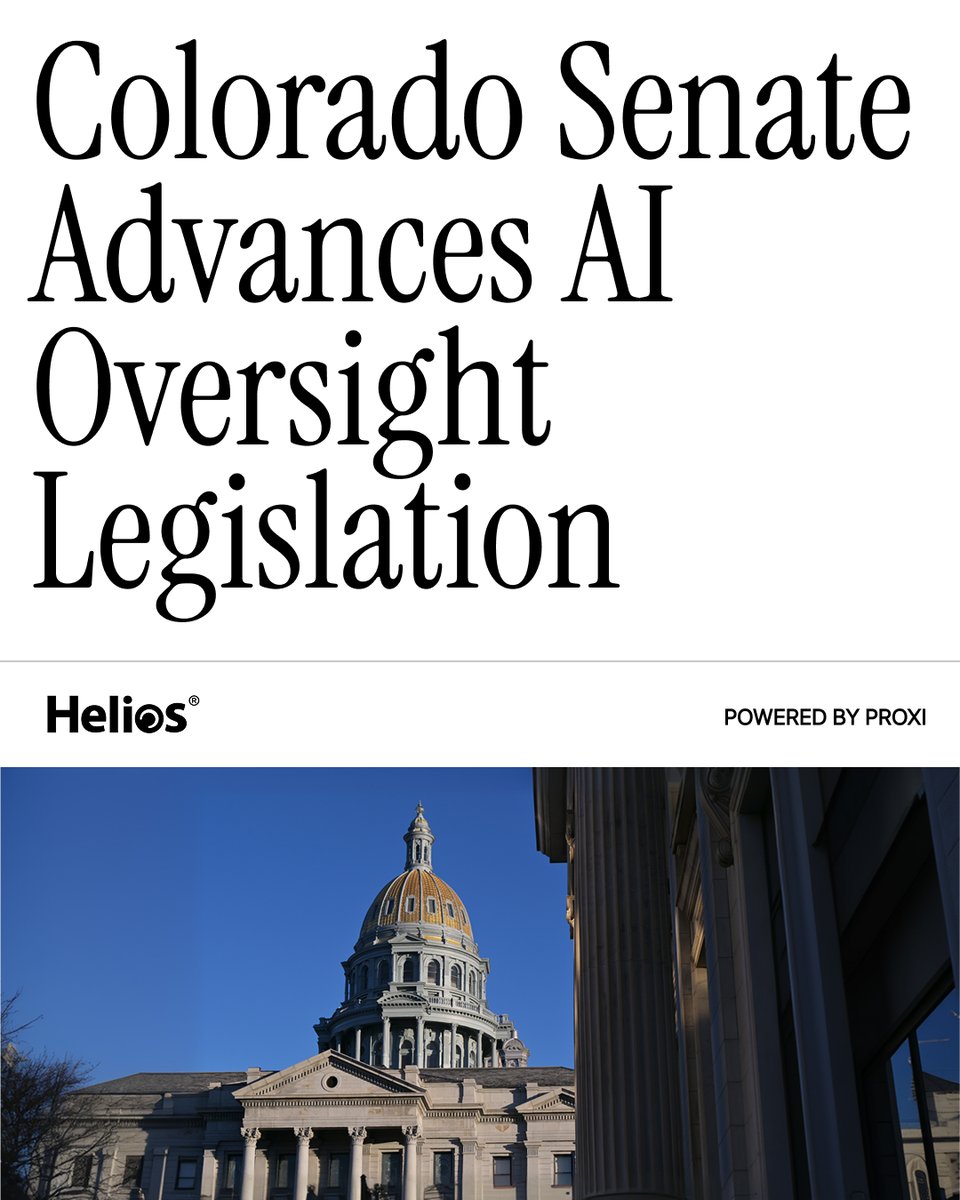
Colorado is moving forward with new rules for automated decision-making systems and AI. The legislation focuses on situations where technology helps make important decisions about people, such as employment, housing, healthcare, insurance, or loans. If passed, companies would need to inform users when AI systems are involved and explain decisions that lead to negative outcomes. People would also have the right to request corrections to inaccurate data and ask for human review. The bigger picture is that governments are starting to pay more attention to transparency and accountability as AI becomes part of everyday decision-making.
To learn more about AI policy and technology trends, visit our website using the link in our bio.
English
Connecticut is increasing its scrutiny of how platforms handle personal data. New investigations are examining social media apps, gaming platforms, messaging services, and AI chatbots, especially where children and teens may face privacy or safety risks. The updated privacy framework expands protections around sensitive data and demands more transparency about how companies use information to train AI systems. As AI tools become more common, regulation is focusing on how these systems collect data, influence users, and impact younger audiences
To learn more about AI and digital policy trends, visit our website using the link in our bio.

English
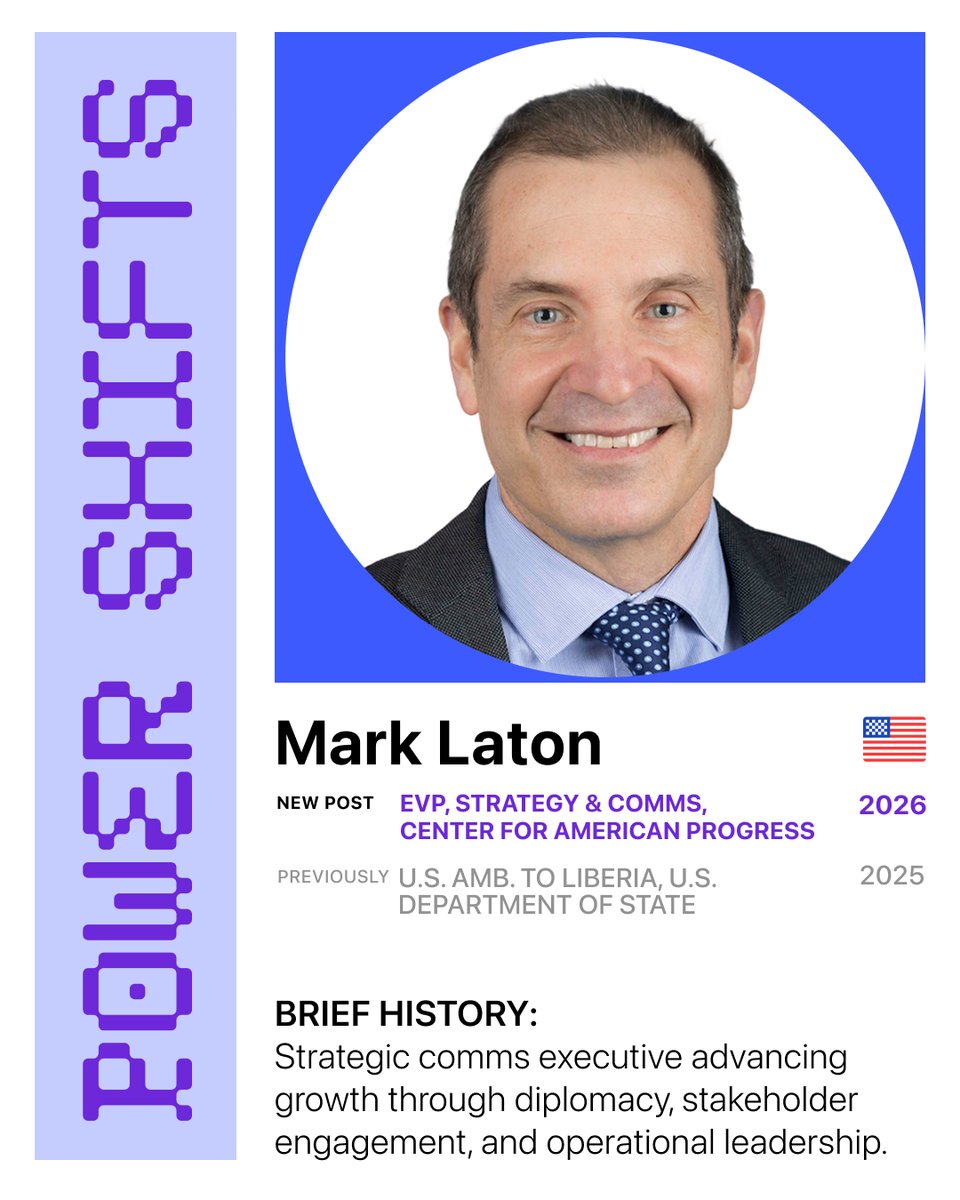
Power Shift: Strategic communications leader Mark Toner has shaped U.S. foreign policy messaging and diplomacy across decades of public service. A former U.S. Ambassador to Liberia and senior State Department spokesperson, he led global communications efforts during major international crises, advised top diplomatic leaders, and advanced U.S. national security priorities through media, public diplomacy, and stakeholder engagement. Now EVP for Strategy & Communications at the Center for American Progress, he continues driving strategic outreach and policy-focused communications initiatives.
For more info on strengthening your policy awareness with intelligence like this, visit #linkinbio.
English
G7 countries are discussing how to strengthen critical mineral supply chains. The focus is on reducing dependence on China for materials used in industries like semiconductors, EVs, defense, and energy. At the same time, trade tensions between the European Union and the United States are adding complexity to those conversations. Countries are now trying to diversify supply chains while maintaining trade relationships and industrial competitiveness.
To learn more about global trade and supply chain trends, visit our website using the link in our bio.

English
The U.S. government is expanding its AI risk testing program. Companies including Google DeepMind, Microsoft, and xAI are joining efforts to test advanced AI systems before wider release. The goal is to identify vulnerabilities tied to cybersecurity, infrastructure, and misuse. Earlier testing programs reportedly found ways some safety systems could be bypassed, leading companies to improve protections. The bigger picture is that AI development is increasingly being paired with safety and oversight efforts, not just speed and capability.
To learn more about AI and cybersecurity trends, visit our website using the link in our bio.

English
The Cybersecurity and Infrastructure Security Agency, alongside the Australian Signals Directorate, has released new guidance on the risks and safeguards associated with agentic AI systems. Agentic AI systems that can take actions autonomously are increasingly being adopted across critical infrastructure and defense environments. While they offer efficiency and automation benefits, they also introduce new layers of cybersecurity risk. The broader takeaway is straightforward: as AI systems become more autonomous, traditional cybersecurity approaches may not be sufficient on their own. Managing access, oversight, and system behavior becomes just as important as the underlying technology itself.
To learn more about AI and cybersecurity trends, visit our website using the link in our bio.

English
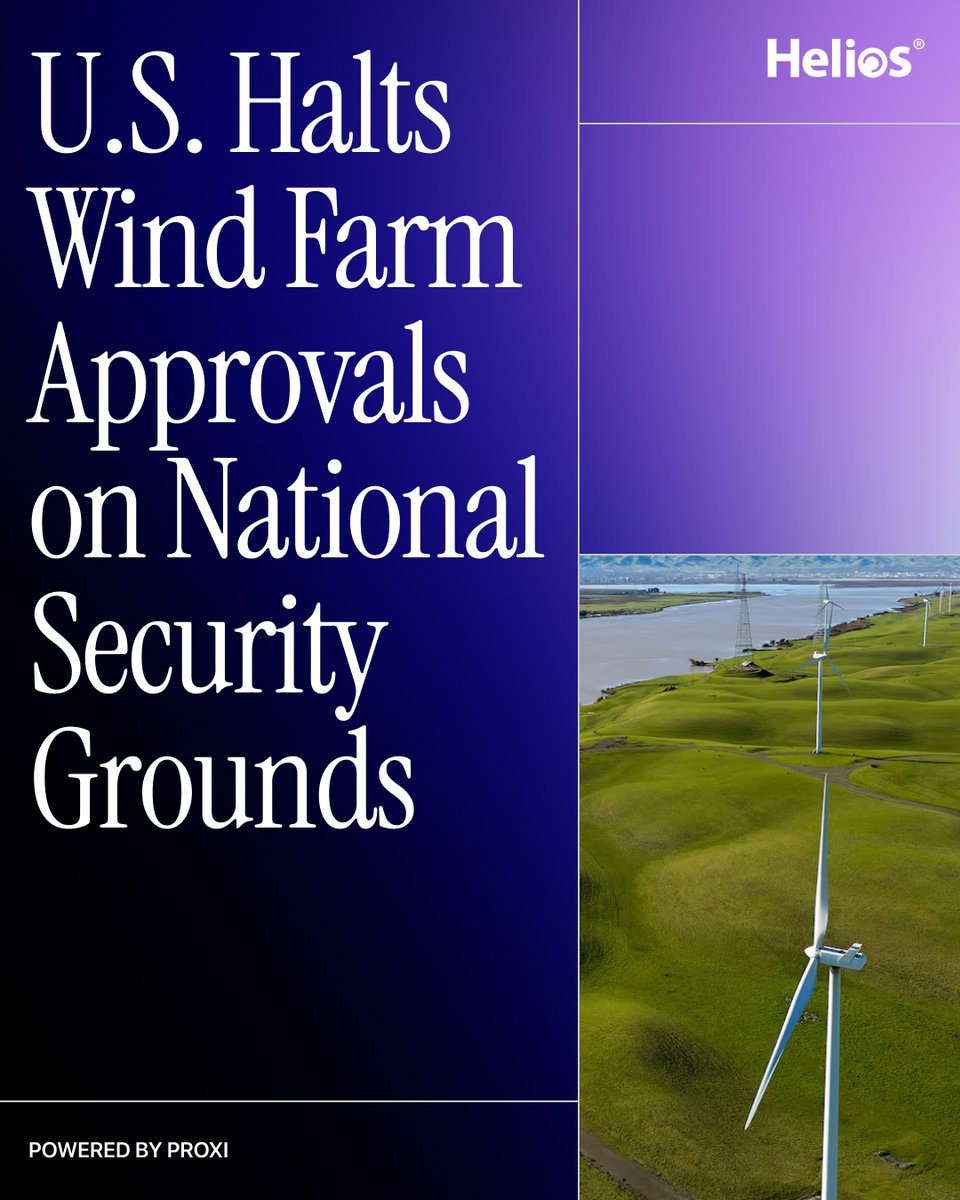
Onshore wind development in the U.S. is facing delays. About 165 projects are reportedly being held up due to national security reviews involving the Pentagon. The concerns include how wind farms might interact with radar and other defense systems. For developers, this creates uncertainty across multiple stages from approvals to ongoing negotiations. For policymakers, it reflects a broader challenge: balancing energy expansion with security considerations. The bigger picture is that infrastructure projects are increasingly shaped by more than just economics. Regulation, land use, and national security all play a role.
To learn more about energy and infrastructure trends, visit our website using the link in our bio.
English
A new step has been taken toward reviving parts of the Keystone XL pipeline system. The project, led by South Bow and Bridger Pipeline, would move Canadian oil into the United States through a new route. Some previously built infrastructure could be reused, but the project is still in its early stages. If it moves forward, it could increase the flow of Canadian crude into U.S. markets and support refining capacity. The situation reflects a broader theme in energy: balancing supply security with long-term transition goals.
To learn more about global energy trends, visit our website using the link in our bio.

English