George Ferman

38.4K posts

George Ferman banner
George Ferman

George Ferman

@Helios_Movement

Ex PT // Scaling health stores // Posting educational content on health related topics // IG: helios_movement // Not medical advice https://t.co/7ovrSt5FeZ

Elevate your health 👉 Katılım Ocak 2022
329 Takip Edilen167.4K Takipçiler
Sabitlenmiş Tweet
George Ferman
George Ferman@Helios_Movement·
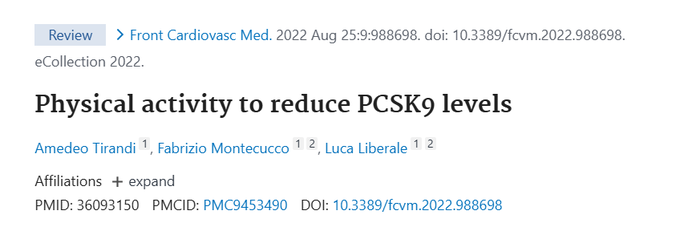
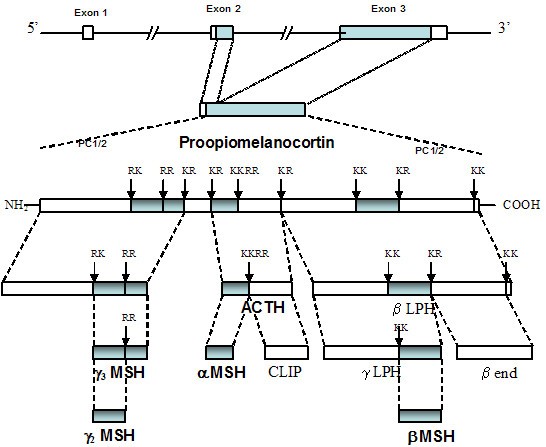
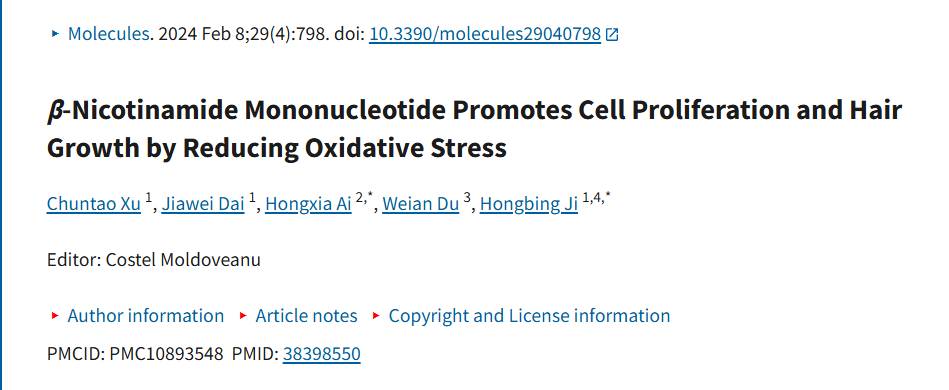
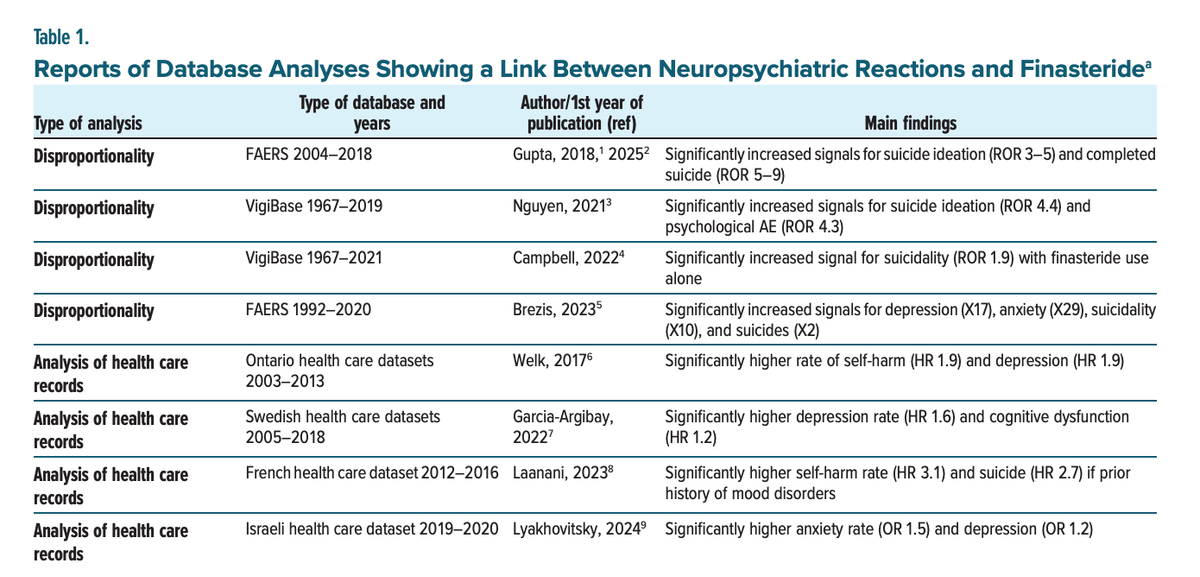
If you want more energy, better gut health, skin health, improved libido and so on, you must make sure that you avoid the following dietary mistakes. Thread🧵
George Ferman tweet mediaGeorge Ferman tweet mediaGeorge Ferman tweet mediaGeorge Ferman tweet media
English
44
382
4.9K
820.6K
George Ferman
George Ferman@Helios_Movement·
Peptides work. There's no question about it. But if you do not know how to use them, you can waste thousands of dollars on them. Learn how to use supplements and peptides here: healthlibrary.substack.com
George Ferman tweet media
English
2
0
20
1.4K
George Ferman
George Ferman@Helios_Movement·
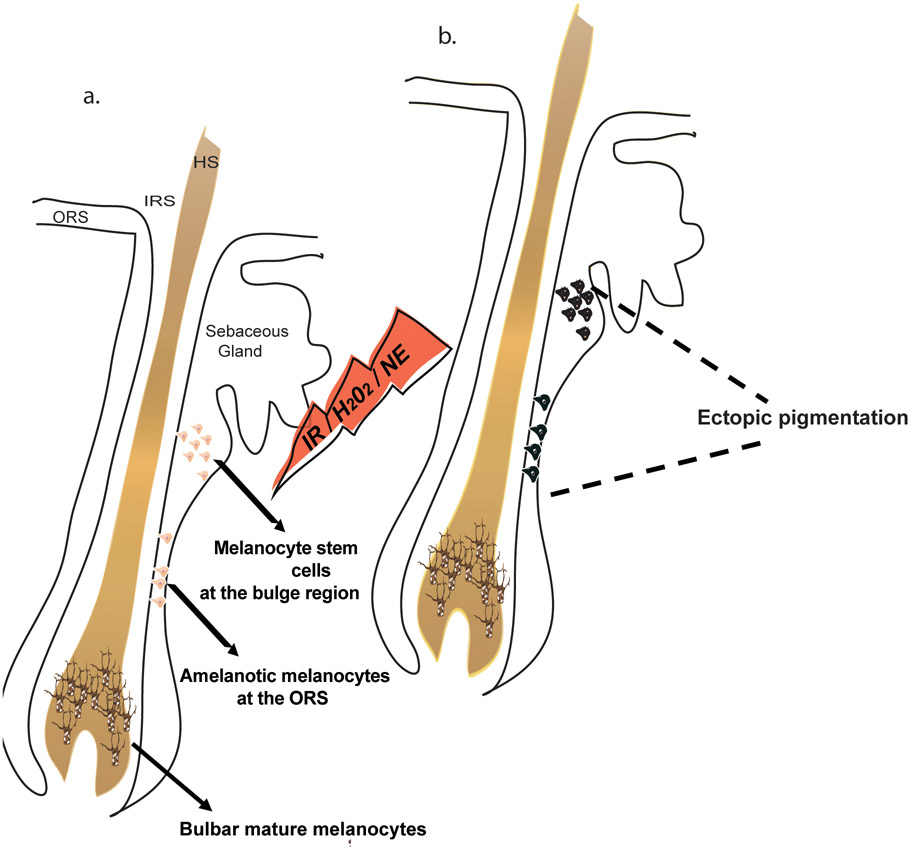
Anon discovers the double edge sword of iron circa 2026. healthlibrary.substack.com/p/understandin… It is needed both for crucial processes such as oxygen transport and DNA synthesis, but it can also lead to: -Cancer -Gout -Gut issues -Liver disease -Hair loss -Age marks -Fatigue -Cardiovascular diseases and much more when in excess (especially for men). The body’s inability to actively excrete iron means that its regulation is critical. Unlike water-soluble vitamins, which are excreted in urine, or fat-soluble vitamins, which can be managed with dietary adjustments, iron accumulates in organs like the liver, heart, and pancreas when absorption exceeds needs. A complex interplay of absorption, transport, storage, and regulation mechanisms governs iron’s role in the body. First and foremost, iron absorption occurs primarily in the duodenum and upper jejunum, where dietary iron is taken up by enterocytes (intestinal cells). The body absorbs only 1-2 mg of iron daily under normal conditions, sufficient to meet physiological needs but tightly regulated to prevent overload. Key regulatory mechanisms include: 1. Hepcidin: A liver-produced peptide hormone, hepcidin is the master regulator of iron homeostasis. It binds to ferroportin, a protein that exports iron from enterocytes and macrophages into the bloodstream, triggering its degradation and reducing iron absorption. Hepcidin levels rise with high iron stores or inflammation (via IL-6) and fall with iron deficiency or hypoxia. Dysregulation, such as in hemochromatosis, leads to excessive absorption. 2. Ferroportin: This transmembrane protein facilitates iron export from cells. Its activity is modulated by hepcidin, ensuring iron release aligns with bodily needs. 3. Divalent Metal Transporter 1 (DMT1): DMT1 transports non-heme iron (Fe(II)) into enterocytes after reduction from Fe(III) by duodenal cytochrome b (DcytB), an enzyme on the enterocyte surface. 4. Ceruloplasmin: A copper-carrying glycoprotein with ferroxidase activity, ceruloplasmin oxidizes Fe(II) to Fe(III) for binding to transferrin, preventing free iron accumulation. It is produced in the liver, brain, lungs, and reproductive organs and carries 95% of circulating copper. Note: The body recycles iron from senescent red blood cells via macrophages in the spleen, reusing it for hemoglobin synthesis. Feedback mechanisms include: 1. Iron-Responsive Elements (IREs): These RNA sequences regulate the expression of ferritin and transferrin receptor genes based on cellular iron levels. 2. Hypoxia-Inducible Factor (HIF): Low oxygen levels increase iron absorption to support erythropoiesis (RBC production). 3. Inflammation: Inflammatory cytokines like IL-6 upregulate hepcidin, reducing iron availability to pathogens but potentially causing anemia of chronic disease. Now iron in the diet exists in three primary forms, each with distinct absorption characteristics: Number 1: Heme iron found in animal products such as red meat. This is highly bioavailable, with 15-35% absorbed. Heme iron is absorbed directly as a porphyrin complex via specific transporters. Number 2: Non-heme iron present in plant foods such as spinach, lentils etc. This is less bioavailable and influenced by dietary factors such as tannins, calcium etc (combining lentils and cheese for example lowers the absorption, while adding something high in vitamin C enhances absorption by reducing Fe(III) to Fe(II)). Number 3: Supplemental iron that includes ferrous sulfate, ferric citrate, ferric EDTA, ferrous fumarate and electrolytic iron powder used in supplements and fortified foods (mainly cereals, bread etc). These forms are highly absorbable but can be problematic with studies suggesting that ferric citrate and ferric EDTA increase amphiregulin, a biomarker for colon cancer. Not only that, but they are also linked to prostate cancer (serum ferritin is now used in combination with PSA for early prostate screening). Now, once again, iron is essential. Here’s why. First, approximately 70% of the body’s iron is incorporated into hemoglobin, the protein in red blood cells that binds oxygen in the lungs and delivers it to tissues. Each hemoglobin molecule contains four heme groups, each with an iron atom capable of binding one oxygen molecule. Myoglobin, a related protein in skeletal and cardiac muscle, stores oxygen for use during exercise, supporting muscle endurance. Iron deficiency anemia, characterized by low hemoglobin, leads to fatigue, pallor and reduced exercise capacity. So iron deficiency = problems as well. Then iron is a cofactor in enzymes critical for energy production and cellular metabolism such as: -Cytochromes: Iron-containing proteins in the mitochondrial electron transport chain facilitate ATP production. Cytochrome c, for example, transfers electrons between complexes III and IV, driving oxidative phosphorylation. -Ribonucleotide reductase: This iron-dependent enzyme converts ribonucleotides to deoxyribonucleotides, essential for DNA synthesis and repair. Adequate iron supports cell division, particularly in rapidly dividing tissues like bone marrow and skin. -Catalase and Peroxidases: These enzymes, which neutralize reactive oxygen species (ROS), require iron to protect cells from oxidative damage. Then, iron supports the rapid division of T and B cells during immune responses. Macrophages also use iron to generate ROS via the respiratory burst, killing pathogens like bacteria and fungi. Now on the flipside, iron overload is characterized by excessive iron accumulation in tissues, is a significant health concern. It results from dietary excess, genetic disorders like hemochromatosis, or lack of iron loss. A key mechanism by which an iron excess harms our health is oxidative stress and the Fenton reaction. Unbound or “free” iron (Fe(II)) catalyzes the Fenton reaction, converting hydrogen peroxide (H₂O₂) into hydroxyl radicals (OH•), highly reactive molecules that damage lipids, proteins, and DNA. The related Haber-Weiss reaction amplifies ROS production. Key consequences include: -Lipid peroxidation: Hydroxyl radicals attack polyunsaturated fatty acids in cell membranes, producing malondialdehyde (MDA) and 4-hydroxynonenal (4-HNE), markers of oxidative damage. -DNA damage: ROS induce DNA strand breaks and mutations, increasing cancer risk. -Protein oxidation: Oxidative modification of proteins impairs enzymatic function and cellular signaling. -Ferroptosis: An iron-dependent form of programmed cell death, ferroptosis disrupts cell membranes via lipid peroxidation, contributing to tissue damage in organs like the liver and brain. These processes underlie the link between iron overload and chronic diseases. For example, iron overload promotes cardiovascular disease (CVD) through multiple pathways such as: -Oxidative stress: Free iron oxidizes LDL cholesterol, forming oxidized LDL (oxLDL), which triggers endothelial dysfunction and atherosclerosis. -Blood viscosity: High iron levels increase hematocrit and blood viscosity, impairing blood flow and increasing shear stress on arterial walls. -Fibrinogen and clotting: Elevated ferritin is associated with increased fibrinogen, a clotting factor linked to higher heart attack risk . Iron’s role in cancer is also driven by its promotion of oxidative stress and inflammation: - ROS from iron overload cause DNA damage, promoting tumor initiation. Iron also supports tumor growth by fueling rapid cell division via ribonucleotide reductase. Inflammation, amplified by iron, creates a tumor-friendly microenvironment. Iron overload contributes to insulin resistance and type 2 diabetes as well where free iron impairs insulin signaling by damaging beta cells and disrupting glucose uptake in peripheral tissues. The list of problems is endless. In Alzheimer’s disease for example, iron disrupts amyloid-beta clearance and promotes tau protein aggregation. In Parkinson’s, iron accumulation in the substantia nigra exacerbates dopaminergic neuron loss. The point now is what can you do in order to prevent an iron overload or wtf can you do in case you are battling one First and foremost, go and test: -The HFE, HJV, HAMP, TFR2, SLC40A1 genes What are these? We inherit one HFE gene from each one of our parents. In this gene we can have two common mutations, the C282Y and H63D which will lead to a person being able to experience an iron overload way easier. That’s called type 1 hemochromatosis. Now if the mutations are in the HAMP or HJV gene, we have type 2 hemochromatosis. In the case where the mutation is in the TFR 2 gene we have type 3 and type 4 in the case of SLC40A1. Why do mutations in these genes create issues? Because they are responsible for producing proteins that help us absorb, store, transport and overall regulate iron. -Ferritin -Tsat -TBC -Hemoglobin -NTBI -Serum iron, zinc, copper, retinol, vitamin D -A liver panel If something is tremendously wrong, these will most likely show it. Then: -Cut out supplemental iron and foods that are fortified with iron. -Get enough magnesium and calcium. -You do not need 6 pounds of red meat a day. -Get enough B vitamins (especially B2, B9 and B12). -Do not pair foods that are high in iron (especially plant ones) with foods that are high in vitamin C. -Take it easy with alcohol (crucial). -Do not cook in cast irons (and ESPECIALLY don’t cook with acidic stuff in them) -Get enough retinol. -Get enough vitamin D. -After you’ve implemented these, get some copper from sources such as bee pollen. beef liver etc. -Get enough K2. Now in general some extra measures you can consider include: -Donating blood if your markers allow it. -Whole food vitamin E -Apolactoferrin -Quercetin -Milk thistle -Naringin -Chrysin rich foods -Taurine *Aspirin might help as well But don't add/do all these at once. If you go and donate blood while also adding whole food vitamin E, quercetin and milk thistle all at once for example, your ferritin will drop way too fast most likely.
Take Testosterone@maxyourtest

New libidomaxxing method just dropped

English
2
0
21
2.4K
George Ferman
George Ferman@Helios_Movement·
@NoahRyanCo I've called him plenty of things but not a hypocrite. That product already existed. He just capitized the bag once the oportunity showed up. But we are all retarded haters and we will go fuck ourselves because we are wrong and this is different than the liver king situation.
George Ferman tweet media
English
1
0
8
2.5K
Noah Ryan
Noah Ryan@NoahRyanCo·
@Helios_Movement Where's the hypocrisy? He made a product that literally addressed all the problems he mentions in this vid
English
3
0
83
8.6K
George Ferman
George Ferman@Helios_Movement·
Just go to the gym.
George Ferman tweet media
English
0
0
14
926
George Ferman
George Ferman@Helios_Movement·
This is probably true unfortunately (this is why you need dads).
George Ferman tweet media
English
2
0
48
4.4K
George Ferman
George Ferman@Helios_Movement·
I can't stop laughing.
George Ferman tweet media
English
1
0
40
3K
K
K@Karthik888_·
@Helios_Movement Unrelated; how much can you alter your health using thought alone? or basically mind/consciousness? just curious does it actually work?
English
1
0
0
97
George Ferman
George Ferman@Helios_Movement·
"Thyroid maxing will turn you into a blue-eyed 7 foot Chad with a better jawline ". Okay Rajesh. Now that your retarded example is out of the question here's what thyroid maxing will actually do for you: healthlibrary.substack.com/p/the-idiots-g…
George Ferman tweet mediaGeorge Ferman tweet media
English
9
8
317
40.7K