Henry Potter

22 posts

Henry Potter

Henry Potter

@HenryDPotter

PhD Candidate @ Trinity College Dublin, researching the biology of agency | Philosophy of Biology, Neuroscience & Cognition

Katılım Kasım 2021
254 Takip Edilen186 Takipçiler
Henry Potter retweetledi
Kevin Mitchell
Kevin Mitchell@WiringTheBrain·
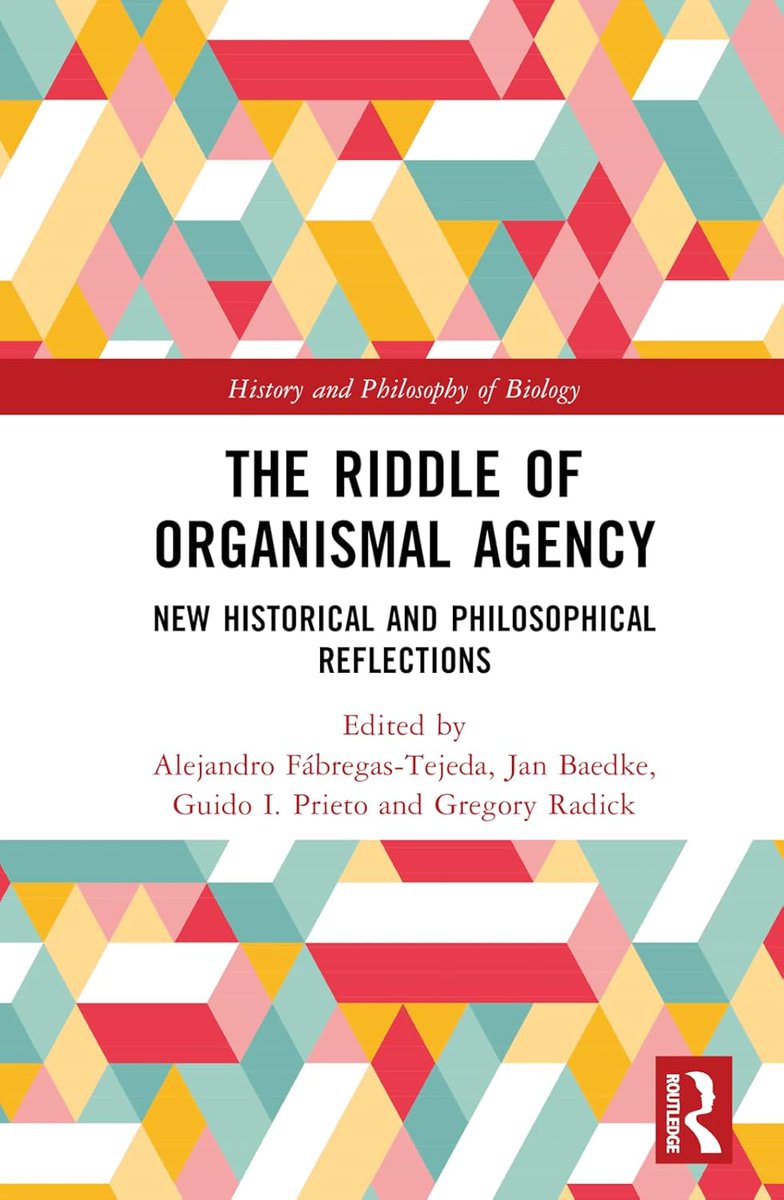
Lovely to have a physical copy of this book in my hand! With a chapter by ⁦@HenryDPotter⁩ and myself. Looking forward to reading the rest! 😀
Kevin Mitchell tweet mediaKevin Mitchell tweet mediaKevin Mitchell tweet media
English
2
7
48
3.5K
Henry Potter retweetledi
Trinity Research
Trinity Research@TrinityResearch·
📢New on #researchMATTERS today: In the final part of our profile series, Dermot McAleese Teaching Assistant Award winner Henry Potter shares his research on the philosophical problems of action and free will from a biological perspective. 🔗tcd.ie/research/resea…
Trinity Research tweet media
English
0
3
7
670
Henry Potter retweetledi
James Briscoe
James Briscoe@briscoejames·
Enjoyed this from @WiringTheBrain & @HenryDPotter on mechanism & causation in neuroscience Striking how applicable the arguments are to dev bio if substitute dev biol->neurosci; embryo->brain; gene regulation->neural causes; GRN as design constraint contributing to causation etc
Kevin Mitchell@WiringTheBrain

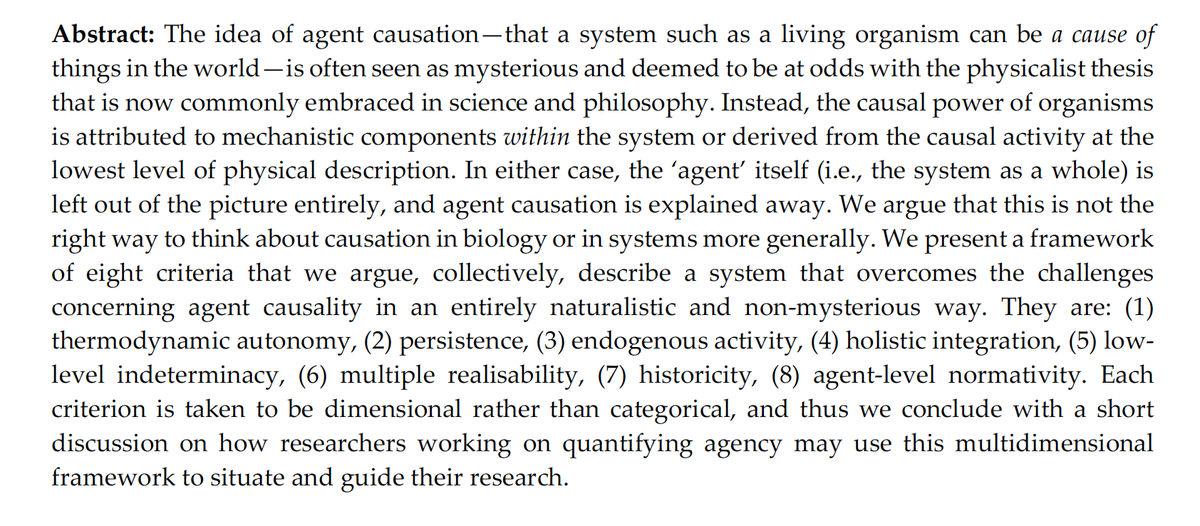
Really excited to have this new preprint out 😊, with @HenryDPotter: 𝗕𝗲𝘆𝗼𝗻𝗱 𝗺𝗲𝗰𝗵𝗮𝗻𝗶𝘀𝗺 – 𝗲𝘅𝘁𝗲𝗻𝗱𝗶𝗻𝗴 𝗼𝘂𝗿 𝗰𝗼𝗻𝗰𝗲𝗽𝘁𝘀 𝗼𝗳 𝗰𝗮𝘂𝘀𝗮𝘁𝗶𝗼𝗻 𝗶𝗻 𝗻𝗲𝘂𝗿𝗼𝘀𝗰𝗶𝗲𝗻𝗰𝗲 osf.io/preprints/psya…
English
2
5
18
4.9K
Henry Potter retweetledi
Kevin Mitchell
Kevin Mitchell@WiringTheBrain·
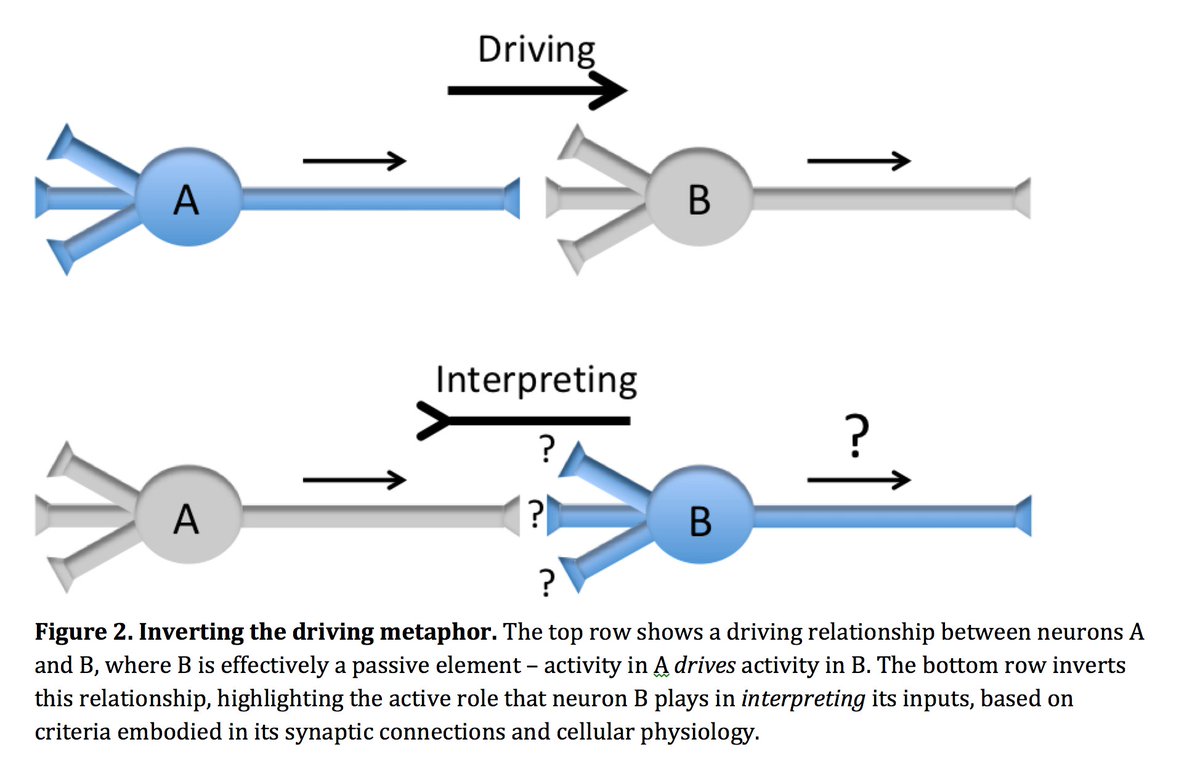
To fully understand the causes of behavior, we need to understand not just what happens when different neurons are activated, but why those things happen. How does the organisation of the system cause a certain behavior to emerge? How and why did it get organised that way?
English
2
4
23
4.6K
Henry Potter retweetledi
Kevin Mitchell
Kevin Mitchell@WiringTheBrain·
In this paper, we argue for an inversion of that perspective - where the receiving neurons are actively *interpreting* their inputs
Kevin Mitchell tweet media
English
2
3
16
4.4K
Henry Potter retweetledi
Kevin Mitchell
Kevin Mitchell@WiringTheBrain·
Really excited to have this new preprint out 😊, with @HenryDPotter: 𝗕𝗲𝘆𝗼𝗻𝗱 𝗺𝗲𝗰𝗵𝗮𝗻𝗶𝘀𝗺 – 𝗲𝘅𝘁𝗲𝗻𝗱𝗶𝗻𝗴 𝗼𝘂𝗿 𝗰𝗼𝗻𝗰𝗲𝗽𝘁𝘀 𝗼𝗳 𝗰𝗮𝘂𝘀𝗮𝘁𝗶𝗼𝗻 𝗶𝗻 𝗻𝗲𝘂𝗿𝗼𝘀𝗰𝗶𝗲𝗻𝗰𝗲 osf.io/preprints/psya…

Kevin Mitchell tweet media
English
15
75
248
37.2K
Henry Potter retweetledi
Department of Philosophy, Trinity College Dublin
Big congratulations to @HenryDPotter who received the Dermot McAleese Teaching Assistant Award in Philosophy today!👏👏
School of Social Sciences & Philosophy, TCD@tcd_school_ssp

Congratulations to @ImogenEve1, @marinaschenkel, @HenryDPotter, and Doireann O’Brien for receiving Dermot McAleese Teaching Assistant Awards today! Recognised for their dedication, effectiveness & commitment to fostering excellence in teaching & learning 👏🎉
English
0
1
4
630
Henry Potter retweetledi
Kevin Mitchell
Kevin Mitchell@WiringTheBrain·
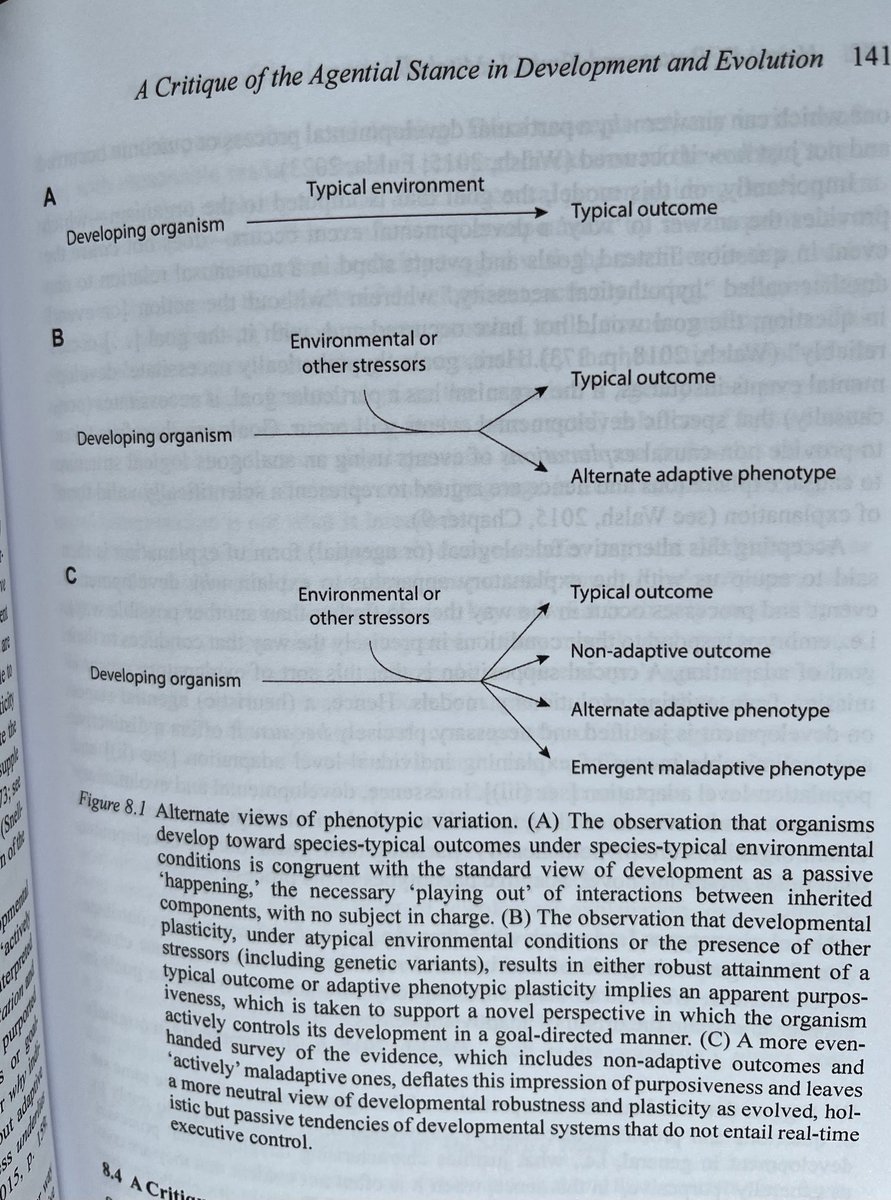
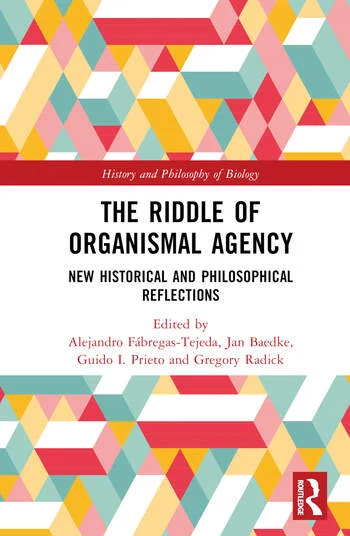
Delighted to contribute a chapter with @HenryDPotter to this exciting volume! "A Critique of the Agential Stance in Development and Evolution" (get in touch for a preprint)
Kevin Mitchell tweet mediaKevin Mitchell tweet media
English
4
12
50
16K
Henry Potter
Henry Potter@HenryDPotter·
@ThosVarley @DrYohanJohn Would you say that this is evidence that the organisation of the whole matters, or is it getting at something else / something more?
English
0
0
0
0
Thomas F. Varley
Thomas F. Varley@ThosVarley·
@DrYohanJohn The fact that there can be predictive information in a set of variables that is not accessible when considering any subset of the whole (statistical synergy/integrated information) seems like a slam dunk argument against dogmatic reductionism imo.
English
2
0
1
0
Henry Potter
Henry Potter@HenryDPotter·
@Philip_Goff @VictorLamme Could you perhaps expand on what you mean by ‘not reducible to’ here, please? What would qualify as irreducible? Thanks.
English
0
0
0
0
Philip Goff
Philip Goff@Philip_Goff·
@VictorLamme I'm not sure what the question is asking. The thought is just that there might be causal dynamics in the brain that are not reducible to causal dynamics at more basic levels. That's clearly a coherent option, and I don't think we know enough about the brain to rule it out.
English
7
1
4
0