

Hester, HE Yuanqiu
27 posts

Hester, HE Yuanqiu
@Hester820
PhD student in marine microbiology, iBeer lab, The university of Hong Kong.
Hong Kong Katılım Ocak 2021
101 Takip Edilen58 Takipçiler
Hester, HE Yuanqiu retweetledi

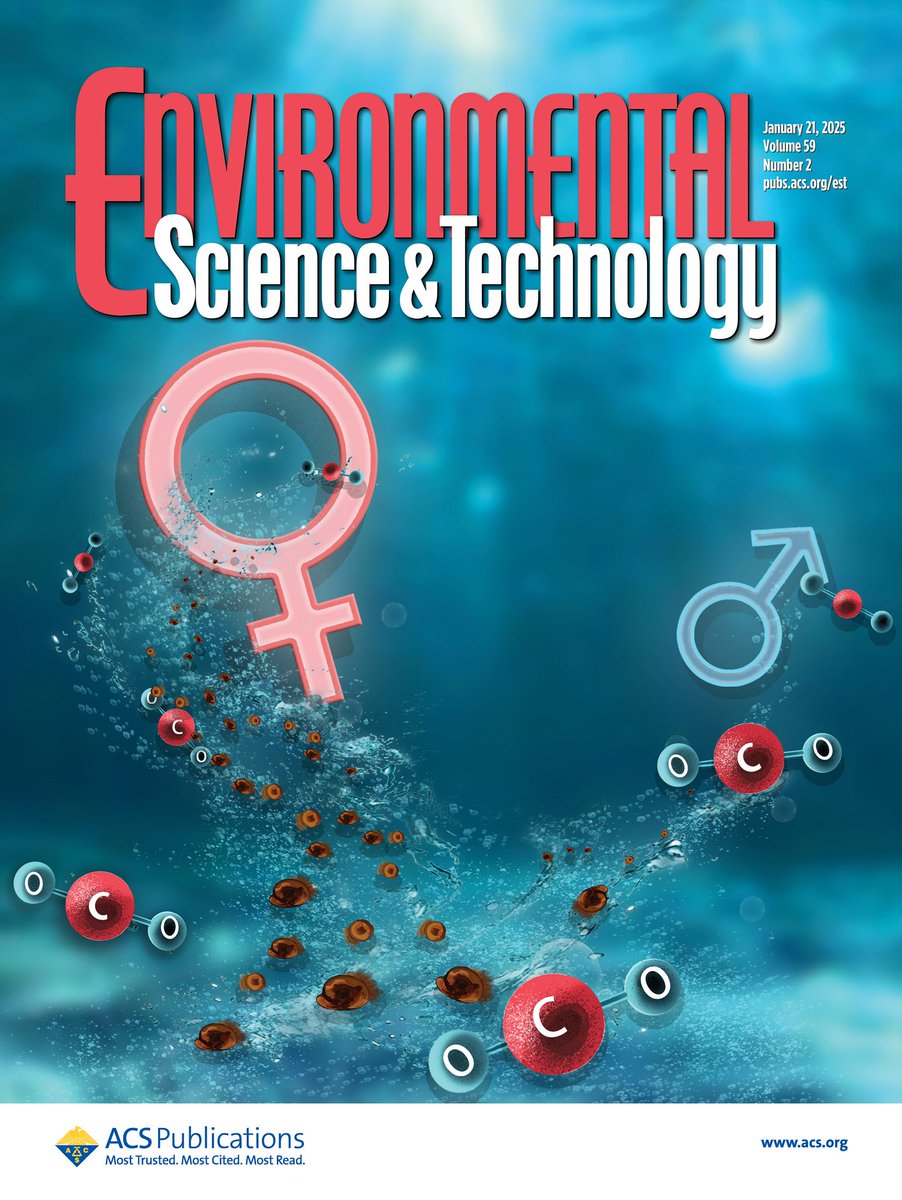
The future seems to be in favor of "ladies first"–in numbers that is! Thrilled to announce my pet research is finally published and selected as a Cover of ES&T. High CO2 and low pH mean more female bivalve offspring. @ACS4Authors #MyACSCover

Hong Kong 🇭🇰 English
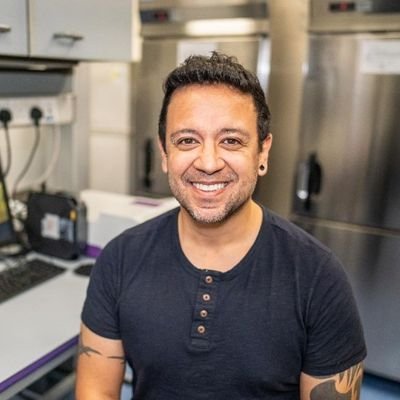
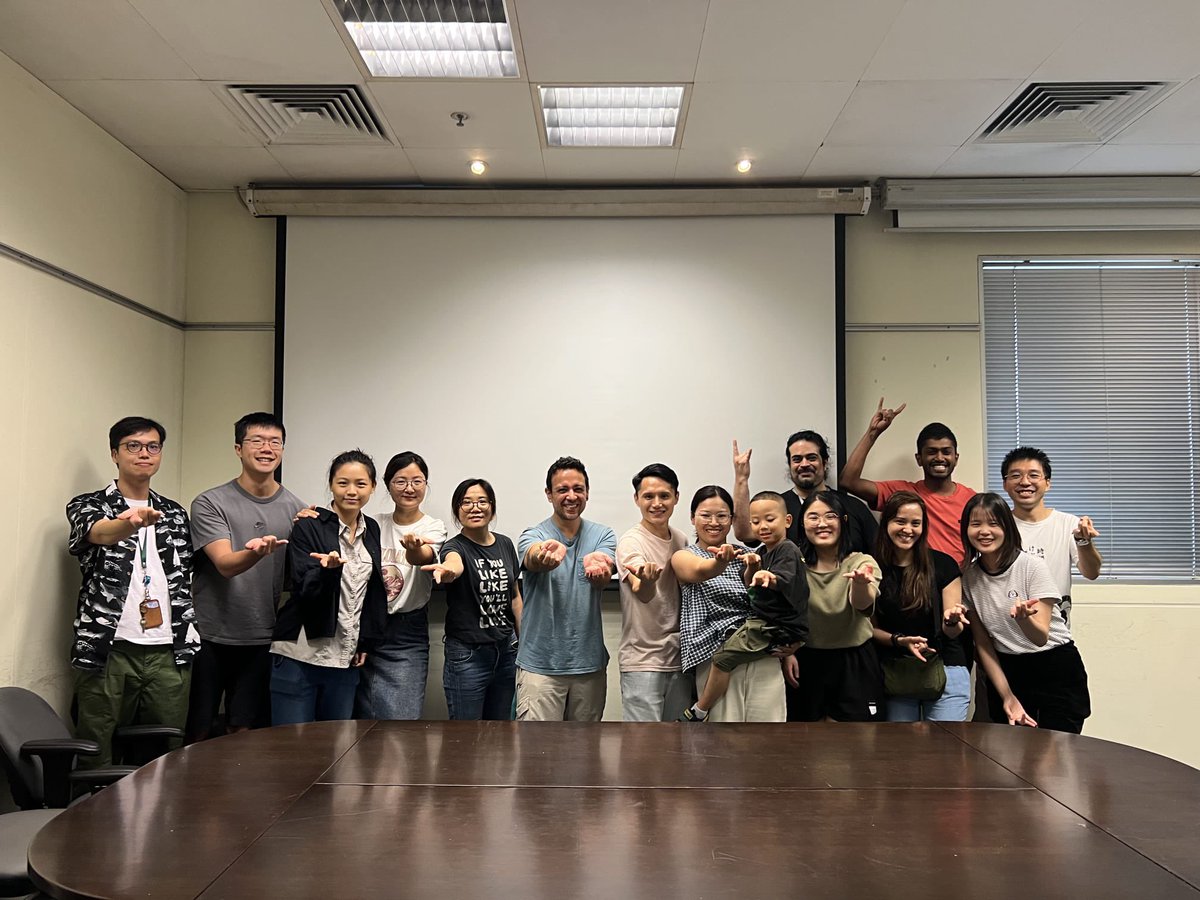
Big congrats to Dr Li @ZhenzhenLi14 for a very mature & well developed #PhD defense!! We are all super proud of you mate! What a journey!! Wishing all the best in the next career stage!
stay tuned those out there interested in #phytoplankton #ecology & #evolution @iBEER_LAB


English
Hester, HE Yuanqiu retweetledi
International Symposium of @sse_evolution (Nov 11)
evolutionsociety.org/international-…
Xin Dang (He/Him, @XinDang4) is a postdoc at University of Hong Kong where he studies long-term & transgenerational impacts of ocean acidification on shellfish physiology, immunology & adaptive plasticity

English
Hester, HE Yuanqiu retweetledi
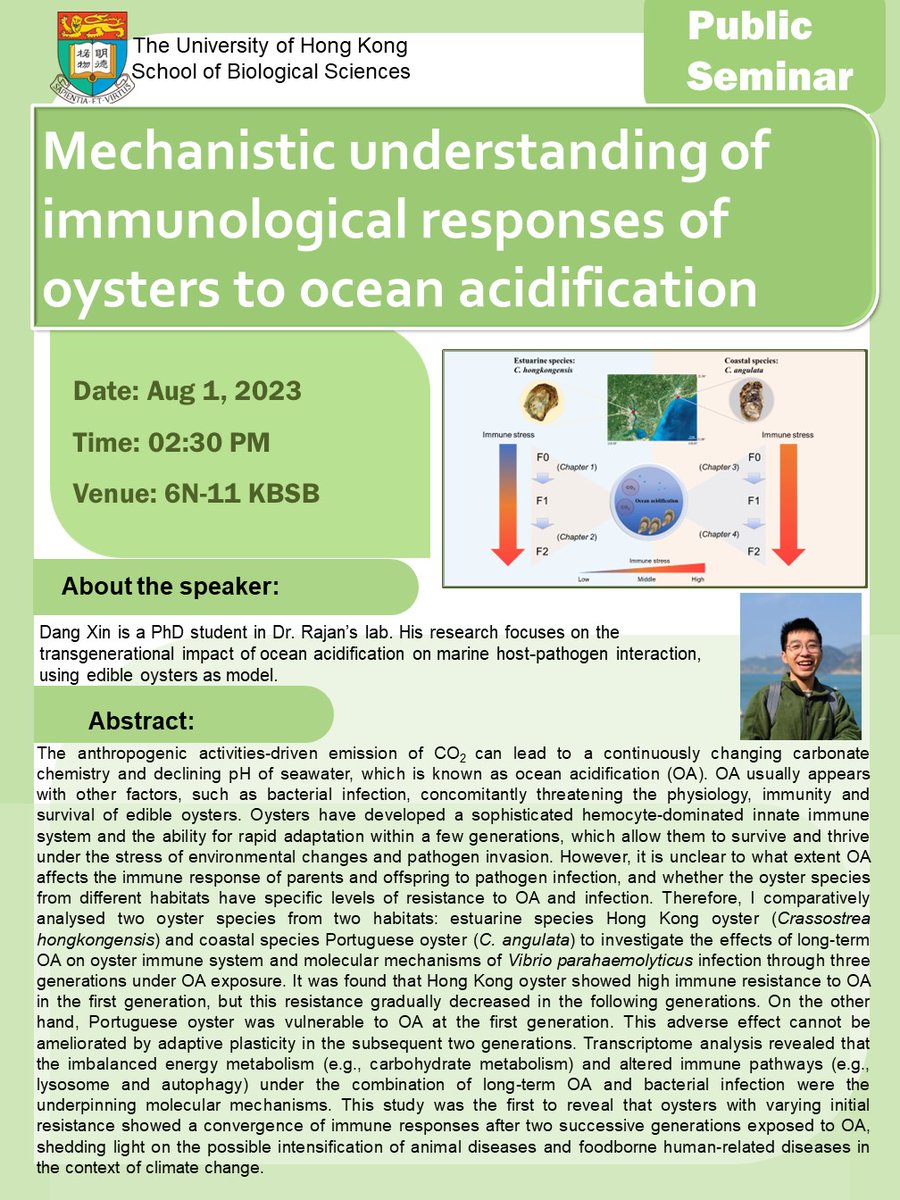
Finally I get here! Welcome to join my PhD oral defense on Aug 1st, next Tuesday, 2:30pm (+8UTC), if you are interested in transgenerational ocean acidification effects on oyster immune defense. Here is the zoom link:
hku.zoom.us/j/98591711485?…
Central & Western District, Hong Kong 🇭🇰 English
Hester, HE Yuanqiu retweetledi
"life will not be contained...maybe even dangerously...life will find a way out"...Such beautiful research and result!
Veera Rajagopal @doctorveera
A mind-blowing paper has come out today in @Nature In 2016, JC Venter Institute scientists trimmed a bacterial genome to its barest minimum required for life to synthesize what they called a "minimal genome" (science.org/doi/10.1126/sc…). Today, a group of scientists from Indiana University reports how that minimal genome evolved over 2000 generations in comparison to the non-minimal genome. The authors found that even when you reduce a bacterial genome to its absolute minimum where every nucleotide matters, the genome undergoes mutational events generation after generation as much as the non-minimal genome. One simply cannot stop the evolution. Just over 300 days of evolution (equivalent to 40,000 years in humans) the minimal cell has gained everything it lacked in fitness on day one in comparison to the non-minimal cell. When comparing the evolved traits between the minimal and non-minimal cells, the scientists found something striking. The evolutionary process increased the cell size of non-minimal cells but not that of the minimal cell. But that is not the striking part. The scientists were able to identify the key mutation that resulted in cell size evolution. And it turned out that the mutation that helped the non-minimal cells to grow bigger is the same that helped the minimal cells to stay smaller. Growing bigger had a survival advantage for non-minimal cells and not growing bigger had a survival advantage for minimal cells. So, the mutation had a context-dependent effect. This just demonstrates that the evolutionary effects on traits have no absolute direction. All that matter is what is beneficial for the organism's survival. The conclusion of the paper is metaphorically a quote from the Jurassic Park movie: “Listen, if there’s one thing the history of evolution has taught us is that life will not be contained. Life breaks free. It expands to new territories, and it crashes through barriers painfully, maybe even dangerously, but . . . life finds a way". (scienmag.com/artificial-cel…) nature.com/articles/s4158…
English
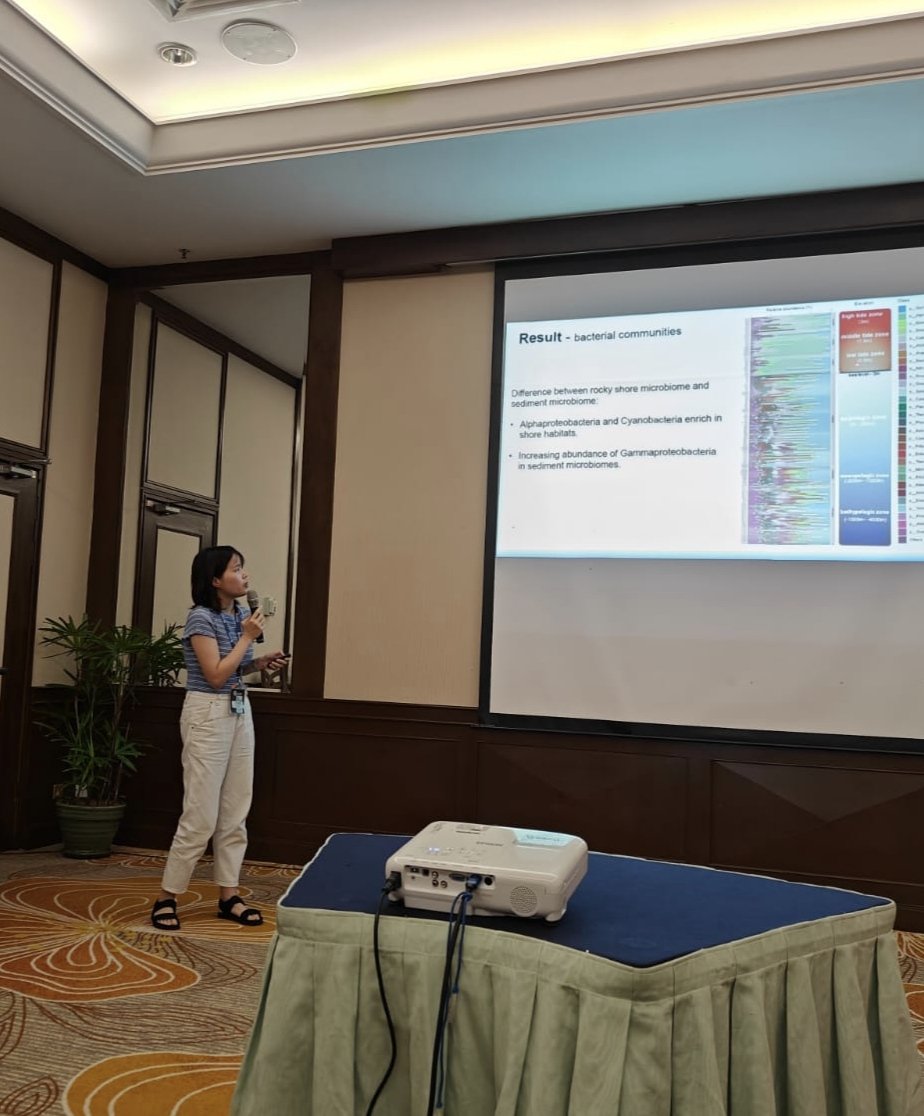
It is my first time to attend an international conference. I was very happy to share my study on the bacterial diversity and communities in tropical marine habitats. And I got really good suggestions for my study! Thank you so much! @WCMB2023 @iBEER_LAB @JDGaitanEspitia

George Town, Pinang 🇲🇾 English
Hester, HE Yuanqiu retweetledi
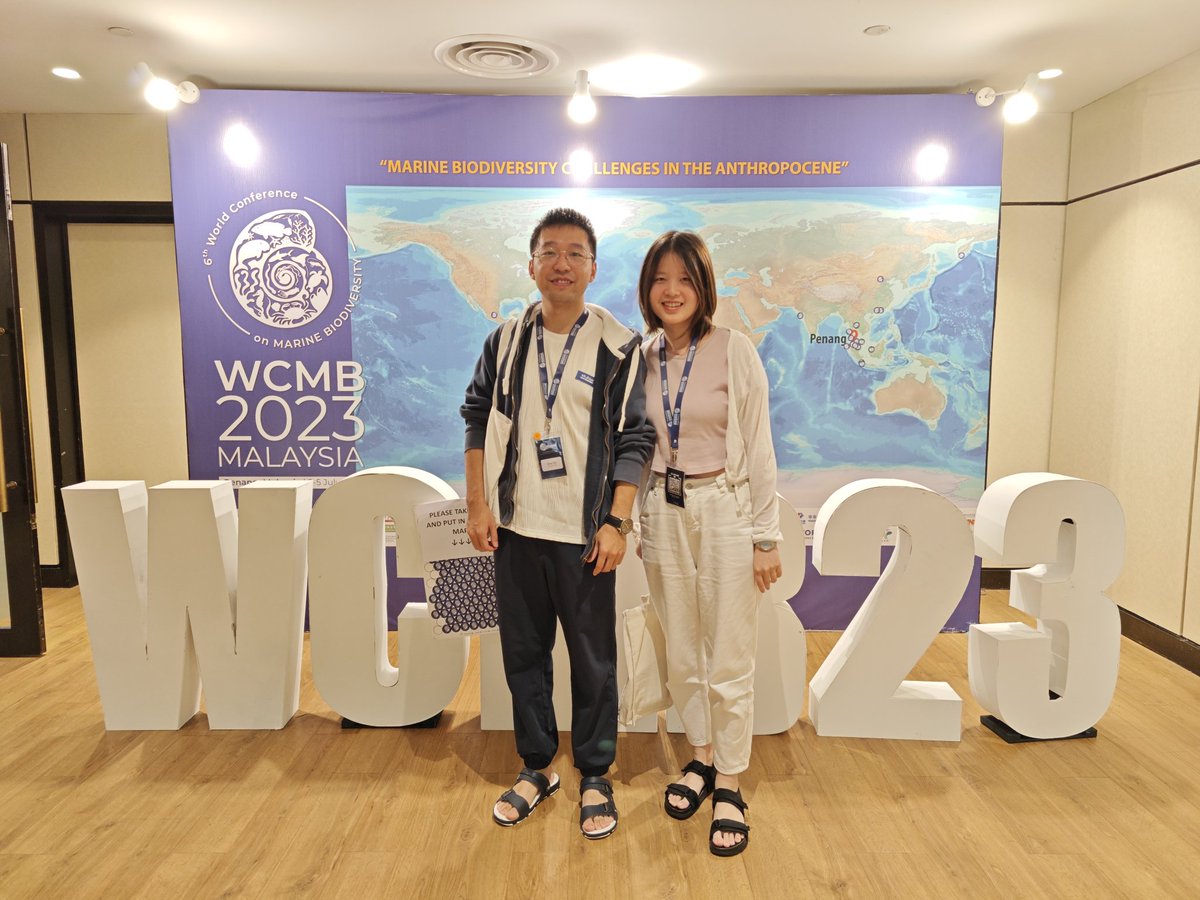
Great time in the conference #WCMB2023 at PENANG with nearly full @iBEER_LAB strength. Thanks to our tour guide @bovernsuchart 😃😃


English
Hester, HE Yuanqiu retweetledi
Attending the @WCMB2023 & interested in the #ecology & #evolution of #marine organisms? Our @iBEER_LAB team will present a range of projects from #bacteria -> marine #invertebrates, stress physiology, evolution & regulation #adaptations, #climate #change #WCMB6 #biodiversity 👇


English
Congrats Bovern! Very interesting talk about how microbes cope with the changing environment!👏👍
Juan Diego Gaitan Espitia 🇨🇴🇭🇰@JDGaitanEspitia
Congrats Dr Arromrak @bovernsuchart for the great #PhD defense! We are all very proud of you 👏 Looking forward to your next achievements!🎉🎉 @iBEER_LAB
Central & Western District, Hong Kong 🇭🇰 English
Hester, HE Yuanqiu retweetledi
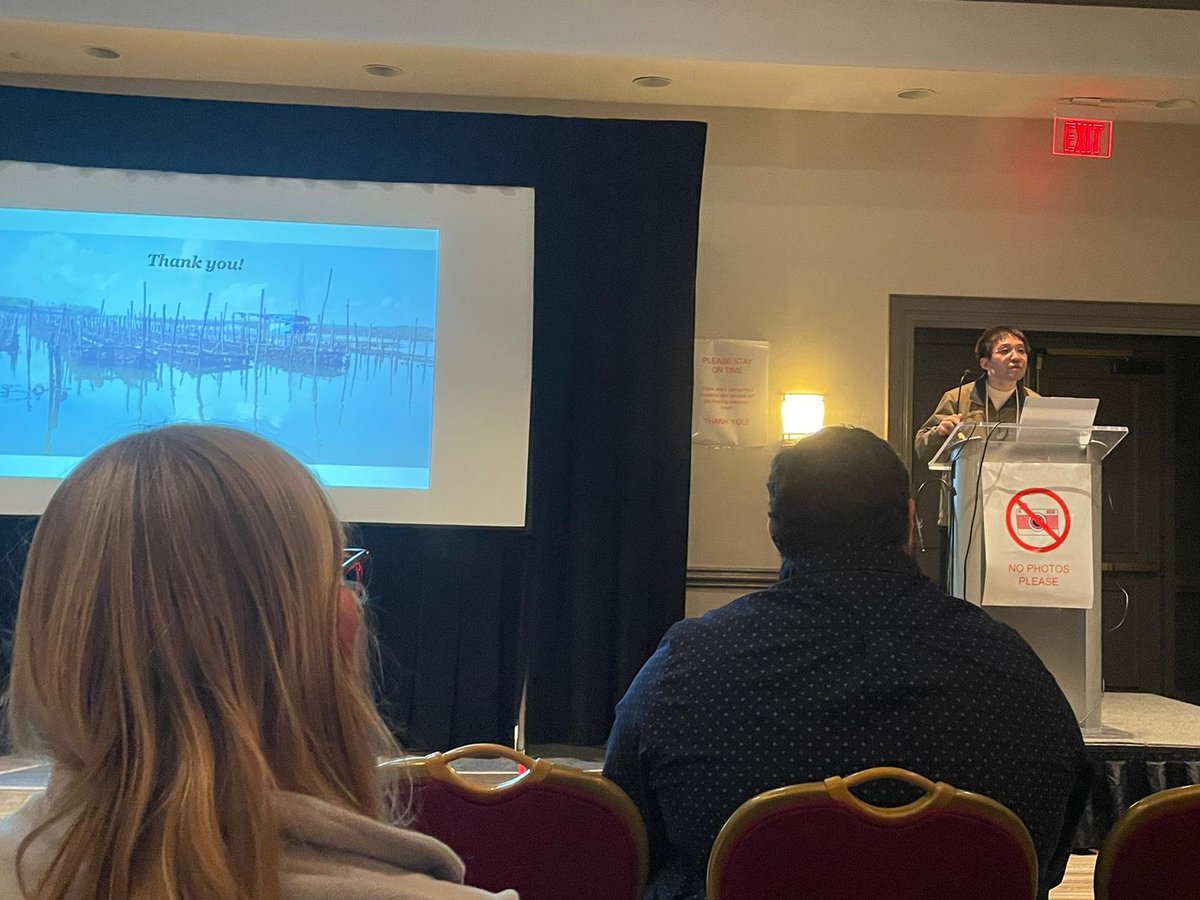
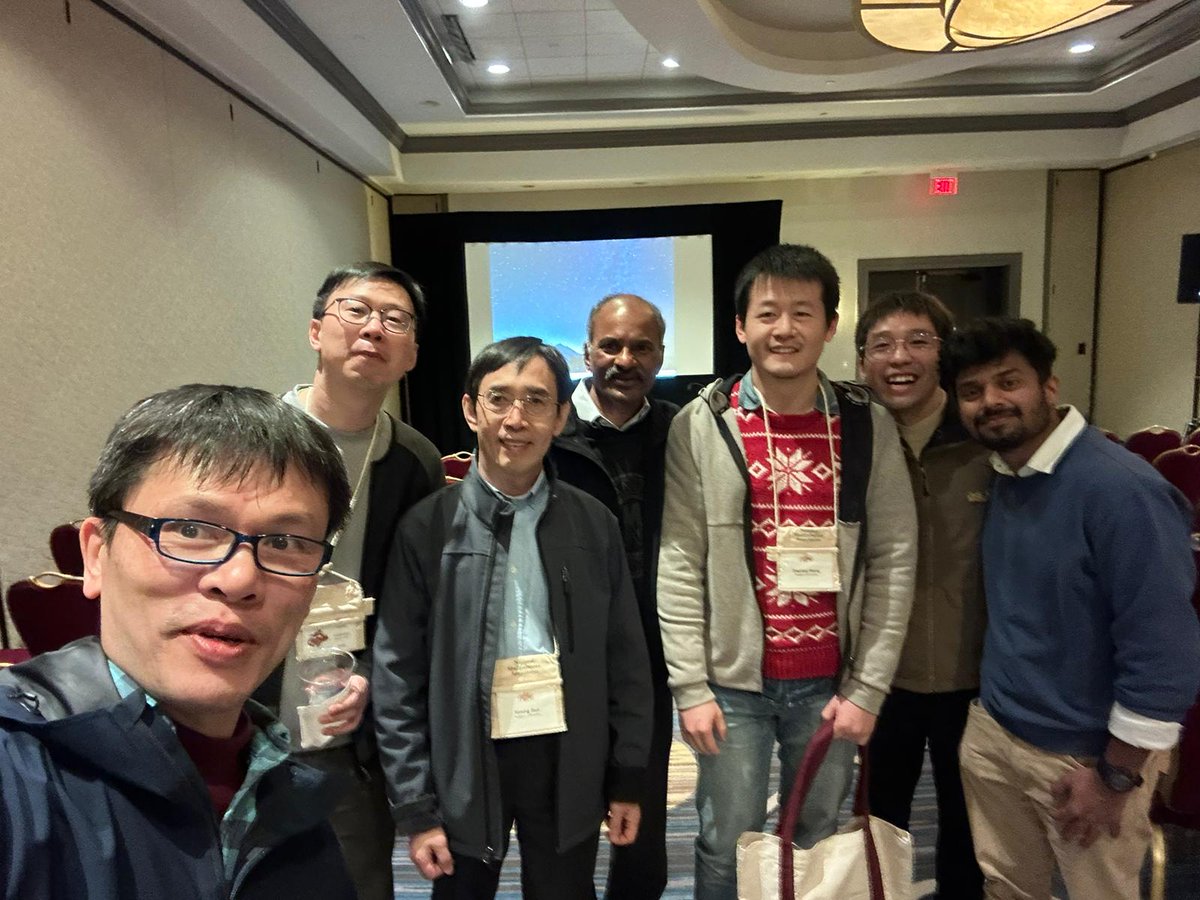
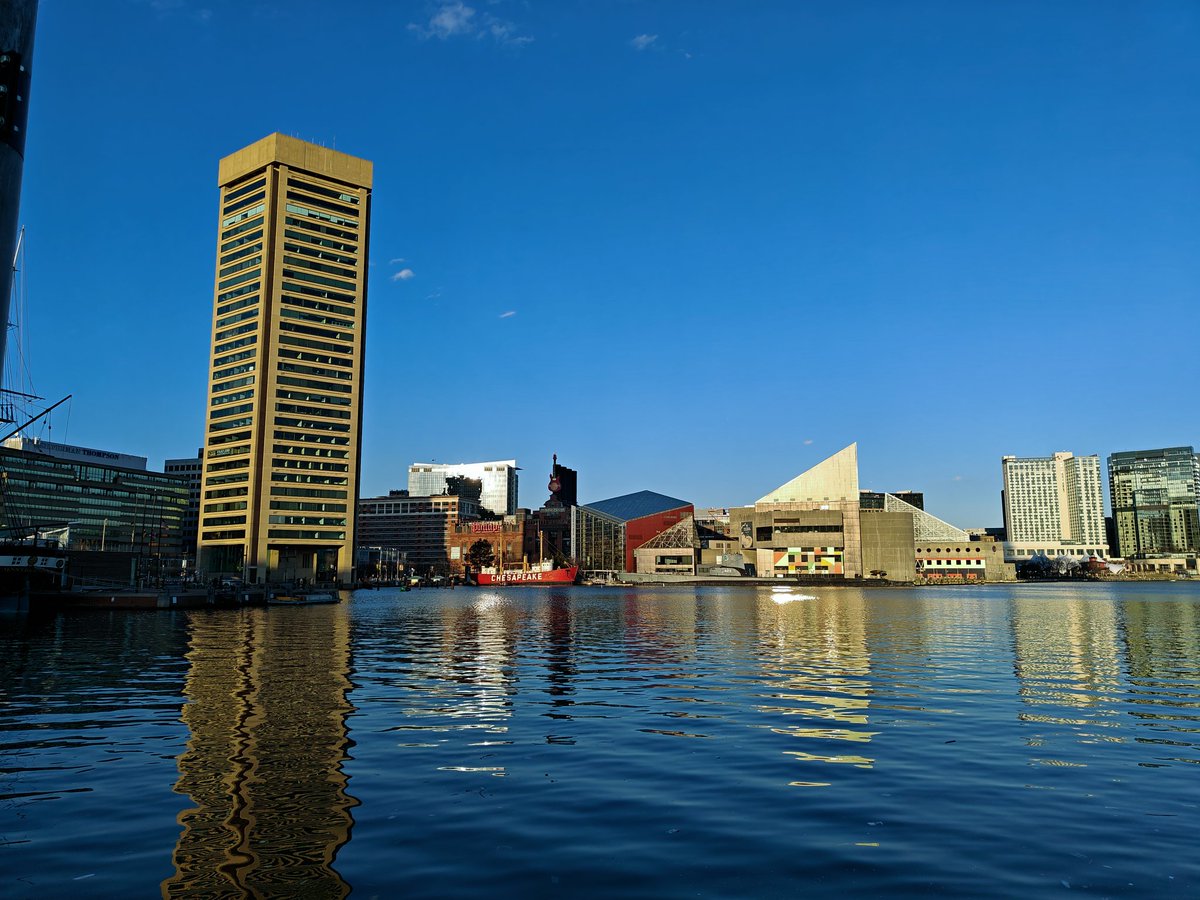
Amazing experience of my first time to attend overseas conference #NSA2023, meet a lot of friends and learn a lot! Byebye Baltimore, see u next time😁

Masonboro, NC 🇺🇸 English
Congrats!
Xin Dang, Ph.D.@XinDang4
Hong Kong oyster exhibits higher immune resistance to OA than Portuguese oyster, and we found that it's related to the homeostasis of gut microbiome. Please see our recent work below. This link is free to access until April09. authors.elsevier.com/a/1gcnR,3oDQuO…
Central & Western District, Hong Kong 🇭🇰 English
Hester, HE Yuanqiu retweetledi

Beyond Excited! We revealed that microbiome stability in taxonomic/functional structure may be the key to the survival and tolerance of a high shore oyster to the extreme conditions in the intertidal zone. @iBEER_LAB
@JDGaitanEspitia. Available at BioRxiv.
biorxiv.org/cgi/content/sh…
bioRxiv@biorxivpreprint
Structural stability of the oyster gut microbiome contributes to the host's physiological tolerance to temperature fluctuations on tropical rocky shores biorxiv.org/cgi/content/sh… #bioRxiv
English
@bovernsuchart @XinDang4 ...Gold miner? (from his profile...🤔
Central & Western District, Hong Kong 🇭🇰 English
@Hester820 @XinDang4 What is Dang Xin to you then?🙃
English
Wild Hong Kong oysters are resistant to ocean acidification but still vulnerable to bacteria infection. See our recent paper😄😄😄🎉🎉🎉.
doi.org/10.1016/j.envp…
Thanks my labmate David and thanks my wife @Hester820 to draw the nice graphical abstract! Let's keep going🎊🎊✨


English
Congrats! Seems oysters are hard to handle the OA and bacteria infection at the same time.
Xin Dang, Ph.D.@XinDang4
Wild Hong Kong oysters are resistant to ocean acidification but still vulnerable to bacteria infection. See our recent paper😄😄😄🎉🎉🎉. doi.org/10.1016/j.envp… Thanks my labmate David and thanks my wife @Hester820 to draw the nice graphical abstract! Let's keep going🎊🎊✨
Central & Western District, Hong Kong 🇭🇰 English
Happy to see the second paper cooperated with James finally out!! It started in 2018 and submitted in 2021, taking one year revision and five professional reviewers! Anyway It's a good start for me to work on OA plasticity!🎉🎉🎉🎊🎊🎊
Molecular Ecology@molecology
New in ME: Epigenetic-associated phenotypic plasticity of the ocean acidification-acclimated edible oyster in the 2 mariculture environment. link -> buff.ly/3OCVnKp
English