Sabitlenmiş Tweet
Nikhil
15.1K posts

Nikhil
@Hey_Nikhil15
Everything About Cricket|Cricket Analysis | Match Updates News | Highlights | Match Predictions
Katılım Aralık 2025
576 Takip Edilen715 Takipçiler

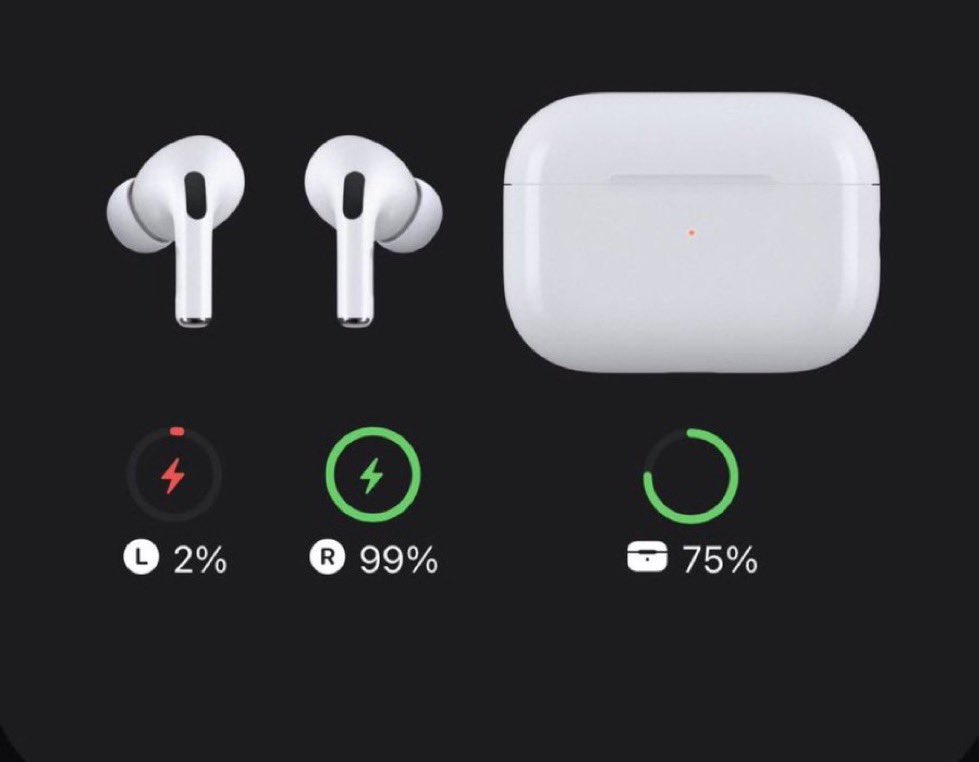
I’m surprised by how many people don’t know why this happens.
English


Nikhil retweetledi



Nikhil retweetledi


Nikhil retweetledi

Nikhil retweetledi

Nikhil retweetledi

English


Nikhil retweetledi

why are men nowadays attracted to girls with such a body type? 🤣

English


Nikhil retweetledi

Nikhil retweetledi

Nikhil retweetledi


Nikhil retweetledi


Nikhil retweetledi

When, during the COVID era, the Prime Minister appealed to the citizens to stay indoors and work from home, no one offered the unsolicited advice that he should first demonstrate this by confining himself within the PM’s residence; that he should first send the Members of Parliament (MPs) home; that he should first send the doctors, police, and security forces home—and *only then* address the public.
When, during the pandemic, 800 million people received free rations, no one raised the question that he should first fill the plates of his own family, relatives, and MPs, and *only then* think of the poor.
When schemes like Ayushman Bharat were introduced, providing a lifeline for medical treatment to millions of families, no one suggested that he should first get health cards issued for his own people, and *only then* concern himself with the public.
When the prices of stents for heart patients were reduced, no one cast the sarcastic remark that he should first make them affordable for MPs, and *only then* for the common man.
But the moment the Prime Minister—amidst a global crisis and with an eye on future challenges—appealed for a measure of caution, thrift, and restraint... suddenly, the country witnessed a bumper crop of economists, satirists, and self-proclaimed revolutionaries.
Now, some people seem to be in such agony—as if 10 grams of gold, 20 liters of petrol, and 3 gas cylinders were being forcibly confiscated from them every single day.
My friends, it was merely an *appeal*... not an ordinance.
It was *advice*... not a raid.
It was a *suggestion*... not a mandate enforced by twisting arms.
Those who demand a "do it yourself first" certificate for every initiative perhaps forget that a leader shows the way; he does not personally go to every household to light the gas stove.
And as for the matter of contribution: had the government asked the MPs for ₹100 each, the total sum would have remained limited; but asking the citizens for the *trust* symbolized by a mere ₹1 demonstrates that the government places its faith in the power of the people—though, admittedly, some people lack faith even in their own intentions.
The truth is, the problem does not lie with the appeal itself; the problem is simply that the person making the appeal happens to be the very individual against whom a habit of opposition has instilled a chronic allergy in certain quarters.


English
Nikhil retweetledi