Barry | System Architect
371 posts

Barry | System Architect
@HisBarry
System Architect ... Systems & Cloud infrastructure ☁️ ⚙️🛡️🌐
Scotland, United Kingdom Katılım Mart 2022
247 Takip Edilen129 Takipçiler

Shout out to my boss @Web3Sultan_ I appreciate your advice and guidance thank you
English



@dev_maims learning computer science is essential. AI thrives on solid algorithms and data structures,understanding them gives you to innovate, not just consume tech.
English

Do you think learning computer science is worth it in the era of artificial intelligence?
English

Operating systems… I'm increasingly realizing that any complete software is essentially an operating system. We need to make OS a fundamental course in computer science. Someone who can't write their own operating system is simply not qualified to be a good software architect.
English
Barry | System Architect retweetledi

The Cowboys became first team to use computers in talent scouting. The Cowboys used an IBM 360 Model 65 computer.
System/360's chief architect was Gene Amdahl, and the project was managed by Fred Brooks, responsible to Chairman Thomas J. Watson Jr.

English
Barry | System Architect retweetledi

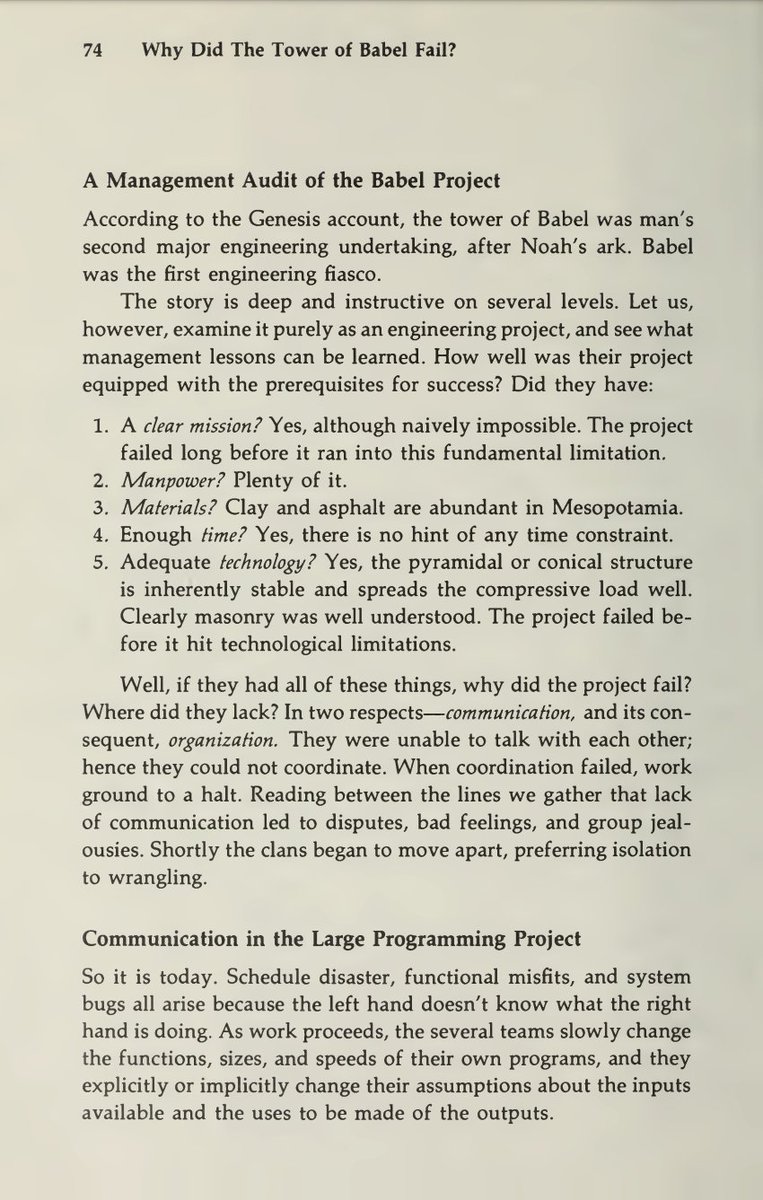
Back in 1975, 50 years ago, the father of the IBM/360, Frederick Brooks, the guy who built the computer that was the model, the forerunner of the IBM PC, wrote a book called "The Mythical Man Month". Most of us in the 1980s read it, kept it close in thought. We didn't want to be caught in the scenarios this book talks about. Work smart, quality not quantity.
Why is this book still so important, why does this matter 50 years later?
What could we still find relevant with this book to this moment in American Information Technology, with the invasion of Indians flooding here because of H-1B?
As this book points out, most of the concepts surrounding early computer program development in 1975 center around communication and organization.
Actually just as important as today.
Software and engineering were already under tremendous pressure even in 1975 to produce software that wouldn't blow up, create more problems.
The trajectory for software was clearly understood to be an infinite market and could provide a huge value to business, and BE a profitable business.
IF things didn't get out of control and you had the best communication, and the best organization.
But what would happen if instead of a unified monoculture of programmers, you were suddenly forced to work in a multi-cultural environment, and all the cultures are incompatible with each other?
The matrix of culture should show the host country as the anchor culture, guests need to respect the host country. This is intuitive. But what happens when several disparate cultures are forced to work together?
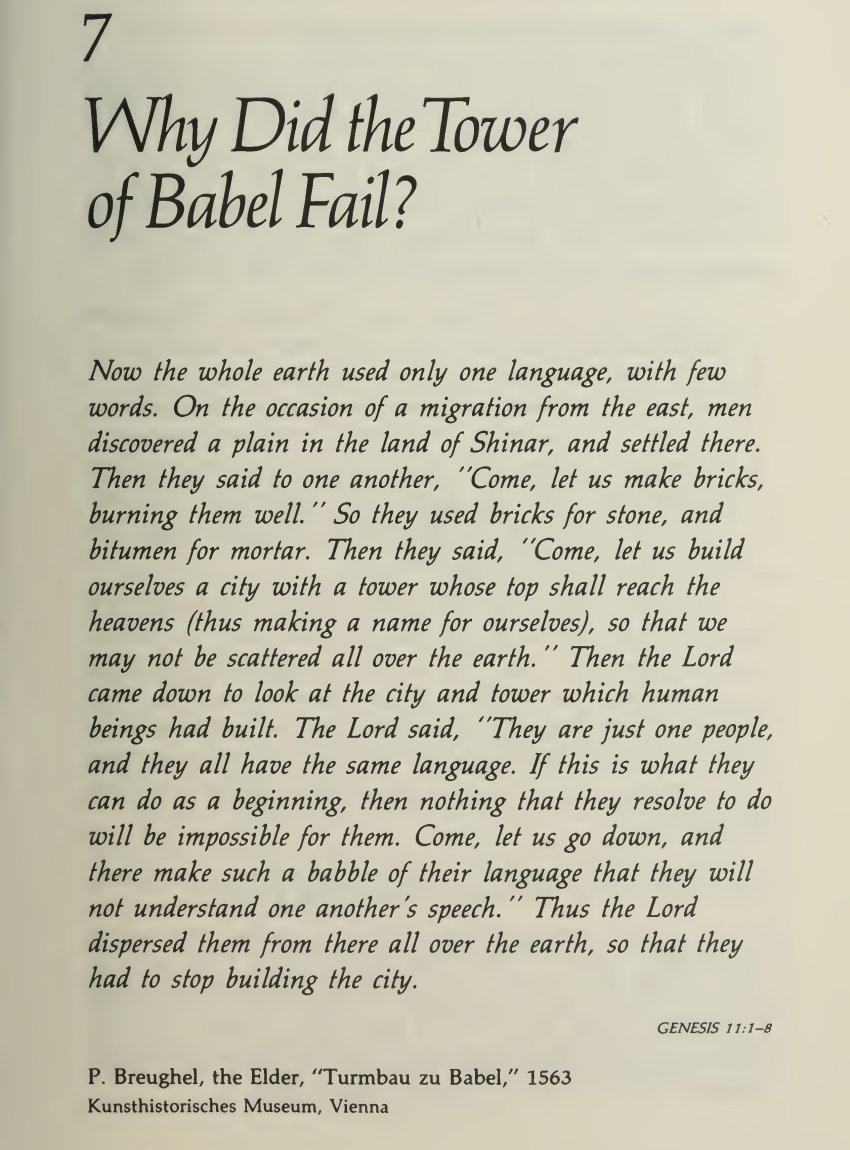
The Tower of Babble was a perfect example of what divide and conquer means, and how it can be implemented in labor markets. It is exactly the same process with H-1Bs from incompatible cultures in American Information Technology.
Just like the Tower of Babble.
And the master builders of America, have become overrun by guest workers who speak an incompatible language, have different motivations for the work, and different loyalties to their masters and their country, displacing the host labor market without moral crisis.
The motivations for actual, responsible team sizes, hiring, as well as responsible resource management are not the same for the foreigner as the local. Team cohesion should represent as little friction as possible.
So why would you introduce this into American IT?
The foreigner is incentivized to hire more people into the host country than would actually be necessary, since this is how he gets paid.
America had this science 50 years ago. It is extremely irresponsible for Corporate America to actually allow oversized teams, chaos job descriptions, because they boost pimping, using The Mythical Man Month to hire useless people.
All based on the number of seats, not efficient superstars who know how to get shit done with FEWER PEOPLE.
H-1B is all about shoddy resource allocation, poor communication, and poor organization. All by intent to scramble the US technology market to keep American workers DOWN.
Get the book for free: web.eecs.umich.edu/~weimerw/2018-…

English
Barry | System Architect retweetledi

𝗛𝗼𝘄 𝘁𝗼 𝗮𝗻𝘀𝘄𝗲𝗿 𝘀𝘆𝘀𝘁𝗲𝗺 𝗱𝗲𝘀𝗶𝗴𝗻 𝗾𝘂𝗲𝘀𝘁𝗶𝗼𝗻𝘀 𝘂𝘀𝗶𝗻𝗴 𝘁𝗵𝗲 𝗦𝘆𝘀𝘁𝗲𝗺 𝗗𝗲𝘀𝗶𝗴𝗻 𝗠𝗮𝘀𝘁𝗲𝗿 𝗧𝗲𝗺𝗽𝗹𝗮𝘁𝗲?
Here is the System Design Master Template, which you can use as a basis for any system design problem you may encounter during an interview.
A list of topics that you should know:
𝟭. 𝗟𝗼𝗮𝗱 𝗕𝗮𝗹𝗮𝗻𝗰𝗲𝗿. Distributes inbound requests across healthy nodes using rules such as round-robin or least-connections. Keeps latency stable and enables rolling upgrades without downtime.
𝟮. 𝗔𝗣𝗜 𝗚𝗮𝘁𝗲𝘄𝗮𝘆. Single entry that authenticates callers, enforces quotas, and routes each call to the right microservice. Can also aggregate responses so that clients hit a single endpoint.
𝟯. 𝗖𝗼𝗻𝘁𝗲𝗻𝘁 𝗗𝗲𝗹𝗶𝘃𝗲𝗿𝘆 𝗡𝗲𝘁𝘄𝗼𝗿𝗸 (𝗖𝗗𝗡). An edge network that caches immutable assets near users, cutting round-trips and shielding origins from spikes. Often handles TLS and compression as well.
𝟰. 𝗠𝗲𝘁𝗮𝗱𝗮𝘁𝗮 𝗦𝗲𝗿𝘃𝗲𝗿. Stores pointers, permissions, and object properties in a small, fast store. Replicates data for reads and writes to block servers when files are changed.
𝟱. 𝗕𝗹𝗼𝗰𝗸 𝗦𝗲𝗿𝘃𝗲𝗿. Persists data chunks on commodity disks, replicates across racks, and self-heals after failures. Clients stream blocks in parallel for throughput.
𝟲. 𝗦𝗵𝗮𝗿𝗱 / 𝗣𝗮𝗿𝘁𝗶𝘁𝗶𝗼𝗻 𝗠𝗮𝗻𝗮𝗴𝗲𝗺𝗲𝗻𝘁. Splits a growing dataset by user ID, time, or hash so that each DB instance remains small. Rebalances shards when a node fills or a hot key appears.
𝟳. 𝗖𝗮𝗰𝗵𝗲 (𝗥𝗲𝗱𝗶𝘀/𝗠𝗲𝗺𝗰𝗮𝗰𝗵𝗲𝗱). Holds hot keys in RAM with TTL, counters, and locks. Reduces read latency from milliseconds to microseconds and offloads the primary store.
𝟴. 𝗗𝗶𝘀𝘁𝗿𝗶𝗯𝘂𝘁𝗲𝗱 𝗠𝗲𝘀𝘀𝗮𝗴𝗶𝗻𝗴 (𝗞𝗮𝗳𝗸𝗮/𝗥𝗮𝗯𝗯𝗶𝘁𝗠𝗤). Durable log that decouples producers from consumers, provides replay, back-pressure, and at-least-once delivery. Enables event-driven designs.
𝟵. 𝗡𝗼𝘁𝗶𝗳𝗶𝗰𝗮𝘁𝗶𝗼𝗻 𝗦𝗲𝗿𝘃𝗶𝗰𝗲. Pulls events from the queue, batches them, and pushes email, SMS, or mobile alerts. Retries with exponential back-off and user-level throttling.
𝟭𝟬. 𝗝𝗼𝗯 𝗪𝗼𝗿𝗸𝗲𝗿𝘀. Stateless containers that pick tasks such as video encoding or thumbnail generation from a queue. Scale horizontally by adding replicas.
𝟭𝟭. 𝗗𝗶𝘀𝘁𝗿𝗶𝗯𝘂𝘁𝗲𝗱 𝗟𝗼𝗴𝗴𝗶𝗻𝗴 𝗮𝗻𝗱 𝗧𝗿𝗮𝗰𝗶𝗻𝗴. Ships structured logs and distributed spans to a central store, then indexes by request ID. Let's you trace a single user action across dozens of services.
𝟭𝟮. 𝗕𝗮𝘁𝗰𝗵 / 𝗦𝘁𝗿𝗲𝗮𝗺 𝗣𝗿𝗼𝗰𝗲𝘀𝘀𝗶𝗻𝗴 (𝗦𝗽𝗮𝗿𝗸, 𝗛𝗮𝗱𝗼𝗼𝗽). Transforms raw events into aggregates, ML features, and reports. Supports windowed joins for near-real-time dashboards.
𝟭𝟮. 𝗠𝗲𝘁𝗿𝗶𝗰𝘀 𝗮𝗻𝗱 𝗔𝗹𝗲𝗿𝘁𝗶𝗻𝗴. Scrapes time-series data, stores it efficiently, and renders dashboards. The Alert Rules page alerts you when latency, error rate, or saturation crosses SLOs.
How to use the template:
🔹 𝗖𝗹𝗮𝗿𝗶𝗳𝘆 𝗻𝗲𝗲𝗱𝘀. What’s the core read/write path? Which NFRs bite first?
🔹 𝗗𝗿𝗮𝘄 𝘁𝗵𝗲 𝗯𝗹𝗼𝗰𝗸𝘀 𝗮𝗯𝗼𝘃𝗲. Drop the ones you don’t need yet; add only the few missing pieces.
🔹 𝗗𝗶𝘃𝗲 𝗱𝗲𝗲𝗽. Select one risky block and explain the data model, failure modes, and scale limits.
🔹 𝗦𝘁𝗿𝗲𝘀𝘀 𝘁𝗲𝘀𝘁. Walk through spikes, region loss, and schema changes.
Hit every interview like this, and you’ll give a structured, high-signal answer in minutes.
Save for later and share with your team.

English
Barry | System Architect retweetledi
𝗦𝗼𝗳𝘁𝘄𝗮𝗿𝗲 𝗔𝗿𝗰𝗵𝗶𝘁𝗲𝗰𝘁𝘂𝗿𝗲 𝗠𝗶𝗻𝗱 𝗠𝗮𝗽
Most “software architecture” advice fails for one reason.
It jumps to tools before fundamentals.
This mind map is the opposite. It’s how I explain architecture to senior engineers, tech leads, and CTOs when they ask: “What should I actually know?”
𝗛𝗲𝗿𝗲’𝘀 𝘁𝗵𝗲 𝗹𝗼𝗴𝗶𝗰 𝗯𝗲𝗵𝗶𝗻𝗱 𝗶𝘁 👇
𝟭. 𝗙𝗼𝘂𝗻𝗱𝗮𝘁𝗶𝗼𝗻𝘀
Architecture starts with trade-offs, constraints, and decisions. Not frameworks. If you skip this, every later choice is noise.
𝟮. 𝗥𝗲𝗾𝘂𝗶𝗿𝗲𝗺𝗲𝗻𝘁𝘀
Performance, scalability, reliability, security. These are design drivers, not checkboxes you add later.
𝟯. 𝗗𝗼𝗺𝗮𝗶𝗻
Sound systems reflect the domain, not the org chart or the latest trend. Boundaries matter more than layers.
𝟰. 𝗔𝗿𝗰𝗵𝗶𝘁𝗲𝗰𝘁𝘂𝗿𝗲 𝘀𝘁𝘆𝗹𝗲𝘀
Monoliths, microservices, event-driven, CQRS. Each solves a problem. None is a default answer.
𝟱. 𝗗𝗮𝘁𝗮
Storage models, consistency, transactions, and caching. Most system failures start here.
𝟲. 𝗗𝗶𝘀𝘁𝗿𝗶𝗯𝘂𝘁𝗶𝗼𝗻
Messaging, APIs, retries, idempotency. Every network hop adds cost. Pay it only when needed.
𝟳. 𝗖𝗹𝗼𝘂𝗱 & 𝗶𝗻𝗳𝗿𝗮
Not architecture by itself. Bad design scales failure faster.
𝟴. 𝗦𝗲𝗰𝘂𝗿𝗶𝘁𝘆
You can’t patch them in later without pain.
𝟵. 𝗗𝗲𝗹𝗶𝘃𝗲𝗿𝘆
CI/CD, deploy strategies, migrations. Architecture that can’t evolve will rot.
𝟭𝟬. 𝗢𝗯𝘀𝗲𝗿𝘃𝗮𝗯𝗶𝗹𝗶𝘁𝘆
If you can’t see it, you can’t operate it.
𝟭𝟭. 𝗣𝗿𝗼𝗰𝗲𝘀𝘀
Conway’s Law is always on. Pretending otherwise is expensive.
𝟭𝟮. 𝗣𝗿𝗮𝗰𝘁𝗶𝗰𝗲
You get better by doing, reviewing, and revisiting decisions.

English
Barry | System Architect retweetledi

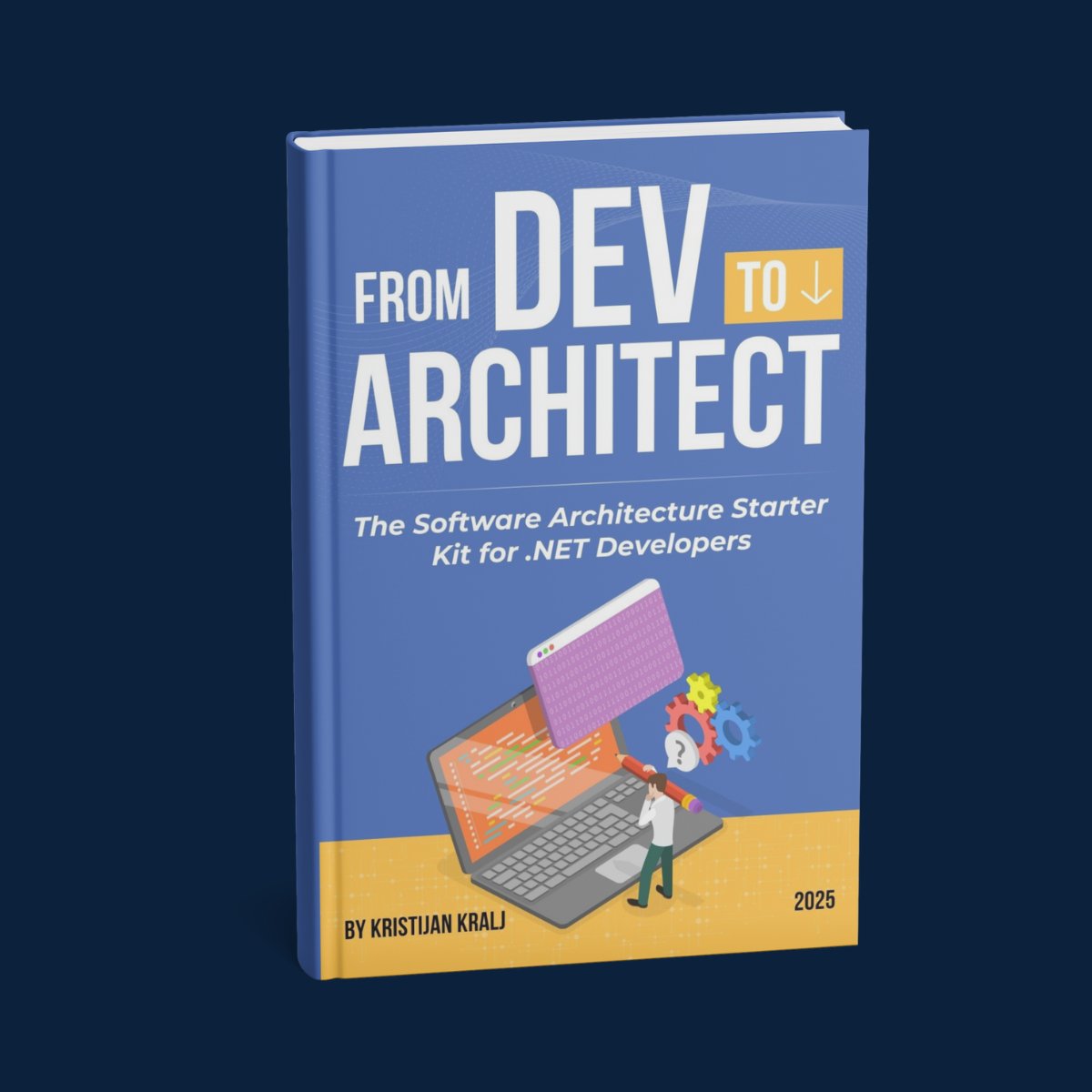
Want to confidently make software architecture decisions as a dev?
I spent 20+ hours creating "From Dev to Architect" - a starter kit for .NET developers:
• Extract non-functional requirements from client input
• Understand different architectural styles (Clean, Vertical Slices, Microservices...)
• 14 hand-picked resources (books, repos with real apps, ways to practice software architecture skills)
Want access?
Download the guide here: lp.devsecrets.net/architect
English
Barry | System Architect retweetledi

Error 404: Architectural Memory in the Age of Algorithms archdaily.com/1038820/error-… via @archdaily
English


You can't vibe code Lovable
You can't vibe code Claude Code
You can't vibe code PayStack, Stripe
If you can vibe code it, it's not big enough, go and learn the basics!
English
@ChicagoPython was interested in been part of a python community tried joining your slack platform but was to have an imperson referral
English
English
English
English
English
Barry | System Architect retweetledi

Barry | System Architect retweetledi