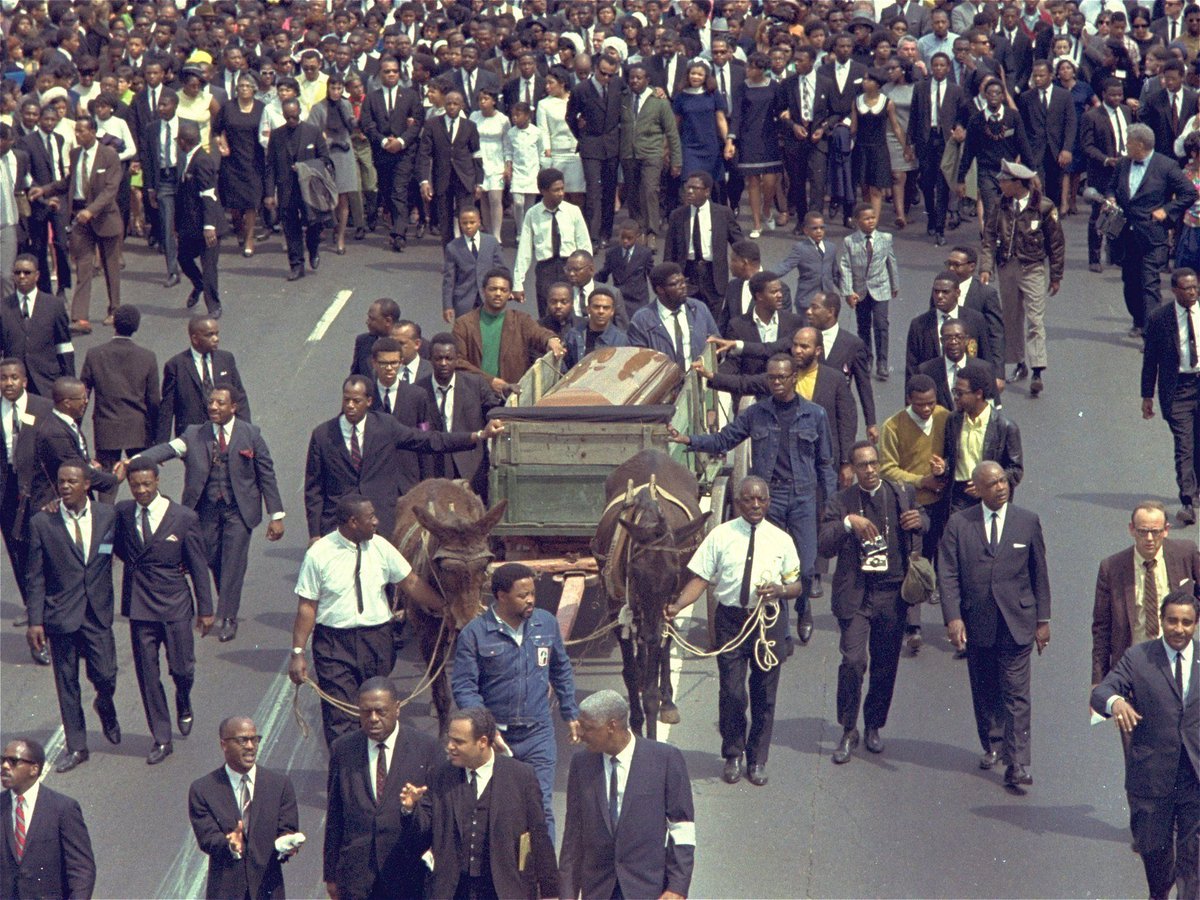
On April 9, 1968, funeral services were held for Dr. Martin Luther King Jr. in Atlanta, drawing global attention and marking a solemn end to one of the most turbulent weeks in American civil rights history.
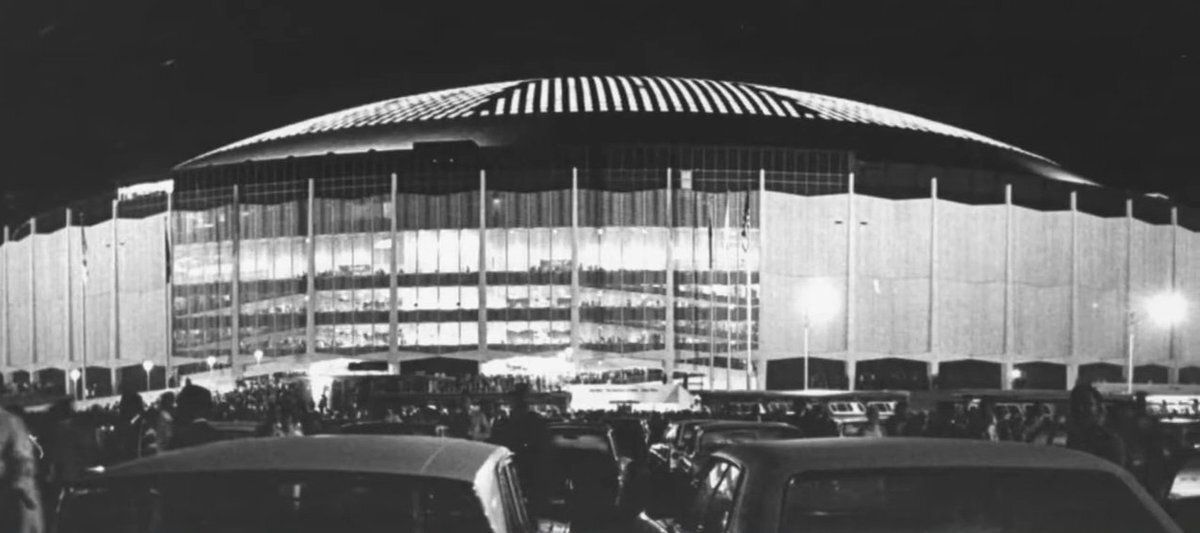
On April 9, 1965, the Houston Astrodome opened and hosted the first indoor Major League Baseball game, with the Astros beating the Yankees; it was nicknamed the “Eighth Wonder of the World” and changed sports stadium design forever.
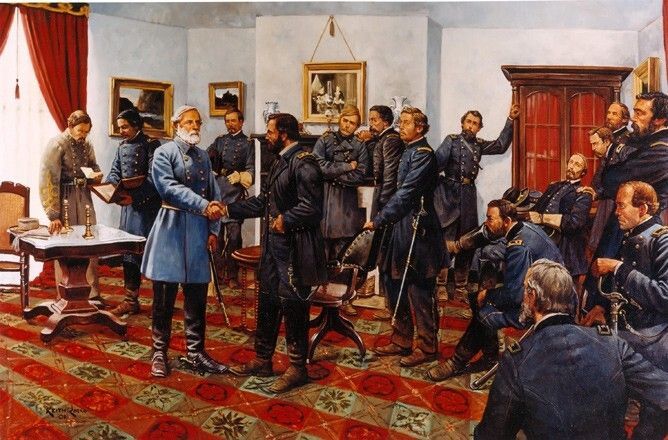
On April 9, 1865, Confederate General Robert E. Lee surrendered to Union General Ulysses S. Grant at Appomattox Court House, Virginia, effectively ending the American Civil War after four bloody years and more than 600,000 deaths.
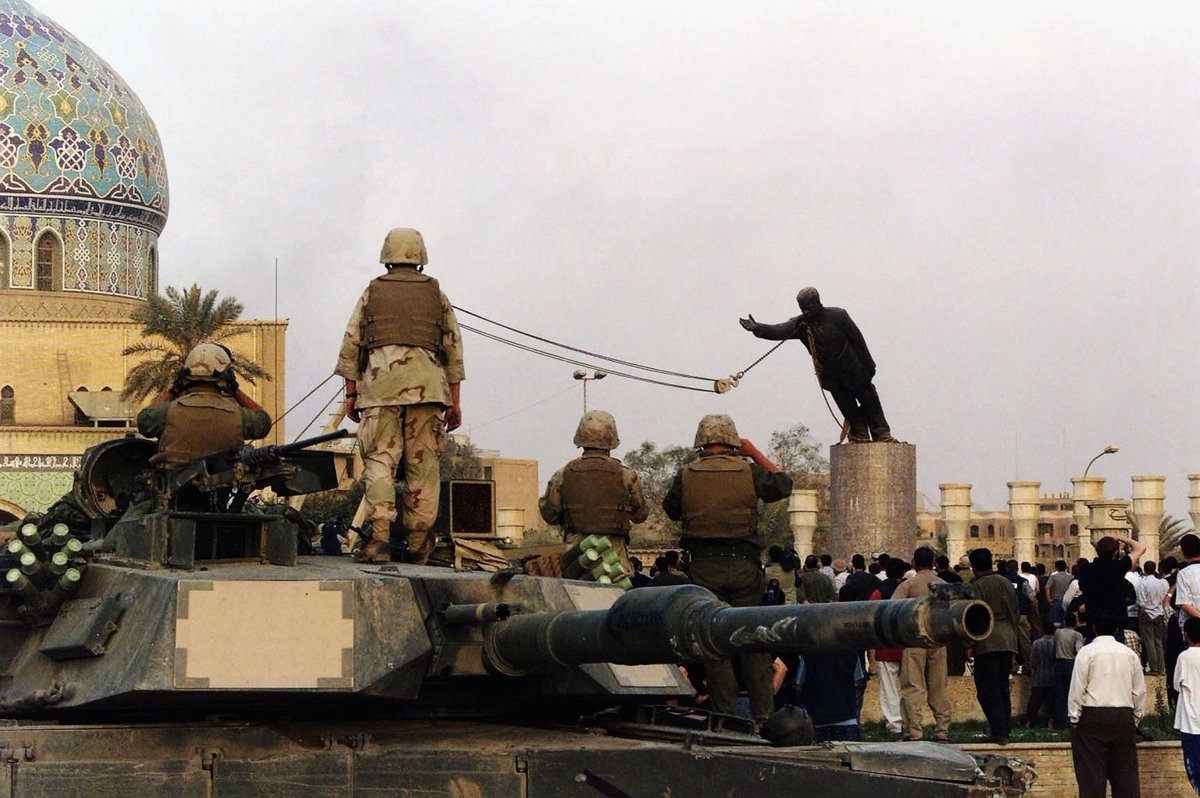
On April 9, 2003, U.S. forces entered central Baghdad as Iraqis pulled down a giant statue of Saddam Hussein in Firdos Square, symbolizing the dramatic fall of his regime during the Iraq War.
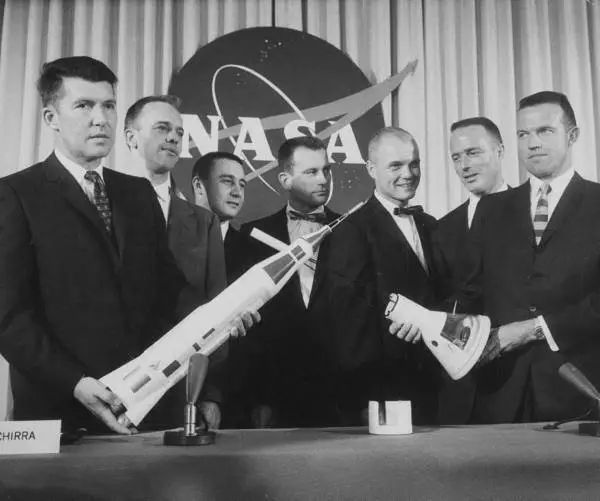
On April 9, 1959, NASA introduced the Mercury Seven astronauts to the world, launching America’s human spaceflight program and inspiring generations of scientists and dreamers.
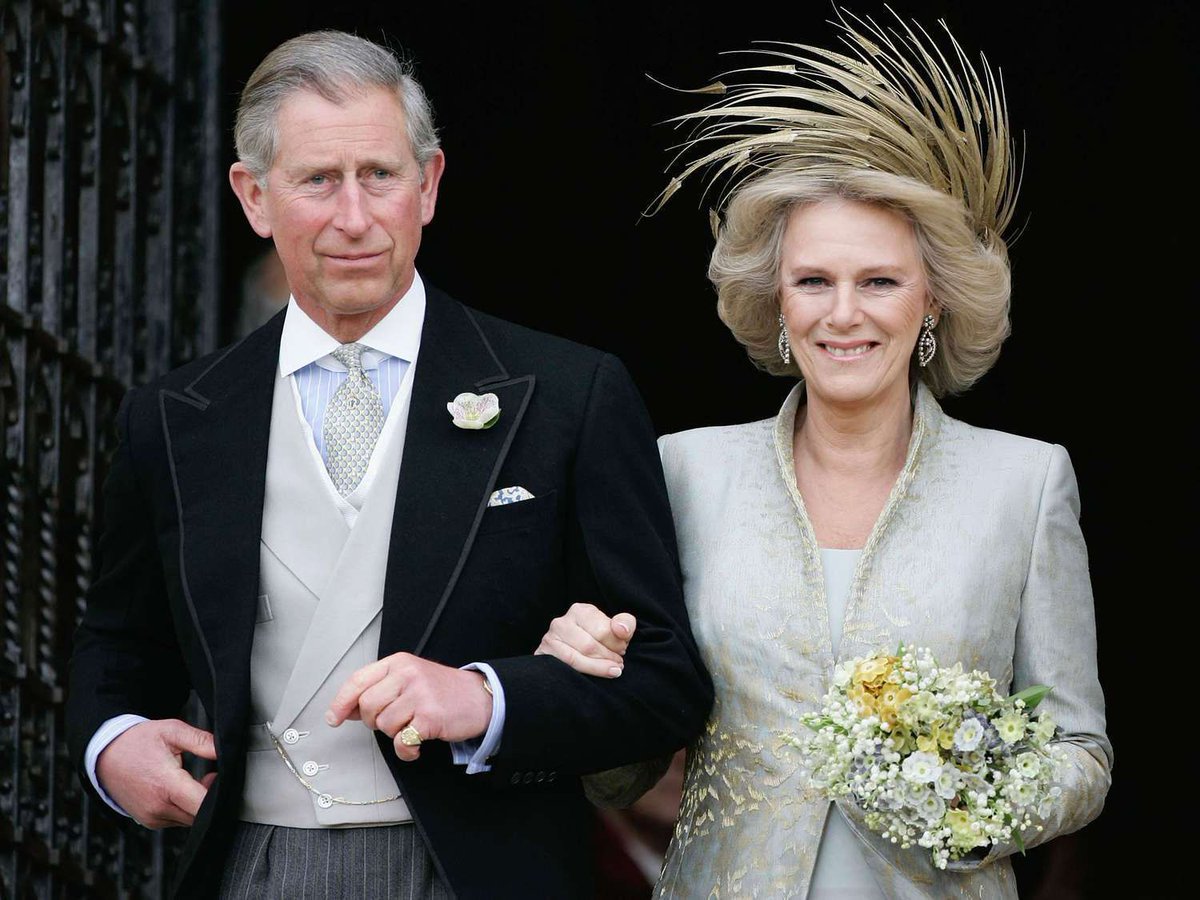
On April 9, 2005, Prince Charles married Camilla Parker Bowles in a civil ceremony at Windsor, the first royal civil wedding in modern British history.
On April 8, 2006, The Rolling Stones performed their first-ever concert in mainland China, though they were required by the Chinese government to omit several of their most suggestive songs.
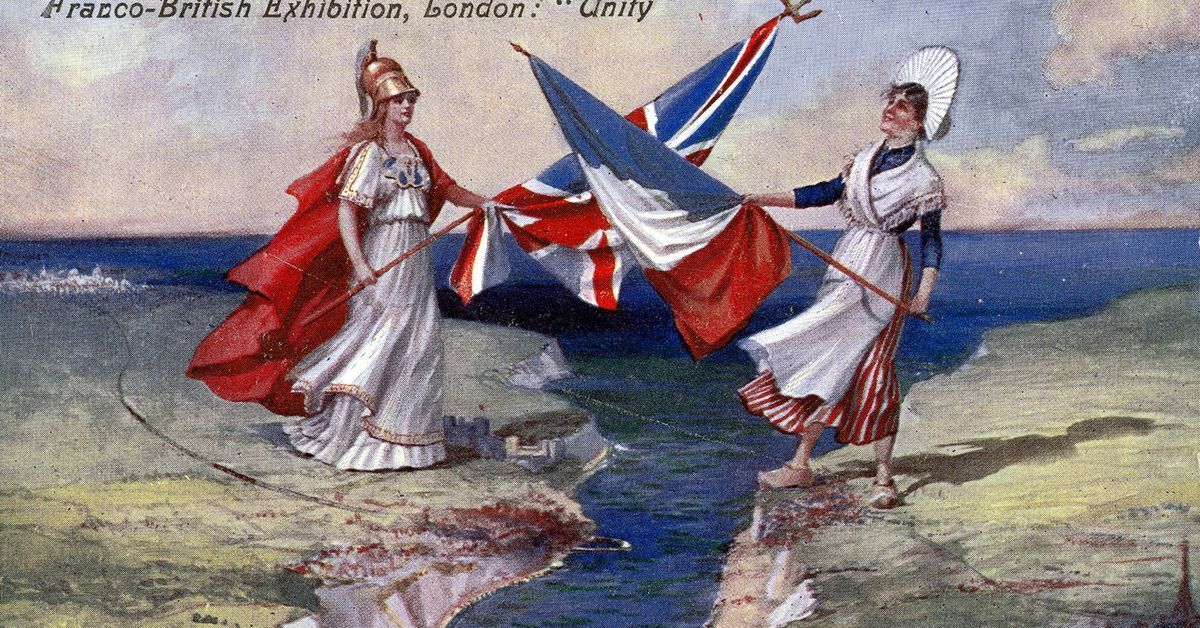
On April 8, 1904, France and the United Kingdom signed the Entente Cordiale, a landmark agreement that resolved long-standing colonial disputes in Africa and paved the way for their alliance against Germany in World War I.
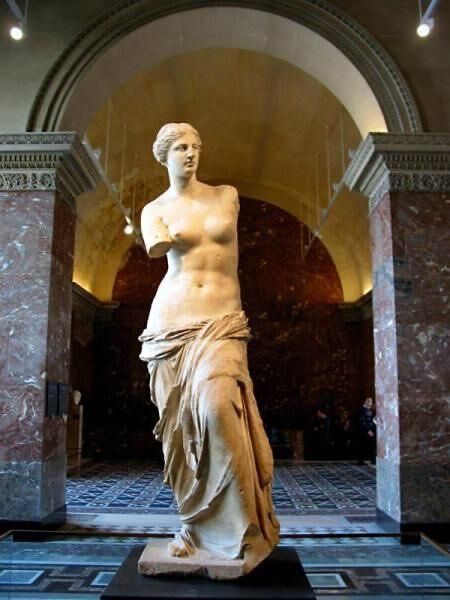
On April 8, 1820, a farmer unearthed the Venus de Milo statue in pieces on the Greek island of Milos; the 6-foot-7-inch Hellenistic marble sculpture of Aphrodite, now in the Louvre, instantly became one of the world’s most famous and photographed works of classical art.
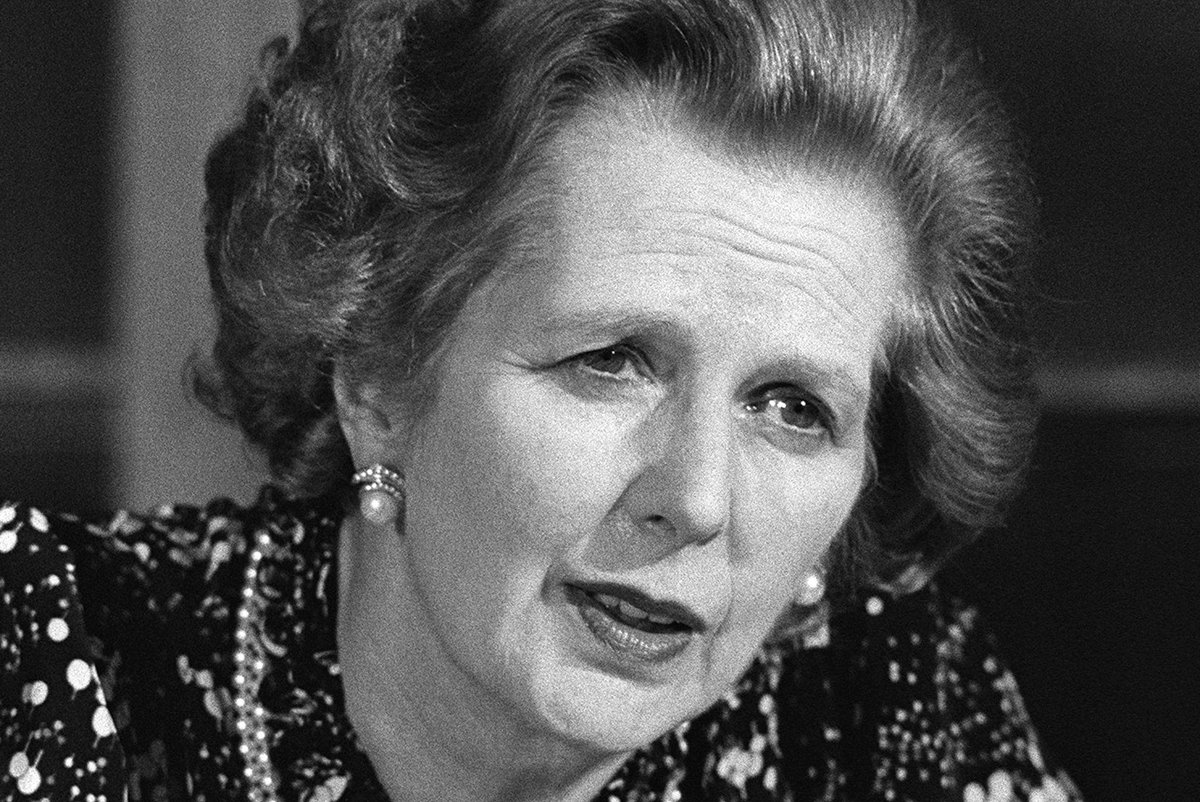
On April 8, 2013, former British Prime Minister Margaret Thatcher died at age 87 in London; the “Iron Lady” led the UK through the 1980s, won three elections, and remains one of the most polarizing and consequential political leaders of the late 20th century.
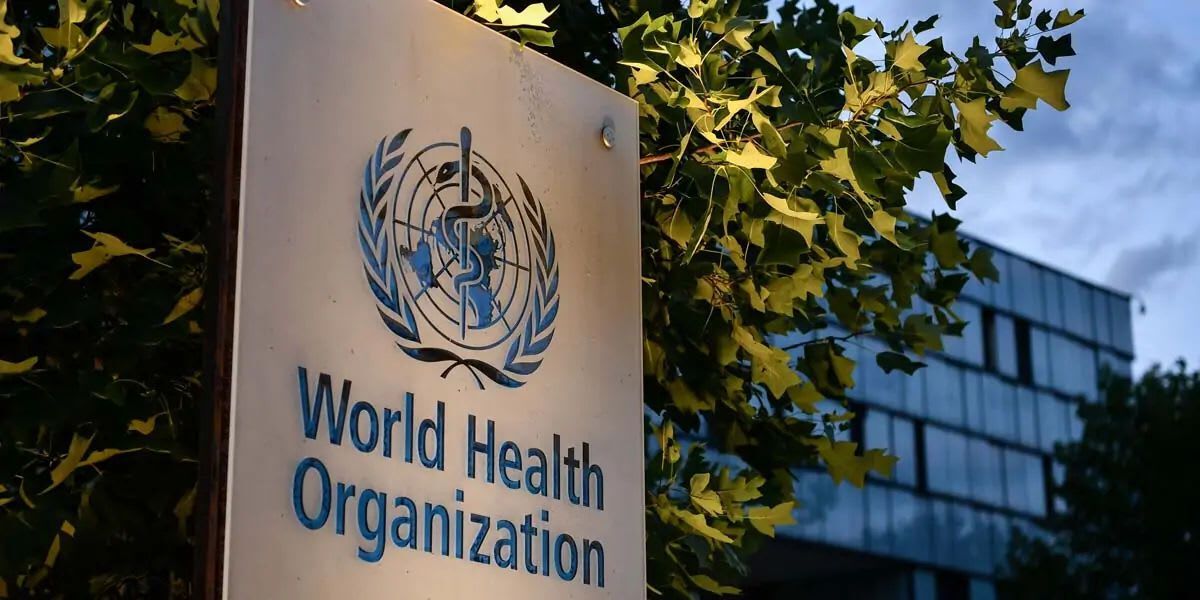
On April 7, 1948, the World Health Organization’s Constitution entered into force, creating the UN’s global health agency and launching World Health Day.
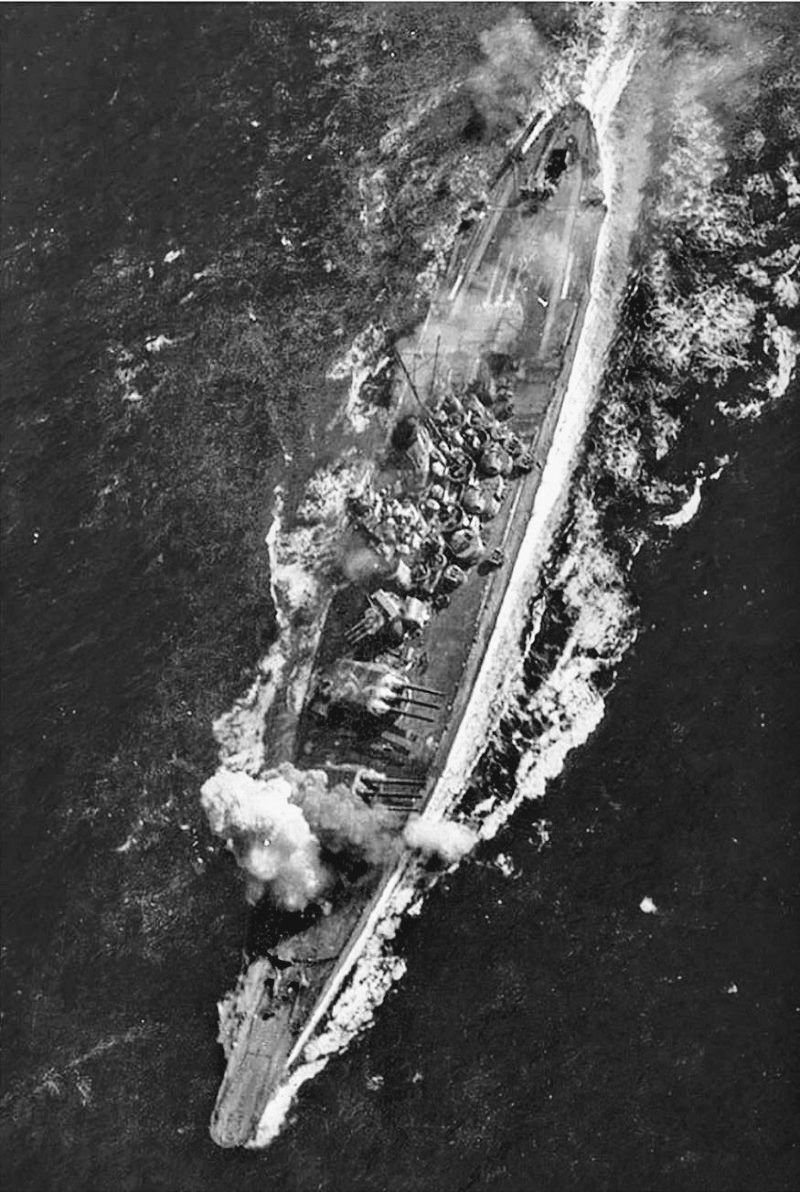
On April 7, 1945, the massive Japanese battleship Yamato was sunk by U.S. forces during World War II, one of the most dramatic naval losses of the Pacific campaign.
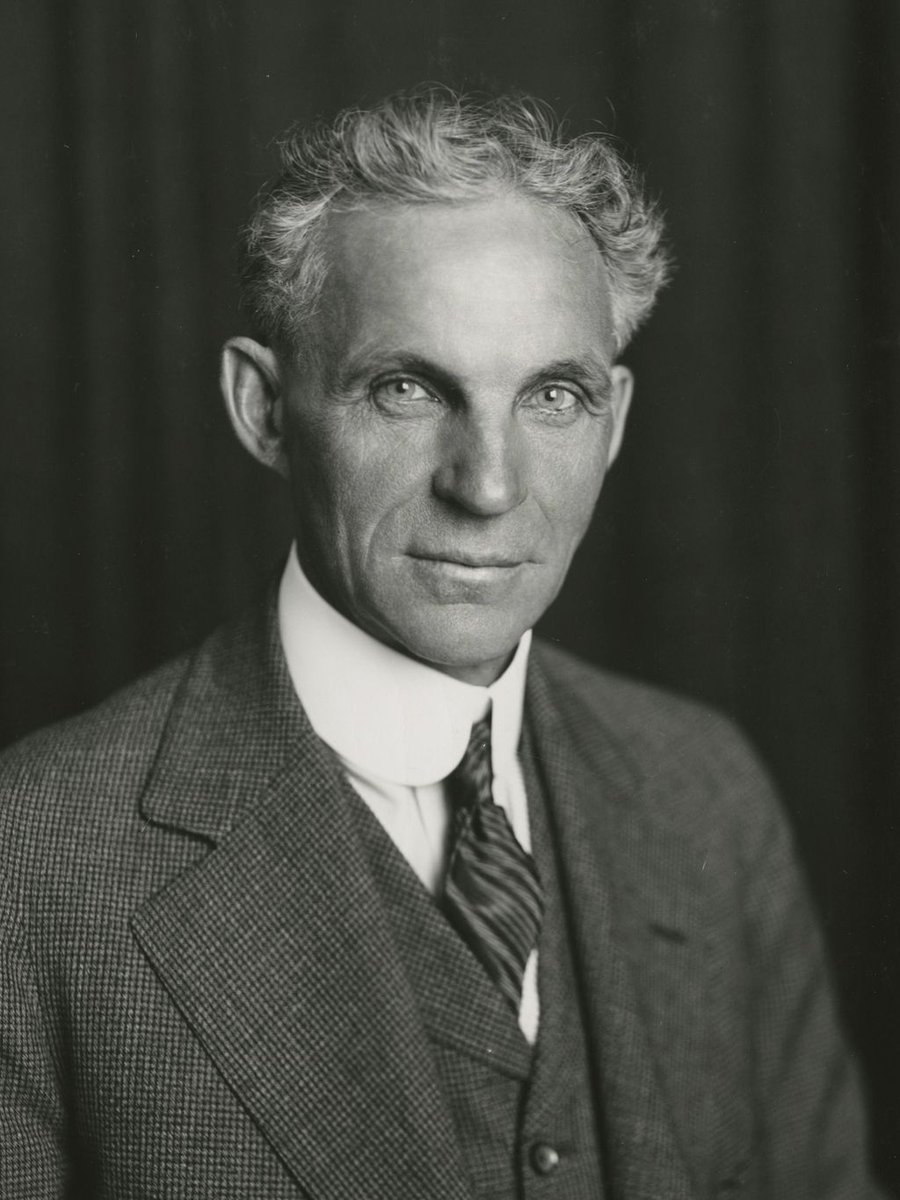
On April 7, 1947, automotive pioneer Henry Ford died at age 83 in Dearborn, Michigan; the man who brought the moving assembly line to mass production and made cars affordable for millions left a lasting mark on modern industry and transportation.
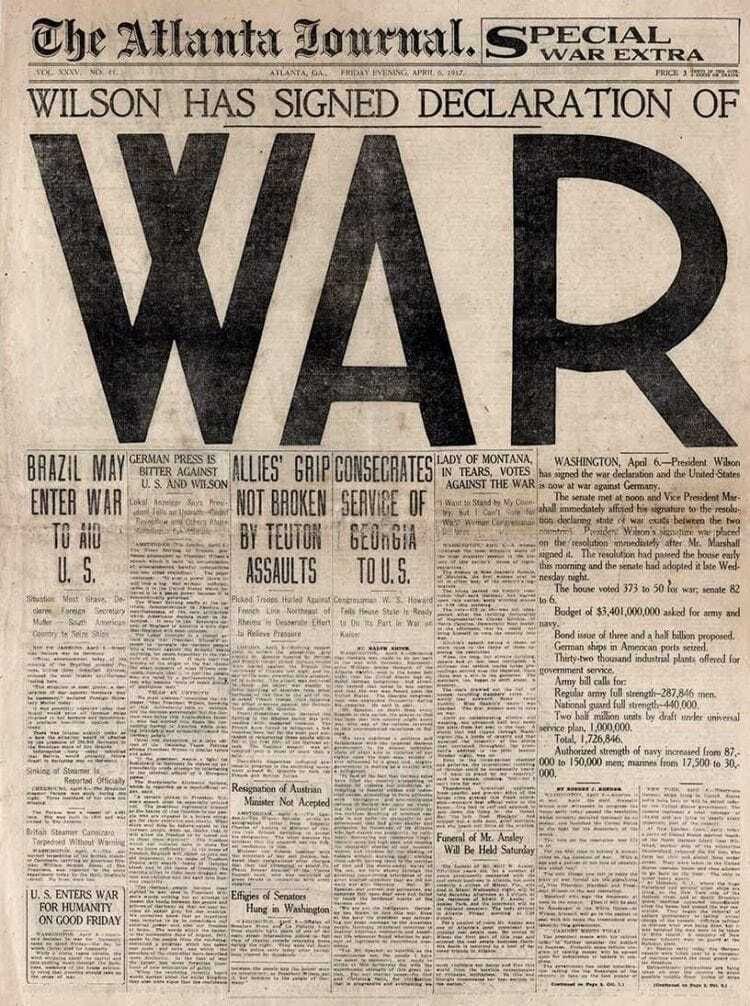
On April 6, 1917, the United States officially entered World War I by declaring war on Germany, reshaping the 20th century and sending American troops into the conflict.
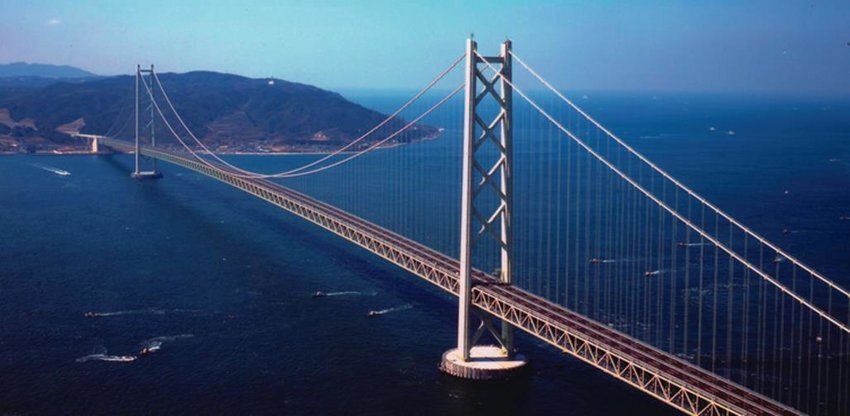
On April 5th, 1998, the Akashi Kaikyō Bridge in Japan opened to traffic, featuring the world’s longest central suspension span at 1,991 meters and linking Kobe to Awaji Island as an engineering marvel.
On April 5th, 1984, Kareem Abdul-Jabbar set a new NBA all-time scoring record with his 31,420th point, a mark that stood for 38 years and highlighted one of basketball’s greatest individual achievements.
On April 5th, 1955, Winston Churchill resigned as UK Prime Minister at age 80, ending the career of one of the 20th century’s most iconic leaders and a towering figure in World War II history.
On April 5th, 1994, Nirvana frontman Kurt Cobain died at age 27 in Seattle, an event that stunned the music world, sparked global mourning, and cemented the grunge icon’s place in rock history and endless online tributes.