Home Grown

1.4K posts

Home Grown banner
Home Grown

Home Grown

@HomeGrownOrg

Home Grown is a national collaborative of funders committed to improving the quality of and access to home-based child care. #SolveChildCare

Katılım Nisan 2020
380 Takip Edilen998 Takipçiler
Home Grown
Home Grown@HomeGrownOrg·
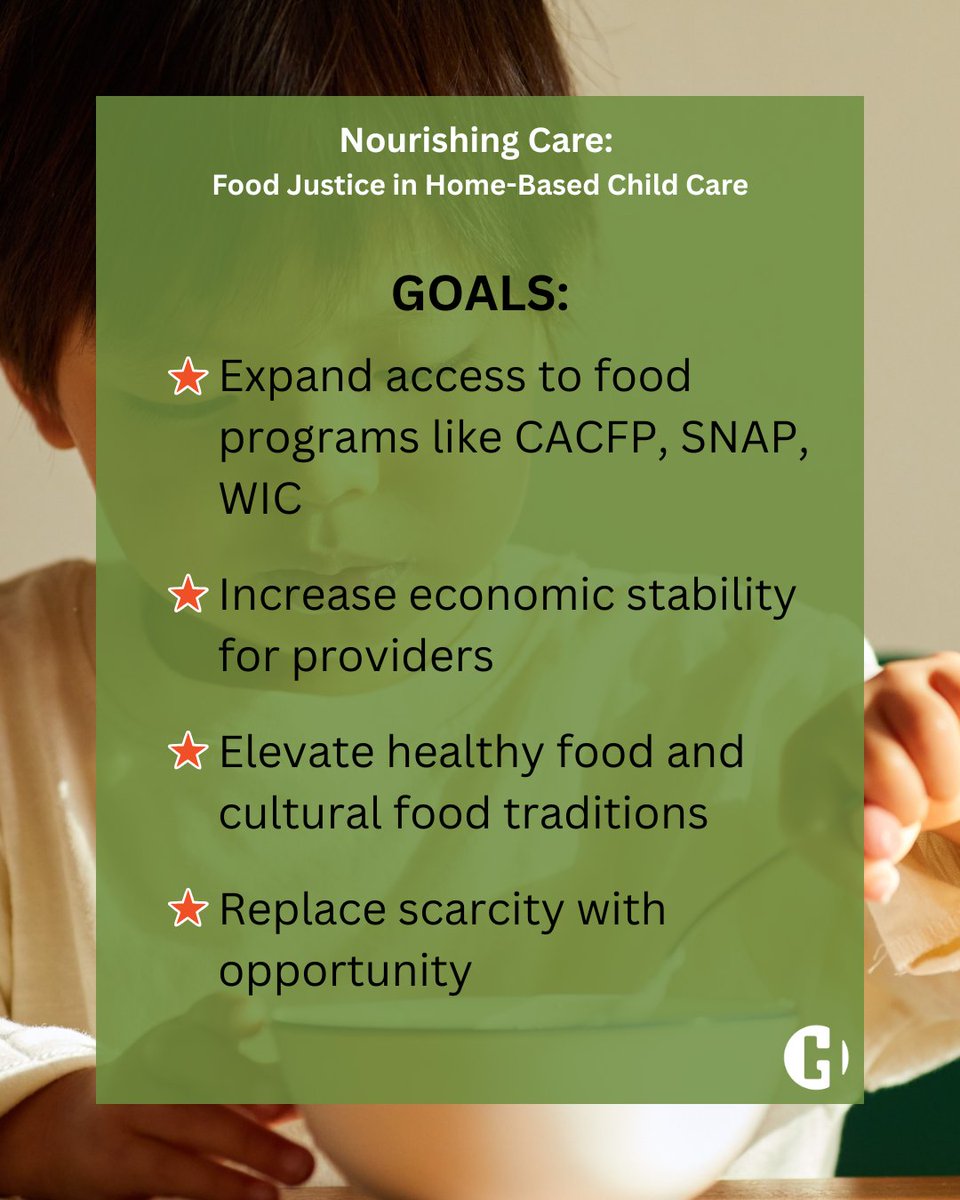
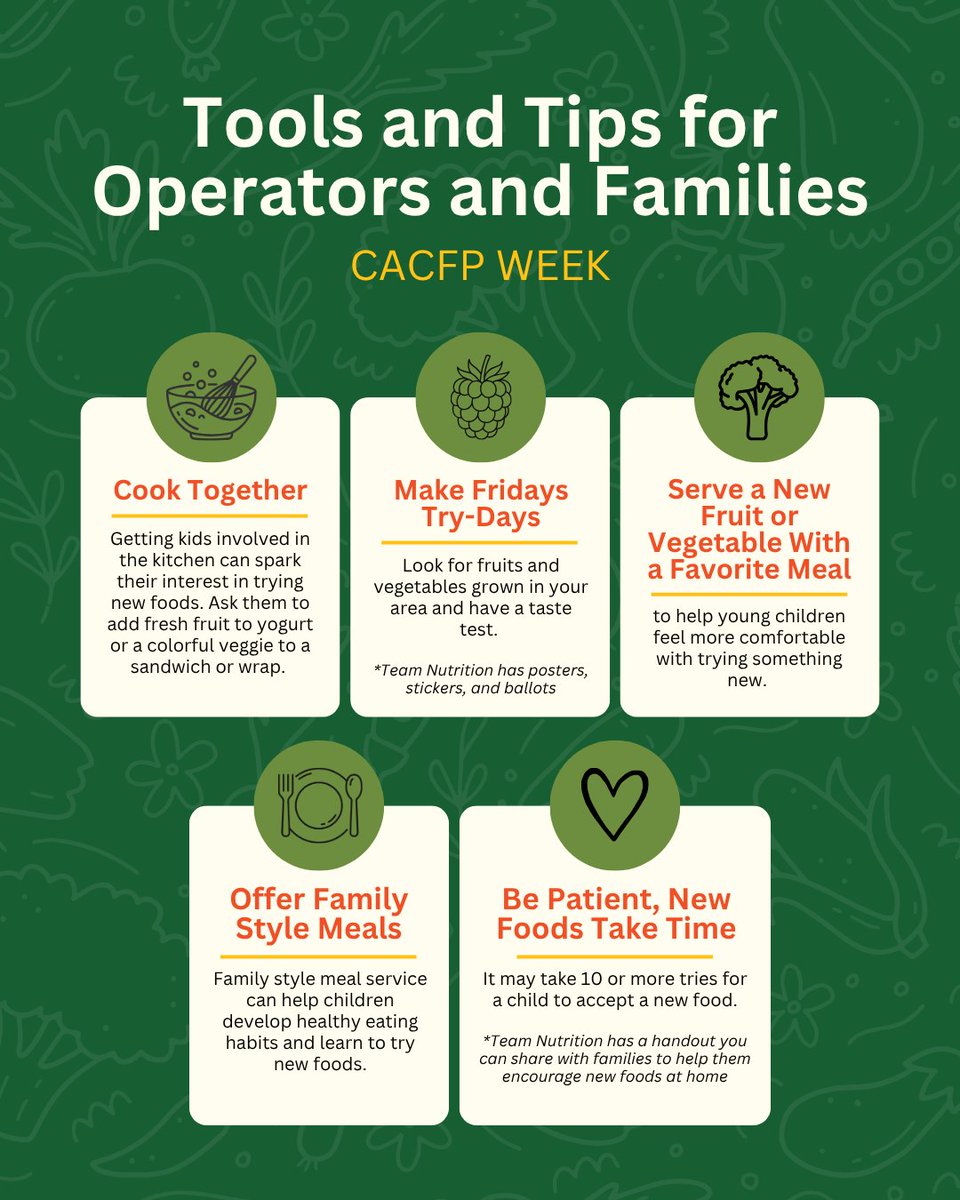
Every day, home-based child care providers are stirring up goodness by introducing healthy foods to the children they care for. To close out Child and Adult Care Food Program week, we’re sharing some tools and tips from the USDA Food and Nutrition Service. Thank you, CACFP operators, for your dedication to serving nutritious foods that help your participants grow and thrive! Click here for more resources from Team Nutrition: fns.usda.gov/tn/child-care-…
Home Grown tweet media
English
0
0
0
10
Home Grown
Home Grown@HomeGrownOrg·
The Child and Adult Care Food Program (CACFP) has long been a lifeline for communities, and this week Home Grown is proud to celebrate its impact 💛 CACFP is a federal program that helps ensure children and adults in child care, Head Start, afterschool, and adult care programs have access to nutritious meals and snacks every day. Because of CACFP, providers aren’t just serving food—they’re nourishing growing minds, supporting families, and helping children thrive. One healthy meal at a time, they’re stirring up something truly powerful. #CACFPweek
English
0
1
0
12
Home Grown
Home Grown@HomeGrownOrg·
The theme of this year’s Women’s History Month is “Leading the Change: Women Shaping a Sustainable Future. But can we build that sustainable future on an average income of $29,377? Women in the home-based child care (HBCC) sector are key to shaping sustainable futures – sustaining families, careers, and the next generation. But home-based child care cannot be sustainable if the people upholding it continue to be undervalued and underpaid: 🔸 More than 5 million women in the United States are home-based child care providers to nearly 6.5 million children ages 0-5. Yet – 🔸 HBCC providers work an average of 10-12 hours each day 🔸 The average annual income for a licensed child care provider is just $29,377 In order for these women to continue shaping a sustainable child care system that benefits all of us, we must invest in this workforce itself – valuing HBCC as essential infrastructure and supporting the women who have historically and are currently providing critical learning and care to children in our communities. Read more: bit.ly/4dioNeX
English
0
0
0
12
Home Grown
Home Grown@HomeGrownOrg·
Alexandra Patterson, Home Grown’s Director of Policy and Strategy, joined fellow leaders from across the country at the Early Childhood Policy Academy for a conversation on how to strengthen early childhood policy and systems. Thank you to The Hunt Institute for inviting us and fostering a discussion about home-based child care, exploring the challenges and opportunities in state and local policymaking to support this sector in full participation in a thriving mixed-delivery system. #ECPA
Home Grown tweet media
English
0
0
0
15
Home Grown
Home Grown@HomeGrownOrg·
We’ve launched a brand-new Instagram account and we’d love for you to join us there! Follow us @ HomeGrownHBCC for the latest updates, resources, and stories from the home-based child care community. 🔗 bit.ly/4aXGDCw
Home Grown tweet media
English
1
0
1
19
Home Grown
Home Grown@HomeGrownOrg·
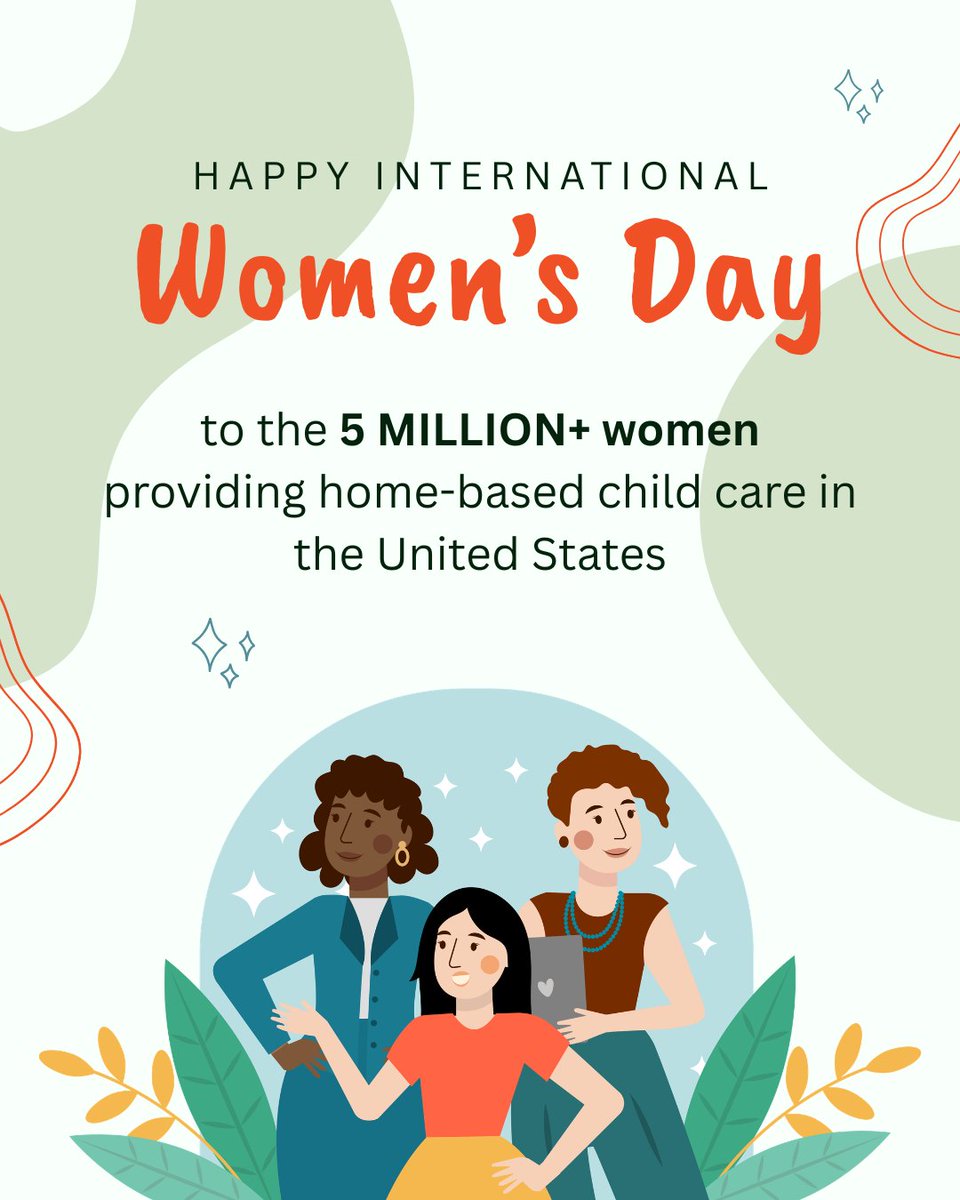
Home Grown celebrates the more than 5 million women who provide home-based child care in the United States. Valued members of the child care workforce, these national and international women care for and teach over 6.5 million children ages 0-5 in their homes every day.
Home Grown tweet media
English
0
0
2
20
Home Grown
Home Grown@HomeGrownOrg·
This Women’s History Month, we’re excited to spotlight the work of Wanda Chandler-Tillman. Wanda has been a family child care provider since 1997, rooting her work in the simple belief that young children learn best when they feel safe, loved, and deeply known. Learn more about Wanda: homegrownchildcare.org/providers/wand…
English
0
0
1
46
Home Grown
Home Grown@HomeGrownOrg·
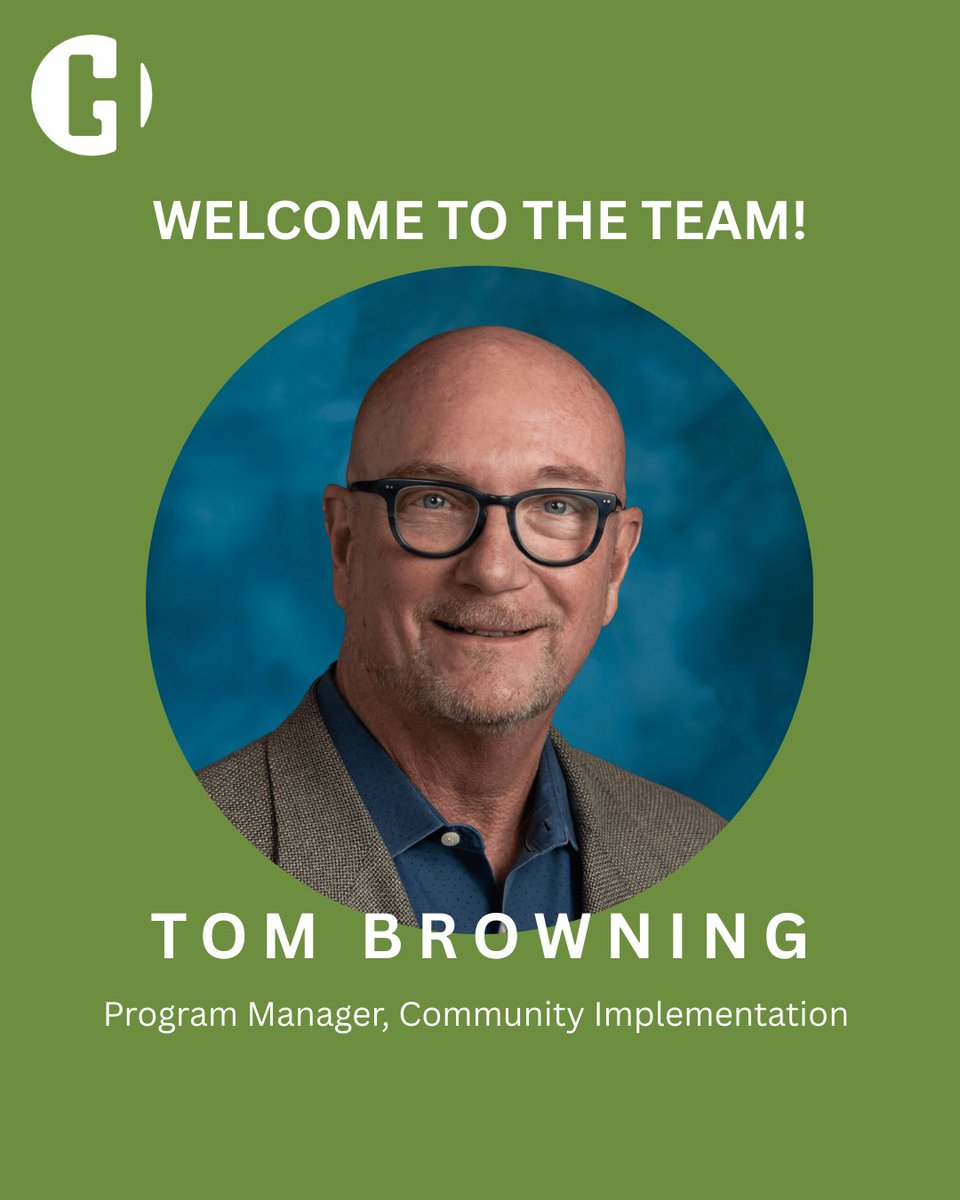
🎉 Welcoming Tom Browning to the Home Grown team! Tom joins Home Grown as the Program Manager, Community Implementation, following 17 years at Illinois Action for Children in Chicago. Tom will be responsible for coordinating efforts with communities and partners engaged in Home Grown’s nutrition policy and food justice initiatives. We're so excited to have you on our team, Tom!
Home Grown tweet media
English
0
0
0
22
Home Grown
Home Grown@HomeGrownOrg·
March is Women’s History Month! Home Grown is excited to celebrate the women that make up 97% of home-based child care providers. This month, we’ll be spotlighting the work of passionate women who are providing home-based child care across the country. Stay tuned for more!
Home Grown tweet media
English
0
0
0
15
Home Grown
Home Grown@HomeGrownOrg·
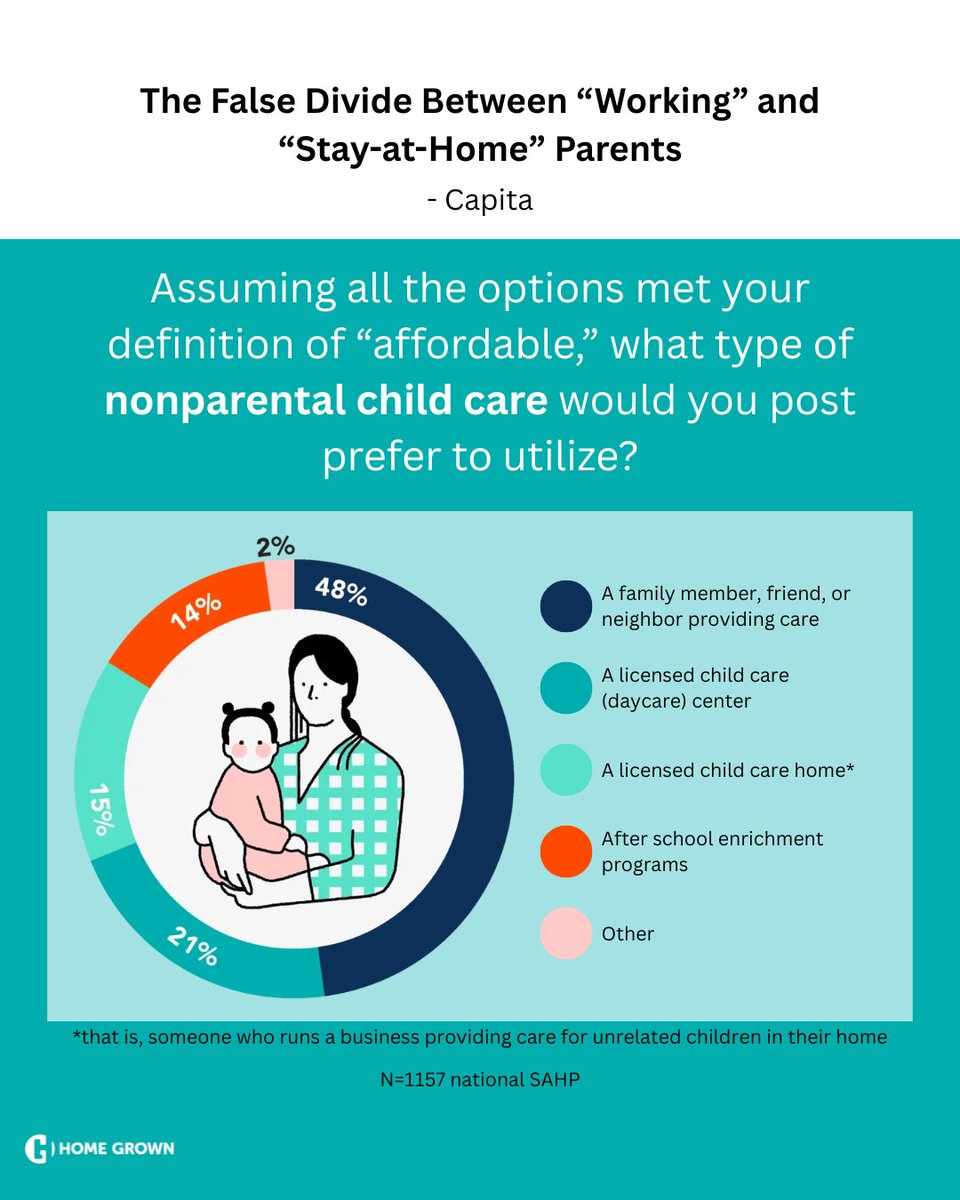
Contrary to common narratives, many stay-at-home parents do not arrive at their decision from a position of privilege or preference, but rather, access to and costs of child care play a significant role in decisions on whether to stay at home. Capita also found that there is a mismatch between the type of care offered and what families actually want. Despite the preference for family, friend, or neighbor (FFN) care, many child care policies and proposals focus heavily on full-time licensed programs and leave FFN caregivers out. This makes it very difficult for FFN caregivers to earn a living wage, take part in the formal economy, and provide consistent care without risking their own well-being. Read more about the ways comprehensive child care reform can support stay-at-home parents: bit.ly/40zCMFC
Home Grown tweet media
English
0
3
4
414
Home Grown
Home Grown@HomeGrownOrg·
This month, to honor the labor, wisdom, and courage of Black caregivers, we spoke with Wanda Chandler-Tillman and Octavia Mclaurin, home-based providers in Charlotte, North Carolina and Las Vegas, Nevada, who are standing strong for children, families, and child care providers in the face of unprecedented challenges. Learn more from these leaders: homegrownchildcare.org/black-child-ca…
English
0
0
0
43
Home Grown
Home Grown@HomeGrownOrg·
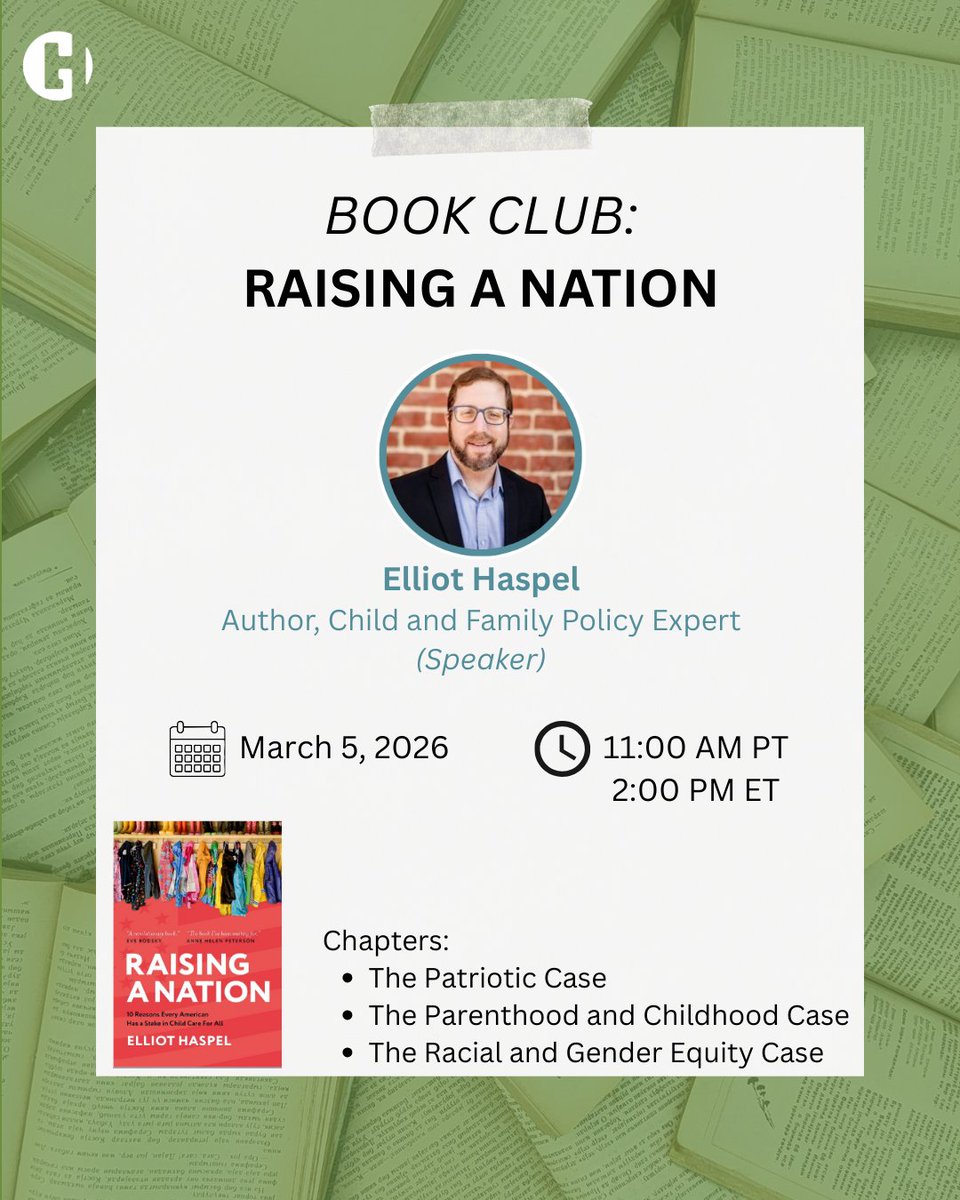
Join Elliot Haspel for the second session of his book club, featuring his latest publication, Raising a Nation: 10 Reasons Every American Has a Stake in Child Care for All. 🗓️ March 5, 2026 | 11am PT / 2pm ET 📍 Zoom Don’t miss this unique opportunity to engage directly with the author as he dives into chapters 4, 5, and 6, and sparks a conversation with participants. Please read the chapters in advance-- come ready to discuss, question, and connect! Register here: bit.ly/4rJpkLy
Home Grown tweet media
English
0
0
1
29
Home Grown
Home Grown@HomeGrownOrg·
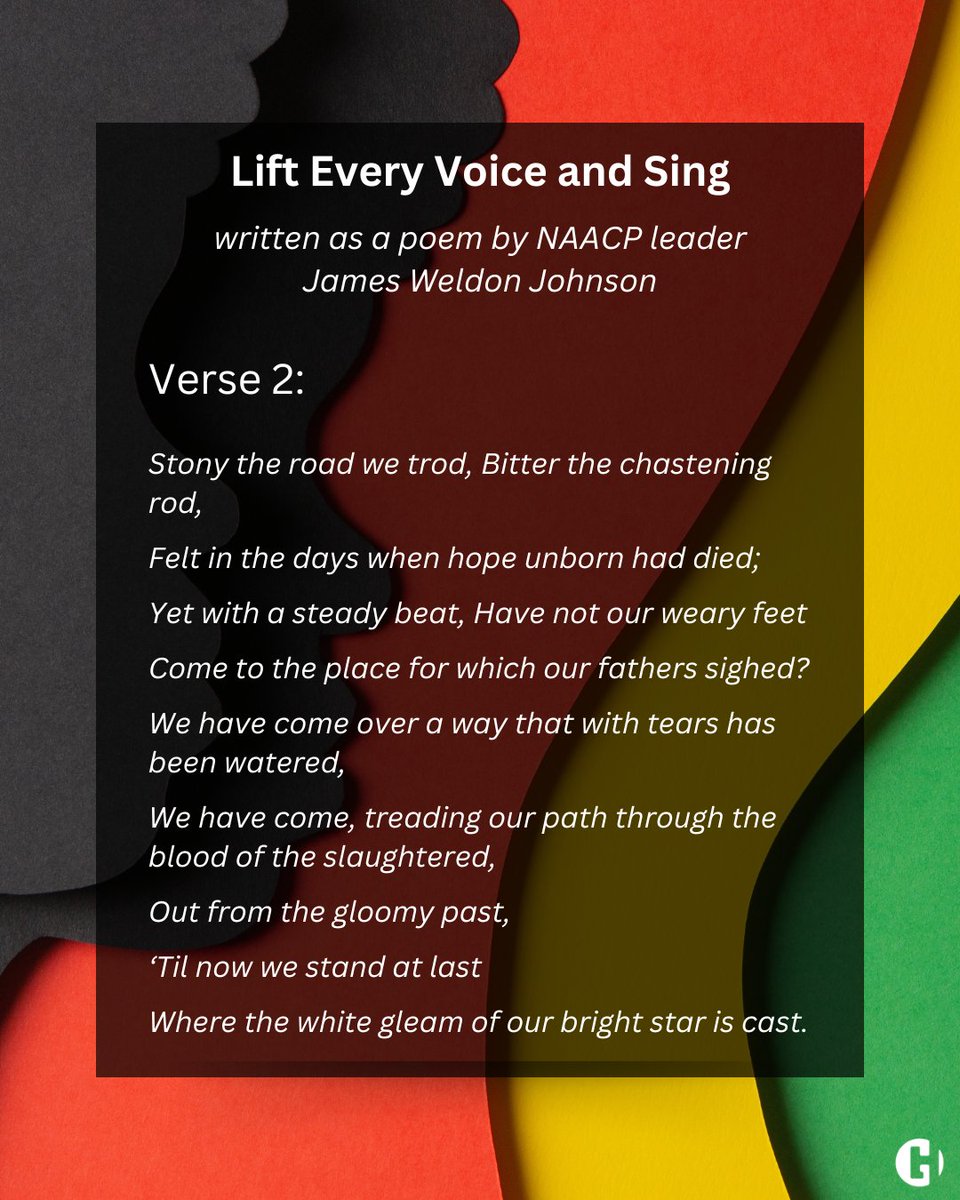
This February, we honor the unwavering commitment of Black home-based child care providers who have anchored families and communities for centuries. Alexandra R. Patterson, Director of Policy and Strategy at Home Grown, reflects on the poem “Lift Every Voice and Sing” and acknowledges the more than one million Black home-based child care providers who, for generations, have built systems of care rooted in community, trust, and resilience, often stepping in where formal systems fell short. Read the blog: bit.ly/4qRGSUf
Home Grown tweet media
English
0
0
0
21
Home Grown
Home Grown@HomeGrownOrg·
At the #SOTU26, families need to hear real solutions to the affordability crisis. For parents with young children, federal programs like #CCDBG and #HeadStart are essential. Prioritize these important programs!
English
0
0
0
22
Home Grown
Home Grown@HomeGrownOrg·
🎉 Welcoming Natasia Hogston to the Home Grown team! Natasia joins Home Grown as the Digital and Social Media Content Manager, supporting the organization’s digital presence and social media strategy to highlight the value of home-based child care and amplify the voices of providers. We're so excited to have you on our team, Natasia!
Home Grown tweet media
English
0
0
1
38
Home Grown
Home Grown@HomeGrownOrg·
During Black History Month, and as conversations about the future of child care continue, we recognize that Black Family Child Care educators are foundational to early childhood systems—serving as cultural bearers, pedagogical leaders, and trusted community anchors for children and families. Yet despite their indispensable contributions, Black FCC educators continue to navigate systemic inequities—rooted in racialized and gendered histories of carework—that undermine their well‐being and threaten the long‐term sustainability of home‐based care. Read more: bit.ly/4s89QQV
English
0
0
1
15
Home Grown
Home Grown@HomeGrownOrg·
Nationally, over 35% of children have parents who work nonstandard hours, and half of these parents also work irregular or precarious schedules. This means that these families are usually not able to exclusively use formal child care options, like licensed child care centers or registered family child care, because these services typically operate during standard hours. This study from the Rutgers Child Care Research Collaborative documents findings from a focus group of families across New Jersey working nonstandard or inconsistent hours, discussing the difficult decisions this population of parents face when it comes to finding, choosing, and paying for childcare. New Jersey’s child care system remains focused on parents working standard hours – not matching the needs of this population, who are more likely to use family and informal friend networks of care rather than the range of government licensed or registered child care options. This report recommends ways for state policy and programs to be more responsive to the families working nonstandard and precarious hours, such as: 🔸Improving Subsidies and State Programs 🔸Incentivizing Formal Child Care to Expand Hours 🔸Incentivizing businesses to support employees 🔸Expanding Paid Family Leave Read more ➡️ bit.ly/4b14W2j
English
0
0
1
27