Brandon Stanton

7.8K posts

Brandon Stanton

Brandon Stanton

@humansofny

Creator of Humans Of New York New York City, one story at a time.

New York, NY Katılım Ocak 2011
824 Takip Edilen781.6K Takipçiler
Brandon Stanton retweetledi

PRWeekUS
PRWeekUS@PRWeekUS·
Congratulations to the 2026 PRWeek Communicator of the Year, Humans of New York founder Brandon Stanton! Join us at the #PRWeekAwardsUS gala on March 12 to celebrate his inspiring storytelling and meaningful impact in the comms industry. prweekawardsus.com/?promo=Communi… @humansofny

PRWeekUS tweet media
English
1
5
27
5.2K
craig newmark
craig newmark@craignewmark·
Doing the Giving Pledge officially Okay, I've formally signed up for the Giving Pledge, sometimes considered the Billionaire's Pledge, though I've never been a billionaire, particularly after I gave away all my craigslist equity to my charitable foundation. givingpledge.org/pledger/craig-… Seems like a good way to officially enter my middle seventies, which I’ve done today. This is also my #3 niece's wedding in Long Island, which will distract me, though not as much as you'd think. This all feels like a follow up to my decision in early 1999 to monetize craigslist as little as possible. The best estimate so far is that I turned down around $11B that bankers and VCs wanted to throw at me. I still made plenty after that. I don't regard this decision as altruistic, it has to do with the way my moral compass was defined so very long ago. My Sunday School Teachers, Mr & Mrs Levin, back in Morristown NJ, did the heavy lifting, teaching me that I should know when enough is enough, and that I should be my brother's/my sister's keeper. I'm still having a hard time figuring out how, since as a nerd, I want to take things literally. My rabbi, Leonard Cohen, has instructed me to read what Jesus said in the Bible about selling my stuff and giving it away to the poor. Also figuring out what that means, but doing the best I can. So I'm giving most all of it away, keeping a small part for my family. My focus is where I can do some actual good in neglected areas, like for military families and vets, like fighting cyberattacks and preventing scams. Also, a little for pigeon rescue. Like I say, a nerd's gotta do what a nerd's gotta do, and a nerd should practice what he preaches.
craig newmark tweet media
English
8
5
22
2.4K
Brandon Stanton retweetledi
David Perell
David Perell@david_perell·
Brandon Stanton is the man behind Humans of New York, the famous Instagram account with 12.8 million followers. He’s written five books and has probably written more mini-biographies than anybody on earth. Timestamps: 2:23 The story of Humans of New York 5:35 How to interview strangers 8:35 Where to find the truth 23:14 The keys to a good conversation 27:14 How to write somebody’s story 33:39 Escaping the algorithm 40:07 Telling ordinary people’s stories 49:09 Brandon’s unique writing style 57:11 Lessons from Robert Caro 1:01:11 The one thing every story needs 1:06:18 Brandon’s best writing advice I’ve shared the full conversation with @humansofny below. If you’d rather watch on YouTube or listen on Apple / Spotify, check out the reply tweets.
English
15
22
186
59.7K
Brandon Stanton retweetledi
Zohran Kwame Mamdani
Zohran Kwame Mamdani@ZohranKMamdani·
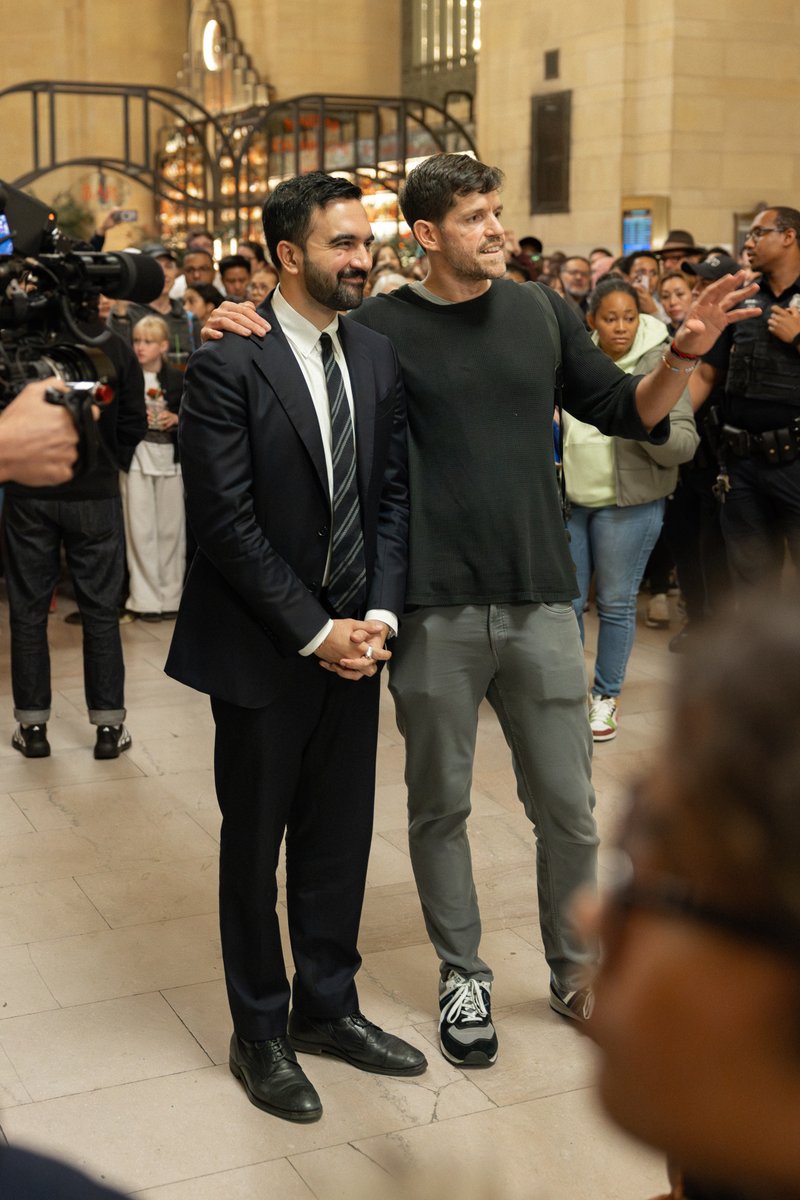
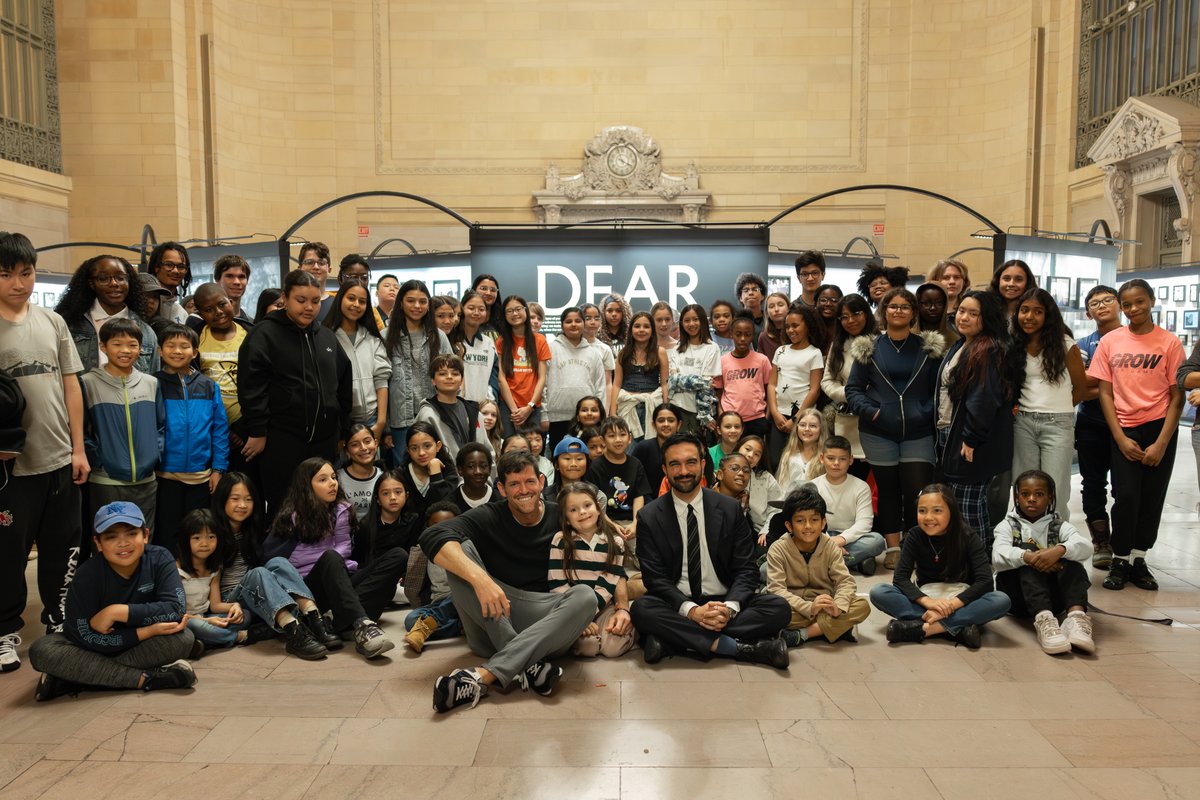
On Sunday, I visited DEAR NEW YORK, Brandon Stanton's "love letter" to the city he's been documenting for years as "Humans of New York" for their family reception with student artists. It's a gorgeous exhibit that's transformed Grand Central Station. See it before 10/19!
Zohran Kwame Mamdani tweet mediaZohran Kwame Mamdani tweet mediaZohran Kwame Mamdani tweet media
English
171
198
2.3K
104K
Mrs. MacInnis
Mrs. MacInnis@MacInnisRLHS·
6th grade students analyze individuals from the photojournalism project @humansofny to prepare for self-reflection for their own Humans of Barnegat. @BarnegatSchools
Mrs. MacInnis tweet mediaMrs. MacInnis tweet media
English
1
1
9
2.8K
Brandon Stanton
Brandon Stanton@humansofny·
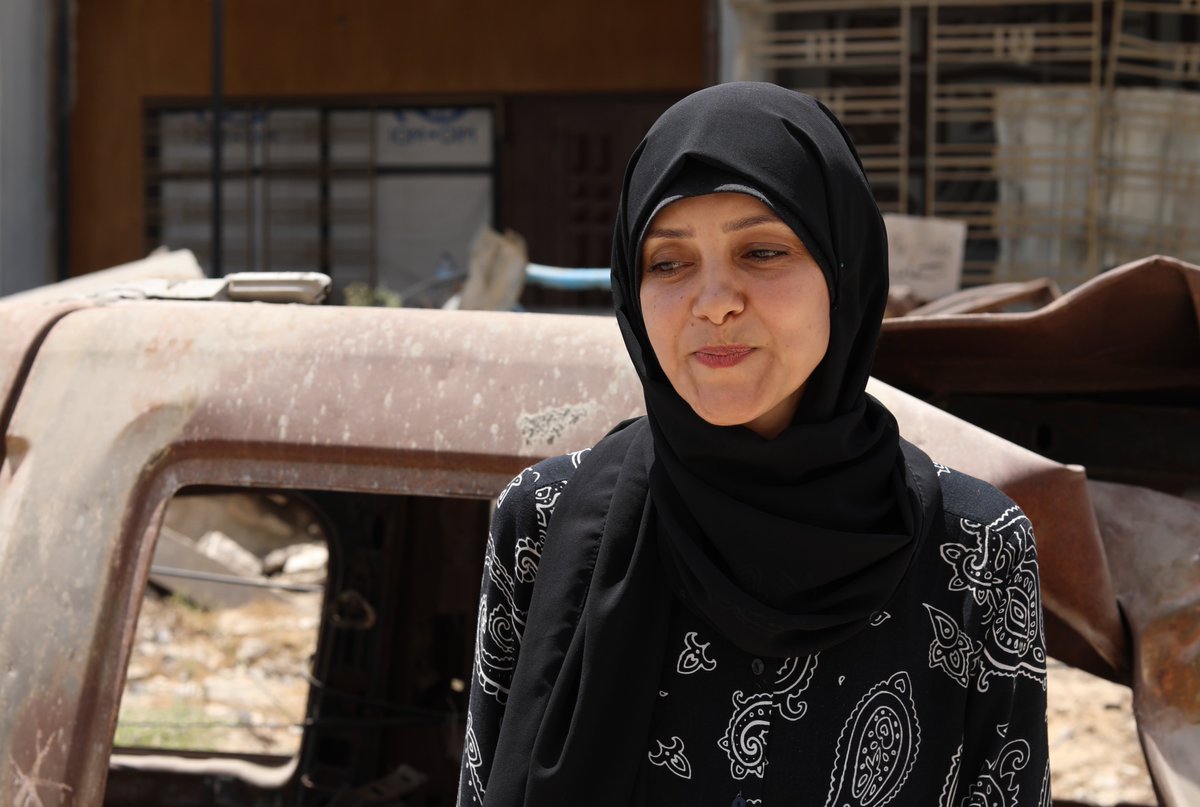
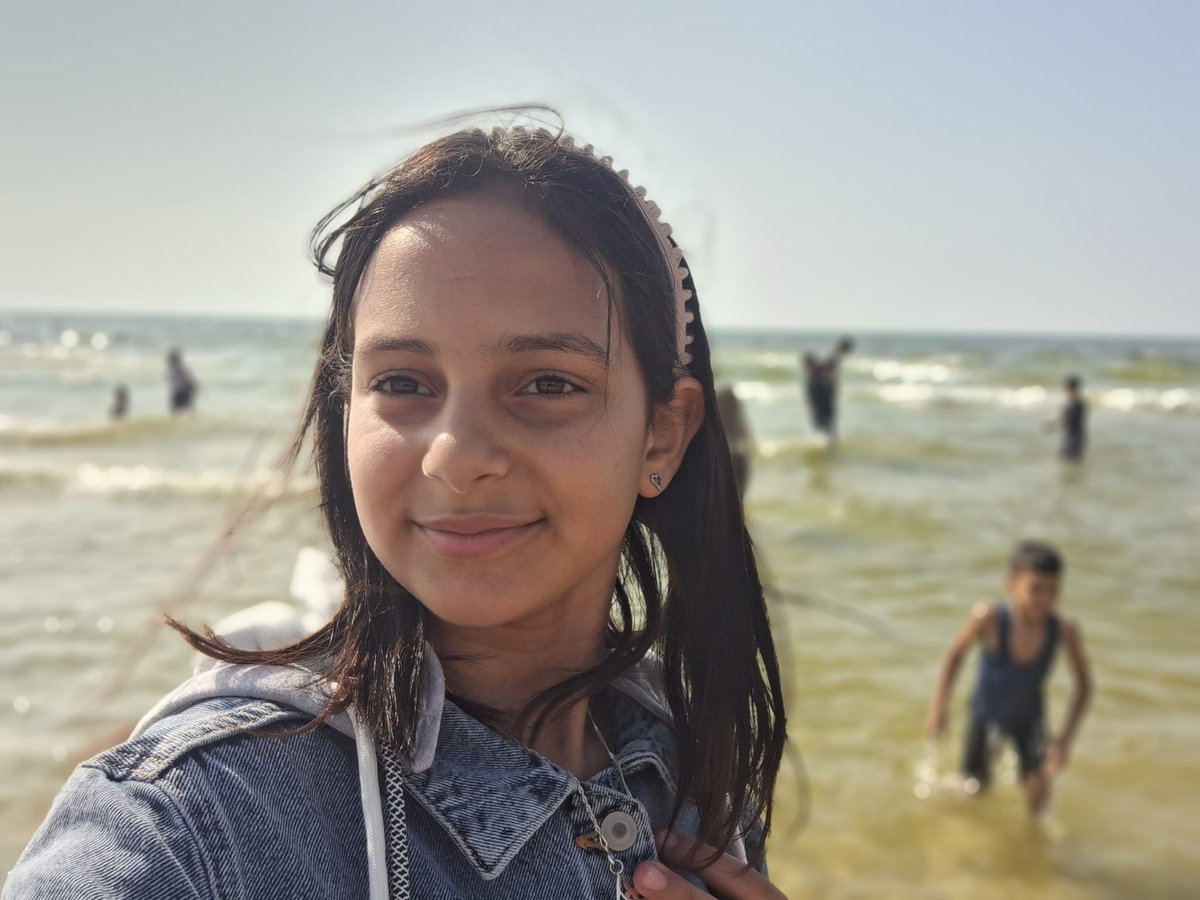
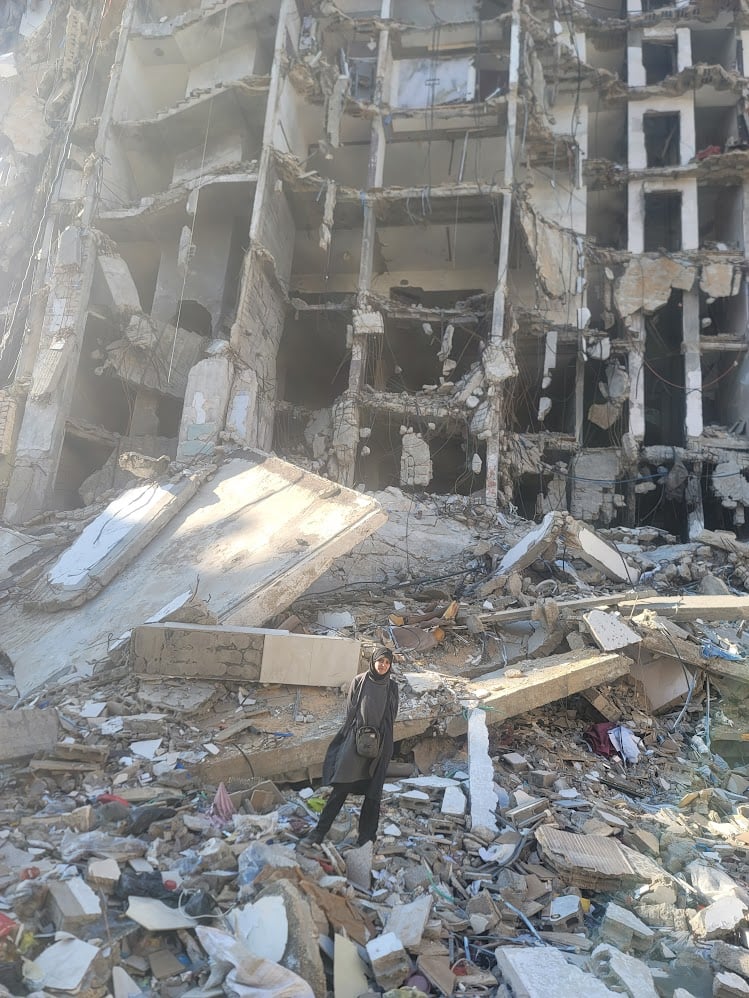
“The last thing I heard was the voice of my children playing, then everything went black. When I opened my eyes I thought I’d gone blind. I couldn’t see anything. I could no longer hear their voices. I checked to see if my wife was alive. Her back and legs were fractured, but she was alive. So I turned on the light of my phone and tried to find the children. My three-year-old daughter Julia was calling to me from beneath the rubble: ‘Baba, Baba, where are you?’ I carried her to a safe place then went back for my second son Kareem. He had severe head trauma. He was in a trance. He kept saying: ‘I’m sorry Mama. Please don’t blame me. I’m sorry.’ When I brought them to the hospital, I refused to let my colleagues deal with their injuries. I dealt with them alone. I did the dressing. I removed the sutures. I wanted them to feel: ‘Our dad is taking care of us, maybe he can still protect us. Maybe he’s still our hero.’ We’re doing OK, I guess. My wife is in a wheelchair now; she can’t walk. So I’m everyone’s caregiver. The children’s wounds are healing slowly. But there is a big problem with their brain. They cannot eat well, cannot talk well. Julia is still waking in the night and screaming. Every time she hears a rocket she starts trembling and crying. I used to tell her: ‘Don’t worry. They’re not targeting us.’ It’s a myth that all of us in Gaza tell our children. But it doesn’t work anymore; she knows that it’s a lie. I'm trying to keep myself together, so they can still see me as their hero. But no, I am not strong now. I'm weak. I’m not eating well. I used to wear better clothes. I’m not OK. There’s so much fear. Fear that they will never recover. If there’s another strike, even near us, they will lose their mind. You understand me? And I have so much guilt, because I’m the reason we stayed. We had a chance to leave Gaza, one year ago. But I refused. Because I love my people. I love my patients, so I chose to stay. But I regret all of it. My children had the right to live their life. Not this life I chose for them. I'm not okay. I didn't do well with my children. I didn't save them or protect them. We used to be a beautiful family. But now, I don’t know.” ------------------------------------ Dr. Ahmed Seyam is a surgeon with @MSF_USA. His story is a part of a series I am doing on the Palestinian Staff of Doctors Without Borders in Gaza.
Brandon Stanton tweet mediaBrandon Stanton tweet mediaBrandon Stanton tweet media
English
42
831
1.8K
276.8K
Brandon Stanton
Brandon Stanton@humansofny·
“I cannot cry. Before the war— any little thing, it would make me cry. But now I cannot make myself. I want to, but I can’t, even when my heart is breaking. I used to be a schoolteacher; I love children. But now I see them walking in the streets with no shoes. They come into our clinic and you can see how tired they are. Some of them are mutilated: they’ve lost a leg, or an arm. You see children crying because they cannot walk again. Yes, there is a lot of children like this now. But even the ones who aren’t injured are changing. Before the war it was not normal to find a child who wasn’t in school. There were organizations that would find the parents and force them to enroll. But now Gaza’s children haven’t been to school in two years. They’re changing. They’re beginning to think: ‘I will never go to school. I will just work to bring my family food or water.’ Even my own daughter; she’s twelve years old. She was a leader in school and she dreamed to be a doctor. She has a cousin in Canada, the same age. They have video calls, and my daughter can see the difference. She sees how far behind she’s fallen, and recently she told me: ‘I won’t be a doctor anymore.’ This broke my heart, but still, I could not cry. It’s like something is blocked in me. I don’t share my pain with anyone. I don’t share with my husband. I don’t share with my mother, or my father, or my sister. Because all these people come to me to feel safe. A few months ago when they bombed the house of my husband’s family—I went to collect the body parts. It was too difficult for my husband. He lost fifteen members of his family that day. His mother, his father, his brother, were beneath the rubble. So I went. I had to start looking: this is the head for who? This arm, this leg, is for who? Afterwards I sat alone, and I tried to cry. I felt that if only I could cry, I will feel better. I will feel less full. But even then, I could not. I have a colleague in the work, who tells me: ‘Kholoud, after the war, you are going to collapse. Because you do not cry.’”
Brandon Stanton tweet mediaBrandon Stanton tweet mediaBrandon Stanton tweet media
English
83
238
663
29.1K
Brandon Stanton
Brandon Stanton@humansofny·
“My whole life people have said to me: ‘You are too kind, too sensitive.’ When I interviewed for a schoolteacher position, the principal told me: ‘You will never be able to control the students.’ Because of this I built in my mind that I’m not a very strong person, you know? I decided to focus on my house, my family, my children. When the war started I was working as a data encoder; I spent all day on the laptop. But Doctors Without Borders said to me: ‘Kholoud, there is no one left to ask. We need you to help organize our operations in the North.’ And I’ve done it. I organized a network of people on the ground. Everyone in the organization knows me now, respects me. And I’ve done all of this while raising four children, and another four children who lost their parents. In December we spent fifteen days on the street because there were too many bombs. Nobody could sleep safely inside. I ate nothing during this time, zero. I just drank some water every two days. We were sheltering in a small corridor inside a school yard. My husband left us to look for food, and that’s when the bomb fell. When it falls close to you, you don’t hear anything. You just see the body parts flying through the air: the hand of someone, the leg of someone, the head of someone. My son comes to me and his face is blood. My daughter comes to me and she is clutching her chest. My other two children are holding their legs; I can’t tell how they are injured. There was no hospital left in Gaza City, so I brought them back to our house. Our neighbor is a doctor, so I asked him to come over. We discovered that one of my children had shrapnel in the head. The other three in the leg. There was no anesthesia, no stitches. We put something in the children’s mouth, and I held them down while he removed the shrapnel with the kitchen knife. You cannot imagine how the children were screaming. But we removed the shrapnel. And when we finished, I took the knife, and removed the shrapnel from my own leg. ‘Too kind, too sensitive.’ I heard this my entire life. But I can tell you: another person lives inside you. And if the world forces you, you will find her.” ---------------------------------------------------- Kholoud’s story is part of a series of stories I am currently doing on the Palestinian Staff of Doctors Without Borders in Gaza. I will be sharing these stories over the next several days. From @MSF_USA : Kholoud Al-Sedawi has been with MSF (Doctors Without Borders) since 2019, progressing from Data Entry Operator to her current coordination support role. When most humanitarian workers withdrew from northern Gaza, Kholoud stayed and helped restart MSF's operations amid some of the genocide's most severe conditions. Her work focuses on restoring basic healthcare services where hospitals have been damaged or destroyed and organizing mobile clinics. While the situation remains dire, Kholoud's persistence has enabled MSF to maintain a presence in northern Gaza when most organizations could not.
Brandon Stanton tweet media
English
108
614
1.5K
197.2K
Brandon Stanton
Brandon Stanton@humansofny·
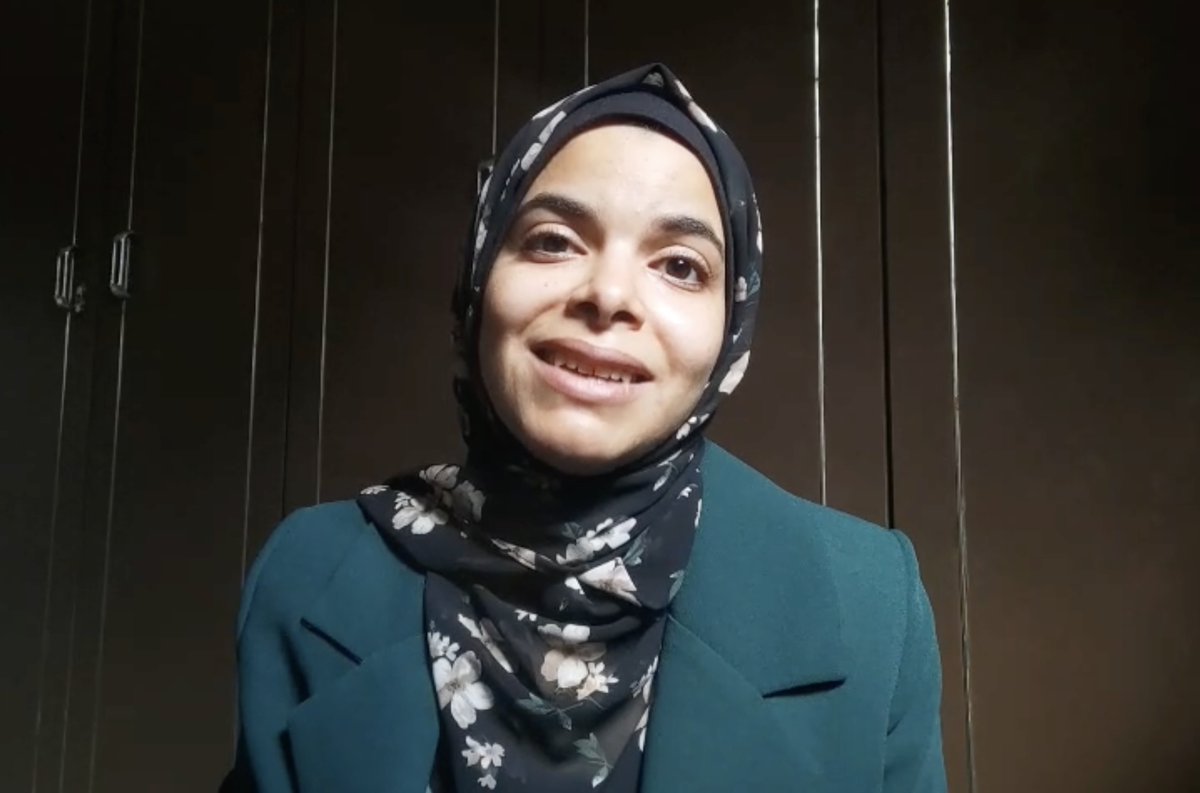
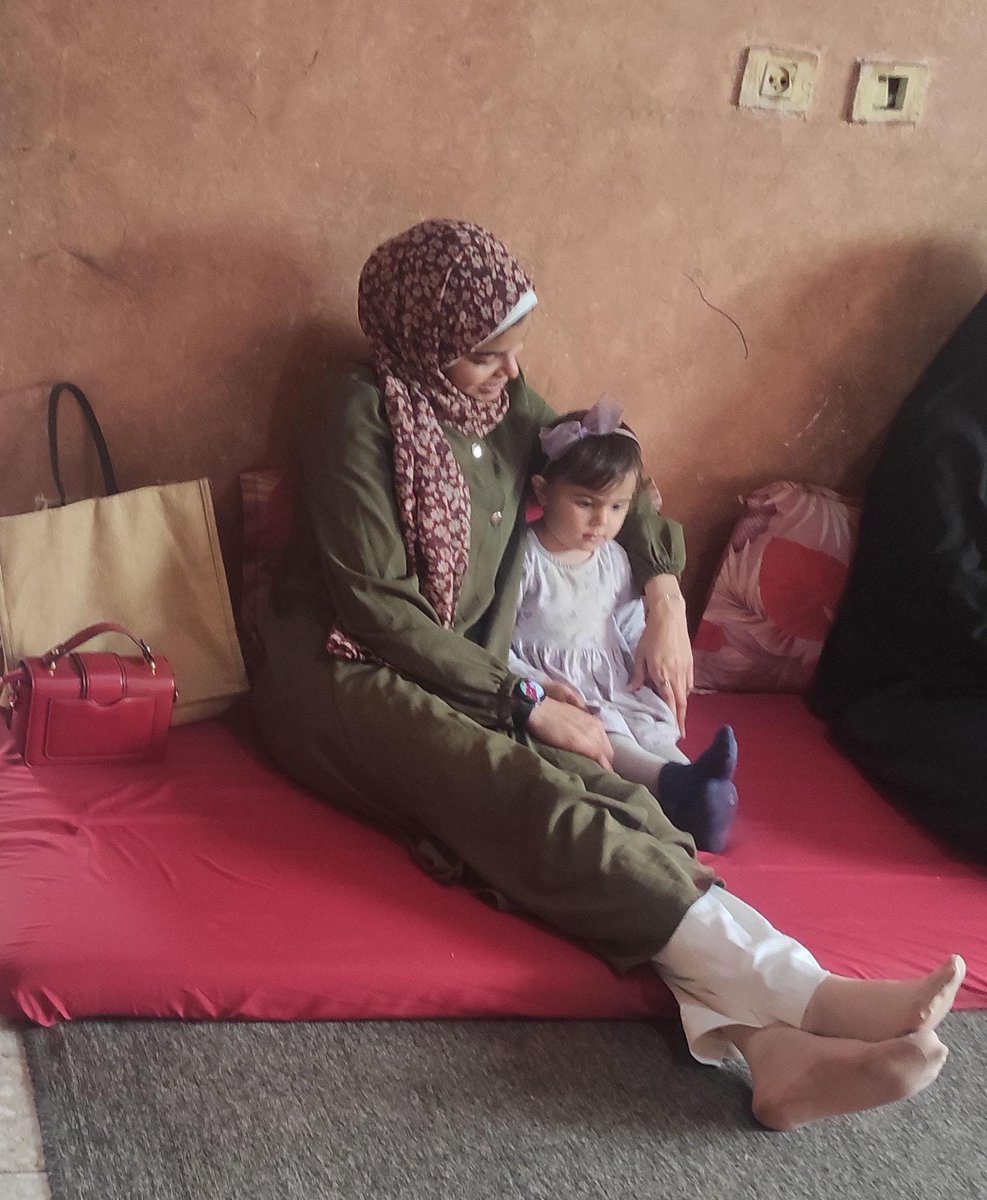
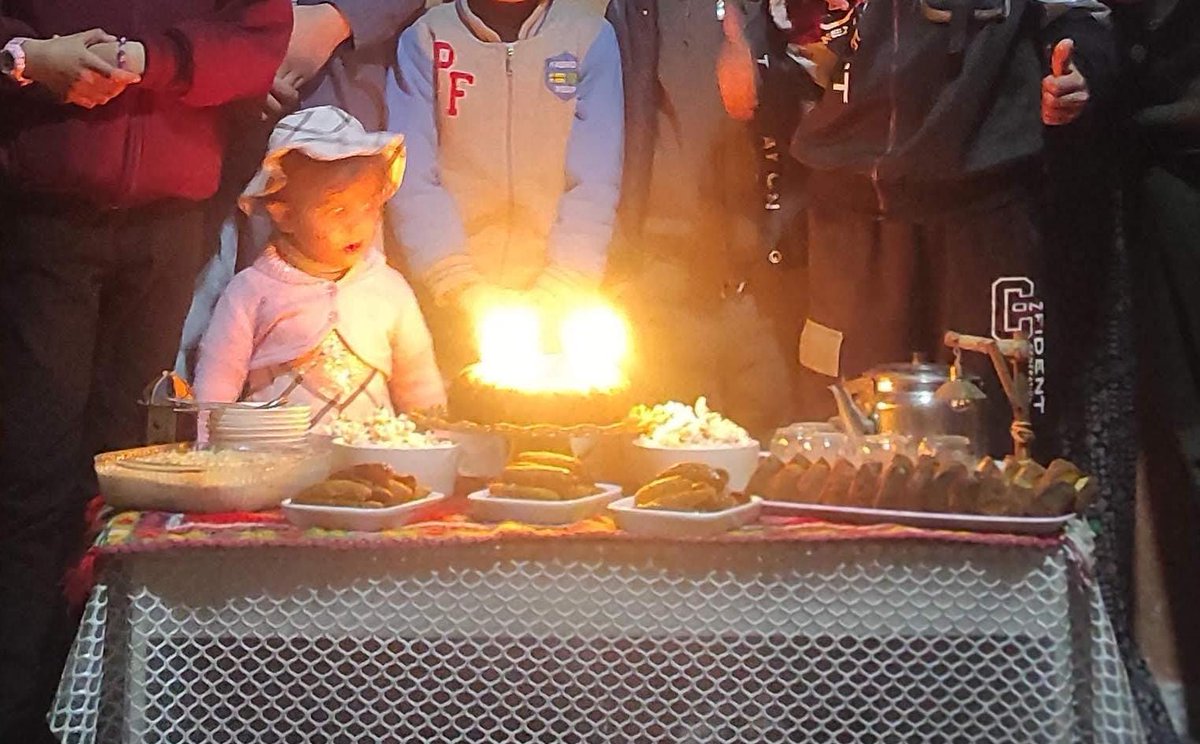
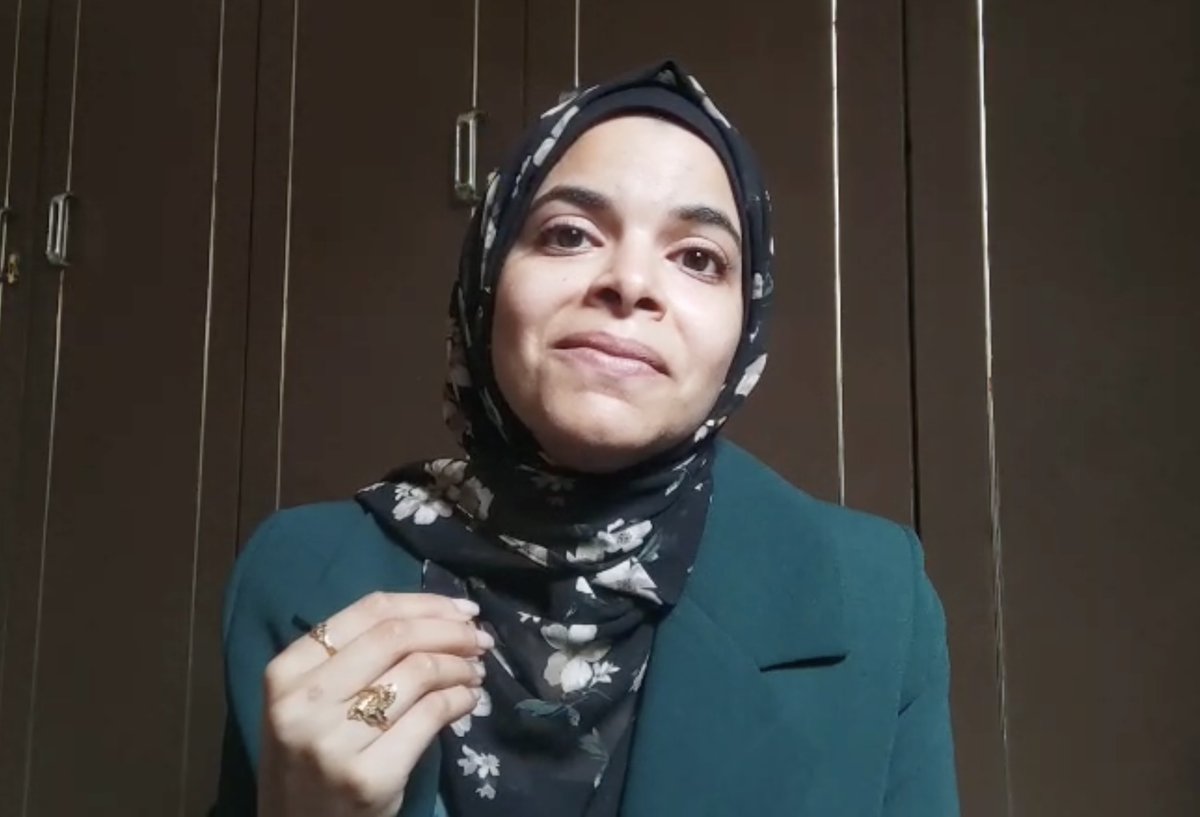
“I’ve closed my social media. From Gaza it’s all bad news: someone’s dying, someone’s been bombed, someone’s been displaced from their home. Then everywhere else in the world, you see things working so smoothly. Everyone is living their lives. Literally the smallest thing that they do: it makes me jealous. The smallest thing, like eating ice cream. This is my favorite food. And I’ve gone two years without any ice cream. I don’t want to feel envious of anyone, so I’m trying not to see it. I’m still trying to treat myself in whatever small ways I can: like doing my hair, or maybe having henna dye on my hands. After work I will try to sit with my sisters, so we can connect, and say about our dreams. One of my dreams is for us all to live on an empty farm, a quiet place outside all the world. Two of our cousins have already passed away in a bombing. Four of my nieces and nephews were injured. I can’t lose anyone else. I can’t, I won’t be able to take it. My family is everything to me. Right now our home is partially destroyed, but we are still living in it. Because we don’t have anywhere else to go. Every day when I come home from work, my two-year old niece is waiting for me at the front door. Her name is Hanan; it means kindness. And when she hugs me it’s like a battery has charged in my heart. Literally all of her life has been in this war. Whenever she hears the sound of a plane, she covers her ears and says: ‘Boom! Boom! Boom!’ She never goes anywhere. She never meets new people. We are her entire world. We do everything we can to protect her, to give her a childhood. Her birthday was two weeks ago. We had dancing all night. There was bombing all around us, but we just turned up the volume and tried to disconnect from all the noise. Sugar is impossible to get in Gaza now; but we gathered all the sugar we could. Everyone contributed. And with this sugar we made a cake, and cinnamon rolls, and sweet tea with mint. Hanan eats nothing but canned food; no snacks, no treats. So when she saw that cake, she started to scream. All the children started to scream; you can’t imagine their joy. It was maybe my best moment ever, in all of the war.”
Brandon Stanton tweet mediaBrandon Stanton tweet mediaBrandon Stanton tweet media
English
5
57
223
15.1K
Brandon Stanton
Brandon Stanton@humansofny·
“My name is Weam. It’s a beautiful name for me, because my mother gave it to me. She died of cancer when I was eight years old-- so I love my name, because my mom loved it. It’s also perfect for me because it means ‘peace, love, and harmony.’ And everyone who meets me says that I’m positive energy shining everywhere. I’m a team leader for twenty-three pharmacists. ‘The pharma army,’ we call it. Ask anyone: we are the happiest team in the hospital. After we start our morning meeting, I’ll put on a bit of music for everyone. If they want to dance, they can dance. If they want to sing, they can sing. We are working 24 hours, seven days a week without stopping. They are under so much stress, all the time. There are always mass casualty incidents. And everyone in Gaza is living their own nightmare: with the bombings, the displacements, the hunger. So I’m just trying to make it easier for them. When I help others, it feels like I’m doing something right, that I’m still useful in this life. In Islam, if you speak a good word to someone else, it is also a good thing for you. So if someone smiles, and says: ‘Good job, you did it, you survived another day.’ This is a big deal for us. So I try to keep a smile from ear to ear. But on the inside, no. I am not happy at all. I haven’t slept for more than three hours since the war began. We are all screwed up in this world. Even if you are still alive in this moment, maybe in five minutes you will die. The smallest spark of light can be destroyed in the blink of an eye. How can anyone be happy when they are surrounded by so much death? But there is something that my mother said to me, right before she died. It’s the only memory that I have of her. She told me: ‘Weam, please keep that smile on your face. Because everyone loves your smile.’ So that’s what I’m trying to do. I’m trying. You will find that even when I’m crying, I am smiling.” ------------------------------------------ Weam’s story is part of a series featuring the Palestinian staff of @MSF_USA Gaza, which I will be sharing over the next several days.
Brandon Stanton tweet mediaBrandon Stanton tweet mediaBrandon Stanton tweet media
English
17
225
814
47.1K
Brandon Stanton
Brandon Stanton@humansofny·
“The shift started like any other. I was making my rounds when around 2 pm I heard a bombing; it sounded very close. My family lives relatively near the hospital. Usually, when a bombing is that close, I would call them immediately. But on that day I didn’t call. I don’t know why. Maybe I’d grown desensitized. But after an hour I began to notice that the nurses were acting shifty around me. I was summoned to a case in the emergency room, and as we were walking down the hallway, one of the nurses asked if I’d heard from my family. That’s when I knew. I started running to the ER. The first person I found was my father. He’d been in the explosion area; he was stunned. My sister was next to him, she was also in shock. I asked about my mother and the nurse told me that she was in the ICU. It wasn’t true. But that’s what he told me, so he could get me alone. The ICU is three floors up from the ER, so I immediately began running up the stairs. The nurse ran after me. We passed the first floor, the second floor, and then he stopped me forcefully. He told me: ‘I’m sorry. I didn’t know how to tell you. But your mother is deceased.’ I fell to the floor. And I can’t remember everything here, I was in shock. But they brought me to the forensics room and led me to a giant, white bag. I unzipped it. And I saw her face. She looked as good as alive. She had bled out through her legs, so her face was untouched. And I wanted so bad to kiss her in that moment. So I kissed her. And I began to hug her. But they pulled me away and they covered her again. I’m sorry. I’m sorry for the tears. But this is the first time I’ve talked to anyone about this. I have to be strong for my family. Especially because my father is a paraplegic now; it’s a lot of responsibility. I need to be the emotional sponge for everyone else. That’s my focus now: caring for my father, my siblings, my patients. I want to help other people, and be a good Muslim. It’s not that deep. I just have to believe that she’s in a better place. And if I fulfill my responsibilities, then we will meet again. It’s what I have to believe. It’s all the relief I can get.” (2/2) --------------------------------------- Dr. Mohammad Kullab graduated from Al Quds University as a doctor in 2019. He’s worked at Nasser Hospital and the European Gaza Hospital. At the outbreak of the war, he had just returned to Gaza from a clinical attachment in the UK with the intention of returning. His passport was in transit to be certified when it was lost in the action and he was unable to leave. He joined @MSF_USA in the beginning of 2024, where he now works as a medical doctor. Dr Kullab’s job is to deal with patients directly and coordinate their care across various specialists. Dr. Kullab’s story is part of a series featuring the Palestinian staff of @MSF_USA in Gaza. I will be sharing these stories over the next several days.
Brandon Stanton tweet media
English
9
216
658
28.6K
Brandon Stanton
Brandon Stanton@humansofny·
“We had one chance to leave Gaza, early in the war. At that time our lives had grown very difficult. We’d been displaced. We sat down and had a family discussion, and the consensus in the family was not to leave. We’d just learned that our house was still standing, so we thought: ‘We’re luckier than others.’ One month later the Philadelphi corridor was closed, and the option to leave was exhausted. But we still thought we would be OK. We thought the war would end soon, as we think now, as we thought a year ago, as we thought two years ago. And at least we were together. Our family has always been extremely close. I care for my patients, I care for my friends, but not the way I care for my family. Especially my mother. All people say that their mother is a saint, but she was actually a saint. She hated no one. She loved everyone. When I was a child she worked as a schoolteacher, and her school was next to mine, so in the mornings we would walk to school together. I don’t know why I remember this—but she’d always walk between me and the sun. So that I could stand in her shadow. It’s a simple memory, but it means a lot to me. I was always the most attached to her. Maybe everyone in our family feels the same way, but this is my feeling. I told jokes only for her, so that she would laugh. I specialized in medicine just to make her happy. I was a resilient teenager. I wanted to be a writer. But she confronted me. She told me: ‘Life on Earth is a short journey, and you should help people. Because we believe in God. And we believe there is more than just this life.’ Everything, all the things I have done, I have done to please her. And I let her down. I let her down. Because it was my decision. Three days before she was killed, I evacuated her to a safer place. And the safer place got bombed.” -------------------- Dr. Mohammad Kullab graduated from Al Quds University as a doctor in 2019. He’s worked at Nasser Hospital and the European Gaza Hospital. At the outbreak of the war, he had just returned to Gaza from a clinical attachment in the UK with the intention of returning. His passport was in transit to be certified when it was lost in the action and he was unable to leave. He joined Doctors Without Borders in the beginning of 2024, where he now works as a medical doctor. Dr Kullab’s job is to deal with patients directly and coordinate their care across various specialists. Dr. Kullab’s story is part of a series featuring the Palestinian staff of @MSF_USA in Gaza. I will be sharing these stories over the next several days.
Brandon Stanton tweet media
English
30
1.3K
3.2K
283.3K
Brandon Stanton
Brandon Stanton@humansofny·
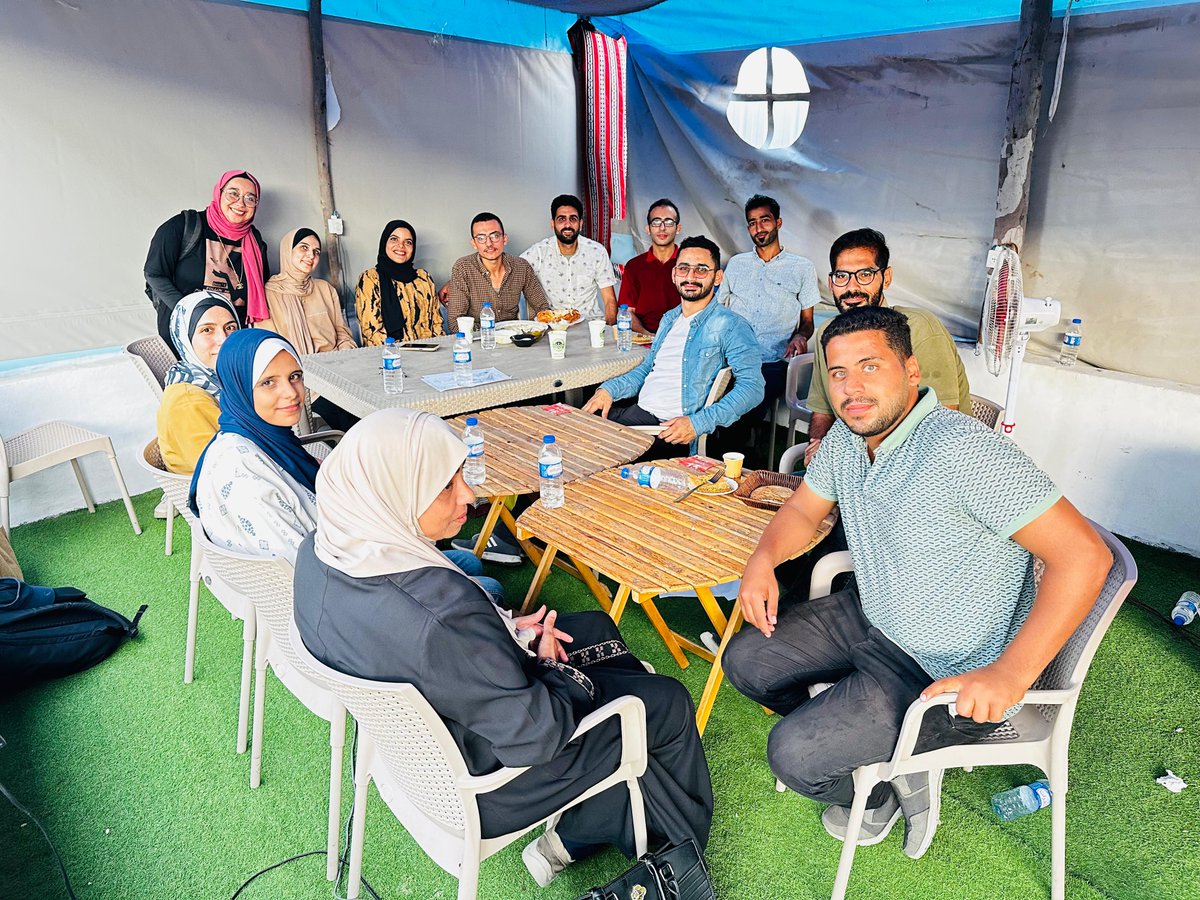
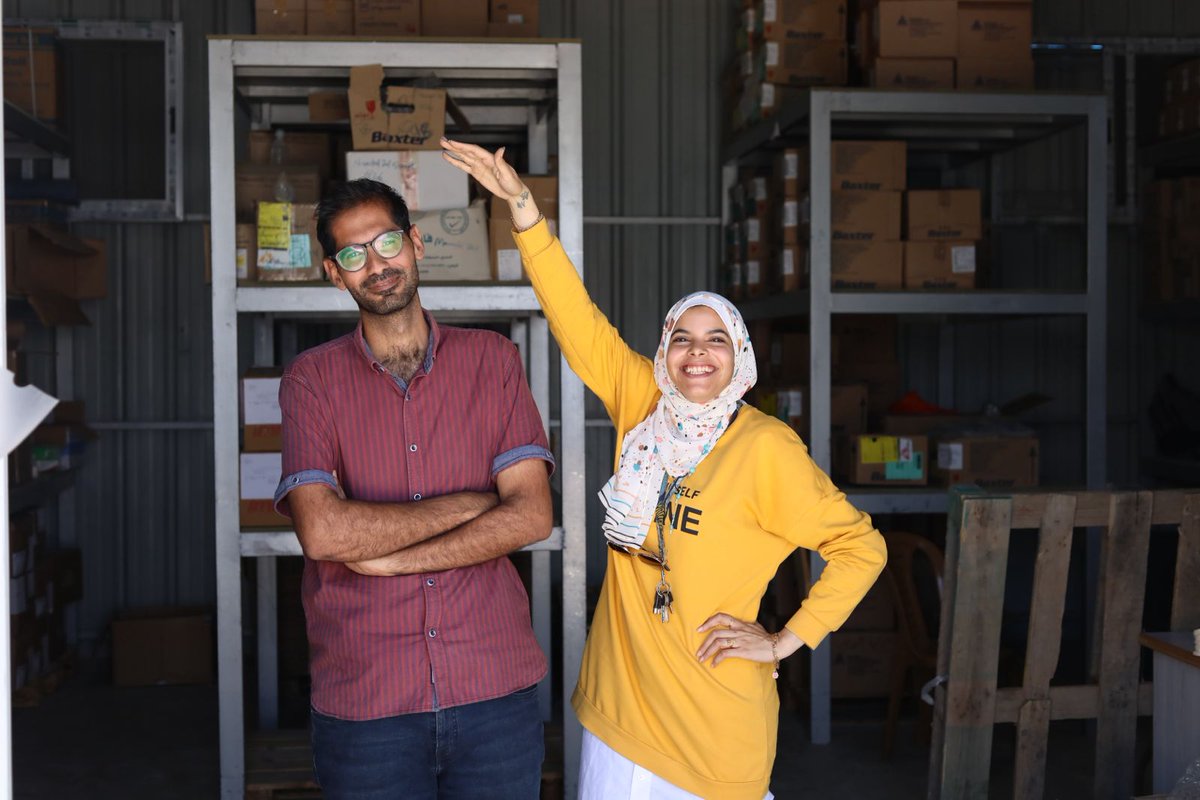
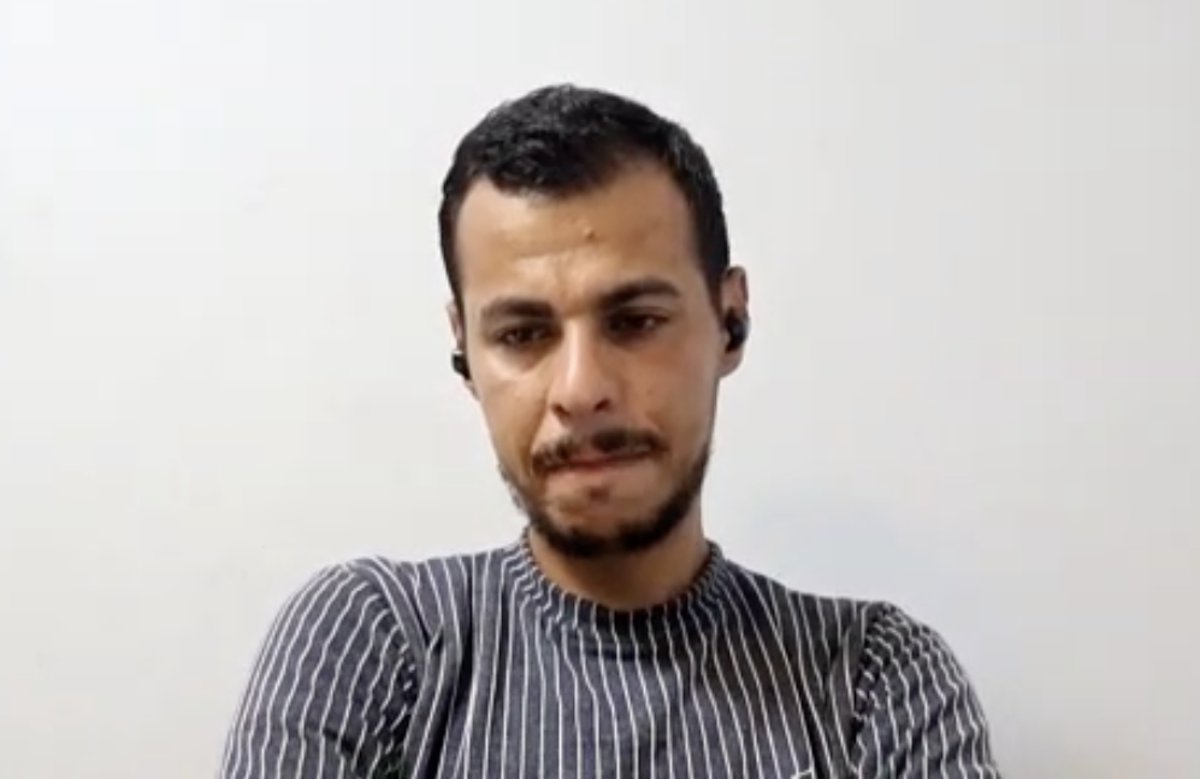
“When I entered Gaza the Israeli military had a rule: I was only allowed to bring in three kilos of food. As I was weighing out protein bars, trying to get under the limit, I said to my husband: ‘How sinister is this?’ I’m a humanitarian aid worker. Why would there even be a limit on food? I’ve worked in many places with extreme hunger, but what’s so jarring in this context is how cruel it is, how deliberate. I was in Gaza for two months; there’s no way to describe the horror of what’s happening. And I say this as a pediatric ICU doctor who sees children die as part of my work. Among our own staff we have doctors and nurses who are trying to treat patients while hungry, exhausted. They’re living in tents. Some of them have lost fifteen, twenty members of their families. In the hospital there are kids maimed by airstrikes: missing arms, missing legs, third degree burns. Often there’s not enough pain medication. But the children are not screaming about the pain, they’re screaming: ‘I’m hungry! I’m hungry!” I hate to only focus on the kids, because nobody should be starving. But the kids, it just haunts you in a different way. When my two months were finished, I didn’t want to leave. It’s a feeling I haven’t experienced in nearly twenty years of humanitarian assignments. But I felt ashamed. Ashamed to leave my Palestinian colleagues, who were some of the most beautiful and compassionate people that I’ve ever met. I was ashamed as an American, as a human being, that we’ve been unable to stop something that is so clearly a genocide. I remember when our bus pulled out of the buffer zone. Out the window on one side I could see Rafah, which was nothing but rubble. On the other side was lush, green Israel. When we exited the gate, the first thing I saw was a group of Israeli soldiers, sitting at a table, eating lunch. I’ve never felt so nauseous seeing a table full of food.” ------------------------------------------------------- Aqsa Durrani is a pediatric doctor and board member of Doctors Without Borders USA, with nearly twenty years of experience in humanitarian projects. During our interview Aqsa repeatedly expressed a desire to center the voices of her Palestinian colleagues. To this end I’ve spent the past week collecting stories from the Palestinian staff of Doctors Without Borders in Gaza. I will be sharing these stories over the next several days. I’m so grateful for the time that these people gave me; they were sleepless, hungry, traumatized, and often working 24-hour shifts. Because of the unreliable internet connection their images are sometimes grainy. Their words, however, will be crystal clear.
Brandon Stanton tweet media
English
1.1K
25.4K
65K
2.9M
Brandon Stanton
Brandon Stanton@humansofny·
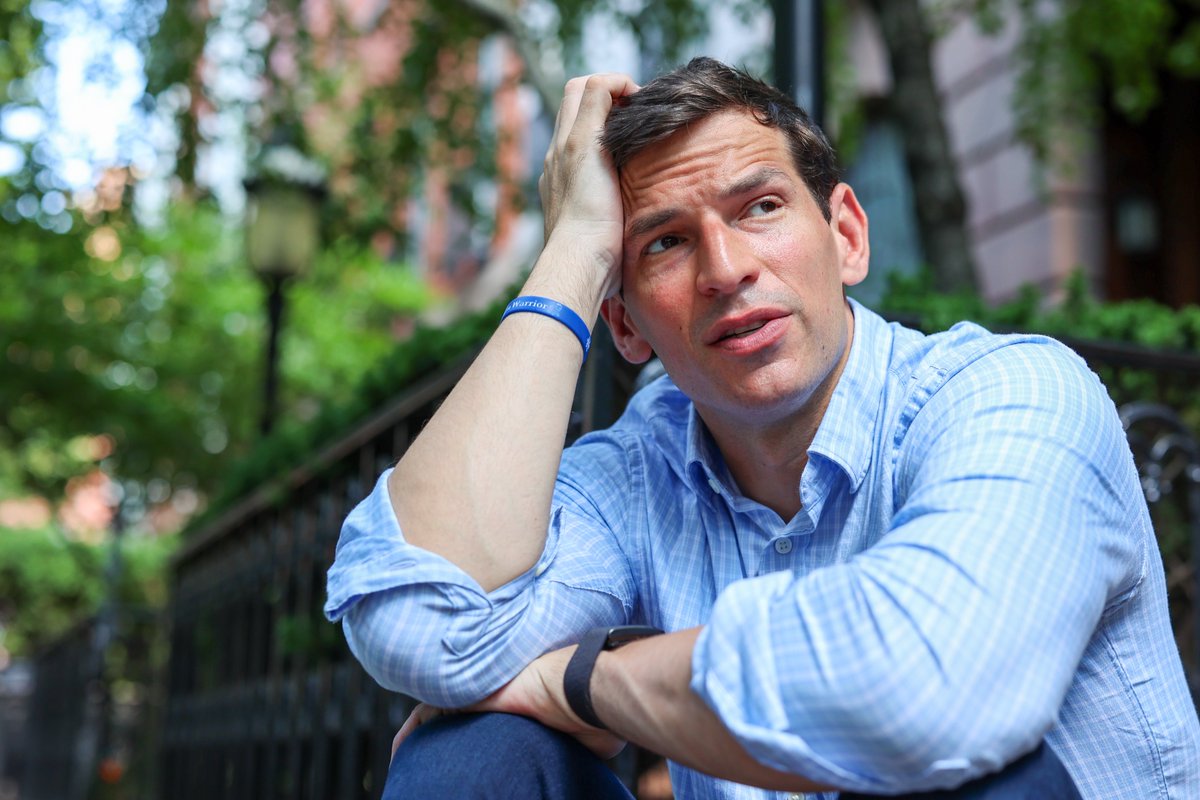
“I remember taking my final exam, getting stuck on an answer, and thinking: ‘Who cares, I’m about to die.’ I knew something was very wrong. Medical school is always tiring, but this was a different kind of tired. I was getting by on multiple cups of coffee, multiple energy drinks. Large lumps had begun to appear in my neck. After the exam I stumbled down the hall to the ER and the doctors told me that my organs were failing. It took eleven weeks to make a diagnosis: a rare disease called Castleman’s. But there was no cure. A priest read me my last rites. I said goodbye to my family and prepared to die. But a last-minute dose of chemotherapy saved my life. Over the next year I relapsed three times. Each one almost killed me. The last was the worst: I spent a month in the ICU, and it took seven different chemotherapies to bring me back. By then I’d reached the maximum dose of chemo a human can tolerate. The doctors told me I was out of options, and the next relapse would certainly kill me. I only had one hope. A tiny hope, but a hope. I had to cure the disease myself. It takes a billion dollars and ten years to create a new drug; I didn’t have the money or time. My only chance was to discover an existing drug that would work. I made spreadsheets of every similar disease and every drug used to treat it. I wrote over 2000 emails to every doctor who’d published a paper on Castleman’s. I started studying samples of my own blood, but I ran out of time. Another relapse put me back in the ICU; from my hospital bed I asked the doctor to cut out one of my lymph nodes. I took it to the lab and discovered a particular protein called mTOR that was sending my immune system into overdrive. And that’s when I knew. I knew from my research that a drug called Sirolimus inhibits mTOR. My doctor was hesitant to prescribe it; there was no research to support my theory. But he took a chance, and within days my symptoms began to disappear. I still take the pill every day, eleven years later. I was able to marry my wife and have two beautiful kids. And through my work I’ve been able to save thousands of lives, by repurposing fourteen different drugs to treat rare diseases.” --------------- Epilogue: In 2022, @DavidFajgenbaum co-founded Every Cure, a nonprofit organization on a mission to save and improve lives by repurposing existing medicines to treat devastating diseases. While many drugs could be repurposed to treat many more diseases than they were intended to treat, there are no incentives in our current system to unlock these additional uses. Every Cure utilizes an AI platform to identify the most promising new uses for existing medicines for further laboratory research and clinical trials and works to get these treatments to all of the patients who can benefit. They have already launched 8 drug repurposing programs, including injection of the numbing medicine lidocaine for breast cancer and the vitamin derivative leucovorin for a subgroup of children with autism spectrum disorder who have anti-folate receptor antibodies.
Brandon Stanton tweet media
English
19
283
1.5K
98.2K
Brandon Stanton
Brandon Stanton@humansofny·
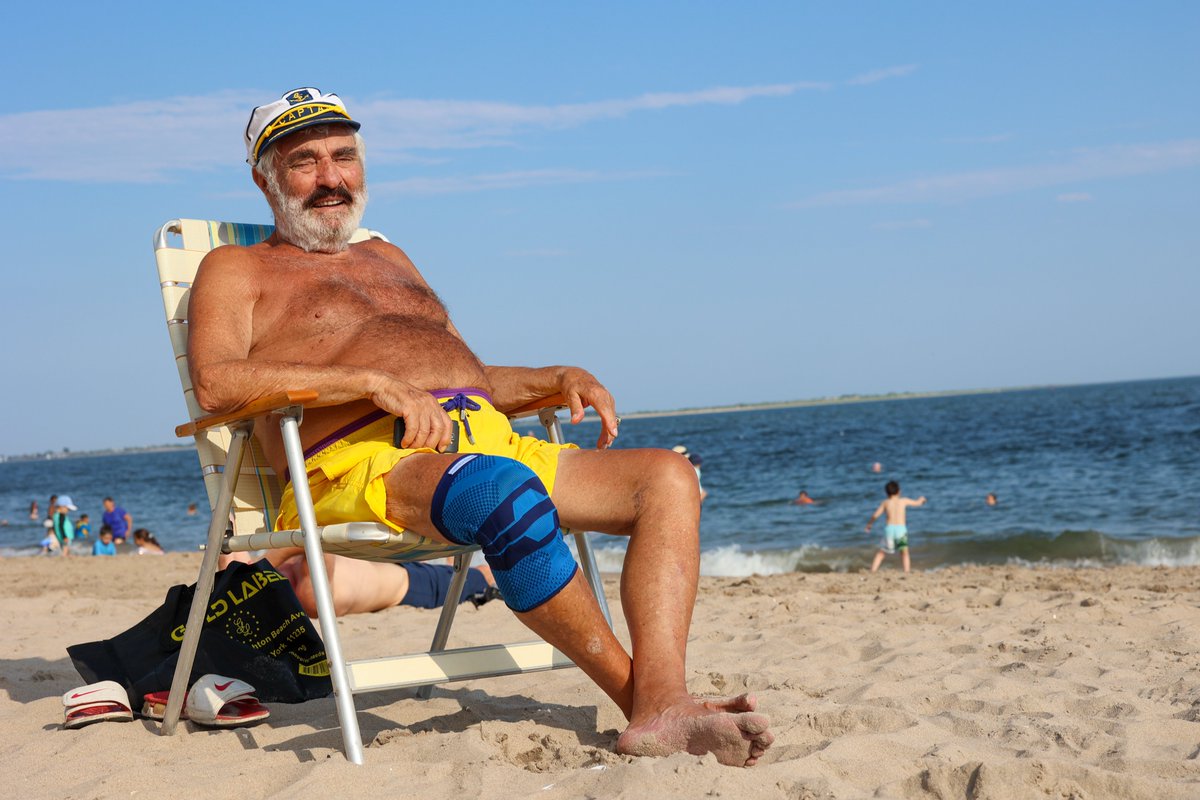
“Two days ago I walk into the water, and two ladies from Ukraine, from my native city, they say: ‘Captain. Oh, Captain.’ Then they ask me how old I am. I tell them, guess; and one of them gives me 55-60. The other gives me 60-65. So I say to them, and I’m saying this to you: On January 1st, God willing, I will turn 87. Today I have problem with my knee, but two years ago I could swim to Coney Island and back. I tell you my secret. Every day—one shot of vodka. One shot, no more. Every winter—skiing. Every summer—playing soccer, here on the beach. And you must work. Work keeps you on the surface of life. Without work you will sink down into your mind: ‘I don’t like this, I don’t want this, I can’t do this.’ You will drown there. So you must work. Nothing to make you rich, but enough to stay on the surface.”
Brandon Stanton tweet media
English
6
32
339
26.5K
Brandon Stanton
Brandon Stanton@humansofny·
“The first time it happened was at a music festival. I was fourteen. I’m not sure why my parents let me go; I don’t think they understood what a music festival crowd really entailed. These two women came up to me and were like: ‘We think you have a great look. Have you ever thought about modeling?’ And after that I started getting scouted a lot. I was a creative kid; I also got praised for my artwork. But I got more praise, more consistently, for my physical appearance. It gave me these grand ideas of the future. All throughout high school, I was like: ‘I'm moving to New York. I'm going to be a model. And then all these people who think I’m weird—they’ll see that I was onto something this whole time.’ Those first couple years after graduation I went to a lot of castings. I got a few jobs here and there. Nothing too big. I noticed that a lot of the most successful models had some sort of safety net. They didn’t have to work nine-to-five jobs. They could spend money on good, clean foods. They could go to the gym all the time. I had to work a more reliable job to survive, and then all this other stuff started happening. My first real romantic relationship fell apart. The cat I loved like a son passed away. All this stuff that had felt so solid started falling apart. And this lifelong dream thing, the thing I’d been banking on to get me out of being a freak—it wasn’t working out. For awhile I turned very nihilistic; it was like: why me? But also, at the same time: why not me? Why did I think I was so special? I felt so stupid and naive for believing everything I was ever told. For believing I could be anything different than what I always thought I was. But a friend told me something, that really stuck with me. He said that everybody has to give up on certain dreams in life. And it’s true. The more people you meet, the more you see in the way of broken dreams. It seems like almost everyone is coming to terms with something they expected to happen, but didn’t. And there’s a comfort in that. At least that's what I've been telling myself. It’s a whole lot better than being like: ‘This didn't work out. I'm doomed forever.’”
Brandon Stanton tweet media
English
7
46
266
33.1K
Brandon Stanton
Brandon Stanton@humansofny·
“It’s a weird time. I’ve still got to get to work on time, pay my bills, manage chronic illness, all that stuff, while the world in general seems to be falling apart. It can be a challenge to juggle those two things while making sure one of them doesn't completely destroy my mental health. It’s just an odd thing to be like: ‘Oh, all of these atrocities are being committed in Gaza with my tax dollars, but what am I going to eat for dinner?’ Or: ‘Trump just dismantled another check on his power. We’re slowly sliding into fascism, he's winning at every turn, nobody’s stopping him-- but what concert should we go to this weekend?’ The strangest part about the whole thing is that we’ve never been so connected. I could understand if this was eighty years ago; news travelled slowly. But now, in an instant, you get these facts, photos, videos. Verified by credible news, verified by aid organizations, verified by the United Nations—and nobody cares. Well, a lot of people care. But the people who can actually fix things: who can make a call, set up a meeting, post to millions of followers—they don’t care. Instead of standing up for the voiceless, they’d rather lay low, keep their head down, cling to their money or status. So yeah, it’s hard to be a person who cares right now. Sometimes you just want to melt into your bed or couch and be with your feelings. But I won’t say that I feel hopeless. I’d never say that, because that’s what they want—those people who only care about winning, who don’t care about collateral damage. They want people to feel powerless. And I’m not going to give them that luxury. There are still reasons to be hopeful. Zohran just won the primary. And that’s a sign of change, in New York City at least. Even the people who don’t agree with his politics have to admit: his campaign was built on community. It wasn’t funded by billionaires. It didn’t pander to their interests. This was a campaign of fifty thousand people who volunteered, and canvassed, and made calls. Last week a lot of people who had been feeling powerless realized that they still have some power in this country. And that’s a start. Let’s just hope a lot more people are learning from that.”
Brandon Stanton tweet media
English
14
113
571
42.7K
Brandon Stanton
Brandon Stanton@humansofny·
Discovered this man on the edge of Central Park in a blizzard; wasn't expecting this performance.
English
26
52
320
30.4K