David Perell

36.1K posts

David Perell banner
David Perell

David Perell

@david_perell

"The Writing Guy" | Christian | Host: How I Write Podcast | I tweet about writing, beauty, and architecture | My writing: https://t.co/SOE9HtxXdi

New York, NY Katılım January 2011
837 Takip Edilen478.5K Takipçiler

2026 Yıllık Özeti

@david_perell hesabının Twitter yılını gör

Sabitlenmiş Tweet
David Perell
David Perell@david_perell·
Jack Carr publishes a book every year, and turned his first novel into an Amazon show called The Terminal List, with Chris Pratt as the star. What I admire about Jack is that he's unapologetically commercial. So many writers get the ick once you start talking about money, but Jack is as obsessed with the business of writing as he is with the craft. And he also used to be a Navy SEAL, and that's cool. This is a breakdown of how he does it. Timestamps: 0:36 Jack's favorite books 3:50 Creating vivid war scenes 6:02 Jack's Executive Summary method 12:33 There are no writing rules 15:21 How to write lively characters 20:03 Writing books vs. TV shows 22:16 Jack's writing mantras 33:58 The key to Jack’s research 36:20 Jack's notebooks 38:42 The business of writing 42:43 It's okay to be commercial 56:38 Who cares about the odds? 58:22 What makes for good dialogue? 1:05:57 How to get published I've shared the full episode with @JackCarrUSA below. You can watch the full thing here, but if you'd rather watch on YouTube or listen to the episode on Apple / Spotify, check out the reply links.
English
10
4
46
31K
David Perell retweetledi
How I Write Clips
How I Write Clips@PerellClips·
One of the most memorable lines in all movie history was actually never said. "There's a bit in The Wizard of Oz where the Wicked Witch of the West says 'Fly, my pretties, fly' to the flying monkeys. Everyone remembers that line. It's not there." Mark Forsyth explains how this misquote came about: Mark: "She says at one point, 'Fly, fly, fly, fly.' She never says 'Fly, my pretties, fly.' But we all remember it as that, because diacope is such a powerful figure of rhetoric that we change it." David: "What you are saying is that our minds have memory receptors in certain shapes. If you want something to be memorable, there are these little rhetorical tactics that shape our words and ideas so that they fit into the slot of the human brain." Mark: "That's exactly it."
English
1
1
7
2K
Nader Khalil🍊
Nader Khalil🍊@NaderLikeLadder·
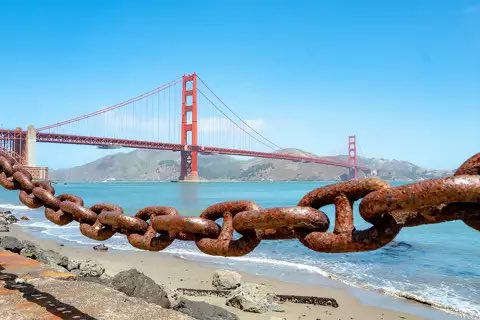
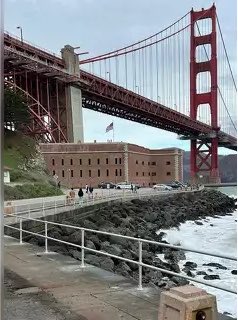
A great example of this is how they replaced the Golden Gate Bridge fence with a completely soulless one Let’s make more beautiful things!
Nader Khalil🍊 tweet mediaNader Khalil🍊 tweet media
Patrick Collison@patrickc

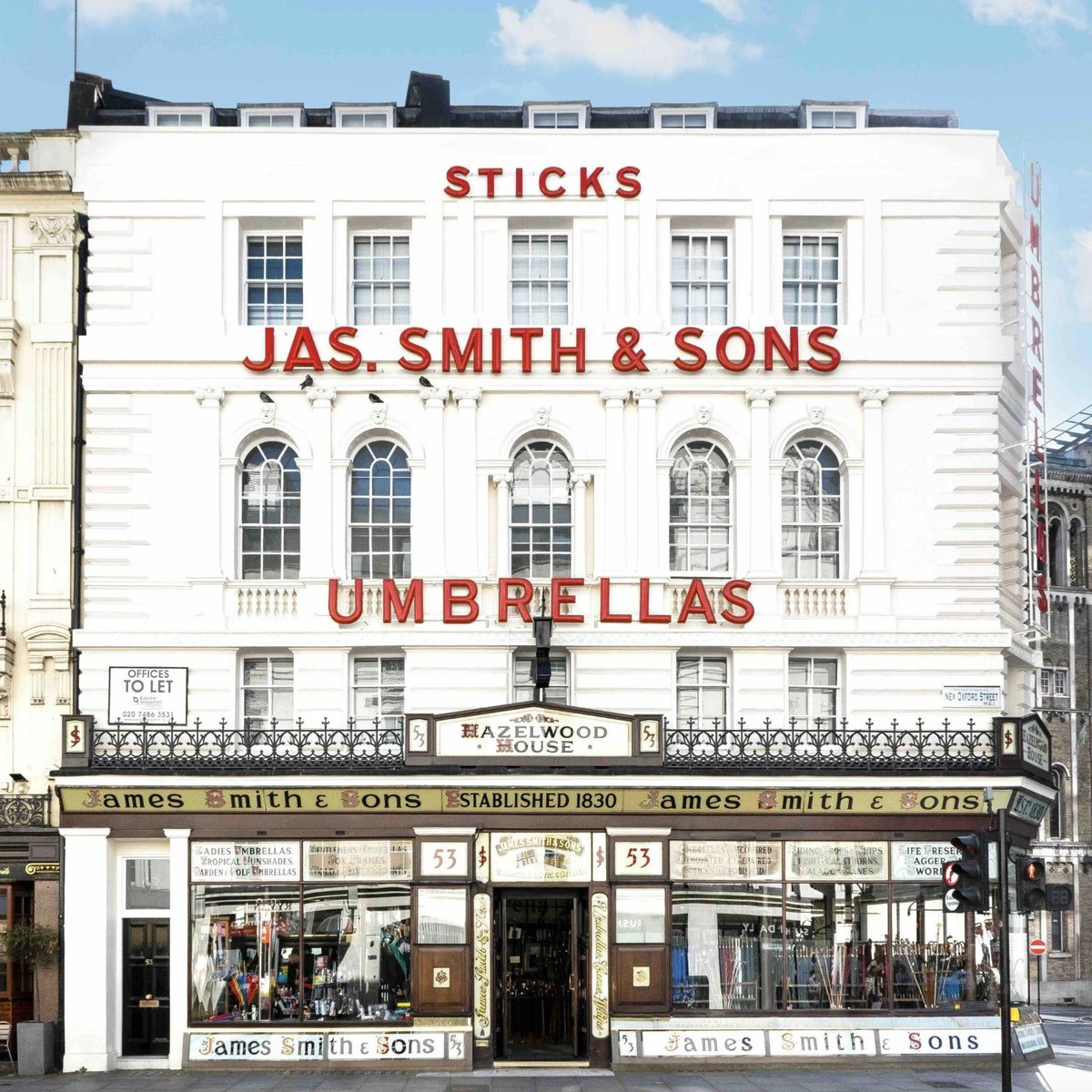
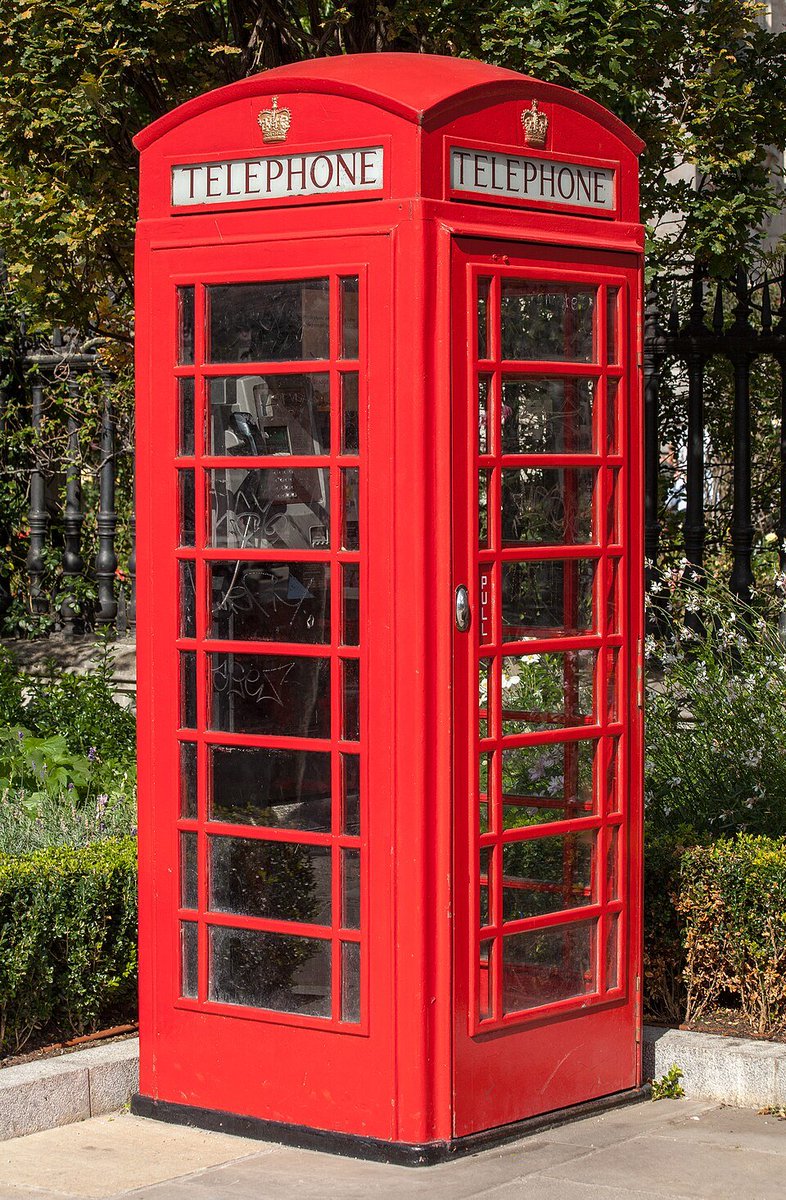
Someone asked me recently why I’ve become interested in aesthetics after having spent most of my life more interested in STEM-adjacent topics. I hadn’t really considered the question consciously before, but I’m certainly thinking about aesthetics more than I used to. I think it’s a confluence of things: • Many things today are ugly and far uglier than they used to be or need to be. Once you see this, it’s kinda hard to stop perceiving it. (Early twentieth century phone boxes versus modern phone boxes; old water fountains versus new water fountains; etc.) As someone with a naively meliorist assumption that most things should be getting better rather than worse, it’s all a bit perplexing: why did we stop doing things nicely? Is it a choice? Was there a malevolent spell cast upon us? This vein led me to think more about modernism and why much of art became more intentionally "challenging", grotesque, opposed to prettiness, rebarbative, dissonant, etc. Can or should anything be done about this? Is this just how things ought to be? • Relatedly, much of modernism involved a kind of explicit repudiation of cultural continuity and represented a schism with prior practices. This is maybe most evident in American architecture, where the International Style exhibition in 1932 initiated the displacement of a rich tapestry of prior styles. This cultural break seems important and interesting to me, and I suspect that the rejection had important consequences outside of the aesthetic domain. Samuel Hughes has been exploring this question in his recent writing at @WorksInProgMag; @RuxandraTeslo is also pulling on this thread. Elaine Scarry wrote about how beauty inspires creation. If so, the inverse may also be true: ugliness inhibits it. • It’s clearly the case that changes in the aesthetic domain can at least inspire progress in other places. Petrarch helped set some of the preconditions for the Renaissance which in turn fostered the scientific revolution and Enlightenment. Things like World Fairs (the 1851 Fair at the Crystal Palace recorded 6 million admissions when the population was 21 million) reflect the popular interdependency that used to exist between aesthetics and material development. • @tedgioia and others have written about stuck culture and how so many domains seem to have ceased to straightforwardly advance in the way that they did up until the nineties or thereabouts. This is obviously peculiar and interesting. What changed, and what does it mean? Is it about the internet and fragmentation? Is it about a loss of supply? Is it just about having reached the zenith of various mediums? • I’m generally interested in markets and the dynamics of creation. In aesthetics broadly, I find the reflexivity between supply- and demand-side factors to be very thought-provoking. There’s a natural desire to view satisfaction of individual preferences as the yardstick to measure market success, but things get interesting and even a bit unsettling when we start to think about how the supply might start to shape the demand. I often think about this in the context of food. Why is food so much worse in Germany than many of its neighbors? Germany certainly doesn’t have less material ability to produce good food; indeed, Germany is richer than the countries around it. There’s probably something about German food supply chains that is impoverished relative to France and Italy, but the Germans themselves don’t seem too upset about it. It just seems that the Germans are stuck in an objectively worse market equilibrium than their neighbors: the food is bad and they’ve gotten used to it. The obvious question then is where else these kinds of reflexive patterns apply, and where else we’re stuck in some objectively inferior equilibrium, even if preferences are in some superficial sense being sated. • While this is an extremely banal and obvious point, I hadn’t until recently thought much about or internalized how much one can study reasonably objective things ("the status of women in society", say) through artwork. (Thanks to @_alice_evans for opening my eyes here.) In this vein, I’m pretty excited about the possibilities over the coming years in computational art analysis. I want something that’s conceptually similar to Google Ngram timelines but for the visual arts. • We've always tried to do things well at Stripe. I've come to see that attempting to do them beautifully is often a helpful way to break out of standard practices and to do something with greater novelty and in a way that might have other benefits besides. (Also, excellent people want to do great work because it is intrinsically satisfying. Explicitly allowing aesthetic considerations to carry weight avoids having to justify every assessment with some kind of torturous empiricism.) • In his Nobel Lecture, Solzhenitsyn said that, among the Platonic virtues of goodness, truth, and beauty, that beauty is special, for it possesses a unique kind of irrefutability. He notes that arguments, writing, and philosophical systems can all be predicated on misapprehensions, but that “a true work of art carries its verification within itself.” He proceeds to observe that when goodness and truth are threatened, the “ever surprising shoots of beauty will still force their way through.” There is a lot of specious and motivated reasoning in the world today and plenty of questionable value systems. I don’t think that beauty directly reflects any definitive trait, but I’m intrigued by the idea that it can be a marker of deeper metaphysical coherence.

English
20
4
412
93.7K
David Perell retweetledi
How I Write Clips
How I Write Clips@PerellClips·
Lee Child is the mind behind the Jack Reacher series, which has sold 200M books and spawned a TV adaptation. He has never outlined any of his books. Here's why: "A lot of people assume that a book needs planning. They assume that you write out an outline, or at least a hit list of plot points. I've never ever done that." "Writing, making it with words, is not really the issue. It's the story that I want. I've got friends who do huge outlines, 300-page outlines. Even if I did a two-page outline, two lines per chapter, then I've told myself the story, and I'm bored with it." "I want the next story. So I can't afford to tell myself the story ahead of time. I have to just improvise it as I go along. It's about starting somewhere, and then see what happens. It really is that simple."
English
0
2
17
3.3K
David Perell
David Perell@david_perell·
A couple I know just started a CPG company together, and they’re the only two employees because AI basically runs the whole thing. It’ll optimize Facebook ads, project the ROI, and proactively say things like “I think you should turn off the ads because you’re running low on inventory which means you’ll be out of stock if you keep running ads.” The AI also handles most of the customer service inquiries.
David Perell tweet media
English
37
34
892
103.4K
David Perell
David Perell@david_perell·
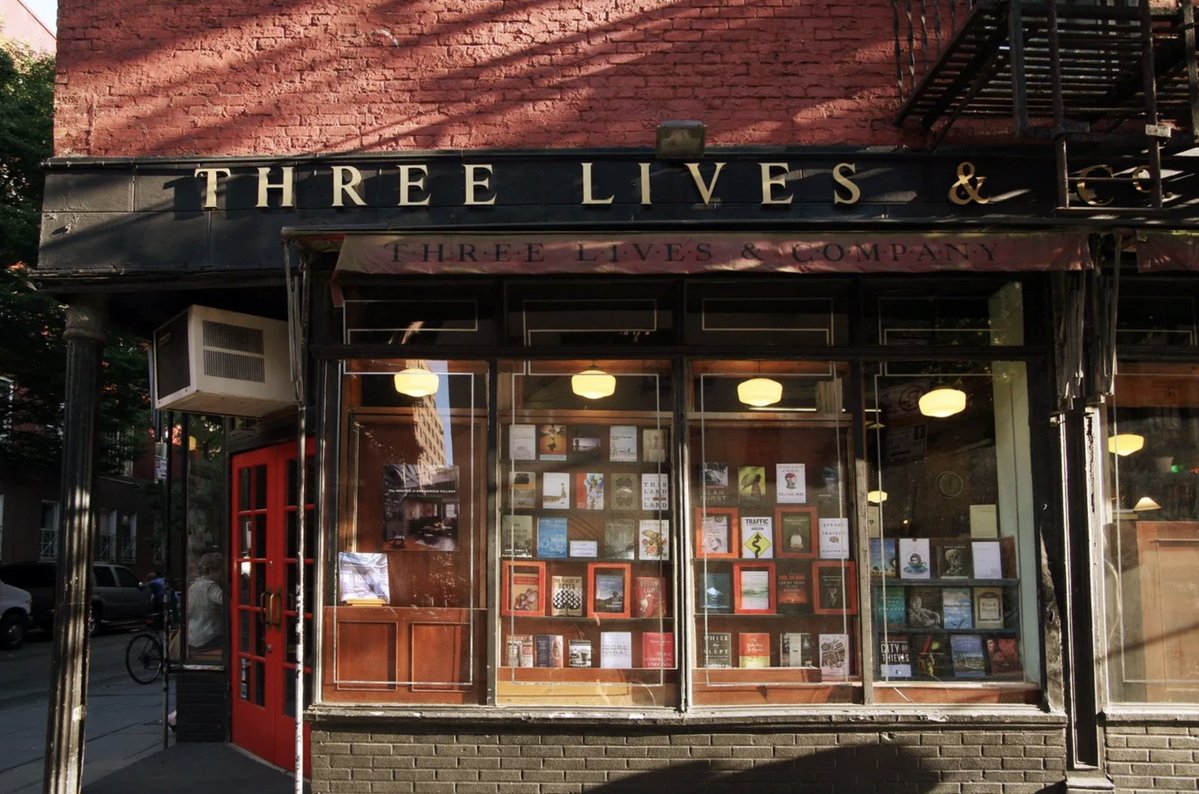
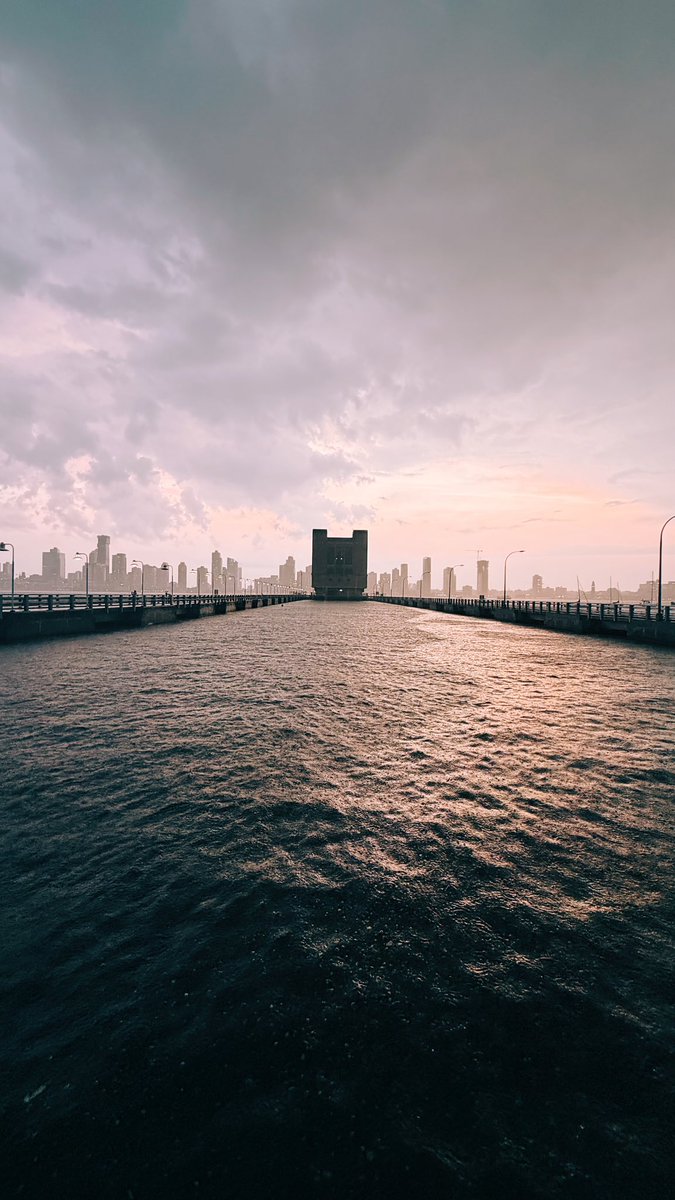
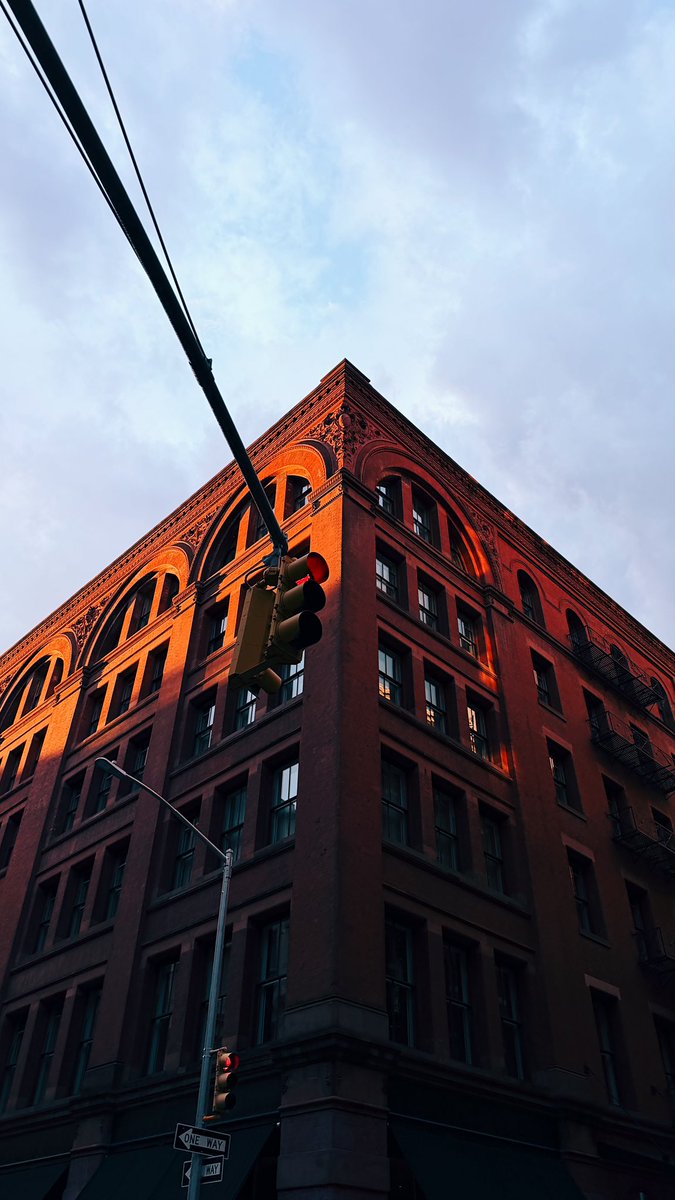
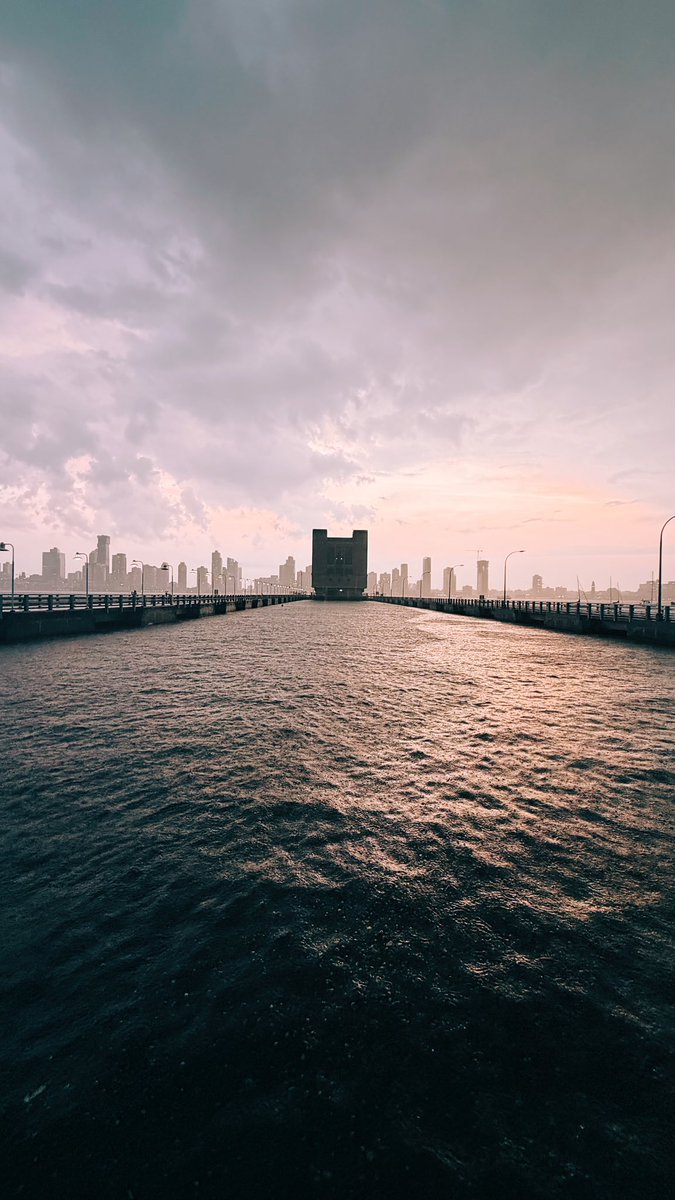
Some thoughts on life in NYC: - Much of what makes New York great is that there’s a large contingent of people who donate money the city and its institutions once they’ve made it. John Paulson made a fortune during the Financial Crisis, and subsequently donated $100 million to the Central Park Conservancy. - My biggest complaint about New York is the ambient noise, especially the way subways screech as they turn and siren sounds reverberate between the skyscrapers. New York’s always had Main Character Energy, and all those noises are its way of being heard. - People here are quite flaky, presumably because of the number of options available to anybody at any given time. - One measure of social trust is how many products stores like Duane Reade and Best Buy can keep out in the open. On that measure, social trust has fallen. My local Duane Reade has an always-on security guard. At Best Buy, the headphones have been removed from the shelves and you have to talk to a clerk in order to buy some. - People talk about New York being one of the most diverse cities in the world, and in some ways it is, but the neighborhoods are quite segregated too. There are Russian neighborhoods and Jewish ones and Puerto Rican ones and Greek ones and Chinese ones, and the list goes on and on. - CitiBike has crossed a tipping point where there are enough places to rack your bike that you never have to worry about if there will be one next to where you’re going. That, along with all the electric ones, makes cycling (as opposed to the subway) my predominant mode of transportation for longer journeys. - The name Manhattan literally meant “Island of Many Hills,” and a long bike ride will give you a visceral sense for those elevation changes. - Charles Taylor wrote about “thin places” where you feel closer to God just by being there. New York is the opposite: a “thick place.” God feels more distant here, maybe because everything around you is man-made or maybe because the city lights blind you to the infinite cosmos. - It is exceptionally easy to meet people in New York, but quite difficult to turn those into deep friendships. People are too busy and too scattered, which means you’re less likely to consistently see the same people. Then there’s the transience of the city. A bunch of people have two homes. A bunch more leave once they have kids.
David Perell@david_perell

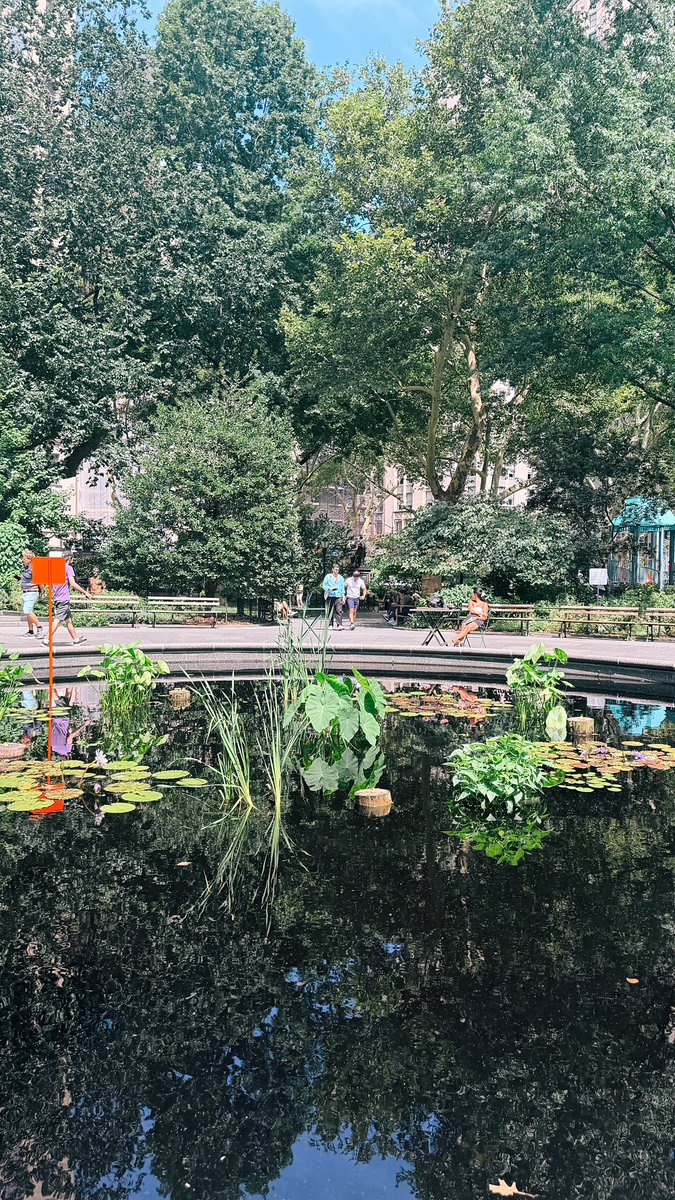
Summer in New York

English
38
37
1.2K
225.6K
David Perell
David Perell@david_perell·
@larryfink_jr Some starter thoughts here x.com/david_perell/s…
David Perell@david_perell

I recently moved back to New York, and wanted to share some observations on my first few months in town: - Much of what makes New York great is that there’s a large contingent of people who donate money the city and its institutions once they’ve made it. John Paulson made a fortune during the Financial Crisis, and subsequently donated $100 million to the Central Park Conservancy. - My biggest complaint about New York is the ambient noise, especially the way subways screech as they turn and siren sounds reverberate between the skyscrapers. New York’s always had Main Character Energy, and all those noises are its way of being heard. - It’s rare to hear a thick New York accent below 34th street these days. - The lifestyle can be exceptionally decadent. The dinners, the drinks, the shows, the sports. - People talk about New York being one of the most diverse cities in the world, and in some ways it is, but I’ve been struck by how segregated the ethnicities are as well. There are Russian neighborhoods and Jewish ones and Puerto Rican ones and Greek ones and Chinese ones, and the list goes on and on. - People here are much more flaky than they are anywhere else, presumably because of the number of options available to anybody at any given time. - One measure of social trust is how many products stores like Duane Reade and Best Buy can keep out in the open. On that measure, social trust has fallen. My local Duane Reade has an always-on security guard. At Best Buy, the headphones have been removed from the shelves and you have to talk to a clerk in order to buy some. - CitiBike has crossed a tipping point where there are enough places to rack your bike that you never have to worry about if there will be one next to where you’re going. That, along with all the electric ones, makes cycling (as opposed to the subway) my predominant mode of transportation for longer journeys. - The name Manhattan literally meant “Island of Many Hills,” and a long bike ride will give you a visceral sense for those elevation changes. - I have a drive to work and workout 30% harder in Manhattan than I do anywhere else. - Charles Taylor wrote about “thin places” where you feel closer to God just by being there. New York is the opposite: a “thick place.” God feels more distant here, maybe because everything around you is man-made or maybe because the city lights blind you to the infinite cosmos. - New York restaurants are strangely reluctant to adopt Apple Pay as the default. In cities like London and Amsterdam, it’s the default. Waiters and waitresses bring the terminal to your table and you pay right there. In NYC, you have to specifically ask for it, and sometimes you even need to walk over to the cash register to pay with it. - New York has suffered from many infrastructure-related failures over the years, such as Robert Moses refusing to build a single inch of subway track during his time in power. But the one that irks me most is the dearth of public transportation options between Manhattan and the three major airports. On a busy day, an Uber from JFK to the city will cost you north of $200. - It is exceptionally easy to meet people in New York, but quite difficult to turn those into deep friendships. People are too busy and too scattered, which means you’re less likely to consistently see the same people. Then there’s the transience of the city. A bunch of people have two homes. A bunch more leave once they have kids. - Perhaps the biggest quality of life boost on the west side, as opposed to the east side, is that there’s a boardwalk on the west side between the highway and the river, while the highway runs right along the river on the east side.

English
1
0
1
212
David Perell
David Perell@david_perell·
Summer in New York
David Perell tweet mediaDavid Perell tweet mediaDavid Perell tweet mediaDavid Perell tweet media
English
6
10
325
259.5K
signüll
signüll@signulll·
08.02.2026
signüll tweet mediasignüll tweet mediasignüll tweet mediasignüll tweet media
20
2
202
15.6K
Paul Millerd
Paul Millerd@p_millerd·
an interesting way to look at this might be the status of the professionals involved right now the financial wizard with a spreadsheet is high status - thus the final tradeoffs get made there im not sure if the architect or designer was previously "owning" the tradeoffs but the difference between a blueprint and an excep spreadsheet is profound
English
3
0
2
208
David Perell
David Perell@david_perell·
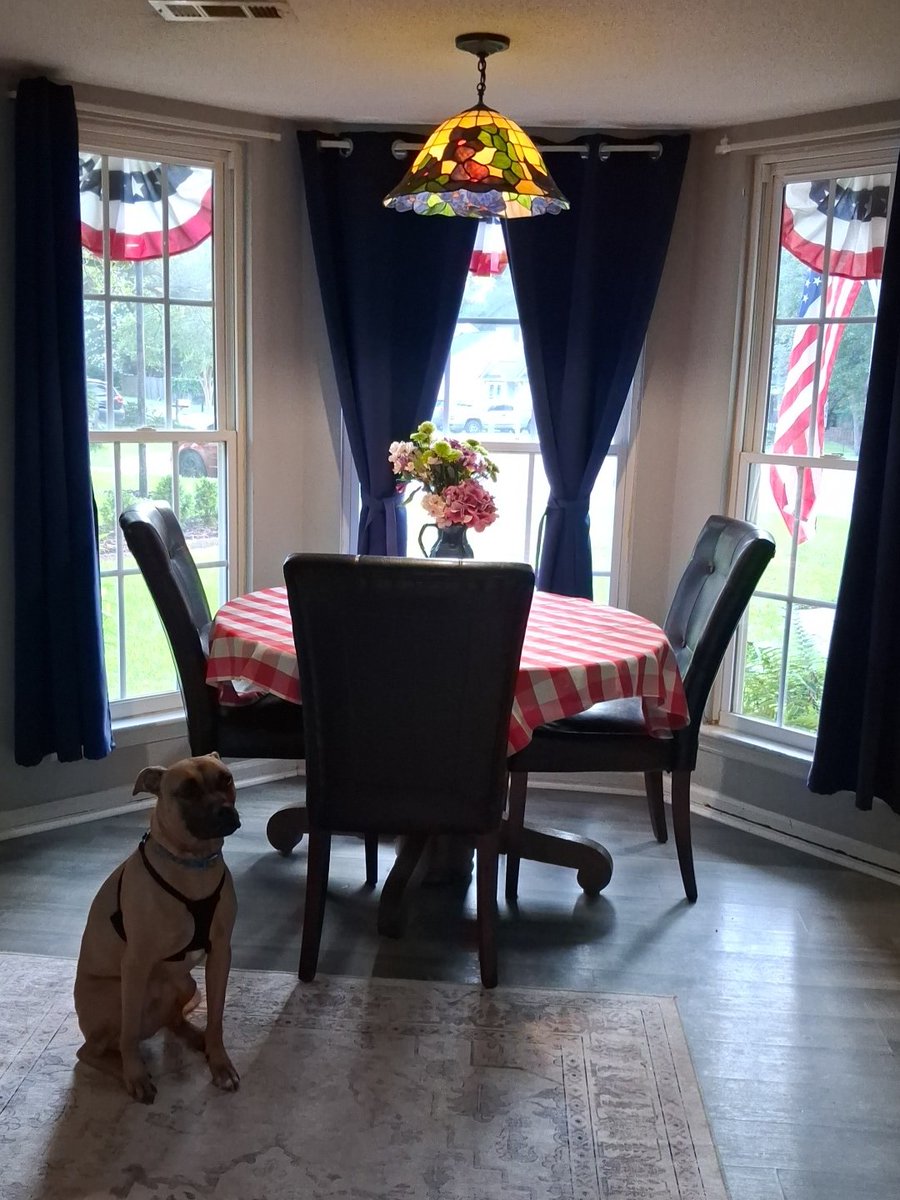
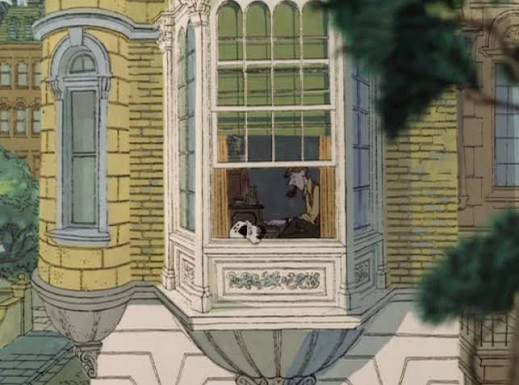
The lack of bay windows is a shortcoming in modern architecture. Most of what's built these days is boxy, but bay windows bring warmth to a room. The light has more ways to shine, which makes them cozy places to read or look out at the street. Almost everybody I know who has one drinks their morning cup of coffee there. That's because the extra angles make it easier to see outside and more likely that the morning light shines directly onto your face. They're peaceful, too. I don't think it's a coincidence that a disproportionate number of bay window photos have a dog sitting on the cushion. Even animals can sense that they're relaxing places, like in 101 Dalmatians when Pongo sits at the bay window in Roger Radcliffe's apartment.
David Perell tweet mediaDavid Perell tweet mediaDavid Perell tweet mediaDavid Perell tweet media
Simon Sarris@simonsarris

It doesn't look like a home, it doesn't look like "Seattle" - it has the geography of nowhere. The only reason it might fit in is because the city's already destroyed The picture posted is the best angle and light, it only gets worse.

English
5
14
263
28.1K
David Perell
David Perell@david_perell·
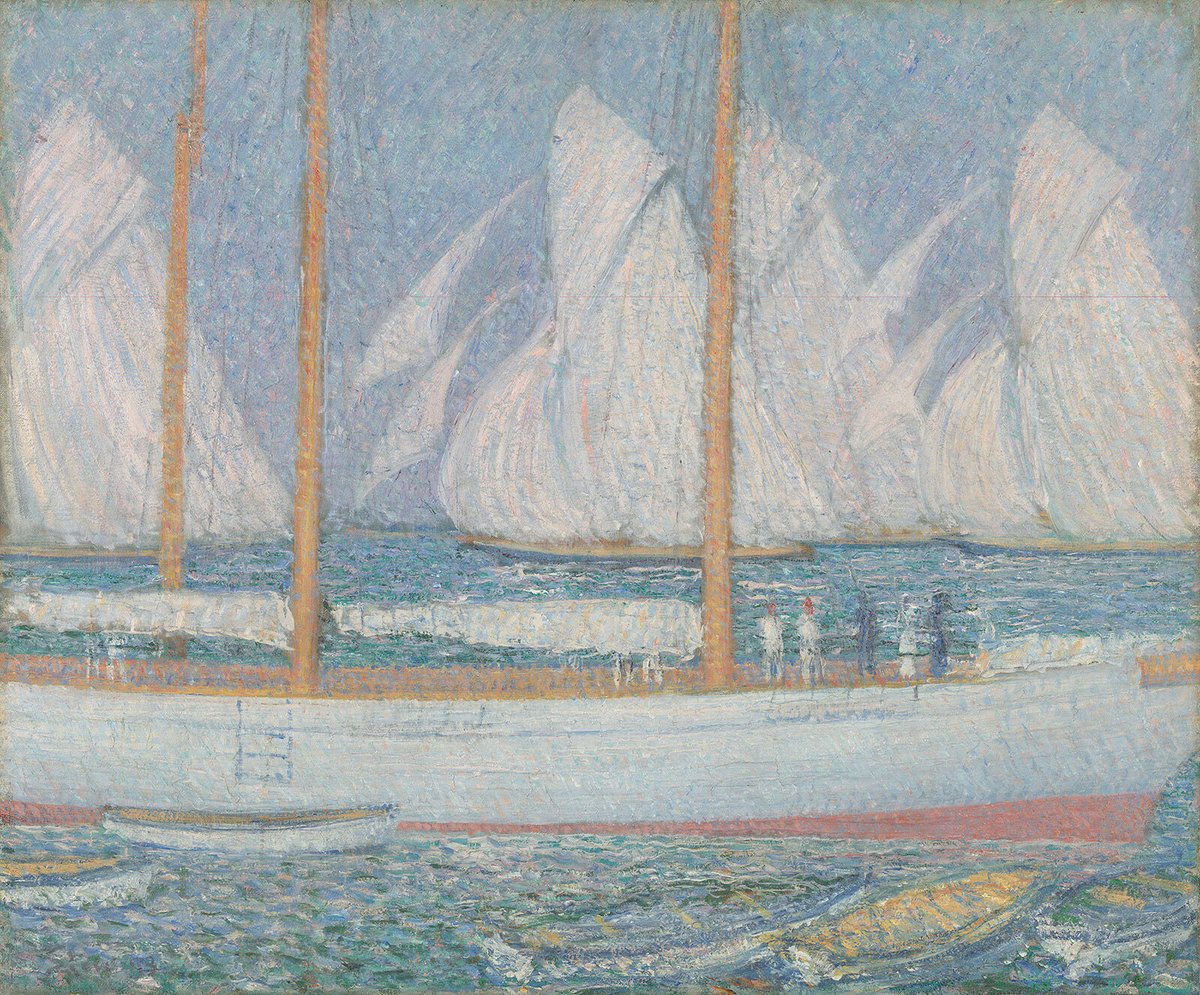
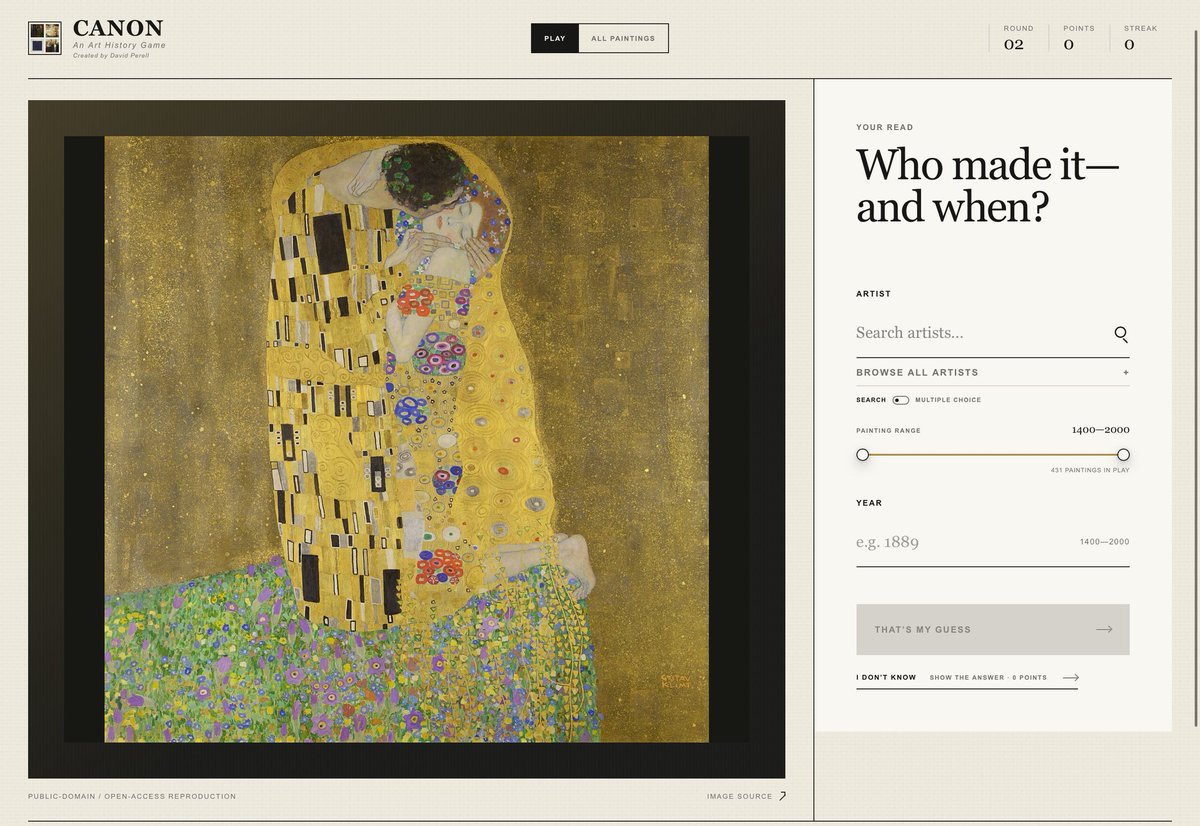
If you're new to the game, I have some recommendations: - Use the multiple choice option to make things a little easier for you. - For a broader look at how art has changed over time, scroll through the All Paintings tab. - If there's a particular era you'd like to explore, you can change what paintings are shown by changing the Painting Range sliding scale.
David Perell tweet mediaDavid Perell tweet mediaDavid Perell tweet mediaDavid Perell tweet media
English
0
0
4
2.8K
David Perell
David Perell@david_perell·
I made a game to teach myself art history. And now I’m sharing it here, for free. It’s a trivia game that shows a painting, then asks you to guess when it was made and who painted it. You can play with friends or by yourself. I designed it to highlight the relationship between the spirit of an era and its paintings. Playing the game, for example, will give you a visceral sense for how different the energy was in Europe when Impressionism was popular in the 1880s vs. when Cubism was coming into fashion in the 1910s. The shift in style is a reflection of how the tectonic plates in society were shifting in the years before World War I. Similar themes show up throughout human history. That’s why the answer page is filled with so many rabbit holes, such as Wikipedia pages about: - The painting itself - The year it was painted - The artist - The people who inspired the artist - Popular works of art created at the time And also a timeline of the artist’s life and a guide to looking at the painting. Here’s the site: canon.perell.com
David Perell tweet media
English
32
83
867
50.5K
Sachin Ramje
Sachin Ramje@SachinRamje·
@david_perell This is so good. Now I've a collection to take inspiration for my new projects. Thanks, David.
English
1
0
0
196
🐝 Carol Walsh ^Monterey Bay^
@david_perell This is really challenging I'm also really enjoying how you provide the context and all the information even after you guess wrong🤣 I did nail one Canaletto and one Rubens
English
1
0
1
148
David Perell retweetledi
How I Write Clips
How I Write Clips@PerellClips·
This is how best selling author Jack Carr kills distractions when writing his books: "Every book gets its own notebook. If I'm on a plane, I don't have my computer, I can take notes and think and write things out, scratch things out, sketch, whatever it is, but it's associated with just that book." "Then once I'm done with that book, that goes away and goes in a drawer, and I'll have a new fresh notebook." "I do the same with computers. I get a new computer for every book. I'm sure there are better ways and more cost effective ways to do this, but I feel like that's starting afresh for each book." "But then I have one computer that doesn't have any of those email addresses. Nothing else pops up on it. I have an email address also that's just for that computer that no one else has that I can send myself notes." "I don't need the view. I don't need anything else. I can write anywhere as long as there are no distractions, which is hard to come by with three kids, dog, wife, chaos, constantly." -@JackCarrUSA
English
0
3
29
6.1K
Maxand98
Maxand98@maxand98·
@david_perell font bigger, no em dashes, no upward right arrows denoting hyperlink (denotes AI) build like a mobile app for UX more gameification love the idea
English
2
0
1
125
David Perell retweetledi
Patrick Collison
Patrick Collison@patrickc·
Someone asked me recently why I’ve become interested in aesthetics after having spent most of my life more interested in STEM-adjacent topics. I hadn’t really considered the question consciously before, but I’m certainly thinking about aesthetics more than I used to. I think it’s a confluence of things: • Many things today are ugly and far uglier than they used to be or need to be. Once you see this, it’s kinda hard to stop perceiving it. (Early twentieth century phone boxes versus modern phone boxes; old water fountains versus new water fountains; etc.) As someone with a naively meliorist assumption that most things should be getting better rather than worse, it’s all a bit perplexing: why did we stop doing things nicely? Is it a choice? Was there a malevolent spell cast upon us? This vein led me to think more about modernism and why much of art became more intentionally "challenging", grotesque, opposed to prettiness, rebarbative, dissonant, etc. Can or should anything be done about this? Is this just how things ought to be? • Relatedly, much of modernism involved a kind of explicit repudiation of cultural continuity and represented a schism with prior practices. This is maybe most evident in American architecture, where the International Style exhibition in 1932 initiated the displacement of a rich tapestry of prior styles. This cultural break seems important and interesting to me, and I suspect that the rejection had important consequences outside of the aesthetic domain. Samuel Hughes has been exploring this question in his recent writing at @WorksInProgMag; @RuxandraTeslo is also pulling on this thread. Elaine Scarry wrote about how beauty inspires creation. If so, the inverse may also be true: ugliness inhibits it. • It’s clearly the case that changes in the aesthetic domain can at least inspire progress in other places. Petrarch helped set some of the preconditions for the Renaissance which in turn fostered the scientific revolution and Enlightenment. Things like World Fairs (the 1851 Fair at the Crystal Palace recorded 6 million admissions when the population was 21 million) reflect the popular interdependency that used to exist between aesthetics and material development. • @tedgioia and others have written about stuck culture and how so many domains seem to have ceased to straightforwardly advance in the way that they did up until the nineties or thereabouts. This is obviously peculiar and interesting. What changed, and what does it mean? Is it about the internet and fragmentation? Is it about a loss of supply? Is it just about having reached the zenith of various mediums? • I’m generally interested in markets and the dynamics of creation. In aesthetics broadly, I find the reflexivity between supply- and demand-side factors to be very thought-provoking. There’s a natural desire to view satisfaction of individual preferences as the yardstick to measure market success, but things get interesting and even a bit unsettling when we start to think about how the supply might start to shape the demand. I often think about this in the context of food. Why is food so much worse in Germany than many of its neighbors? Germany certainly doesn’t have less material ability to produce good food; indeed, Germany is richer than the countries around it. There’s probably something about German food supply chains that is impoverished relative to France and Italy, but the Germans themselves don’t seem too upset about it. It just seems that the Germans are stuck in an objectively worse market equilibrium than their neighbors: the food is bad and they’ve gotten used to it. The obvious question then is where else these kinds of reflexive patterns apply, and where else we’re stuck in some objectively inferior equilibrium, even if preferences are in some superficial sense being sated. • While this is an extremely banal and obvious point, I hadn’t until recently thought much about or internalized how much one can study reasonably objective things ("the status of women in society", say) through artwork. (Thanks to @_alice_evans for opening my eyes here.) In this vein, I’m pretty excited about the possibilities over the coming years in computational art analysis. I want something that’s conceptually similar to Google Ngram timelines but for the visual arts. • We've always tried to do things well at Stripe. I've come to see that attempting to do them beautifully is often a helpful way to break out of standard practices and to do something with greater novelty and in a way that might have other benefits besides. (Also, excellent people want to do great work because it is intrinsically satisfying. Explicitly allowing aesthetic considerations to carry weight avoids having to justify every assessment with some kind of torturous empiricism.) • In his Nobel Lecture, Solzhenitsyn said that, among the Platonic virtues of goodness, truth, and beauty, that beauty is special, for it possesses a unique kind of irrefutability. He notes that arguments, writing, and philosophical systems can all be predicated on misapprehensions, but that “a true work of art carries its verification within itself.” He proceeds to observe that when goodness and truth are threatened, the “ever surprising shoots of beauty will still force their way through.” There is a lot of specious and motivated reasoning in the world today and plenty of questionable value systems. I don’t think that beauty directly reflects any definitive trait, but I’m intrigued by the idea that it can be a marker of deeper metaphysical coherence.

Patrick Collison tweet mediaPatrick Collison tweet media
English
412
472
5.2K
943.9K