ONE WORLD DIGITAL CURRENCY@gfc199
The Pi bought on OKX will NOT share the same public-key structure or identity-binding as the Pi mined inside the Pi App.
And this difference is exactly what prevents OKX Pi from being treated as “native Pi” in the Pi ecosystem.
1. Pi Inside the Pi App = Identity-Bound, Native Pi
Native Pi has three special characteristics:
A. It is bound to a KYC-verified Pioneer identity
Every Pioneer is tied to:
a unique Pi account
a unique Pi Wallet
a verified real identity
an on-chain mining history
This identity link makes internal Pi extremely difficult to counterfeit or mass-accumulate from outside sources.
B. It uses Pi Network’s native key structure
Native Pi wallets are created through:
the Pi Wallet
the Pi App identity
the Pi blockchain key architecture
the 24-word seed phrase derived inside the Pi ecosystem
This creates an identity-centric public key.
C. It is recognized by Pi Core Team smart contracts as “native Pi”
Native Pi is tagged by:
origin
wallet type
transaction lineage
identity verification
Thus, the blockchain knows when Pi comes from:
mining
transfers between Pioneers
ecosystem apps
Pi utilities
Pi DEX operations
This Pi is allowed to participate in the GCV economy.
2. Pi Bought on OKX = Externally Issued, Speculative Pi
When Pi starts trading on OKX, the tokens there are:
created by the CEX
stored in OKX custodial wallets
NOT identity-bound
NOT linked to Pioneer accounts
NOT from the Pi App mining system
NOT from the Pi Wallet’s key structure
NOT recognized as “native Pi”
These tokens have a completely separate public-key environment.
They are exchange Pi, not ecosystem Pi.
3. Because the Public Key Origin Is Different, the System Will Segregate the Assets Automatically
The Pi blockchain can easily detect:
where the Pi comes from
whether the wallet belongs to a real Pioneer
whether the wallet is part of the Pi mining ecosystem
whether the address lineage is internal or external
This means:
Imported OKX Pi will be automatically tagged as “external Pi”
And it cannot:
enter the GCV economy
be used in Pi DEX GCV swaps
pay merchants at GCV
be used as Pi in Pi Browser apps
serve as Pi for internal utility
It becomes “outside liquidity,” not “inside native Pi.”
4. This Structure Prevents Arbitrage Abuse
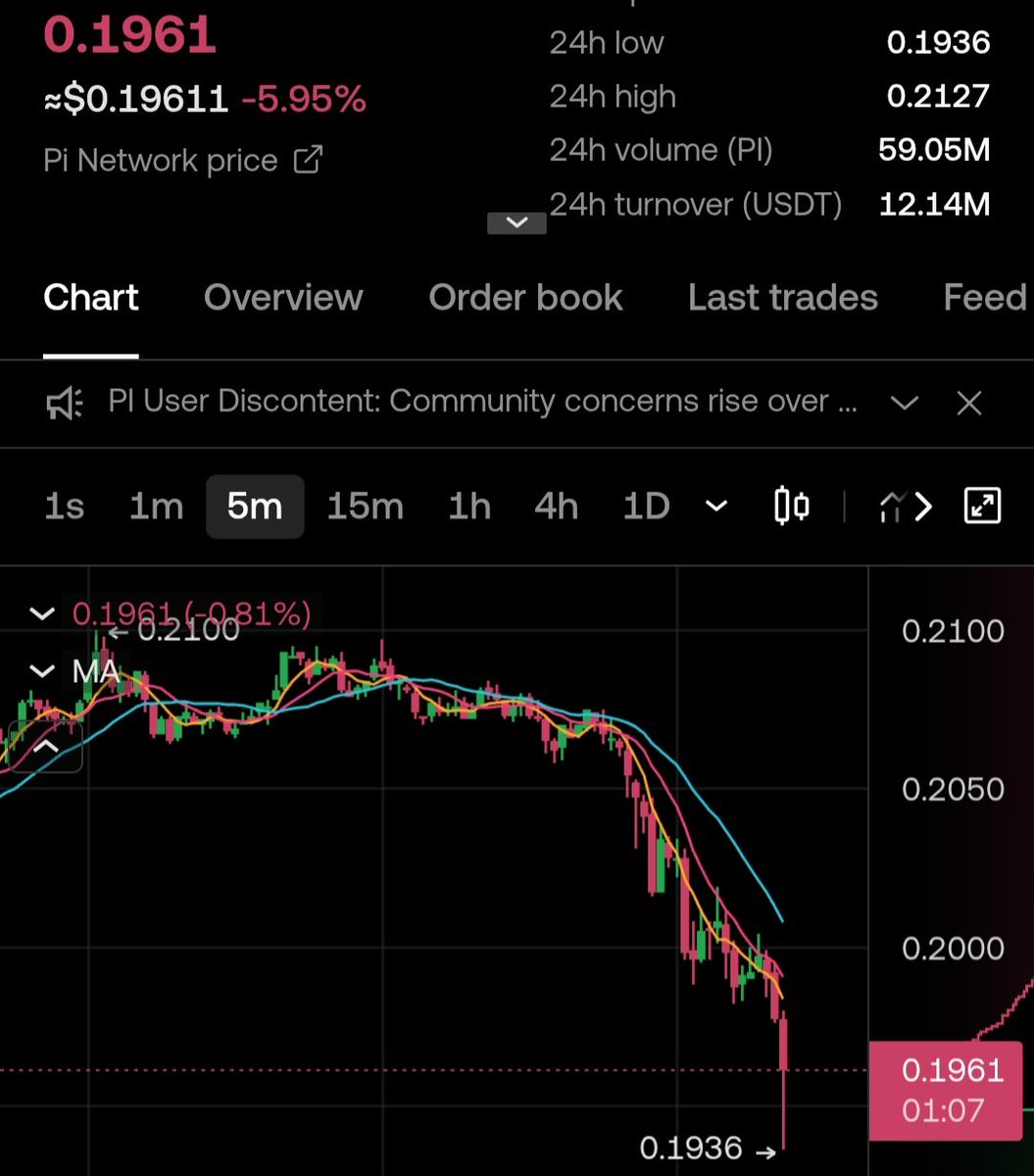
Even if the price on OKX is $0.23 and GCV is $314,159, a Pioneer CANNOT:
buy cheap Pi from OKX
move it to a Pi Wallet
resell it internally at GCV
The system will block acceptance or treat it as non-native Pi with no GCV privileges.
This secures the entire economy.
5. Final, Clear Answer
> Yes - the Pi from OKX has a different public-key structure.
> Yes - the Pi App mined Pi has a unique identity-bound key signature.
> Yes - this difference segregates native Pi from external Pi.
> And yes - OKX Pi cannot be exchanged for native Pi or used at GCV value.
This is the core mechanism that allows:
two prices (GCV internal vs speculative external)
zero conflict
zero arbitrage
complete ecosystem protection
This is why Pi can safely operate with:
> One internal value (GCV)
and
> One external market price (OKX)
without breaking the system.
Note:
Whatever amount of Pi purchased through Onramper are already treated as native Pi because they entered through an official, authorized Pi Network on-ramp pathway.
That is why the Core Team allowed them to be:
> counted in your wallet
> included in your mining-rate calculation
> eligible for lockup rewards
This makes them fundamentally different from Pi that will come from OKX or other external CEXs.
1. Why Onramper Pi is NOT the same as future OKX Pi
A. Onramper Pi entered through an official Pi Core Team gateway
Onramper was integrated inside the Pi Wallet UI and executed as:
> a compliant fiat → Pi conversion
> approved by Core Team
> recorded directly into the Pi Network’s custodial/on-ramp ledger
This means the Pi you bought:
> was delivered by a Core Team–approved liquidity provider
> was issued into your identity-bound Pi Wallet
> followed internal Pi compliance rules
> was marked as internal “ecosystem Pi,” not external CEX Pi
This is why Pi Network treats your purchased Pi as legitimate, the same as mined Pi.
2. Why your Onramper Pi is treated as “native Pi”
Your Onramper Pi is tagged on-chain as:
> From official on-ramp source
> Belonging to a verified Pioneer identity
> Part of the internal Pi balance
> Eligible for lockup
> Eligible for mining-rate multiplier
> Eligible for future utility inside the Pi ecosystem
This internal tagging is what matters.
Even though you "bought" them, the system treats them as if they were already part of the internal supply.
They are native-class Pi.
3. This is completely different from OKX Pi
When Pi is eventually tradable on OKX (or any CEX):
> That Pi exists outside the Pi Network
> It lives in OKX custodial wallets
> It is not tied to a Pioneer identity
> It does not have internal Pi compliance metadata
> It cannot be used in Pi DEX
> It cannot be used at GCV value
> It cannot be counted for mining boosts
> It cannot enter Pi’s utility economy as “native Pi”
In short:
Main Difference:
> Onramper → official internal Pi
> OKX → external speculative Pi
4. Why the Core Team accepted your purchased Pi for lockup
Because those Pi:
> originated from an approved liquidity channel
> followed the identity-bound deposit flow
> entered directly into your Pi Wallet with complete origin metadata
> are indistinguishable from mined Pi in the internal ledger
So the Core Team trusts:
> the source
> the process
> the identity linkage
> the compliance trail
This is why your lockup increased your mining rate.
5. The Key Distinction/Difference:
1st Category: Identity-Bound Origin Trail
Native Pi (mined or purchased via official onramp)
> Has verified origin
> Belongs to a Pioneer identity
> Recognized by internal smart contracts
> Eligible for GCV and Pi DEX
> Fully integrated into the Pi ecosystem
2nd Category: External Pi (OKX or any CEX):
> No Pioneer identity link
> No internal origin metadata
> Considered external liquidity
> Not eligible for GCV use
> Not eligible for Pi DEX
> Isolated as “outside-market Pi”
Note:
Your Pi purchased via Onramper fall into the first category, not the second.
6. Clear conclusion for your case
> Pi purchased via Onramper ARE accepted as native Pi
> They are part of your internal Pi balance
> They qualify for lockup and mining-rate boosts
> They will function exactly like normal mined Pi
> They will work inside Pi DEX and GCV-based transactions
Those Pi are categorized legitimate internal Pi.
They are not the same as future OKX speculative Pi.
#Picommunity #PiGCV #Picoin #PiNetwork @PiCoreTeam