Institute of Fiscal Studies and Democracy (IFSD)

4.3K posts

Institute of Fiscal Studies and Democracy (IFSD) banner
Institute of Fiscal Studies and Democracy (IFSD)

Institute of Fiscal Studies and Democracy (IFSD)

@IFSD_IFPD

IFSD, hosted at uOttawa, is both a public interest think tank and a global advisory practice. Operating at the nexus of politics, finance & institutions.

Ottawa, Ontario Katılım Kasım 2016
204 Takip Edilen2.3K Takipçiler
Sabitlenmiş Tweet
Institute of Fiscal Studies and Democracy (IFSD)
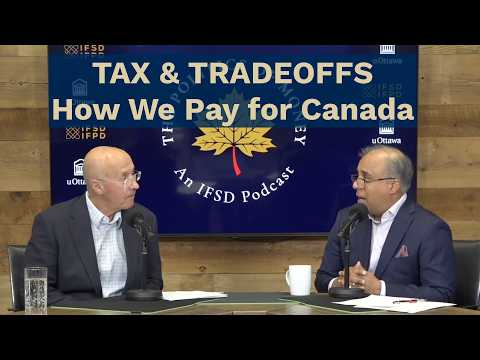
𝐓𝐀𝐗𝐄𝐒 & 𝐓𝐑𝐀𝐃𝐄𝐎𝐅𝐅𝐒: 𝐇𝐨𝐰 𝐖𝐞 𝐏𝐚𝐲 𝐟𝐨𝐫 𝐂𝐚𝐧𝐚𝐝𝐚 Sure, everyone wants lower taxes. But at what cost? In our latest episode of 𝐓𝐡𝐞 𝐏𝐨𝐥𝐢𝐭𝐢𝐜𝐬 𝐨𝐟 𝐌𝐨𝐧𝐞𝐲, we get behind the slogans and dive into the real-world tradeoffs of tax policy. Often, the conversation starts — and ends — with tax cuts. But in public finance, lower taxes don’t simply happen. They are paid for — through spending cuts, higher user fees, deferred investments, or revenue raised elsewhere. The episode explores how the 𝐩𝐮𝐫𝐬𝐮𝐢𝐭 𝐨𝐟 𝐭𝐚𝐱 𝐜𝐨𝐦𝐩𝐞𝐭𝐢𝐭𝐢𝐯𝐞𝐧𝐞𝐬𝐬 𝐫𝐢𝐬𝐤𝐬 𝐛𝐞𝐜𝐨𝐦𝐢𝐧𝐠 𝐚 𝐫𝐚𝐜𝐞 𝐭𝐨 𝐭𝐡𝐞 𝐛𝐨𝐭𝐭𝐨𝐦, and what that means for economic growth, public services, and resilient fiscal policy. Scott Pattison (@taxadmin) joins us to provide an American perspective. Including how U.S. states compete for investments with each other — not just with Canada — often under tight fiscal restraints. Heather Scoffield (@hscoffield / The Canadian Tax Observatory) talks about how Canada’s tax debate has become toxic — and narrowly focused. Heather explores the dangers of this debate becoming disconnected from what taxes actually pay for and the need for Canada to finally have an open and honest discussion about taxation. Watch/Listen now👇
English
1
2
2
268
Institute of Fiscal Studies and Democracy (IFSD)
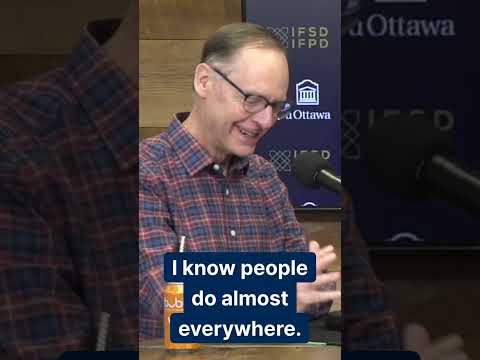
“𝘠𝘰𝘶 𝘤𝘰𝘶𝘭𝘥 𝘩𝘢𝘷𝘦 𝘢 𝘵𝘢𝘹 𝘣𝘶𝘳𝘥𝘦𝘯 𝘪𝘯 𝘸𝘩𝘢𝘵 𝘺𝘰𝘶 𝘵𝘩𝘪𝘯𝘬 𝘪𝘴 𝘢 𝘭𝘰𝘸-𝘵𝘢𝘹 𝘴𝘵𝘢𝘵𝘦 𝘦𝘲𝘶𝘢𝘭 𝘵𝘰 𝘸𝘩𝘢𝘵 𝘱𝘦𝘰𝘱𝘭𝘦 𝘱𝘦𝘳𝘤𝘦𝘪𝘷𝘦 𝘢𝘴 𝘢 𝘩𝘪𝘨𝘩-𝘵𝘢𝘹 𝘴𝘵𝘢𝘵𝘦.” 👉 𝗖𝗮𝗻𝗮𝗱𝗮 𝘃𝘀. “𝗹𝗼𝘄-𝘁𝗮𝘅” 𝗨.𝗦. 𝘀𝘁𝗮𝘁𝗲𝘀—𝗮𝗿𝗲 𝘄𝗲 𝗰𝗼𝗺𝗽𝗮𝗿𝗶𝗻𝗴 𝘁𝗵𝗲 𝗿𝗶𝗴𝗵𝘁 𝘁𝗵𝗶𝗻𝗴𝘀? In this clip from IFSD's 𝑻𝒉𝒆 𝑷𝒐𝒍𝒊𝒕𝒊𝒄𝒔 𝒐𝒇 𝑴𝒐𝒏𝒆𝒚 podcast, IFSD’s Sahir Khan speaks about what’s often missed in Canada–U.S. comparisons with U.S. tax expert Scott Pattison (Director of Tax Research and Policy at the Federation of Tax Administrators and former CEO of the National Governors Association) 𝗦𝗰𝗼𝘁𝘁 𝗵𝗶𝗴𝗵𝗹𝗶𝗴𝗵𝘁𝘀: • Many U.S. states must balance their operating budgets—shaping how tax cuts are used • “Low-tax” states can rely on other revenue sources: 𝘱𝘳𝘰𝘱𝘦𝘳𝘵𝘺 𝘵𝘢𝘹𝘦𝘴, 𝘵𝘰𝘭𝘭𝘴, 𝘴𝘢𝘭𝘦𝘴 𝘵𝘢𝘹𝘦𝘴, 𝘢𝘯𝘥 𝘧𝘦𝘦𝘴 • Businesses look beyond taxes when deciding where to invest: 𝘴𝘬𝘪𝘭𝘭𝘴, 𝘪𝘯𝘧𝘳𝘢𝘴𝘵𝘳𝘶𝘤𝘵𝘶𝘳𝘦, 𝘢𝘯𝘥 𝘲𝘶𝘢𝘭𝘪𝘵𝘺 𝘰𝘧 𝘭𝘪𝘧𝘦 all matter 📊 As for 𝗖𝗮𝗻𝗮𝗱𝗮–𝗨.𝗦. 𝗰𝗼𝗺𝗽𝗮𝗿𝗶𝘀𝗼𝗻𝘀: 👉 𝘚𝘵𝘢𝘵𝘦 𝘎𝘋𝘗 𝘥𝘰𝘦𝘴𝘯’𝘵 𝘵𝘦𝘭𝘭 𝘵𝘩𝘦 𝘳𝘦𝘢𝘭 𝘴𝘵𝘰𝘳𝘺 👉 Look at other indicators, including: 𝘮𝘦𝘥𝘪𝘢𝘯 𝘪𝘯𝘤𝘰𝘮𝘦, 𝘭𝘪𝘧𝘦 𝘦𝘹𝘱𝘦𝘤𝘵𝘢𝘯𝘤𝘺, 𝘢𝘯𝘥 𝘲𝘶𝘢𝘭𝘪𝘵𝘺 𝘰𝘧 𝘭𝘪𝘧𝘦 𝘰𝘶𝘵𝘤𝘰𝘮𝘦𝘴 As debate here continues around cost of living, productivity, taxes, and 🇨🇦 competitiveness, check out this important reality check from inside the U.S. system.
English
1
0
0
67
Institute of Fiscal Studies and Democracy (IFSD)
With rising global uncertainty and conflict, Canada has committed to significantly increasing defence spending through 2035. @IFSD_IFPD President Kevin Page is quoted in a new Canadian Press story today highlighting an important distinction: 𝘁𝗵𝗲 𝗾𝘂𝗲𝘀𝘁𝗶𝗼𝗻 𝗶𝘀𝗻’𝘁 𝗷𝘂𝘀𝘁 𝘄𝗵𝗲𝘁𝗵𝗲𝗿 🇨🇦 𝘄𝗶𝗹𝗹 𝗺𝗲𝗲𝘁 𝗶𝘁𝘀 𝘁𝗮𝗿𝗴𝗲𝘁𝘀—𝗯𝘂𝘁 𝗵𝗼𝘄. Current fiscal projections don’t yet show a detailed path to that target. For major, long-term commitments of this scale, 𝗰𝗿𝗲𝗱𝗶𝗯𝗹𝗲 𝗮𝗻𝗱 𝘁𝗿𝗮𝗻𝘀𝗽𝗮𝗿𝗲𝗻𝘁 𝗽𝗹𝗮𝗻𝗻𝗶𝗻𝗴 𝗺𝗮𝘁𝘁𝗲𝗿𝘀: 👉 It supports 𝗶𝗻𝗳𝗼𝗿𝗺𝗲𝗱 𝗽𝘂𝗯𝗹𝗶𝗰 𝗱𝗲𝗯𝗮𝘁𝗲 👉 It clarifies the 𝘀𝗰𝗮𝗹𝗲 𝗮𝗻𝗱 𝘁𝗶𝗺𝗶𝗻𝗴 of investments 👉 It reinforces confidence in 𝗹𝗼𝗻𝗴-𝘁𝗲𝗿𝗺 𝗳𝗶𝘀𝗰𝗮𝗹 𝘀𝘂𝘀𝘁𝗮𝗶𝗻𝗮𝗯𝗶𝗹𝗶𝘁𝘆 As Kevin points out, long-term plans around things like military procurement will change over time. The government can then revise its projections as conditions evolve. This reflects a core public finance principle: 𝘀𝘁𝗿𝗼𝗻𝗴 𝗽𝘂𝗯𝗹𝗶𝗰 𝗳𝗶𝗻𝗮𝗻𝗰𝗲 𝗿𝗲𝗾𝘂𝗶𝗿𝗲𝘀 𝗯𝗼𝘁𝗵 𝗳𝗹𝗲𝘅𝗶𝗯𝗶𝗹𝗶𝘁𝘆 𝗮𝗻𝗱 𝗰𝗹𝗮𝗿𝗶𝘁𝘆—𝗲𝘀𝗽𝗲𝗰𝗶𝗮𝗹𝗹𝘆 𝗼𝘃𝗲𝗿 𝗱𝗲𝗰𝗮𝗱𝗲𝘀. 🔗 Read more: halifax.citynews.ca/2026/05/22/for…
English
0
3
3
171
Institute of Fiscal Studies and Democracy (IFSD)
💬 𝗪𝗵𝘆 𝗱𝗼 𝗽𝗼𝗹𝗶𝗰𝘆 𝗱𝗶𝘀𝗮𝗴𝗿𝗲𝗲𝗺𝗲𝗻𝘁𝘀 𝗯𝗲𝗰𝗼𝗺𝗲 𝘂𝗻𝗶𝘁𝘆 𝗰𝗿𝗶𝘀𝗲𝘀 𝗶𝗻 🇨🇦? Former Liberal leader and Intergovernmental Affairs minister Stéphane Dion spoke to Kevin Page on IFSD's 𝙏𝙝𝙚 𝙋𝙤𝙡𝙞𝙩𝙞𝙘𝙨 𝙤𝙛 𝙈𝙤𝙣𝙚𝙮 podcast about Canada's ongoing national unity challenge. As Alberta moves to vote this fall on whether they'll have a vote on separation, his points remain timely. Across Canada, we have regional tensions around things like energy policies and federal-provincial jurisdiction. These debates aren't unique to Canada. But other countries manage these disagreements without putting the future of the country itself on the table, "𝙬𝙞𝙩𝙝𝙤𝙪𝙩 𝙩𝙝𝙧𝙚𝙖𝙩𝙚𝙣𝙞𝙣𝙜 𝙩𝙤 𝙚𝙧𝙚𝙘𝙩 𝙞𝙣𝙩𝙚𝙧𝙣𝙖𝙩𝙞𝙤𝙣𝙖𝙡 𝙗𝙤𝙧𝙙𝙚𝙧𝙨 𝙖𝙣𝙙 𝙩𝙤 𝙘𝙝𝙖𝙣𝙜𝙚 𝙛𝙚𝙡𝙡𝙤𝙬 𝙘𝙞𝙩𝙞𝙯𝙚𝙣𝙨 𝙞𝙣𝙩𝙤 𝙛𝙤𝙧𝙚𝙞𝙜𝙣𝙚𝙧𝙨." #cdnpoli #Federalism #AlbertaPolitics #CanadianPolicy #PublicPolicy
English
1
1
1
74
Institute of Fiscal Studies and Democracy (IFSD) retweetledi
Nowcast Canada
Nowcast Canada@NowcastCanada·
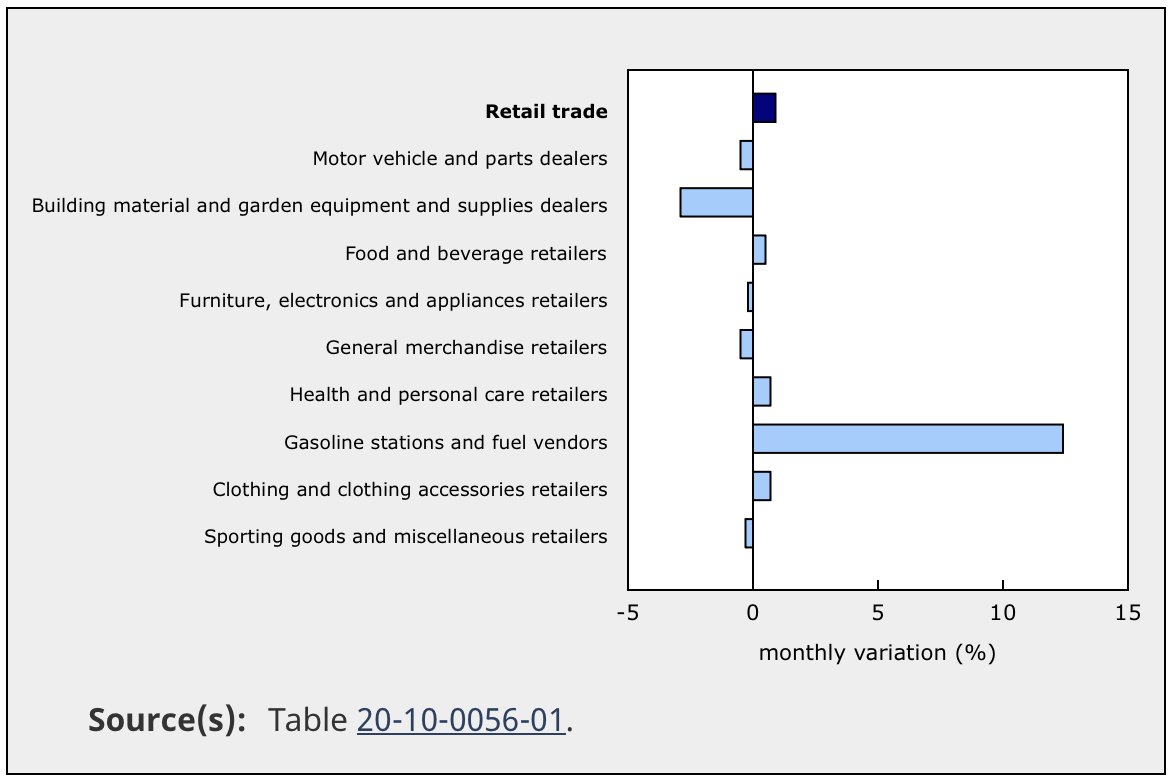
Alberta (+2.6%) and Ontario (+1.4%) led gains among nine provinces, but Quebec declined 0.8%. E-commerce sales increased 1.5%
Nowcast Canada tweet media
English
0
1
1
56
Institute of Fiscal Studies and Democracy (IFSD) retweetledi
Nowcast Canada
Nowcast Canada@NowcastCanada·
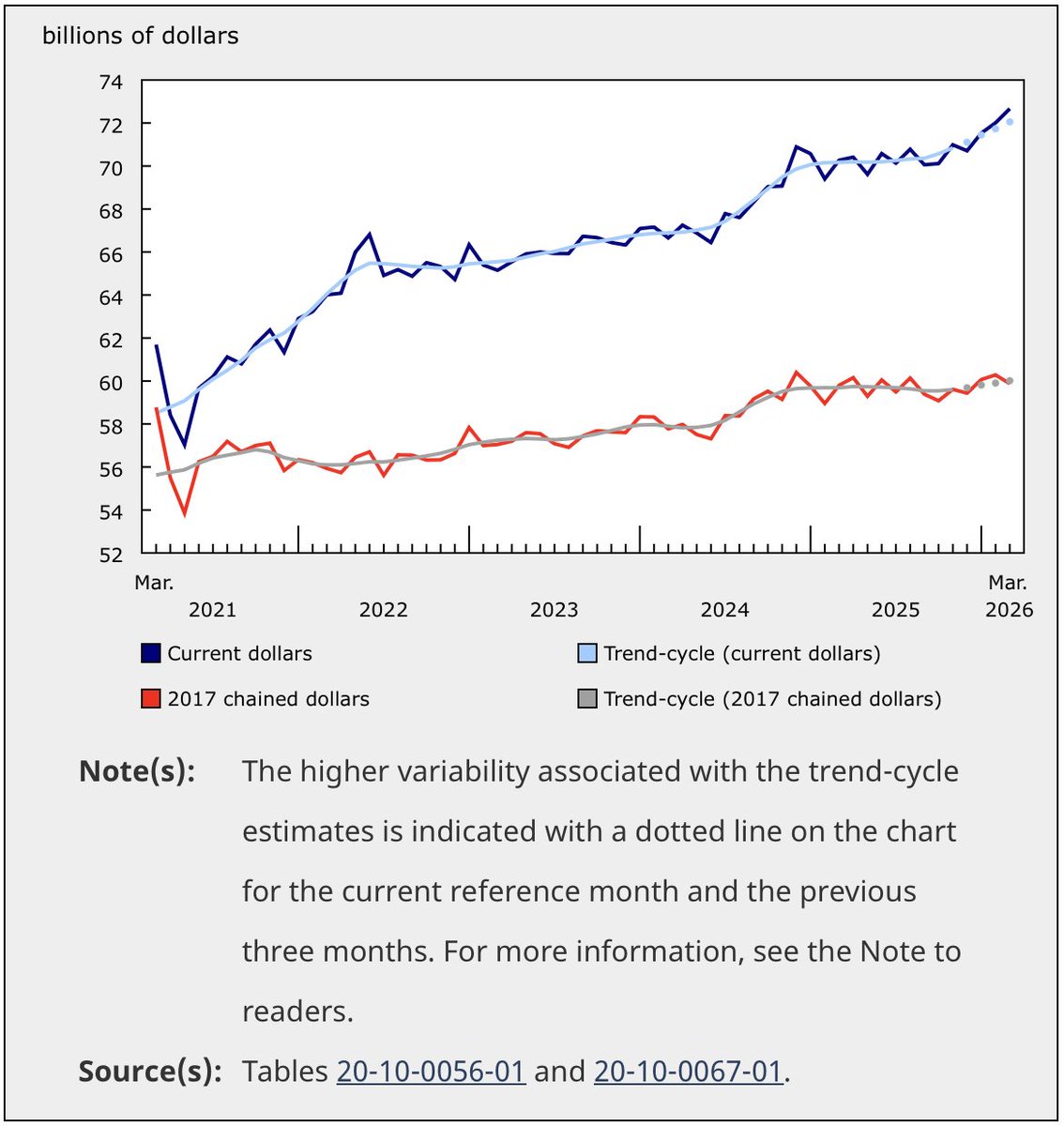
Les ventes au détail ont augmenté de 0,9 % en mars, mais ont reculé de 0,7 % en volume. Les ventes des stations-service et des détaillants de carburant ont bondi de 12,4 %. Le PIB immédiat @IFSD_IFPD 2026T1 est à 1,8 % (t/t, annualisé).
Nowcast Canada tweet media
Français
1
1
1
53
Institute of Fiscal Studies and Democracy (IFSD) retweetledi
Nowcast Canada
Nowcast Canada@NowcastCanada·
March retail sales rose 0.9% in dollar terms, but dropped 0.7% in volume. Sales at gasoline stations and fuel vendors jumped 12.4%, while core retail sales slipped 0.1%. Quarterly sales were up 2.1% (1.2% in volume). The @IFSD_IFPD 2026Q1 Nowcast is 1.8% (q/q, annualized).
Nowcast Canada tweet media
English
1
2
1
104
Institute of Fiscal Studies and Democracy (IFSD)
💬 "...𝑰 𝒕𝒉𝒊𝒏𝒌 𝒕𝒉𝒊𝒔 𝒈𝒐𝒗𝒆𝒓𝒏𝒎𝒆𝒏𝒕’𝒔 𝒈𝒐𝒊𝒏𝒈 𝒕𝒐 𝒉𝒂𝒗𝒆 𝒔𝒐𝒎𝒆 𝒖𝒏𝒄𝒐𝒎𝒇𝒐𝒓𝒕𝒂𝒃𝒍𝒆 𝒅𝒊𝒔𝒄𝒖𝒔𝒔𝒊𝒐𝒏𝒔 𝒘𝒊𝒕𝒉 𝑪𝒂𝒏𝒂𝒅𝒊𝒂𝒏𝒔 𝒂𝒃𝒐𝒖𝒕 𝒉𝒐𝒘 𝒅𝒐 𝒚𝒐𝒖 𝒂𝒄𝒉𝒊𝒆𝒗𝒆 𝒕𝒉𝒆 𝒃𝒊𝒈, 𝒓𝒆𝒂𝒍𝒍𝒚 𝒊𝒎𝒑𝒐𝒓𝒕𝒂𝒏𝒕 𝒉𝒊𝒏𝒈𝒆 𝒎𝒐𝒎𝒆𝒏𝒕 𝒓𝒆𝒍𝒂𝒕𝒆𝒅 𝒑𝒐𝒍𝒊𝒄𝒚 𝒐𝒃𝒋𝒆𝒄𝒕𝒊𝒗𝒆𝒔 𝒂𝒏𝒅 𝒅𝒐 𝒊𝒕 𝒘𝒊𝒕𝒉𝒊𝒏 𝒂 𝒇𝒊𝒔𝒄𝒂𝒍 𝒔𝒕𝒓𝒖𝒄𝒕𝒖𝒓𝒆 𝒕𝒉𝒂𝒕 𝒓𝒆𝒎𝒂𝒊𝒏𝒔 𝒔𝒖𝒔𝒕𝒂𝒊𝒏𝒂𝒃𝒍𝒆..." 📺 𝐂𝐡𝐞𝐜𝐤 𝐨𝐮𝐭 𝐭𝐡𝐞 𝐟𝐮𝐥𝐥 𝐏𝐨𝐥𝐢𝐭𝐢𝐜𝐬 𝐨𝐟 𝐌𝐨𝐧𝐞𝐲 𝐞𝐩𝐢𝐬𝐨𝐝𝐞 on Canada’s tax policy and the fiscal choices ahead: ▶️ 𝐖𝐀𝐓𝐂𝐇:youtu.be/2z0knFQUnaM?si… 🎧 𝐋𝐈𝐒𝐓𝐄𝐍on your favourite podcast app: thepoliticsofmoney.ifsd.ca/episodes/taxes…
YouTube video
YouTube
English
0
0
0
89
Institute of Fiscal Studies and Democracy (IFSD)
𝐖𝐞 𝐟𝐚𝐜𝐞 𝐚 𝐡𝐢𝐧𝐠𝐞 𝐦𝐨𝐦𝐞𝐧𝐭 𝐰𝐢𝐭𝐡 𝐠𝐥𝐨𝐛𝐚𝐥 𝐞𝐜𝐨𝐧𝐨𝐦𝐢𝐜 𝐚𝐧𝐝 𝐬𝐞𝐜𝐮𝐫𝐢𝐭𝐲 𝐩𝐫𝐞𝐬𝐬𝐮𝐫𝐞𝐬 𝐫𝐢𝐬𝐢𝐧𝐠. Watch Kevin Page and @sahir_yow talk about how 🇨🇦's fiscal choices are becoming harder as Canada approaches a tipping point on defence spending. We cannot simply grow our way to NATO spending targets. Nor can we get there by cutting government operations alone. 👉 𝐓𝐡𝐞 𝐜𝐡𝐨𝐢𝐜𝐞𝐬 𝐚𝐡𝐞𝐚𝐝 𝐚𝐫𝐞 𝐦𝐨𝐫𝐞 𝐛𝐚𝐬𝐢𝐜: • Raise additional revenues — likely through taxes or fees • Or reduce spending on programs Canadians care about A dedicated defence line in the federal budget — mapping the path to meeting our NATO commitments — isn’t just about transparency. It’s about enabling Parliament, government, and Canadians to have a realistic, honest conversation about the real-world trade-offs ahead. Not an easy conversation. But a necessary one.
English
1
2
2
148
Institute of Fiscal Studies and Democracy (IFSD)
𝗔 𝗸𝗲𝘆 𝗾𝘂𝗲𝘀𝘁𝗶𝗼𝗻 𝗳𝗼𝗿 🇨🇦 𝗿𝗶𝗴𝗵𝘁 𝗻𝗼𝘄: 𝗵𝗼𝘄 𝗱𝗼 𝘄𝗲 𝘀𝗰𝗮𝗹𝗲 𝗱𝗲𝗳𝗲𝗻𝗰𝗲 𝘀𝗽𝗲𝗻𝗱𝗶𝗻𝗴—𝘄𝗵𝗶𝗹𝗲 𝗿𝗲𝗺𝗮𝗶𝗻𝗶𝗻𝗴 𝗳𝗶𝘀𝗰𝗮𝗹𝗹𝘆 𝗰𝗿𝗲𝗱𝗶𝗯𝗹𝗲❓ Increased defence spending—and how it’s communicated—is coming into sharper focus following @IFSD_IFPD President Kevin Page’s @TorontoStar op‑ed this week. @CanadianPress' @Kyle_Duggan asked PM Mark Carney about why, as Kevin raised in his op-ed, the government hasn’t been more transparent about how Canada will go from spending 2% to 3.5% of GDP on defence. 💬 𝘙𝘦𝘢𝘭𝘪𝘴𝘵𝘪𝘤𝘢𝘭𝘭𝘺 𝘧𝘰𝘳 𝘊𝘢𝘯𝘢𝘥𝘢 𝘵𝘰 𝘢𝘤𝘩𝘪𝘦𝘷𝘦 𝘵𝘩𝘪𝘴 𝘵𝘢𝘳𝘨𝘦𝘵 𝘸𝘦 𝘸𝘪𝘭𝘭 𝘯𝘦𝘦𝘥 𝘴𝘰𝘮𝘦 𝘤𝘰𝘮𝘣𝘪𝘯𝘢𝘵𝘪𝘰𝘯 𝘰𝘧 𝘴𝘵𝘳𝘰𝘯𝘨 𝘦𝘤𝘰𝘯𝘰𝘮𝘪𝘤 𝘨𝘳𝘰𝘸𝘵𝘩, 𝘮𝘰𝘳𝘦 𝘴𝘱𝘦𝘯𝘥𝘪𝘯𝘨 𝘳𝘦𝘢𝘭𝘭𝘰𝘤𝘢𝘵𝘪𝘰𝘯𝘴 𝘢𝘯𝘥 𝘩𝘪𝘨𝘩𝘦𝘳 𝘵𝘢𝘹𝘦𝘴. 𝘊𝘶𝘳𝘳𝘦𝘯𝘵𝘭𝘺 𝘵𝘩𝘦 𝘨𝘰𝘷𝘦𝘳𝘯𝘮𝘦𝘯𝘵 𝘥𝘰𝘦𝘴 𝘯𝘰𝘵 𝘢𝘤𝘤𝘰𝘶𝘯𝘵 𝘧𝘰𝘳 𝘵𝘩𝘪𝘴 𝘶𝘯𝘢𝘷𝘰𝘪𝘥𝘢𝘣𝘭𝘦 𝘮𝘢𝘵𝘩 𝘪𝘯 𝘵𝘩𝘦 𝘣𝘶𝘥𝘨𝘦𝘵. 💬 (Kevin Page, Toronto Star, May 18) With a weak economy, trade disruptions and rising defence commitments, Kevin agrees there's a clear case for increased public investment. But the fiscal implications are significant: elevated deficits, rising interest costs and reduced fiscal room. The government should be transparent about how they plan to manage the trade-offs Kevin adds that there are entrenched views in the deficit debate—but both perspectives can hold at once. The underlying challenge is one of balance: supporting growth and security in the near term while maintaining long-term fiscal sustainability. 💬 𝗧𝗵𝗲 𝘂𝗻𝗱𝗲𝗿𝗽𝗶𝗻𝗻𝗶𝗻𝗴𝘀 𝗼𝗳 𝗳𝗶𝘀𝗰𝗮𝗹 𝗽𝗼𝗹𝗶𝗰𝘆 𝗱𝗲𝗰𝗶𝘀𝗶𝗼𝗻𝘀 𝗮𝗿𝗲 𝗵𝘂𝗺𝗮𝗻 — 𝗯𝘂𝗶𝗹𝗱𝗶𝗻𝗴 𝗮𝗻𝗱 𝘀𝗲𝗰𝘂𝗿𝗶𝘁𝘆 𝗼𝗳 𝗮 𝗻𝗮𝘁𝗶𝗼𝗻 — 𝘁𝗵𝗮𝘁 𝗿𝗲𝗾𝘂𝗶𝗿𝗲𝘀 𝗷𝘂𝗱𝗴𝗺𝗲𝗻𝘁, 𝗲𝗺𝗽𝗮𝘁𝗵𝘆 𝗮𝗻𝗱 𝗿𝗲𝘀𝘁𝗿𝗮𝗶𝗻𝘁. 𝗧𝗵𝗲𝗿𝗲 𝗮𝗿𝗲 𝗼𝗽𝗽𝗼𝗿𝘁𝘂𝗻𝗶𝘁𝗶𝗲𝘀 𝗳𝗼𝗿 𝗽𝗲𝗼𝗽𝗹𝗲 𝗼𝗻 𝗯𝗼𝘁𝗵 𝘀𝗶𝗱𝗲𝘀 𝗼𝗳 𝘁𝗵𝗲 𝗽𝘂𝗯𝗹𝗶𝗰 𝗳𝗶𝗻𝗮𝗻𝗰𝗲 𝗱𝗲𝗯𝗮𝘁𝗲 𝘁𝗼 𝗴𝗲𝘁 𝘁𝗼 𝗮 𝗯𝗲𝘁𝘁𝗲𝗿 𝗽𝗹𝗮𝗰𝗲. 💬 🔗 CP (CBC): cbc.ca/news/politics/… 🔗 Read Kevin’s full Toronto Star op-ed: thestar.com/opinion/contri… #cdnpoli #PublicFinance #FiscalPolicy #DefenceSpending
English
0
1
1
16.3K
Institute of Fiscal Studies and Democracy (IFSD)
𝐓𝐀𝐗𝐄𝐒 & 𝐓𝐑𝐀𝐃𝐄𝐎𝐅𝐅𝐒: 𝐇𝐨𝐰 𝐖𝐞 𝐏𝐚𝐲 𝐟𝐨𝐫 𝐂𝐚𝐧𝐚𝐝𝐚 Sure, everyone wants lower taxes. But at what cost? In our latest episode of 𝐓𝐡𝐞 𝐏𝐨𝐥𝐢𝐭𝐢𝐜𝐬 𝐨𝐟 𝐌𝐨𝐧𝐞𝐲, we get behind the slogans and dive into the real-world tradeoffs of tax policy. Often, the conversation starts — and ends — with tax cuts. But in public finance, lower taxes don’t simply happen. They are paid for — through spending cuts, higher user fees, deferred investments, or revenue raised elsewhere. The episode explores how the 𝐩𝐮𝐫𝐬𝐮𝐢𝐭 𝐨𝐟 𝐭𝐚𝐱 𝐜𝐨𝐦𝐩𝐞𝐭𝐢𝐭𝐢𝐯𝐞𝐧𝐞𝐬𝐬 𝐫𝐢𝐬𝐤𝐬 𝐛𝐞𝐜𝐨𝐦𝐢𝐧𝐠 𝐚 𝐫𝐚𝐜𝐞 𝐭𝐨 𝐭𝐡𝐞 𝐛𝐨𝐭𝐭𝐨𝐦, and what that means for economic growth, public services, and resilient fiscal policy. Scott Pattison (@taxadmin) joins us to provide an American perspective. Including how U.S. states compete for investments with each other — not just with Canada — often under tight fiscal restraints. Heather Scoffield (@hscoffield / The Canadian Tax Observatory) talks about how Canada’s tax debate has become toxic — and narrowly focused. Heather explores the dangers of this debate becoming disconnected from what taxes actually pay for and the need for Canada to finally have an open and honest discussion about taxation. Watch/Listen now👇
English

1
2
2
268
Institute of Fiscal Studies and Democracy (IFSD)
“𝗔 𝗳𝗶𝗻𝗮𝗻𝗰𝗶𝗮𝗹 𝘁𝗶𝗴𝗵𝘁𝗿𝗼𝗽𝗲 — 𝘄𝗵𝗲𝗿𝗲 𝗯𝗼𝘁𝗵 𝗶𝗻𝘃𝗲𝘀𝘁𝗺𝗲𝗻𝘁 𝗮𝗻𝗱 𝗱𝗶𝘀𝗰𝗶𝗽𝗹𝗶𝗻𝗲 𝗺𝘂𝘀𝘁 𝗵𝗼𝗹𝗱.” 
IFSD President Kevin Page in today’s @TorontoStar on the fiscal balancing act needed from @MarkJCarney and @FP_Champagne ➡️ 🇨🇦 faces a difficult reality: 
Slower growth. Trade shocks. Rising defence and infrastructure demands. ➡️ This justifies deficit-financed investment — to stabilize the economy and build long-term capacity. But there’s a catch. ⚠️ Deficits don’t come without cost 
⚠️ Debt and interest charges are rising 
⚠️ Fiscal room for future shocks is shrinking 𝗧𝗵𝗲 𝗶𝘀𝘀𝘂𝗲 𝗶𝘀𝗻’𝘁 𝗰𝗵𝗼𝗼𝘀𝗶𝗻𝗴 𝗯𝗲𝘁𝘄𝗲𝗲𝗻 𝗱𝗲𝗳𝗶𝗰𝗶𝘁𝘀 𝗮𝗻𝗱 𝗱𝗶𝘀𝗰𝗶𝗽𝗹𝗶𝗻𝗲 — 𝗶𝘁’𝘀 𝗴𝗲𝘁𝘁𝗶𝗻𝗴 𝘁𝗵𝗲 𝗯𝗮𝗹𝗮𝗻𝗰𝗲 𝗿𝗶𝗴𝗵𝘁. Can government: 👉 Invest where it matters most? 
👉 Set credible fiscal anchors? 
👉 Be transparent about long-term trade-offs? Walking this fiscal tightrope over turbulent waters will 𝗱𝗲𝗳𝗶𝗻𝗲 𝗖𝗮𝗻𝗮𝗱𝗮’𝘀 𝗳𝗶𝘀𝗰𝗮𝗹 𝗰𝗿𝗲𝗱𝗶𝗯𝗶𝗹𝗶𝘁𝘆 — 𝗮𝗻𝗱 𝗲𝗰𝗼𝗻𝗼𝗺𝗶𝗰 𝗿𝗲𝘀𝗶𝗹𝗶𝗲𝗻𝗰𝗲 — 𝗶𝗻 𝘁𝗵𝗲 𝘆𝗲𝗮𝗿𝘀 𝗮𝗵𝗲𝗮𝗱. 🔗 Read @IFSD_IFPD President Kevin Page’s full op-ed: thestar.com/opinion/contri…
English
0
1
2
69
Institute of Fiscal Studies and Democracy (IFSD)
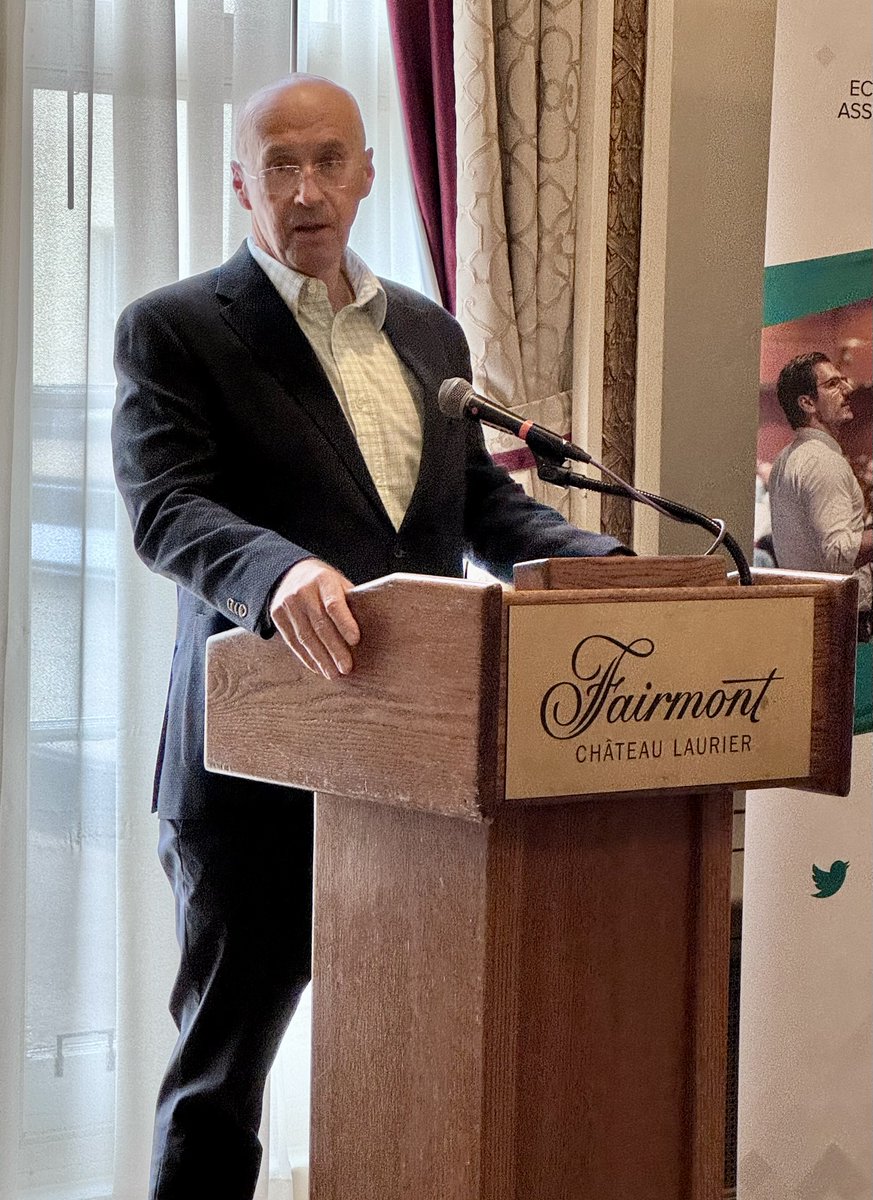
A well‑deserved honour. 👏 What a great night celebrating 𝗞𝗲𝘃𝗶𝗻 𝗣𝗮𝗴𝗲 as the 𝟮𝟬𝟮𝟲 recipient of the @OEAEconomics’s 𝗔𝘄𝗮𝗿𝗱 𝗼𝗳 𝗗𝗶𝘀𝘁𝗶𝗻𝗰𝘁𝗶𝗼𝗻. From his role as 𝗖𝗮𝗻𝗮𝗱𝗮’𝘀 𝗳𝗼𝘂𝗻𝗱𝗶𝗻𝗴 𝗣𝗮𝗿𝗹𝗶𝗮𝗺𝗲𝗻𝘁𝗮𝗿𝘆 𝗕𝘂𝗱𝗴𝗲𝘁 𝗢𝗳𝗳𝗶𝗰𝗲𝗿 to his leadership at @IFSD_IFPD, Kevin has shown his ongoing commitment to building strong democratic institutions through independent analysis, fiscal transparency and evidence-based decision making. #PublicFinance #Economics #Institutions
Institute of Fiscal Studies and Democracy (IFSD) tweet mediaInstitute of Fiscal Studies and Democracy (IFSD) tweet mediaInstitute of Fiscal Studies and Democracy (IFSD) tweet mediaInstitute of Fiscal Studies and Democracy (IFSD) tweet media
English
0
3
5
190
Institute of Fiscal Studies and Democracy (IFSD)
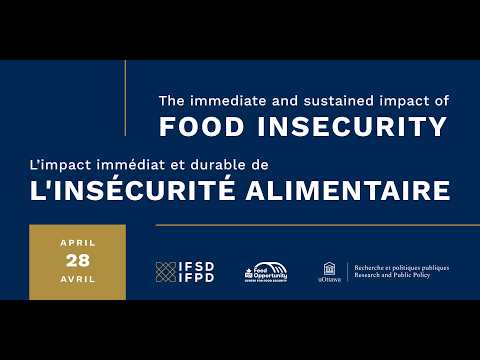
𝐀𝐯𝐞𝐫𝐚𝐠𝐞𝐬 𝐝𝐨𝐧’𝐭 𝐭𝐞𝐥𝐥 𝐭𝐡𝐞 𝐰𝐡𝐨𝐥𝐞 𝐬𝐭𝐨𝐫𝐲 when it comes to food insecurity. “On average, incomes may be outpacing inflation — but for households in the lowest income quintiles, that is not the case.” 𝐒𝐚𝐡𝐢𝐫 𝐊𝐡𝐚𝐧, Executive Vice‑President, 𝐈𝐅𝐒𝐃 This is a clip from IFSD’s live event on food insecurity, where experts examined why headline affordability metrics mask the real pressure facing low‑income households — and why targeted policy responses matter.
English
1
2
3
136
Institute of Fiscal Studies and Democracy (IFSD) retweetledi
Nowcast Canada
Nowcast Canada@NowcastCanada·
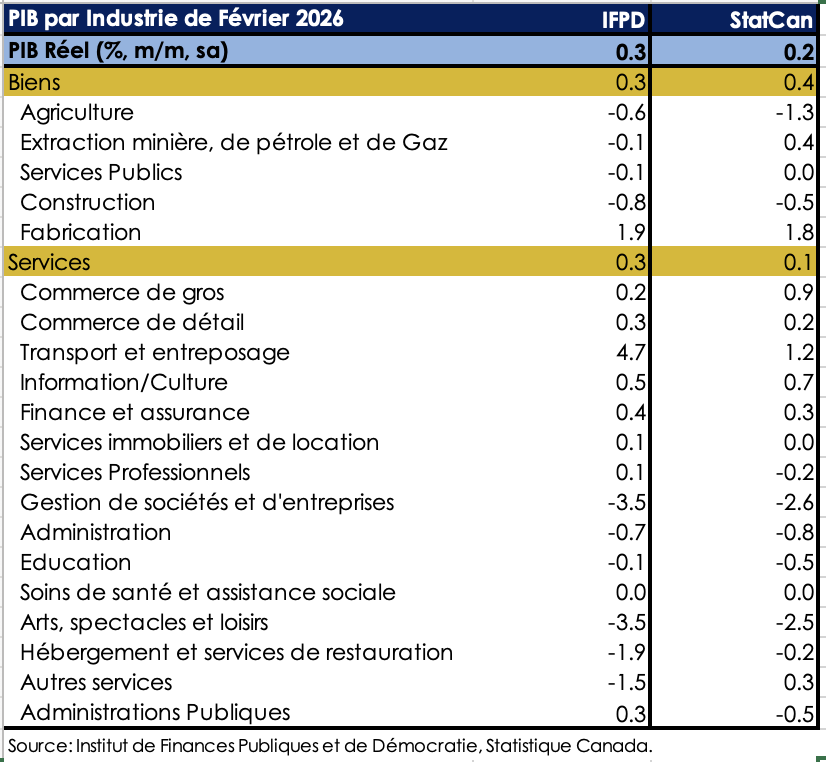
En février, le PIB réel a progressé de 0,2%, en dessous des 0,3% prévu par l’IFPD. Les secteurs des biens et de services ont tous deux progressé : 0.4% pour le premier et 0.1% pour le second. Le PIB immédiat @IFSD_IFPD 2026T1 s’affichent à 1,6% (t / t, annualisé)
Nowcast Canada tweet media
Français
2
1
2
75