ILEMONA

3.7K posts

ILEMONA banner
ILEMONA

ILEMONA

@ILEMONA_BGI

Transitioning into AI product Engineering • Dev Tech Asst & Kwara Lead @SuiNetworkNG • Amb @hela_network• Co-Convener @IlorinWeb3Con I have $1 & a dream

Nigeria Katılım Haziran 2023
5.2K Takip Edilen2.5K Takipçiler
ILEMONA retweetledi
Jahir Sheikh
Jahir Sheikh@jahirsheikh8·
Best YouTube Channels To Escape Tutorial Hell 1. Build Projects – Coding Garden 2. Real Apps – JavaScript Mastery 3. Fullstack Builds – Traversy Media 4. Ship Fast – Theo (t3dotgg) 5. Indie Hacking – Levelsio 6. Startup Dev – YC Startup School 7. Practical AI – Nicholas Renotte 8. Dev Logs – Fireship 9. Real Coding – freeCodeCamp 10. Product Thinking – The Futur 11. Debugging – Low Level Learning 12. System Thinking – ByteByteGo 13. Backend Reality – Hussein Nasser 14. Build in Public – Danny Postma
Jahir Sheikh tweet mediaJahir Sheikh tweet media
English
23
91
570
19.1K
ILEMONA retweetledi
Karan🧋
Karan🧋@kmeanskaran·
AI Engineer vs ML Engineer is a useless debate. If you can learn neural networks, then RAG and agents are a piece of cake. I still consider myself an ML Engineer. On the other hand, recruiters use terms like AI Agents to attract more applicants. If you check JDs, the ML requirements are still there. So instead of choosing one, learn both for a long-term career. New terms will keep coming, but the basics will stay as always.
Akshay Shinde@ConsciousRide

The AI Engineer vs ML Engineer debate is everywhere right now. But in 2026 interviews the titles barely matter anymore. Here is the real split I see from actual roles and offers: AI engineer jobs = advanced ML engineering + heavy focus on using existing models + building real systems around them (RAG, agents, inference optimization, eval loops, production reliability). Most product/shipping work lives here. Companies want people who can ship features fast using frontier models. ML engineer jobs = deeper custom training, new architecture experiments, heavy research flavor, novel algorithms or massive scale training runs. Fewer openings, usually at labs or companies pushing the frontier, often want PhD or long track record. In practice for 90% of applied roles the titles get used interchangeably and the interview questions look almost identical. The skills list I posted earlier covers what actually gets asked either way whether the JD says AI or ML. Link:-x.com/consciousride/… Which side feels more like your current path; shipping with models or building/training new ones?

English
13
41
458
25.7K
Suryansh Tiwari
Suryansh Tiwari@Suryanshti777·
This AI System Design guide teaches RAG better than most courses. And I'm giving it away for free (Only for First 4500) Inside: • RAG fundamentals & chunking strategies • Hybrid retrieval (BM25 + vector search) • Production-level RAG architecture • Evaluation & RAGAS metrics • Hallucination reduction techniques • End-to-end LLM system design How to get it: • Follow me (must so I can DM) • RT + Like • Comment "book" I'll dm you
Suryansh Tiwari tweet media
English
952
589
1.9K
126.8K
ILEMONA retweetledi
IWC'26
IWC'26@IlorinW3bCon·
The future of Web3 in Nigeria is being built right here in Ilorin. 🌍 Developers. Founders. Builders. Creators. We’re calling you in. 🗓️ April 2026 | Ilorin, Kwara State This isn’t just a conference. This is a movement. Register now and tell a friend to tell a friend. See you soon 💚 luma.com/xesy3zit
English
19
18
99
2K
ILEMONA retweetledi
Akshay Shinde
Akshay Shinde@ConsciousRide·
As an AI engineer. Please learn: - Python (deeply - it is still king in 2026) - Core ML/DL (transformers, attention, backprop, optimization, loss functions) - Frameworks (PyTorch 2.x / JAX - pick one deeply; understand both eventually) - Model architectures (LLMs, diffusion, multimodal, MoE basics) - Fine-tuning & PEFT (LoRA/QLoRA, adapters, full fine-tune trade-offs) - Data pipelines (cleaning, augmentation, tokenization, dataloaders, streaming) - Evaluation (benchmarks, perplexity, BLEU/ROUGE/BERTScore, human eval, RAGAS) - Serving & inference (vLLM, TGI, TorchServe, ONNX, TensorRT, quantization) - Prompt engineering + RAG + agents + tool calling patterns - MLOps (tracking experiments, versioning models/data, monitoring drift)
SumitM@SumitM_X

As a backend engineer. Please learn: - System Design (scalability, microservices) -APIs (REST, GraphQL, gRPC) -Database Systems (SQL, NoSQL) -Distributed Systems (consistency, replication) -Caching (Redis, Memcached) -Security (OAuth2, JWT, encryption) -DevOps (CI/CD, Docker, Kubernetes) -Performance Optimization (profiling, load balancing) -Cloud Services (AWS, GCP, Azure) -Monitoring (Prometheus, Grafana) Pick up a language.. Stop jumping from one language to the other

English
22
249
2.2K
142.8K
ILEMONA retweetledi
Suryansh Tiwari
Suryansh Tiwari@Suryanshti777·
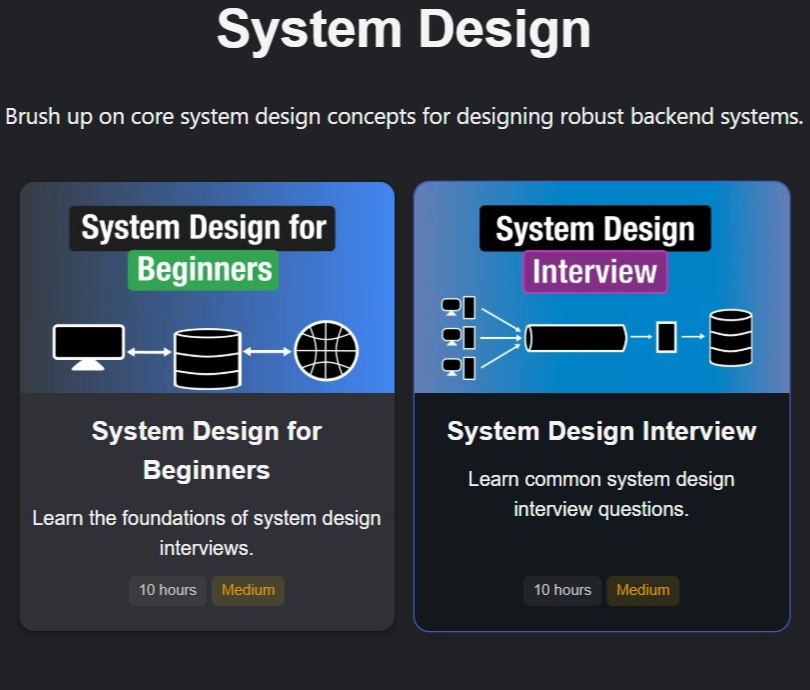
Most developers never crack high-paying jobs... Not because they can’t code — but because they FAIL system design. That’s the real filter. So I’m giving away 2 powerful resources: • System Design for Beginners • System Design Interview Prep Learn how real scalable systems are built. The same concepts used at top tech companies. This is the skill that separates ₹5L devs from ₹50L+ engineers. Free for a limited time. How to get it: 1. Follow me (so I can DM you) 2. Like + RT 3. Comment “COURSE” Ill DM Bookmark this if you’re serious about leveling up.
Suryansh Tiwari tweet media
English
242
199
766
44K
ILEMONA retweetledi
Stallion
Stallion@stallionsearn·
Winner announcement soon Get ready 👀
English
22
2
58
1.8K
ILEMONA
ILEMONA@ILEMONA_BGI·
@DeRonin_ You've got any course to recommend?
English
0
0
0
42
Ronin
Ronin@DeRonin_·
Practical tasks for the article "How to become AI engineer in 6 months" it's been almost 4 days since I published the article, and realized one thing you already have all the resources, but not everyone fully understands what exactly to do in practice so I put together a list of practical tasks to help reinforce the knowledge from the article Week 1: Python + Git + Terminal 1. CLI expense tracker (Python) Write a program: add an expense, show the list, save it to a JSON file. Only built-in libraries (json, sys, argparse) 2. Weather script via API (HTTP, Python) Get data from Open-Meteo (no API key needed). Parse the JSON, output temperature and precipitation in a readable format. Handle 404 and timeout 3. First GitHub repository (Git) Push both projects above to GitHub with a proper README. Create a .gitignore, commit several versions with meaningful messages 4. CSV file analysis with SQL (Python) Download any CSV (for example, sales data from Kaggle). Load it into SQLite via pandas, then answer 5 questions: top 5 categories, average, filtering by date 5. Async multi-request script (Async) Write an async script that requests weather for 5 cities simultaneously using asyncio + httpx. Compare the execution time with a synchronous version ⏩---------------------------------------------------⏪ Week 2: FastAPI + first LLM 1. FastAPI service for the tracker (FastAPI) Rewrite the CLI expense tracker into a REST API: POST /expense, GET /expenses, DELETE /expense/{id}. Use Pydantic models, uvicorn, test it via /docs 2. First LLM API call (LLM) Connect to the OpenAI or Anthropic API. Write 5 different prompts for one task (for example, text summarization). Compare the quality of the outputs, which one is better and why 3. Invoice parser with structured output (LLM) Give the LLM raw invoice text and get back a Pydantic object: invoice_number, amount, items[], due_date. Use Instructor or native structured output 4. Streaming responses via FastAPI (LLM, FastAPI) Connect stream=True to the LLM and return the response through StreamingResponse in FastAPI. Check that tokens appear as they are generated, not all at once ⏩---------------------------------------------------⏪ these are at least the tasks you need to complete over the next 10-14 days if this tweet gets enough feedback, I'll keep sharing more practical tasks for each week or even each month, so you can go through this path from A to Z stay focused pls...
Ronin tweet media
Ronin@DeRonin_

x.com/i/article/2033…

English
19
105
722
87.2K
ILEMONA retweetledi
Iamveektoria.base.eth 🙂‍↔️🌳 ✠
Most people relocate for a combination of push and pull factors: Opportunities, network, and exposure: → Better jobs, higher income potential, and access to stronger professional ecosystems are the biggest drivers Quality of life: → Better healthcare, infrastructure, safety, cleaner environments, and overall living standards Global mobility and access: → Easier travel, proximity to major markets, and access to international opportunities Education and career progression: → Access to top universities, specialized programs, and skill development pathways Family and social reasons: → Joining family, building a life with a partner, or moving within existing diaspora networks Stability and security: → Political stability, economic certainty, and in some cases escaping conflict or instability. Also a place where the law is taken more seriously. Lifestyle and personal growth: → Better environment, culture, weather, or simply a desire for a new experience or fresh start Relocation is rarely about one reason. It’s usually a trade-off between where you are and where your life works better, economically, socially, and psychologically. I personally relocated because of a bunch of many reasons including better living conditions.
IMMAPRO™@immapro18997

@iamveektoria_ I've been meaning to ask this veeki Why do people relocate?

English
6
3
49
2.2K
ILEMONA
ILEMONA@ILEMONA_BGI·
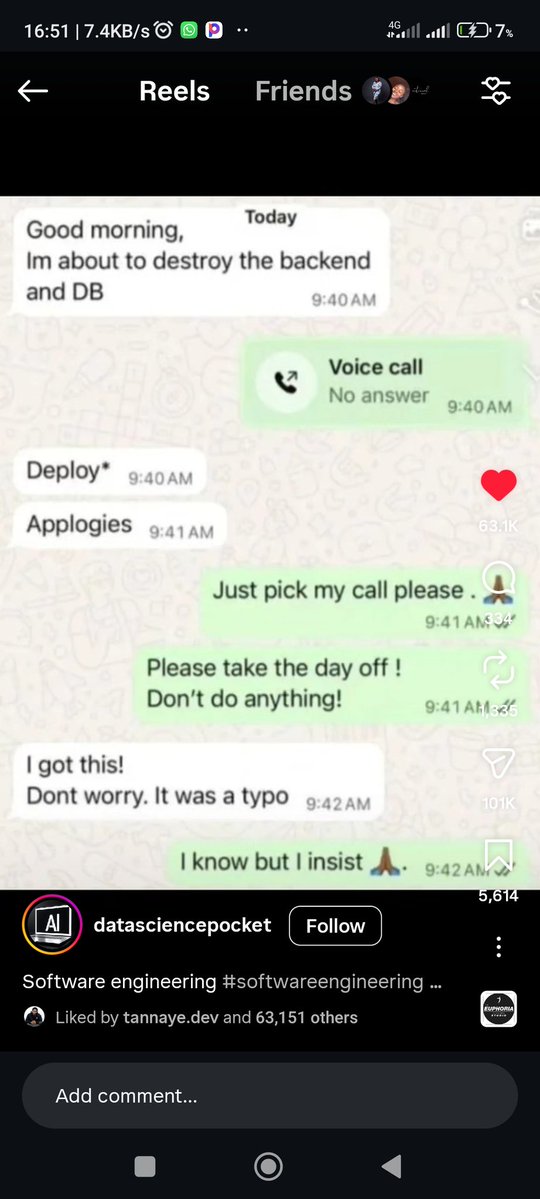
😂😂😂😂😂.... Wth.....
ILEMONA tweet media
Ilorin, Nigeria 🇳🇬
0
0
2
80
Dave
Dave@Oxdave·
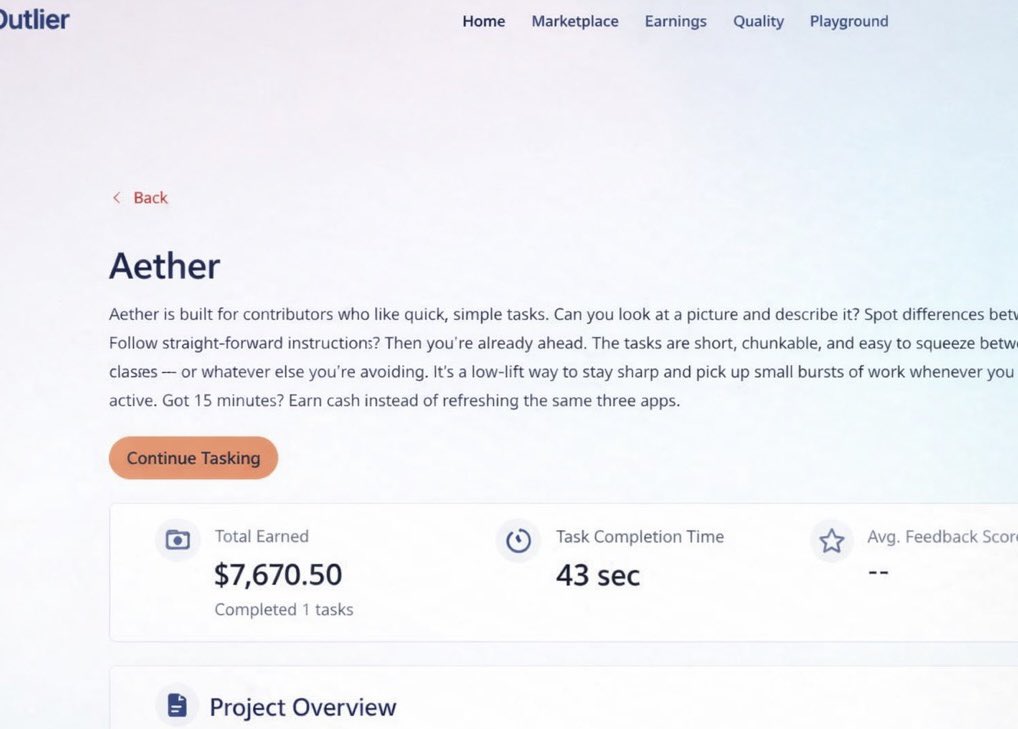
I’ve made over 7K$ + from Outlier And I’m in Nigeria But they said Nigerians can’t use it So what changed ? Absolutely Nothing Most people just don’t set it up right Outlier pays you to train AI : Simple tasks, Real money I’m using it right now from Nigeria So yes it works If you want to know how I managed to get my account created Comment OUTLIER 👇
Dave tweet media
English
5.9K
240
3.4K
503.8K
DAN
DAN@Danisverse·
We’re looking to sponsor creator-led events this year. Big or small, if you’re building something meaningful for your community, we’d love to support. Reach out 🤝
English
111
48
358
22.9K
ILEMONA
ILEMONA@ILEMONA_BGI·
W3 schools tutorial is powerful... Didn't know until I started learning python with it .. and also sourcing for more explanations with Claude @claudeai and adding YouTube videos...
Ilorin, Nigeria 🇳🇬 English
0
0
2
35
ILEMONA retweetledi
IWC'26
IWC'26@IlorinW3bCon·
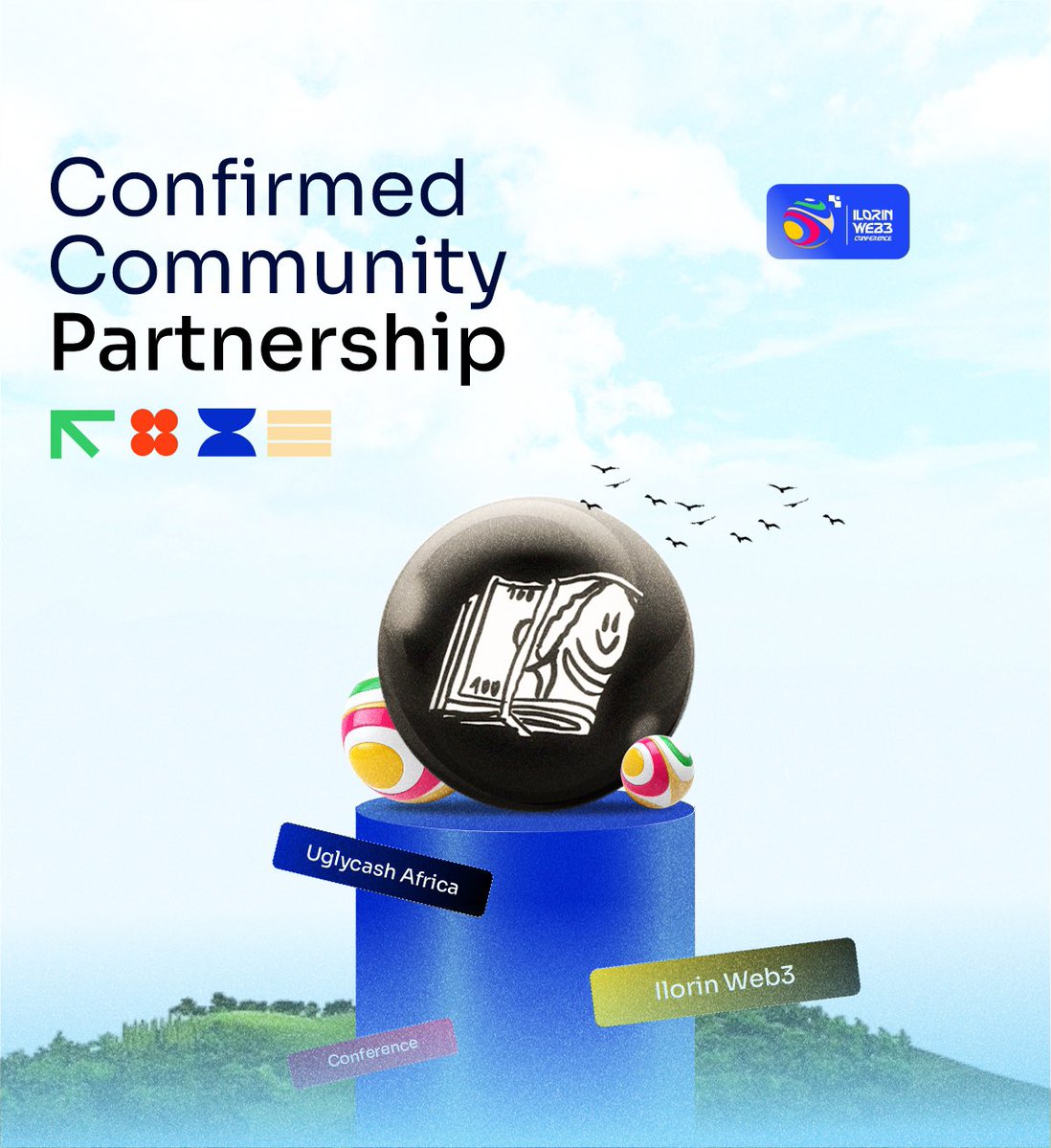
Partnership Announcement‼️ We’re thrilled to welcome @Uglycash Africa as a confirmed community partner for the Ilorin Web3 Conference. This collaboration is all about creating real value, and building stronger communities from the ground up. ​Our mission has always been about making Web3 accessible, and we know that the Ilorin community is full of incredible talent and untapped potential. ​Stay tuned for more partnership announcements and event updates.
IWC'26 tweet media
English
22
20
74
1.6K
ILEMONA retweetledi
Python Developer
Python Developer@Python_Dv·
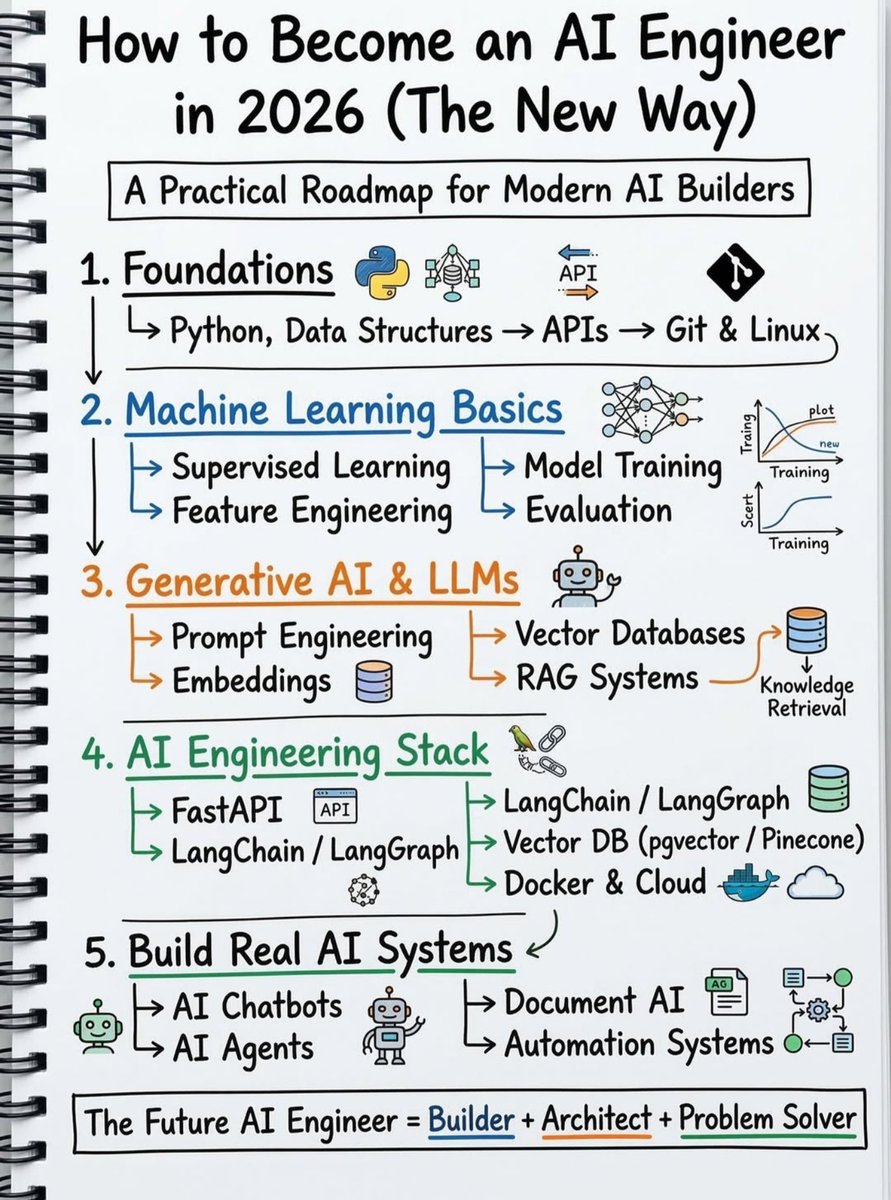
Most people trying to become AI Engineers in 2026 are starting in the wrong place. They begin with tools. → Prompt engineering → LangChain → Agents → The latest AI frameworks But tools change every few months. The real foundation of AI engineering does not. Over the past few years, one pattern has become very clear: The role of an AI Engineer has fundamentally evolved. An AI Engineer today is no longer just someone who trains models. The modern AI Engineer builds end-to-end intelligent systems. That means understanding how multiple layers work together: 𝗟𝗮𝘆𝗲𝗿 𝟭: Strong foundations → Python, APIs, data structures, version control 𝗟𝗮𝘆𝗲𝗿 𝟮: ML fundamentals → How models learn, how they're evaluated, how they fail 𝗟𝗮𝘆𝗲𝗿 𝟯: Generative AI → LLMs, embeddings, vector databases, RAG 𝗟𝗮𝘆𝗲𝗿 𝟰: Engineering stack → APIs, orchestration frameworks, databases, cloud deployment 𝗟𝗮𝘆𝗲𝗿 𝟱: Build real applications → Chatbots → AI copilots → Document intelligence systems → Automation platforms powered by AI The future AI Engineer sits at the intersection of software engineering, machine learning, and system architecture. To simplify this path, I created a new roadmap: The goal is not to chase every new AI trend. It's to understand the structure behind modern AI systems. The question is no longer how to use AI tools. It's how to design and build AI systems that solve real problems. If someone asked you today how to become an AI Engineer — what would you tell them to focus on first?
Python Developer tweet media
English
12
118
487
17.2K