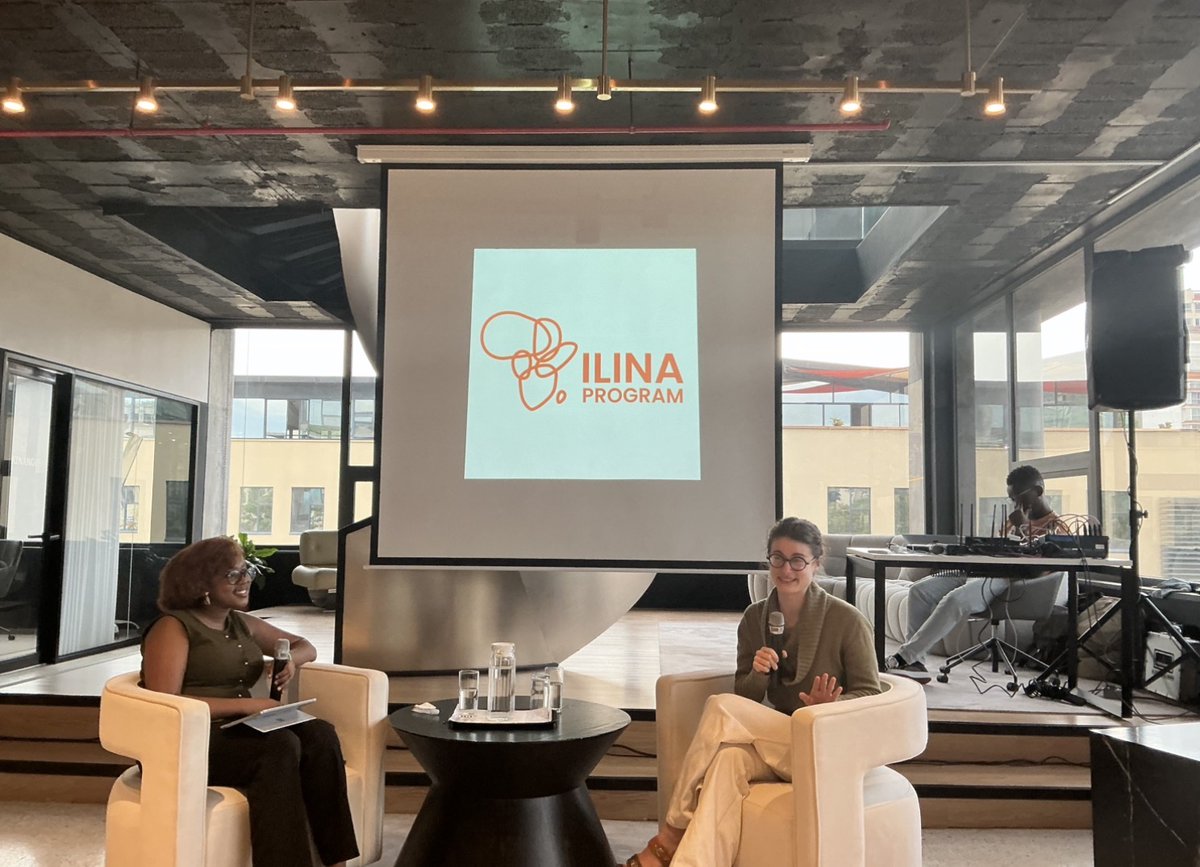
In a new Research Report, our Research Associate @MarieIrad highlights how key stakeholders can improve the monitoring of AI impacts and incidents in Africa. Read the full report here: ilinaprogram.org/ilina_program_…
ILINA Program
431 posts

@ILINAProgram
AI safety with the subaltern in mind

In a new Research Report, our Research Associate @MarieIrad highlights how key stakeholders can improve the monitoring of AI impacts and incidents in Africa. Read the full report here: ilinaprogram.org/ilina_program_…

In a new Research Report, our Research Associate @MarieIrad highlights how key stakeholders can improve the monitoring of AI impacts and incidents in Africa. Read the full report here: ilinaprogram.org/ilina_program_…


After a rigorous application and assessment process, we're pleased to introduce our 2026 ILINA Junior Research Fellows. We look forward to working with them closely as they grow in AI safety. Read more about them on our website: ilinaprogram.org/2026-jrfs


New piece! In my latest for @iacl_aidc, I argue that we should spend more time than we currently do asking how anthropocentric and ecocentric approaches can work together to protect animals under constitutions worldwide. Read here: blog-iacl-aidc.org/2026-posts/202…


Technical research output in AI Safety is growing across Africa and @ILINAProgram is leading this domain with some incredible cohort of research scholars. Thanks for hosting me, @CecilYongo and @ggomondi, to learn more about your work, especially how it intersects with compute.


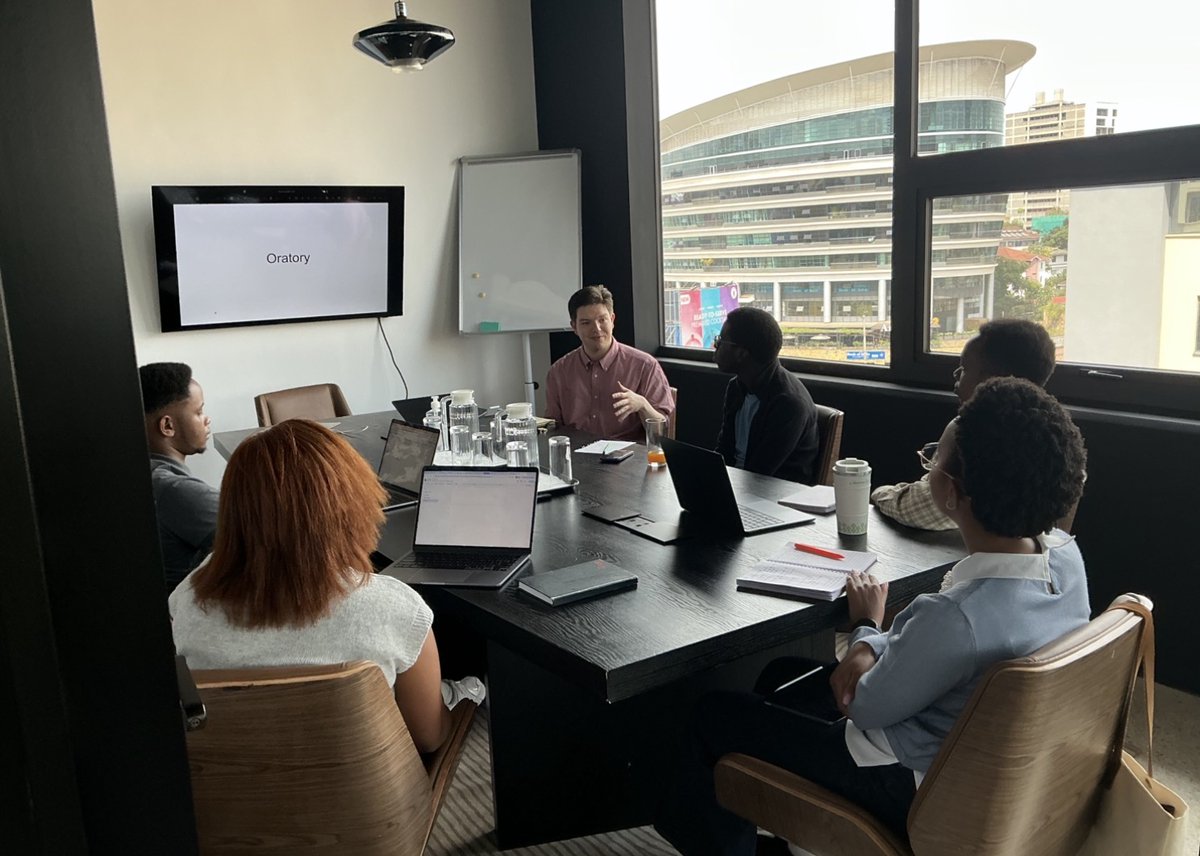
Today we hosted a Work in Progress session in which @thefuturesoc's AI Security Policy Associate George Gor presented his research and thinking about AI incident monitoring.


As AI systems take on increasingly autonomous roles, courts will increasingly face a difficult question: How should negligence law respond when AI causes harm? @CecilYongo, Research Affiliate at LawAI, tackles this question in a new research article published by the Journal of Tort Law. Abungu challenges a growing assumption in legal scholarship: that the opacity and unpredictability of AI systems make harmful outcomes inherently unforeseeable. Instead, he argues that these features are often the result of design choices made by AI developers, who prioritize performance over interpretability. The article proposes a clear framework for US courts: • Preserve existing doctrine where foreseeability already supports plaintiffs • Reform duty-foreseeability to advance more categorical, plaintiff-friendly reasoning • Retain fact-sensitive analysis for breach-foreseeability and proximate cause-foreseeability to avoid overreach The result is a more calibrated approach to foreseeability; one that reflects the distinctive risks posed by autonomous AI agents without abandoning negligence law’s core structure. Read the abstract and download the article PDF at law-ai.org/foreseeing-the….