

ISRO Spaceflight
3K posts

ISRO Spaceflight
@ISROSpaceflight
Everything about ISRO and the Indian Space Program. Regular updates, news, pictures, and more. (This is NOT the official account of ISRO)
India Katılım Mayıs 2020
127 Takip Edilen151.3K Takipçiler
𝗥𝗲𝗰𝗲𝗻𝘁𝗹𝘆 𝗜𝗦𝗥𝗢 𝗵𝗮𝘀 𝗰𝗼𝗺𝗽𝗹𝗲𝘁𝗲𝗱 𝟯 𝗺𝗮𝗷𝗼𝗿 𝗾𝘂𝗮𝗹𝗶𝗳𝗶𝗰𝗮𝘁𝗶𝗼𝗻 𝘁𝗲𝘀𝘁𝘀 𝗳𝗼𝗿 𝘀𝘂𝗯𝘀𝘆𝘀𝘁𝗲𝗺𝘀 𝗼𝗳 𝘁𝗵𝗲 𝗚𝗮𝗴𝗮𝗻𝘆𝗮𝗮𝗻 𝗖𝗿𝗲𝘄 𝗠𝗼𝗱𝘂𝗹𝗲 (𝗖𝗠) 🚀
𝟭. 𝗖𝗠𝗨𝗦 𝗜𝗻𝗳𝗹𝗮𝘁𝗶𝗼𝗻 𝗧𝗲𝘀𝘁
Crew Module Uprighting System (CMUS) is designed to keep the CM upright while floating in the sea after splashdown.
It consists of inflation modules similar to balloons near the top of the CM inflated using gas stored in high pressure gas bottles.
The goal of this test was to test the inflation of the primary inflation module, the operation of the control valves and whether the inflation completes within the required amount of time.
𝟮. 𝗖𝗦𝗖𝗗𝗦 𝗗𝗶𝘀𝗰𝗼𝗻𝗻𝗲𝗰𝘁𝗶𝗼𝗻 𝗧𝗲𝘀𝘁
The Crew Module Service Module - Connect Disconnect System (CSCDS) is used to manage the umbilical connections between the CM and the Service Module (SM) through which electrical connections and the fluid lines of the life support system (ECLSS) pass b/w CM & SM.
The job of CSCDS is to ensure the umbilicals remain properly attached during the mission and to disconnect all umbilicals cleanly just before CM separation from SM prior to CM atmostpheric reentry.
This test consisted of a separation test of the umbilicals from a simulated CM to ensure clean separation and that the panels and interfaces on the CM do not suffer any damage from the separation mechanism.
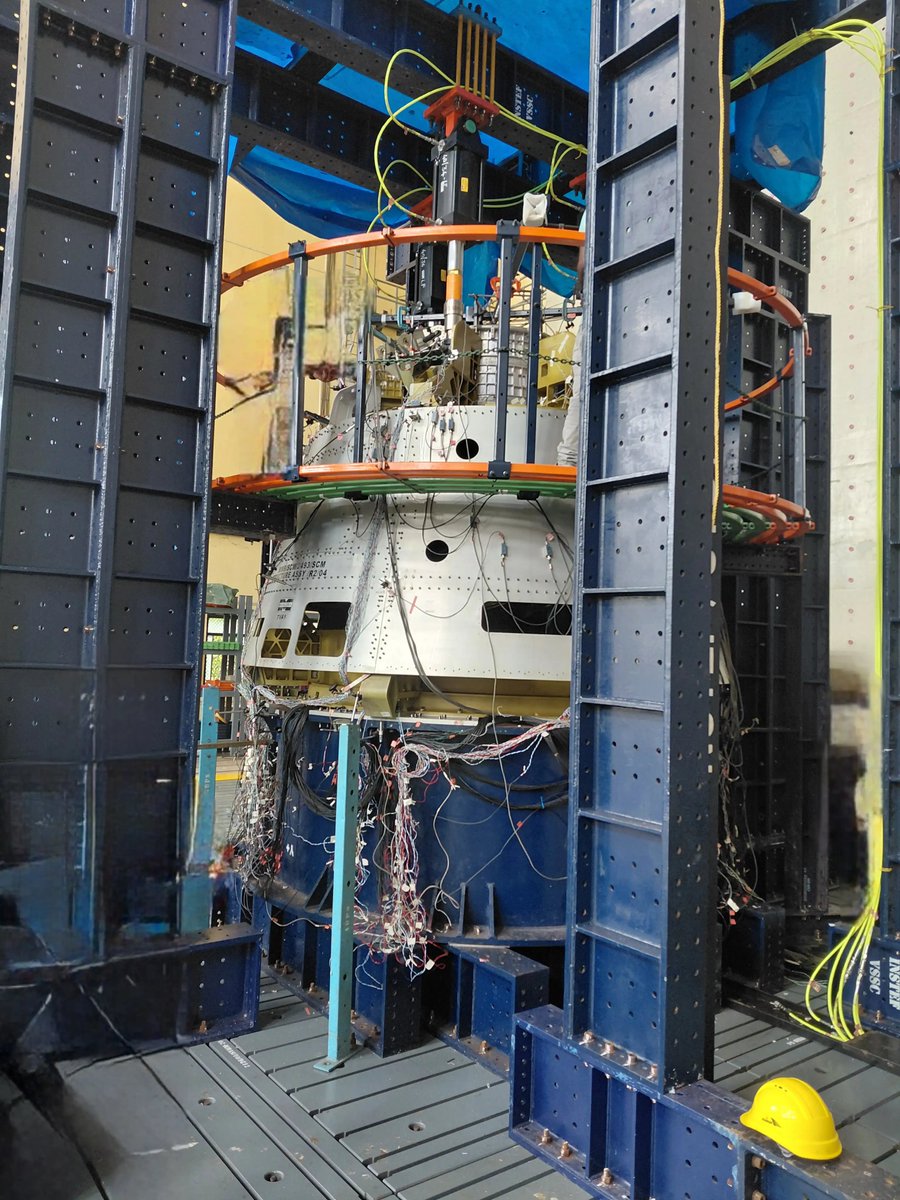
𝟯. 𝗖𝗠 𝘀𝘁𝗿𝘂𝗰𝘁𝘂𝗿𝗮𝗹 𝘁𝗲𝘀𝘁 𝗳𝗼𝗿 𝗔𝗽𝗲𝘅 𝗖𝗼𝘃𝗲𝗿 𝘀𝗲𝗽𝗮𝗿𝗮𝘁𝗶𝗼𝗻 𝗹𝗼𝗮𝗱𝘀
The Apex Cover is a protective cover located at the top of the CM that protects the parachutes and CMUS underneath it. However in order for the parachutes to be deployed, the Apex Cover needs to be ejected out first, which is done using pyrotechnic devices.
The goal of this test was to validate that the CM does not suffer any damage due to the shock generated during the separation (recoil). During this test, the CM was subjected to loads 1.75x the amount generated by the separation event at pre-identified locations to check for deformations and strain on the CM, all of which were determined to be within design margins.


English
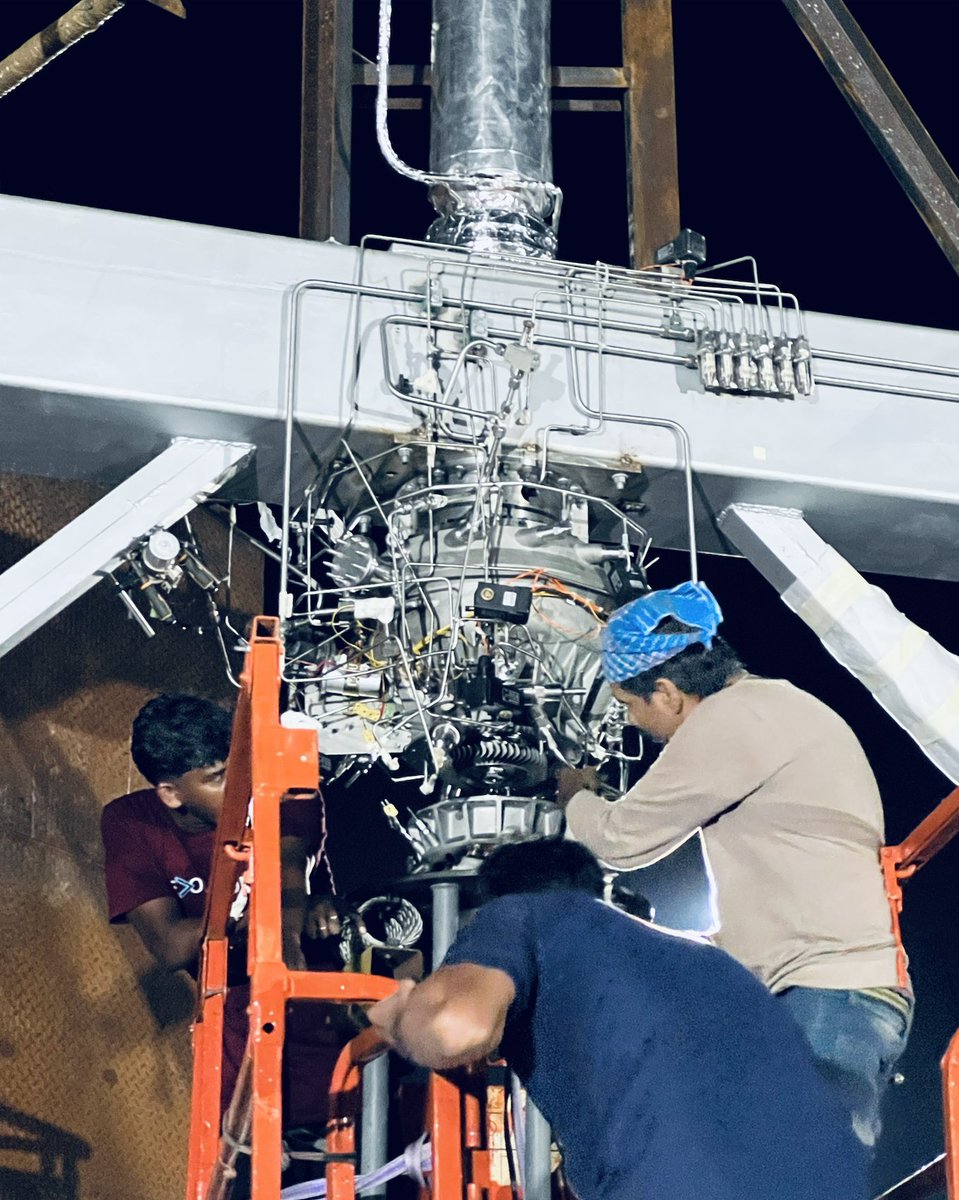
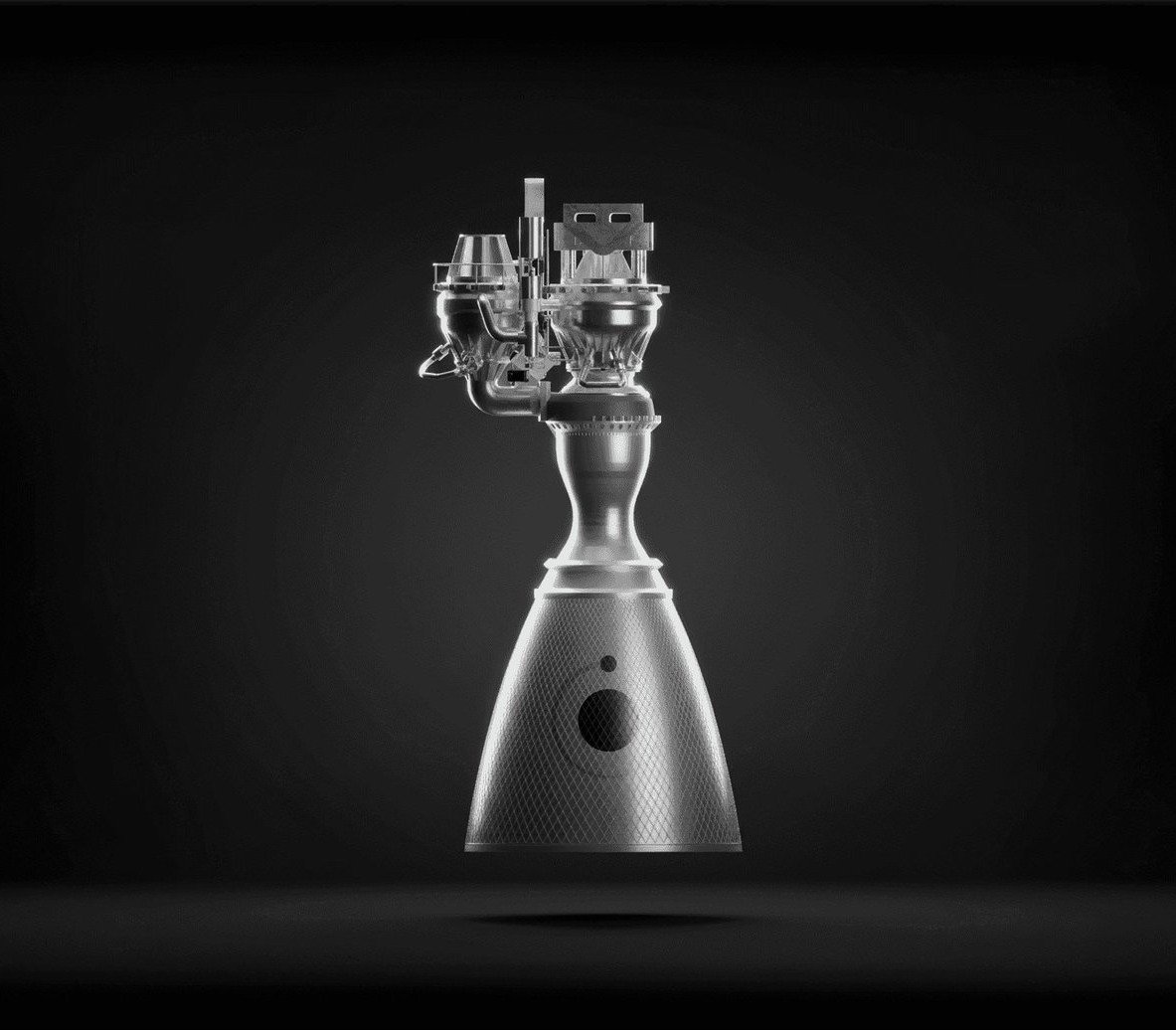
🚨 𝟴𝟬𝟬 𝗸𝗡 𝗰𝗹𝗮𝘀𝘀 𝗙𝗙𝗦𝗖 𝗿𝗼𝗰𝗸𝗲𝘁 𝗲𝗻𝗴𝗶𝗻𝗲 𝗱𝗲𝘃𝗲𝗹𝗼𝗽𝗲𝗱 𝗯𝘆 𝗔𝘀𝘁𝗿𝗼𝗯𝗮𝘀𝗲 🇮🇳
CEO of Bengaluru-based rocket startup Astrobase Space Technologies has announced they have built their first Full-Flow Staged Combustion cycle rocket engine, with more engines already under production! 🚀
It is a Methalox 80 tonne class engine, putting it in the same thrust class as SpaceX's Merlin-1D engine, only much more efficient.
More details about the engine are expected to be revealed within a month, with the first hot-fire test of the fully integrated engine expected within 2026.
Surprisingly, Astrobase was only founded in August 2024, making the company less than 2 years old!
They are developing this engine for use on their partially reusable medium-lift launch vehicle capable of delivering 4,200 kg to LEO and featuring "Return To Launch Site" recovery of the first stage, with its first flight expected to take place in 2028-29.
Pic 1: Image of the LOX powerhead of their engine.
English
Yesterday, ISRO conducted the 5th Integrated Main Parahute Air-drop Test (IMAT-05) to test Gaganyaan's deceleration system! 🪂
In this test, a mass simulator fitted with Gaganyaan's decelebration (recovery) system was dropped from an IAF IL-76 aircraft from 2.5 km altitude at ADRDE in Sheopur, Madhya Pradesh.
The sequence of events in the test were as follows:
1. Two Apex Cover Separation chutes remove Gaganyaan's protective Apex cover.
2. Deployment of 2 Drogue chutes.
3. Release of drogues.
4. Extraction of Main chutes using 3 Pilot chutes.
5. Deployment of 3 Main chutes.
English
𝗨𝗽𝗴𝗿𝗮𝗱𝗲𝗱 𝘃𝗮𝗿𝗶𝗮𝗻𝘁 𝗼𝗳 𝗩𝗶𝗸𝗿𝗮𝗺-𝟭 𝗿𝗼𝗰𝗸𝗲𝘁 𝗮𝗻𝗻𝗼𝘂𝗻𝗰𝗲𝗱! 🔥
Skyroot has just revealed their plans for a new variant of their Vikram-1 rocket called 'Vikram-1U' featuring solid strap-on motors!
Payload capacity: 550 kg (LEO)
First flight: Q1 2027 🚀


English
@CosmosDiamonds A shining symbol of human artisanship riding on the bleeding edge of aerospace engineering!
English

For centuries, diamonds came from deep inside the earth. But ours leaves it entirely.
Diamond jewellery designed, grown and manufactured by Indian Bootstrap company. Carried by an Indian rocket! This is a milestone moment, blending, Culture, Technology and Luxury in a single package!
When we named this company Cosmos, it was a dream. This week, it becomes a coordinate. Eagerly waiting to witness this spectacle.
English
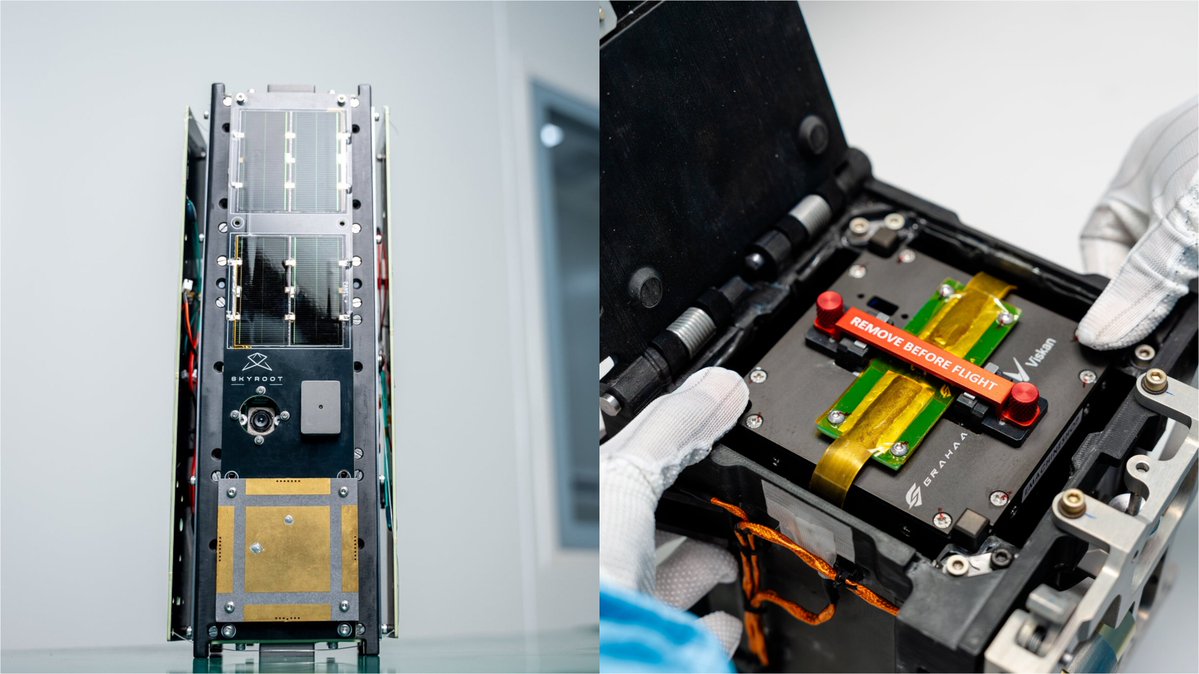
🚨 𝗦𝗶𝘅 𝗽𝗮𝘆𝗹𝗼𝗮𝗱𝘀 𝗼𝗻 𝗩𝗶𝗸𝗿𝗮𝗺-𝟭'𝘀 𝗺𝗮𝗶𝗱𝗲𝗻 𝗼𝗿𝗯𝗶𝘁𝗮𝗹 𝗳𝗹𝗶𝗴𝗵𝘁!
Skyroot Aerospace has finally revealed all the payloads on Mission Aagaman! There are 5 Indian 🇮🇳 payloads & 1 foreign payload 🇩🇪.
Lets learn what are these payloads and who are the companies that built them - a thread 🧵


English
🚨 𝗟𝗩𝗠𝟯-𝗠𝟳 𝗺𝗶𝘀𝘀𝗶𝗼𝗻 𝘁𝗼 𝘂𝘀𝗲 𝗖𝟯𝟮 𝘀𝘁𝗮𝗴𝗲, 𝗲𝗻𝗱 𝗼𝗳 𝗖𝟮𝟱 𝗲𝗿𝗮!
ISRO has officially confirmed that the next LVM3 mission (LVM3-M7) will use the upgraded C32 cryogenic upper stage and not the C25 stage! 🚀
This makes the LVM3-M6 mission in December 2025 the last flight of the C25 upper stage.
C32 is an upgraded version of the C25 stage carrying 32 tons of Hydrolox propellant (compared to 28t on C25) and an uprated 22t thrust version of the CE-20 engine developed to enhance the payload capacity of LVM3.

English
🚨 𝗙𝗶𝗿𝘀𝘁 𝘂𝗽𝗿𝗮𝘁𝗲𝗱 𝗖𝗘-𝟮𝟬 𝗲𝗻𝗴𝗶𝗻𝗲 𝗾𝘂𝗮𝗹𝗶𝗳𝗶𝗲𝗱 𝗳𝗼𝗿 𝗺𝗮𝗶𝗱𝗲𝗻 𝗳𝗹𝗶𝗴𝗵𝘁 𝗼𝗻 𝗟𝗩𝗠𝟯-𝗠𝟳!
After years of ground testing, the uprated 22t thrust version of the CE-20 engine is finally ready to be flown for the first time on LVM3-M7, following a hot-fire yesterday that qualified the engine for flight! 🔥
The test used the Nozzle Protection System (NPS) developed by ISRO which allows the engine to be tested with the vacuum optimized nozzle at sea level conditions without requiring a specialized facility to test the engine under simulated space-like (vacuum) conditions.
The engine was fired for a duration of 45 seconds at 19.5t thrust and then for 25 seconds at 22t thrust.

English
@_ankurtripathi_ @isro No, SCOPE will be deployed into orbit as a free flying satellite. It is not integrated to Vikram-1's OAM.
English

@ISROSpaceflight @isro Yes I'm pretty much aware of that... What I was trying to understand is whether SCOPE is integrated with Vikram-1's OAM similar to how @isro's POEM uses the PSLV fourth stage as an orbital platform.
English
@flyhigh703 The launch window is from 12 July to 4 August. Actual date of launch attempt is yet to be announced.
Launch View Gallery at SDSC will be open for the public.
English

@ISROSpaceflight When is the launch date and time? Is view gallery open for public visit at SDSC for this particular launch?
English
@_ankurtripathi_ @isro No, SCOPE is a free flying satellite unlike POEM which is a modified version of the PSLV 4th stage designed host payloads bolted onto the stage.
English