
India Climate Collaborative

1.8K posts

India Climate Collaborative banner
India Climate Collaborative

India Climate Collaborative

@IndiaClimCollab

Building India's climate philanthropy ecosystem

Mumbai, India Katılım Ağustos 2019
438 Takip Edilen3.4K Takipçiler
India Climate Collaborative
India Climate Collaborative@IndiaClimCollab·
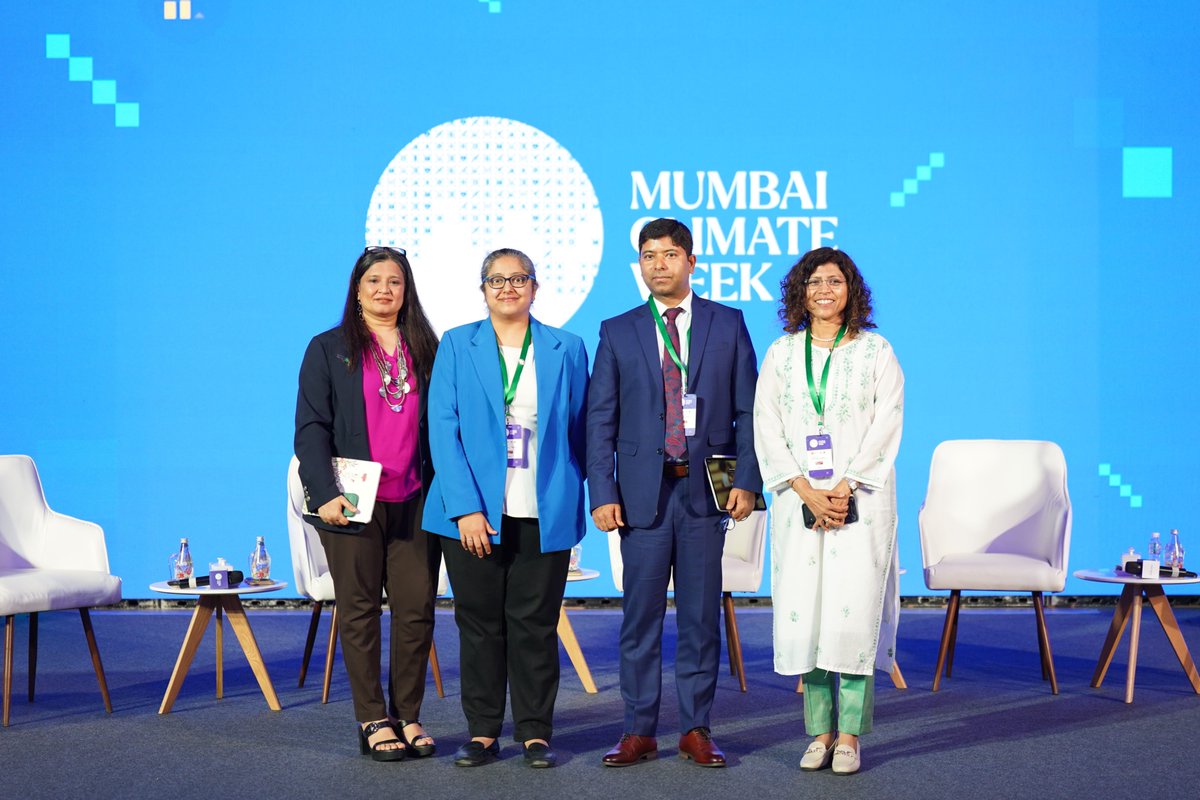
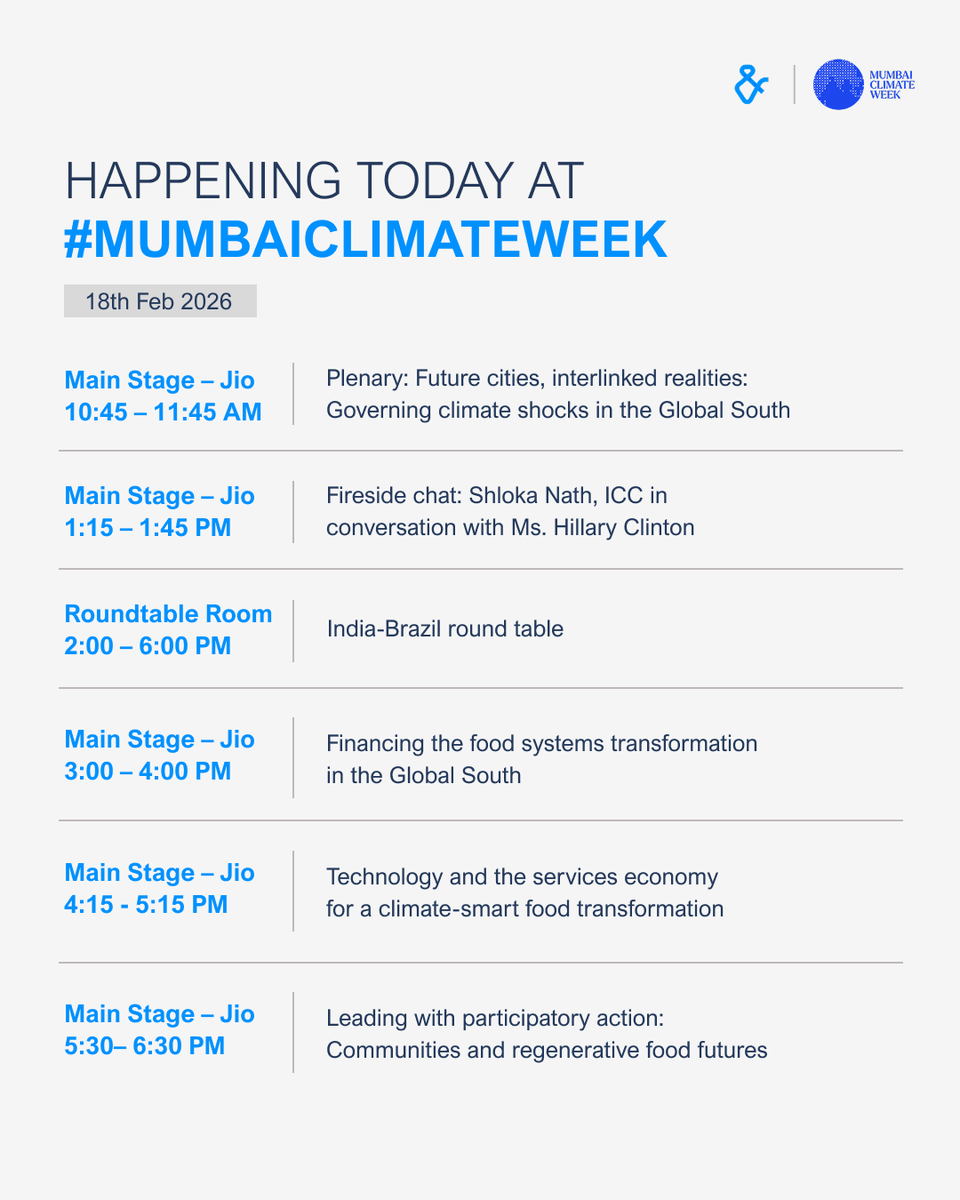
Amanda Leland (Environmental Defense Fund), Mandira Kalra Kalaan (Purpose), Marcella D'Souza (Watershed Organisation Trust (WOTR ), Nidhi Jamwal (Journalist), Neha Khara (GIZ India) convened to understand how and why participatory action is often framed as consultation, and whether communities are invited to share perspectives or to share power. At Mumbai Climate Week 2026, the session “Leading with Participatory Action: Communities and Regenerative Food Futures,” shaped a wide-ranging conversation on how climate and food systems work in the Global South must move beyond extractive models of engagement. The discussion explored how increasing climate vulnerability across rural regions requires approaches that recognise communities not as passive recipients of programmes, but as co-authors of the futures being built. People-first climate action, when grounded in local realities, has the potential to generate simultaneous gains across livelihoods, nutrition, health, and ecological resilience. Read more in the blog here: tinyurl.com/bdsxut9s
India Climate Collaborative tweet mediaIndia Climate Collaborative tweet mediaIndia Climate Collaborative tweet mediaIndia Climate Collaborative tweet media
English
0
0
0
56
India Climate Collaborative
India Climate Collaborative@IndiaClimCollab·
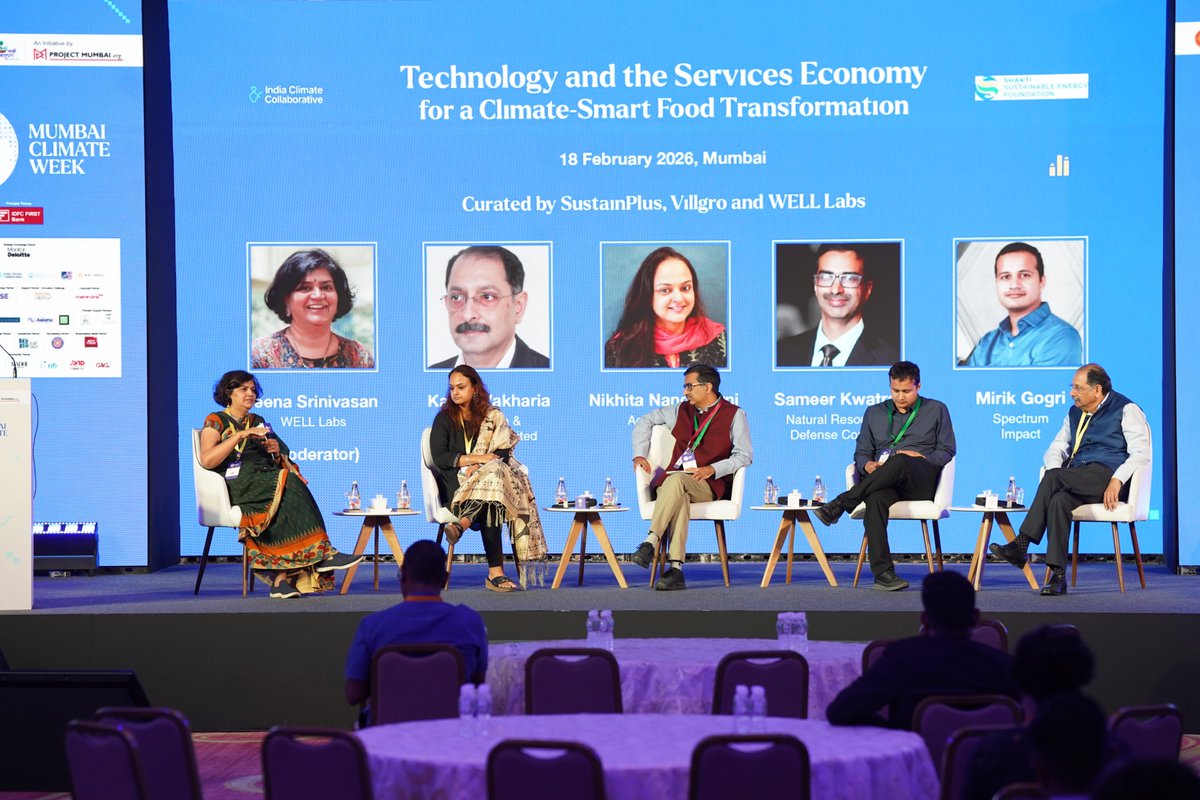
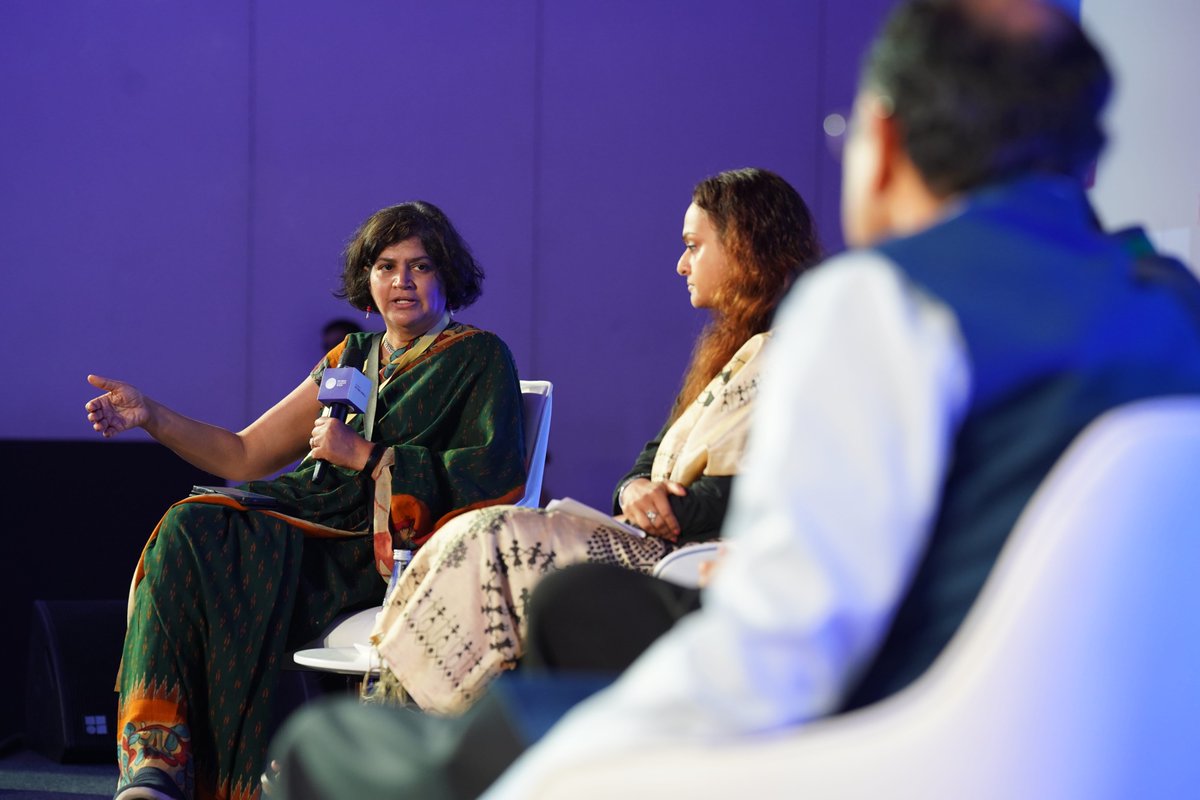
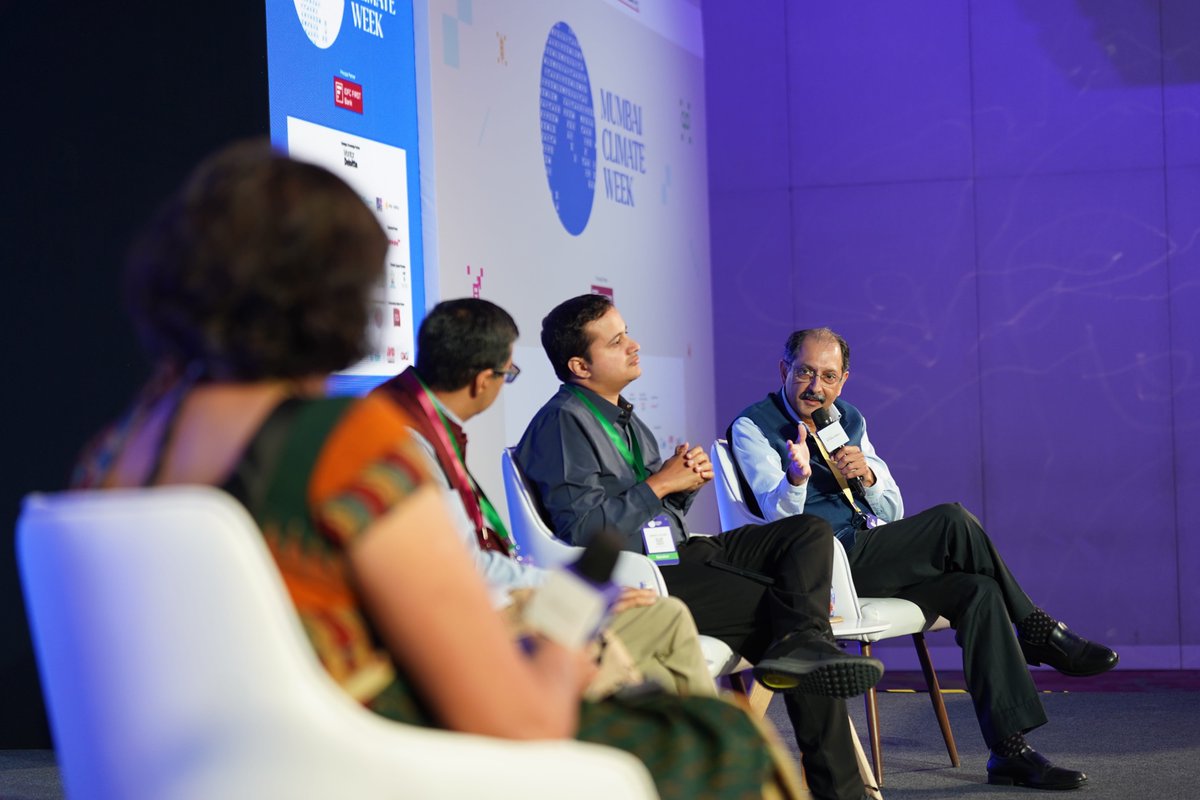
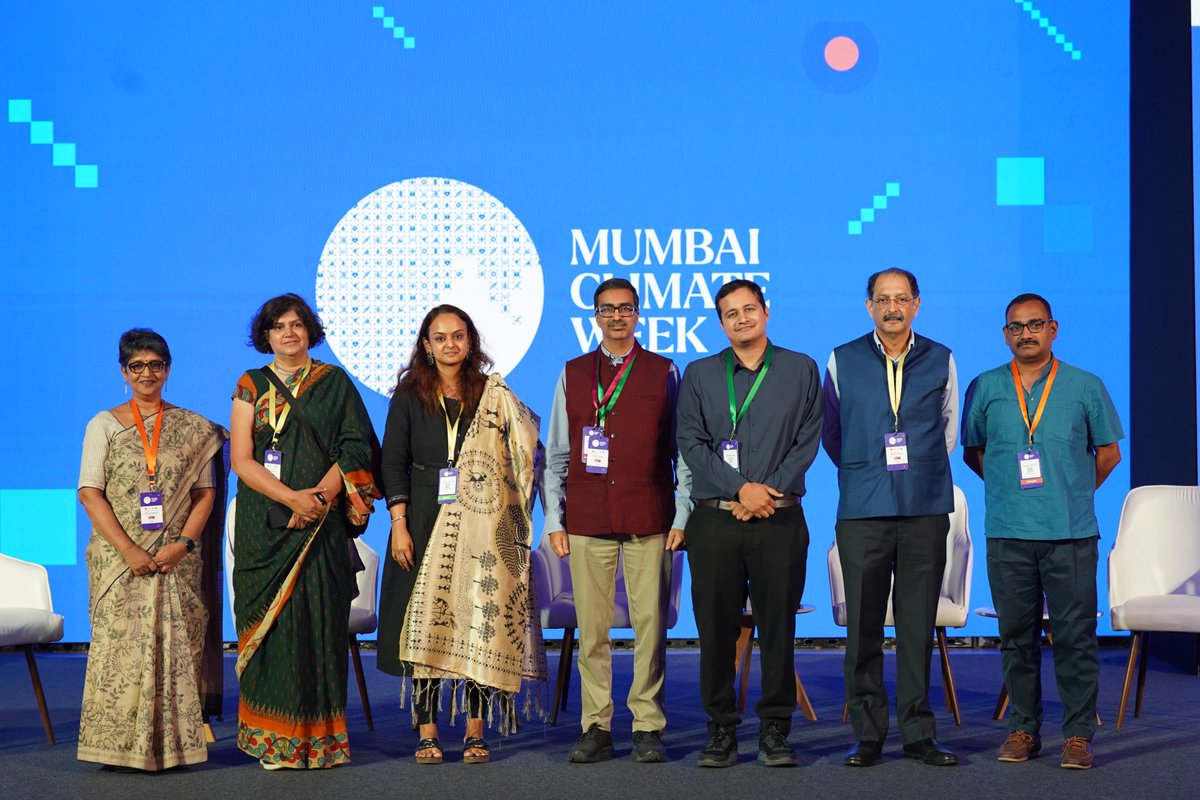
If technology does not work for the farmer, it will not work at all. This idea grounded the Mumbai Climate Week 2026 discussion in the session “Technology and the Services Economy for a Climate Smart Agricultural Transformation,” with Dr. Veena Srinivasan (@WELLLabs_org), Kairas Vakharia (Mahindra & Mahindra), Mirik Gogri (Spectrum Impact), Sameer Kwatra (NRDC India), and Nikhita Nadkarni (Acumen). The conversation challenged a common assumption that climate-smart agriculture will be driven primarily by deep-tech breakthroughs. Speakers emphasised that technology must begin with context, shaped by agro-climatic realities, gender dynamics, and the socio-economic conditions of rural communities rather than being deployed as a standalone solution. Read more in the blog at tinyurl.com/bdsxut9s
India Climate Collaborative tweet mediaIndia Climate Collaborative tweet mediaIndia Climate Collaborative tweet mediaIndia Climate Collaborative tweet media
English
0
0
0
50
India Climate Collaborative
India Climate Collaborative@IndiaClimCollab·
'Future Cities, Interlinked Realities: Governing Climate Shocks in the Global South' brought together BVR Subrahmanyam (NITI Aayog), Dr. Anshu Bharadwaj (NITI Aayog), Ayushi Ashar (Ashar Group), Maria Netto (Institute for Climate and Society), Madhav Pai (WRI India), Nyrika Holkar (Godrej & Boyce Mfg. Co. Ltd.), Rohini Nilekani (Rohini Nilekani Philanthropies), Dr. Shankar Deshpande, (MMRDA), and Shloka Nath (India Climate Collaborative) for a plenary that widened the lens on climate resilience from neighbourhood interventions to the scale of metropolitan systems. The discussion centred on the recognition that urban climate risks rarely operate in isolation. Heat, flooding, housing, transport, and air quality interact with one another to shape how cities function and how citizens experience vulnerability. Several speakers reflected on India’s opportunity to define a Global South pathway to resilient growth, one grounded in coordination across sectors rather than fragmented responses to individual challenges. Others highlighted the role philanthropy can play as connective tissue, helping align institutions that often operate in parallel but rarely together. The conversation acknowledged that the challenge is not whether cities can adapt to climate shocks, but whether governance systems, financing structures, and planning processes can align quickly enough to make that adaptation possible. For more insights, read the blog at tinyurl.com/mr2fpp2m
India Climate Collaborative tweet mediaIndia Climate Collaborative tweet mediaIndia Climate Collaborative tweet mediaIndia Climate Collaborative tweet media
English

0
1
0
113
India Climate Collaborative
India Climate Collaborative@IndiaClimCollab·
Agroecology has demonstrated clear benefits for ecosystems, farmer livelihoods, and long-term food system resilience. It, however, continues to operate at the margins of scale. This tension shaped the discussion in the session “Scaling What Works in India: From Pilot to Nationwide Agroecology” at Mumbai Climate Week 2026. Ramanjaneyulu G V (CSA), Kamyla Borges da Cunha (ICS Brazil), Vijay Kolekar (POCRA, Government of Maharashtra), Satyajit Bhatkal (Paani Foundation), and Vikash K Abraham (Urban Farms Co.), reflected on the structural barriers that make ecological transitions difficult for smallholder farmers. Despite growing evidence on the environmental and public health costs of synthetic-input agriculture, existing subsidy regimes, market signals, and policy incentives still favour conventional farming. What became apparent was that scaling agroecology requires shared transition risk, patient and long-term capital, coordinated institutions, and strong community organisation, because farmers cannot be expected to carry the burden of systemic change alone. Read more in the blog at tinyurl.com/bdsxut9s
India Climate Collaborative tweet mediaIndia Climate Collaborative tweet mediaIndia Climate Collaborative tweet media
English
0
0
1
38
India Climate Collaborative
India Climate Collaborative@IndiaClimCollab·
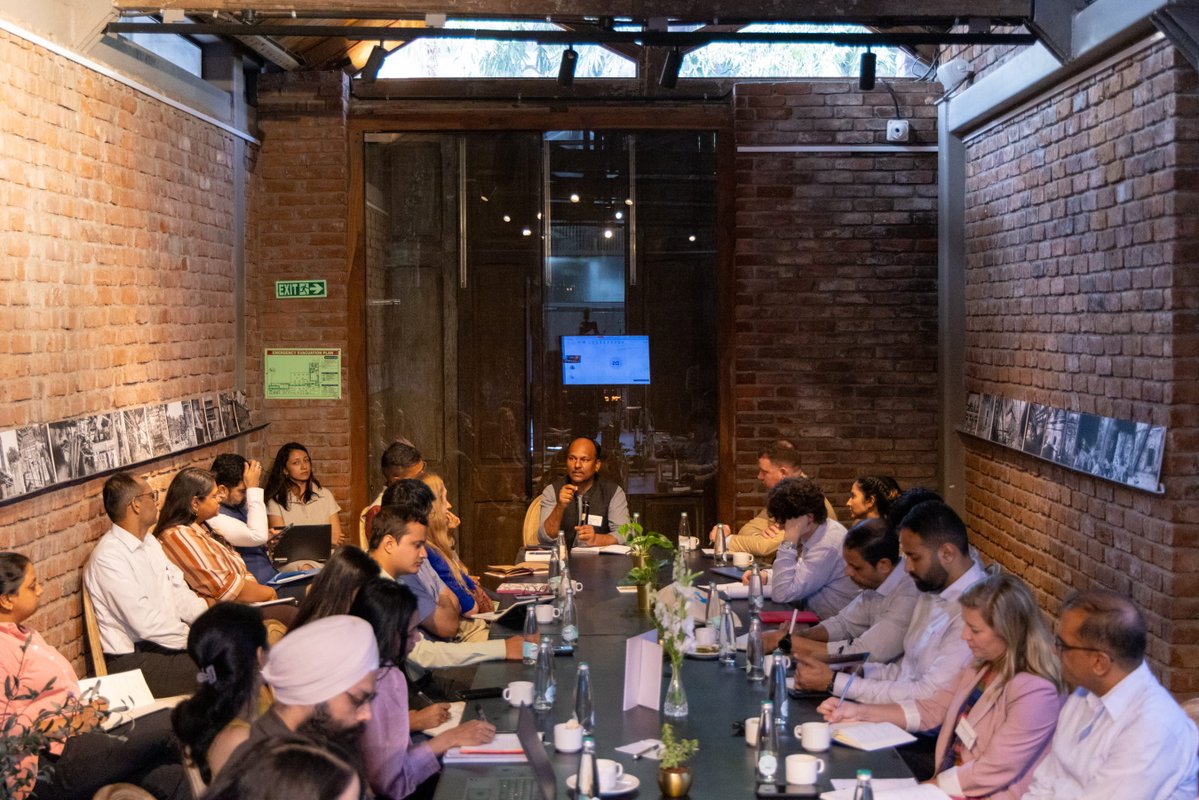
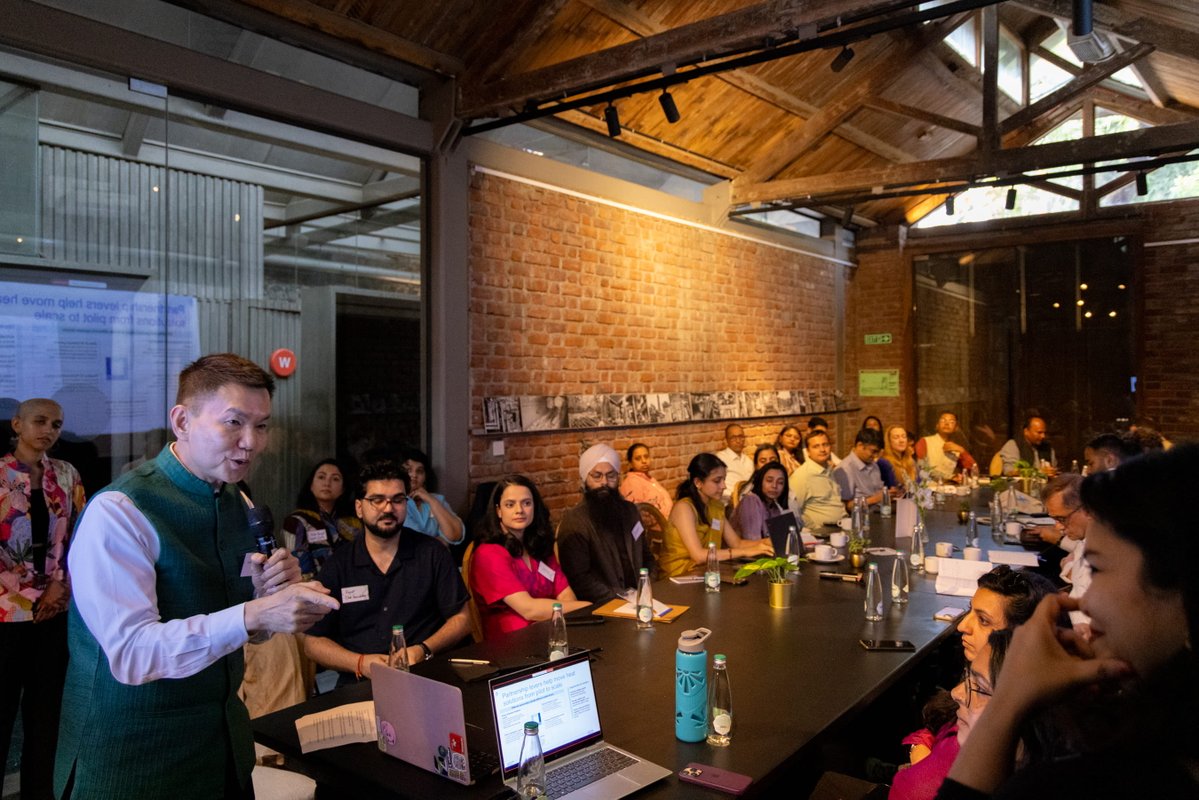
Extreme heat is often treated as a seasonal emergency. In reality, it is a structural stressor already reshaping how cities function, how people work, how children learn, and how public systems absorb strain. “Funding Heat Resilience: Rethinking Priorities, Pathways and the Role of Funders,” convened by the India Climate Collaborative in partnership with the Philanthropy Asia Alliance brought together senior leaders from more than 25 international and domestic philanthropies, CSR platforms, family foundations, and domain experts to reflect on emerging evidence, frontline experience, and institutional lessons from efforts to address rising heat risk. Soumya Swaminathan (MSSRF), Shaun Seow (Philanthropy Asia Alliance), and Ashif Shaikh (Jan Sahas) helped frame the discussion across science, philanthropy, and labour realities. The conversation brought into line of sight the need for stronger scientific grounding and institutional capacity to assess and manage heat-related health risks, while also pointing to the potential of coordinated philanthropic platforms to bridge climate and public health agendas. Participants compared approaches spanning labour protections, public health systems, and municipal governance, while sharing the reckoning that philanthropy's criticality is to strengthen institutional capacity, invest in credible evidence, and support systemic evolution so that resilience becomes embedded in public systems. Explore the session in this blog: tinyurl.com/mr2fpp2m @Mumbai_Climate
India Climate Collaborative tweet mediaIndia Climate Collaborative tweet mediaIndia Climate Collaborative tweet media
English
0
0
0
99
India Climate Collaborative
India Climate Collaborative@IndiaClimCollab·
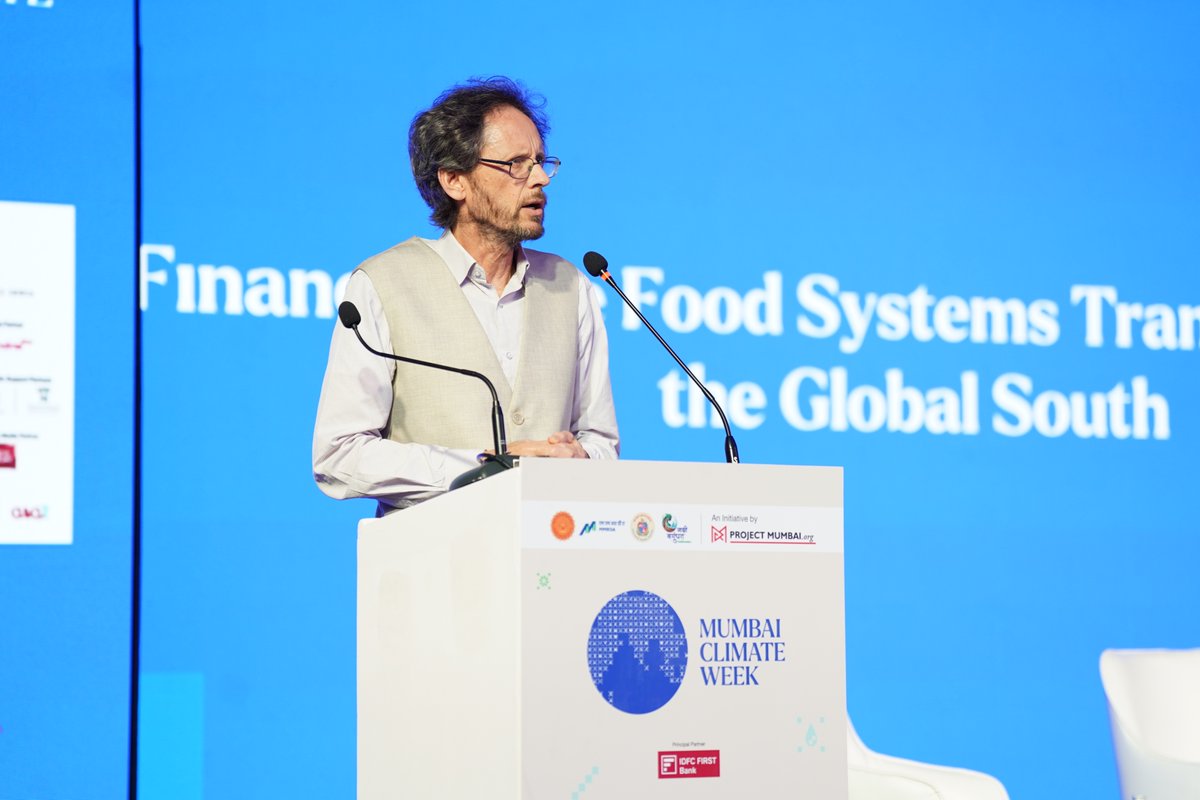
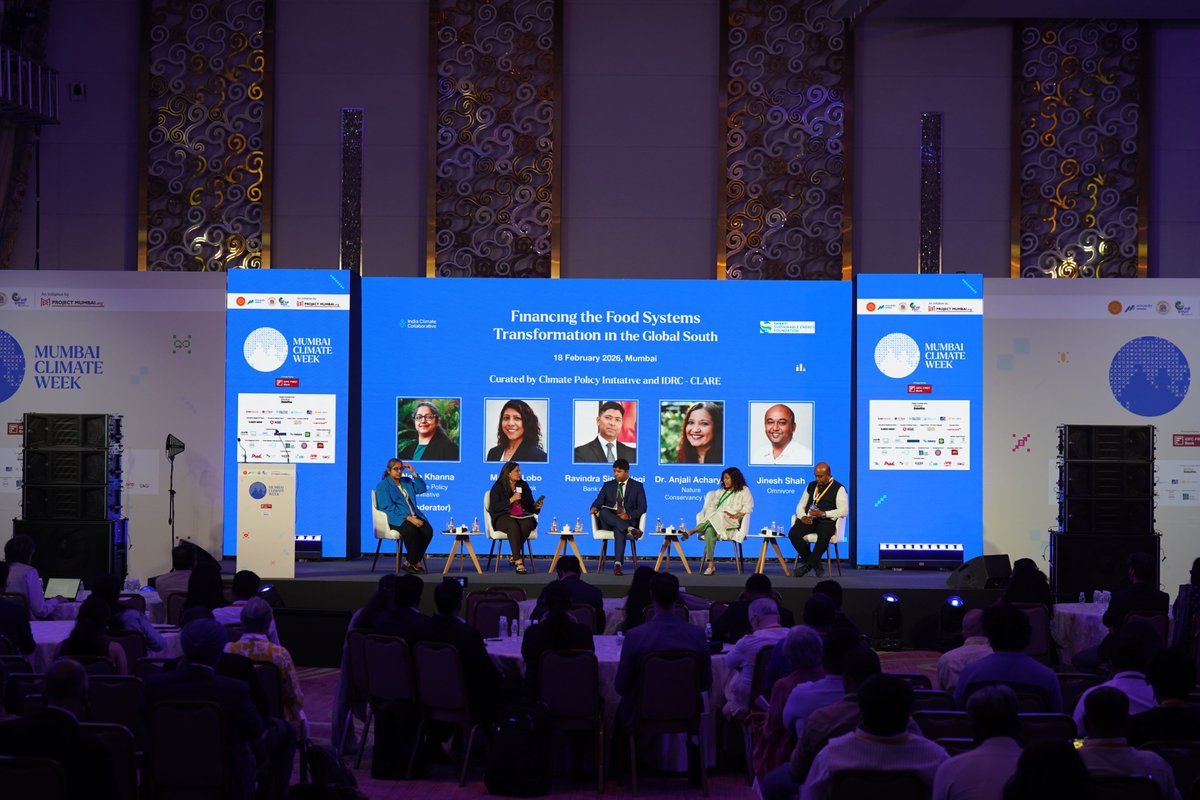
Neha Khanna (Climate Policy Initiative - India), Matilda Lobo (IndusInd Bank), Jinesh Shah (Omnivore), Anjali Acharya, Ph.D (The Nature Conservancy), and Ravindra Singh Negi (Bank of Baroda) came together for the session “Financing the Food Systems Transition in the Global South” at Mumbai Climate Week 2026 to reflect on designing finance that truly works for farmers, landscapes, and long-term resilience. The conversation surfaced that transforming food systems goes beyond mobilising more capital, but also to ensuring that finance is deployed in ways that align with farmer economics, climate risk realities, and viable long-term business models. Without landscape-level planning, climate risk intelligence, and strong local institutions, funding can easily fragment rather than compound, leaving both producers and financial institutions exposed to stranded assets. Read more in our blog here: tinyurl.com/bdsxut9s @Mumbai_Climate
India Climate Collaborative tweet mediaIndia Climate Collaborative tweet mediaIndia Climate Collaborative tweet media
English
0
0
0
70
India Climate Collaborative
India Climate Collaborative@IndiaClimCollab·
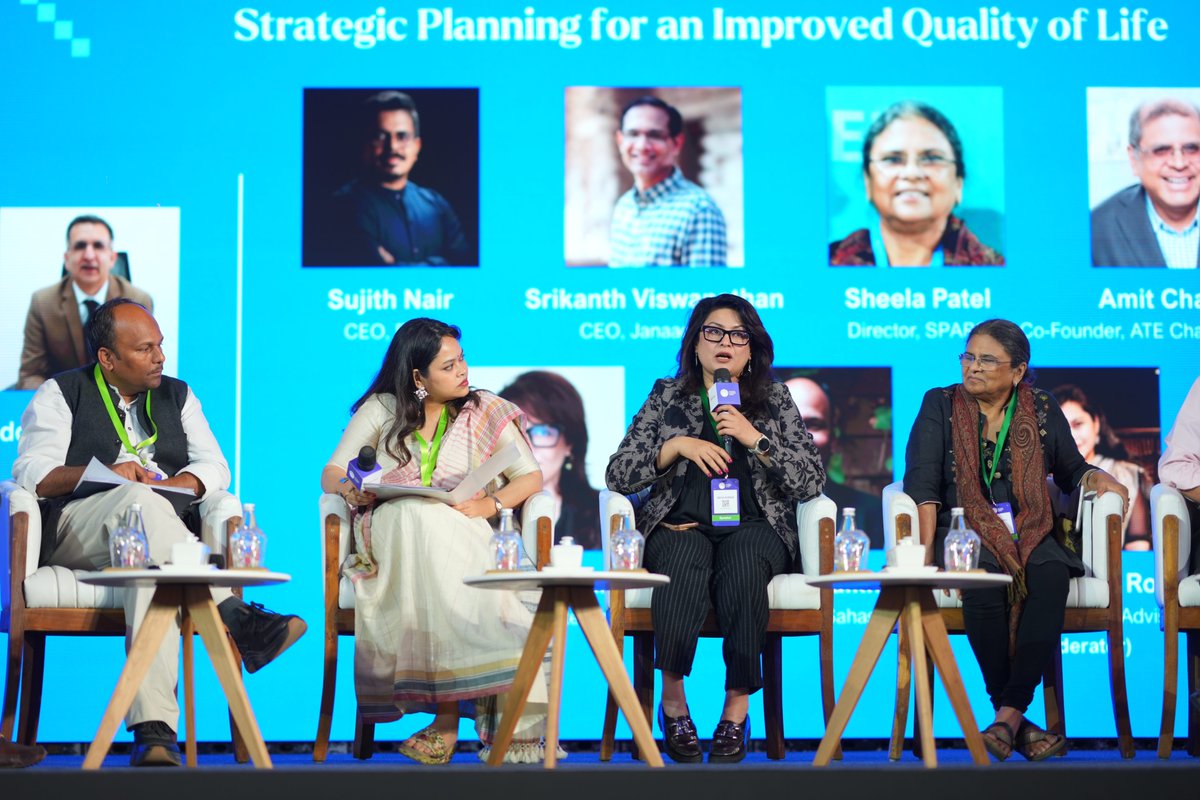
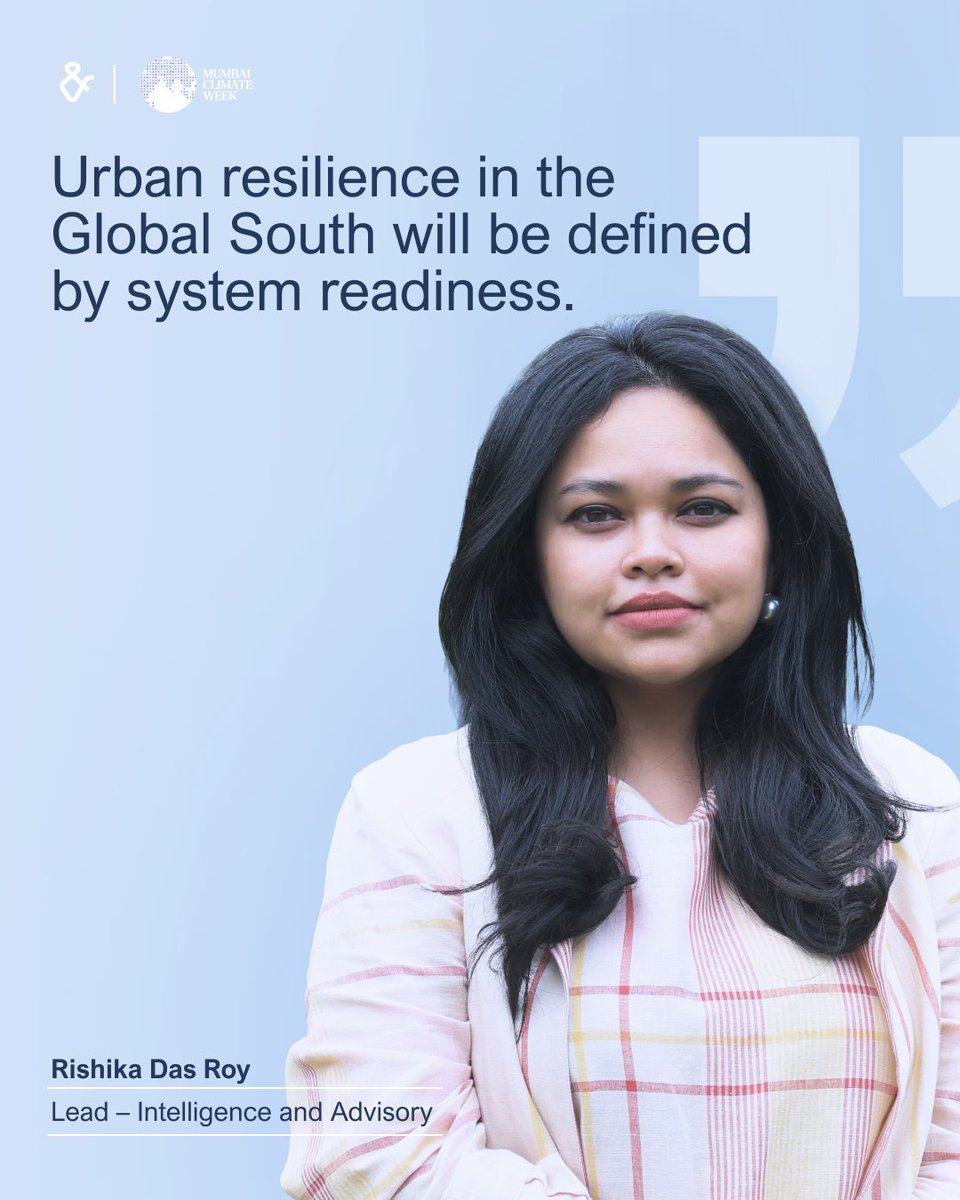
Siddharth Sharma (Tata Trusts), Amit Chandra (A.T.E. Chandra Foundation (ATECF)), Ashif Shaikh (YUVA), Neha Kumar (Climate Bonds Initiative), Sheela Patel (SPARC), Srikanth Viswanathan (BPAC), sujith nair (FIDE), and Rishika Das Roy (India Climate Collaborative) in the “Building Liveable Cities – Strategic Planning for an Improved Quality of Life” session explored the idea that liveability is the institutional expression of climate resilience. The discussion began by reframing climate risk as a daily systems reality shaping how cities function. From informal settlements that sit outside formal planning frameworks to migrant workers whose labour sustains urban economies yet whose exposure to heat and precarity rarely informs policy priorities, the conversation surfaced how vulnerability often remains invisible within current governance systems. The moment that anchored the conversation was the recognition that when governance systems align, liveability becomes something cities are designed to sustain, not something they attempt to repair after a crisis. Deep dive into this and other conversations on urban resilience, as seen at Mumbai Climate Week 2026, here: tinyurl.com/mr2fpp2m @Mumbai_Climate
India Climate Collaborative tweet mediaIndia Climate Collaborative tweet mediaIndia Climate Collaborative tweet media
English
0
0
0
81
India Climate Collaborative
India Climate Collaborative@IndiaClimCollab·
At Mumbai Climate Week 2026, the session “Nature, Food, & People: Resilient Pathways for the Global South” explored a critical paradox of how those who feed the world remain among its most vulnerable. Smallholder producers grow nearly 75% of the world’s food and nourish billions, and they still are often the least equipped to absorb compounding climate and economic risks. The discussion framed food systems as a question of production and an interconnected system, as well as both victims and contributors to the climate crisis, driving environmental degradation, biodiversity loss, and accounting for ~21% of global greenhouse gas emissions. Bharat Kakde (BAIF), Cynthia McCaffrey (UNICEF), Manoj Kumar (Naandi Foundation), David Kennedy (SBTi), Shloka Nath (Moderator) highlighted pathways already taking shape and the conversation converged on a shared understanding of resilient food systems requiring diversification, collective ownership, patient capital, and policies grounded in the principles of Protect, Empower, and Renew. Read more at: tinyurl.com/bdsxut9s @Mumbai_Climate
India Climate Collaborative tweet media
English
0
0
0
44
India Climate Collaborative
India Climate Collaborative@IndiaClimCollab·
In a fireside conversation between Shloka Nath (India Climate Collaborative) and Secretary @HillaryClinton, the discussion moved beyond climate ambition to what leadership actually requires in a moment when climate risk, inequality, and geopolitical uncertainty are converging. Secretary Clinton reflected on how dialogue, networks, and partnerships are meaningful only when they translate into real commitments across climate, health, gender equity, and economic opportunity. The conversation also acknowledged the growing leadership of the Global South in shaping climate and development agendas, even as structural barriers in finance, trade, and geopolitics continue to shape what is possible. A just climate transition, she noted, cannot ask countries to choose between development and decarbonisation. The two must move together. For philanthropy, her clarion call was for a shift from traditional grantmaking toward catalytic capital and systems change, helping unlock solutions that governments and markets cannot enable alone. The conversation closed on a quiet alignment of how leadership, especially in moments of global change, is sustained by persistence, community, and the willingness to stay engaged for the long arc of change. To read more, visit tinyurl.com/45v6knna @Mumbai_Climate | @ClintonGlobal
India Climate Collaborative tweet mediaIndia Climate Collaborative tweet mediaIndia Climate Collaborative tweet media
English

0
0
0
40
India Climate Collaborative
India Climate Collaborative@IndiaClimCollab·
In the latest #ICCNewsletter, we bring expert voices from @WRIIndia, @CSTEP_India and Momentum Shifts, to examine how urban resilience, energy transitions and food systems converge in dense, living systems like cities. Their insights remind us that resilience is choreography, between governance and finance, between data and design, between communities and capital. We also reflect on the India Climate Gathering, Mumbai Climate Week and the moments that felt like a quiet turning of the tide. From Delhi Climate Innovation Week to SCALE – Solving for Climate Action by Leveraging the Ecosystem, there is a growing recognition that climate is a condition shaping everything else. The question is beyond whether cities will adapt, it is about how, and for whom. Additionally, we surface curated solutions across food, urban systems, and energy diversification. We offer them not as silver bullets, but as practical pathways within a systems transition already underway. The work is iterative. It is imperfect. It requires unusual coalitions. But it is moving. Read more at tinyurl.com/28ftu58s
India Climate Collaborative tweet media
English
0
1
3
254
India Climate Collaborative
India Climate Collaborative@IndiaClimCollab·
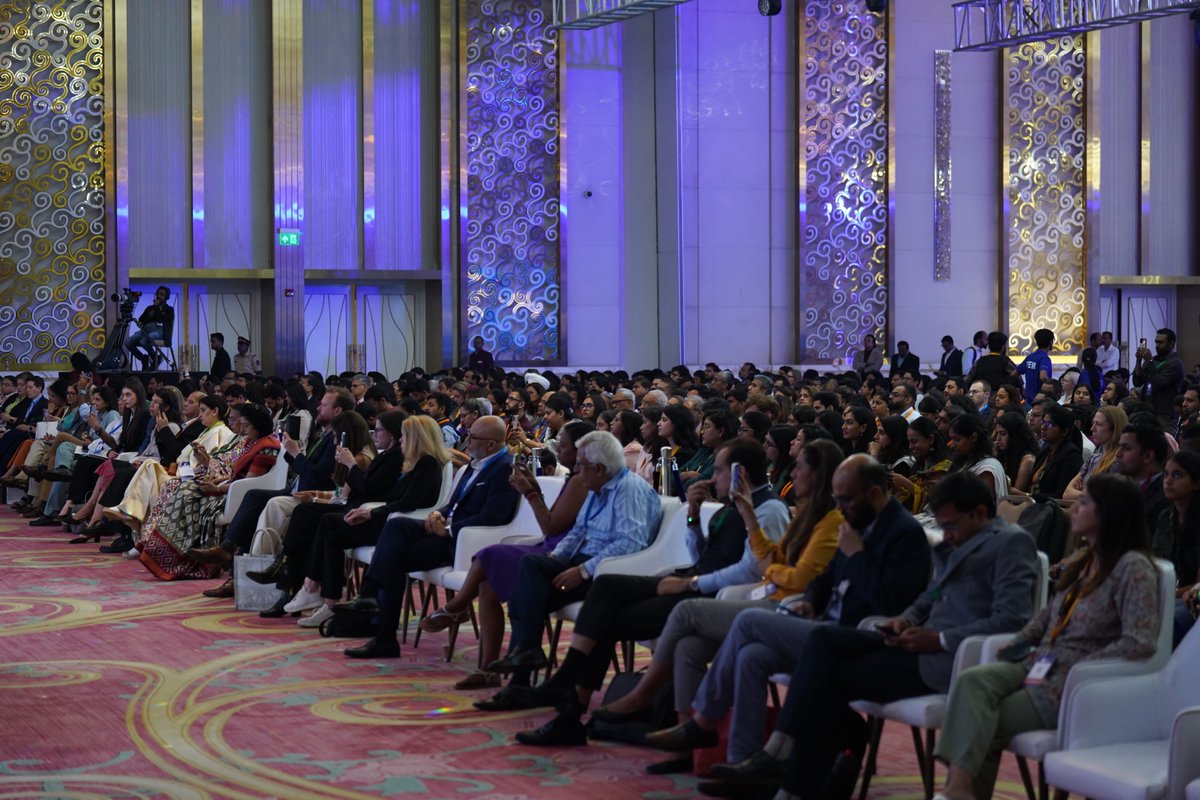
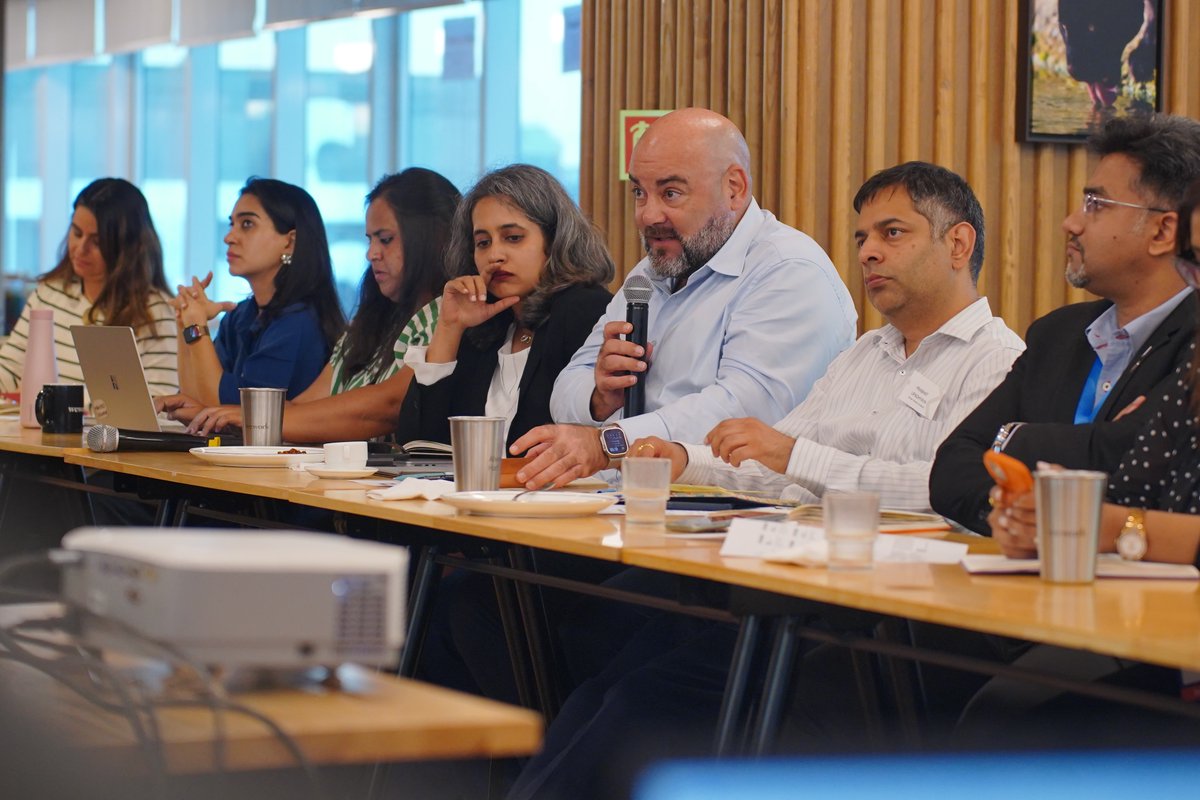
At Mumbai Climate Week, the India Climate Collaborative convened a timely roundtable: "After COP30 — What Next?: A Multi-Stakeholder Dialogue on Priorities for India & the Global South." Distinguished leaders from civil society, philanthropy, business, and global institutions came together to reflect on what COP30 achieved — and, more importantly, what it set in motion. The discussion examined the evolving role of non-state actors at global platforms, not merely as observers, but as shapers of outcomes; and explored how global engagement can translate into tangible acceleration of climate action across India and the Global South. We were honoured to have the COP30 Presidency join the session, underscoring how COP30 marked a meaningful shift toward closer alignment between state and non-state actors. @bruna_cerqueira, Director of the COP30 Action Agenda expressed, “At COP30, Countries agreed to decisively transition to an era of implementation in the Paris Agreement. Under the leadership of the Climate High Level Champions, the Global Climate Action Agenda of COPs brings together over 480 coalitions of Countries, subnational governments, businesses, investors and civil society who are willing to act. India and the Global South are hubs of solutions that make sense for better productivity, development and better lives as we all face climate change. We want to bring these solutions to the global stage and work together to enable speed and scale.” @Cop30noBrasil
India Climate Collaborative tweet mediaIndia Climate Collaborative tweet mediaIndia Climate Collaborative tweet mediaIndia Climate Collaborative tweet media
English
0
0
2
144
India Climate Collaborative retweetledi
Tata Trusts
Tata Trusts@tatatrusts·
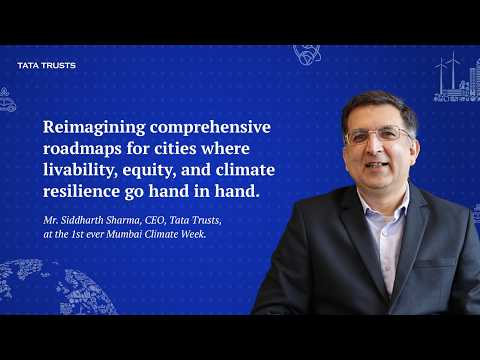
In his keynote address at the first ever Mumbai Climate Week, Mr. Siddharth Sharma, CEO, Tata Trusts, emphasises the importance of the choices we make every day. With rapid urbanisation, our streets, homes, public spaces, and infrastructure will determine how well our cities can withstand heat, pollution, and climate risks, while remaining inclusive and liveable for all. He calls for practical, people-first solutions that integrate equity, safety, and resilience into city planning, turning climate challenges into shared opportunities for healthier, more vibrant communities. To hear him delve deeper into his vision for cities that protect both people and the planet, watch: youtu.be/0uOqqeTradE @Mumbai_Climate @IndiaClimCollab #MumbaiClimateWeek #ClimateAction #InclusiveGrowth #Development #MakingAnImpact #TataTrusts
YouTube video
YouTube
English
2
7
13
353
India Climate Collaborative
India Climate Collaborative@IndiaClimCollab·
Climate is not waiting outside the door. It is already in our fields, our balance sheets, our cities, our lungs. It is shaping risk before we finish debating it. At @Mumbai_Climate, that recognition turns into collaboration. Governments, capital, businesses, and civil society are sitting at the same table to design alignment. ICC is proud to help convene this shift, where urgency pulls us into the same space, and hope begins in the act of showing up.
India Climate Collaborative tweet media
English
0
0
2
68
India Climate Collaborative
India Climate Collaborative@IndiaClimCollab·
A resilient city is one where systems hold before people break. At #MumbaiClimateWeek, the conversation on heat is about governance, cities, housing, public health, finance, and livelihoods. ICC is grateful to have served on the steering committee and to help shape what India’s first Climate Week represents. It reflects cross-sector collaboration, systems-led thinking, and a shared commitment to strengthening resilience at scale. More than a convening, it signals a field coming together with clarity of purpose and the optimism to act. #UrbanResilience, @Mumbai_Climate, #MaharashtraDGIPR, #BrihanmumbaiMunicipalCorporation #MajhiVasundhara, #ProjectMumbai,  #MonitorDeloitte
India Climate Collaborative tweet media
English
0
0
2
76
India Climate Collaborative
India Climate Collaborative@IndiaClimCollab·
Day 2 at Mumbai Climate Week: Climate leadership is about systems that endure. This shows in the cities that plan ahead, capital that strengthens resilience, and food systems that restore more than they deplete. Today, ICC convenes leaders across future cities, global climate leadership, food systems finance, climate-smart innovation, and community-led regeneration to move forward in concert and for irreversible change to become the norm. If you’re at MCW, come say hello, and follow us as the conversations continue to unfold. @Mumbai_Climate, H T Parekh Foundation, #ProjectMumbai, #MaharashtraDGIPR #BrihanmumbaiMunicipalCorporation #MajhiVasundhara
India Climate Collaborative tweet media
English
0
0
2
46
India Climate Collaborative retweetledi
Mumbai Climate Week
Mumbai Climate Week@Mumbai_Climate·
From resilient pathways in the Global South to the future of urban nature, Shloka Nath joins MCW to anchor critical conversations on systemic climate action. Don't miss these expert-led conversations. 📍 Day 1 & Day 2 | February 17–18 Register now! events.godreamcast.com/mcw/delegate
Mumbai Climate Week tweet media
English
0
3
3
172
India Climate Collaborative
India Climate Collaborative@IndiaClimCollab·
It’s official! The Earthshot Prize is heading to Mumbai, India, for the 2026 Summit and Awards. The  @EarthshotPrize is the world’s most prestigious and impactful award designed to identify, back and celebrate groundbreaking leadership in environmental action within this decade. As we move further into the Earthshot decade, India’s role is decisive. With one of the world’s largest youth populations and a fast-moving innovation ecosystem, India has the ability not only to imagine climate solutions but to prove them at scale. The Earthshot Prize will be there to spotlight that leadership, as well as to celebrate the Finalists and Winners of The Earthshot Prize 2026. Discover more: earthshotprize.org #EarthshotMumbai
India Climate Collaborative tweet media
English
2
19
139
1.5K
India Climate Collaborative
India Climate Collaborative@IndiaClimCollab·
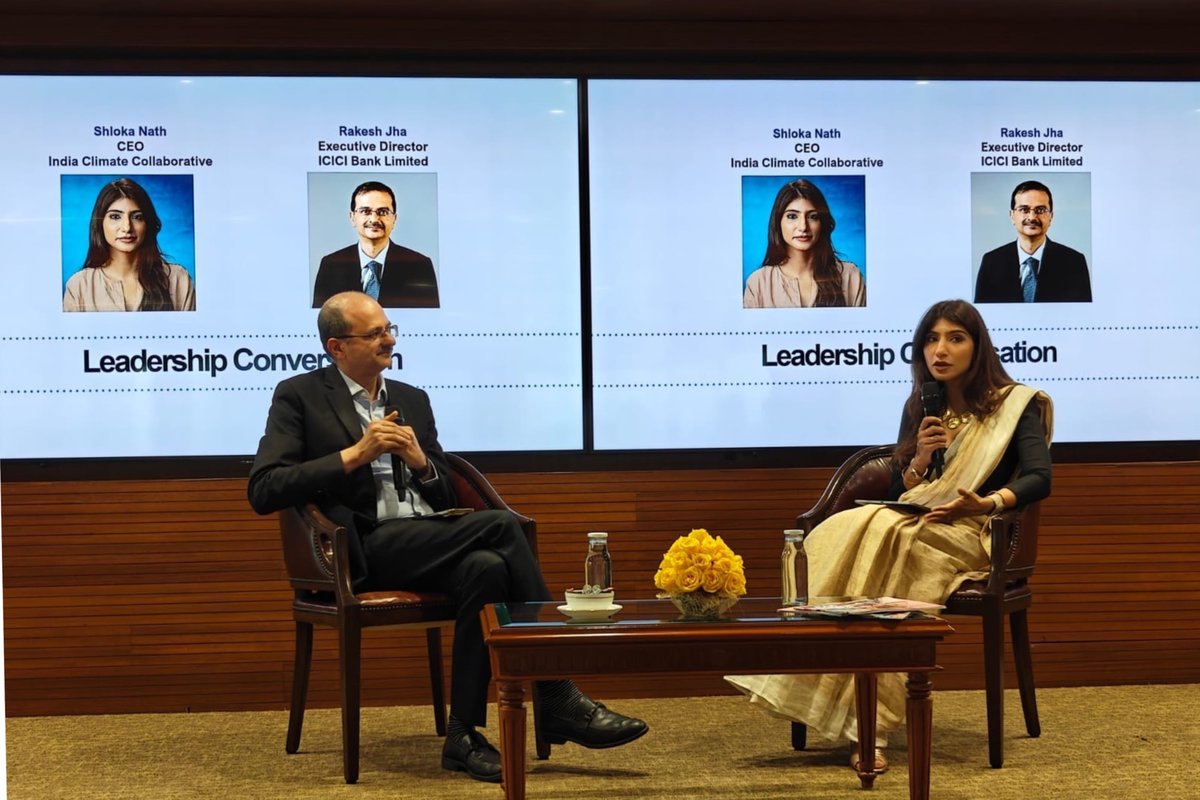
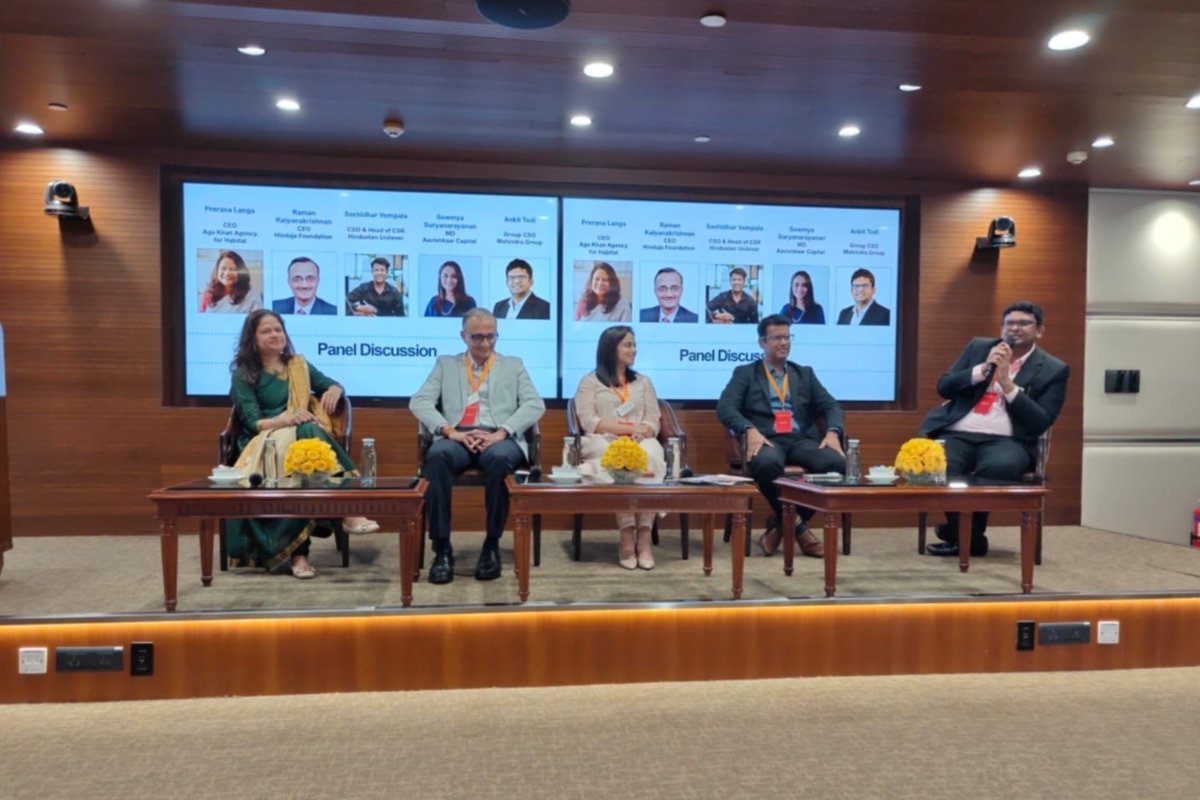
Climate determines whether development investments endure. At the CSR & Climate: Catalytic Capital for a Resilient India convening in Mumbai, CSR heads, sustainability leaders, foundations, and ecosystem partners from ICICI Bank, Mahindra Group, Hinduja Foundation, Aavishkar Capital, Hindustan Unilever, Aga Khan Agency for Habitat, and India Climate Collaborative gathered to reflect on a critical question: "Are we financing development, or are we financing recovery?" At the convening, CSR and Climate Action: Catalytic Capital for a Resilient India, a thought leadership piece co-developed by @MahindraRise and India Climate Collaborative, with support from @JSWFoundation was launched. The report outlines practical pathways to fund climate action, adopt a climate-first lens, and embed resilience across CSR portfolios to safeguard long-term development outcomes. Download the report here: tinyurl.com/5bmbjtf5 #CSR #ClimateAction #ClimateFinance #Resilience #IndiaClimate
India Climate Collaborative tweet mediaIndia Climate Collaborative tweet mediaIndia Climate Collaborative tweet mediaIndia Climate Collaborative tweet media
English
1
0
1
88