
AviatorMD retweetledi
AviatorMD
47.6K posts

AviatorMD
@IndianaBonezz
MD in the Miz | work in progress | chase a bag, dont worry about what I’m doing
Douglas, Isle of Man Katılım Nisan 2012
4.7K Takip Edilen4.3K Takipçiler

AviatorMD retweetledi
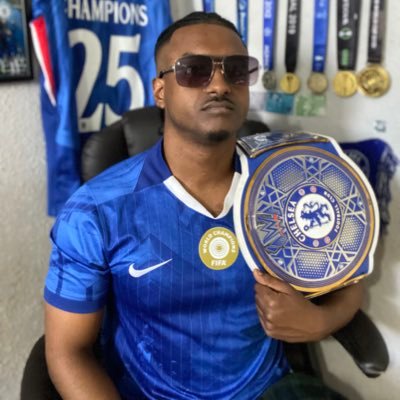
If Moises Caicedo made the tackle Havertz did there would be a 6 match ban, a court date and a 30min Sky Sports segment on the increase of violence in football.
English
AviatorMD retweetledi

AviatorMD retweetledi

HOT TAKE: The 2016 Cavs ring is the most respected championship in NBA history and it’s not even close.
Down 3-1 to the 73-9 Warriors.
On the road. Ended 52 years of Cleveland pain.
This one built different.

English
AviatorMD retweetledi

After Mourinho defeats Hansi Flick to the title next season, fans are going to call for the return of Guardiola which will set up the final battle between Good and Evil. Good here being Mourinho
David Ornstein@David_Ornstein
🚨 Pep Guardiola to leave position as Manchester City manager at end of this season. 55yo Spaniard departing after trophy-laden decade & set to be replaced by Enzo Maresca. No official confirmation yet from #MCFC. W/ @SamLee @TheAthleticFC after @MailSport nytimes.com/athletic/62693…
English
AviatorMD retweetledi
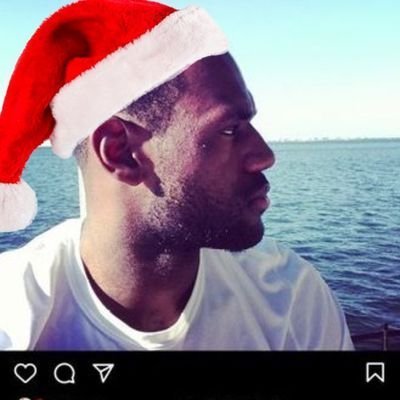
hey @KingJames we gotta get out of this conference big bro
NOW
English
AviatorMD retweetledi

17 year old Wemby fouling out during the FIBA U19 World Cup Final vs. USA with 2:42 remaining in the 4th
Final - USA 83, France 81
Wemby: 22 points, 8 rebounds, 8 blocks
Chet: 10 points and won MVP
This is where it all started
English
AviatorMD retweetledi

AviatorMD retweetledi

Nokia could have invented the iPhone. Three years before Apple did, a Nokia engineer walked into a meeting in Finland with a working prototype: a touchscreen phone with full internet access. Management killed it. The device looked too expensive and too risky to sell. The same year, Nokia also rejected a proposal for an online app store. Apple would launch the same idea four years later.
In 2007, Nokia controlled 40% of the world's mobile phone market and was worth more than $150 billion. By 2013, it had sold its phone business to Microsoft for $7.2 billion. The company that defined the cell phone became irrelevant in less time than it takes most kids to finish high school.
In 2016, two professors from INSEAD and Aalto University spent years interviewing 76 Nokia executives, engineers, and consultants for a research paper. Their conclusion: nobody at the company could have an uncomfortable conversation.
Senior leaders were described as "extremely temperamental." One consultant remembered then-CEO Jorma Ollila shouting at people "at the top of his lungs" in front of fifteen other vice presidents. Middle managers learned the rules fast. Bad news got you fired, so they stopped delivering it.
The engineers knew Nokia's operating system could not compete with what Apple was building for the iPhone. One design team submitted 500 separate proposals to fix it between 2001 and 2009. Not a single one got approved. When a middle manager once suggested that a colleague push back against a top executive, the colleague refused. He "didn't have the courage; he had a family and small children."
The top managers were also afraid, just of different things. They worried about looking weak to investors. So they publicly defended the old operating system while privately knowing it was dying. The middle managers heard the demand for optimism and supplied it. For four years, the people who knew the company was sinking could not get that message to the people who could do something about it.
Researchers call this shoot-the-messenger culture. It shows up in cockpit recordings before plane crashes, in hospital records before preventable deaths, and in the investigations of the 2008 financial crisis. The cost of avoiding a difficult conversation is always paid later, with interest.
Nokia's case is unusual because the math is so clean: the silence cost roughly $143 billion in market value and an entire company. The discomfort would have cost a few bad meetings.
Pengu@Penguxn
if you think uncomfortable conversations are hard wait until you see the results of not having them
English
AviatorMD retweetledi

AviatorMD retweetledi

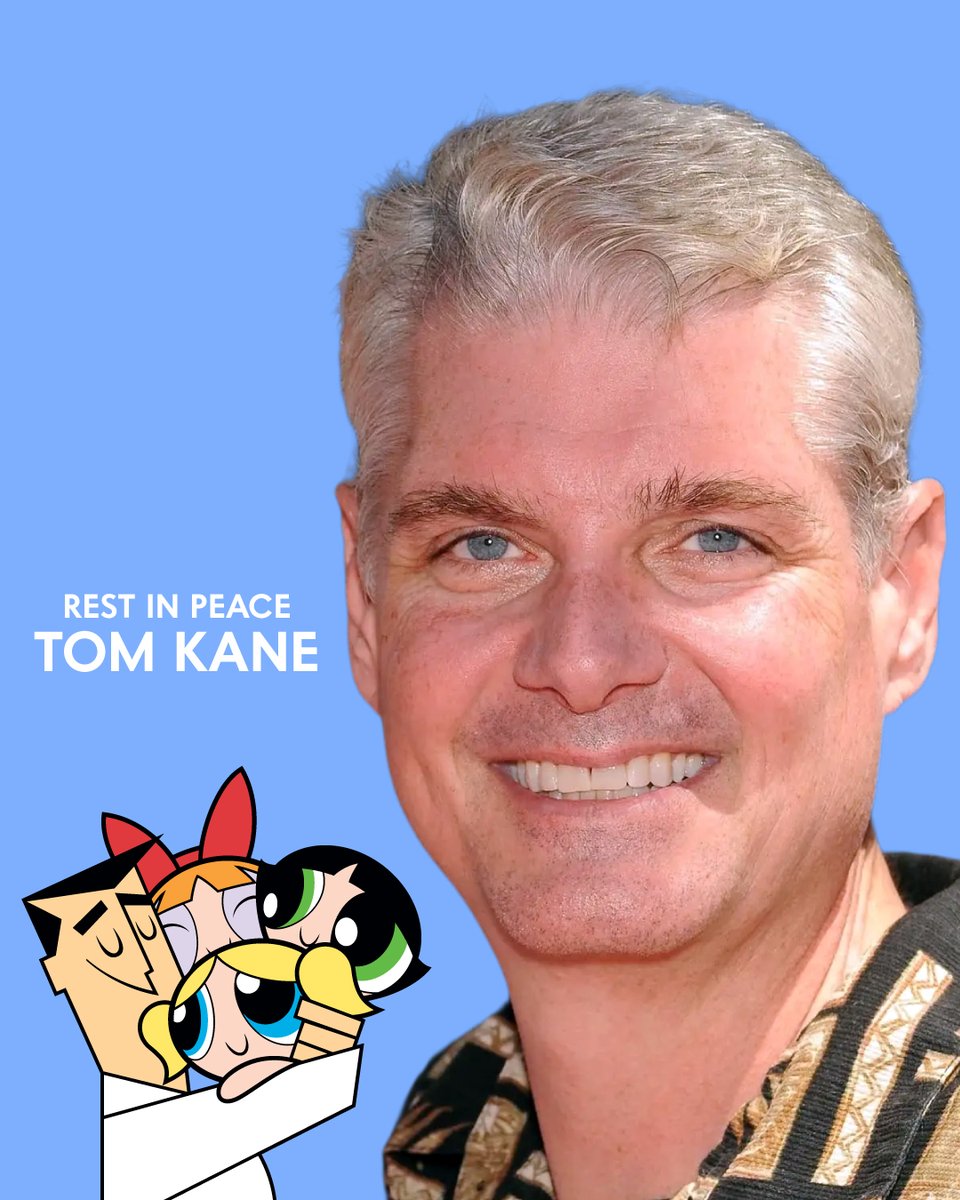
Rest in peace, Professor ❤️ Thank you, Tom Kane, for lending your voice to the father of three perfect little girls and bringing The Force to millions of fans. You'll live on in our childhood memories forever.
English
AviatorMD retweetledi
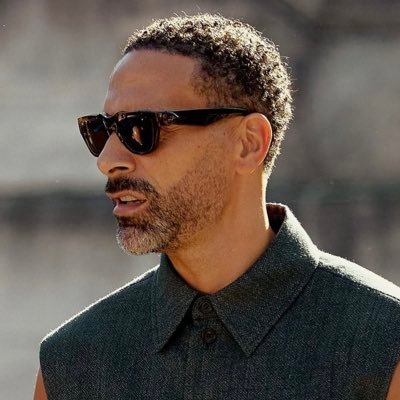
The streets in Brasil right now!!!
Neymar is back 🇧🇷👏🏽
English
AviatorMD retweetledi


AviatorMD retweetledi

AviatorMD retweetledi
AviatorMD retweetledi



AviatorMD retweetledi

BRUNO FERNANDES EQUALS THE PREMIER LEAGUE ASSIST RECORD.
English
AviatorMD retweetledi
AviatorMD retweetledi
AviatorMD retweetledi

