
Sabitlenmiş Tweet
Juicy
1.2K posts


Juicy
@InfiniteJuicy
Banter, stocks and sports. Trying to make it out the hood (my parents' basement). $OSCR $LMND $OKLO
New York, NY Katılım Aralık 2025
1.2K Takip Edilen310 Takipçiler

@Polymarket Doesn’t seem like the Iranian missiles or drones are depleted. Seems like this will go on for some time
English

BREAKING: The Pentagon reportedly about to ask Congress for ~$50 billion in extra funds for the special military operation in Iran.
English
@SpencerHakimian Propaganda news network. They think we don’t have eyes, we’ve seen what’s been happening over the last couple of years
English
@disclosetv These people can’t rebuild Detroit and now they want to rebuild Gaza. What a joke and a slap in the face to the American people
English

NOW – Jared Kushner shows a presentation video outlining the Gaza framework for its "rebirth," with Rafah fully rebuilt by year 3 and Gaza self-governed by year 10.
English
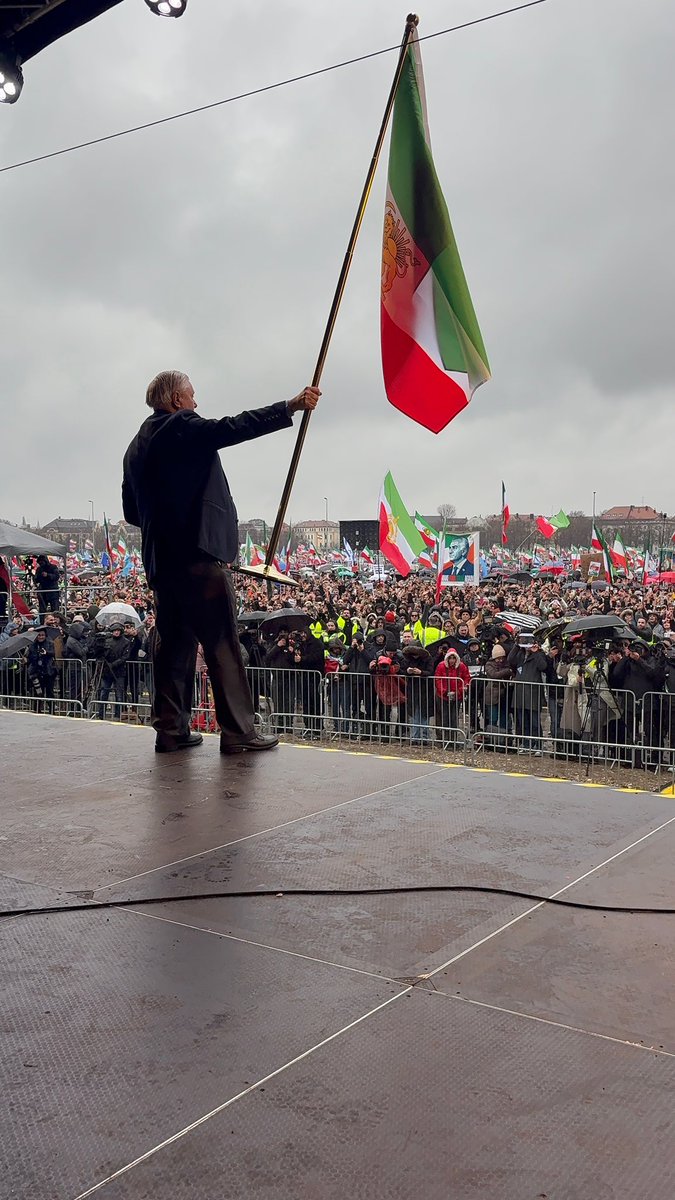
I was incredibly honored to be able to speak in Munich, Germany at a rally of 250,000 supporting the brave Iranian people. Being in the company of so many demanding freedom and justice was inspiring and one of the highlights of my life.
I have chosen the Iranian people over the ayatollah. I believe they could be good allies of the United States and would march the region toward the light.
I believe the ayatollah is a religious Nazi, who would keep the region and the world in turmoil. He's a religious fanatic who wants to purify Islam, destroy the Jewish people and come after the United States, which he refers to as the Great Satan.
2026 is the time of choosing. I've chosen the brave Iranian people over their oppressor. I do believe help is on the way.
English
Biden and the Democrats mass imported the most violent criminal gangs on earth into our cities.
US Attorney SDNY@SDNYnews
“Tren De Aragua (TDA) is in the business of murder, sex trafficking, and intimidation and they brought that business to New York. Today, we charged 27 TDA associates, each here illegally, furthering our commitment to bankrupt TDA and bring its members to justice,” said U.S. Attorney Jay Clayton. justice.gov/usao-sdny/pr/2…
English

🚨#BREAKING: The United States military is actively preparing for the possibility of a prolonged, sustained military campaign against Iran that could last several weeks if President Donald Trump ultimately orders a strike, according to senior officials
English
English

.@RepRoKhanna and @RepThomasMassie forced the unmasking of completely random people selected years ago for an FBI lineup- men and women. These individuals have NOTHING to do with Epstein or Maxwell.
Rep. Ro Khanna@RepRoKhanna
.@RepThomasMassie and I forced last night the DOJ to disclose the identities of 6 men: Salvatore Nuara, Zurab Mikeladze, Leonic Leonov, Nicola Caputo, Sultan Ahmed Bin Sulayem, and billionaire businessman Leslie Wexner. I share details of what more we learned to hold the Epstein class accountable.
English
@Polymarket At what point is this treason and bribery? When do the public executions start?
English
BREAKING: It's been revealed Senator Jon Husted took over $100,000 from Epstein co-conspirator Les Wexner — accepting "donations" months before voting to block the Epstein Files.
English
@AdameMedia This guy got elected to just stroke out on the floor an simp for a foreign nation. Coward
English

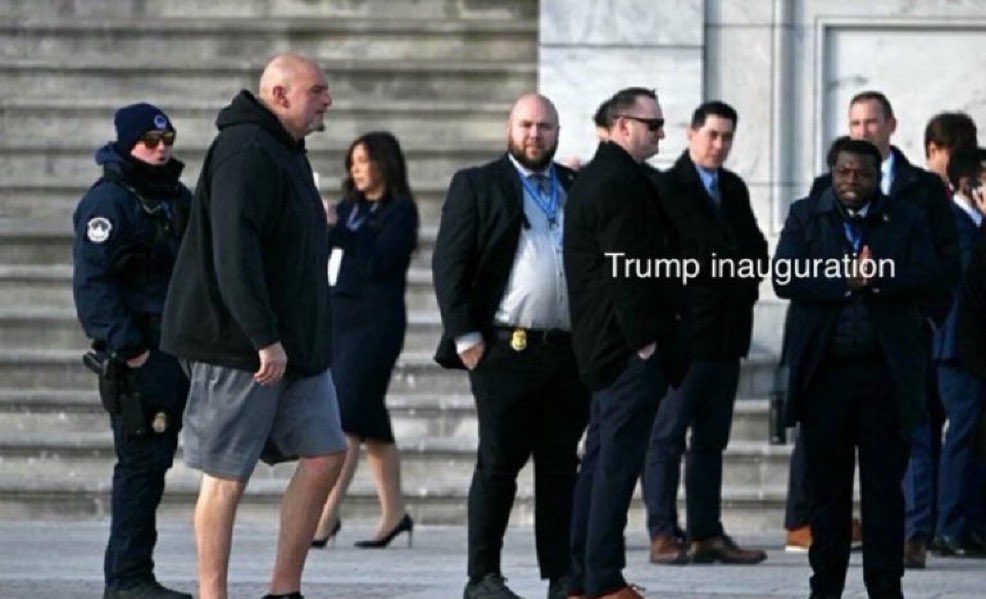


❌Florida’s Randy Fine 𝘄𝗮𝘀 𝗰𝗮𝘂𝗴𝗵𝘁 𝘃𝗼𝘁𝗶𝗻𝗴 𝗶𝗹𝗹𝗲𝗴𝗮𝗹𝗹𝘆 𝗼𝗻 𝗯𝗲𝗵𝗮𝗹𝗳 𝗼𝗳 𝗼𝘁𝗵𝗲𝗿 𝗺𝗲𝗺𝗯𝗲𝗿𝘀 during a bill outlawing Israel boycotts.
How corrupt does it get?
English
@guychristensen_ He’s comprised, you can just tell in the way he’s acting in the video. 🤡
English

Reminder that Gavin Newsom is a fucking pathetic Zionist
YourFavoriteGuy@guychristensen_
Zionist Dem leader Gavin Newsom struggles to speak after podcast host brings up AIPAC. He repeats “it’s interesting” 10x and claims nobody has brought up the foreign influence operation in years 4x while failing to say anything more when asked.
English

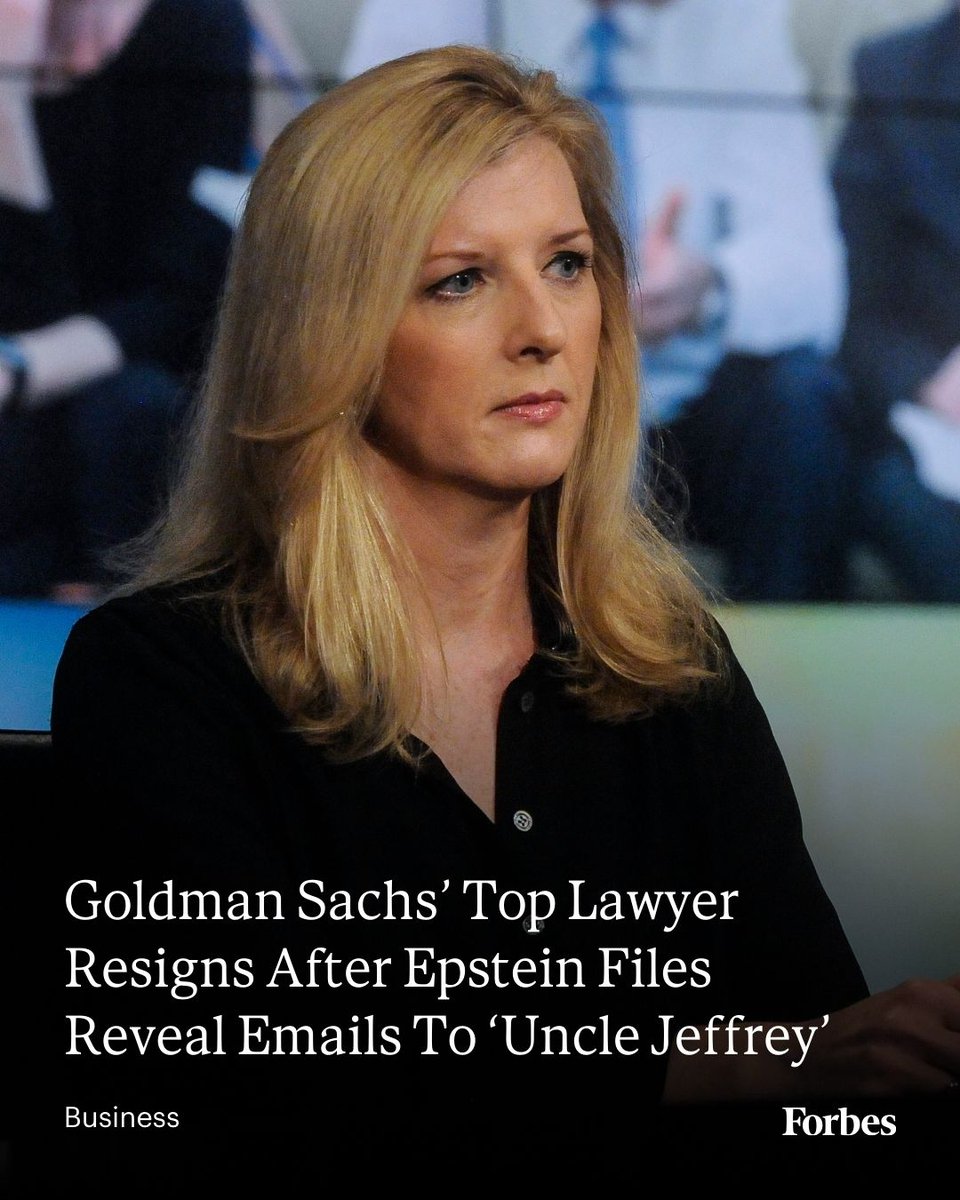
The latest Epstein files dump included multiple email conversations spanning several years in which Goldman Sachs' top lawyer Kathryn Ruemmler referred to Epstein as “Uncle Jeffrey.” forbes.com/sites/siladity… (Photo: William B. Plowman/NBC/NBC Newswire/NBCUniversal via Getty Images)
English
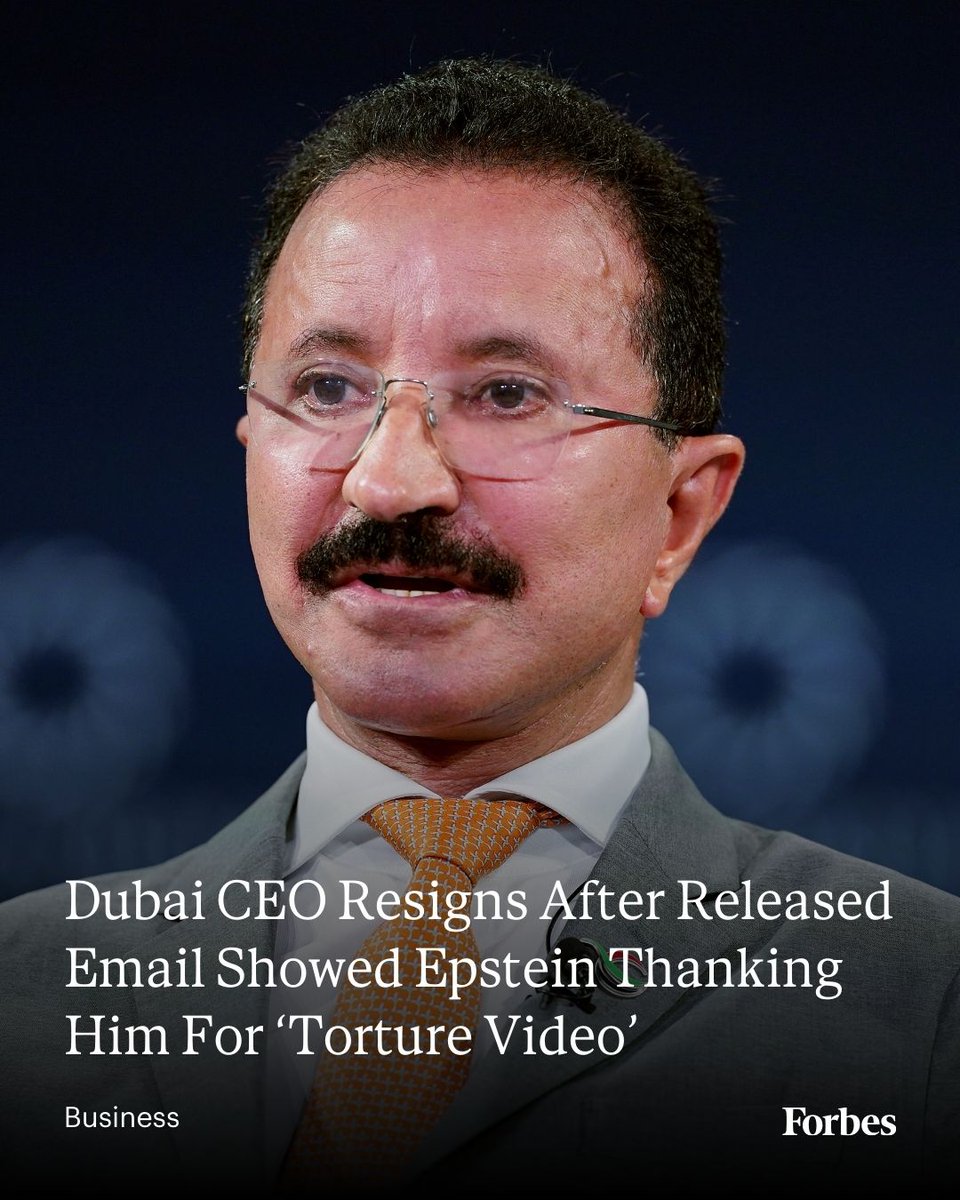
Billionaire Sultan Ahmed bin Sulayem resigns as DP World CEO after being named in Epstein files. forbes.com/sites/mikestun… (Photo: Leigh Vogel via Getty Images for Concordia Summit)
English
@RepThomasMassie @RepRoKhanna @RepThomasMassie and @RepRoKhanna are doing great work and we need more politicians like them
Republicans and Democrats joining together to put the interest of the country first and protecting the American people. God bless
English

DOJ redacted information necessary to identify who sent Epstein the “torture video email.”
@RepRoKhanna and I first discovered his name and released it Monday.
Today he resigns.
The Wall Street Journal@WSJ
DP World Chairman and Chief Executive Sultan Ahmed Bin Sulayem resigned from the Dubai-based global ports operator after documents released by the Justice Department showed he had ties to Jeffrey Epstein on.wsj.com/4ccrwGv
English
@benwfreeman1 You literally have a Kalshi logo next to your username. Basically sponsored to write this clown. People like this are the enemy of the people
English

“Hedging, not betting on sports via prediction markets”
Tarek lays out a very real hedging use case for sports prediction markets that is happening today on Kalshi.
Free markets incentivize competition which drives down prices, and that is what Kalshi is doing here to by offering better hedging prices than Lloyd’s OTC offerings, for example.
While no one is likely using Kalshi as their insurer for fires or hurricanes YET, this real example of bypassing the traditional insurance model and using a market-based exchange to hedge risk shows that these innovative financial products, prediction markets, can offer something that disrupts a trillion-dollar industry.
Sure, the entrenched interests (e.g. the insurers or insurance brokers) won’t like it, but this is what free markets do. They invite competition which creates a better experience for consumers.
I’m a firm believer in free markets, prediction markets, and Kalshi.
Tarek Mansour@mansourtarek_
On sports hedging. The sports insurance and re-insurance industry is big: the annual market is around $9 billion and is projected to double by 2030. There are a variety of insurance products including brand sponsorships, game cancellations, team/player performance, off player compensation, and more. We just announced a partnership with sports insurance broker Game Point Capital. Game point capital issues hundreds of millions in sports insurance per year. Their most popular product is team and player performance bonus insurance: sports teams often structure large payouts to coaches and players that get triggered if they achieve certain milestones (winning championship, making the playoffs, scoring records, etc.). The bill is often large and teams smooth out their finances by hedging it. Game Point hedged for two different teams against performance bonuses on basketball with Kalshi last week: 1. One is a hedge for a bonus if the team makes the post-season (Kalshi price=6%, OTC price ~ 12-13%) 2. One is a hedge for a bonus if the team advances to the second round (price= 2%, OTC price ~7-8%). Why did they do this on Kalshi? Insurers like Game Point need to offload the risk they take on somewhere else. Typically, they go to traditional re-insurance companies like Lloyd's of London, which is Over-the-counter (OTC): you negotiate price and terms 1:1 with them (instead of an open/competitive market). Like in all OTC markets, the issue is the re-insurers are restrictive in what risks they take: they like to avoid volatile, higher risk contracts, so they offer prices that are opaque and prohibitively high. Exchanges are a better alternative because they expand liquidity and bring competition: multiple counterparties compete in an open marketplace to improve the price. Exchanges are harder to build than OTC because they need to have enough liquidity. Over the past year, we’ve massively increased the liquidity on our sports markets. During the Super Bowl, Kalshi could have processed a $22 million trade without moving the price meaningfully. At this level of liquidity, Kalshi is now very attractive for Game Point and other similar companies: there’s more liquidity available, it's cheaper, and the price is more transparent. We expect to process tens of millions in similar hedges from Game Point alone in the coming months. Onwards.
English
@Trident_DFS Conveniently the sports bettor doesn’t get compensated, they just eat the losses. But these scumbags get away with theft and a slap on the wrist fine
English

As a sports bettor who’s been affected by this, where’s my cut?
Shams Charania@ShamsCharania
The NBA has fined the Utah Jazz $500,000 and the Indiana Pacers $100,000 related to the management of their rosters for recent games.
English
@LegionHoops @ShamsCharania @flasportsbuzz Such a disaster, none of these basketball players care, they play this sport with bs foul calls, get paid, dap each other up after the game, hangout together and go on about their lives
They do not care. Half the league is tanking and blatant corruption too
English

DEVELOPING: The NBA is discussing creating a tournament among lottery teams to determine draft order in order to stop tanking.
(via @ShamsCharania, h/t @flasportsbuzz)
English

Norway's former PM charged with gross corruption over Epstein links bbc.in/4tNMt0K
English