
Antarctic Heritage

4.2K posts

Antarctic Heritage banner
Antarctic Heritage

Antarctic Heritage

@InspireExplore

Our mission is to conserve, share and encourage the spirit of exploration.

New Zealand Katılım Nisan 2015
521 Takip Edilen3.8K Takipçiler
Antarctic Heritage
Antarctic Heritage@InspireExplore·
#OnThisDay in 1870, Herbert George Ponting was born. Ponting was a professional photographer and is best known as the expedition photographer and cinematographer for Captain Robert Falcon Scott’s 'Terra Nova' expedition 1910-1913. During his time on the ice, Ponting captured some of the most enduring images of the Heroic Age of Antarctic Exploration. Scott’s vision of taking Antarctica to the world was to be fulfilled beyond his wildest expectations. Through his skill, tenacity and adaptation to the Antarctic conditions, Ponting opened everyone’s eyes, providing lessons to members of the expedition so the standard of photographic work on their scientific field parties was second to none. He even had his very own darkroom in the 'Terra Nova' hut at Cape Evans on Ross Island. Ponting returned from the 'Terra Nova' expedition after the first year with a catalogue of over 1700 negatives and ca. 25,000 feet worth of film. His work moved beyond the bounds of travelogues or scenic imagery, it became the very forefront of polar wildlife documentary film-making. 📸 Photographer Herbert George Ponting (1870-1935) at work in the dark room of Scott's 'Terra Nova' hut, Antarctica, during the British Antarctic Expedition, 24 March 1911. Alexander Turnbull Library #inspire #explore #discover #conserve #Antarctica #RobertFalconScott #Scott #Ponting #capeevans
Antarctic Heritage tweet media
English
0
8
21
271
Antarctic Heritage
Antarctic Heritage@InspireExplore·
Join the New Zealand Antarctic Society for an unforgettable evening of exploration and storytelling. Alexander Hillary, grandson of legendary Kiwi explorer, Sir Edmund Hillary, took part in the Trust’s 2019 Inspiring Explorers Expedition™ to the Antarctic Peninsula, and will be a guest speaker at the Antarctic Film Festival in Wellington on March 23. Check out the New Zealand Antarctic Society website to book your ticket and see where else the film festival is heading across the North Island, New Zealand. Don’t miss it! 📸©AHT/Nigel Watson & ©AHT/Jaime Ward
Antarctic Heritage tweet media
English
0
1
5
122
Antarctic Heritage
Antarctic Heritage@InspireExplore·
#OnThisDay in 1889, Lionel Greenstreet, First Officer of Shackleton's Imperial Trans Antarctic 'Endurance' Expedition (1914-17) was born. He grew up in East Barnet, Hertfordshire and at around 15 years old, became a cadet on the training ship 'Worcester' where he passed certificates in Navigation and Seamanship. In August 1914, while on leave from duties with the New Zealand Shipping Company in Scotland, Greenstreet wrote to Frank Worsley, Captain of the 'Endurance' for a position on the expedition. As the First World War was starting, the original chief officer Douglas George Jeffrey, had left for active service. One day before Endurance sailed from Plymouth, Greenstreet received a short message from Worsley directing him to come meet him from whereby he was told to get his affairs in order and be ready to leave the next morning. Greenstreet played an important role in the expedition team's survival after 'Endurance' was abandoned and crushed by ice in the Weddell Sea. Worsley later gave extensive praise to Greenstreet for his efforts on the journey to Elephant Island, relieving Worsley at the tiller of 'Dudley Docker' and serving as a key rower for the boat. After the expedition, Greenstreet served in both world wars, held numerous positions, married and eventually retired in Brixham, Devon. Greenstreet was the final surviving member of the 'Endurance' expedition, he died in 1979. 📸 Public Domain, Photographed by David Knights-Whittome #inspire #explore #discover #conserve #Antarctica #Endurance #Shackleton
Antarctic Heritage tweet media
English
3
8
32
713
Antarctic Heritage
Antarctic Heritage@InspireExplore·
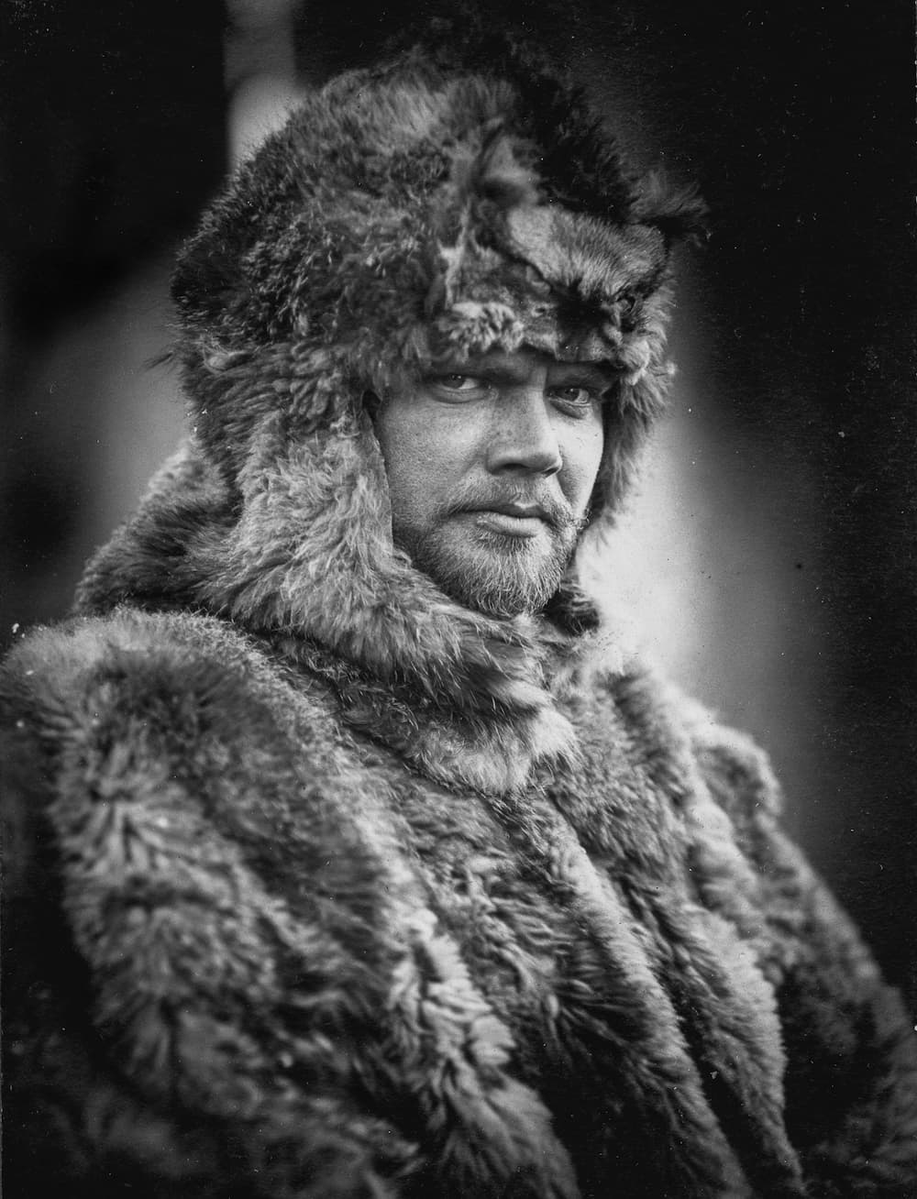
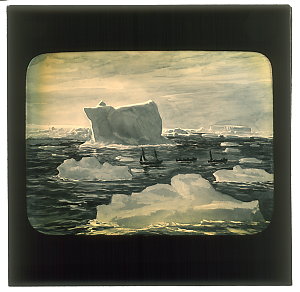
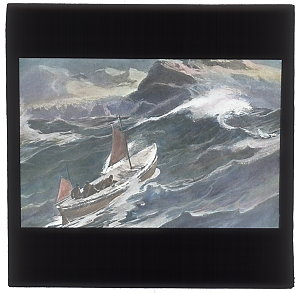
#OnThisDay in 1982 George Edward Marston was born in Southsea, Portsmouth, United Kingdom. Marston took part in two of Shackleton’s expeditions, the British Antarctic Expedition (Nimrod) of 1907-09 and the Imperial Trans-Antarctic Expedition (Endurance) of 1914-16, serving as the official artist on both and as a dog-team leader during the 'Endurance' expedition. Art had been a passion for Marston, leaving home in his teens and moving to London to study art at Putney School of Art and Regent Street Polytechnic. Marston was a qualified teacher and worked as a School Board Art Teacher prior to going to Antarctica. While in Antarctica, Marston contributed to the illustrations for two books during the ‘Nimrod’ expedition, ‘Aurora Australis’ where he contributed to the front cover and 10 illustrations and provided sketches and illustrations for ‘The Heart of the Atlantic.’ He also co-wrote ‘Antarctic Days’ with James Murray about the life on Antarctic explorers. During the ‘Endurance’ expedition, Marston continued to paint despite the ship being trapped and ultimately crushed by the ice, capturing scenes of the frozen Weddell Sea before the crew’s long ordeal on the ice and eventual rescue. Marston also sacrificed his oil pant to caulk the James Caird for their journey from Elephant Island to South Georgia. 📸1. Marston wearing a fur hat and matching fur coat. © Public domain 2. Shackleton's crew travel through the Weddell Sea in lifeboats after 'Endurance' sinks. © Mitchell Library, State Library of New South Wales. 3. James Caird at sea. © Mitchell Library, State Library of New South Wales. #OTD #inspire #explore #discover #conserve #Antarctica
Antarctic Heritage tweet mediaAntarctic Heritage tweet mediaAntarctic Heritage tweet media
English
0
2
26
337
Antarctic Heritage
Antarctic Heritage@InspireExplore·
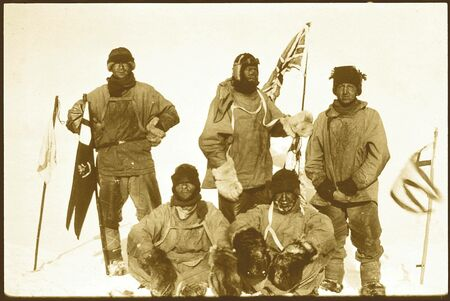
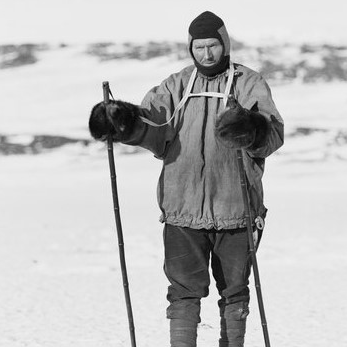
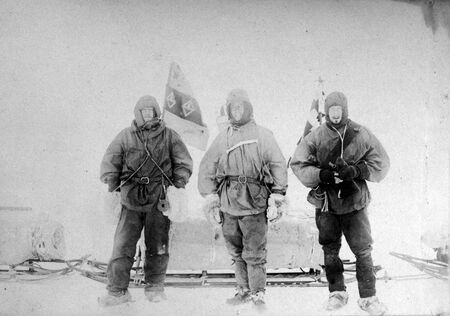
#OnThisDay in 1912, the remaining three members of Scott's Polar Party, British Antarctic 'Terra Nova' Expedition 1910-1913, made their final camp on their return from the South Pole. Captain Robert Falcon Scott, Lieutenant Henry Bowers and Dr Edward Wilson were just 11 miles from the next depot of food and fuel which would have saved them. Scott's diary entry on Monday 19 March, describes a dreadfully heavy sledge and -40-degree temperatures. Trapped by a blizzard, the men shared the little food they had left and waited. "Every day we have been ready to start for our depot 11 miles away, but outside the door of the tent it remains a scene of whirling drift..." - R. F. Scott, Thursday 29 March. Scott's Last Expedition © The Long Riders' Guild Press. 📸 Scott's Party on Reaching the South Pole 1912 © Antarctica New Zealand Pictorial Collection. #OTD #inspire #explore #discover #Antarctica
Antarctic Heritage tweet media
English
3
29
119
2.4K
Antarctic Heritage
Antarctic Heritage@InspireExplore·
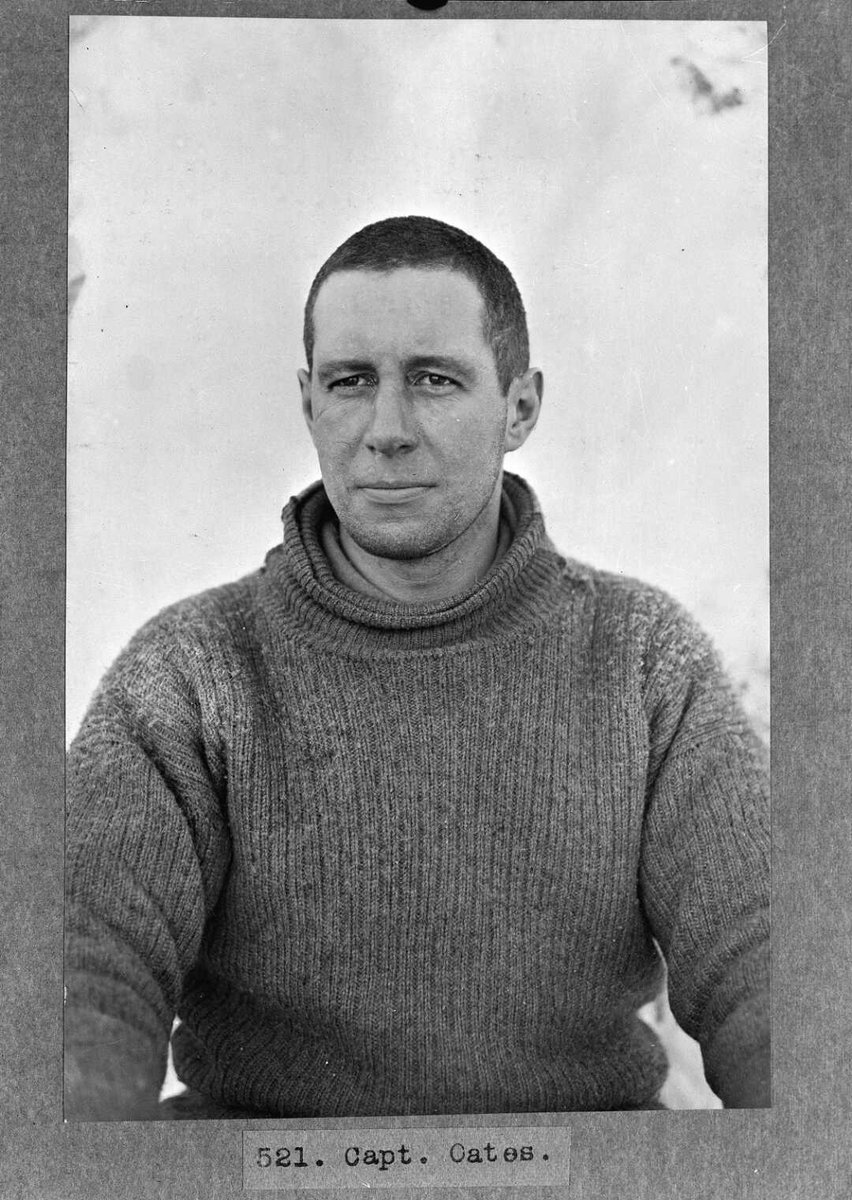
Born #OnThisDay in 1880, Captain Lawrence Oates made the ultimate sacrifice on the day of his birth in 1912, by stepping out of his tent into a blizzard never to be seen again. Oates was an integral part of Scott's Polar Party, during the British Antarctic 'Terra Nova' Expedition 1910-1913, and made a brave attempt to preserve enough supplies for Scott, Wilson and Bowers during their return from the South Pole. Oates was severely frostbitten, weakened and suffering from scurvy. Believing he was slowing the other men down, Oates died so they could have a chance at living. As he left the tent, Oates's famous last words are recorded as "I'm just going outside and may be some time..." Captain Scott recorded these words in his diary, and some uncertainty lies over whether it was on the 16th or 17th March, the day Oates was born 32 years earlier. Scott also wrote of Oates in his diary, "...it was the act of a brave man and an English gentleman." Lawrence Oates was born in Putney, Surrey and in 1898, joined a militia regiment, the 3rd Battalion of the West Yorkshire Regiment. In 1900, he was given an attachment to the British Army's 6th Inniskilling Dragoons and fought during the Second Boer War in South Africa. During the war Oates suffered a bullet injury to his thigh, leaving him with a limp and one leg shorter than the other. This injury caused him further pain, when the chill of the Antarctic intensified the effect of his injuries. Oates' body was never found, however near where it is presumed that he died the search party erected a cairn and cross with the inscription; 'Hereabouts died a very gallant gentleman, Captain L. E. G. Oates, of the Inniskilling Dragoons. In March 1912, returning from the Pole, he walked willingly to his death in a blizzard, to try and save his comrades, beset by hardships.' 📸 Lawrence Oates, Alexander Turnbull Library #OTD #inspire #explore #discover #conserve #Antarctica
Antarctic Heritage tweet media
English
23
134
768
17.3K
Antarctic Heritage
Antarctic Heritage@InspireExplore·
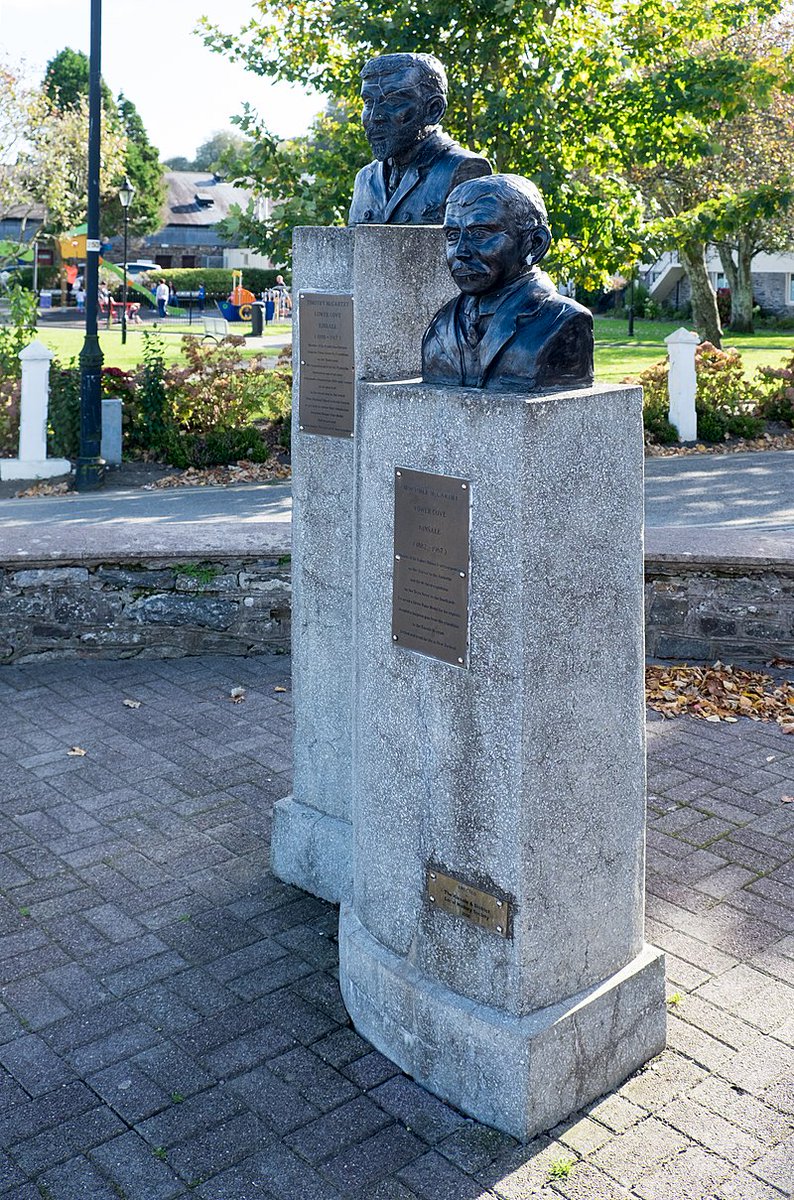
Irish Antarctic explorer Timothy McCarthy died #OnThisDay in 1917. He served under Ernest Shackleton in the Imperial Trans-Antarctic 'Endurance' Expedition of 1914-16. Timothy McCarthy was born 15th July 1888 in Kinsale, County Cork into a family of seafarers and navigators. Mortimer, his older brother, had served as an able seaman for Scott's 'Terra Nova' expedition. Before signing on as an able seaman for the 'Endurance' Expedition, McCarthy had served with the Royal Naval Reserve. Impressed by McCarthy's skill during the incredible journey of survival from the northern Weddell Sea to Elephant Island following the sinking of 'Endurance', Shackleton chose him as one of six men that set off in the lifeboat the 'James Caird' in search of rescue. Upon reaching South Georgia Island, Shackleton, Frank Worsley and Tom Crean set off to finalise the rescue whilst the other two men, who were physically unfit for further service, remained under McCarthy's informal leadership. Upon return to the British Isles, McCarthy re-enlisted in the Royal Naval Reserve and was appointed a leading seaman on the tanker SS Narragansett. Sadly, only three weeks since his return from South Georgia, McCarthy was killed when a torpedo hit his ship in the English Channel. He was only 29 years old. McCarthy was posthumously awarded the Polar Medal in bronze and is honoured at the Plymouth Naval Memorial and, along with his brother Mortimer, in a memorial in Kinsale. He is also commemorated by McCarthy Island (54°10'S, 37°26'W), a mile-long island lying in the entrance to King Haakon Bay on the southern side of South Georgia. #inspire #discover #explore #conserve 📸 Timothy and Mortimer McCarthy memorial by Graham Brett at Kinsale
Antarctic Heritage tweet media
English
0
6
24
458
Antarctic Heritage
Antarctic Heritage@InspireExplore·
#OnThisDay in 1959, Irish explorer Robert Forde died at the age of 83, the last surviving Irish member of Captain Robert Falcon Scott's British Antarctic 'Terra Nova' Expedition 1910-13. Forde was born in 1875 in Moviddy, County Cork, Ireland and was 16 when he joined the Royal Navy where he worked his way up to earn the rank of Petty Officer First Class. In 1910 he volunteered for Scott's 'Terra Nova' Expedition as part of the shore party where he completed two depot-laying missions and was involved in studying glaciers to the west of Ross Island. It was on the return from checking one of these supply depots under extreme weather conditions and low temperatures, that he was badly frostbitten. His frostbite was a blow to Scott and although Forde appeared to be recovering, his condition was deemed critical, and he was ordered by Scott to return to the 'Terra Nova' where he received medical treatment and returned to New Zealand in 1912. In Meredith Hooper's book 'The Longest Winter: Scott's Other Heroes' (London, 2010) she refers to Forde as the 'Terra Nova' expedition's 'all-purpose handyman' and he was missed by Scott. Mount Forde, standing at over 1,200m high at the head of Hunt Glacier in Victoria Land, Antarctica, honours the memory of Robert Forde. 📸 Robert Forde. Public Domain
Antarctic Heritage tweet media
English
0
7
35
596
Antarctic Heritage
Antarctic Heritage@InspireExplore·
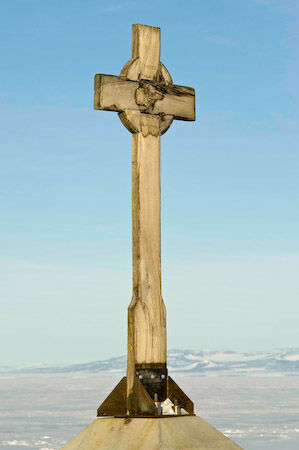
#OnThisDay in 1902, Able Seaman George Thomas Martin Vince was the first man to die in McMurdo Sound, Antarctica. Vince was part of Captain Robert Falcon Scott's first Antarctic Expedition, the British Antarctic 'Discovery' Expedition 1901-1904. Vince was born in Blandford, a small Dorset market town on the river Stour, England in 1880. He went to the local Church of England primary school thanks to a recent Education act that ensured schooling was free and compulsory from age 5 to 12. Twelve-year-old Vince had shown potential as he was selected to carry on his education for three more years as a Bluecoat Boy (A charity school funded by the late Willam Wake, former Archbishop of Canterbury 1716-1733) before joining the Royal Navy in 1895 at age 15. Vince began his naval life training in land warfare on 'HMS Excellent' in Portsmouth. It was during his last posting on the 'HMS Beagle' where he may have met Scott, in South Africa during the second Boer War (1899-1902) and the historic battle, the Relief of Ladysmith. One year later, while stationed in Cape Town, South Africa, Scott arranged for Vince to join him as a Royal Navy sea-crewman on his upcoming Antarctic expedition. During the expedition Vince was one of nine men caught out in a blizzard during an excursion tasked with leaving, and accurately recording, a series of supply depots for the expedition's winter quarters. The group had previously split, with Vince now part of a party of four sent back to the expedition ship. Unfortunately, during whiteout conditions Vince wandered onto a snow slope, later known as 'Danger Slopes', and slipped before falling over the cliff's edge. His body was never recovered. The crew of 'Discovery' erected a cross adjacent to 'Discovery' hut at Hut Point in remembrance of Vince. 📸 Vince's Cross at Hut Point. A commemoration erected by the crew and men of the Discovery following his death. AHT #OTD #inspire #explore #discover #conserve #Antarctica
Antarctic Heritage tweet media
English
0
3
18
381
Antarctic Heritage
Antarctic Heritage@InspireExplore·
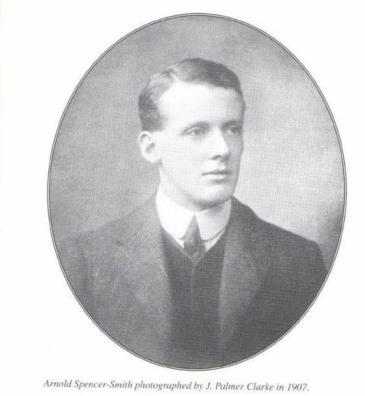
#OnThisDay in 1916, Reverend Arnold Spencer-Smith, died during a sledging expedition to lay supply depots in support of Shackleton’s Imperial Trans-Antarctic 'Endurance' Expedition 1914-1917. Spencer-Smith served as Chaplain for the Ross Sea Party, who were tasked with laying a series of supply depots across the Ross Ice Shelf towards the Beardmore Glacier to support Shackleton's intended attempt to cross the continent. Worn down by the work of hauling stores and suffering from scurvy, Spencer-Smith collapsed before the glacier was reached and had to be carried on a sledge. Sadly, he passed away on the Barrier (now called the Ross Ice Shelf) at age 32 and only two days from the safety of Hut Point. 📸 Arnold Spencer-Smith, Queen's College, Cambridge. #OTD #inspire #explore #discover #conserve #Antarctica
Antarctic Heritage tweet media
English
0
3
19
341
Antarctic Heritage
Antarctic Heritage@InspireExplore·
#OnThisDay in 1908, a party of six men from Shackleton's British Antarctic 'Nimrod' Expedition 1907-1909, reached the summit of Mount Erebus, on Ross Island, Antarctica, at 4,023m / 13,200-feet. It took the climbing party six days to reach the top of the volcano and one day to descend. Despite the extreme temperatures, 'lava bombs' and billowing clouds of steam, all men were relatively unharmed, apart from Sir Phillip Brockelhurst who suffered frost-bitten toes. During the journey, the expedition party carried out several meteorological experiments and Australian geologists Douglas Mawson and Edgeworth David, collected rock samples. This included pumice, a mineral specimen that was collected from the summit of Mount Erebus. The party returned to their base at Cape Royds on 11 March, before the onset of Antarctic winter. 📸 Members of Shackleton's 'Nimrod' Expedition with Mt Erebus in the background, Copyright unknown. #erebus #shackleton #nimrod #mawson #inspire #explore #discover #conserve #Antarctica
Antarctic Heritage tweet media
English
0
9
52
937
Antarctic Heritage
Antarctic Heritage@InspireExplore·
#OnThisDay in 1876, Petty Officer Edgar Evans was born in Middleton, on the Gower Peninsula in Wales. One of twelve children and the son of a sailor, Evans enlisted in the Royal Navy in 1891 at the age of 13. In 1899 he served on 'HMS Majestic' where Robert Falcon Scott was serving as a torpedo lieutenant. Evans served on Scott's British National Antarctic 'Discovery' Expedition 1901-04 and accompanied Scott on his 'Furthest West' sledge journey to the interior of Victoria Land in 1903. Alongside Scott, Evans later joined the British Antarctic 'Terra Nova' Expedition 1910-13 and was held in high regard by Scott for his resourcefulness, strength and cheerful manner. Scott described him as "a giant worker—he is responsible for every sledge, every sledge-fitting, tents, sleeping-bags, harness, and when one cannot recall a single expression of dissatisfaction with any one of these items, it shows what an invaluable assistant he has been." Evans was selected by Scott to be part of his five-man strong Polar Party which reached the South Pole on 17 January 1912. On the return journey Evans was suffering from severe frostbite and as Scott records in his diary "a good deal run down". His health continued to worsen, with a hand injury that wouldn't heal and suffering badly from frostbite. As the party descended the Beardmore Glacier it is thought that he sustained a serious concussion on 4 February, causing his condition to worsen rapidly. He collapsed on 16 February near the end of the Glacier and died the next day. In honor of PO Edgar Evans there is a commemorative plaque on the Scott lighthouse memorial in Roath Park Lake in Cardiff, South Wales, which lists all of the crew members including Evans. 📸 Edgar Evans, Copyright Unknown. #OTD #inspire #explore #discover #conserve #Antarctica
Antarctic Heritage tweet media
English
0
5
27
483
Antarctic Heritage
Antarctic Heritage@InspireExplore·
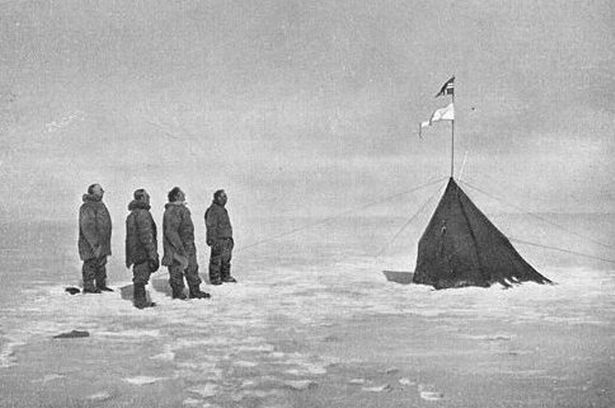
#OnThisDay in 1912, Roald Amundsen and his expedition ship 'Fram', reached Hobart, Australia. Here Amundsen sent a telegram to the King of Norway stating 'the Pole reached' following his South Pole 'Fram' Expedition 1911-1912. Following Amundsen's success on the Northwest Passage 'Gjoa' Expedition 1903-1906, his next expedition plan was to borrow the 'Fram' off fellow Norwegian explorer Fritjof Nansen and allow it to freeze into the pack-ice of the Arctic Ocean. From here, the expedition team would drift towards the North Pole with the ice. However, when separate claims to the North Pole were made by American explorers, Frederick Cook and Robert Peary on 21 April 1908 and 6 April 1909 respectively, Amundsen felt he had missed his chance (despite there being much controversy over whether or not these men had actually reached the pole). For this reason, the 'Fram' left Christiana, Norway in August 1910 bound for Antarctica. Only the ship's commander Thorvald Nilsen and two crew members, Prestrud and Gjertsen had known of Amundsen's new plan, as far as everyone else was concerned the expedition was still due to go north and complete what was described as a largely scientific voyage. It wasn't until the ship reached Madeira, a month later, that the rest of the crew were informed of Amundsen's true intentions. Amundsen's expedition to the South Pole started in the Bay of Whales on the Great Ice Barrier (what is now known as the Ross Ice Shelf). During the journey his party discovered the Axel Heiberg Glacier, which provided their route to the South Pole. The party's expert use of skis and sled dogs ensured rapid and relatively trouble-free travel. The Pole was reached on 14 December 1911, five weeks ahead of Robert Falcon Scott and his party as part of the 'Terra Nova' Expedition. 📸Members of Roald Amundsen's South Pole expedition 1910-12 at the pole itself, December 1911, (from left to right): Roald Amundsen, Helmer Hanssen, Sverre Hassel and Oscar Wisting. Science Photo Library. #amundsen #southpole #robertfalconscott #fram #inspire #explore #discover #conserve #Antarctica
Antarctic Heritage tweet media
English
0
8
45
688
Antarctic Heritage
Antarctic Heritage@InspireExplore·
#OnThisDay, in 1880, Jameson Boyd Adams was born in Rippingale, Lincolnshire. He was 13 years old when he joined the Merchant Navy and later became a sub-lieutenant in the Royal Naval Reserve. After meeting Sir Ernest Shackleton, Adams was the first to volunteer for the British Antarctic 'Nimrod' Expedition 1907-09 where he served as second-in-command. The Polar Party of Shackleton, Adams, surgeon Eric Marshall and Petty Officer Frank Wild, set out to attempt to reach the South Pole on 29 October 1908 but were soon plagued with difficulties. On the first day out, Adams received a kick to the knee courtesy of one of the Manchurian ponies which served as their pack animals, exposing the bone. He also let a teammate extract a tooth without proper equipment after suffering from toothache. On 9 January 1909 weak with hunger, their hands and feet near frostbite and with blizzards hampering their efforts, Shackleton made the decision to turn back just 97 miles from the pole. They had surpassed Robert Falcon Scott's 1902 furthest south and set a new record of 88° 23' S. Adams was recalled to the Navy during World War I where he served as a flag lieutenant and was sent home with a bad head wound in 1917. After the war he returned to the civil service and devoted much of his spare time to helping boys' clubs. In 1935 he left the civil service to become Secretary of Kind George's Jubilee Trust for Youth where he remained apart from further distinguished service in World War II. He was knighted after he retired in 1948. Adams was 82 when he died 30 April 1962. Sadly, Adams' account of the 'Nimrod' expedition was never published as his diaries were destroyed by fire in World War II. 📸 Jameson Adams, Frank Wild and Eric Marshall (from left to right) plant the Union Jack at their southernmost position, 88° 23' S, on 9 January 1909. Ernest Shackleton. #inspire #explore #discover #conserve #Antarctica
Antarctic Heritage tweet media
English
0
5
26
531
Antarctic Heritage
Antarctic Heritage@InspireExplore·
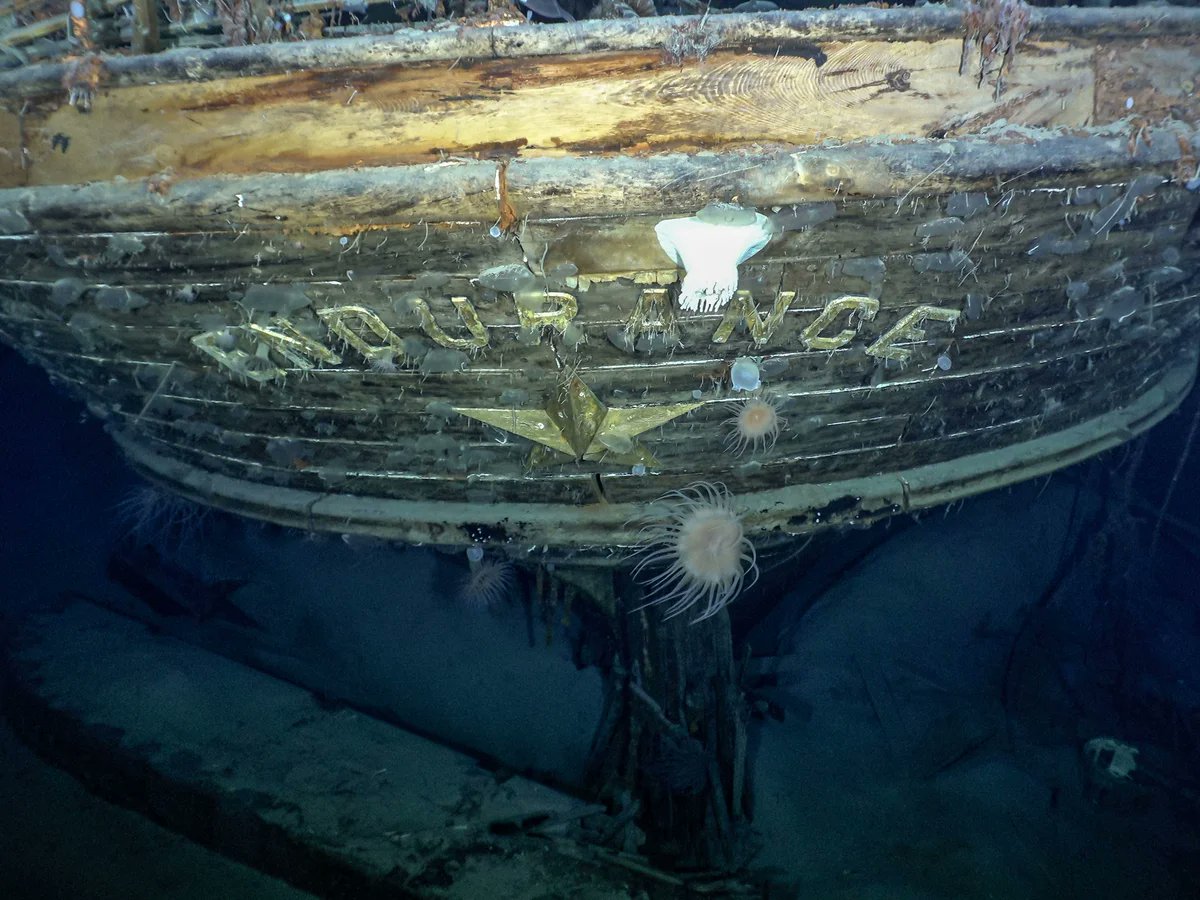
#OnThisDay in 2022, history resurfaced from the depths. After more than a century beneath Antarctic ice, Sir Ernest Shackleton’s legendary ship 'Endurance' was discovered 3,008 metres below the surface of the Weddell Sea. The discovery was made by the Falklands Maritime Heritage Trust through their Endurance22 Expedition. High-tech submersibles located the wreck in waters notorious for crushing sea ice, and what they found was remarkable. The ship was so perfectly preserved in the icy depths that you could still read “Endurance” clearly across the stern. Now protected as a historic site under the Antarctic Treaty, Shackleton’s lost vessel remains a breathtaking symbol of exploration, survival, and human determination. Our friends at @AntarcticHT in partnership with Historic England have now developed a framework for protecting 'Endurance', detailing how to study it responsibly, and inspiring people across the globe with its story. You can read more about this plan here: Endurance Shipwreck | UKAHT 📸The stern of the 'Endurance' with the name and emblematic polestar. ©Falklands Maritime Heritage Trust and National Geographic Caption. #OTD #inspire #explore #discover #conserve #Antarctica
Antarctic Heritage tweet media
English
1
43
176
3.4K
Antarctic Heritage
Antarctic Heritage@InspireExplore·
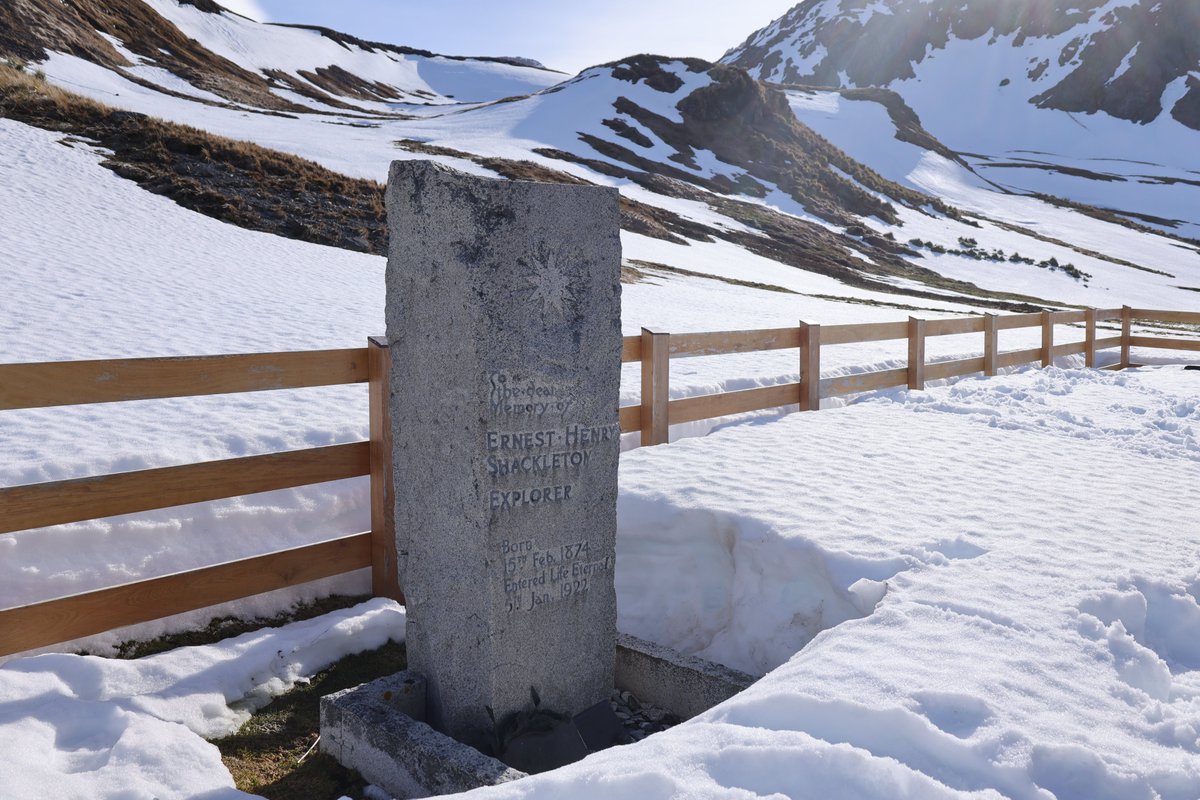
#OnThisDay in 1922, Sir Ernest Shackleton was buried in the Grytviken cemetery on South Georgia Island. On January 5, 1922, Shackleton died during his final Antarctic expedition 'Quest'. He had summoned the expedition’s surgeon Alexander Macklin to his cabin in the early hours, and moments later suffered a fatal heart attack at 47 years old. Shackleton's right-hand man, Frank Wild recorded in his diary at 3am, ‘I sat up saying ‘Go on with it, let me have it, straight out!’ Macklin replied, ‘the Boss is dead!’ ‘It was a staggering blow.' His death historically marks the end of the heroic era of Antarctic exploration. Initially Shackleton's body was due to be sent back to England for burial, but on hearing the news, his wife Emily, asked that he be returned to South Georgia and buried there. A short service was conducted at Grytviken church, attended by the managers of the five whaling stations on South Georgia and 100 whalers and sailors who sang their Norwegian funeral hymn. Shackleton's coffin, draped in the Union Jack, was carried in procession to the cemetery by six Shetland Island men, preceded by two men carrying black funeral banners in the Norwegian custom. Shackleton’s body faces South, rather than the traditional East, in recognition of his lifelong Antarctic aspirations. The young people selected for the Trust's ninth Inspiring Explorers Expedition™ to South Georgia in 2023, had the opportunity to visit this poignant site and honour the memory of Shackleton. Inspiring Explorer Lawrence Rothwell reflects on his experience visiting the grave: “It is fitting that, in order to witness the final resting place of one of the greatest explorers the world has ever known, you must first cross one of the most formidable and treacherous seas, yourself. On 8 October 2023 (a date I will remember for the rest of my life) I stood next to Sir Ernest Shackleton’s grave and toasted the life and achievements of a man who led the most impossible survival story ever told." 📸 Porohou Hagai Noa, Destiny Martin, Lawrence Rothwell and Kaitlyn Martin at Shackleton's grave, South Georgia Island. ©Anna Clare/AHT #inspire #explore #discover #conserve #Antarctica
Antarctic Heritage tweet mediaAntarctic Heritage tweet media
English
0
15
119
3.1K
Antarctic Heritage
Antarctic Heritage@InspireExplore·
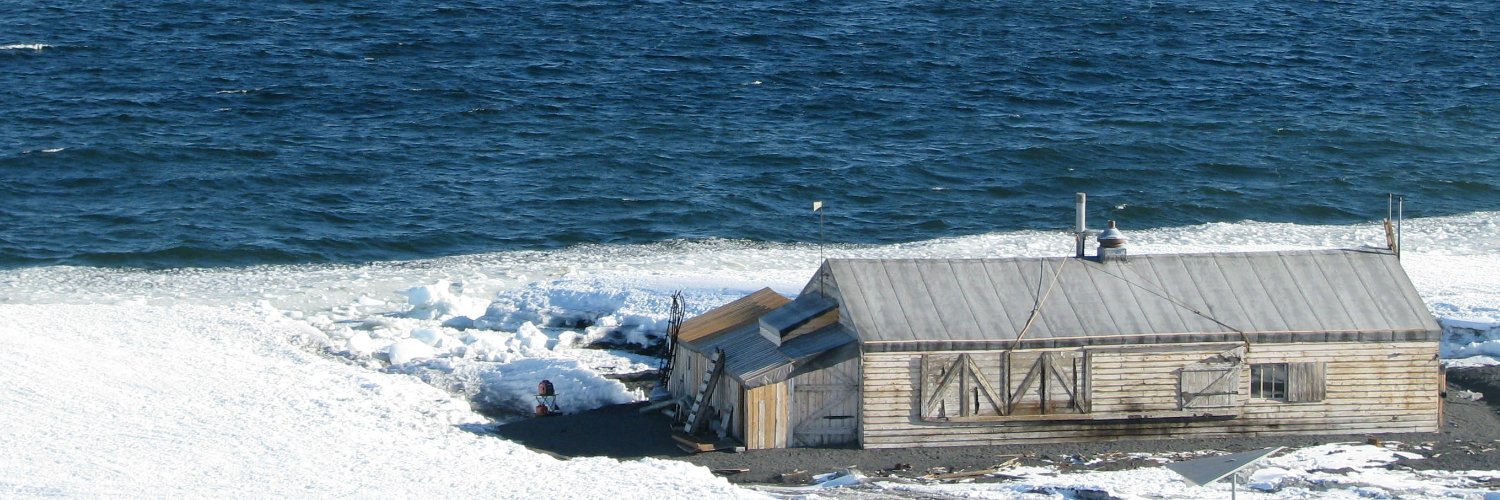
#OnThisDay in 1909, all members from Shackleton's British Antarctic 'Nimrod' Expedition 1907-1909 left Antarctica. The expedition ship 'Nimrod' returned to New Zealand on 23 March 1909. Upon their arrival Shackleton cabled an exclusive report to the London Daily Mail. Since being invalided home with scurvy in 1903 from Robert Falcon Scott’s National Antarctic 'Discovery' Expedition 1901-1904, on which he was a third officer, Shackleton was fixated on getting back to the ice. For over a year he drew up cost-cutting schemes and engineered introductions to rich businessmen. Eventually, his steelworks employer William Beardmore, and several other businessmen, agreed to guarantee Shackleton a bank loan and on 11 February 1907, he announced his plans to return to Antarctica! The expedition recorded many firsts, including climbing the world’s southernmost volcano, Mt Erebus. Today his only Antarctic base still stands at Cape Royds, the Trust is proud to care for his legacy on behalf of the international community. 📸 Shackleton after spending two years in Antarctica, Canterbury Museum. #OTD #inspire #explore #discover #conserve #Antarctica
Antarctic Heritage tweet media
English
1
11
36
623
Antarctic Heritage
Antarctic Heritage@InspireExplore·
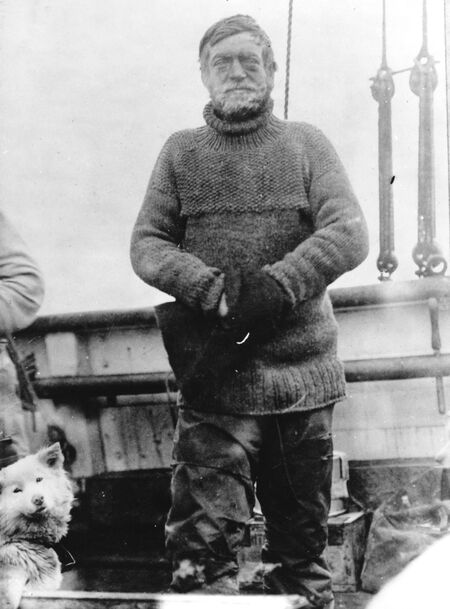
#OnThisDay in 1922, a grand service was held at St Paul's Cathedral to mark the death of Sir Ernest Shackleton. The service was attended by representatives of the King and the Dowager Queen Alexandra, Shackleton’s family and the Alleyn Club, the organisation for old boys of Dulwich College, Shackleton’s former school. Shackleton is one of the world's most renowned explorers and his death marks the end of the heroic era of Antarctic exploration. He went on four expeditions to the Antarctic, leading three from the age of 33 to his death at 47. His legacy lives on through those he continues to inspire today! 📸 Sir Ernest Shackleton, Canterbury Museum #Shackleton #heroicera #questexpedition #inspire #explore #discover #conserve #Antarctica
Antarctic Heritage tweet media
English
0
10
36
708
Antarctic Heritage
Antarctic Heritage@InspireExplore·
#OnThisDay in 1903, the relief ship 'Morning' left Hut Point with Sir Ernest Shackleton on board after he was invalided home 'against his will' by Captain Robert Falcon Scott. Shackleton was part of Scott's first Antarctic expedition, known as the British National Antarctic 'Discovery' Expedition 1901-1904. Alongside Scott and Edward Wilson, Shackleton embarked on the Southern Journey. Their goal was to get as far south on the Barrier (Ross Ice Shelf) and reach the Pole if possible, or find new land. During their expedition, they surpassed Borchgrevink's Farthest South record. Unfortunately, on the journey back home, Shackleton developed scurvy and suffered ill health which resulted in Scott's order for him to leave the Antarctic upon their arrival back at Hut Point. 📸 Shackleton, Scott & Wilson during the Southern Journey, Canterbury Museum. #OTD #inspire #explore #discover #conserve #Antarctica
Antarctic Heritage tweet media
English
0
6
46
601
Antarctic Heritage
Antarctic Heritage@InspireExplore·
#OnThisDay in 1909, Ernest Shackleton and Frank Wild returned to Hut Point on Ross Island, after having reached 97.5 miles from the Geographic South Pole before turning around. They made their desperate return journey while suffering illness and on half rations. Ernest Shackleton's attempt to be the first to reach the Geographic South Pole was part of his British Antarctic 'Nimrod' Expedition 1907-1909. In late 1908, Shackleton led a party of four, including Frank Wild, James Adams and Eric Marshall on a man-hauling journey for two-and-a-half months. Shackleton famously made the decision to turn for home after encountering severe blizzards, sometimes keeping them in their sleeping bags all day, but also a lack of supplies and suitable equipment. Shackleton and Wild, with only one day to spare until Shackleton's expedition ship 'Nimrod' was scheduled for departure, managed to flag down the ship and arrange for James Adams and Eric Marshall to be rescued from where Marshall had collapsed, 38 miles back. 📸Frank Wild, Ernest Shackleton, Eric Marshall and James Adams safely aboard Nimrod upon return from their attempt to reach the South Pole. Canterbury Museum.
Antarctic Heritage tweet media
English
1
12
36
562