Institute for Mental Health and Addiction Studies

171 posts

Institute for Mental Health and Addiction Studies banner
Institute for Mental Health and Addiction Studies

Institute for Mental Health and Addiction Studies

@Inst_MHAS

Platform bringing together experts on mental health and addictions from different EU countries.

Prague Katılım Ocak 2024
237 Takip Edilen94 Takipçiler
Institute for Mental Health and Addiction Studies
Praha, 18. června. Kaiserštejnský palác. A v něm přes 25 vědců, lékařů, politiků a odborníků z celého regionu CEE i ze západní Evropy. Lidé, kteří se závislostmi a duševním zdravím nezabývají jen akademicky, ale denně v praxi, v parlamentech, na klinikách i v terénu. #AddictionsCEE 2026 je mezinárodní konference, která bere tato témata vážně, bez moralizování, bez zkratek, s důrazem na důkazy a reálná řešení. Celodenní program je rozdělen do čtyř odborných panelů: regulace legálních i nelegálních látek, digitální závislosti a jejich dopad na duševní zdraví mladých lidí, a nové psychoaktivní látky stojící před evropskými regulátory. Témata zdánlivě různá, ve skutečnosti propojená mnohem víc, než si většina z nás připouští. Závislosti a duševní zdraví nejsou problémy jednotlivců. Jsou to výzvy pro celé systémy, zdravotní, sociální, finanční, legislativní. A právě proto potřebují platformu, kde věda mluví s politikou a praxe s výzkumem. AddictionsCEE 2026 je tím místem. Registrace je otevřená: přijďte 18. června do Prahy. 👉 addictionscee.eu/cs Záštitu nad konferencí převzaly @NUDZ_cz a @EUDrugsAgency 🌍 Organizují @IRAP_ThinkTank, ARAS – Rumunská asociace proti AIDS
Institute for Mental Health and Addiction Studies tweet mediaInstitute for Mental Health and Addiction Studies tweet mediaInstitute for Mental Health and Addiction Studies tweet media
Čeština
0
0
2
50
Institute for Mental Health and Addiction Studies
🧠 Duševní zdraví a závislosti patří mezi největší výzvy současnosti. A přesto se o nich pořád mluví příliš málo, příliš pozdě a mnohdy jsou na okraji zájmu. 18. června 2026, ale tato témata zazní po celý den, a to na mezinárodní konferenci AddictionsCEE. Tato mezinárodní platforma přivede do sálu Kaiserštejnského paláce přední lékaře, vědce, zákonodárce a renomované odborníky z praxe z celé střední a východní Evropy i ze Západu. 🌍 Na programu budou témata jako jsou kupříkladu - opioidová krize a harm reduction, regulace látkových i nelátkových závislostí, digitální závislosti a jejich dopad na psychiku mladých lidí, i nové psychoaktivní látky. 💡 Závislost není slabost charakteru. Je to komplexní zdravotní a společenský fenomén a způsob, jakým se k němu společnost staví, přímo ovlivňuje životy milionů lidí v regionu. Přijďte se v červnu zúčastnit odborné konference a zjistěte, jak to vidí ti nejlepší odborníci v oboru, a zapojte se do diskuse, která má skutečný dopad na politiku i praxi. 📍 Praha, Kaiserštejnský palác 📅 18. června 2026 🔗 Registrace a program: addictionscee.eu/cs Mezinárodní konferenci organizují @IRAP_ThinkTank, @Inst_MH a ARAS – Rumunská asociace proti AIDS. Konference proběhne pod záštitou @NUDZ_cz.
Institute for Mental Health and Addiction Studies tweet mediaInstitute for Mental Health and Addiction Studies tweet mediaInstitute for Mental Health and Addiction Studies tweet media
Čeština
0
2
3
136
Institute for Mental Health and Addiction Studies
Včera jsme na půdě Univerzity Jana Evangelisty Purkyně v Ústí nad Labem diskutovali o tématu, které se Česka dotýká za stovky miliard korun ročně. 🎙️ Odborný kulatý stůl Nelegální obchod a závislosti: Ekonomické dopady, sociální rizika a výzvy pro veřejnou politiku pod záštitou náměstka primátora Ústí nad Labem Mgr. et Mgr. Tomáše Vlacha přinesl zajímavá zjištění od předních expertů a ukázal, že tato témata nelze řešit odděleně. Nelegální trh živí organizovaný zločin, závislosti zatěžují veřejné finance i sociální systém a regulace, která nereflektuje realitu, problém jen přesouvá jinam. 💡 👤 Ladislav Csémy – prezident Institutu pro studium duševního zdraví a závislostí a psycholog v @NUDZ_cz 👤 Kristýna Richter – ředitelka Sekce boje s nelegálním trhem, @CSZVbrands 👤 Michael Fanta – hlavní ekonom CETA, a výzkumník v @AAUPrague 👤 Ilona Šulcová – vedoucí adiktologických ambulancí, Drug-Out Klub Ústí nad Labem Padělané cigarety, závislosti, harm reduction i selhávající hodnocení dopadů regulace. Tiskovou zprávu naleznete zde: imhas.eu/cs/nelegalni-o…
Institute for Mental Health and Addiction Studies tweet media
Čeština
0
0
0
38
Institute for Mental Health and Addiction Studies
Už zítra se v Ústí nad Labem sejdou odborníci nad otázkou, která se přímo dotýká financí i veřejného zdraví. Nelegální obchod s tabákem a alkoholem není jen ekonomický problém. Je to i signál selhání politik, které mají chránit ty nejzranitelnější. Jaká řešení fungují? Regulace, prevence, přístup harm reduction nebo jejich kombinace? 📅 15. dubna 2026, 10:00–12:15 📍 Rektorát UJEP, Pasteurova 3544/1, Ústí nad Labem 🎤 Řečníci: ▶️Ing. Michael Fanta, Ph.D. – Centrum ekonomických a tržních analýz, @AAUPrague ▶️ Ing. Kristýna Richter – @CSZVbrands ▶️ PhDr. Ladislav Csémy – @NUDZ_cz / ISDZZ ▶️ Mgr. Ilona Šulcová – Drug-Out Klub Akce proběhne pod záštitou náměstka primátora Mgr. et Mgr. Tomáše Vlacha. Registrace: 📌 forms.cloud.microsoft/e/5nQHnYHiBQ
Institute for Mental Health and Addiction Studies tweet media
Čeština
0
0
1
33
Institute for Mental Health and Addiction Studies
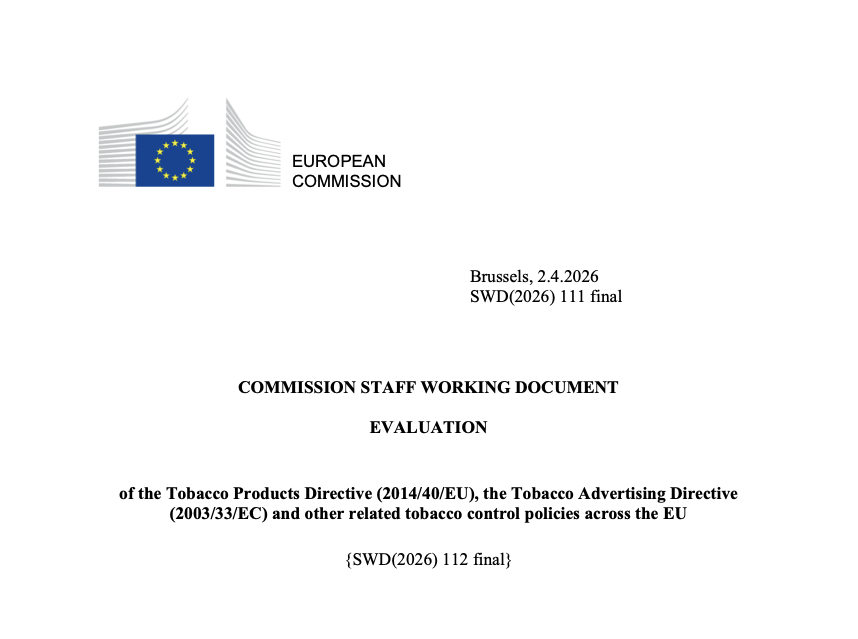
The @EU_Commission evaluation of the Tobacco Products Directive raises a more fundamental question than it answers. Since 2012, smoking prevalence in the 🇪🇺EU has declined, but only by a few percentage points over more than a decade. At the same time, the EU maintains an ambitious target of reaching 5% by 2040. The gap between ambition and trajectory is hard to ignore. What the report does not explore is why progress differs so significantly across Member States. 🇨🇿 Take the Czech Republic. The National Survey of Tobacco and Alcohol Use in the Czech Republic (NAUTA) 2024 shows smoking falling from 31.3% in 2012 to 22.4% in 2024, a decline of nearly 9 percentage points. This has happened in a policy environment where #HarmReduction is explicitly recognised as part of the public health approach. That should at least be part of the conversation. The evaluation itself acknowledges a key limitation: it cannot disentangle the impact of EU legislation from other factors such as taxation, national policies or broader behavioural change. In other words, it cannot clearly say what is driving what. That is not a minor technicality. It goes to the core of how useful this evaluation can be for future policymaking. If we do not understand the drivers behind declining smoking rates, there is a real risk of regulating based on assumptions rather than evidence. 🧠 From a #PublicHealth perspective, this matters. Smoking is closely linked to wider social and #MentalHealth challenges, and real-world behaviour is rarely linear. Policy needs to reflect that complexity, including the different pathways through which people reduce risk. The upcoming revision of EU tobacco legislation is a real opportunity to go deeper.❗But that requires something quite basic: a clearer understanding of what works, where, and why, before narrowing the policy space. health.ec.europa.eu/document/downl…
Institute for Mental Health and Addiction Studies tweet media
English
0
0
1
42
Institute for Mental Health and Addiction Studies
🔴 Nelegální obchod a závislosti: Ekonomické dopady, sociální rizika a výzvy pro veřejnou politiku Odborný kulatý stůl 📅 15. dubna 2026, 10:00–12:15 📍 Rektorát Univerzity Jana Evangelisty Purkyně, Pasteurova 3544/1, Ústí nad Labem Pod záštitou náměstka primátora města Ústí nad Labem Mgr. et Mgr. Tomáše Vlacha. Nelegální trh s tabákem a alkoholem připravuje státní rozpočet o miliardy korun ročně a zvyšuje zdravotní i sociální rizika – zejména v regionech s vyloučenými lokalitami. Jak na to reagovat kombinací regulace, prevence a harm reduction? 🎤 Řečníci: ▪ Ing. Michael Fanta, Ph.D. – Centrum ekonomických a tržních analýz ▪ Ing. Kristýna Richter – @CSZVbrands ▪ PhDr. Ladislav Csémy – @NUDZ_cz / IMHAS ▪ Mgr. Ilona Šulcová – Drug-Out Klub 📌 Registrace: forms.cloud.microsoft/e/5nQHnYHiBQ
Institute for Mental Health and Addiction Studies tweet media
Čeština
0
0
1
144
Institute for Mental Health and Addiction Studies
🎥 On the sidelines of #AddictEU conferences on addiction, mental health and drug policy, we discussed with Katrin Schiffer, Director of @CorrelationNet, and asked her a simple but urgent question: What are the biggest gaps in harm reduction services for people who use drugs across Europe today? Her answer is a wake-up call. 👇 The picture across Europe is far from uniform. 🌍 In the Balkans and Eastern Europe, even basic harm reduction services are often missing entirely. Meanwhile, in countries like Germany or the Netherlands, the basics are covered, but more innovative approaches like drug checking or drug consumption rooms remain out of reach. But here's what unites every country on the continent right now, and it's alarming. 📉 Financial support for harm reduction is going down across the board. Services are facing funding cuts. Some are even threatened with closure. And when services close, it's not an abstract policy problem. It's real people - on the street, in crisis - suddenly losing access to the support they depend on. 🚨 Harm reduction saves lives. Defunding it costs them.
English
0
0
1
42
Institute for Mental Health and Addiction Studies
At the #AddictEU conference, Prof. Aileen O'Gorman (University of the West of Scotland) reminded us what truly person-centred care looks like: low threshold services that meet people where they are. No requirements to be sober, no barriers to access, just a genuinely welcoming space for anyone dealing with substance use, mental health challenges, or both. 🤝 These "one-stop shops" go beyond clinical care, provide lunches to make sure people are well fed, deliver legal and social welfare advice in informal settings, and help people access a doctor or a medical card. As Prof. O'Gorman put it, once basic needs are met, people can be guided to more specialised services when they are ready. Low-threshold services aren't just helpful; they're essential.
English
0
0
1
50
Institute for Mental Health and Addiction Studies
At the #AddictEU 2025 international conference in Brussels, Czech National Drug Coordinator Pavel Bém emphasised that effective drug policy must start with a human rights approach 🧭. “We need to respect that psychoactive substance use, from caffeine or alcohol to illicit drugs, is a reality of modern societies. The key lies in ensuring accessible and respectful, evidence‑based services for people who use drugs,” he noted. 🤝 Trust, hope and motivation, Bém stressed, emerge when services truly meet people where they are, from low‑threshold centres to supervised consumption rooms. For those living with severe #addiction, he highlighted the potential of stimulant‑assisted psychotherapy, guided by science and compassion 🧬. Clear political will, including decriminalisation, remains essential for real and lasting change.
English
0
0
2
47
Institute for Mental Health and Addiction Studies
At #AddictEU 2025, Linda Montanari from the @EUDrugsAgency reminded us: evidence-based drug policy starts with solid monitoring. 📊 Objective, reliable and comparable data across Member States remain the foundation, a legacy carried forward from the European Monitoring Centre for Drugs and Drug Addiction. But today it goes deeper: understanding individual pathways, risk factors, causes and consequences, and placing drug trends in their wider social context. 🧠🌍 That’s how policy moves from reactive to strategic. Without a strong epidemiological baseline, regulation risks becoming ideological. Data isn’t bureaucracy, it’s the backbone of credible EU public health governance. ⚖️
English
0
0
1
32
Institute for Mental Health and Addiction Studies
At the #AddictEU conference in Brussels, @KrzysztofLanda sent a powerful message to politicians and experts alike: it’s time to stop the cherry-picking. According to #EU treaties and #OECD regulations, policymaking isn't a matter of opinion, it’s a legal obligation to stick to the evidence. We are seeing a rise in "prohibitionist" movements that selectively use data while ignoring the full picture, which isn't just bad practice. It’s pure bias. ⚖️🇪🇺 The path forward must be built on the language of evidence-based medicine, not emotional rhetoric. We need to stop the "under-the-table" tactics and instead invite everyone to a transparent discussion where truth is found through systematic data collection. Let’s uphold the highest principles of the European Union and ensure that policy is driven by facts, not feelings. 🧬🤝
English
2
6
11
212
Institute for Mental Health and Addiction Studies
Which harm reduction models deliver results for people facing both mental health challenges and substance use? Speaking at the #AddictEU conference in #Brussels, Rafaela Rigoni, Head of Research, @CorrelationNet , pointed to integrated, full spectrum #HarmReduction as the most effective approach. Evidence shows that focusing solely on substances is not enough, outcomes improve when policies address the wider social, legal, and psychological context of people’s lives. 🧠📊 Access to legal aid, social services, and #MentalHealth support can reduce anxiety, stabilise living conditions, and directly lower harmful patterns of use. ⚖️🤝 This is not an alternative to treatment or classic harm reduction, it is a policy upgrade that treats substance use as part of a broader system of determinants. The conference was organised by @IRAP_ThinkTank and @CorrelationNet.
English
0
1
1
79
Institute for Mental Health and Addiction Studies
How can policymakers better use lived experience in #MentalHealth and #addiction policy? 🧠💬 At last December’s #AddictEU conference in Brussels, organised by @IRAP_ThinkTank, @CorrelationNet and our Institute, Professor @Aileen_OGorman from @UniWestScotland reminded us that good policy can’t be made about people without being made with them. Involving people with lived and living experience isn’t a box-ticking exercise. It means creating safe, supportive spaces, genuinely listening, and balancing personal experience with evidence. Those currently navigating systems know best where the real barriers to care are, and policy should start there.
English
0
1
3
79
Institute for Mental Health and Addiction Studies
At our #AddictEU international conference, Dr. Pavel Bém, the new Czech anti-drug coordinator, shared a clear-eyed take on what it’ll take to better connect #MentalHealth and #addiction care across the #EU. It’s a long road, he said, but the direction is clear: take integration seriously, because mental health and substance use don’t exist in silos. 🧠🔁 Despite high comorbidity, too many people with severe substance use disorders still don’t get proper psychiatric or psychological care. That’s the challenge, but also the hope. New insights from neuroscience are opening doors to innovative treatments, even as parts of the system remain conservative. Awareness, education, and truly integrated, complex care are the way forward. 🌍✨ Big thanks to @IRAP_ThinkTank and @CorrelationNet for co-organizing this important conference in Brussel.
English
0
0
3
92
Institute for Mental Health and Addiction Studies
🇪🇺 At the #AddictEU 2025 International Conference, former MEP and our Regulatory Board Member @vonpecka reflected on the @Europarl_EN’s actions for #MentalHealth. 🧠 He acknowledged recent EU efforts on competitiveness and foreign policy but warned that social challenges, including mental health, risk being overlooked. Without addressing them, he said, these issues could eventually come back to harm Europe’s stability. His words were a strong reminder that the #health of our societies deserves the same urgency as the health of our economies. @IRAP_ThinkTank / @CorrelationNet
English
0
1
2
82
Institute for Mental Health and Addiction Studies
During #AddictEU international conference which we co-organized with @IRAP_ThinkTank and @CorrelationNet their Director Katrin Schiffer @k69sch, highlighted how crucial community engagement is to shaping more human, evidence-based drug policy across Europe 🤝 She underlined the distinction between community-based and community-led organizations, both vital players in reaching people where they are. Community-led services, run by people with lived experience 💬, have an unparalleled understanding of the realities and challenges faced by drug users. Their insights and proximity to affected communities make them key in identifying emerging issues and ensuring that harm reduction measures truly meet people’s needs.❤️‍🩹
English
0
1
1
65
Institute for Mental Health and Addiction Studies
Check out our interview with Linda Montanari from @EUDrugsAgency at the #AddictEU international conference.
IRAP@IRAP_ThinkTank

Throwback to #AddictEU2025 with Linda Montanari, Principal Advisor at the @EUDrugsAgency🇪🇺 New psychoactive substances continuously emerge on the EU market. Public health authorities must get ahead of addiction patterns, by regulating according to the relative social and health harm🫴 🇨🇿 Czechia leads the charge, with the adoption of a law coining the term "psychomodulatory substances" to better reflect evolving drug trends. 🗣️Stay tuned for more interviews and insightful perspectives to come! #HarmReduction #PublicHealth #EuropeanUnion

English
0
0
0
40
Institute for Mental Health and Addiction Studies retweetledi
IRAP
IRAP@IRAP_ThinkTank·
Throwback to #AddictEU2025 with Linda Montanari, Principal Advisor at the @EUDrugsAgency🇪🇺 New psychoactive substances continuously emerge on the EU market. Public health authorities must get ahead of addiction patterns, by regulating according to the relative social and health harm🫴 🇨🇿 Czechia leads the charge, with the adoption of a law coining the term "psychomodulatory substances" to better reflect evolving drug trends. 🗣️Stay tuned for more interviews and insightful perspectives to come! #HarmReduction #PublicHealth #EuropeanUnion
English
0
2
2
195
Institute for Mental Health and Addiction Studies
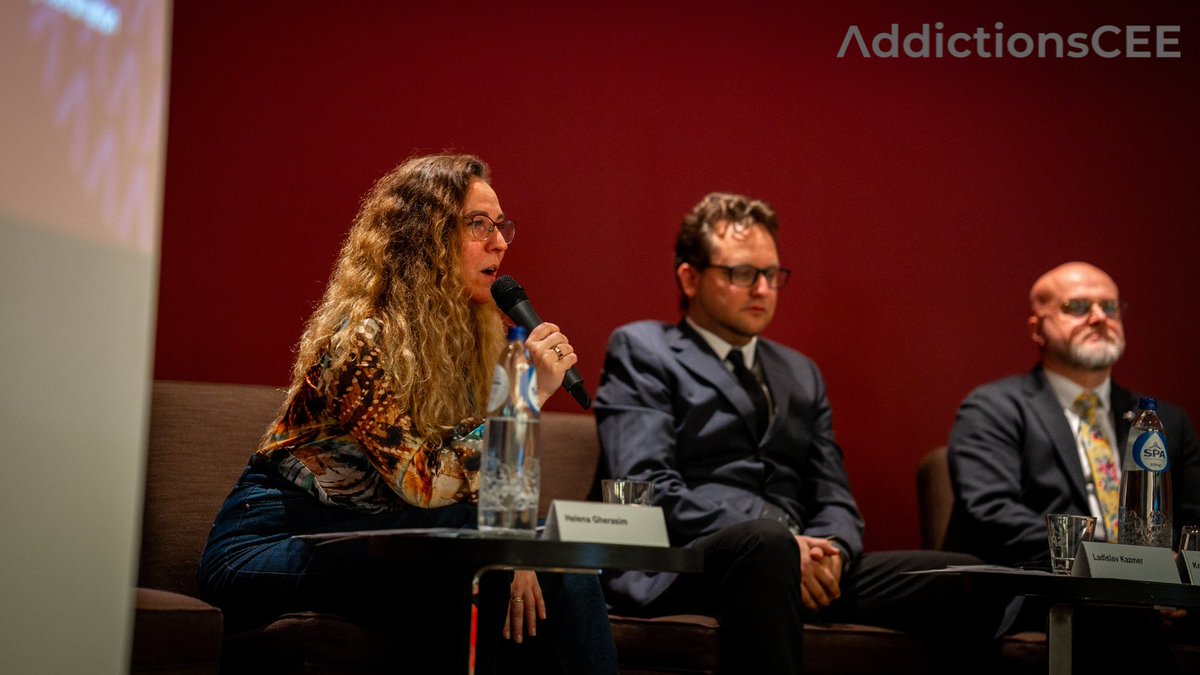
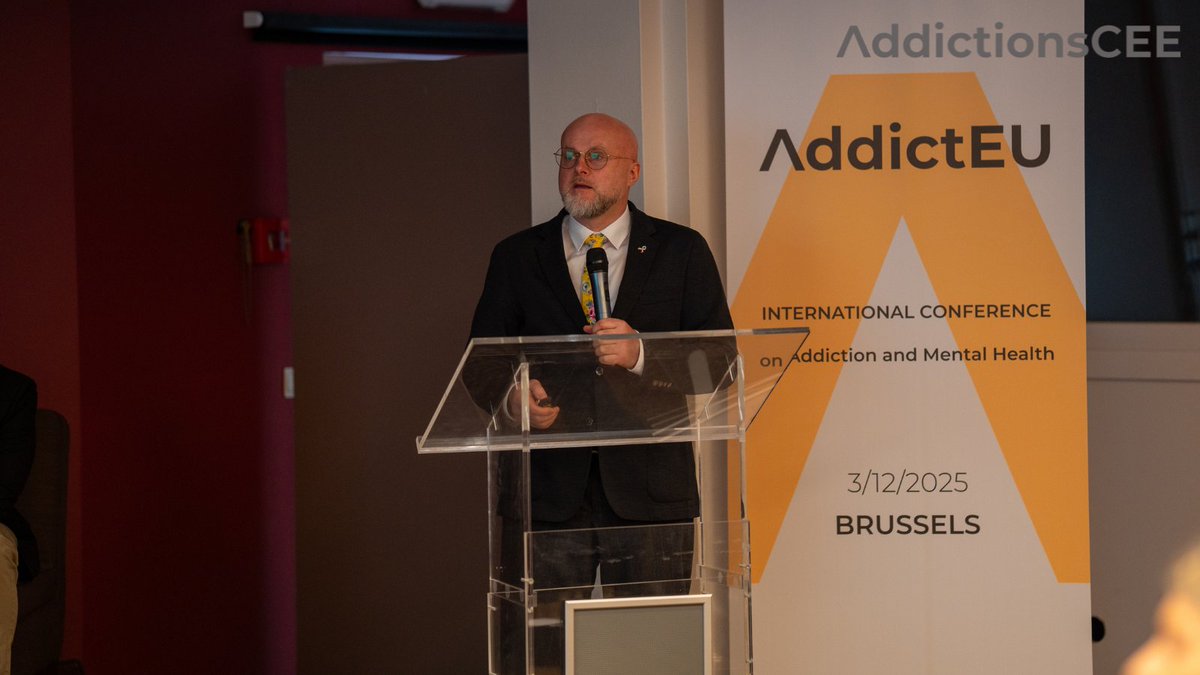
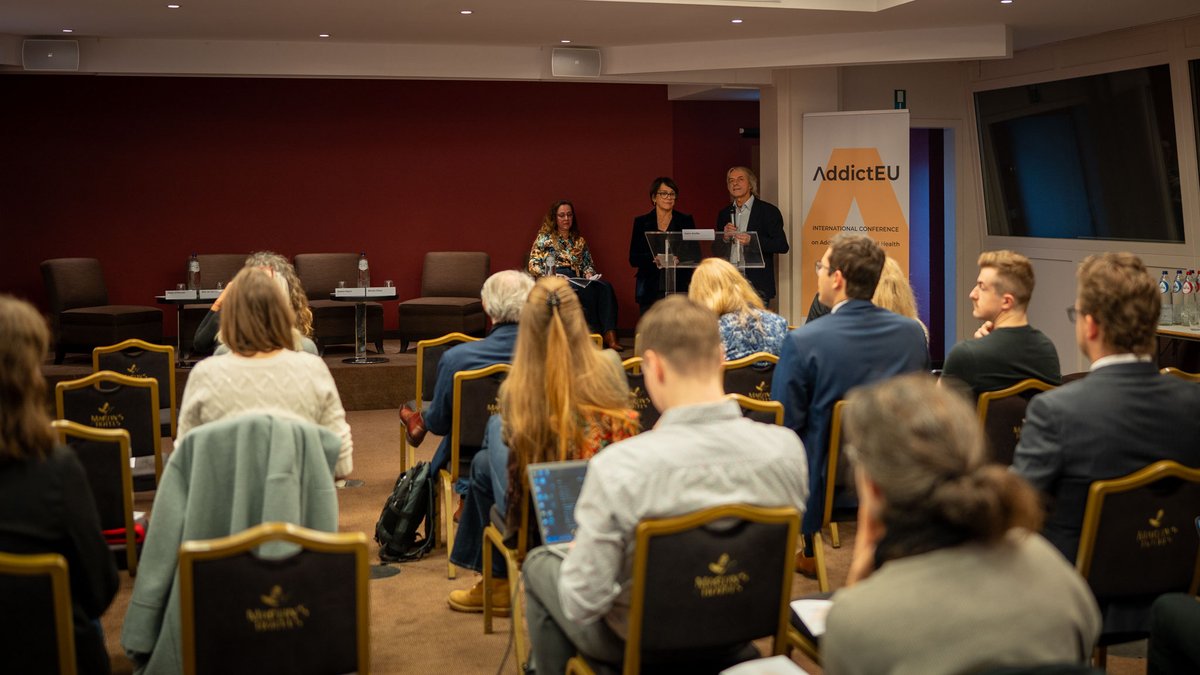
Last week, together with @IRAP_ThinkTank and @CorrelationNet, we held the 3rd edition of the international #AddictEU conference, bringing together scientists, professionals, policymakers, and other stakeholders working on #addiction, #MentalHealth, and their treatment. 🌍🧠 Through three discussion panels, case studies, and keynote speeches, we looked at how to build a more resilient EU society by addressing the dual challenge of mental health and addiction, the burden of unhealthy lifestyles on individuals and systems, ways to strengthen health #resilience and protect vulnerable groups, and #EvidenceBased policy options for regulating psychomodulatory substances. These conversations were truly inspiring, as experts came together around humane, effective strategies for healthier European communities. A huge thank you to all our speakers: 👉 Pavel Bém, 1st Medical Faculty, Charles University 👉 @k69sch, Director, @CorrelationNet 👉 Linda Montanari, Principal Scientist, @EUDrugsAgency 👉 Prof. @Aileen_OGorman , Ph.D., Professor of Substance Use and Social Policy, University of the West of Scotland 👉 Prof. Wim van den Brink, Emeritus Professor of Psychiatry and Addiction, Academic Medical Center, University of Amsterdam 👉 Rafaela de Quadros Rigoni, Ph.D., Head of Research, @CorrelationNet 👉 @vonpecka, Ph.D., Former Member of the European Parliament; Member of the Regulatory Board, Institute for Mental Health and Addiction Studies; CEO, Cybermindnet 👉 Michael Fanta, Ph.D., Researcher and Lecturer, @AAUPrague; Co-founder, European Economic Competitiveness Institute (EECI) 👉 Ladislav Kážmér, Ph.D., National Institute for Mental Health; Member of the Scientific Board, IMHAS 👉 @KrzysztofLanda, M.D., Former Deputy Minister of Health of Poland; President, Ukrainian Society of Evidence-Based Health Care 👉 Helena Gherasim, Member, Council of Europe Steering Committee for Human Rights; Head, Association of Providers of Addiction Services (APAS); Member, Czech Government Council for Drug Policy Coordination 👉 Assoc. Prof. Viktor Mravčík, Head of Science, Institute for Rational Addiction Policies (IRAP); Scientific Advisor to the National Drug Coordinator, Office of the Czech Government 👉 @malajankaa, Ph.D., Advisor on Addiction Policy, Czech Ministry of Justice; Alternate Management Board Member, EUDA; Head, IRAP Expert Center 👉 Alcina Correia, Director, Monitoring and Information Department, Portuguese General Directorate on Addictive Behaviours and Dependencies (SICAD) 👉 @voborilofficial , Chairman of the Board, Institute for Rational Addiction Policies (IRAP) 🎥 Enjoy the aftermovie and relive some of the key moments from AddictEU 2025.
English
0
1
3
513
Institute for Mental Health and Addiction Studies
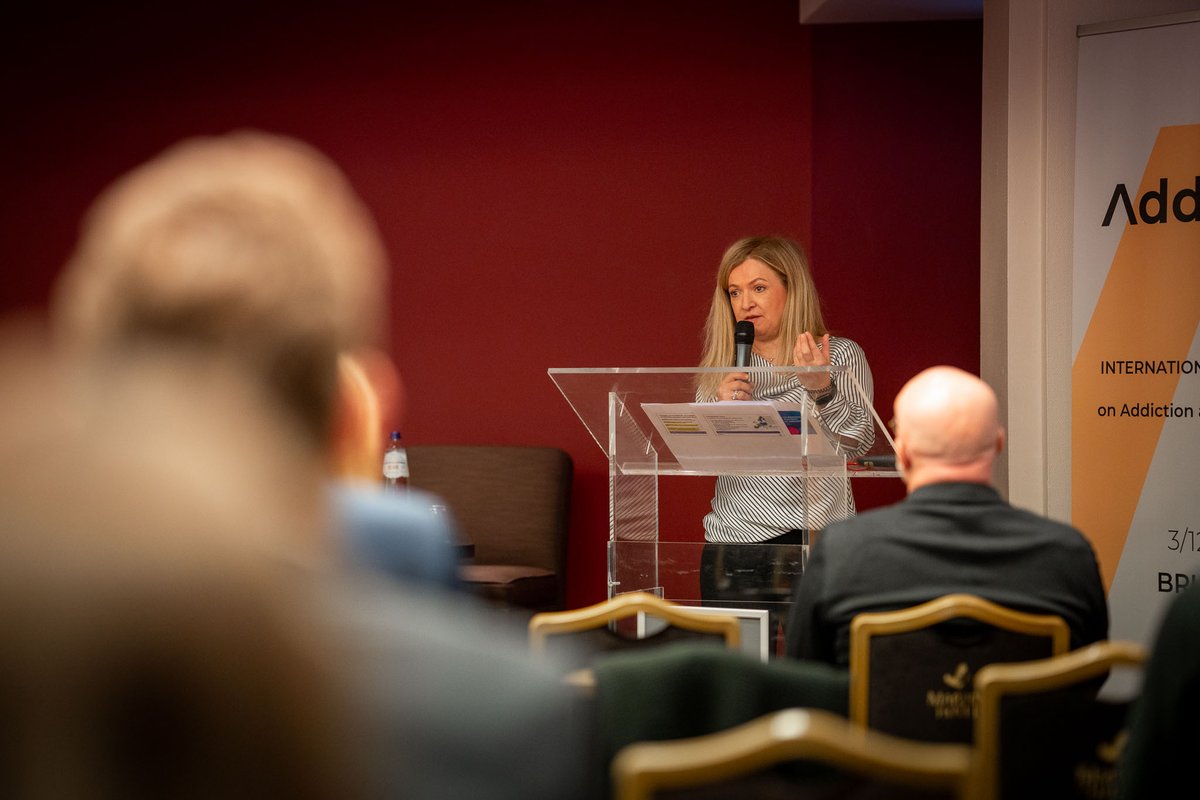
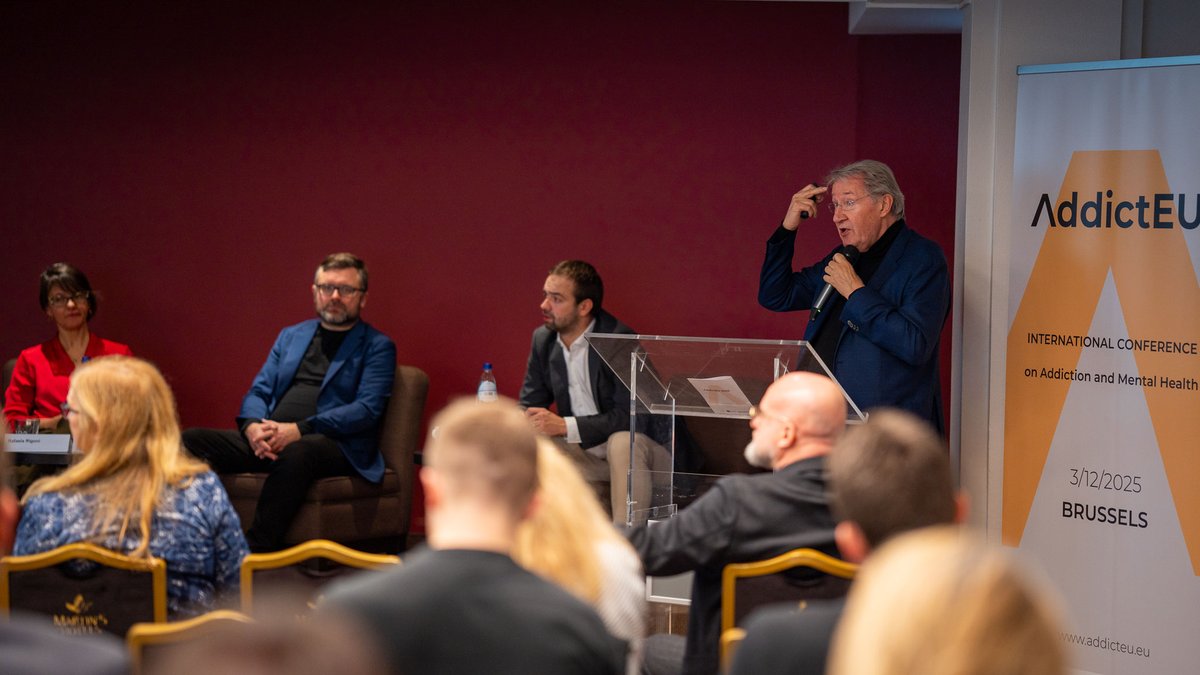
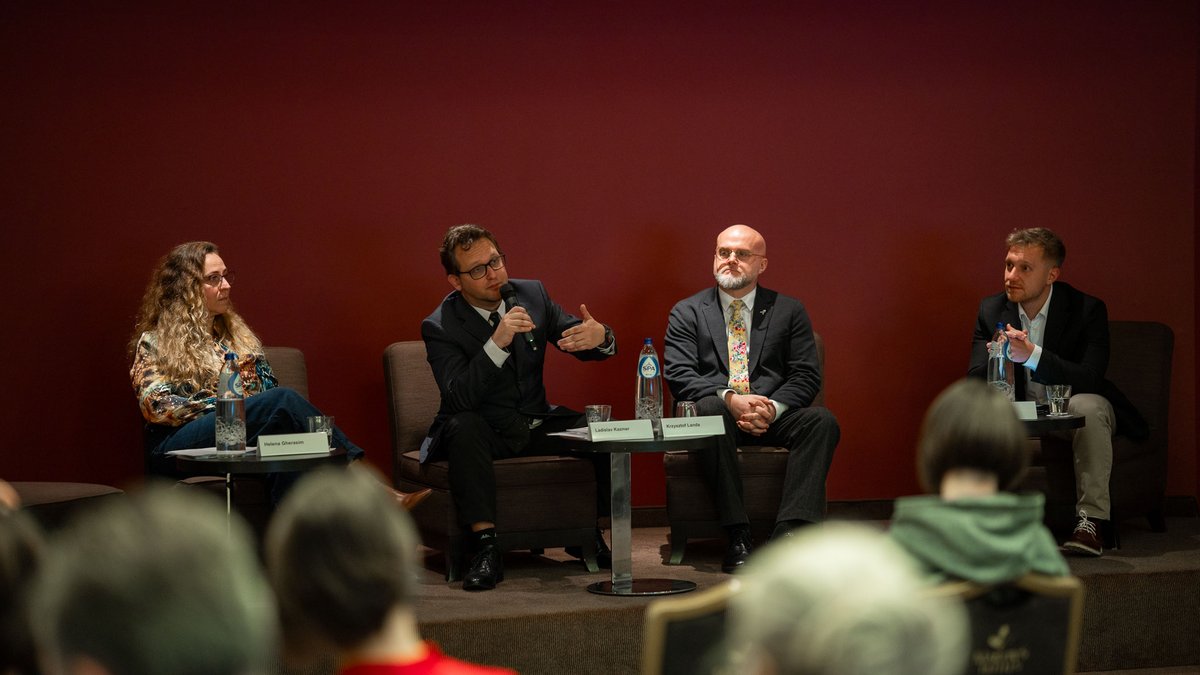
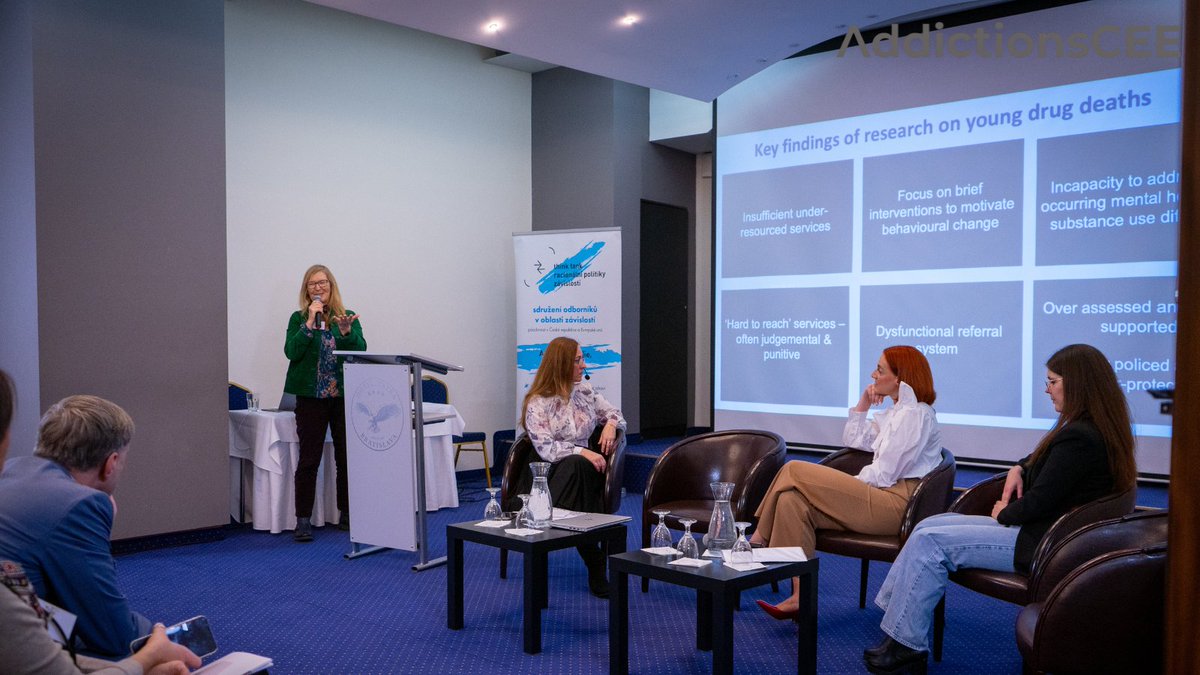
Bridging the Gap: Mental Health & Addiction Policy 🇪🇺🤝 Today’s #AddictEU2025 conference in Brussels successfully reinforced the urgent need to integrate #MentalHealth support with realistic #addiction regulation. With 1 in 6 Europeans facing mental health challenges, experts agreed that fragmented policies are no longer effective 📉. The discussions highlighted that a "substance-free world" is not a realistic goal, instead, the focus must shift toward evidence-based harm reduction strategies that respect individual autonomy while minimizing public health risks 🛡️⚖️. Panelists also showcased successful regulatory models, like the one recently adopted in the Czech Republic, which replace criminalization with strict age verification and quality control. This approach offers a pragmatic template for the EU, proving that regulation can be both protective and adaptable to new market realities without relying on outdated prohibition frameworks ✅🌍. A focus of the debate was the upcoming EU Cardiovascular Health Plan and its link to addiction and mental health ❤️🧠. By integrating harm reduction and behavioral prevention directly into the plan, the EU can address the root causes of health risks rather than just treating the symptoms, bridging the gap between physical health, mental well-being, and addiction policy. Thank you to all speakers and participants for contributing to this dialogue on the future of European health policy. 👏 For more details, please see the full press release - imhas.eu/addicteu-2025-… Thanks to our co-organizators @IRAP_ThinkTank and @CorrelationNet
Institute for Mental Health and Addiction Studies tweet mediaInstitute for Mental Health and Addiction Studies tweet mediaInstitute for Mental Health and Addiction Studies tweet mediaInstitute for Mental Health and Addiction Studies tweet media
English
0
2
4
141