Vaibhav Joshi

1.2K posts

Vaibhav Joshi banner
Vaibhav Joshi

Vaibhav Joshi

@InvestWithJoshi

Everyone loves a stock after 5x. I like businesses before they become Twitter threads. 💻​ Dev by profession | Investor 💰

Katılım Aralık 2018
188 Takip Edilen1.4K Takipçiler
Sabitlenmiş Tweet
Vaibhav Joshi
Vaibhav Joshi@InvestWithJoshi·
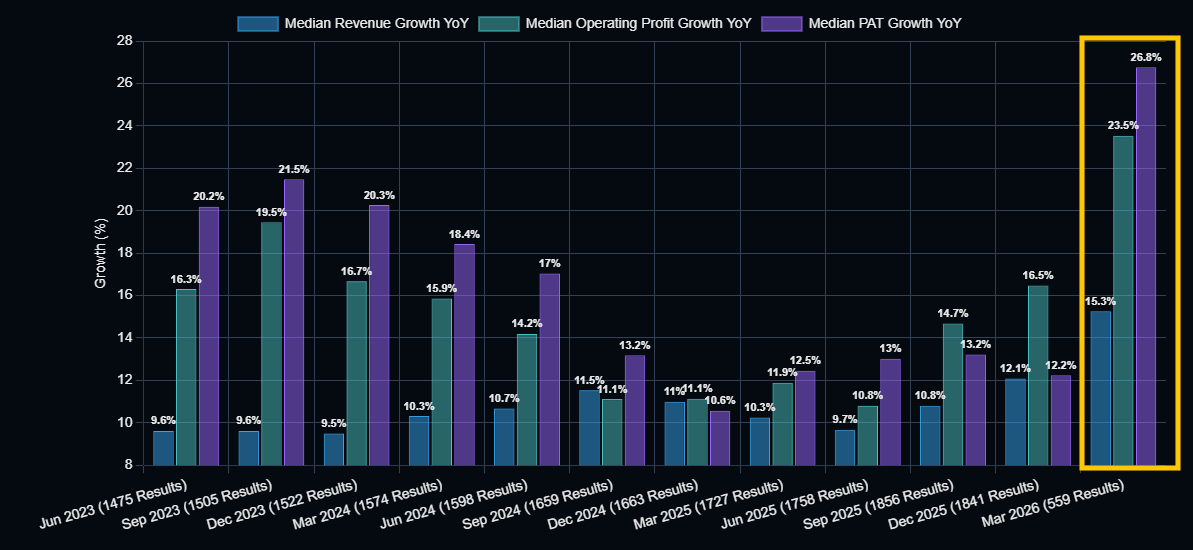
Result season so far looks Great. Growth is primarily lead by- 🔷BFSI (Banking & NBFCs mainly SFBs and Mircofin) 🔥 🔷Infrastructure & Logistics 🔷Renewable Energy 🔷Specialty Chemicals & Metals #EarningsSeason
Vaibhav Joshi tweet media
English
0
0
3
821
Vaibhav Joshi
Vaibhav Joshi@InvestWithJoshi·
@itsTarH How are they gonna recover this cost eventually what if we have one more deep seek moment 💀.
English
1
0
1
1.5K
Tar ⚡
Tar ⚡@itsTarH·
GPU Prices H100 Feb: $1.7/hr May: $3.2/hr 🔼 88% H200 Feb: $2.23/hr May: $7/hr 🔼 214% B200 Feb: $3/hr May: 5.73/hr 🔼 91%
11
8
247
21.8K
CA Paaras Gangwal
CA Paaras Gangwal@ThetaVegaCap·
Large and MidCap Recovered Fully Almost Closing in Green only Heavy Selling in Small and Micro Cap Both indices are down by 1.2% and 1.4% #Portfolio
English
5
9
282
12.5K
Aditya Shah
Aditya Shah@AdityaD_Shah·
In June 2025, Kaynes Technologies did a QIP of 1600cr for Rs 5569/share At the price, the P/Ex Multiple was 100x. Mutual funds like:- Motilal Oswal Mutual Fund (via schemes like Midcap and Focus), Nippon India, Axis Mutual Fund, and HSBC Mutual Fun Mutual funds keep saying:- We buy stocks at the right valuation, But in reality, buy stocks in momentum at any valuation Crazy that mutual funds bought at 80-100x P/Ex Kaynes has now lost nearly 48% in the last 1 year
Aditya Shah tweet media
English
20
18
208
64.6K
Vaibhav Joshi
Vaibhav Joshi@InvestWithJoshi·
@piyushm85 I dont see any reason 4-6 quarter down the line stock will fall or stay flat. Sometimes years of movement comes in weeks all it needs is a trigger then momentum buyers will do their job.
English
0
0
0
12
Piyush M
Piyush M@piyushm85·
@InvestWithJoshi Response from the stock price. And every time one buys 1-2 months down the line again the stock price is down 10 20%
English
1
0
0
47
Vaibhav Joshi
Vaibhav Joshi@InvestWithJoshi·
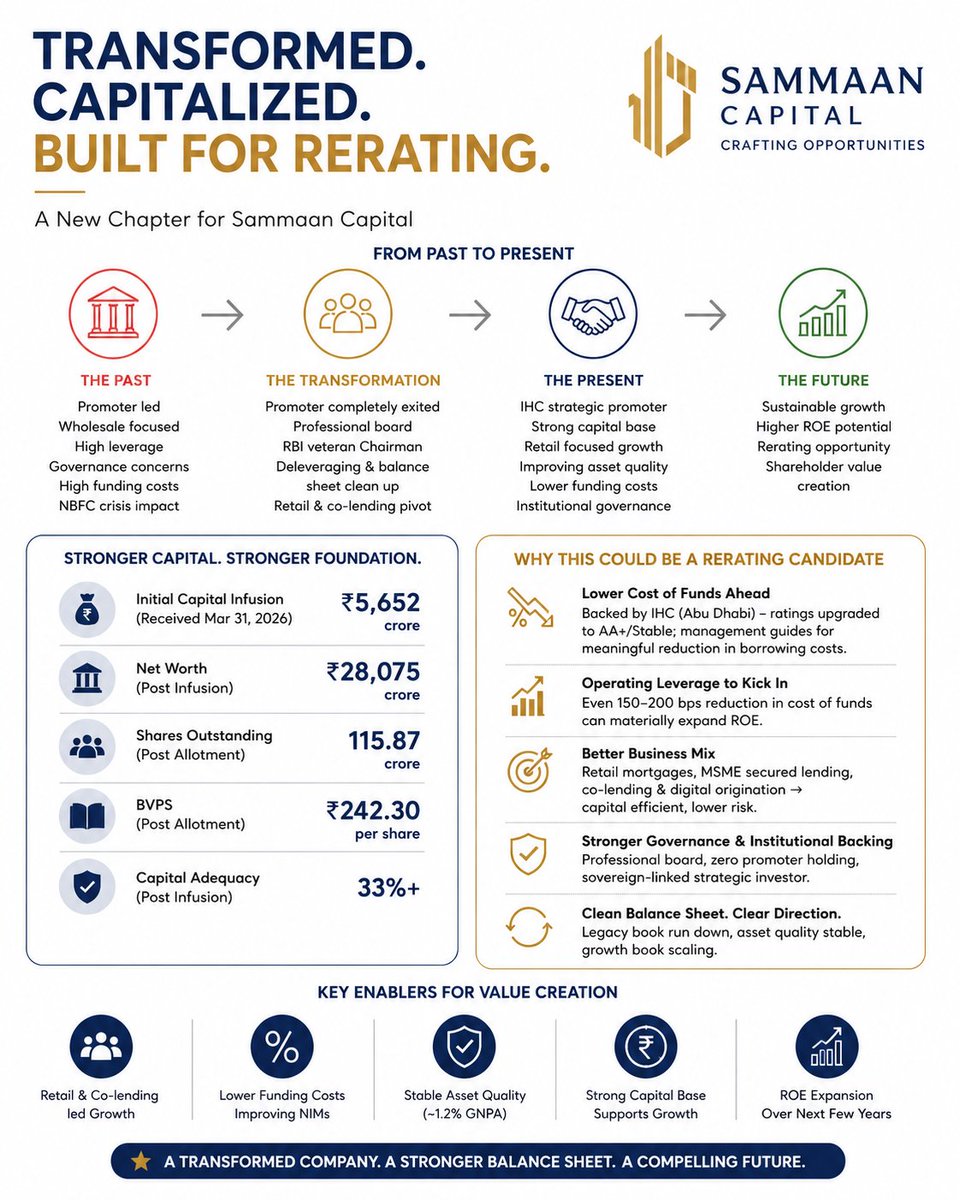
One thing I think the market still hasn’t fully processed about $SAMMAANCAP is that people are largely valuing it based on what it used to be, not what it is becoming. The stock is still mentally trapped in the Indiabulls Housing era: wholesale exposure, NBFC crisis baggage, promoter overhang, governance concerns, high funding costs, etc. But structurally, this is now a very different company. The original promoter has completely exited. The board is professionally run. Former RBI Deputy Governor S.S. Mundra chairs the company. And now Abu Dhabi’s IHC has come in as the strategic promoter with an ₹8,850 crore commitment. That is a massive shift in institutional quality and perception. 📈 What’s particularly interesting is the valuation disconnect that still exists despite the balance sheet transformation already underway. After receiving the first tranche of ₹5,652 crore on March 31, 2026, net worth increased to roughly ₹28,075 crore. Now many people see the higher net worth and assume book value per share automatically exploded upwards, but the important nuance is that the equity base also expanded significantly after the allotment. Post dilution: • Net worth: ~₹28,075 crore • Shares outstanding: ~115.87 crore • BVPS: ~₹242.3/share Even after adjusting for dilution, the stock still trades at a very meaningful discount to book despite having one of the strongest capital positions in the sector with capital adequacy above 33%. The really important thing here is not just the current book value. It’s what the earnings power could look like over the next few years if the liability side rerates. Historically the company paid elevated borrowing costs because the market never fully trusted the franchise after the IL&FS period. But now the company is backed by a sovereign linked global institution through IHC/Judan Financial. Ratings have already improved to AA+/Stable and management has openly indicated expectations of meaningful reduction in borrowing costs over time. For an NBFC, even a 150–200 bps reduction in cost of funds can completely change ROE dynamics. That’s where operating leverage becomes very powerful. ⚡ At the same time, the business model itself has changed. This is no longer the aggressive balance sheet heavy wholesale lender the market remembers. The company has been steadily running down the legacy book while scaling a retail focused growth book through co lending, mortgages, MSME secured loans, and digital origination. The co lending structure itself is important because it allows Sammaan to originate and distribute loans while keeping capital efficiency much higher than before. So the market may still be applying old valuation logic to what is increasingly becoming a cleaner, more retail oriented, institutionally backed NBFC platform. And this is usually how reratings happen. First the market doubts survival. Then it ignores recovery. Then it slowly accepts normalized earnings. And only later does it start assigning better multiples once trust returns. It rarely happens all at once. To me, Sammaan looks like a company somewhere in the middle of that transition phase where perception still lags reality. If execution continues, funding costs normalize, asset quality remains stable, and the retail strategy scales well, I don’t think the current valuation will sustain forever relative to the transformed balance sheet and improving earnings profile. The market spent years pricing in the destruction of the old story. It may eventually have to start pricing the emergence of a completely new one. $SAMMAANCAP
Vaibhav Joshi tweet media
English
1
0
5
1.2K
Vaibhav Joshi
Vaibhav Joshi@InvestWithJoshi·
@piyushm85 Valuations are way too attractive right now even if they did 60-70% of what they promised markets will rerate this.
English
0
0
0
26
Piyush M
Piyush M@piyushm85·
@InvestWithJoshi I have been expecting same that there cost of funds should reduce dramatically and that will make a big difference to the PNL. Not just cost of funds reduction but then there able to lend also at lower rate and become competitive and get more business. But there is absolutely no
English
2
0
1
66
Vaibhav Joshi
Vaibhav Joshi@InvestWithJoshi·
Keep sammaan capital on your radar for next week. Results or concall might act as a trigger.
Vaibhav Joshi@InvestWithJoshi

One thing I think the market still hasn’t fully processed about $SAMMAANCAP is that people are largely valuing it based on what it used to be, not what it is becoming. The stock is still mentally trapped in the Indiabulls Housing era: wholesale exposure, NBFC crisis baggage, promoter overhang, governance concerns, high funding costs, etc. But structurally, this is now a very different company. The original promoter has completely exited. The board is professionally run. Former RBI Deputy Governor S.S. Mundra chairs the company. And now Abu Dhabi’s IHC has come in as the strategic promoter with an ₹8,850 crore commitment. That is a massive shift in institutional quality and perception. 📈 What’s particularly interesting is the valuation disconnect that still exists despite the balance sheet transformation already underway. After receiving the first tranche of ₹5,652 crore on March 31, 2026, net worth increased to roughly ₹28,075 crore. Now many people see the higher net worth and assume book value per share automatically exploded upwards, but the important nuance is that the equity base also expanded significantly after the allotment. Post dilution: • Net worth: ~₹28,075 crore • Shares outstanding: ~115.87 crore • BVPS: ~₹242.3/share Even after adjusting for dilution, the stock still trades at a very meaningful discount to book despite having one of the strongest capital positions in the sector with capital adequacy above 33%. The really important thing here is not just the current book value. It’s what the earnings power could look like over the next few years if the liability side rerates. Historically the company paid elevated borrowing costs because the market never fully trusted the franchise after the IL&FS period. But now the company is backed by a sovereign linked global institution through IHC/Judan Financial. Ratings have already improved to AA+/Stable and management has openly indicated expectations of meaningful reduction in borrowing costs over time. For an NBFC, even a 150–200 bps reduction in cost of funds can completely change ROE dynamics. That’s where operating leverage becomes very powerful. ⚡ At the same time, the business model itself has changed. This is no longer the aggressive balance sheet heavy wholesale lender the market remembers. The company has been steadily running down the legacy book while scaling a retail focused growth book through co lending, mortgages, MSME secured loans, and digital origination. The co lending structure itself is important because it allows Sammaan to originate and distribute loans while keeping capital efficiency much higher than before. So the market may still be applying old valuation logic to what is increasingly becoming a cleaner, more retail oriented, institutionally backed NBFC platform. And this is usually how reratings happen. First the market doubts survival. Then it ignores recovery. Then it slowly accepts normalized earnings. And only later does it start assigning better multiples once trust returns. It rarely happens all at once. To me, Sammaan looks like a company somewhere in the middle of that transition phase where perception still lags reality. If execution continues, funding costs normalize, asset quality remains stable, and the retail strategy scales well, I don’t think the current valuation will sustain forever relative to the transformed balance sheet and improving earnings profile. The market spent years pricing in the destruction of the old story. It may eventually have to start pricing the emergence of a completely new one. $SAMMAANCAP

English
0
0
1
365
Vaibhav Joshi
Vaibhav Joshi@InvestWithJoshi·
@afsanjay Brother i know it is proxy to chemicals and pharma in packaging.
English
0
0
0
8
Vaibhav Joshi
Vaibhav Joshi@InvestWithJoshi·
Keep a close watch on speciality Chemical 👀 looks like a start of an upcycle.
Vaibhav Joshi tweet mediaVaibhav Joshi tweet media
Vaibhav Joshi@InvestWithJoshi

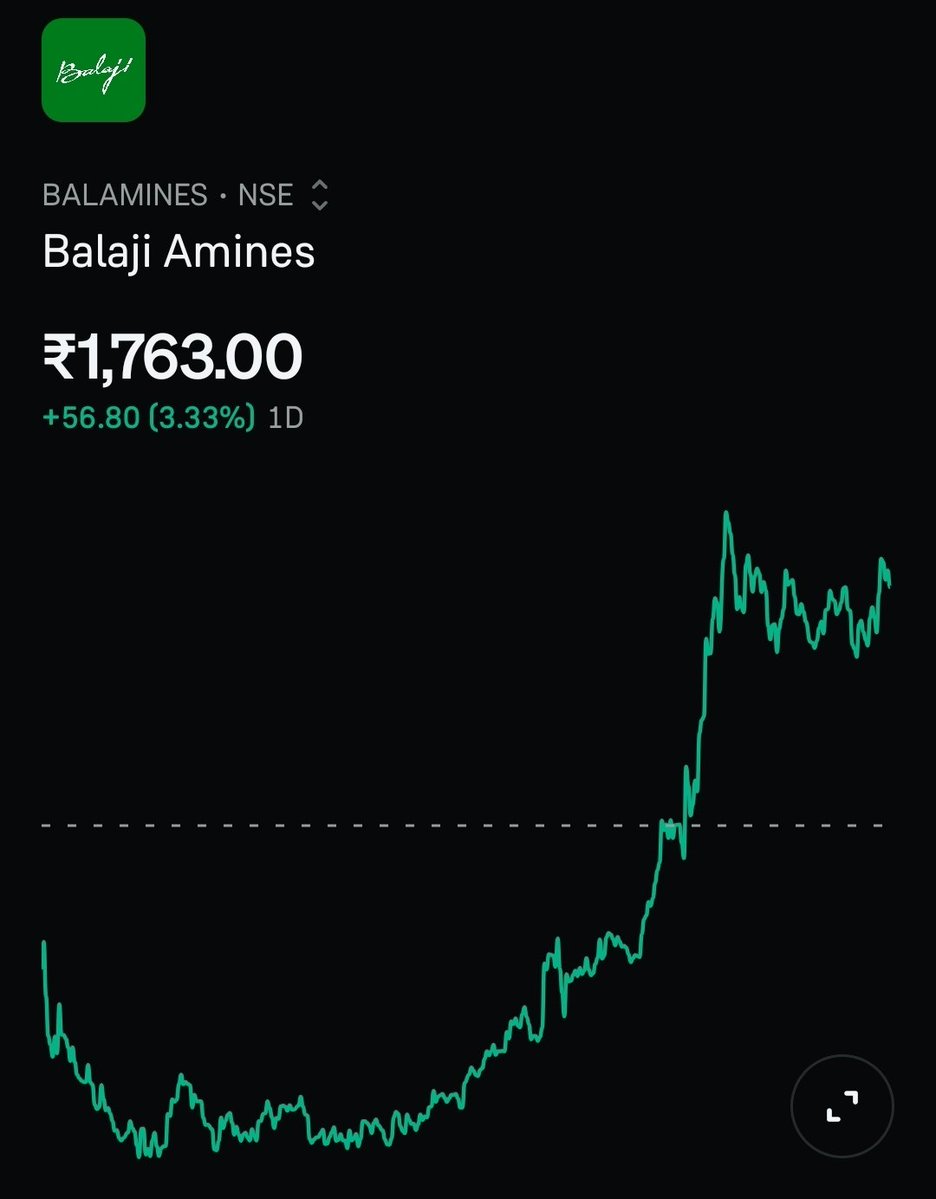
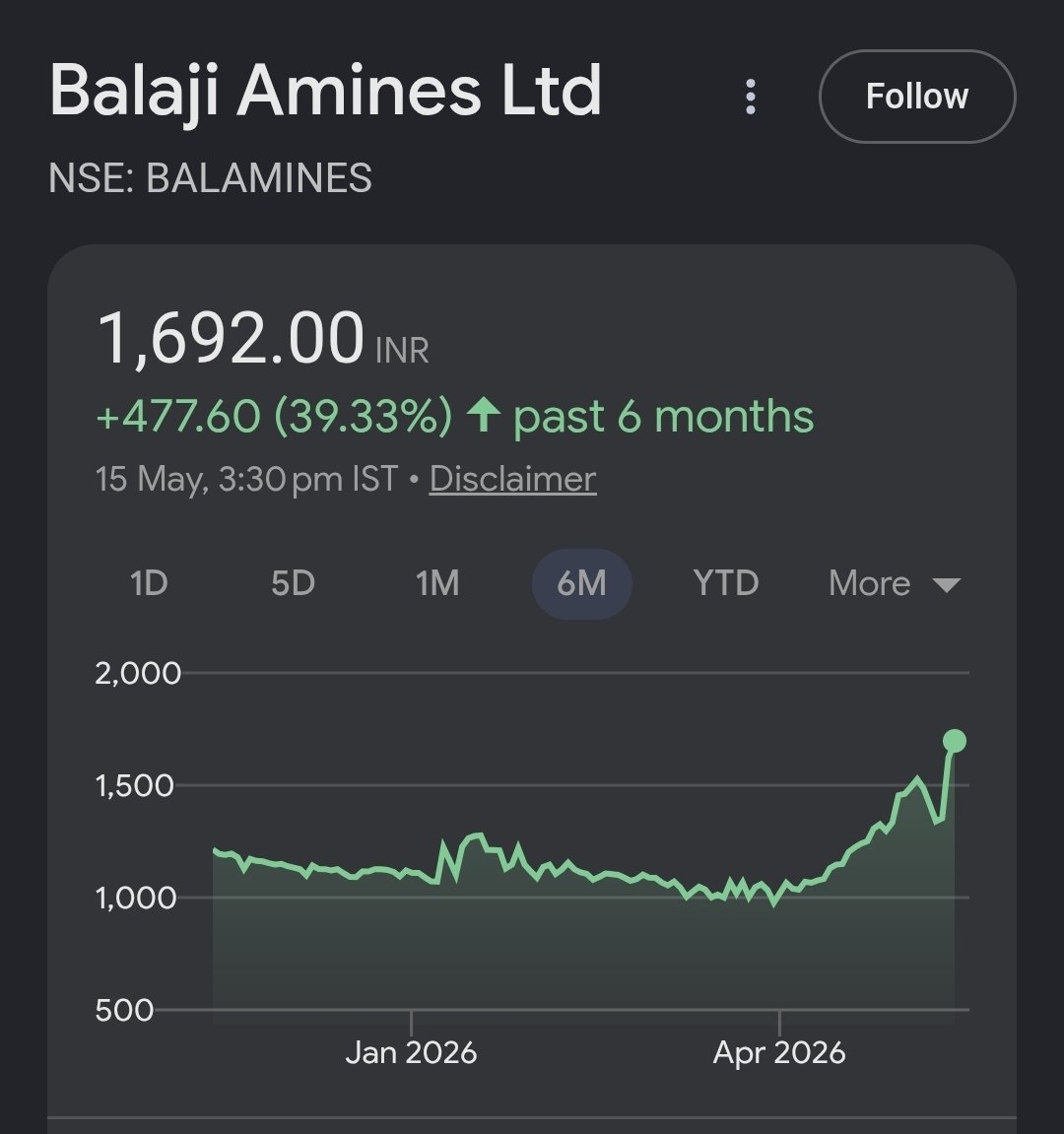
Very few people are paying attention to what could be unfolding in Balaji Amines and Mitsu Chem Plast right now 👀 Both companies went through a brutal slowdown over the last 2 years because of global destocking, weak exports and margin pressure. But the latest numbers suggest the cycle may finally be turning. Balaji Amines just reported: Q4 revenue up 11.5% EBITDA up 58% PAT up almost 58% EBITDA margins expanded from 16.9% to 23.9% This is important because chemical companies have huge operating leverage. Once utilization improves, profits can explode much faster than revenues. Management is also commissioning multiple new projects including DME and Acetonitrile capacity in FY27 while aggressively scaling specialty chemicals through Balaji Specialty Chemicals. The really interesting part is the long term possibility. Current FY26 revenue is around ₹1450 crore. But several reports and management commentary now point toward a possible path to ₹3000 crore revenue over the next few years if specialty chemicals, pharma intermediates and downstream derivatives scale successfully. And if EBITDA margins sustain even in the 18% to 22% range, earnings can look dramatically different from current levels. Now look at Mitsu Chem Plast. This one is much smaller and much riskier but the optionality is huge. Latest Q4 PAT jumped 118% YoY while margins expanded sharply. Management is entering the IBC business, expanding healthcare furniture and targeting around 30% growth in FY27. Even more interesting, they are talking about a potential ₹1000 crore revenue ambition by FY28. That is massive considering the current scale of the company. The market still thinks this is just another packaging company. But if Mitsu successfully transitions toward medical applications, industrial bulk packaging and value added manufacturing, the entire earnings profile can rerate. Of course risks remain. Balaji still faces Chinese competition and chemical cyclicality. Mitsu still carries classic smallcap execution risk. But these are exactly the kind of companies that can quietly compound for years when the cycle turns and product mix starts improving. Feels like we may still be very early in this story.

English
6
28
283
41.6K
San
San@Siddhar26747392·
@InvestWithJoshi Recent rally and margin recovery was due to restricted supply which helped in clearing the inventory. But the demand is still low for pvc and cpvc. Rise in inflation > rbi hikes rates > less loans > infra sector slowdown > pvc and cpvc demand reduces > margin pressure > you know.
English
1
0
1
51
Vaibhav Joshi
Vaibhav Joshi@InvestWithJoshi·
Very few people are paying attention to what could be unfolding in Balaji Amines and Mitsu Chem Plast right now 👀 Both companies went through a brutal slowdown over the last 2 years because of global destocking, weak exports and margin pressure. But the latest numbers suggest the cycle may finally be turning. Balaji Amines just reported: Q4 revenue up 11.5% EBITDA up 58% PAT up almost 58% EBITDA margins expanded from 16.9% to 23.9% This is important because chemical companies have huge operating leverage. Once utilization improves, profits can explode much faster than revenues. Management is also commissioning multiple new projects including DME and Acetonitrile capacity in FY27 while aggressively scaling specialty chemicals through Balaji Specialty Chemicals. The really interesting part is the long term possibility. Current FY26 revenue is around ₹1450 crore. But several reports and management commentary now point toward a possible path to ₹3000 crore revenue over the next few years if specialty chemicals, pharma intermediates and downstream derivatives scale successfully. And if EBITDA margins sustain even in the 18% to 22% range, earnings can look dramatically different from current levels. Now look at Mitsu Chem Plast. This one is much smaller and much riskier but the optionality is huge. Latest Q4 PAT jumped 118% YoY while margins expanded sharply. Management is entering the IBC business, expanding healthcare furniture and targeting around 30% growth in FY27. Even more interesting, they are talking about a potential ₹1000 crore revenue ambition by FY28. That is massive considering the current scale of the company. The market still thinks this is just another packaging company. But if Mitsu successfully transitions toward medical applications, industrial bulk packaging and value added manufacturing, the entire earnings profile can rerate. Of course risks remain. Balaji still faces Chinese competition and chemical cyclicality. Mitsu still carries classic smallcap execution risk. But these are exactly the kind of companies that can quietly compound for years when the cycle turns and product mix starts improving. Feels like we may still be very early in this story.
English
3
15
106
51.5K
Manish Khandelwal
Manish Khandelwal@manish21688·
@InvestWithJoshi Also, they are not able to grab Q-Comm delivery share. With Q-Comm, E-Comm deliveries are coming down. So, Volume growth can also become a concern.
English
1
0
1
17
Vaibhav Joshi
Vaibhav Joshi@InvestWithJoshi·
$DELHIVERY just had one of the most important years in its history and honestly the next 24 months could decide whether it becomes India’s dominant logistics platform or gets dragged into a brutal pricing war with Amazon and captive logistics players 📦 FY26 numbers were actually very strong: Revenue came in at ₹10,486 Cr up 17.4% YoY EBITDA jumped to ₹764 Cr vs ₹376 Cr last year EBITDA margins expanded from 4.2% to 7.3% Free cash flow turned positive at ₹89 Cr Cash on books now stands at ₹4,555 Cr with practically zero debt Q4 FY26 was even stronger: Revenue grew 30% YoY to ~₹2,850 Cr EBITDA surged almost 80% to ₹214 to ₹231 Cr depending on adjustment basis Margins improved to ~8% The company processed more than 1 BILLION ecommerce shipments in FY26 alone which is insane scale 🚚 The biggest move was the Ecom Express acquisition. Delhivery acquired Ecom for just ₹1,407 Cr even though Ecom was once valued near ₹7,300 Cr. That is a massive distressed acquisition and probably one of the smartest consolidation moves in Indian logistics in recent years. Post merger Delhivery now controls roughly 20% to 30% of India’s express parcel market and management expects Ecom integration to become EBITDA positive by H2 FY27. What makes the story interesting is operating leverage is finally kicking in. PTL margins improved to ~11% and management believes this business can eventually reach 16% to 18% margins. Supply chain services margins also jumped from ~2% to ~11% after the company intentionally exited low quality contracts. Now coming to FY27 and FY28 expectations. Street estimates are projecting: FY27 Revenue around ₹12,000 Cr FY27 EBITDA around ₹1,100 Cr FY27 EBITDA margins close to 9.5% By FY28 many analysts expect: Revenue around ₹13,800 to ₹15,000 Cr EBITDA between ₹1,450 to ₹1,700 Cr Margins potentially crossing 10% to 11% If Delhivery executes well PAT could move from ~₹347 Cr adjusted FY26 earnings to nearly ₹900 Cr to ₹1,150 Cr by FY28. That is the bull case and that is why some brokerages still have targets near ₹570. But there’s a huge risk nobody can ignore. Meesho’s captive logistics arm Valmo is scaling extremely fast and Amazon has now launched Amazon Supply Chain Services which basically means Amazon wants to become the AWS of logistics by opening its warehouses fulfillment network and delivery infra to third parties. This could completely commoditize logistics pricing in India. That’s why the market is divided right now: Motilal Oswal target ₹570 HSBC target ₹500 Jefferies target only ₹390 because they believe Meesho insourcing and Amazon competition will hurt margins badly. Personally I think the real thing to watch now is NOT revenue growth. It is pricing power. If Delhivery can maintain margins above 10% while continuing volume growth then this becomes a very serious compounding story. If pricing wars start then even massive shipment growth may not translate into profits. The next few quarters are going to be extremely important for the Indian logistics sector. (The Economic Times)
Vaibhav Joshi tweet media
English
2
0
4
407
Vaibhav Joshi
Vaibhav Joshi@InvestWithJoshi·
@saibharath616 Only time will tell the execution valuations are not too attractive either.
English
0
0
1
15
sai bharath
sai bharath@saibharath616·
@InvestWithJoshi Well said.. Lots of risks better to avoid at such an insane valuation Amazon & Valmo will be detrimental for delhivery Moreover the revenue growth wasn't organic growth QoQ growth was subpar.
English
2
0
1
63
Vaibhav Joshi
Vaibhav Joshi@InvestWithJoshi·
@vsvicky_ After a long period of pain. Things are looking a little better.
English
0
0
0
72
Satpal Singh
Satpal Singh@vsvicky_·
@InvestWithJoshi Telling from the past a month Chemicals & pharma will give good money moving forward.
English
1
0
3
200
Vaibhav Joshi
Vaibhav Joshi@InvestWithJoshi·
@beingindian108 It manufactures the rigid plastic packaging (jerrycans, drums, pails, and upcoming IBC containers) that chemical and pharmaceutical companies use to safely store and transport their products.
English
0
0
0
73
Vaibhav Joshi
Vaibhav Joshi@InvestWithJoshi·
@AdityaD_Shah Never invest on the basis of management's guidance - x.com/i/status/20555…
Vaibhav Joshi@InvestWithJoshi

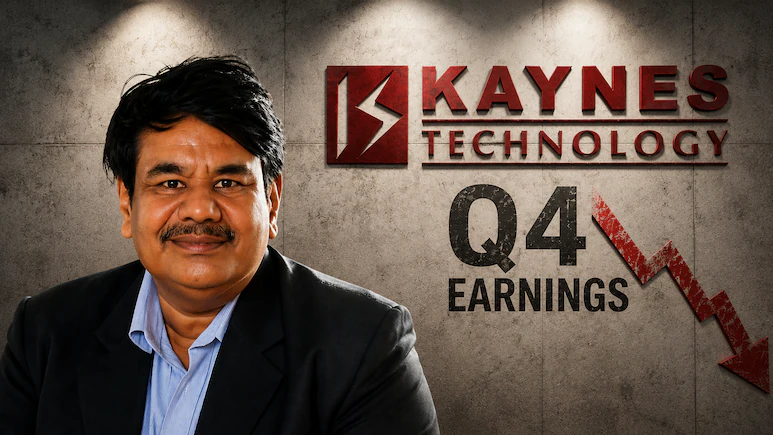
One thing I’ve realized in investing is that sometimes 2 companies can operate in the exact same sector… but management quality and expectation setting changes everything 👀 Best example right now is Kaynes Technology vs Avalon Technologies Both are riding India’s EMS manufacturing boom. Both are exposed to themes like railways, EVs, aerospace, industrial electronics and import substitution. But the market is treating them very differently now. Kaynes came into FY26 with massive hype. Management guided for around ₹4500 crore revenue which meant 50%+ growth. The market got excited and priced the stock like nothing could go wrong. Then reality kicked in. Railway approvals got delayed. Smart meter execution slowed. Working capital stretched. Guidance first got revised to ₹4100 crore and even that eventually got missed. Final FY26 revenue came around ₹3626 crore. That’s almost ₹900 crore lower than the original target. And when a stock is priced for perfection, these misses hurt badly. The stock corrected almost 48% from peak levels. Now look at Avalon. Completely different vibe. Management stayed conservative. No flashy promises. No unrealistic projections. Just steady execution quarter after quarter. And the market rewarded that consistency. The stock quietly delivered more than 54% returns in the last 1 year while sentiment around many EMS names remained weak 📈 What’s interesting is that I still think Kaynes can become a much bigger company over the next decade because the opportunity size in Indian electronics manufacturing is enormous. India is still in the early innings of EMS growth. But this phase is teaching an important lesson: Growth alone is not enough. Expectation management matters just as much. Right now Avalon feels like the steadier compounder while Kaynes feels more like a high beta execution story. And honestly… some of the best compounders are usually the companies quietly delivering numbers instead of aggressively selling future dreams.

English
1
0
0
614
Aditya Shah
Aditya Shah@AdityaD_Shah·
🚨Kaynes Technology-The cash flow challenge, Kaynes Technologies' shares are now nearly 50% down from the peak, What is happening at Kaynes Technology? Let's find out👇 Kaynes Technology is a leading Indian design-led electronics system design and manufacturing (ESDM) company. Kaynes Technologies is a leading EMS player with the following divisions:- Electronics Manufacturing Services (EMS): Manufactures printed circuit board (PCB) assemblies and complete box-build solutions. Original Design Manufacturing (ODM): Develops proprietary designs for IoT solutions, smart devices, and connectivity technologies.Internet of Things (IoT): Provides edge-to-cloud IoT solutions, predictive maintenance, and asset tracking. Kaynes Technology aggressively expanded into the semiconductor sector through its subsidiary, Kaynes Semicon. The company operates a major Assembly, Testing, Marking, and Packaging (ATMP/OSAT) plant in Sanand, Gujarat, which is designed to produce 60 lakh chips daily. So, how were the Q4FY26 results? Revenue 1242.64 Cr vs 984.48 Cr (+26.22% YoY┃+54.55% QoQ) EBITDA 193.70 Cr vs 167.86 Cr (+15.39% YoY ┃+62.34% QoQ) EBITDA Margin 15.59% vs 17.05% YoY & 14.84% QoQ The company reports a massive negative cash flow of 600cr 1000cr stuck in trade receivables, So what did the company Guide for? Originally, Kaynes had guided for FY26 revenue of around ₹4,400-4,500 crore. However, after weaker Q3 performance, management reduced the target to around ₹4,100 crore as growth in some segments slowed and execution delays emerged. Actual FY26 revenue came in at ₹3,626 crore, meaning the company missed its lowered target by nearly ₹474 crore and achieved only around 88% of revised guidance. The disappointment became even sharper in Q4. Management had indicated quarterly revenue could reach around ₹1,700 crore, but actual Q4 revenue came in at only ₹1,242.6 crore. Management had guided for a slightly negative cashflow, But this came in with negative 600cr of cashflow, This was one of the bigger shocks in the guidance which was surprising to the investors, Why did the cash flows remain negative? Management’s core explanation: consolidated cash burn is dominated by the smart metering subsidiary / business model, while core EMS improved materially. “As a standalone EMS business, our cash flow was 250 crore positive (vs 65 crore last year).” Smart metering receivables: ~INR 1,365 crore, plus ~INR 250 crore referenced by an analyst as non-current/long-term component (management did not refute; implied similar). On the ~600 crore negative, management claimed: “by end of the third quarter… at least 70 to 80 percent of this will come down for sure, and by end of the year, we’ll be positive” (explicit but execution-dependent). What is the market fearing? Kaynes tech has a strong order book and is in all the sun rise sectors. The company has strong expansion plans, The real concern is if the company doesnt convert profits into cash, The company will need to keep raising money thru equity, Company raised, 1400cr in December 2023 through a QIP, 1600cr in June 2025, again through a QIP, If the profits dont convert into real cash, The need for cash infusion will be a major thing to watch for, Management Guidance:- Management repeatedly avoided explicit revenue numbers for FY27, citing volatility and customer pull-based recognition: “We don’t want to attach a number,” instead committing to “outgrow the market… double the market growth.” Working capital::- Core EMS: commitment to remain cash positive and improve WC by 8–10 days over time. Smart metering: explicit intent to change contracting model and deliver visible receivable reduction within ~3 quarters, with “quarterly progress” updates and potentially enhanced disclosures in presentations. Valuation:- Kaynes tech trades at 60x P/Ex This is still not cheap, Conclusion:- Kaynes Technologies operates in sunrise sectors. The company has gone for aggressive growth plans, Management guidance has been way off the ground realities, Management must be careful on the promises to the analyst community, Underpromise and overdeliver is the key to all successful management. P.S. This is my study and not investment advice Please consult ur own financial advisor before taking any investment advice.
Aditya Shah tweet media
English
7
7
105
17.8K
NARESH BANSAL
NARESH BANSAL@NARESHBANS47598·
@InvestWithJoshi After keeping for 2/3 years sold at 103. Was not moving an inch. Tired. And now I see 149
English
1
0
1
595