

Kane Ioane
2.1K posts
Kane Ioane
@IoaneNoQuestion
Husband/Father - Defensive Coordinator @NevadaFootball
Katılım Nisan 2010
2.6K Takip Edilen19.9K Takipçiler


4th annual K.I.F. Golf Tourney was another success. Thanks to all who’ve played/sponsored/donated/volunteered or just believed in our mission as a foundation. Figured I’d post some words from the foundation’s namesake #KasIoaneFoundation #KIF
English
Kane Ioane retweetledi

Kane Ioane retweetledi
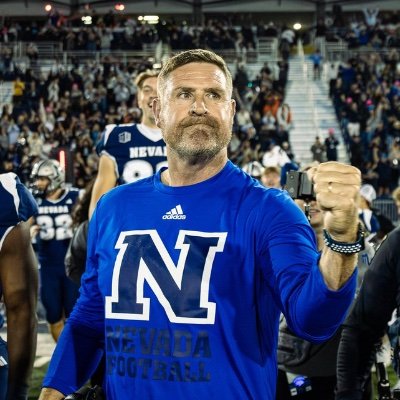
Grateful to share the love of the game with the Future Pack!


English
Kane Ioane retweetledi

@Coach_JLoeffler @CoachChoateFB @VGreen85 extremely blessed to continue the game at the next level with the pack, thank you to all the pack staff for believing in me and giving me this opportunity. And now I am committed the the Wolfpack really excited

English
Kane Ioane retweetledi
ᴀʙᴏᴜᴛ ʟᴀꜱᴛ ꜱᴀᴛᴜʀᴅᴀʏ 🙂↕️
Thanks to all who came out to help support and raise over $10k for the Nevada C.O.P.S foundation!
We’ll see you next year when we get the trophy back 🤝🏽
#BattleBorn


English
Kane Ioane retweetledi
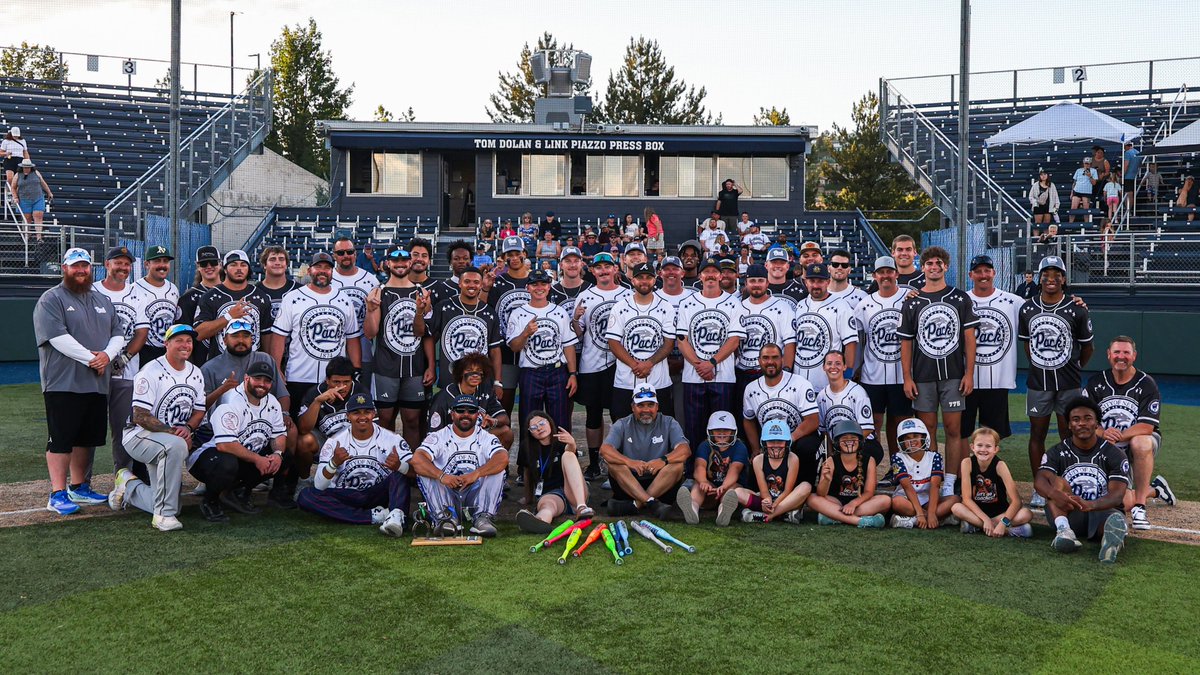
Had a great time catching up with my guy Yams, and sharing some thoughts on this thing called “coaching”.
The_Coachers_Podcast@CoachYams
🚨Coach Kane Ioane🚨 Episode 44 is out now! Link in bio 🔗 I had the pleasure to GA for Coach Kane at Boise State. He practices what he preaches and shows up everyday! Thank you for your impact and your patience with me especially during that first year 🤣 Coach Kane Ioane is the Defensive Coordinator for the Nevada Wolf Pack football team. Born and raised in Billings, Montana, Coach Kane is a former four-time All-American safety at Montana State University (2000–2004), where he earned Big Sky Defensive MVP honors in 2003 and became the conference’s all-time tackles leader. He had a brief NFL stint with the Tampa Bay Buccaneers and was inducted into both the Montana State Athletics Hall of Fame and Montana Football Hall of Fame. Coach Kane began his coaching career at Montana State in 2005 – 2016 where he spent time in many different roles including as a Coordinator. In 2017–18, he went to Washington as a defensive analyst before returning to Montana State as defensive coordinator/safeties coach (2019–2020 under Jeff Choate). He then served as co-DC/safeties coach at Boise State 2021–23, before joining Nevada as DC in 2024. He and his wife Kerri have two children, Avah and Kyson. His passion for coaching and mentorship comes from his father, Kas Ioane — the original “Coach Ioane” — a beloved educator and coach in Billings Public Schools for nearly 40 years, primarily at Skyview High School. After Kas’s Alzheimer’s/dementia diagnosis, Kane and his brother Kip founded the Kas Ioane Foundation (KIF) to honor his legacy. The foundation supports Alzheimer’s research and families, youth empowerment, scholarships, and coach development through the annual KIF Golf Tournament and Coaching Solutions Seminars. #collegefootball #coachingfootball #battleborn #nevadafootball #leadership
English
Kane Ioane retweetledi
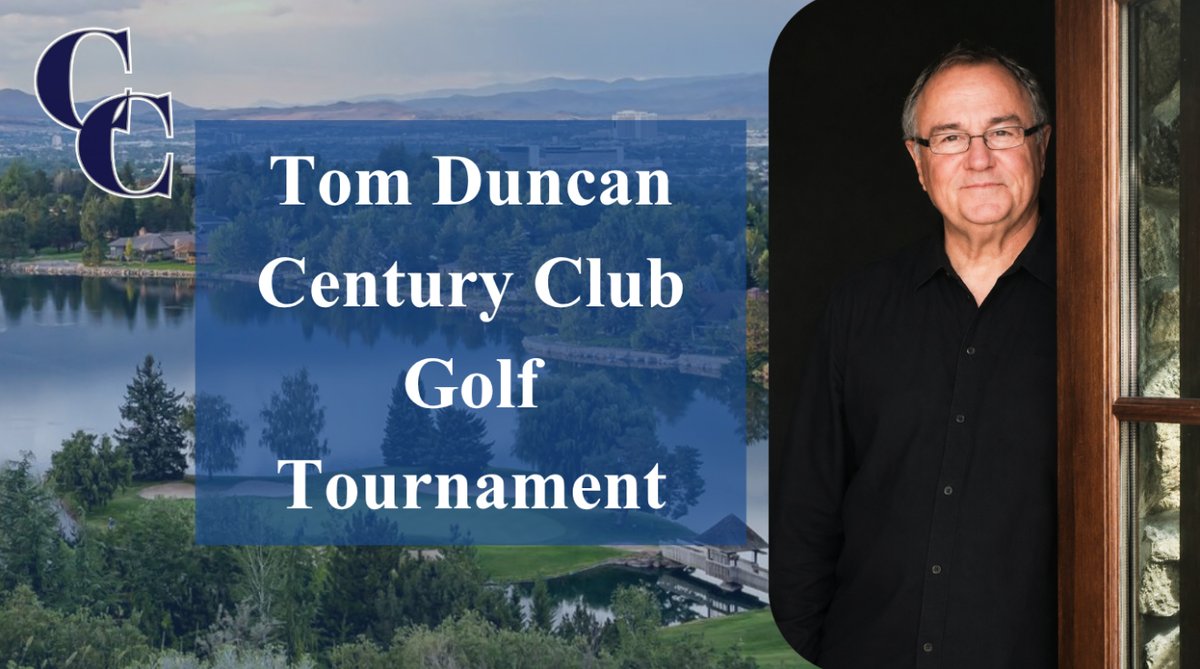
We are less than two weeks away from the sold-out Tom Duncan Century Club Golf Tournament.
Those of us who had the privilege of knowing Tom—better known to many as “TD”—are honored to have his name serve as the title sponsor of this prestigious event.
What TD and the Duncan family have done for Northern Nevada and for this university cannot be adequately measured in words. Their generosity, leadership, and unwavering commitment have left a lasting impact on countless lives and helped shape the future of our community.
Tom Duncan was truly one of a kind—a legend in every sense of the word. We look forward to celebrating his remarkable legacy and the enduring influence he and his family continue to have on Northern Nevada.
#BattleBorn
English
Kane Ioane retweetledi
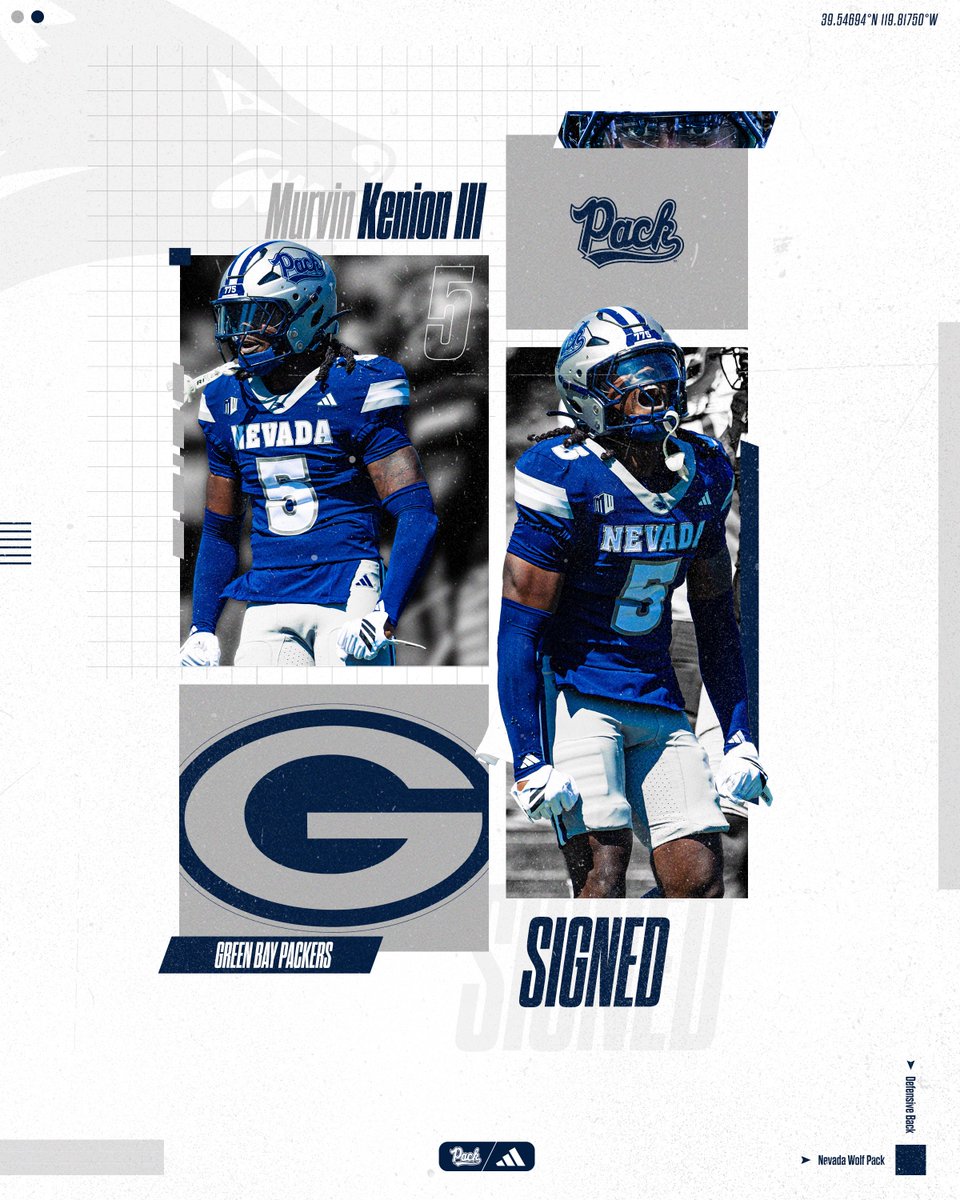
Kane Ioane retweetledi
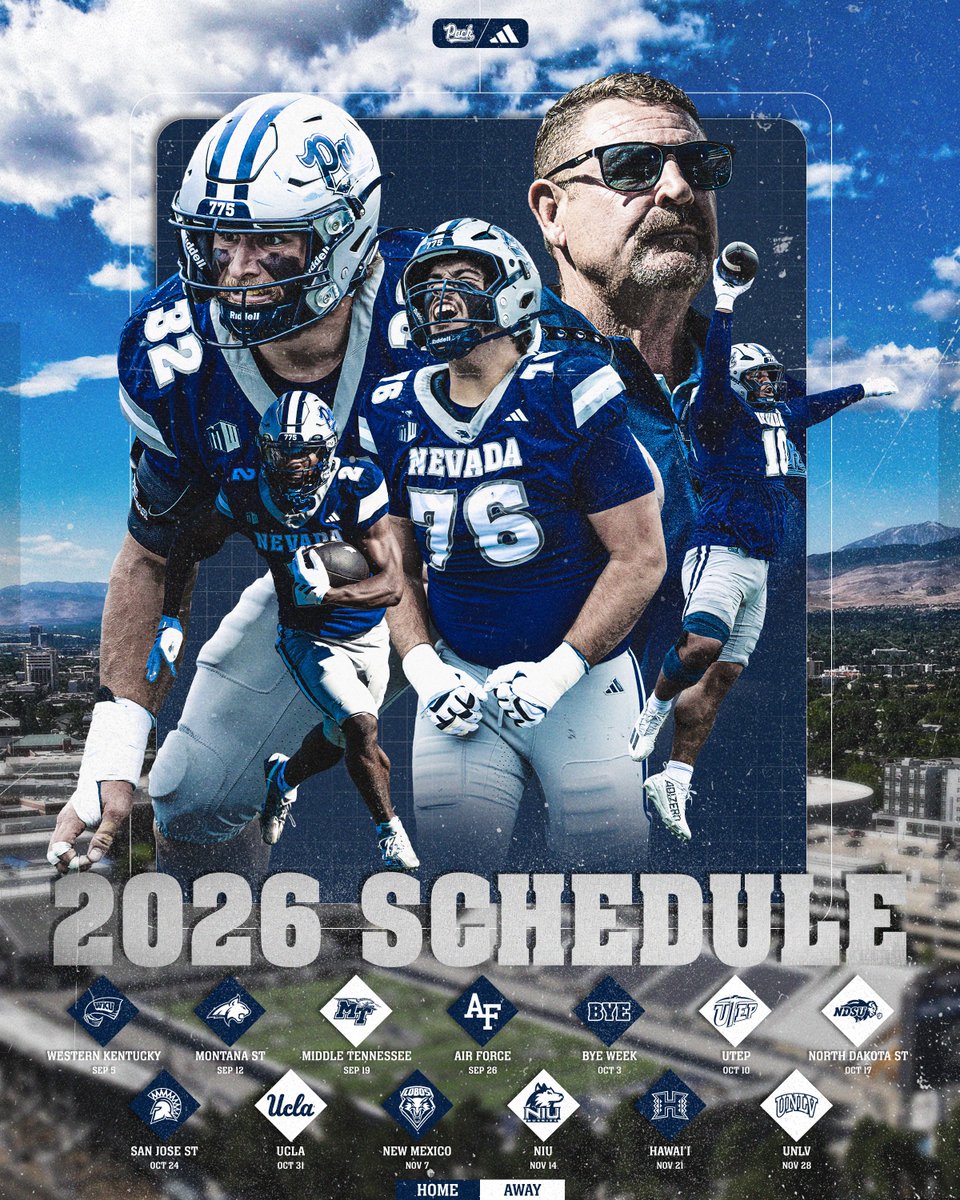
Kane Ioane retweetledi
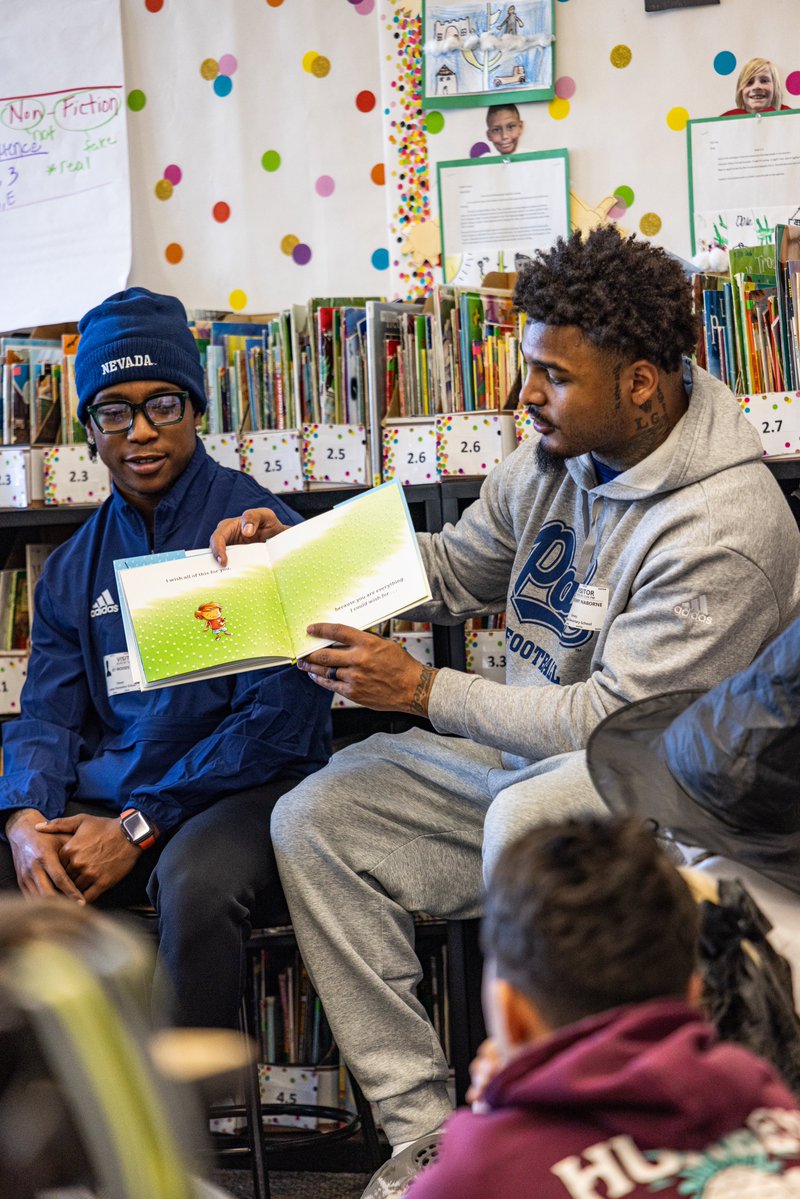
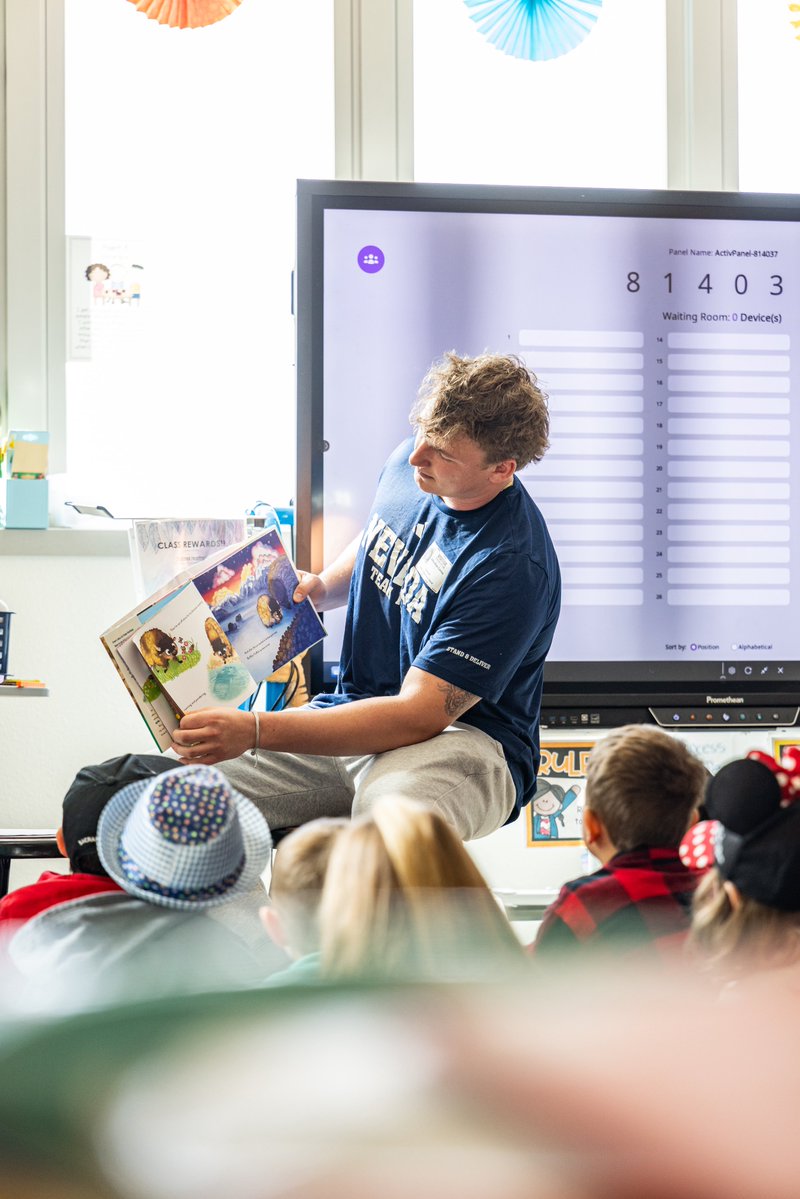
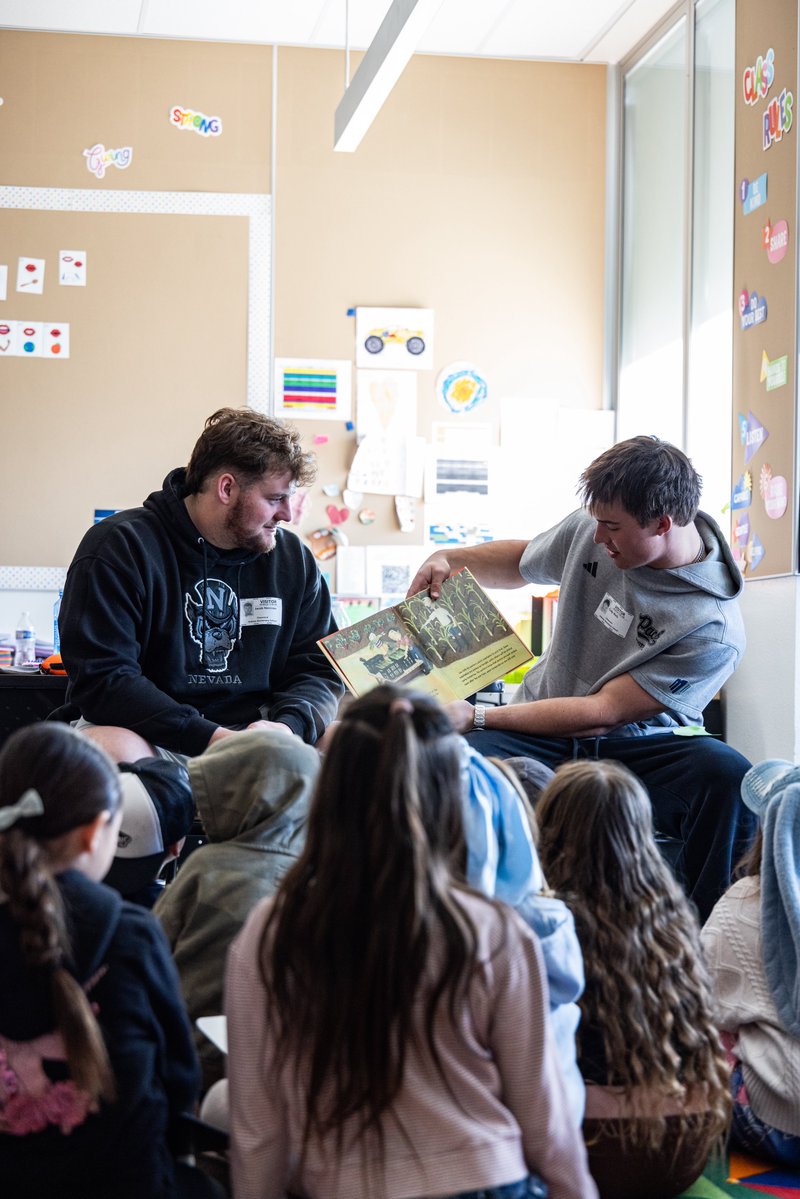
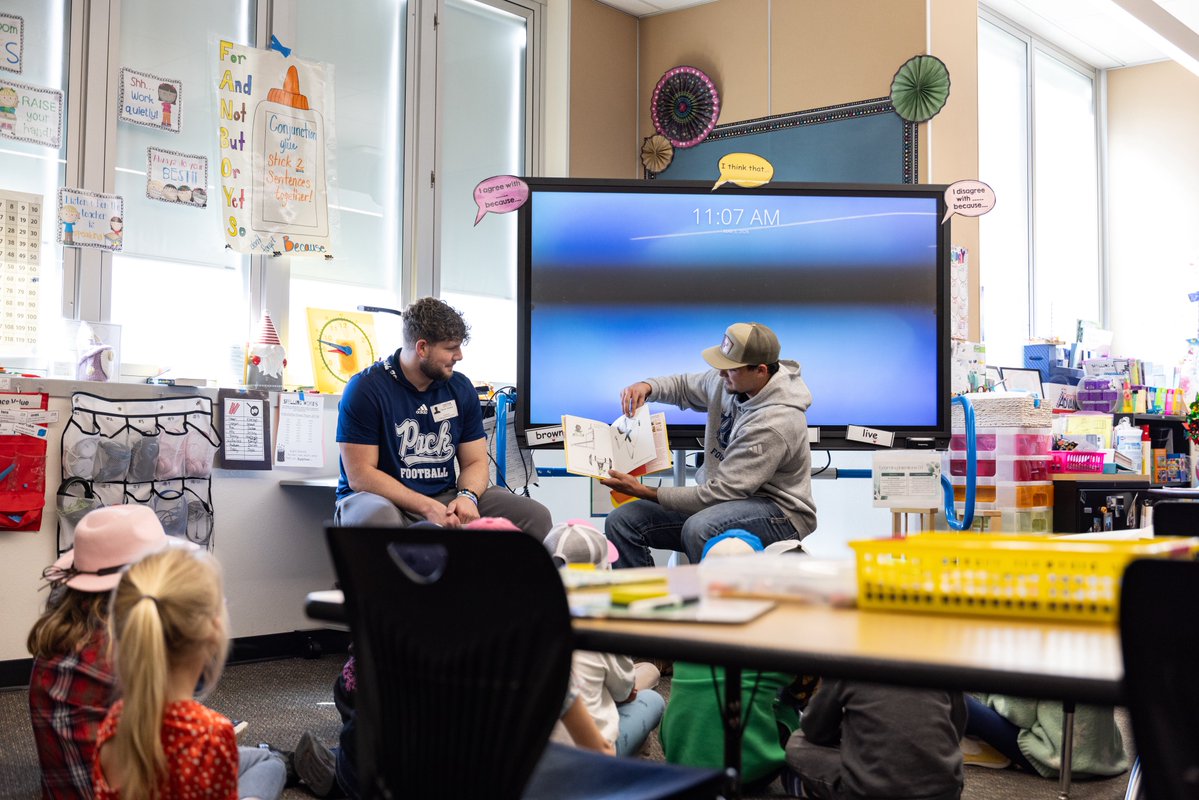
National Reading Week 📚
This week, our guys got to get out in the community with local elementary schools to share stories and spend time with kids from all over Northern Nevada!
#BattleBorn
English
Kane Ioane retweetledi
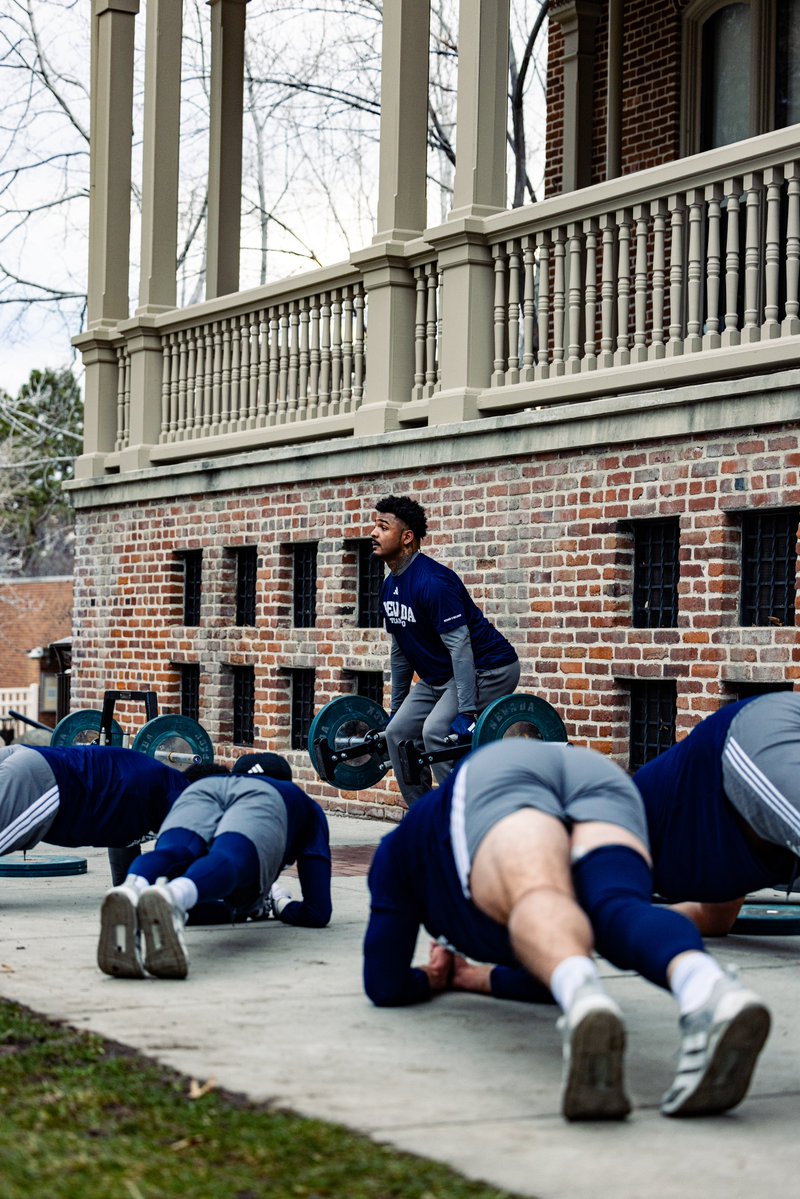
ʜᴏᴡ ɪᴛ ꜱᴛᴀʀᴛᴇᴅ ➡️ ʜᴏᴡ ɪᴛ’ꜱ ɢᴏɪɴɢ
Indoor coming soon👀
#BattleBorn


Kane Ioane retweetledi


Kane Ioane retweetledi
Kane Ioane retweetledi
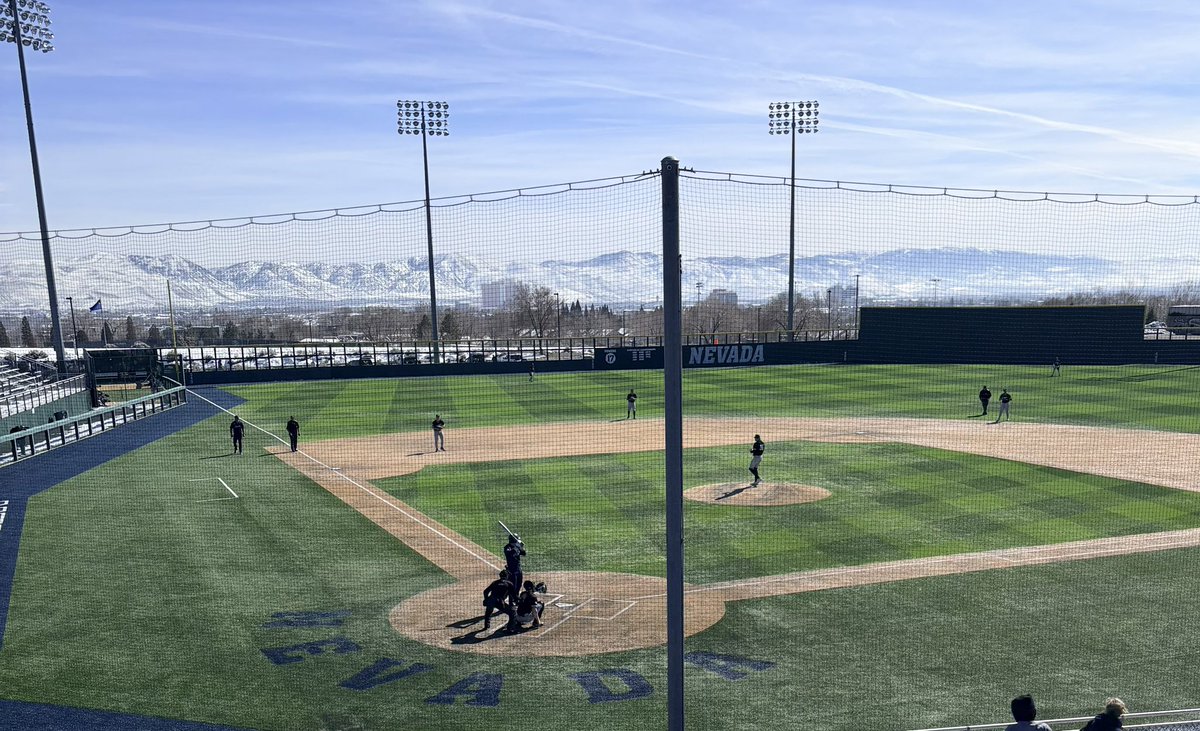
Enjoying some family fun rooting on #NevadaBaseball on a beautiful Sunday here in Reno. Always an amazing view at Peccole Park! #GoPack
English