
Iran Embassy in Turkmenistan
3K posts

Iran Embassy in Turkmenistan
@IranInAshgabat
سفارت جمهوری اسلامی ایران در عشق آباد Eýran Yslam Respublikasynyň Aşgabatdaky ilçihanasy Посольство Исламской Республики Иран в Ашхабаде
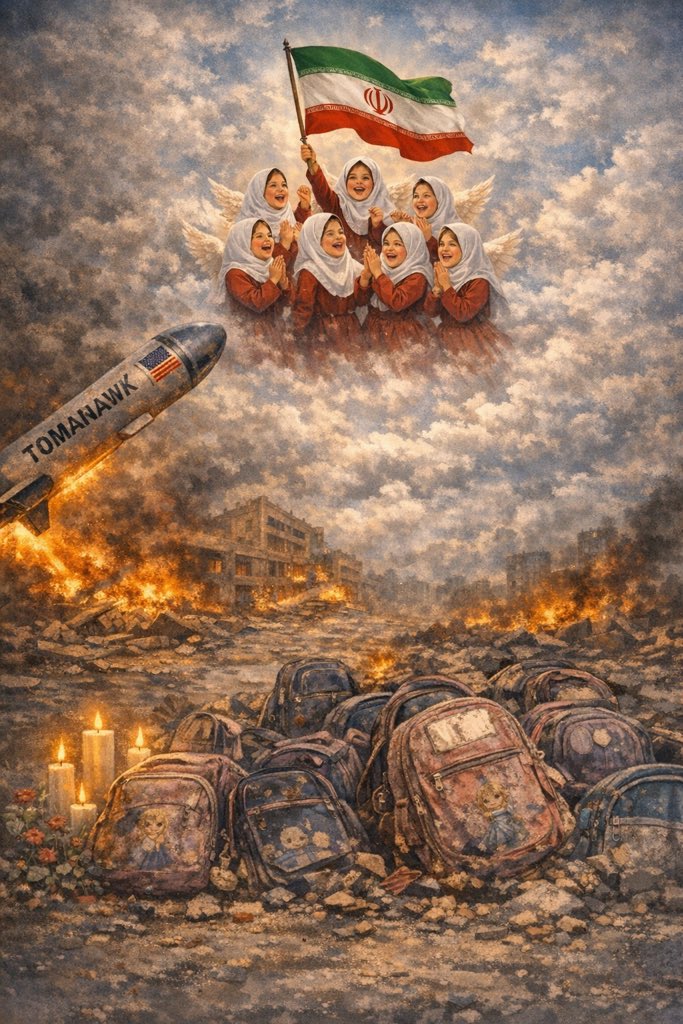


Under international law, transit through waterways like the Strait of Hormuz must remain open and free of charge. This is what leaders made clear in their call on reopening the Strait today. Any pay-for-passage scheme will set a dangerous precedent for global maritime routes. Iran has to abandon any plan to levy transit fees. Europe will play its part in restoring the free flow of energy and trade, once a ceasefire takes hold. The EU’s Aspides naval mission is already operating in the Red Sea and can be quickly strengthened to protect shipping across the region. This could be the fastest way to provide support.


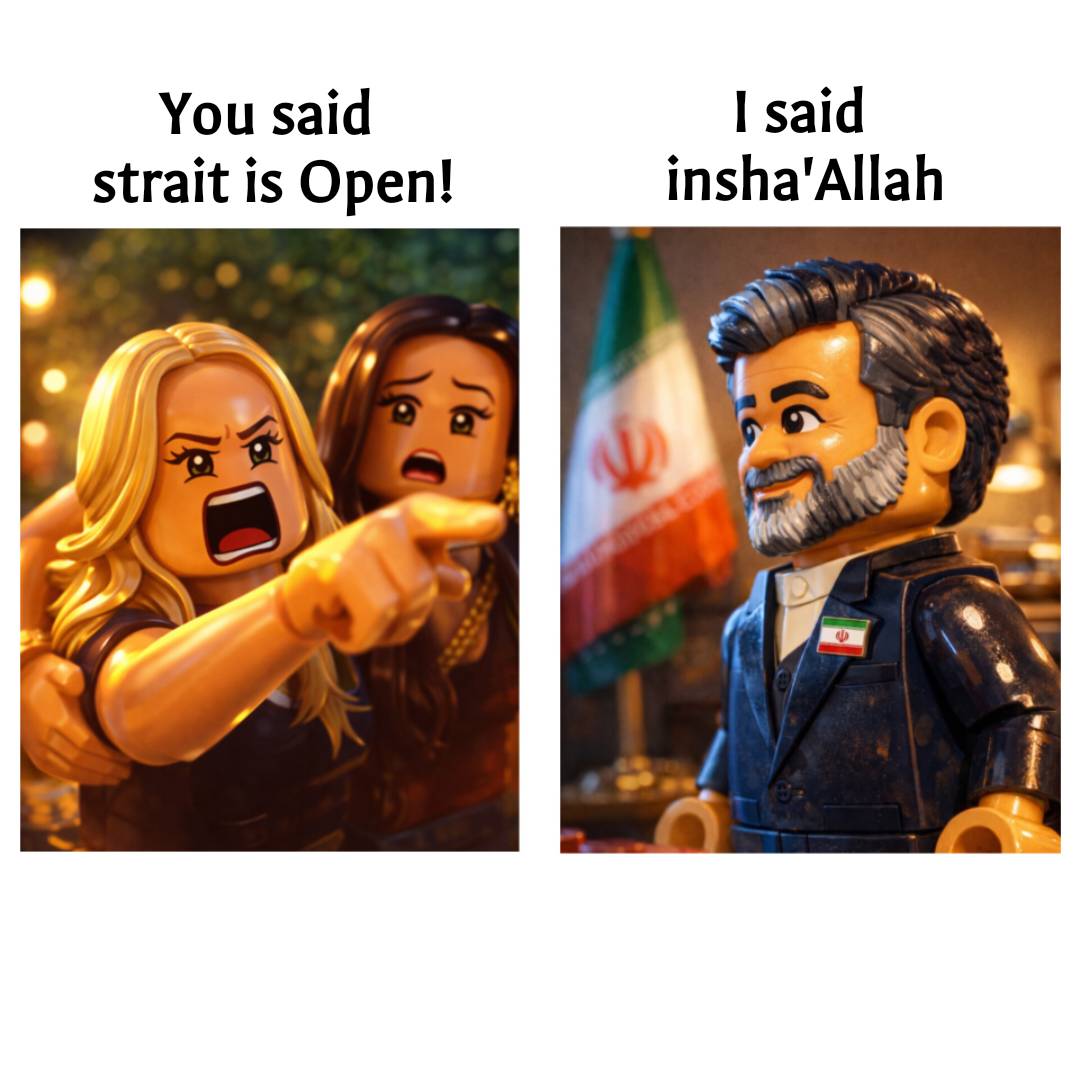


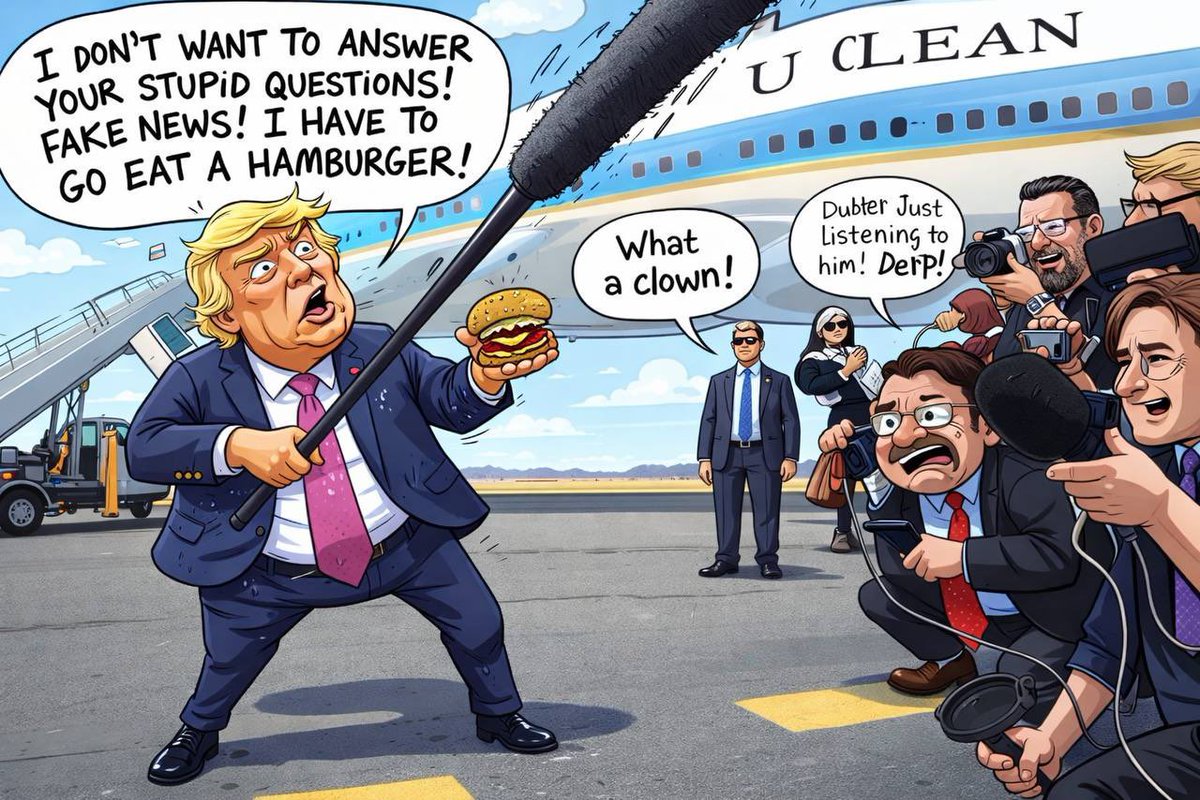
1. Try not to show yourself too happy. Have a little prestige; 2. Never, (emphasize) never think to the new legal regime of the Strait of Iran. We will fix it; 3. Turn off the phone, relax, no more posts and, block Bibi for one week; 4. Eat a light dinner and sleep well.


It is utterly abominable how policies that deliberately inflict pain and suffering on innocent people are presented with smug self-righteousness. This only reveals an inhumane mindset behind them. These are nothing short of economic terrorism and state-sponsored extortion — actions that amount to crimes against humanity and, in their cumulative effect, constitute genocide.
لفاظیهای توئیتری و اظهارات بیپایه دشمن، در جهت سلب احساس افتخار ملت ایران برای پیروزیهای بزرگی است که در دفاع مقتدرانه کسب کردهاند. بازگشایی مشروط و محدود بخشی از تنگه هرمز ، صرفا ابتکاری ایرانی، مسئولیتآفرین و برای آزمون تعهدات قطعی طرف مقابل است. بدعهدی کنند، بد میبینند.


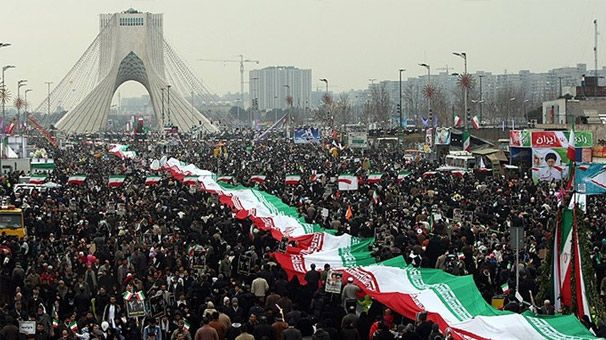

What @USAmbUN isn’t telling you: The 1979 takeover of the U.S. Embassy in Tehran was never an unprovoked act of aggression. It was a deliberate, preemptive move by revolutionary students who had watched the United States use that very same embassy as the operational headquarters for the 1953 coup that overthrew Iran’s democratically elected nationalist prime minister, Dr. Mohammad Mossadegh, and restored the Shah to power. Having just toppled the monarchy in their own revolution, those students were determined not to let history repeat itself. They feared, rightly in their view, that the embassy would once again become the nerve center for another American-orchestrated counter-revolution. The crisis was eventually resolved through the Algiers Accords of January 1981. In that binding agreement, the United States explicitly pledged not to interfere "directly or indirectly" in Iran’s internal or external affairs. Iran, in turn, released the hostages. That should have been the end of the matter. Instead, Washington proceeded to violate the spirit and letter of the agreement with a long, unbroken chain of revengeful measures. These included: - Actively supporting Saddam Hussein’s invasion of Iran in 1980 and turning a blind eye to his systematic use of chemical weapons against Iranian troops and civilians. - Shooting down Iran Air Flight 655 in 1988, a civilian airliner carrying 290 people, including dozens of children, killing everyone on board. - Imposing crippling economic sanctions that have been tightened and reimposed repeatedly for decades. - Covertly and overtly fomenting internal unrest and supporting opposition groups. - Unilaterally withdrawing from the 2015 nuclear agreement (JCPOA) in 2018, despite Iran’s full compliance as certified by the IAEA. - And, most recently, direct military strikes on Iranian territory. In every single one of these episodes, U.S. officials and their surrogates have reflexively invoked the 1979 embassy takeover as the original sin that supposedly justifies perpetual hostility. They treat the hostage crisis as an eternal blank check for aggression, while conveniently omitting the prior coup, the broken non-interference pledge, and the long list of American provocations that followed. The real question is no longer “What happened in 1979?” The real question is: How much longer will Washington continue to wave the embassy hostage crisis like a bloody flag to excuse every new act of hostility, sanctions, and military pressure against Iran?
