Isabelle Compagnon, PhD

431 posts

Isabelle Compagnon, PhD banner
Isabelle Compagnon, PhD

Isabelle Compagnon, PhD

@IsabelleCompag1

Jr Prof Molecular Physicist/Glycoscientist - Lasers meet Glycans - BattleGlyco, our educational card game of Glycoscience @iLM_RECHERCHE @CNRS @UniversiteLyon

Lyon, France Katılım Ağustos 2018
292 Takip Edilen244 Takipçiler
Isabelle Compagnon, PhD retweetledi
26th International Mass Spectrometry Conference
🌍✨ International Day of Women and Girls in Science Every year, on February 11, this initiative led by @UNESCO and UN Women promotes equality and encourage women’s careers in science. 🔬 This year, #IMSC2026 would like to highlight two inspiring profiles. Lucky enough they are co-chairs of our conference: 👉 @IsabelleCompag1, Chair of the event 👉 Isabelle Fournier, Co-Chair 👏 A big thank you to them for their commitment, which, we hope, will inspire future generations to embrace science with ambition and passion—and encourage you to join us at the event! Stay connected and/or sign up for our newsletter to stay informed 👉 imsc26.com
GIF
English

0
2
3
184
Patrick Moynihan
Patrick Moynihan@pmoyniha·
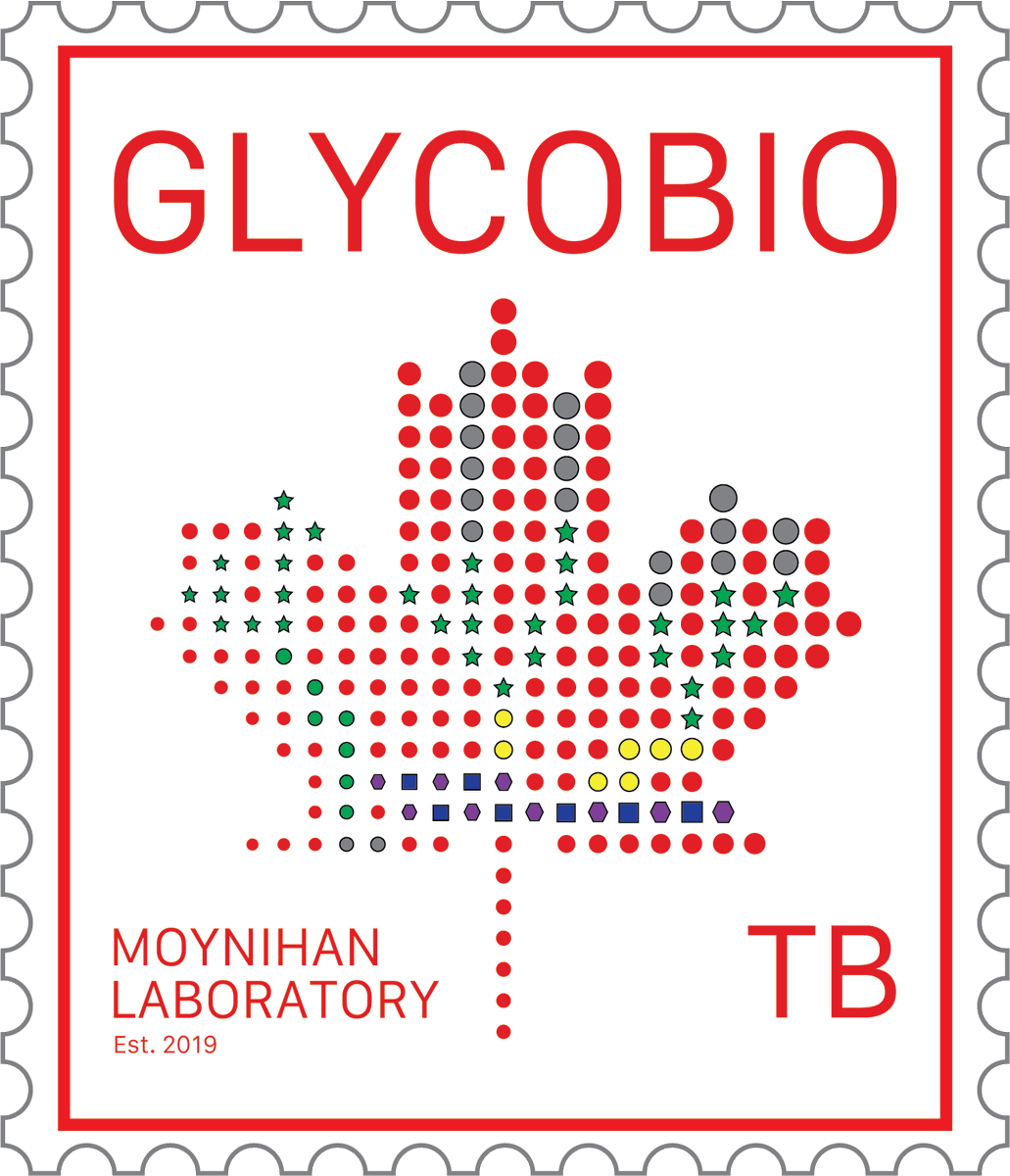
Over the holidays I made a new lab logo, it is based on a Canadian postage stamp, using the symbolic nomenclature for glycans to embed the TB cell wall...
Patrick Moynihan tweet mediaPatrick Moynihan tweet media
English
15
9
196
13.7K
Isabelle Compagnon, PhD retweetledi
The Nobel Prize
The Nobel Prize@NobelPrize·
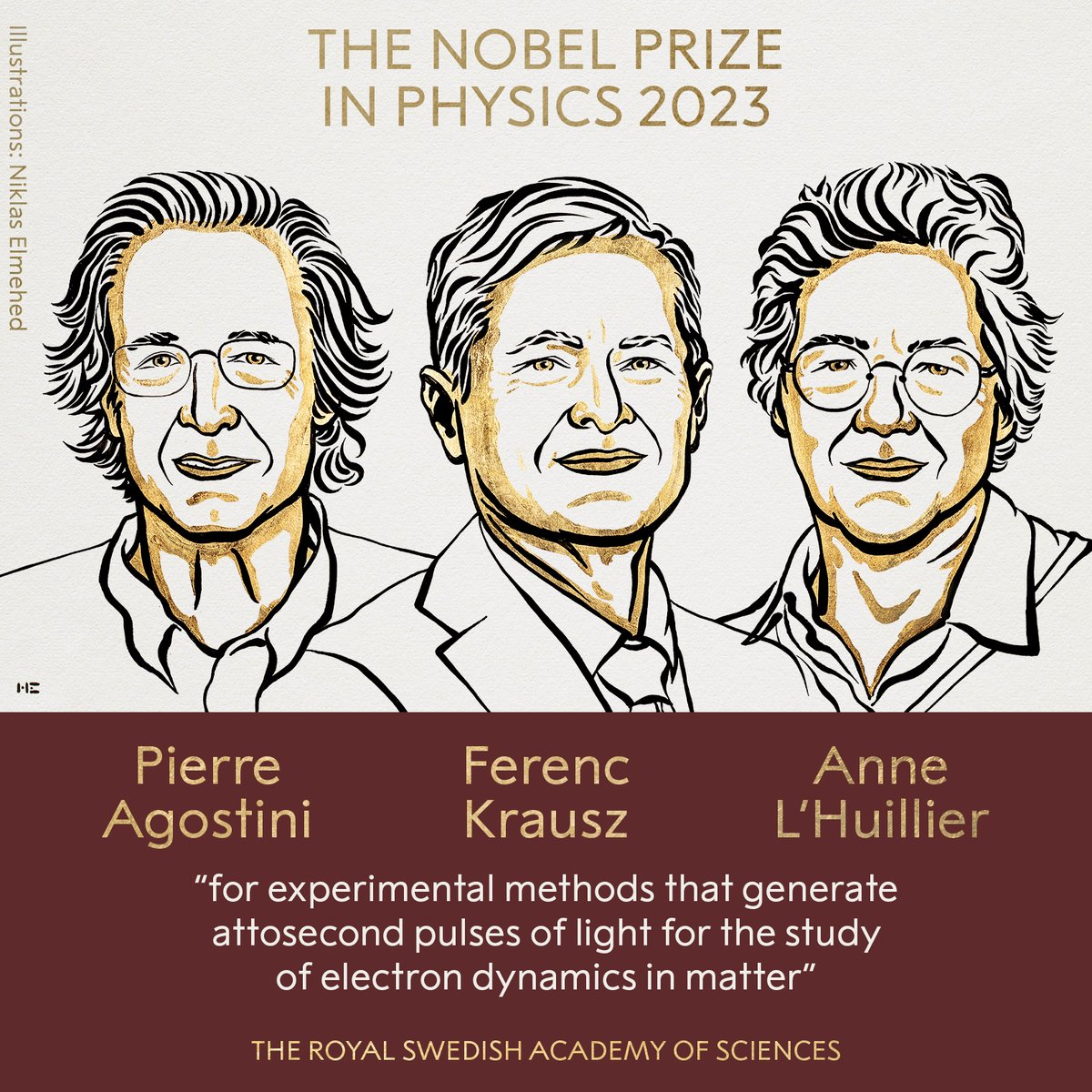
BREAKING NEWS The Royal Swedish Academy of Sciences has decided to award the 2023 #NobelPrize in Physics to Pierre Agostini, Ferenc Krausz and Anne L’Huillier “for experimental methods that generate attosecond pulses of light for the study of electron dynamics in matter.”
The Nobel Prize tweet media
English
478
11.7K
34.5K
6.3M
Ashraf Saad, bridging Glycobiology and Oncology!
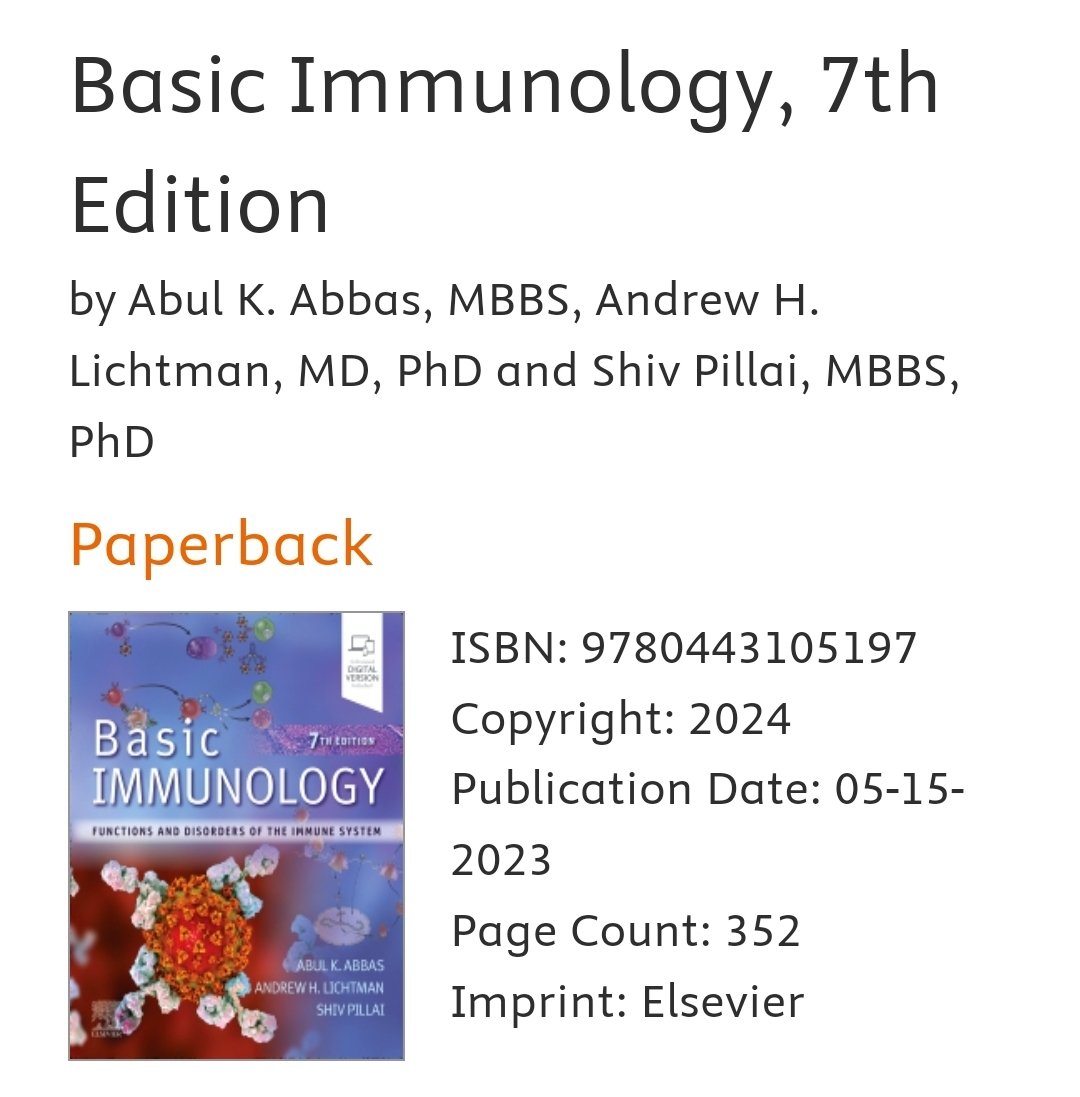
#glycotime I love this book (popular among medical students) & I have its 6th edition. Unfortunately, no single word mentions glycobiology. Knowing the great impact of glycobiology in immunology, it is high time for glycobiologists to sit with immunologists & re-write immunology!
Ashraf Saad, bridging Glycobiology and Oncology! tweet media
English
1
0
9
374
Isabelle Compagnon, PhD retweetledi
CNRS 🌍
CNRS 🌍@CNRS·
[BLOG] #FocusSciences 🎯 Fumiers agricoles, déchets de papeteries, résidus de l’industrie agroalimentaire… Ces « surplus de biomasse » encore peu valorisés sont au cœur de travaux de recherche qui visent à les transformer en matériaux d'intérêt. ⤵️ lejournal.cnrs.fr/nos-blogs/focu…
Français
0
11
25
7.5K
Isabelle Compagnon, PhD
Isabelle Compagnon, PhD@IsabelleCompag1·
Pour cause de traitement pas encore très bien dosé, je fais des cauchemars affreux quasi toutes les nuits. Cette nuit: j’étais affectée pour une année complète dans un établissement du secondaire. Force, courage et bonnes vacances à toute l’éducation nationale, bisous
Français
0
0
2
252
Madame Maïs
Madame Maïs@MadameMais·
Y’a une meuf sur Instagram qui explique comment réutiliser les mêmes vêtements avec le #reuse en expliquant qu’elle a mis le même maillot deux étés de suite.
Français
161
177
3.1K
449.5K
Isabelle Compagnon, PhD
Isabelle Compagnon, PhD@IsabelleCompag1·
Contexte: examen d’optique physique Question 1: rappelez la définition de l’intensité Réponse: U=RI #C’EstMaFauteJ’AvaisQu’aPreciser
Français
0
0
2
157
Isabelle Compagnon, PhD
Isabelle Compagnon, PhD@IsabelleCompag1·
@Manu_QLF Attends tu peux donner un million à une personne, tu peux donner un euro à un million de personnes mais tu peux pas donner un million à un million de personnes
Français
0
0
0
83
Manu 🎈
Manu 🎈@Manu_QLF·
Mbappé a reçu une offre de 700 MILLIONS, il peut donner un million à chaque français il lui restera encore 630 millions c’est une dinguerie sah
Français
2.1K
3.4K
51.2K
5.8M
Olivier🐿️
Olivier🐿️@gloupin·
My place of work had an X logo before it was cool...
English
1
0
14
1K
Anna Clemens, PhD
Anna Clemens, PhD@scientistswrite·
🧐 Which program did you use to write your last paper with your co-authors?
English
24
8
51
65.3K
fayr
fayr@fayzby·
@_cuterus Moi c'est musulmane qui les refroidi 🤗😂
Français
2
0
10
1.6K
kognedur
kognedur@_cuterus·
Alors visiblement lorsque deux témoins de Jéhovah viennent te demander si elles peuvent discuter avec toi, "Je suis sage-femme et je pratique des avortements" n'est pas la réponse attendue 🤷‍♀️
Français
36
68
1.5K
81.8K
Isabelle Compagnon, PhD
Isabelle Compagnon, PhD@IsabelleCompag1·
Since I’ve been quilting that large plaid my thumb tip has hardened a bit and my iStuff Touch devices won’t recognize me anymore 😑 (won’t upgrade to iStuff face identification as long as a can drag on with my antics because carbon footprint blabla) @Apple help ? 🧵 🪡
English
0
0
1
231
Ella Marushchenko
Ella Marushchenko@Ella_Maru·
How to choose colors when you create scientific figure? With the right color combinations, you can enhance understanding, increase engagement, and make your work more accessible to a wider audience. Here's a guide on how to strategically choose and combine colors for your scientific figures. Consider Color Theory - There's a science to color just like there's a science to everything else. Understand the basic principles of color theory, such as complementary colors, analogous colors, and color triads. Experiment with these rules to find combinations that work well for your figures. Simplicity is Key - Too many colors can confuse the viewer and make your figures difficult to comprehend. Stick to a basic palette of three to five colors. Highlight key data points or trends with a contrasting color. Consistency Counts - If you're presenting multiple figures or graphs, use consistent colors to represent the same variables. This makes it easier for readers to compare and contrast results across different figures. Think About Your Audience - Not everyone sees color the same way. About 8% of men and 0.5% of women have some form of color blindness. Use tools to check how your figures would look to color-blind individuals. Simplicity and high contrast can help ensure your figures are accessible to everyone. Use Color to Guide the Eye - Bright, warm colors like reds, oranges, and yellows tend to draw the eye. Use these for important data points you want to highlight. Cooler colors like blues, greens, and purples can be used for background or less important data. Find Inspiration - Look at successful examples of figures in your field. Notice the colors they use and how they use them. Tools like Coolors or Adobe Color can help you create color schemes inspired by these figures. Iterate and Test - Don't be afraid to experiment and ask for feedback. See how different color schemes work in your figures. Get feedback from colleagues or your target audience if possible. Use this to refine your figures and make them as clear and engaging as possible. At the end of the day, the goal is clear communication. If your colors enhance understanding and engagement, you're on the right track. Remember, your research deserves to be seen in the best possible light. And sometimes, that light is a carefully chosen spectrum of colors. #science #figure #sciart
Ella Marushchenko tweet media
English
7
48
386
84.7K
Isabelle Compagnon, PhD
Isabelle Compagnon, PhD@IsabelleCompag1·
Consigne: affichez « hello world » ou toute autre salutation de votre choix. Réponse: cout << "Wesh wesh" << endl ; #VisMaViedEC
Français
0
0
1
143