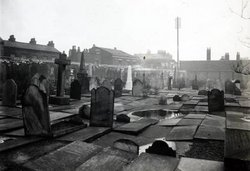
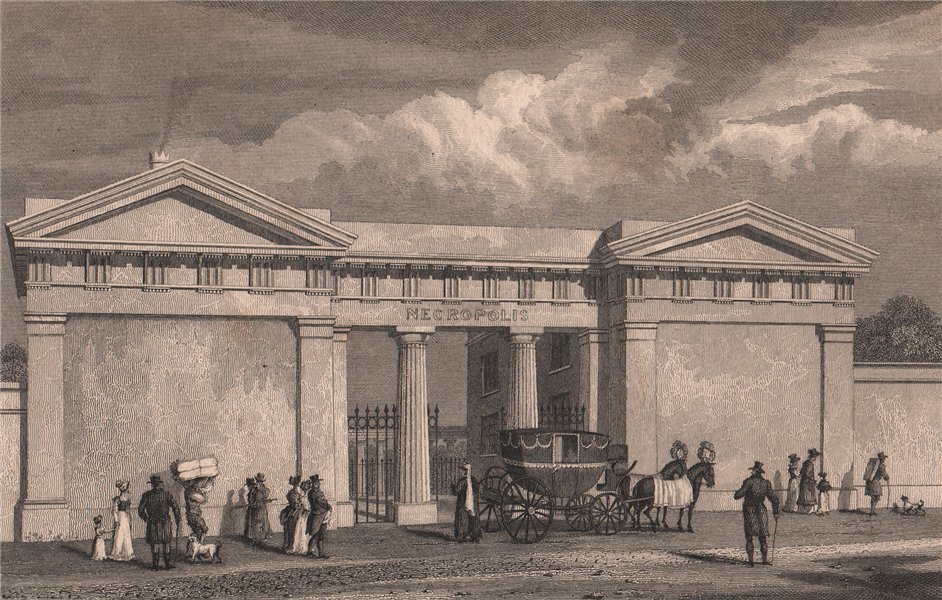
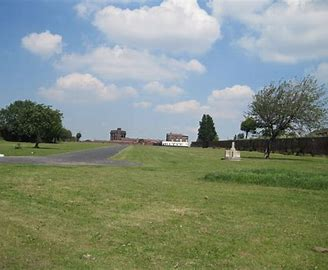
Low Hill Cemetery, Everton (also known as Liverpool Necropolis) was a graveyard between 1825 and 1898. After headstones and memorials were removed in 1914 the area re-opened as Grant Gardens. Today 80,000 people still lie buried beneath this public park.
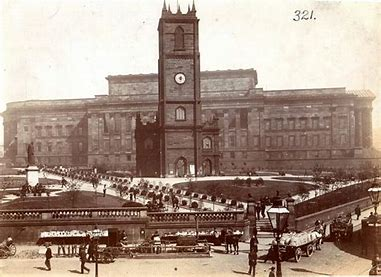
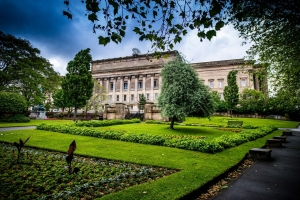
St John's Gardens, Liverpool. After St John's Church was demolished in 1899 its graveyard was turned into a public park. The headstones were removed but the graves remain. It is thought that 27,000 people are buried beneath this beautiful city greenspace.
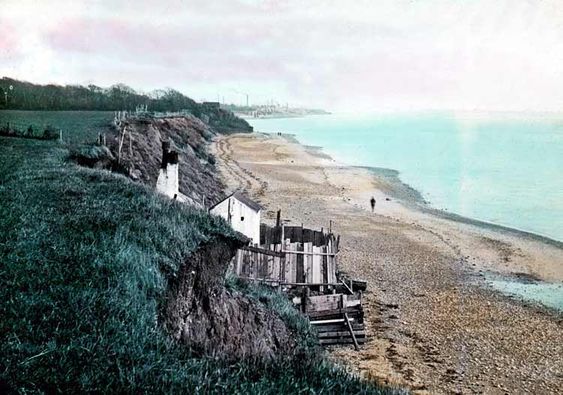
Fishermen's cottages, Otterspool. This colourized picture was taken in the early 20th century. Before the area became the Liverpool City rubbish tip and before Otterspool Promenade was built.
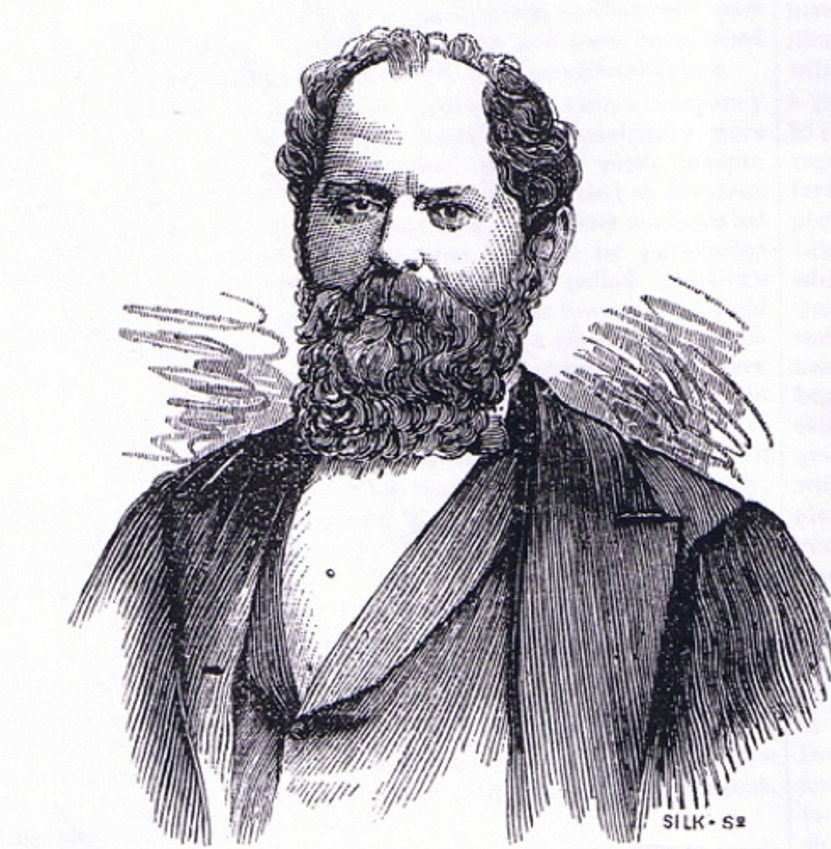
Robert Cain began life in Cork and ended it in Liverpool.
The tour, new to #LIF2022, takes you on a journey of Cain’s life, via some of his most prominent buildings.
23, 24, 25 Oct, 5.30pm
£15
Begins at Liverpool Philharmonic Dining Rooms
Book Now: bit.ly/LIFtalksandtou…
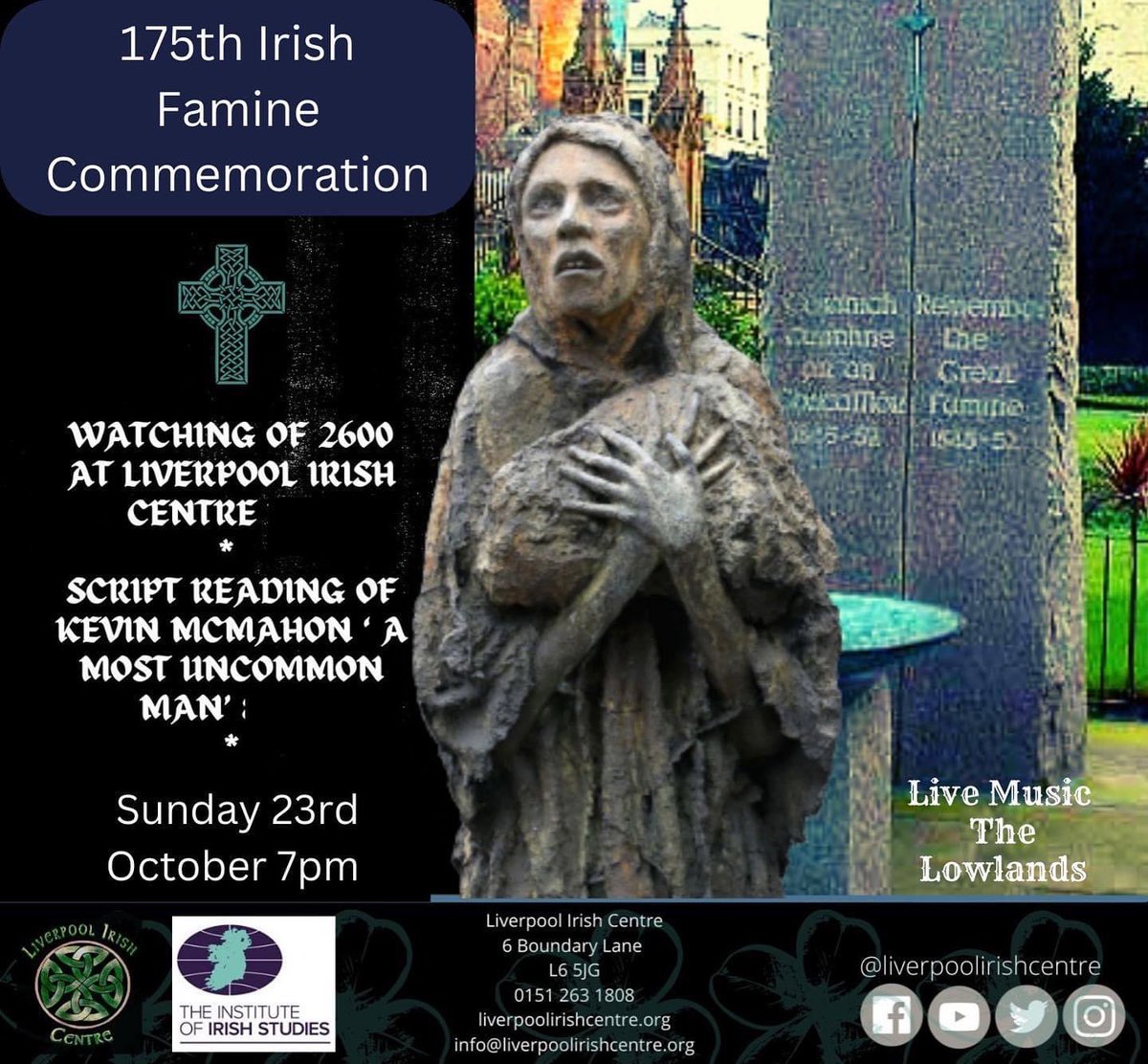
This Sunday 23rd October from 7pm in partnership with Liverpool Institute of Irish Studies
Rearranged 175th Irish Famine Commemoration
Live trad tunes from The Lowlands
Scrip reading of ‘A Most Uncommon Man’
Watching of ‘2600’
Refreshments included and bar and shop open ☘️
@cstrlvr Thank you, you are very kind. Look out for my next book which is a fictionalised account of Detective Marsden's trip to New York to bring back wife-murderer Robert Reid in 1866.
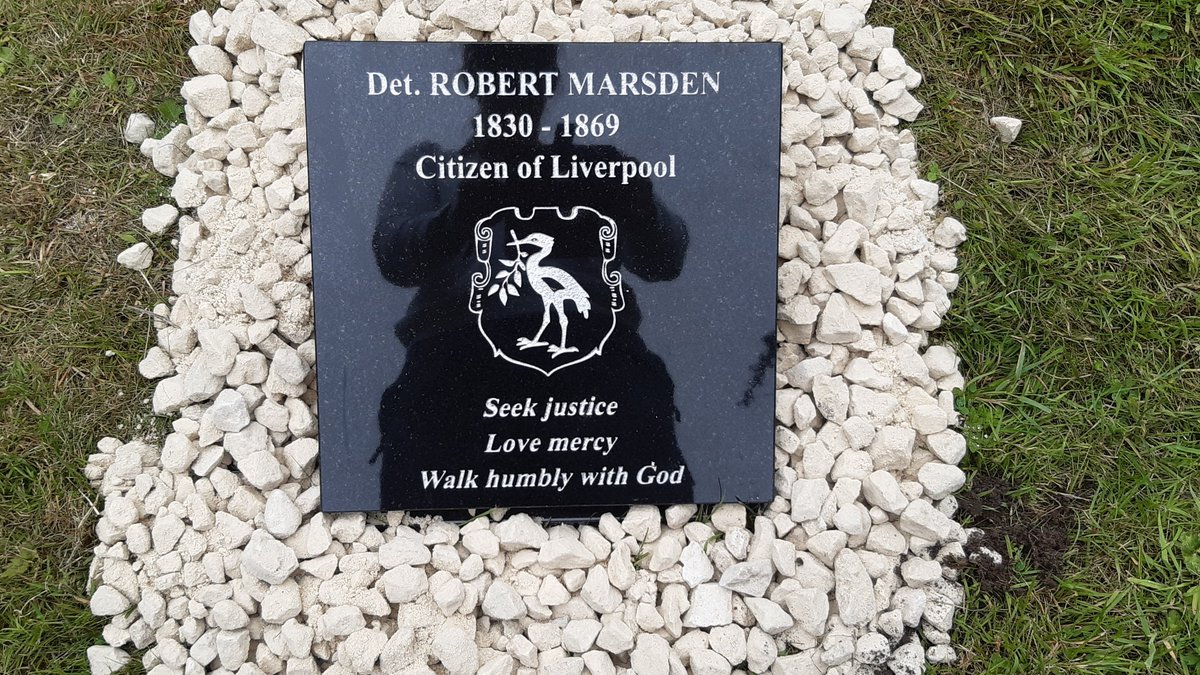
@heeney77 Robert Marsden was one of Liverpool's first police detectives in Liverpool and was involved in the rescue of many street children. He was my great, great, great grandfather. I wrote a book about his life two years ago and the royalties have now allowed me to pay for a headstone.
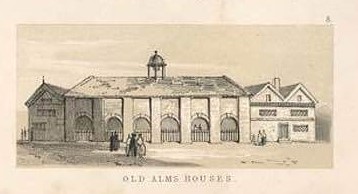
The old Alms Houses, Shaw's Brow, Liverpool. In 1692 Dr Sylvester Richmond gave 100 shillings for the building of alms houses (charity shelters) for the relief of poor sailors' widows. Other alms houses were built in Hanover St, Castle St and Moor St.
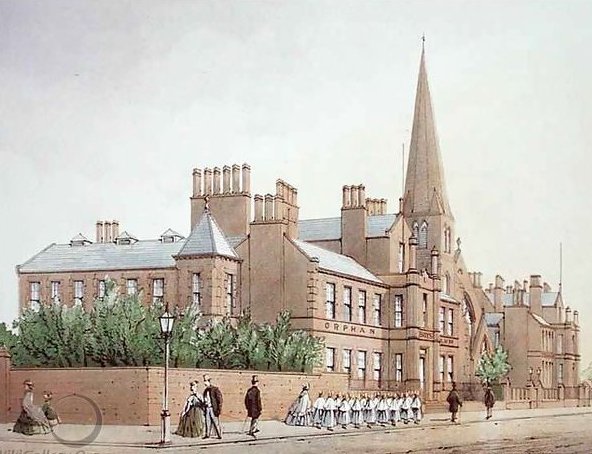
Liverpool Orphan Asylum, Myrtle Street by WG Herdman. 0pened in 1843 it housed up to 160 girls. On admission orphans had to provide a birth certificate which proved that their parents were married and that they had been baptized. No girls were admitted from the workhouse.
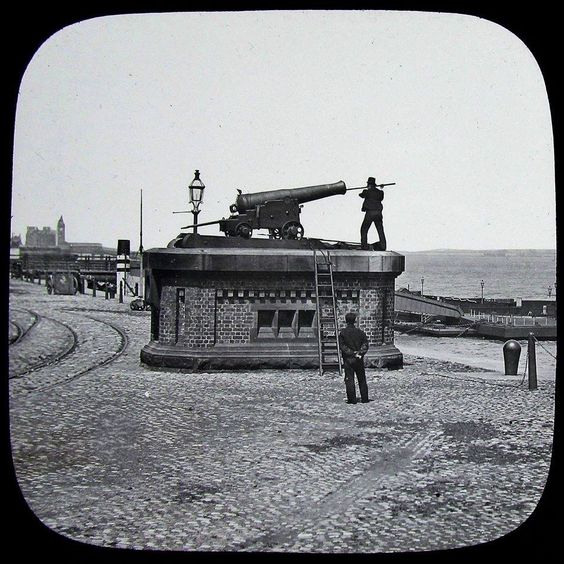
The One O'clock Gun, Morpeth Dock, Birkenhead. From 1867 this gun fired each day at 1pm for ships to set their clocks by. Its boom could be heard for miles around and tradition says if you were born within hearing distance of the One O'clock Gun you were a true Scouser.