
Joseph A. di Paolantonio
70.7K posts

Joseph A. di Paolantonio
@JAdP
@[email protected] for IoT Sensor Analytics Ecosystems (SensAE), Privacy, Ethics; DataArchon, Bayesian; BBBT; IoTPL; Clean & Green; Foodie


Consumption of carbonated soft drinks (litres per person per year): 🇺🇸 USA: 216 🇦🇷 Argentina: 155 🇨🇱 Chile: 141 🇲🇽 Mexico: 137 🇮🇪 Ireland: 126 🇨🇦 Canada: 119.8 🇳🇴 Norway: 119.8 🇺🇾 Uruguay: 113 🇧🇪 Belgium: 102.9 🇦🇺 Australia: 100.1 🇬🇧 UK: 96.5 🇳🇱 Netherlands: 96.1 🇸🇦 Saudi Arabia: 89 🇧🇴 Bolivia: 89 🇳🇿 New Zealand: 84.2 🇸🇪 Sweden: 82.4 🇨🇭 Switzerland: 81.4 🇩🇰 Denmark: 80 🇦🇹 Austria: 78.8 🇩🇪 Germany: 72 🇷🇺 Russia: 66.4 🇧🇷 Brazil: 59.5 🇫🇮 Finland: 52 🇮🇹 Italy: 50.2 🇪🇸 Spain: 39.2 🇫🇷 France: 37.2 🇮🇩 Indonesia: 23 🇯🇵 Japan: 21.6 🇮🇳 India: 4.2


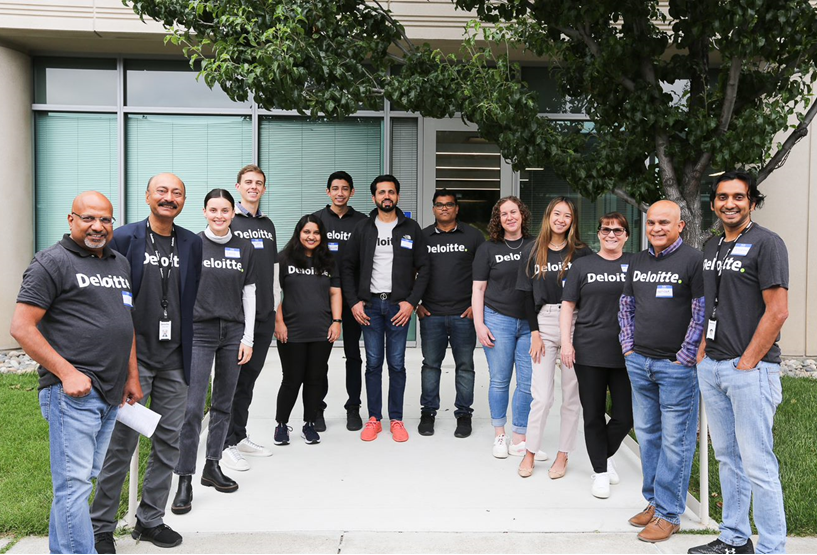
Every day, Deloitte’s people work to make an #ImpactThatMatters. Check out our Impact Day highlights from 1,200+ volunteer sites across the US and see how we contribute to our communities year-round. deloi.tt/3CkhIHi


Wind energy has a massive waste problem. New technologies may be a step closer to solving it | CNN cnn.com/2023/05/28/wor…

Decline in % of adults who smoke (from 2000 to 2020): 🇳🇵 Nepal: -34.1% 🇸🇱 Sierra Leone: -30.2% 🇰🇮 Kiribati: -27.9% 🇳🇴 Norway: -27.8% 🇮🇳 India: -27.3% 🇦🇹 Austria: -25.9% 🇵🇪 Peru: -24.8% 🇨🇺 Cuba: -22.9% 🇧🇩 Bangladesh: -22.9% 🇲🇲 Myanmar: -22.8% 🇬🇧 UK: -22.5% 🇬🇷 Greece: -21.4% . 🇸🇪 Sweden: -19.8% 🇩🇰 Denmark: -19.8% 🇵🇰 Pakistan: -17.3% 🇨🇦 Canada: -15.4% 🇩🇪 Germany: -14.4% 🇰🇷 South Korea: -14.2% 🇯🇵 Japan: -13.2% 🇳🇱 Netherlands: -12.1% 🇵🇭 Philippines: -12% 🇧🇷 Brazil: -11% 🇲🇽 Mexico: -10.9% 🇺🇸 United States: -10.8% 🇦🇺 Australia: -10.8% 🇦🇷 Argentina: -9.5% 🇪🇸 Spain: -9.1% 🇮🇷 Iran: -7.9% 🇷🇺 Russia: -6.5% 🇳🇬 Nigeria: -5.6% 🇻🇳 Vietnam: -5% 🇿🇦 South Africa: -3.2% 🇮🇹 Italy: -3.1% 🇹🇷 Turkey: -2.2% 🇪🇹 Ethiopia: -1.7% 🇨🇳 China: -1.1% 🇫🇷 France: -0.8% 🇪🇬 Egypt: 0% 🇸🇦 Saudi Arabia: +0.1% 🇮🇩 Indonesia: +2.2% 🇭🇷 Croatia: +2.5% 🇲🇩 Moldova: +3.7% 🇯🇴 Jordan: +4.1% 🌍 World: -11.19%


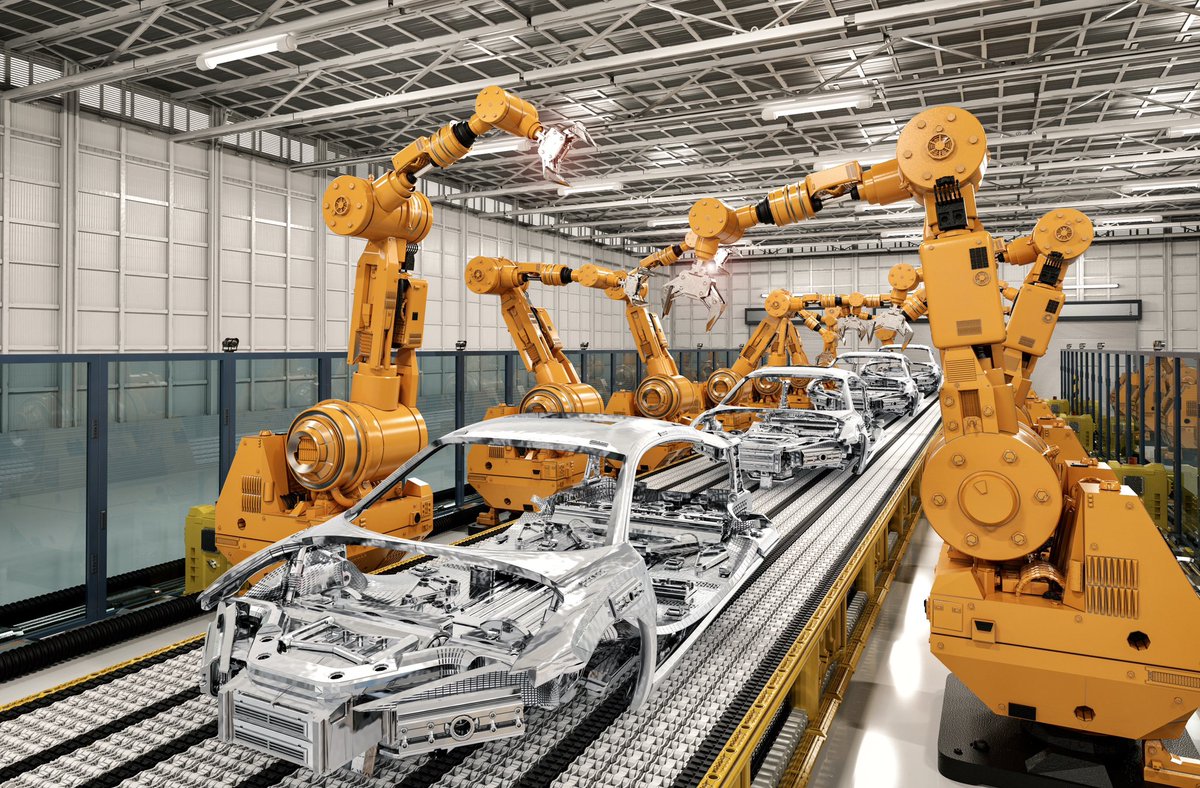
A physical thing like an industrial robot is represented as a digital twin. Sometimes this thing contains one or more subsystems that are complicated enough to warrant their own digital twins. There’s a parent/child relationship between the subsystem digital twins and the digital twin of the the overall physical thing. Sometimes the the physical thing belongs to a group of other physical things. For instance, a collection of industrial robots working together forms an assembly line. That group could also be described as a digital twin. There would be a parent/child relationship between the member digital twins (industrial robots) and the digital twin of the overall group (assembly lines). As you might imagine, a collection of groups could also be represented as a digital twin. For instance, a collection of assembly lines forms a factory. Another example would be how a collection of conference rooms, offices, and floors would form a commercial office building. The properties of child digital twins map to the properties of the parent digital twin to express causal relationships.

Nvidia $NVDA CEO Jensen Huang said last week “We have reinvented computing for the first time since the IBM system 360 60 years ago"